8 July Tomato Care Tips That Help Colorado Gardens Push Through Peak Heat
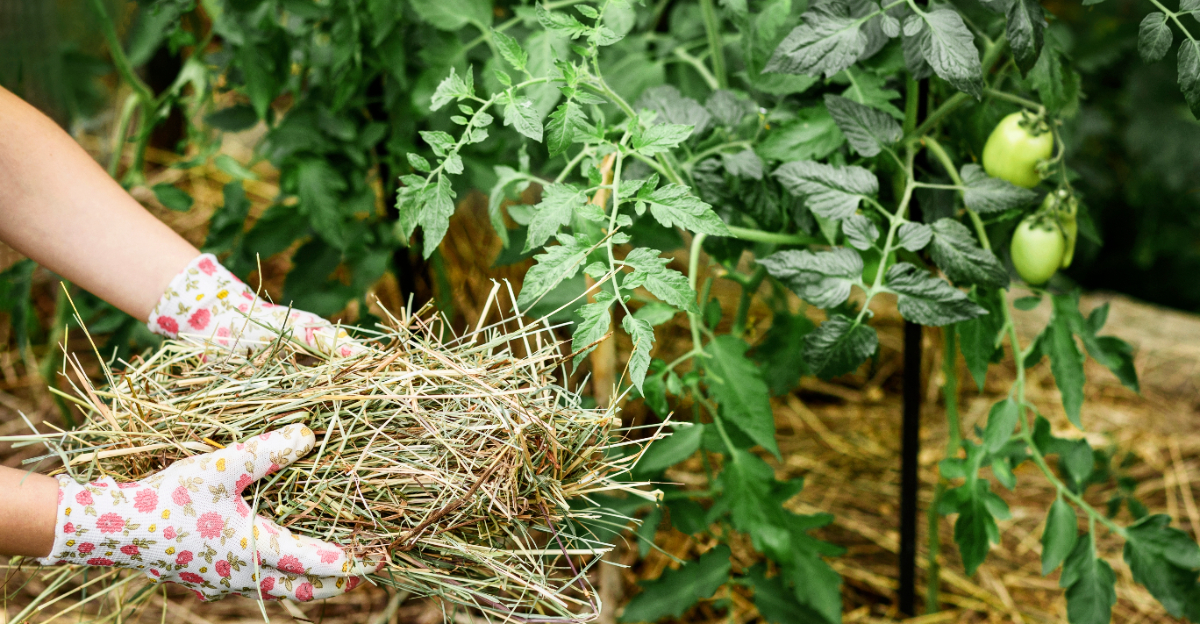
Colorado July does not ease up on tomatoes. One week of relentless afternoon heat and your plants go from loaded with fruit to dropping blossoms overnight.
The problem is not the heat alone, it is the combination of scorching days, dry winds, and cool nights that puts your plants in constant recovery mode. Most gardeners water more and hope for the best. That rarely works.
July tomato care in Colorado is specific, and what works in other states often falls flat here. The Front Range climate plays by its own rules, and your plants need you to know them.
These eight tips are not generic advice recycled from a national gardening blog. They are built around what Colorado summers actually do to tomatoes, and what keeps them producing anyway.
1. Water Deeply And Consistently To Support Root Health
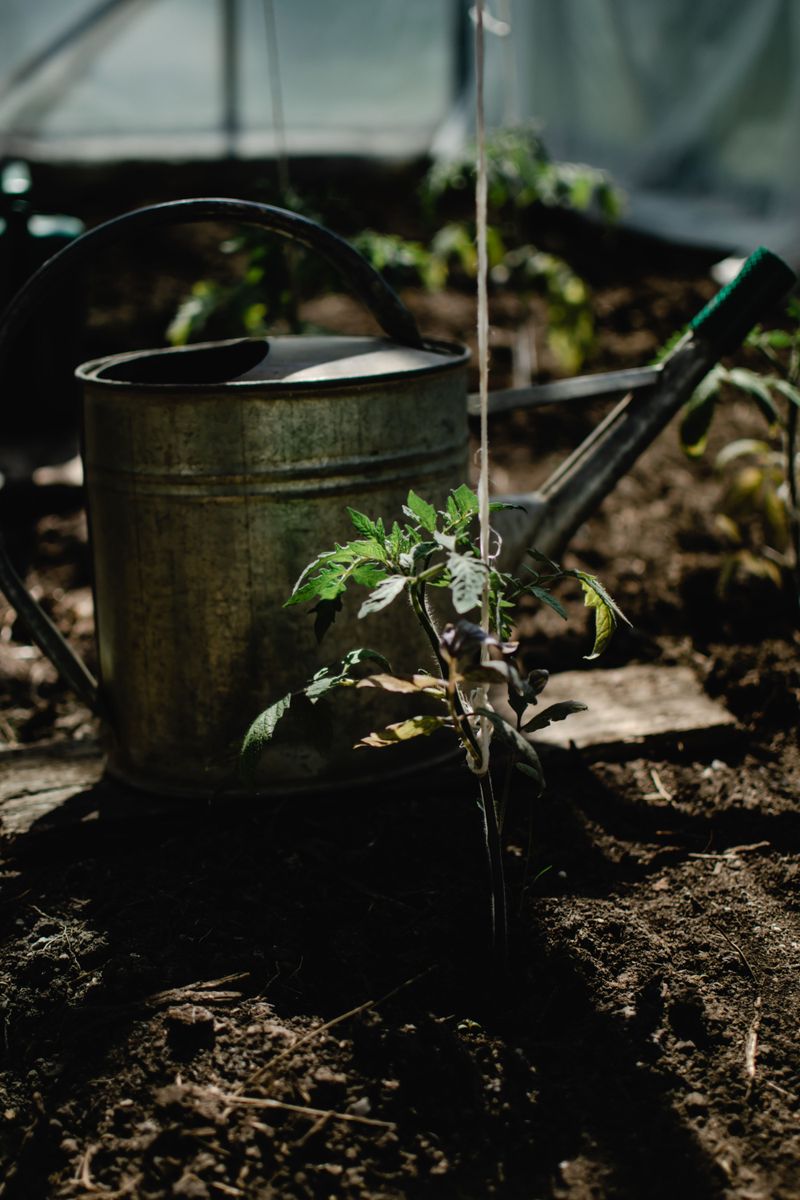
Roots get thirsty fast when July heat bakes the soil dry. Shallow watering trains roots to stay near the surface, which makes plants weak and stressed.
Deep watering pushes moisture down six to eight inches into the soil. That encourages roots to follow the water downward, building a stronger foundation for the whole plant.
Aim for about two inches of water per week during peak summer heat. Split that into two or three sessions rather than one big soaking all at once.
A soaker hose laid at the base of each plant works beautifully for this. It delivers water slowly and directly where roots need it most.
Consistent watering matters just as much as deep watering does. Irregular moisture causes blossom end rot, a frustrating condition that ruins tomatoes before they even ripen.
Check your soil moisture by pressing a finger two inches into the ground. If it feels dry at that depth, it is time to water again right away.
Tomatoes grown in raised beds dry out faster than in-ground plants. Those beds may need watering every single day during a Colorado heat wave.
Strong roots built through deep, steady watering give your plants the resilience to handle peak summer heat. Consistent care now means more tomatoes on your table later.
2. Mulch Around The Base To Lock In Soil Moisture
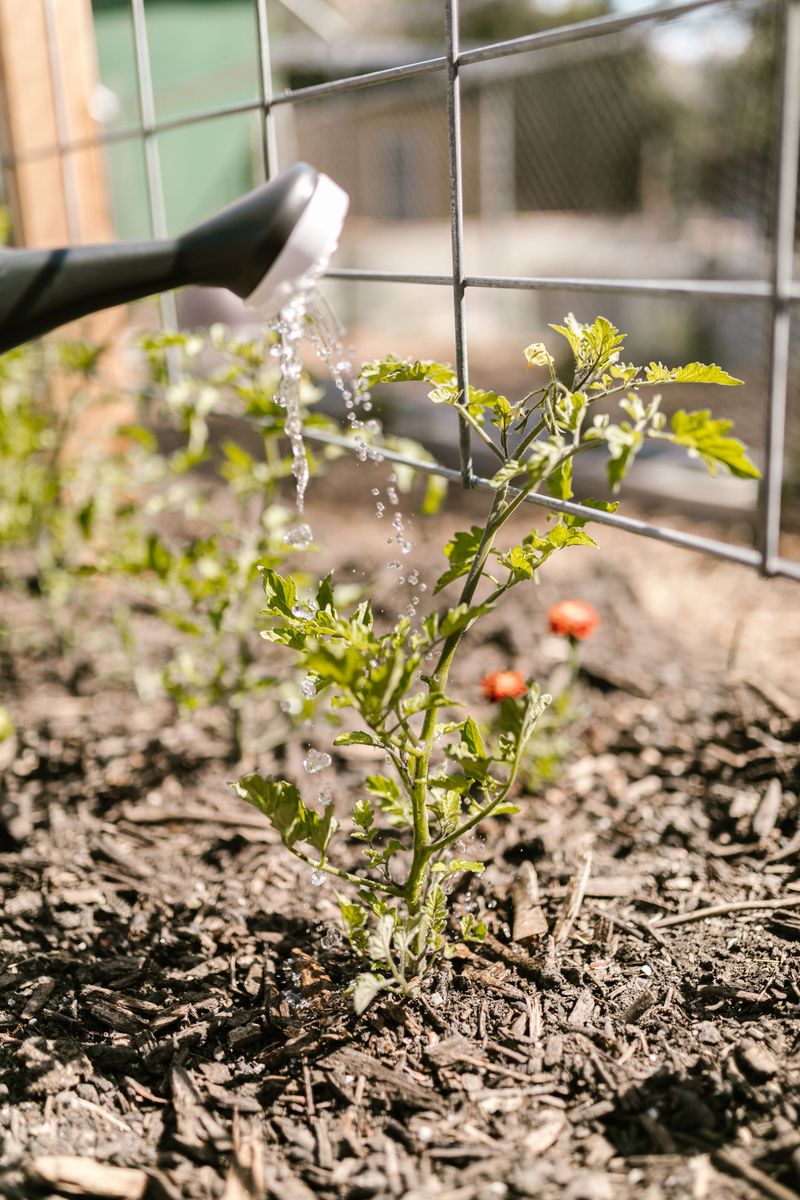
Picture pulling back a thick layer of straw and finding cool, damp soil underneath on a ninety-degree afternoon. That is exactly what mulch does for your tomatoes every single day.
A three-to-four inch layer of organic mulch slows evaporation dramatically. Without it, soil can lose moisture within hours during a Colorado July afternoon.
Straw, shredded leaves, and wood chips all work well as mulching materials. Each one breaks down slowly and adds organic matter back into the soil over time.
Mulch also acts as a temperature buffer for root zones. Soil under mulch can stay ten to fifteen degrees cooler than bare, exposed ground nearby.
Cooler roots mean a calmer, more productive plant overall. Heat-stressed roots slow fruit production and make tomatoes more vulnerable to disease and pest pressure.
Spread mulch starting about two inches away from the main stem. Piling it directly against the stem traps moisture and can cause rot at the base.
Your Colorado Garden Changes Every Week. Your Plan Should Too.
Gardening in Colorado changes quickly throughout the season. Every Friday you’ll receive a simple weekly plan showing exactly what to plant, prune, fertilize, harvest, and protect so you never miss the right timing.
Refresh your mulch layer mid-season if it starts to thin out. Decomposition happens fast in hot weather, so topping it off keeps the benefits strong.
One bag of straw from a garden center costs just a few dollars and protects your plants all season long. That small investment pays off in juicy, well-formed tomatoes that make all the July heat worth it.
3. Add Shade Cloth During The Hottest Part Of The Day
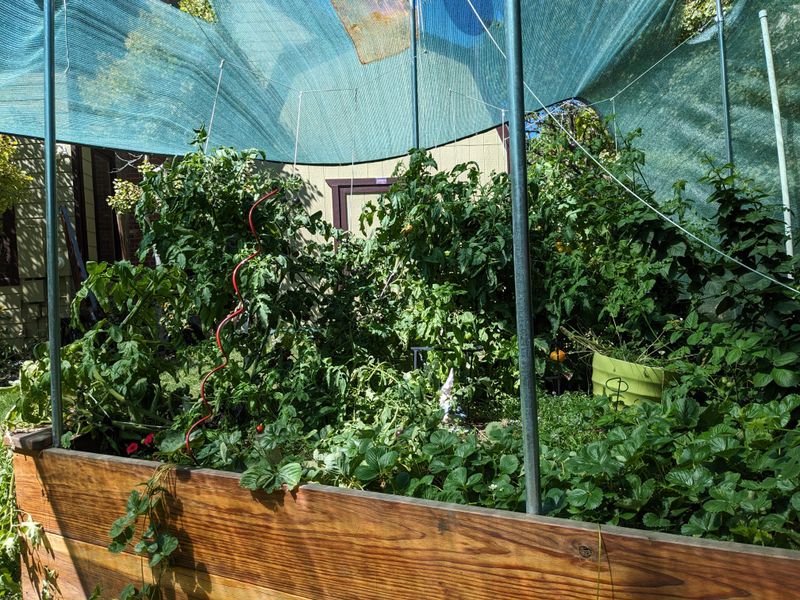
When afternoon sun turns your garden into a furnace, tomato blossoms start dropping off the plant. That blossom drop is a clear sign your plant is under serious heat stress.
Shade cloth blocks twenty to forty percent of intense sunlight without cutting off the light plants need to grow. It creates a gentler environment during the most punishing hours of the day.
Set up your shade cloth between noon and four in the afternoon when temperatures peak. Morning and evening light is softer and actually beneficial, so remove or roll back the cloth during those hours.
A simple frame made from PVC pipes or wooden stakes holds the cloth above the plants nicely. The cloth should sit a foot or more above the foliage to allow airflow underneath.
Shade cloth is reusable season after season, making it a smart long-term investment. Store it carefully at the end of summer and it will serve your garden for years ahead.
Plants protected from intense afternoon heat tend to keep their blossoms and set fruit more reliably. That means more tomatoes per plant by the time August arrives.
You do not need to shade every plant in the garden, just the ones getting the most direct western exposure. Observe where the harshest afternoon sun hits and focus your efforts there.
Protecting your plants during peak heat hours is one of the smartest July tomato care tips you can put into action this season.
4. Water Early In The Morning Before Temperatures Climb
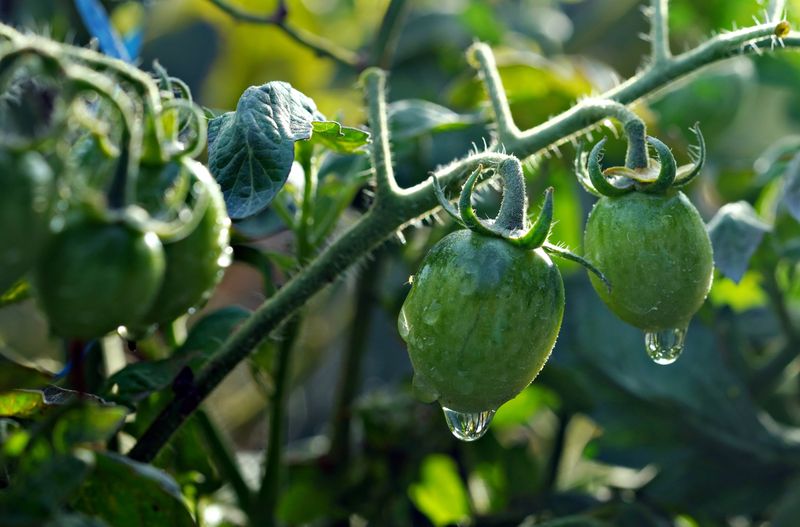
There is something satisfying about being in the garden before the rest of the neighborhood wakes up. Early morning watering gives your tomatoes a head start on a tough July day.
Watering in the morning allows moisture to soak deep into the soil before the heat arrives. Plants absorb that water and use it to stay cool and productive all afternoon long.
Evening watering might seem convenient, but it leaves foliage damp overnight. Wet leaves in cooler nighttime air create perfect conditions for fungal diseases to take hold fast.
Morning water on leaves dries quickly as temperatures rise. That quick drying prevents the moisture buildup that leads to problems like early blight and septoria leaf spot.
Try to water between six and nine in the morning for the best results. By mid-morning the soil surface should be moist but not soggy or waterlogged.
Drip irrigation systems can be set on timers to handle early morning watering automatically. That removes the need to set an alarm and still gets the job done right.
Consistent morning watering also helps regulate the soil temperature throughout the day. Moist soil absorbs heat more slowly, protecting roots from the worst of the afternoon temperature spikes.
Starting your day with a quick garden check and a good watering session builds a healthy routine. Your tomatoes will reward that early effort with steady growth and strong fruit production all month long.
5. Hold Off On Fertilizing Until The Heat Breaks
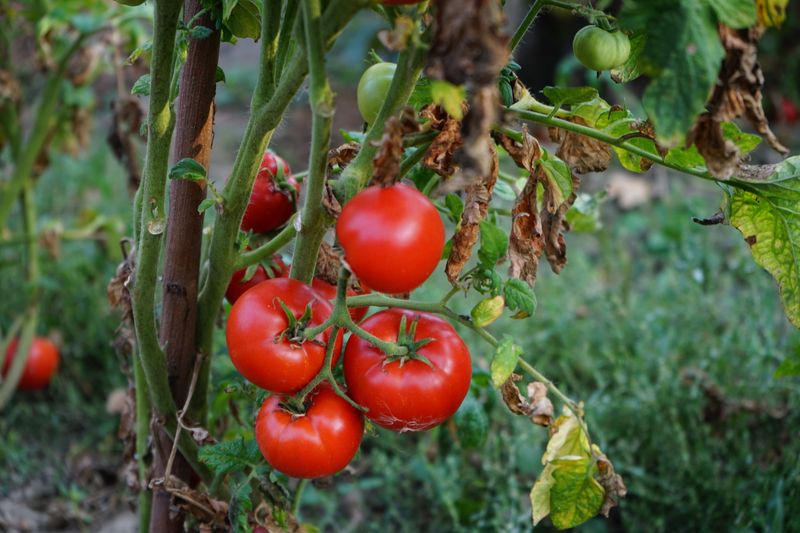
Fertilizing tomatoes during a heat wave sounds helpful, but it can actually backfire in a frustrating way. Plants under heat stress cannot properly absorb nutrients, and excess fertilizer can burn already-struggling roots.
Nitrogen-heavy fertilizers push plants to grow new leafy tissue fast. That new growth needs extra water to survive, which puts even more stress on a plant already working hard to cope with heat.
When temperatures stay above ninety degrees for several days in a row, your tomatoes shift into survival mode. Growth slows down and the plant focuses its energy on simply staying alive rather than producing fruit.
Wait until a cooler stretch arrives before resuming a regular feeding schedule. Even a few days of lower temperatures can help the plant bounce back and start absorbing nutrients again.
Mid-July through early August is often when many Colorado gardeners see a natural heat break. That window is the perfect moment to give plants a gentle boost with a balanced fertilizer.
A slow-release granular fertilizer applied before the heat arrived is still working in the soil. Trust that earlier application and avoid piling on more product during the hottest weeks.
Liquid fertilizers can be applied at half strength if you feel the plant truly needs a pick-me-up. Diluted feeding is gentler on stressed roots and less likely to cause damage.
Patience during a heat wave pays off more than any bag of fertilizer ever could.
6. Avoid Overhead Irrigation To Prevent Fungal Disease
Sprinklers might seem like the easiest option, but wet foliage creates real problems for tomatoes. Fungal spores thrive when leaves stay damp, and disease can spread through a plant faster than most gardeners expect.
Overhead irrigation soaks leaves, stems, and fruit with water that sits and lingers. That lingering moisture creates exactly the humid conditions that fungal spores need to germinate and grow.
Common diseases like early blight and powdery mildew spread rapidly when foliage stays consistently wet. Once those diseases take hold, they are difficult to stop without removing infected plant material.
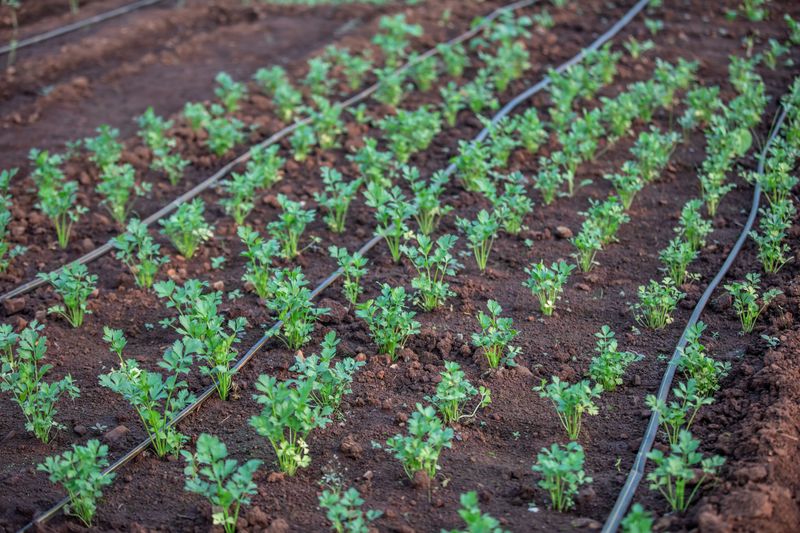
Drip irrigation or soaker hoses deliver water directly to the soil and root zone. The leaves stay dry, the roots stay hydrated, and the whole plant stays healthier throughout the season.
If you must use overhead watering, do it only in the morning so leaves dry completely before evening. Never water overhead in the afternoon or evening when drying conditions are poor.
Drip systems also waste far less water than sprinklers, which matters during summer water restrictions. Many Colorado municipalities encourage drip irrigation specifically for this reason during dry months.
Installing a basic drip system does not require professional help or expensive equipment. Simple kits from garden centers connect easily to a standard outdoor faucet and take just an afternoon to set up.
Keeping foliage dry is one of the most overlooked July tomato care tips, and it protects your harvest all the way through September.
7. Shake Blossoms Gently To Help With Pollination
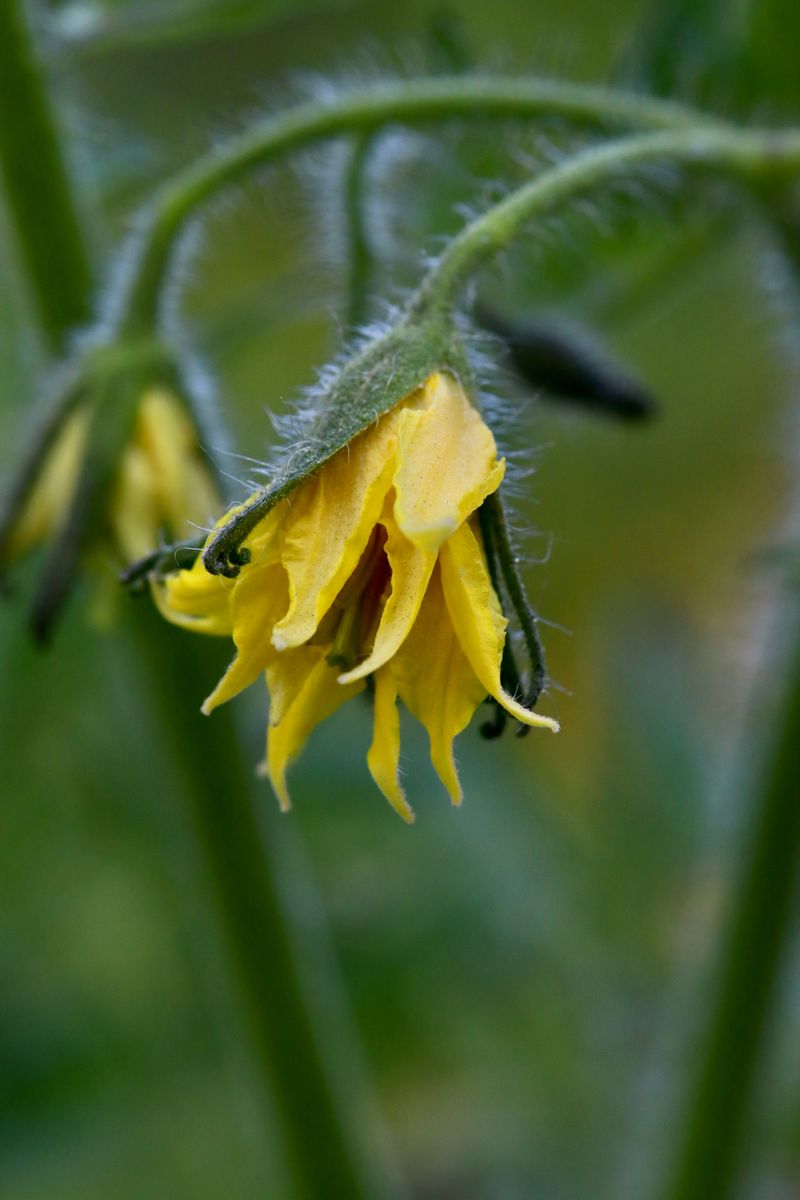
Tomato blossoms are self-fertile, meaning each flower carries both male and female parts. All they need is a little vibration to release pollen and complete the pollination process successfully.
In a healthy garden, bees and wind handle most of that vibration naturally. But during extreme heat, bee activity drops and wind patterns change, leaving blossoms without the movement they need.
Gently shaking each flowering branch for a few seconds does the trick when natural pollinators are scarce. Do this mid-morning when blossoms are fully open and pollen release is at its peak.
An electric toothbrush held near the base of a flower cluster works even better than hand shaking. The buzzing vibration mimics the frequency that bumblebees use when they sonicate flowers in the wild.
Skipping this step during a heat wave can lead to blossom drop and a significant gap in fruit production. A few minutes of gentle shaking each morning keeps your fruit set moving along steadily.
Focus on clusters that have just opened rather than older blooms that may have already passed their window. Fresh blossoms are most receptive to pollination within the first day or two of opening.
Planting pollinator-friendly flowers nearby also helps bring bees back to the garden even during hot spells. Basil, borage, and marigolds are excellent companions that attract helpful insects all season long.
A little daily attention to pollination keeps your tomato harvest rolling strong even when July heat pushes everything to the edge.
8. Keep Up With Pruning To Improve Airflow Around Plants
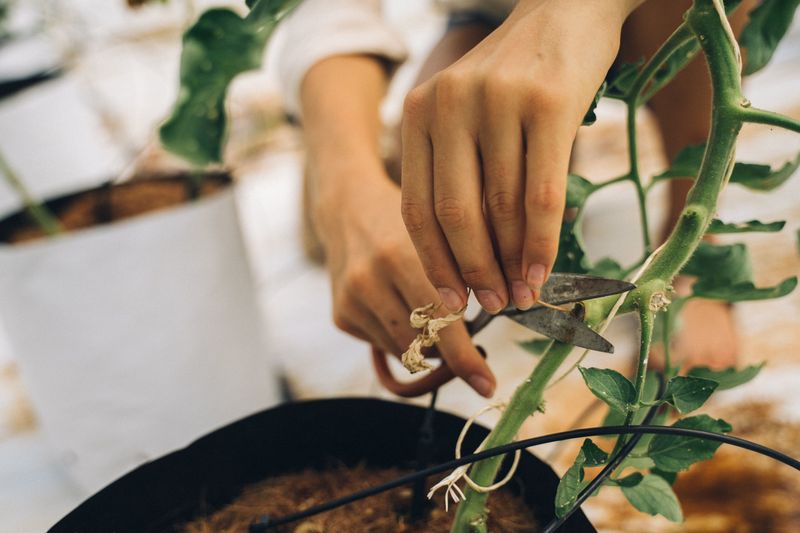
Overgrown tomato plants look lush and impressive, but all that dense foliage works against the plant during hot weather. Poor airflow inside a crowded plant traps heat and humidity right where disease loves to grow.
Pruning suckers, the small shoots that sprout between the main stem and a side branch, redirects the plant’s energy toward fruit production. Fewer shoots mean more resources going directly into developing tomatoes.
Remove suckers when they are small, about two to three inches long, for the cleanest results. Smaller cuts heal faster and create less opportunity for disease to enter through open wounds.
Use clean, sharp pruning shears rather than tearing suckers off by hand. Ragged breaks leave larger wounds and can introduce bacteria into the plant’s vascular system.
Removing lower leaves that touch the soil is another smart pruning move in July. Soil-borne fungal spores splash upward onto leaves during watering, and removing low foliage breaks that cycle completely.
Keep the bottom six to twelve inches of the plant clear of leaves and side branches. That open space improves drainage, airflow, and keeps the base of the plant much healthier overall.
Pruning also makes it easier to spot early signs of disease or pest activity before problems spread. A plant you can see clearly is a plant you can protect effectively.
Staying on top of pruning is one of the best July tomato care tips for keeping your garden productive through the final stretch of summer.