The July Watering Mistake That Destroys Ohio Flower Beds Before August
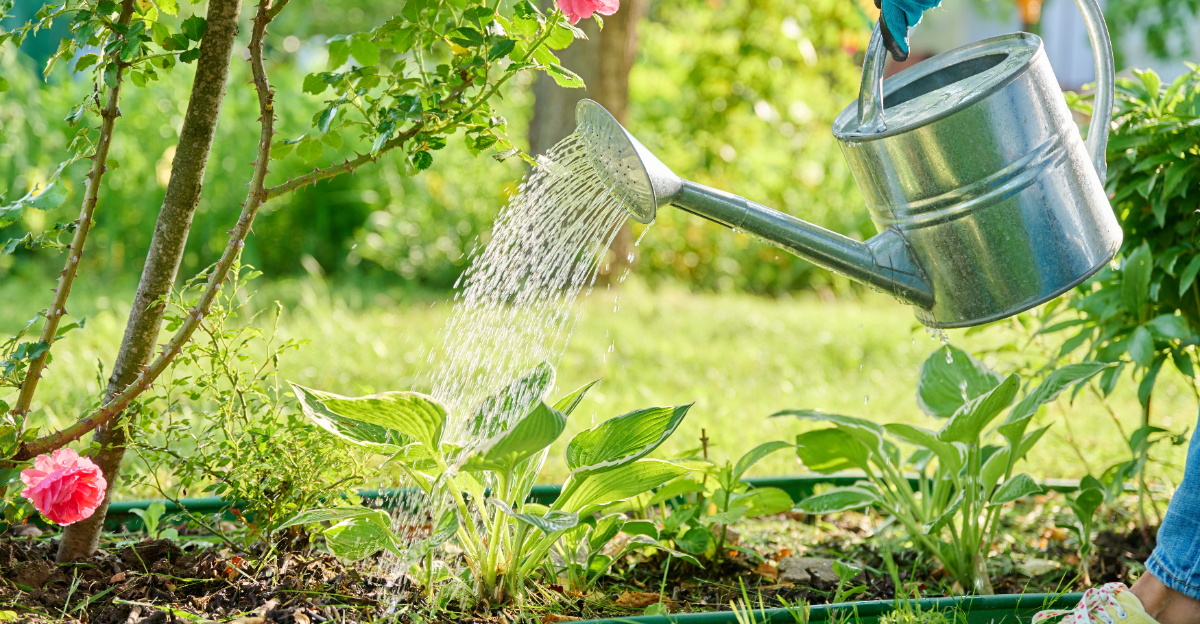
Ohio flower beds in July look like they need more water. The heat is serious, the sun is relentless, and a wilting plant in the afternoon feels like an urgent problem that only a good soaking can fix.
That instinct is costing Ohio gardeners healthy flower beds every single summer. July watering mistakes are not about neglect.
They are about timing, frequency, and technique that seem reasonable on the surface and quietly work against every plant they are supposed to help.
The damage builds underground before it shows up above it, and by the time the bed looks wrong, the problem has been developing for weeks.
One specific watering habit is doing most of the damage in Ohio flower beds this time of year. It is common, it feels responsible, and it is pushing beds toward a difficult August that proper July watering would have prevented entirely.
1. Stop Sprinkling Flower Beds Lightly Every Day
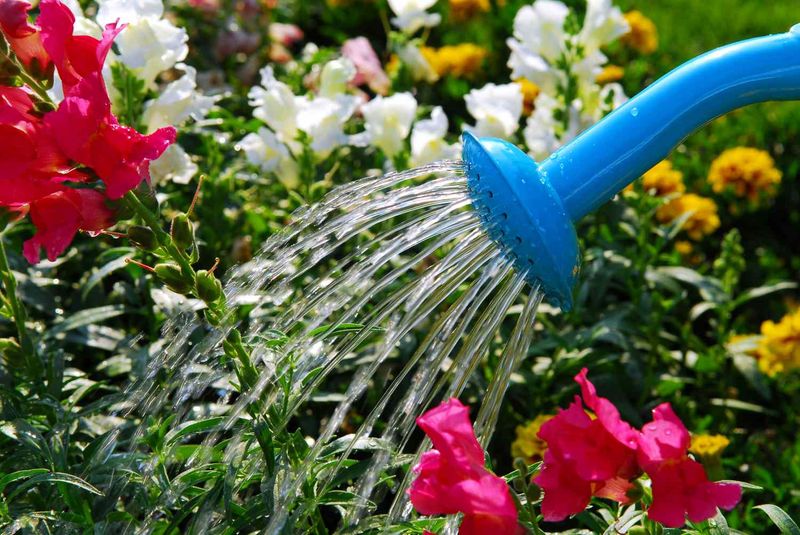
A flower bed can look freshly sprinkled on top while the roots below are still waiting for real moisture. That gap between surface appearance and actual soil condition is exactly where the daily-sprinkling mistake takes hold.
Many home gardeners mean well when they grab the hose each morning, but a quick pass over the bed rarely sends water past the first inch of soil.
Repeated shallow watering trains roots to stay near the surface, where the soil dries out fastest. When a heat wave rolls through in late July, those shallow roots have almost no buffer.
The deeper soil, where steady moisture tends to linger, stays completely untouched.
The issue is not one light rinse after a fresh planting or a quick cleanup spray. The problem builds when light sprinkling becomes the only routine, day after day, through the hottest stretch of summer.
Roots that never reach deeper soil cannot pull moisture when the surface bakes dry.
Switching from daily sprinkling to a check-first, water-deeply approach gives roots a real chance to settle into a larger soil zone. That shift alone can make a noticeable difference in how flower beds hold up before August arrives.
2. Check Soil Moisture Before Turning On The Hose
Soil can fool you. The surface of a mulched flower bed can look pale and dusty on a hot afternoon while the root zone a few inches down still holds plenty of moisture from a recent watering.
Turning on the hose based on surface appearance alone often leads to overwatering in some spots and underwatering in others.
A simple finger check takes about ten seconds. Push a finger or a narrow trowel blade two to three inches into the soil near the base of a plant.
If the soil feels moist and cool at that depth, the roots are likely fine for now. If it feels dry and crumbly all the way down, that is a clear sign to water.
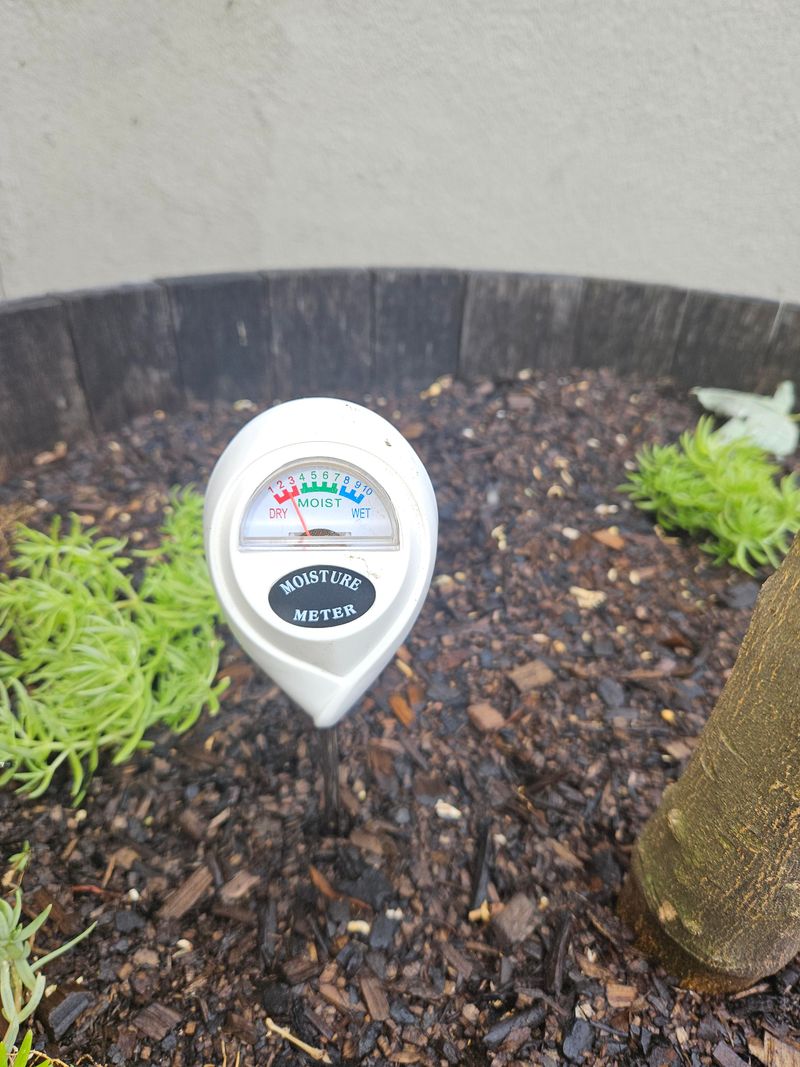
Some gardeners use an inexpensive soil moisture probe, which can give a quick reading without disturbing roots. Either method works better than guessing based on how the surface looks or sticking to a fixed watering schedule regardless of recent rainfall.
Your Ohio Garden Changes Every Week. Your Plan Should Too.
Gardening in Ohio changes quickly throughout the season. Every Friday you’ll receive a simple weekly plan showing exactly what to plant, prune, fertilize, harvest, and protect so you never miss the right timing.
Checking before watering also helps catch drainage problems early. If the root zone stays soggy after several dry days, that is a different issue worth addressing before adding more water.
3. Water Deeply So Roots Grow Downward
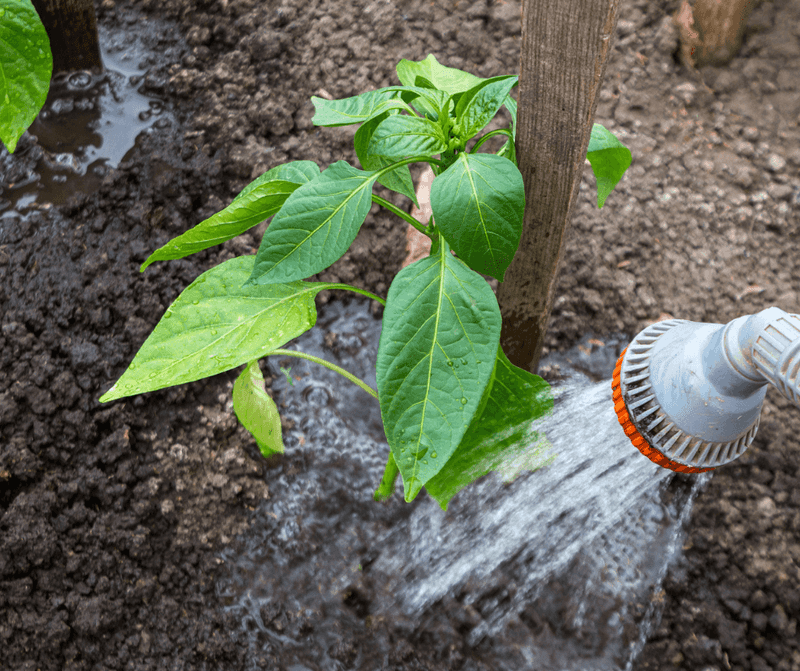
A wilted zinnia on a July afternoon is not always a sign that the bed needs more water today. Sometimes it is a sign that shallow watering has kept roots too close to the surface for weeks.
When roots stay near the top of the soil, they have less access to the cooler, steadier moisture that lives deeper underground.
Deep watering encourages roots to follow moisture downward into a larger zone of soil. Plants that root deeper tend to handle dry spells with more resilience than those with shallow root systems.
The goal is to wet the soil several inches down, not just the surface layer.
How deeply you need to water depends on your soil type, plant variety, and how established the plants are. Sandy soils drain faster and may need longer watering sessions.
Dense Ohio clay soils absorb water more slowly, so watering too fast can cause runoff before moisture reaches the root zone.
Soaker hoses and drip irrigation work well for slow, deep delivery directly at the soil level. If you use a handheld hose, slow down and let water soak in rather than rushing across the surface.
Patience during watering pays off through the rest of summer.
4. Avoid Wetting Leaves Late In The Evening
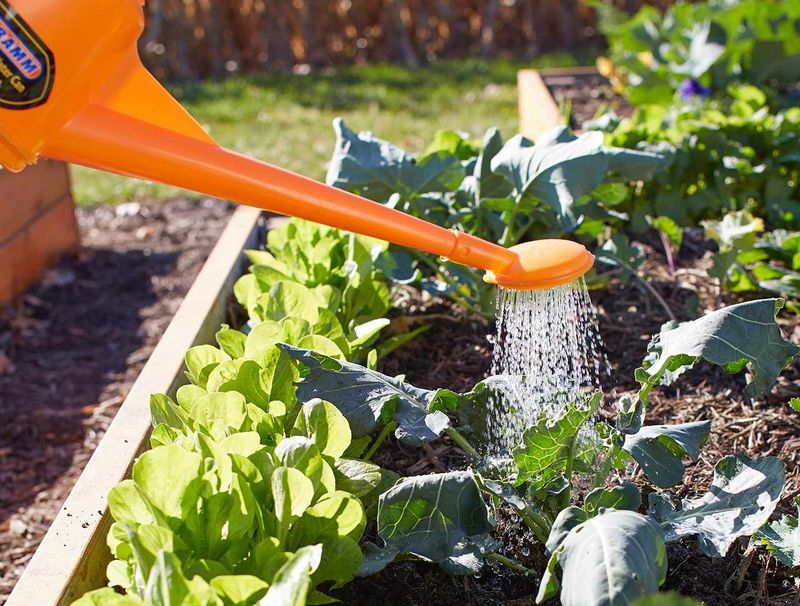
Timing matters more than most Ohio gardeners realize. Watering late in the evening, especially when foliage gets wet, can leave moisture sitting on leaves through the night.
That extended dampness creates conditions where fungal diseases and mildew are more likely to develop on some plants.
Not every plant responds the same way to wet foliage. Some flowers handle evening moisture without problems, while others, like garden phlox, bee balm, and roses, are more prone to powdery mildew when leaves stay wet overnight.
Knowing which plants are in your bed helps you decide how careful to be about timing.
The most practical habit is to water at soil level rather than overhead whenever possible. Soaker hoses and drip lines deliver moisture directly to the root zone without wetting leaves at all.
That approach works well at any time of day and removes the foliage-timing concern almost entirely.
When overhead watering is necessary, early morning is the better window. Leaves have time to dry as the day warms up, which reduces disease pressure.
Evening watering is not an emergency, but making it a routine habit through July can cause problems that compound over time, especially on disease-prone varieties.
5. Do Not Trust Rain To Reach The Root Zone
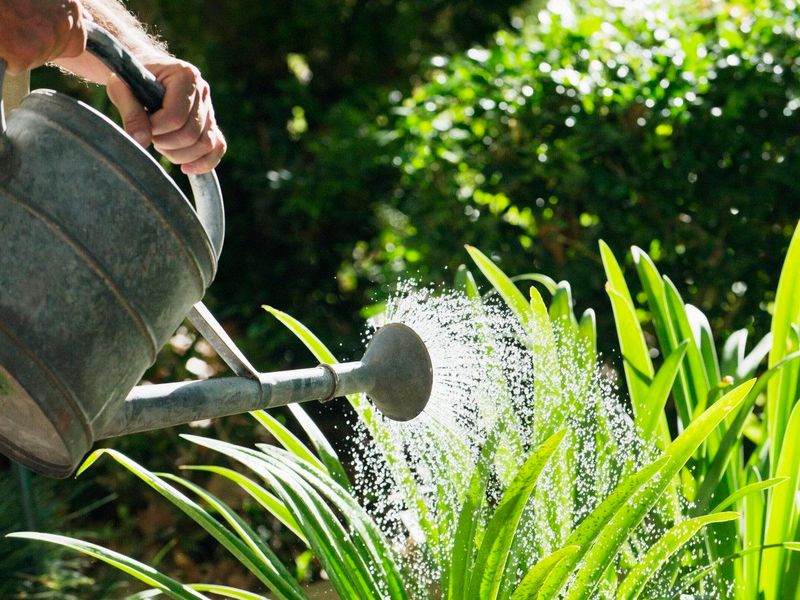
A quick summer thunderstorm can feel like a gift for the garden. The sky opens up, rain drums across the flower bed, and it seems like the watering chore is handled for the day.
The catch is that a brief, heavy downpour often wets the leaf canopy and the top of the mulch without ever reaching the root zone below.
Dense foliage acts like an umbrella. In a full, leafy summer border, a significant amount of rainfall can be intercepted by leaves and stems before it ever hits the soil.
Mulch also slows water movement, and if the mulch layer has dried out, it can actually repel light rainfall rather than letting it soak through.
After any summer rain, the best habit is to check the soil a few inches down before skipping your next watering. If the root zone feels dry, the storm did not do the job, no matter how hard it seemed to fall.
A slow, steady rain of an inch or more generally does a better job of reaching roots than a brief heavy burst.
Keeping a simple rain gauge in the garden helps remove the guesswork. Even then, soil checks confirm what the gauge cannot: whether moisture actually reached where roots live.
6. Mulch After Watering To Hold Moisture Longer
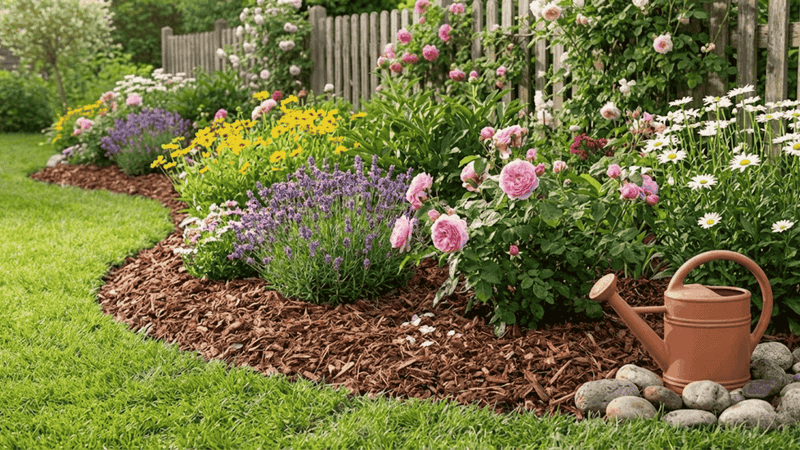
Mulch does some of its best work after the soil is already well-watered. Spreading a fresh layer over a deeply watered bed helps slow evaporation, keeping root-zone moisture from escaping quickly during the heat of the day.
Applied at the right moment, mulch extends the benefit of each watering session significantly.
A moderate layer of two to three inches works well for most flower beds. Shredded bark, wood chips, and pine straw are common choices that break down slowly and add organic matter over time.
Avoid piling mulch thickly in one spot, and always keep it pulled back from plant crowns and stems.
Mulch piled against a stem can trap moisture against the base of a plant, which may encourage rot or create hiding spots for insects.
A small gap of an inch or two between the mulch and each plant stem is enough to prevent those problems while still protecting the surrounding soil.
One thing mulch cannot do is replace watering. A mulched bed still needs to be checked and watered when the soil is dry at root depth.
Mulch is a moisture-retention tool, not a moisture source. Used after a deep watering, though, it makes each session count for much longer into the summer week.
7. Give Containers A Different Watering Routine
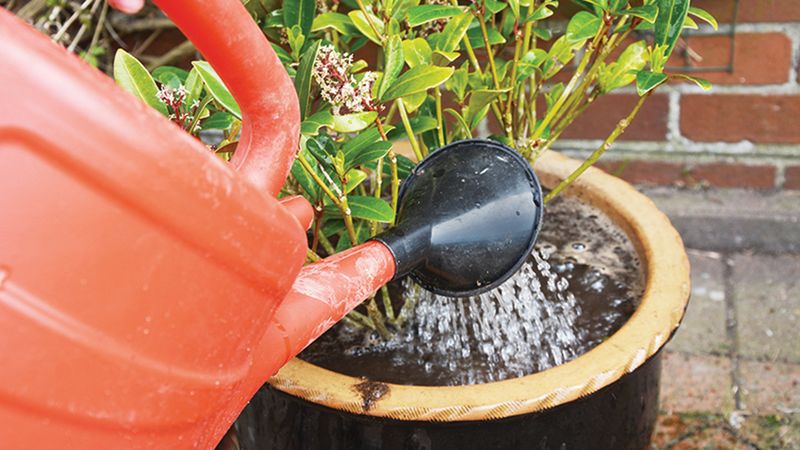
Pots, window boxes, and hanging baskets live by a completely different set of rules than in-ground flower beds. Container-grown plants dry out much faster because the volume of soil is limited and the sides of the pot are exposed to air and heat on all sides.
Applying the same check-once-a-week routine used for Ohio garden beds will leave container plants thirsty long before the week is up.
In July, containers on a sunny patio may need checking every day. A quick finger test into the top inch of potting mix tells you whether moisture is still present.
If the mix feels dry and the pot feels light when you tip it slightly, it is time to water thoroughly until water runs freely from the drainage holes.
Drainage holes are not optional. A container without proper drainage holds standing water at the bottom, which can cause root problems even while the top of the mix looks dry.
Avoid leaving saucers filled with water under pots for extended periods, especially in humid summer weather.
Potting mix also behaves differently than garden soil. It can shrink away from the pot edges when very dry, letting water run straight down the sides without soaking the roots.
Slow, repeated watering or bottom-watering can help rehydrate a very dry container more effectively.
8. Adjust Watering Before August Heat Builds
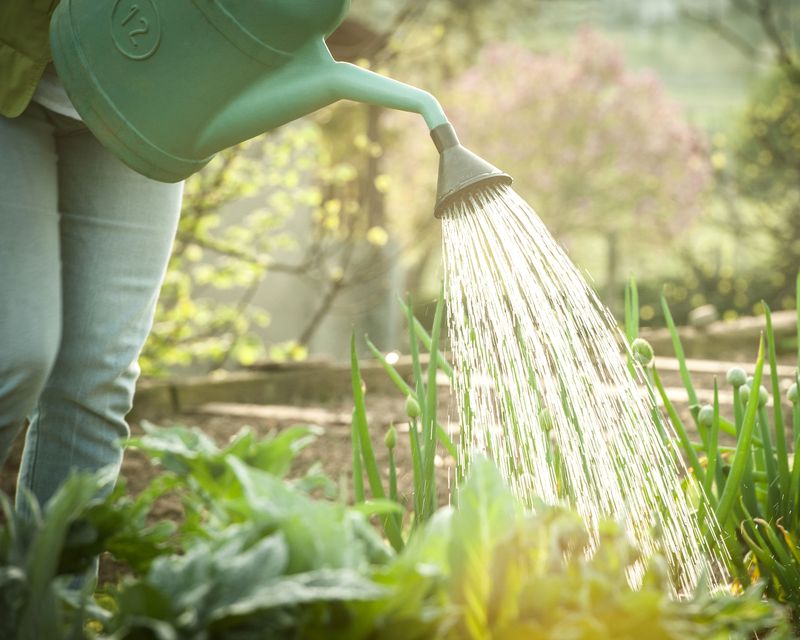
July is the month when small watering habits either pay off or fall apart. Flower beds that have been sprinkled lightly all month arrive at late summer with shallow root systems and little ability to handle the heat that typically builds through August.
Correcting the routine now, while there is still time, gives roots a chance to reach deeper soil before conditions get harder.
Start by checking soil moisture a few inches down every two to three days rather than watering on a fixed schedule. Water deeply when the root zone is dry, then let the soil tell you when it needs more.
Avoid the habit of watering simply because a day feels hot or because the surface looks pale.
Watch the weather forecast each week. If a slow, steady rain is expected, hold off and check afterward.
If a heat stretch is coming with no rain in sight, water deeply a day or two before it arrives so roots have moisture reserves going in.
Keep mulch topped off at a consistent layer around established plants. Check containers more frequently as temperatures climb.
These steady, attentive habits through July build the kind of root-zone stability that carries flower beds through the toughest stretch of summer with confidence and far less stress.