Jumping Worms Are Taking Over Tennessee Gardens, And The Signs Are Hard To Miss
Something is moving through Tennessee soil that most gardeners have never seen before. Jumping worms arrived quietly, but they are spreading at a pace that has researchers paying close attention.
Most people walk right past them, assuming they are ordinary earthworms, but they are not. These worms thrash violently when touched, shed their tails like lizards, and churn healthy soil into something that looks and crumbles like dry coffee grounds.
Plants struggle to survive in what is left behind. The damage does not show up overnight, which is exactly what makes jumping worms so dangerous. By the time a garden looks off, the soil underneath may already be compromised.
Tennessee gardeners are dealing with an invader that is hard to spot, harder to stop, and spreading faster than most people realize.
Jumping Worms Are Established In Tennessee And Still Spreading
Nobody sent an invitation, but jumping worms showed up anyway. These invasive species, known scientifically as Amynthas, have been spotted in dozens of Tennessee counties and are moving into new areas every season.
Jumping worms first appeared in the eastern United States around the early 2000s. They hitched rides on plant material, mulch, and contaminated soil before settling into the Southeast.
Gardeners across the state are now reporting sightings in both urban plots and rural properties. No zip code seems to be off-limits for these aggressive invaders.
Unlike slow-moving common earthworms, jumping worms are relentless colonizers. Under the right conditions, jumping worm populations can grow dense enough to overtake a garden bed within one season.
Experts at the University of Tennessee Extension have been tracking their spread with growing concern. The data suggests that new counties are being added to the affected list as the worms continue to spread.
Jumping worms reproduce parthenogenetically, meaning they do not need a mate to produce viable eggs. Even a small number of individuals can establish a population within a single season.
Local nurseries have accidentally spread these worms through potted plants. Buying plants from reputable sources and inspecting soil before purchasing can slow the spread.
Awareness is the first real weapon against this invasion. The more Tennessee gardeners recognize this threat, the better chance communities have of protecting their green spaces.
What Makes Jumping Worms Different From Common Earthworms
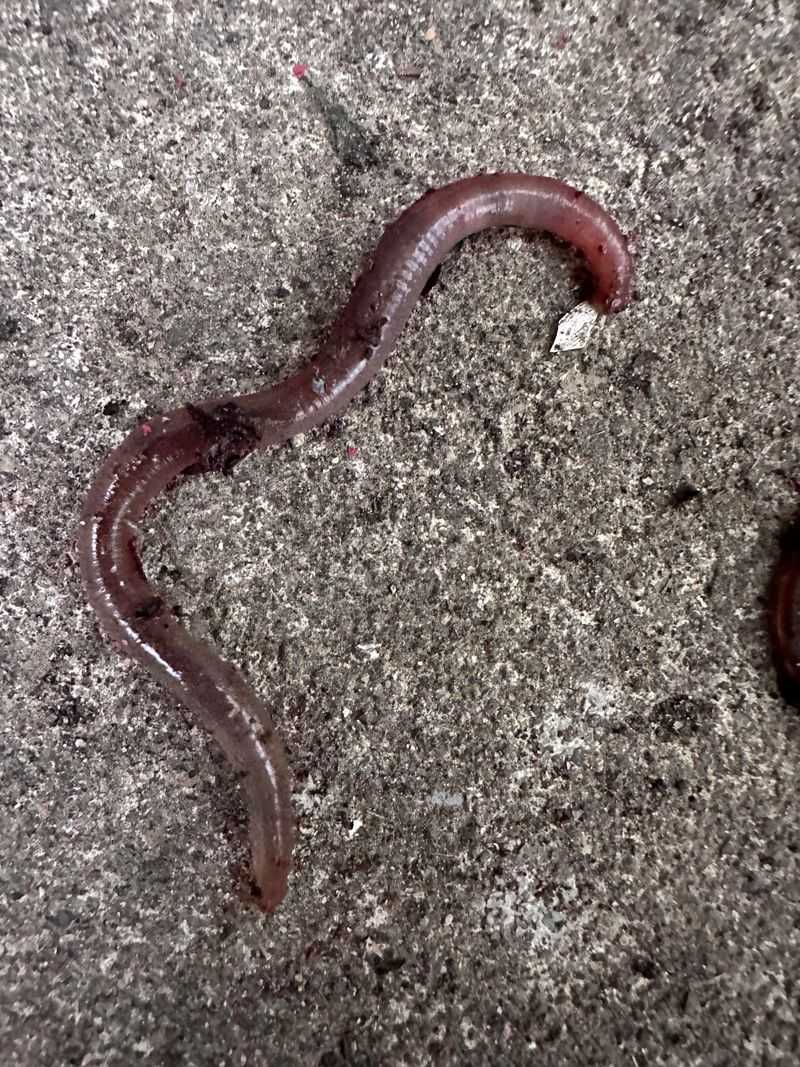
Most people assume all worms are basically the same. That assumption is exactly what makes jumping worms so easy to overlook until serious damage is done.
The most obvious difference is behavior. Pick one up and it thrashes wildly, sometimes even dropping its tail to escape, much like a lizard would.
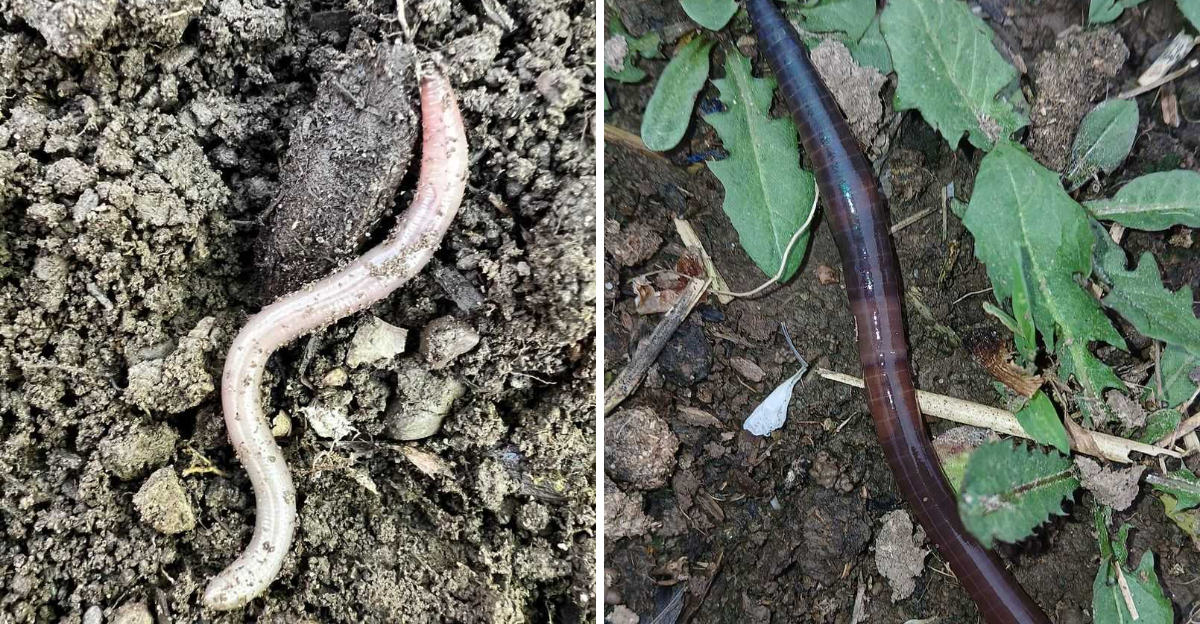
Jumping worms have a smooth, milky-white band near their head called a clitellum. On common earthworms, that band is raised and pinkish and sits farther back on the body.
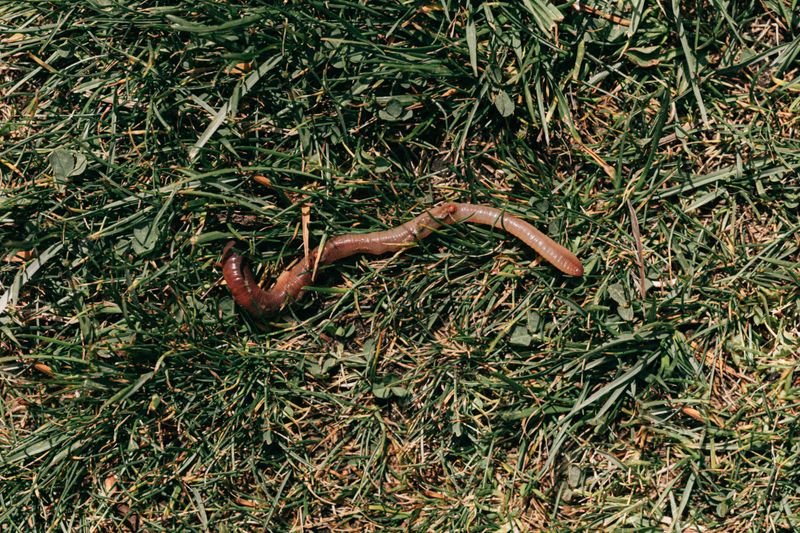
Color is another giveaway. Jumping worms tend to have a darker, more iridescent sheen compared to the pinkish-brown tone of a typical garden earthworm.
Their movement is frantic and snake-like on the soil surface. That thrashing motion is where the nickname comes from, even though they do not technically jump.
Your Tennessee Garden Changes Every Week. Your Plan Should Too.
Gardening in Tennessee changes quickly throughout the season. Every Friday you’ll receive a simple weekly plan showing exactly what to plant, prune, fertilize, harvest, and protect so you never miss the right timing.
Common earthworms are generally seen as helpful soil aerators. Jumping worms, by contrast, consume organic matter so fast they leave behind degraded, nutrient-stripped ground.
Size-wise, jumping worms often grow larger than native worms found in the same area. Some reach four to eight inches in length, making them hard to confuse once you know what to look for.
Learning to spot these differences early matters a lot. Catching an infestation in its first season gives you far more options than waiting until the worms have taken over completely.
The Soil Damage Jumping Worms Leave Behind
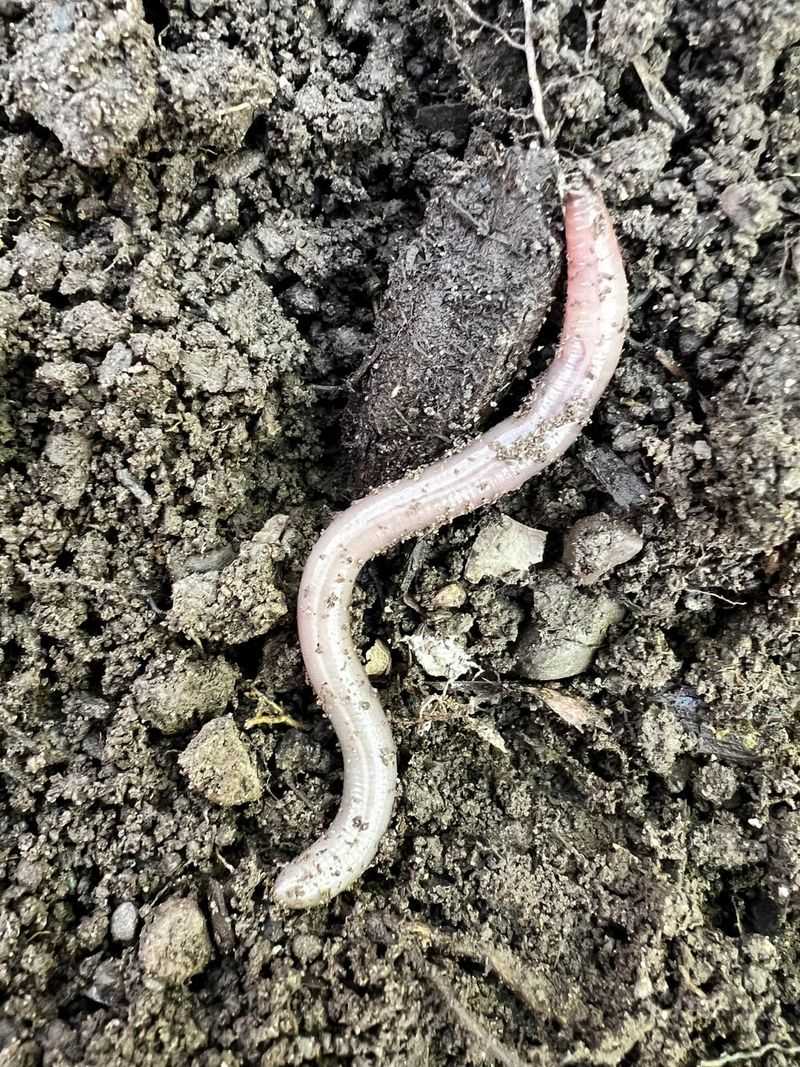
Healthy soil feels crumbly and rich, like dark chocolate cake. Soil that jumping worms have processed looks and feels completely different, and not in a good way.
The most recognized sign of their presence is soil that resembles coffee grounds or dry grainy pellets. This texture means the organic layer has been stripped and destabilized.
Plants need that upper layer of organic matter to thrive. When jumping worms consume it, roots struggle to anchor properly and moisture drains away too quickly.
Nutrients disappear fast in worm-damaged soil. Nitrogen, phosphorus, and other essentials get flushed out before plant roots can absorb them effectively.
Gardeners often notice their plants wilting or yellowing even after regular watering and fertilizing. The soil simply cannot hold what plants need when jumping worms have moved through it.
The damage goes beyond individual gardens. Forests and natural areas suffer too, since native wildflowers and tree seedlings depend on intact soil layers to germinate.
Unlike some pests that affect only one type of plant, jumping worms harm the foundation everything grows in. That makes their impact broader and harder to reverse.
Rebuilding damaged soil takes consistent effort and added compost over time. In areas where jumping worms are active, mulch should be used cautiously since it can attract and sustain their populations.
Protecting your soil now is far easier than rebuilding it later. Catching the warning signs early keeps your garden from reaching a point of no return.
Which Tennessee Regions Are Most At Risk
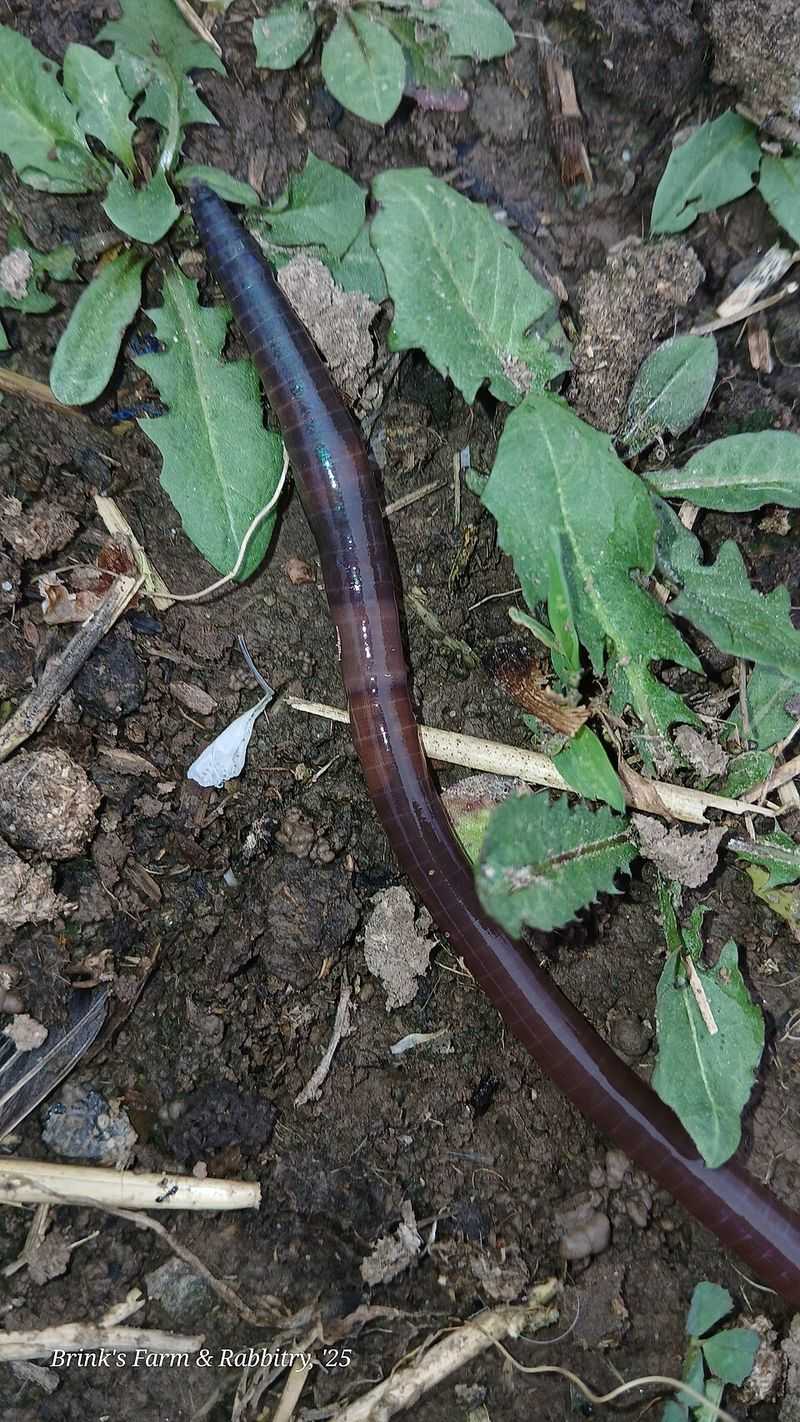
Image Credit: Wikimedia Commons, CC0.
Not every corner of Tennessee faces the same level of threat. However, the pattern of spread suggests that no region should feel entirely safe from jumping worms.
Middle Tennessee, including the Nashville metro area, has seen a surge in confirmed sightings. Dense neighborhoods with shared garden spaces make it easier for worms to move between properties.
East Tennessee counties near the Smoky Mountains are also reporting increased activity. The moist, forested environment there creates ideal conditions for jumping worm populations to grow rapidly.
Confirmed sightings in West Tennessee have been less frequent, though extension researchers note the worms continue moving into new counties each year. As gardeners share plants and mulch across county lines, the worms follow right along.
Urban areas face a specific challenge because plant swaps and community gardens are popular. These well-meaning activities can accidentally move cocoons from one yard to the next.
Rural farms are not immune either. Livestock bedding, hay, and topsoil deliveries have all been linked to accidental introductions in agricultural settings.
Riparian zones, or areas near rivers and streams, are especially vulnerable. Flooding can carry cocoons downstream and deposit them in new locations far from the original infestation.
Knowing your region’s risk level helps you stay alert at the right times. Jumping worm cocoons hatch in late spring, so that is when early inspections matter most.
Staying connected with your local UT Extension office gives you updated county-level data. Informed gardeners make the best first line of defense against this spreading problem.
How To Handle Jumping Worms Before They Take Over Your Garden
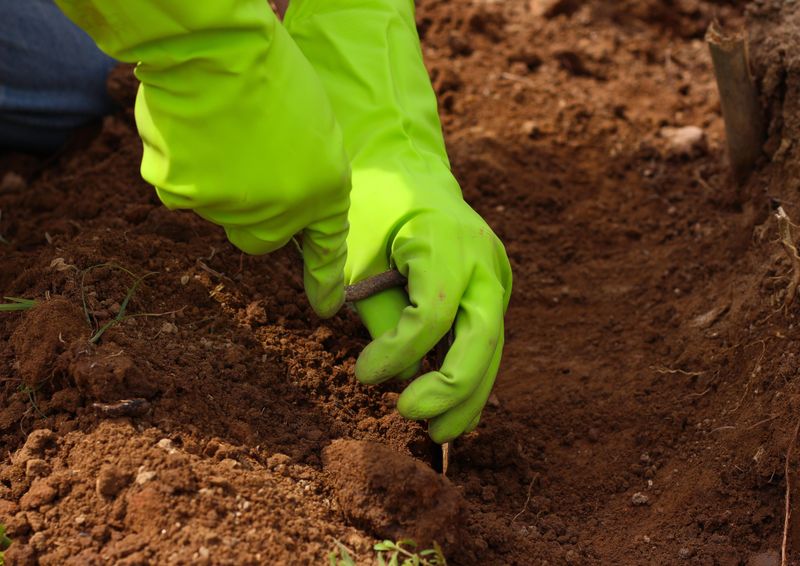
Finding jumping worms in your garden feels alarming, but panic is not a useful tool. There are practical steps you can take right now to slow their spread and protect your plants.
Start by reducing the conditions they love most. Jumping worms thrive in moist, mulch-heavy beds. In confirmed infested areas, removing mulch entirely rather than simply thinning it gives you better results and fewer places for cocoons to survive.
Hand removal works best in small infestations. Collect the worms in a sealed plastic bag and place it in the sun for at least ten minutes before disposing of it in the trash.
Never compost jumping worms or their soil. Doing so spreads cocoons to new areas and undoes all the effort you put into containment.
Mustard pour is a popular detection and removal method. Mix one-third cup of yellow mustard powder with one gallon of water, then pour it over a small patch of soil to bring worms to the surface.
Solarization is another approach that shows promise. Covering infested soil with clear plastic sheeting during summer traps heat and can reduce cocoon survival rates significantly.
Some gardeners have found success using biochar mixed into their soil. Research suggests it may disrupt the environment jumping worms prefer, though results are still being studied.
Buying bare-root plants instead of potted ones reduces your risk of accidentally importing new worms. Always inspect any soil or plant material before it enters your garden.
Consistency matters more than any single fix. A steady, informed approach gives your garden the best shot at bouncing back.
The Signs That Confirm Jumping Worms Are In Your Garden
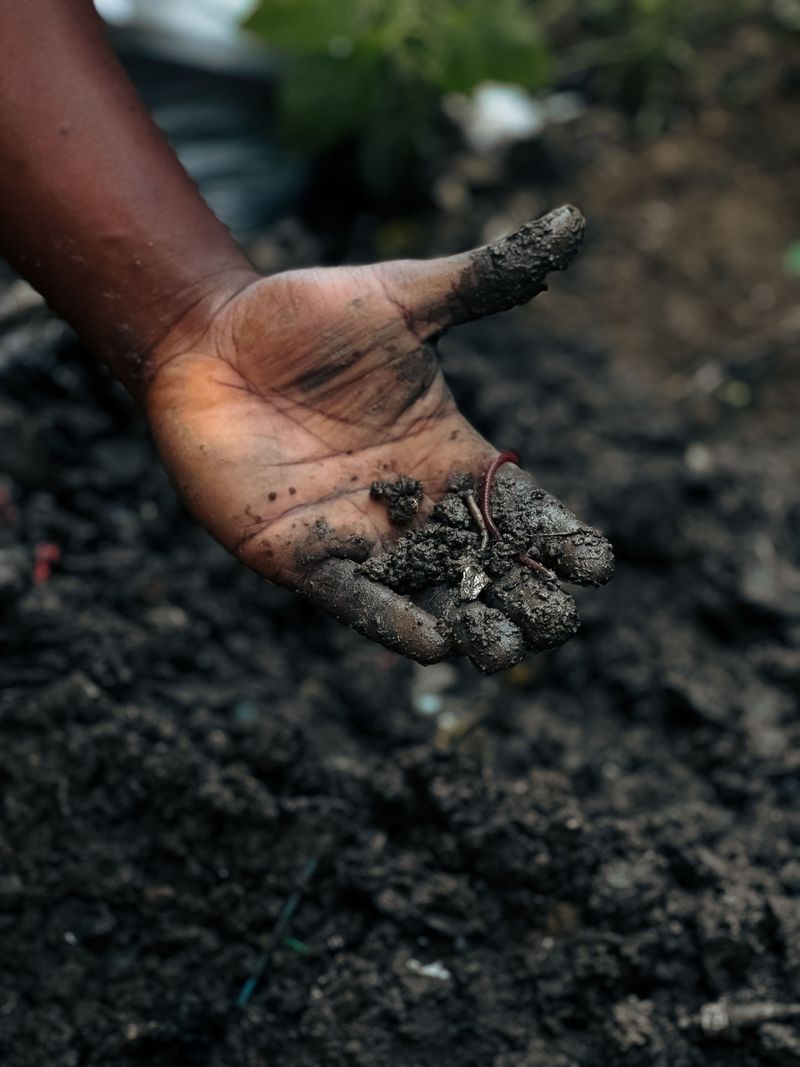
Suspecting a problem and confirming it are two different things. Knowing exactly what to look for makes it much easier to act fast when jumping worms show up in your space.
The most reliable visual clue is soil texture. If your garden bed suddenly looks like it is covered in loose, dry, coffee-ground-like granules, that is a major red flag.
Another sign is worm activity on the surface during daylight hours. Common earthworms prefer to stay underground, but jumping worms are often seen writhing on top of the soil.
Watch for plants that look stressed without an obvious reason. Wilting, yellowing leaves, or poor growth despite good care can all point to soil disruption from jumping worm activity.
You might also notice the soil feels unusually loose and dry underfoot. That grainy texture collapses easily and does not hold moisture the way healthy garden soil should.
After rain is a great time to check. Wet conditions bring jumping worms closer to the surface, making them easier to spot during a quick garden walk.
Look near the base of trees and along garden edges. Jumping worms tend to cluster in areas where organic matter is thick, like leaf litter or compost borders.
If you spot worms thrashing and coiling when disturbed, that frantic movement confirms your suspicion. A calm, slow-moving worm is almost certainly not a jumping worm.
Spotting jumping worms early is the single most powerful thing you can do. Your garden is worth a five-minute inspection every week this season.