How Florida Gardeners Can Train Coral Honeysuckle To Climb A Fence Or Trellis
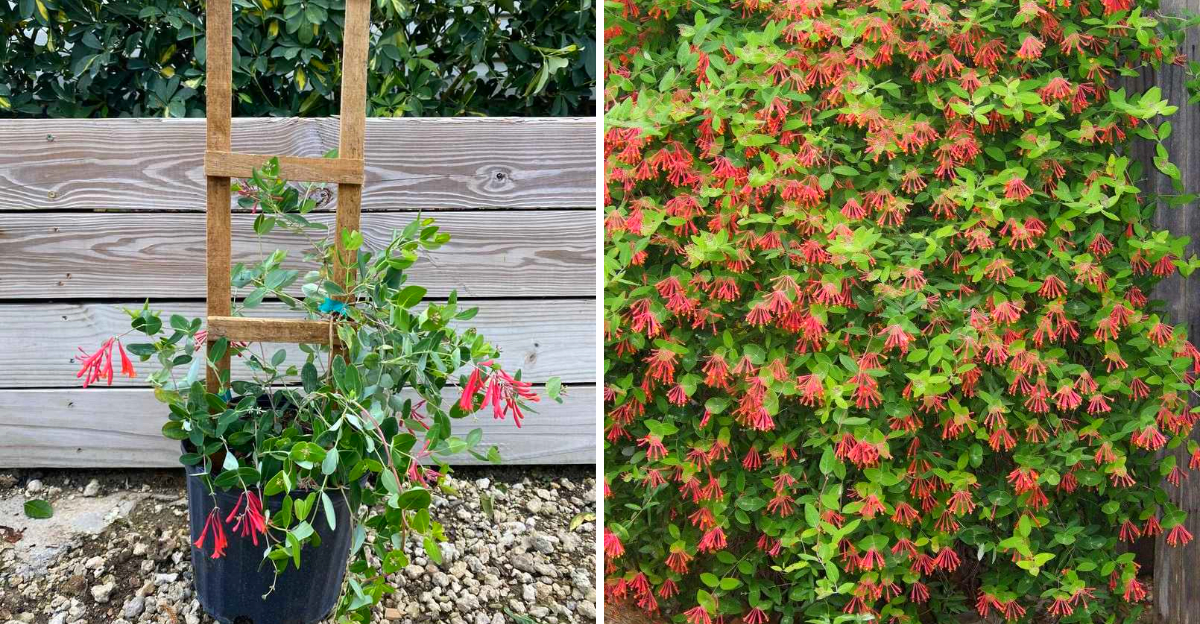
If your Florida fence has been looking a little plain lately, coral honeysuckle would like a word.
This native vine is basically the overachiever of the Florida garden, showing up with bright red tubular flowers, attracting hummingbirds like it is running a bed and breakfast, and producing berries that birds absolutely cannot resist.
It twines naturally around just about anything you point it toward, fences, trellises, arbors, mailboxes, even lampposts. The catch is that coral honeysuckle has ambitions.
It grows with real energy in Florida’s warm climate, so giving it a sturdy structure and a little early guidance makes a big difference in how full and attractive it looks long term.
A small investment of attention early on pays off in a seriously beautiful and wildlife-friendly vine.
1. Start With A Strong Fence, Trellis, Or Arbor
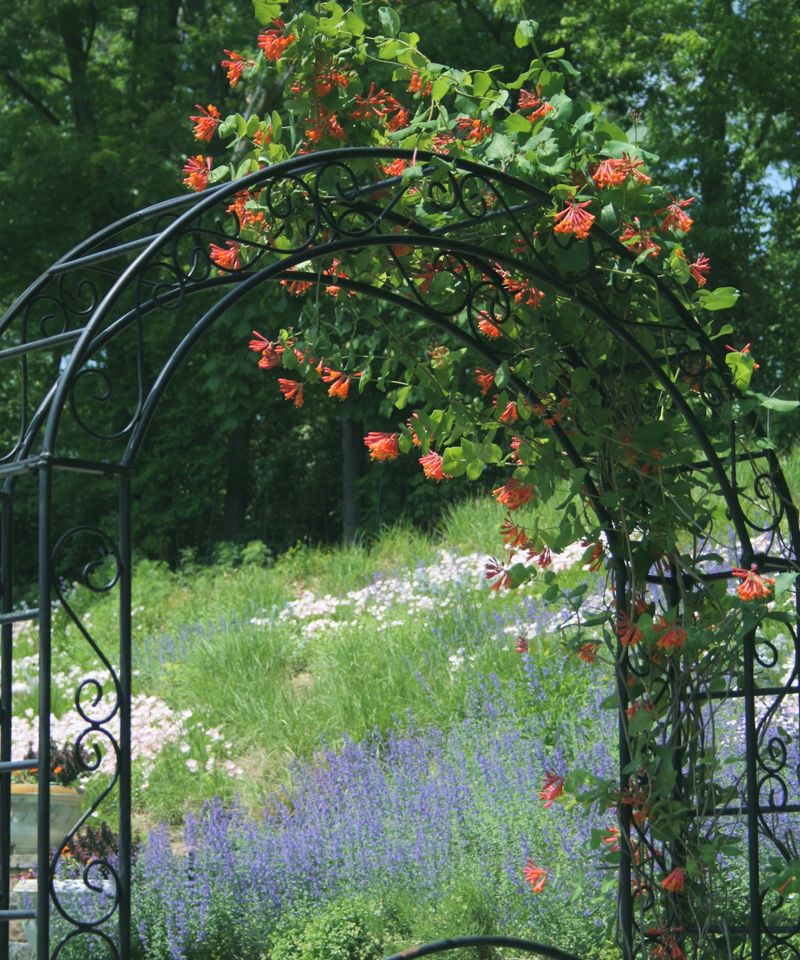
A vine that twines around its support rather than clinging with sticky pads depends entirely on having something solid to hold.
Coral honeysuckle wraps its stems around whatever structure it finds, so a fence post, trellis rail, or arbor beam needs to be firm enough to hold the vine’s weight as it matures.
Wobbly or flimsy structures can shift in summer storms and pull young stems away from the direction you want them to grow.
Wood fences, chain-link fences, metal or wood trellises, and sturdy arbors all work well as supports for coral honeysuckle in Florida landscapes. The spacing between rails or wires matters too.
Openings of about two to four inches give young stems something to wrap around easily without slipping through or getting stuck.
Mailbox posts and lampposts are also popular choices in Florida yards, and coral honeysuckle can wrap around them with some early guidance. Before planting, check that the structure is anchored well and can handle several years of vine growth.
Starting with a reliable support saves a lot of redirecting work later and helps the vine build a cleaner, fuller shape from the beginning.
2. Choose A Sunny Spot For Thicker Coverage
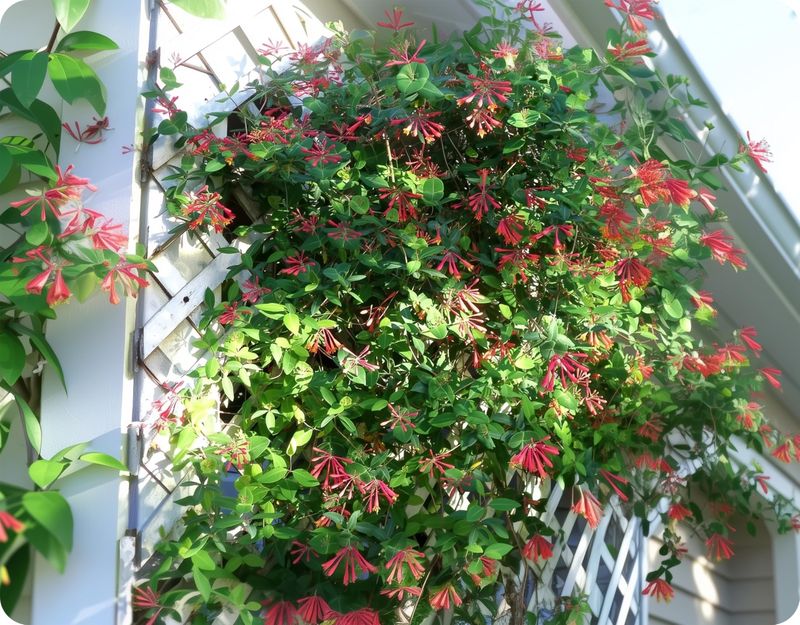
Sun exposure makes a noticeable difference in how coral honeysuckle performs on a fence or trellis.
The vine can grow in partial shade, but gardeners who want thick leafy coverage and a strong display of red flowers tend to see better results when the plant gets several hours of direct sun each day.
South-facing and east-facing fences often provide the kind of consistent sunlight that helps the vine fill in more completely.
In deep shade, coral honeysuckle may still grow but can produce fewer flowers and thinner stem coverage. Florida’s intense afternoon sun can be quite strong in summer, and some light afternoon shade in those hottest months is generally tolerated well.
Morning sun with light afternoon shade is a reasonable setup in many Florida yards.
Choosing a sunny location also helps the vine dry out faster after frequent summer rain showers, which reduces the chance of moisture sitting on foliage for too long.
When scouting spots in the yard, look for areas where the fence or trellis catches good light for most of the day.
Your Florida Garden Changes Every Week. Your Plan Should Too.
Gardening in Florida changes quickly throughout the season. Every Friday you’ll receive a simple weekly plan showing exactly what to plant, prune, fertilize, harvest, and protect so you never miss the right timing.
That simple step at planting time pays off with denser growth and more consistent blooming.
3. Plant In A Site With Suitable Drainage
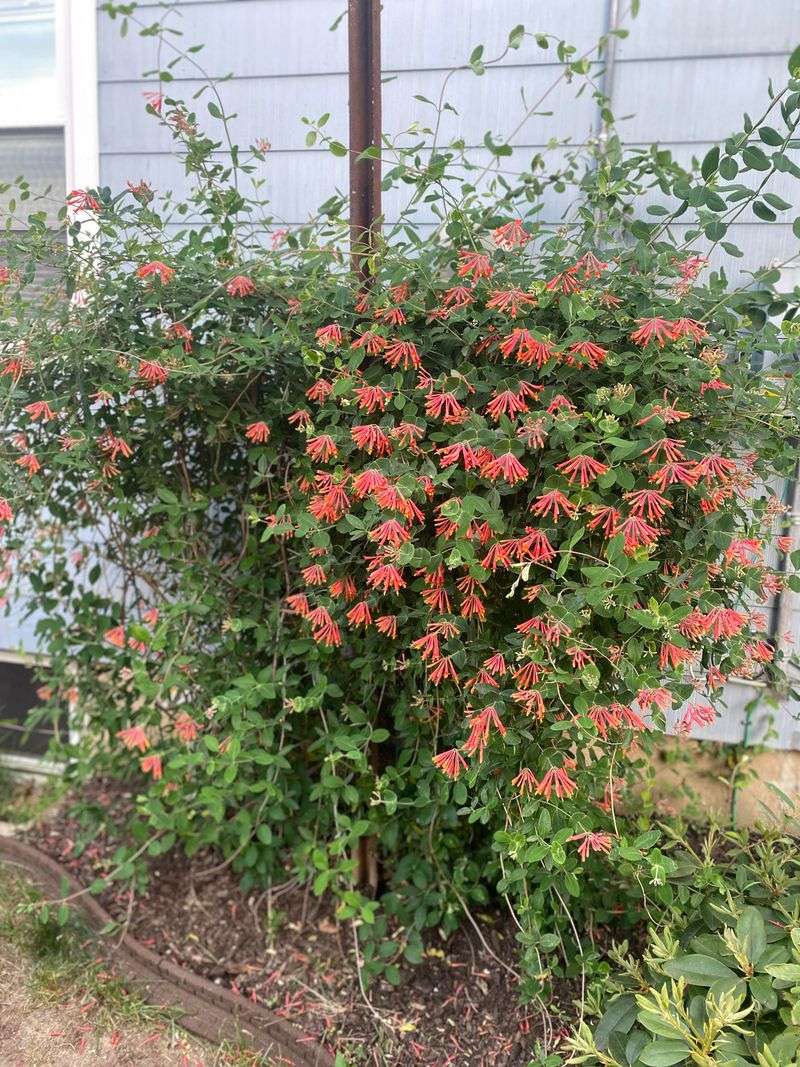
Florida soils vary quite a bit from one yard to the next, and drainage plays a big role in how well coral honeysuckle settles in. Sandy soils that drain quickly are common across much of Florida, and coral honeysuckle handles those conditions reasonably well.
Medium-drainage soils work fine too, as long as water does not pool around the roots after heavy rain.
Persistently soggy spots are not a good fit for this vine. When roots sit in waterlogged soil for extended periods, the plant can struggle to establish and may not climb or flower as expected.
Gardeners near low-lying areas or spots with heavy clay should pay close attention to how water moves through the planting site before choosing it for coral honeysuckle.
Raised planting beds and berms can help in yards where drainage is questionable. Even a few extra inches of elevation can make a real difference in how well the soil drains after heavy summer downpours.
Mixing organic matter into heavy soils at planting time can also help improve drainage slightly. Picking a spot where the soil drains reliably is one of the simplest ways to give the vine a strong start and avoid early problems with root health.
4. Guide Young Stems Toward The Support
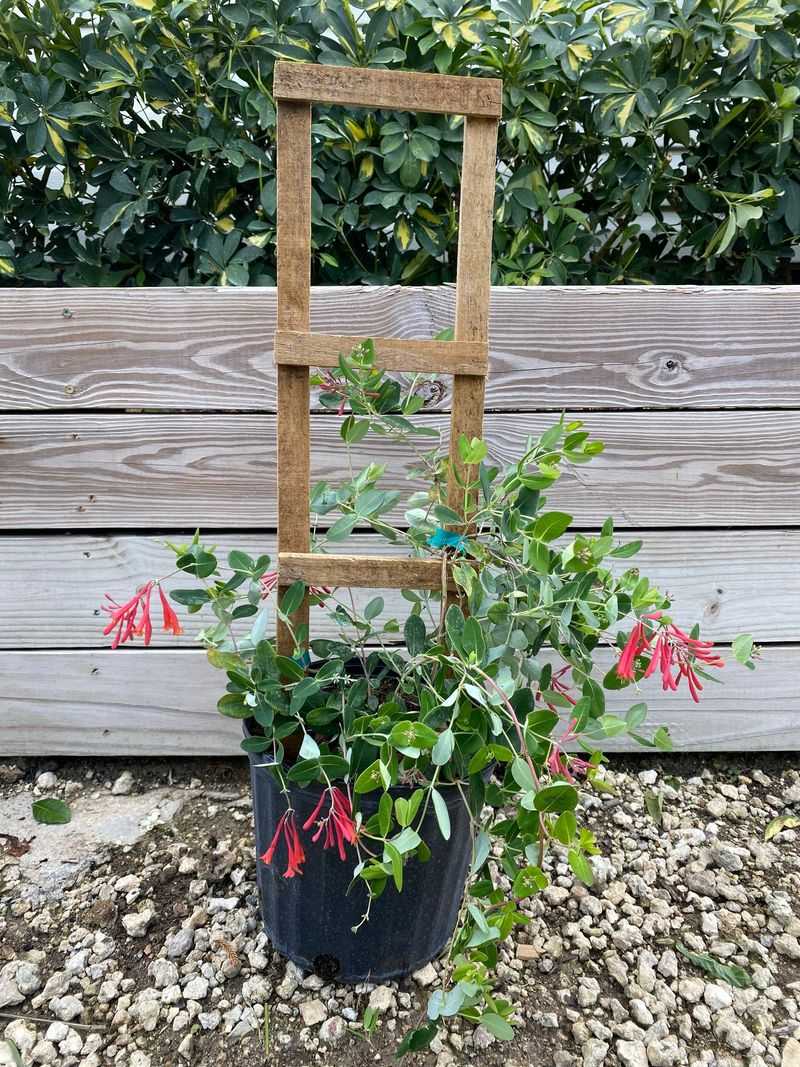
Young coral honeysuckle stems are flexible and easy to work with, which makes early guidance one of the most effective things gardener can do to shape the vine’s growth.
Because coral honeysuckle climbs by twining rather than by gripping with adhesive pads, it needs something to wrap around.
When a new stem grows away from the support, gently bending it back toward a rail, wire, or post and giving it a moment to make contact can encourage it to begin twining on its own.
The best time to redirect stems is when they are still young and pliable. Older, woodier growth becomes less flexible and harder to reposition without risking damage.
Checking the vine every week or two during the growing season gives gardeners a chance to catch wandering stems before they grow too far in the wrong direction.
Patience helps here. Coral honeysuckle does not attach instantly, and it may take a few days after being repositioned before a stem begins wrapping around a support.
Gently looping the stem around a wire or rail can speed that process along. Consistent early guidance sets the vine on a path toward the shape and coverage that makes it such a rewarding addition to Florida fences and trellises.
5. Use Loose Soft Ties Only When Needed
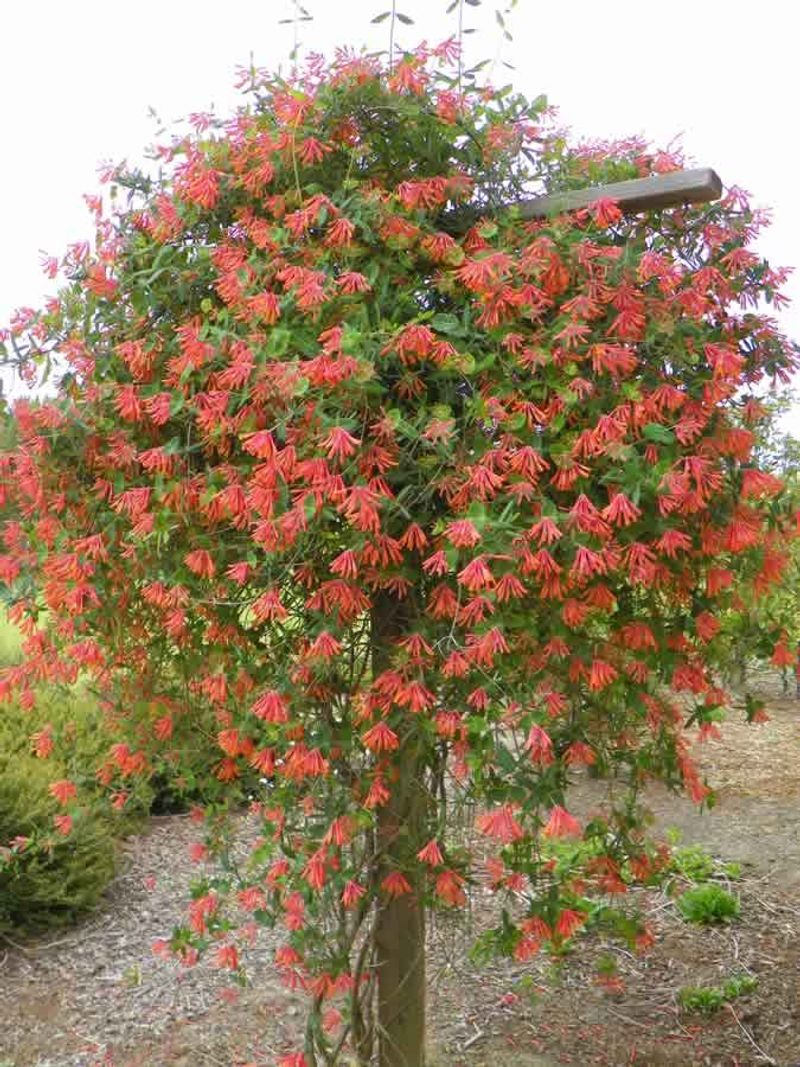
Twining vines like coral honeysuckle do most of their climbing work on their own once they make contact with a support. Ties are a helpful backup tool, but they work best when used sparingly and tied loosely enough that the stem has room to expand as it grows.
A tie that starts out snug can become tight over time, which may restrict the stem and cause damage as the vine matures.
Soft materials work better than stiff wire or zip ties for securing young stems. Garden twine, stretchy plant tape, and soft fabric strips all give the vine a little flexibility while keeping it positioned near the support.
Avoid looping any material tightly around a stem, and check ties a few times during the growing season to make sure they have not become restrictive.
Florida’s fast growing season means vines can put on noticeable new growth in just a few weeks during warm months. A tie that felt fine in early spring may need to be loosened or removed by midsummer.
Keeping a small pair of scissors or garden snips nearby when checking the vine makes it easy to trim away any tie that has started to press into the stem. Loose ties, used only where needed, keep training simple and low-stress.
6. Shape Strong Stems As The Vine Fills In
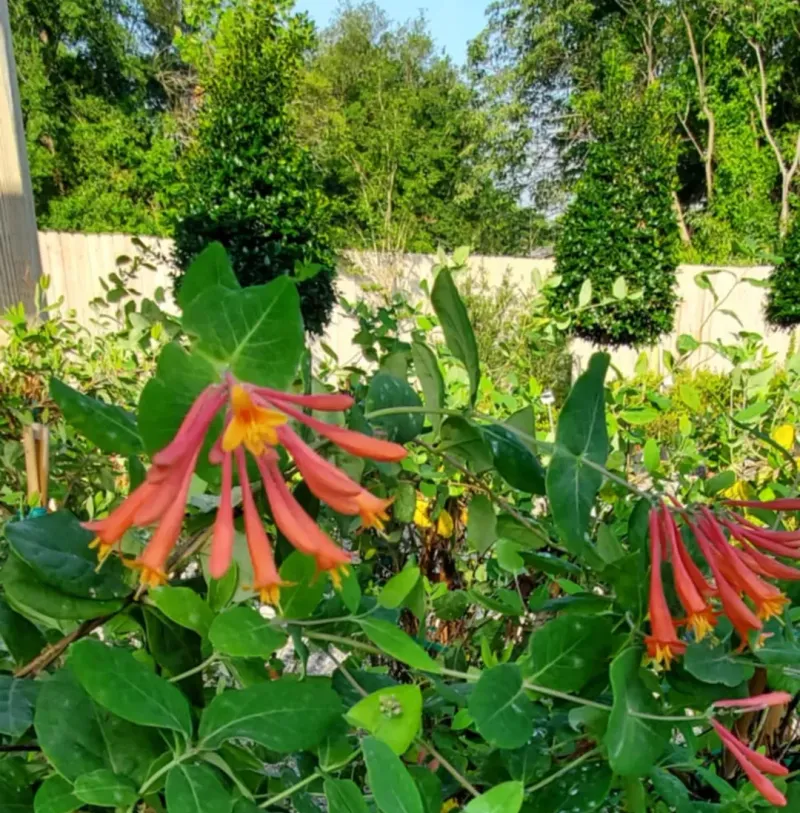
Once coral honeysuckle starts filling in on a fence or trellis, some stems will grow more vigorously than others. A few dominant stems may shoot outward or upward in ways that leave other areas of the structure looking thin.
Lightly shaping those overreaching stems while they are still green and flexible can help redirect energy toward the parts of the fence or trellis that need more coverage.
Shaping is not the same as heavy pruning. The goal during the growing season is simply to encourage a more even spread of stems across the support.
Bending an outward-reaching stem back toward an open section of fence and loosely securing it gives the vine a chance to fill that space rather than growing away from the structure entirely.
Florida gardeners with long fence runs often find that training stems horizontally along fence rails helps the vine branch out and cover more surface area. Vertical growth tends to happen naturally, but horizontal spreading usually benefits from a little extra guidance.
Over time, consistent light shaping builds a fuller, more balanced plant that covers the fence or trellis evenly. The effort involved is minimal once the vine has established a good framework of stems across the support.
7. Prune After Flowering To Guide Growth
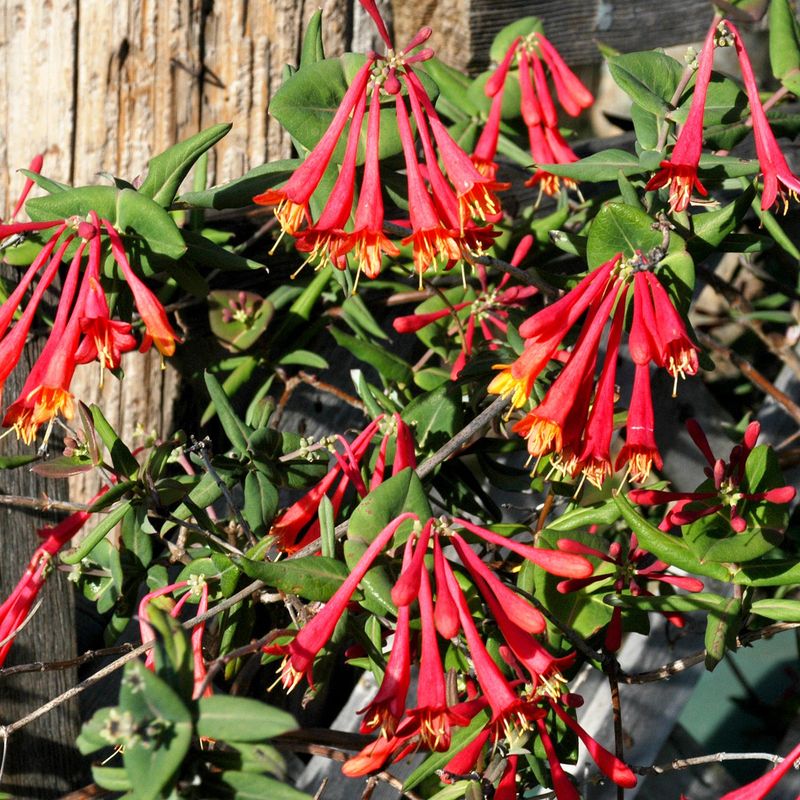
Pruning coral honeysuckle at the right time makes a real difference in how the vine responds. Because coral honeysuckle flowers on new growth, pruning right before or during the flowering period can reduce the number of blooms you see that season.
Waiting until the main flush of flowers has finished gives the vine time to complete its blooming cycle before shaping begins.
After flowering, light pruning can clean up the vine’s overall shape, remove stems that have grown in unwanted directions, and encourage fresh new growth that may bring another round of flowers.
Removing damaged or weak stems at this point also helps open up the interior of the vine so air can move through more freely, which is helpful during Florida’s humid summer months.
Keep pruning sessions light and focused on redirecting rather than cutting back heavily.
Coral honeysuckle generally responds well to moderate shaping, and removing a modest amount of growth at a time tends to work better than cutting the vine back drastically all at once.
Gardeners who prune thoughtfully after flowering often find that the vine rebounds with fresh stems and a tidier shape that continues to look attractive on the fence or trellis through the rest of the Florida growing season.
8. Go Easy On Nitrogen To Support Blooms
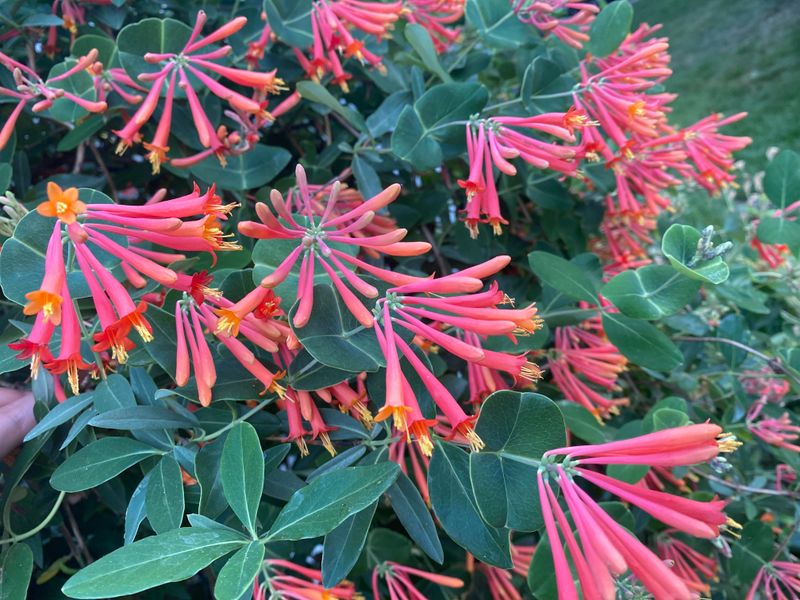
Fertilizer choices affect how coral honeysuckle performs in Florida landscapes, and nitrogen in particular is worth paying attention to.
High-nitrogen fertilizers are designed to push leafy, green growth, which is useful for lawns and some vegetables but can work against a flowering vine.
When coral honeysuckle takes in too much nitrogen, it may put most of its energy into producing stems and leaves rather than the red tubular flowers that make it so appealing.
Gardeners who use slow-release fertilizers with balanced or lower nitrogen ratios tend to see better flowering results. A soil test is a practical first step before adding any fertilizer at all, since Florida’s sandy soils vary in nutrient content from one yard to the next.
If the soil already has adequate nutrients, adding fertilizer may not be necessary or helpful.
Coral honeysuckle is a native vine that has adapted to Florida’s often low-nutrient sandy soils, so it does not need heavy feeding to perform well.
Modest fertilization based on actual soil needs, rather than a routine schedule, supports healthy growth without pushing the plant toward excessive leaf production at the expense of blooms.
Keeping fertilizer use measured and intentional gives the vine the best chance to flower consistently throughout the season.
9. Leave Room For Stems To Reach About 15 Feet
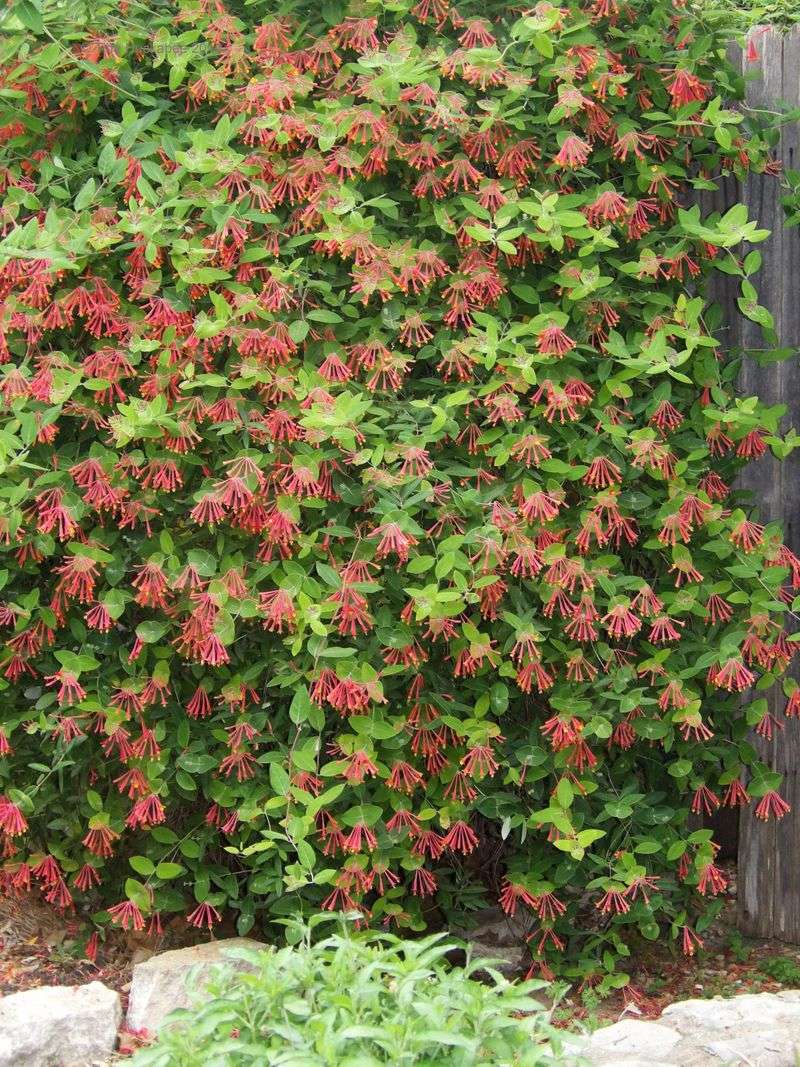
Space planning before planting saves a lot of headaches once coral honeysuckle gets going in a Florida yard.
Individual stems on this vine can reach around 15 feet, so the fence section, trellis, or arbor chosen as the support should have enough length or height to accommodate that eventual spread.
Planting next to a short fence panel or a small trellis that the vine will quickly outgrow means more redirecting and pruning work down the road.
Wider fence runs give the vine room to spread horizontally as well as vertically, which tends to produce fuller and more visually balanced coverage. Arbors and tall trellises allow the vine to climb upward freely, which suits its natural twining habit.
Mailbox posts and lampposts work well for a more contained look, though the vine may need more regular shaping to keep it tidy on a narrow structure.
Florida landscapes with limited space can still accommodate coral honeysuckle with consistent light pruning to manage its spread.
The key is matching the planting spot to the vine’s realistic mature size rather than expecting it to stay small without maintenance.
Giving the stems enough room to reach their natural length results in a healthier, more vigorous plant that fills the support with attractive coverage over time.
10. Place It Where Wildlife Activity Fits The Garden
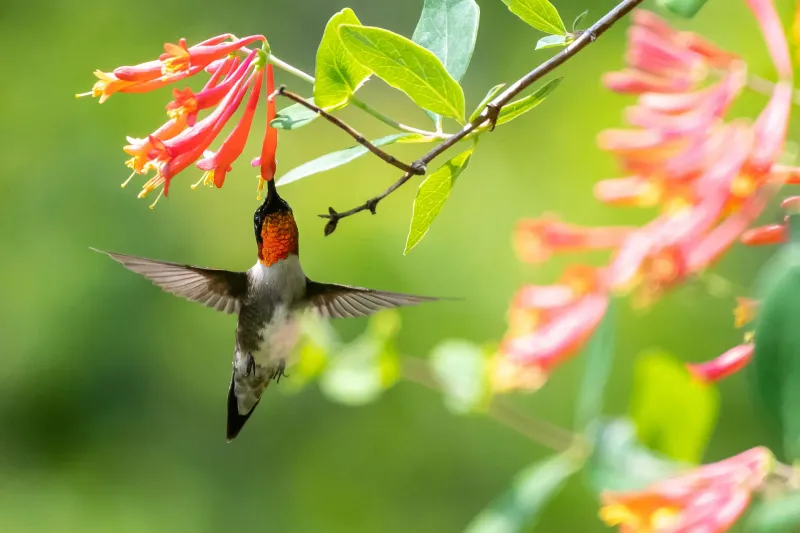
One of the most enjoyable reasons to grow coral honeysuckle in a Florida yard is the wildlife it tends to bring in.
The vine’s red tubular flowers are shaped in a way that works well for hummingbirds, and the berries that follow flowering can provide food for birds where that kind of activity is welcome.
Placing the vine where those visits can be seen and appreciated adds an extra layer of enjoyment to the garden.
A fence or trellis near a patio, a garden seating area, or a kitchen window gives homeowners a front-row view of hummingbirds and other visitors.
Positioning the vine away from high-traffic areas or spots where pets spend most of their time can make wildlife feel more comfortable stopping by regularly.
Florida wildlife gardens benefit from layered plantings, and coral honeysuckle fits naturally into that kind of setup. Pairing it with native shrubs or groundcovers nearby creates a more complete habitat that supports a wider range of birds and pollinators.
The vine does not need to be the centerpiece of the yard to be valuable. Even a single well-placed fence run covered in coral honeysuckle can become one of the most active and rewarding spots in a wildlife-friendly landscape.