The September Hedge Trim That Can Remove More Florida Flowers Than You Realize
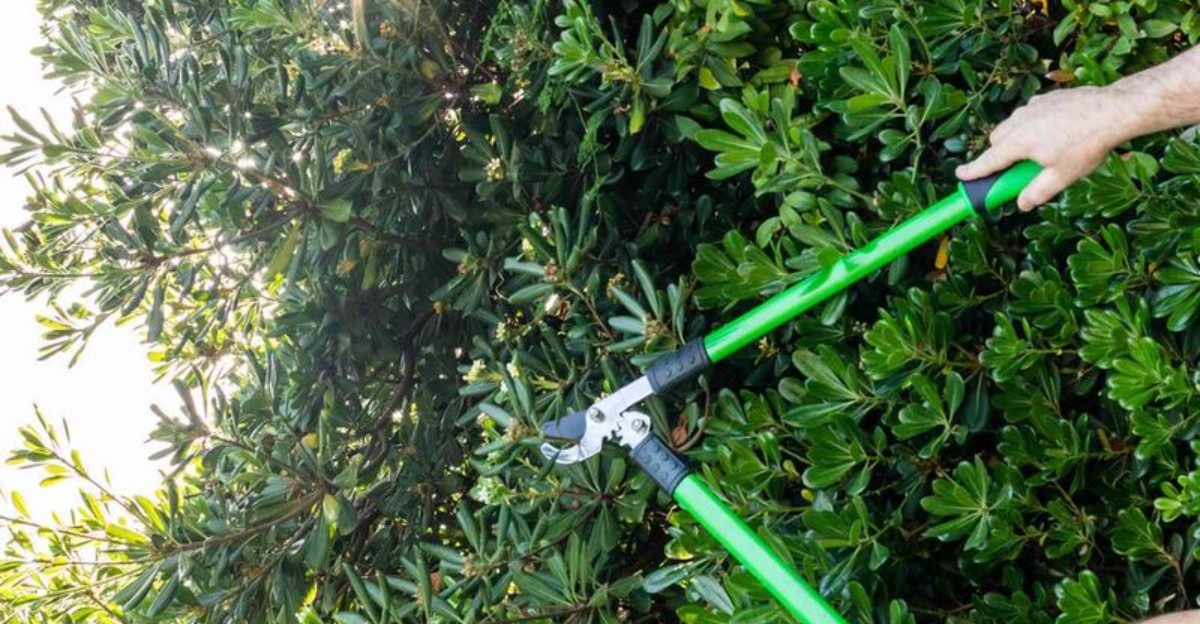
September in Florida smells like wet pavement, warm mulch, and the low hum of a neighbor’s yard equipment. Everything looks green, leafy, and a little overgrown after a summer of daily rain and stubborn heat.
So you grab the loud tool from the garage, square everything up, and admire your crisp green walls. Two months later the yard still looks neat, tidy, and strangely quiet on the color front.
Meanwhile, the yard down the street explodes with blooms that butterflies treat like a free buffet. Same neighborhood, same sandy soil, same relentless sunshine, yet wildly different results by Thanksgiving weekend.
The difference usually comes down to one September habit that feels responsible and looks perfectly harmless. Your landscape has been quietly making plans for months, and somebody just edited them without permission.
Flower Buds Hidden Inside Late Summer Growth
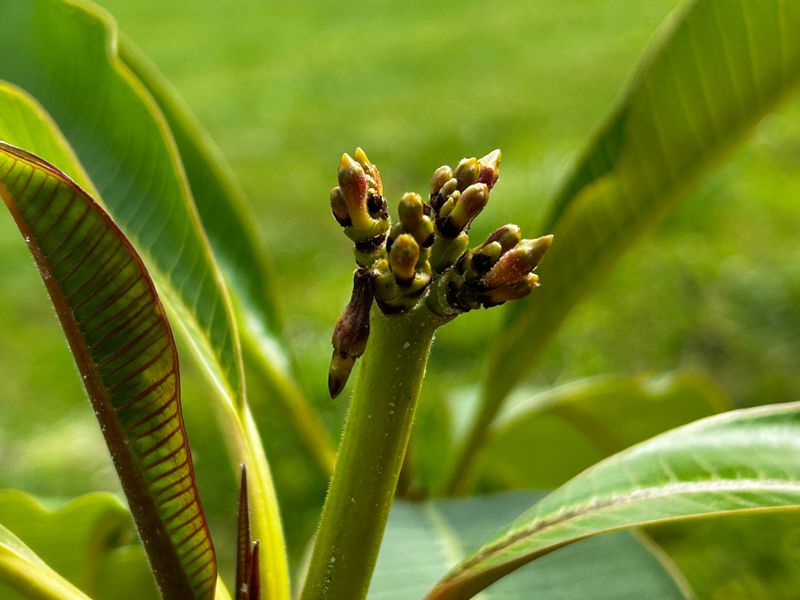
Every green inch you shear off in September is carrying tiny flower buds you cannot see yet. Those buds formed during the long, rainy weeks when your shrubs were growing fastest.
Plants like plumbago, firebush, and thryallis bloom on new wood produced in late summer. Cutting that wood flat removes the exact stems that were scheduled to color your yard.
Camellias and sasanquas work differently, setting fat round buds along their stems by August. One pass with shears can strip a season’s worth of pink and white in minutes.
Ixora holds flower clusters at branch tips, which is precisely where shears do their work. Shorten those tips and you get neat green meatballs with almost no color at all.
Hibiscus behaves similarly, pushing blooms from the newest growth at the ends of branches. Trimming in September resets that growth and pushes flowering back by six weeks or more.
The frustrating part is that nothing looks wrong afterward, since the hedge appears healthy and tidy. The loss only shows up later, when neighbors have blooms and you have shrubbery.
Butterflies notice too, since fall nectar matters during the monarch and gulf fritillary migration. A sheared hedge in September quietly removes a food source right when it counts most.
Once you know where buds live on each plant, the timing question answers itself. Your shears are not the problem, the calendar page hanging above them is.
Take a slow walk with your reading glasses before cutting anything this month. Those little bumps along the stems are not bugs, they are next season’s flowers.
Short Days And The Fall Bloom Clock
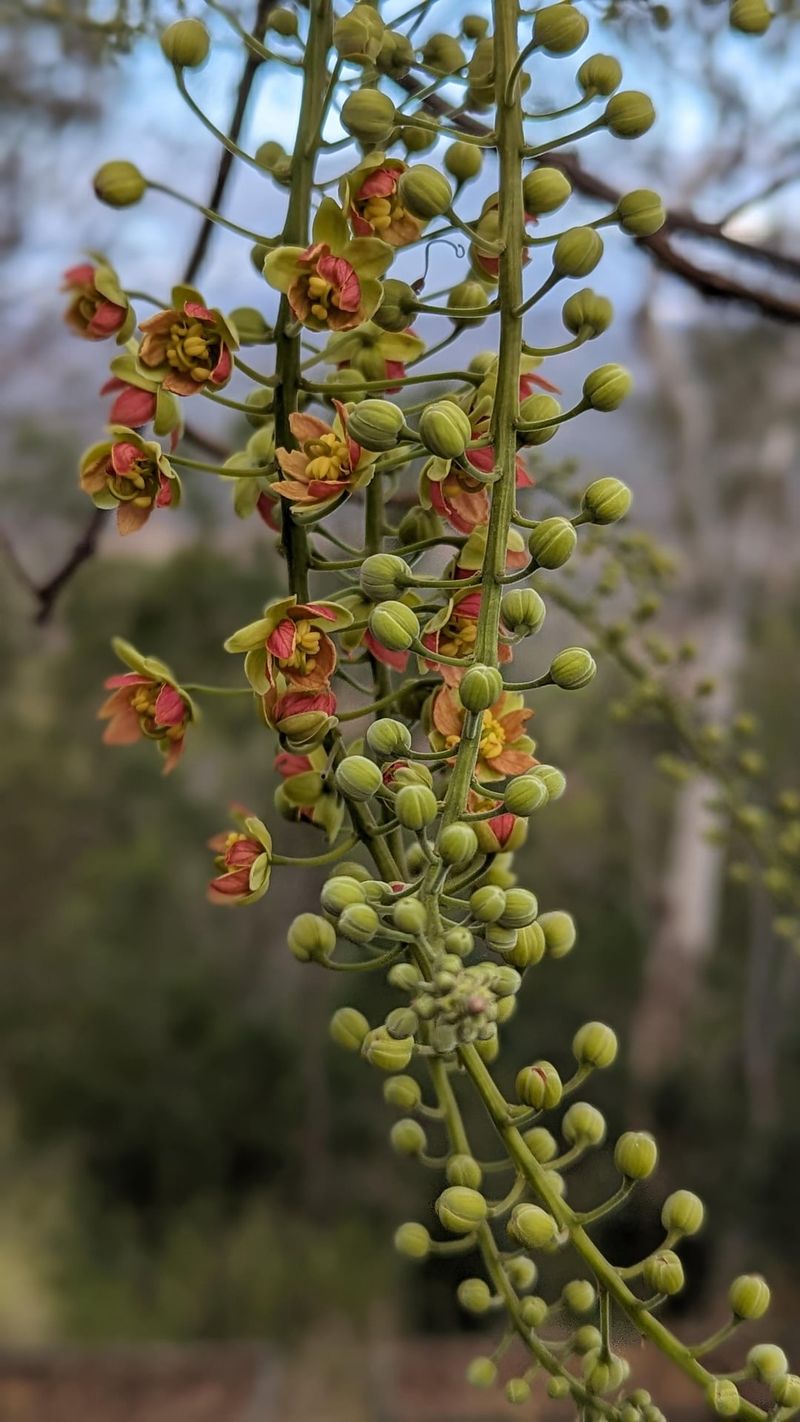
Plants keep better time than most people with a calendar app. As September nights stretch longer, many Florida shrubs read that signal and start setting buds.
Fall bloomers such as cassia, firespike, and Mexican flame vine respond strongly to day length. Once the signal arrives, they commit their energy to flowers instead of fresh leaves.
Cutting during that commitment window removes buds the plant has already paid for. The shrub will not restart the process, because the days keep getting shorter, not longer.
Down here the bloom show runs from October through December, sometimes stretching into January. That means September pruning lands right on the doorstep of the best color of the year.
Your Florida Garden Changes Every Week. Your Plan Should Too.
Gardening in Florida changes quickly throughout the season. Every Friday you’ll receive a simple weekly plan showing exactly what to plant, prune, fertilize, harvest, and protect so you never miss the right timing.
Warm nights add a twist, since our shrubs regrow leaves quickly after a haircut. Fast green regrowth fools people into thinking nothing was lost, yet the blooms stay missing.
Summer growers like plumbago and firebush flower continuously until cool weather finally slows them. Shearing them now trades six weeks of butterfly traffic for a tidy green rectangle.
Camellia buds swelled back in August, waiting quietly for cooler air to open them. Snip those and you wait an entire year for the next performance.
The safest rule is simple, heavy cuts belong in spring after the main flush finishes. September belongs to touch-ups, cleanup, and patience, which is the hardest tool to use.
Hurricane season complicates things, so remove broken or crossing limbs whenever storms leave a mess. Safety cuts are different from a full shearing, and the plants can tell the difference.
Power Shears Versus Hand Pruners In Autumn
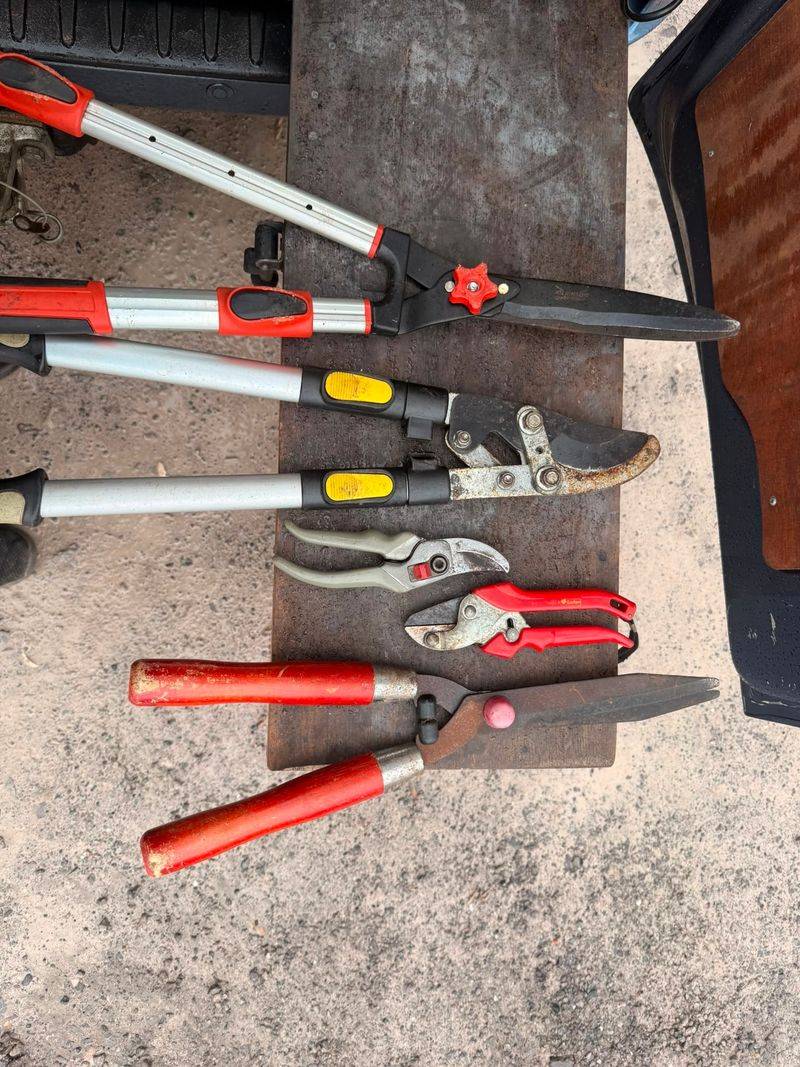
Gas powered shears feel fantastic in the hand and cut without any judgment whatsoever. They shorten every stem to the same height, including the ones holding your blooms.
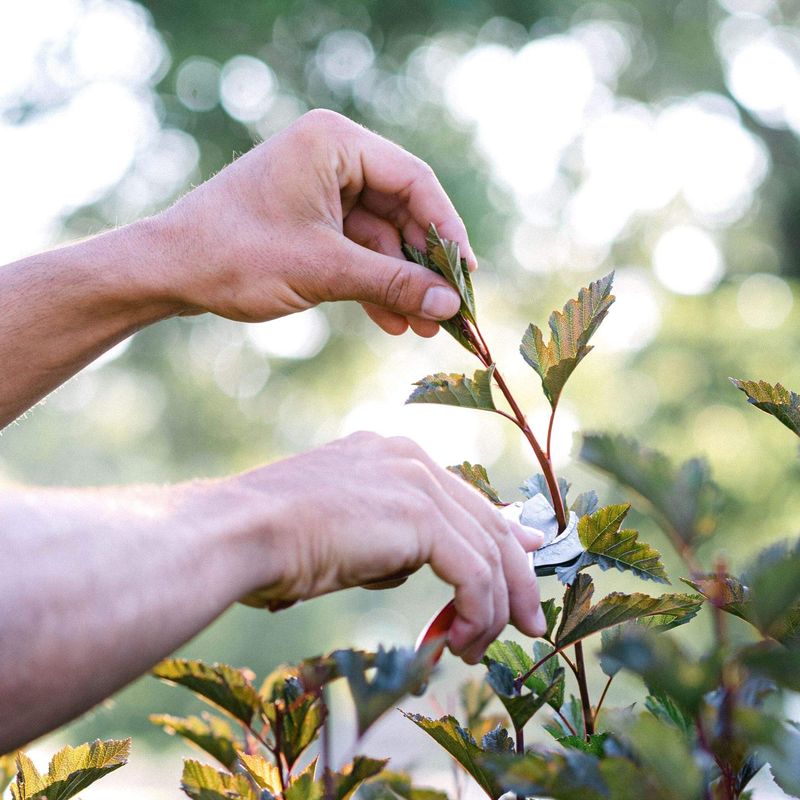
Hand pruners work slower, letting you reach inside and remove specific branches at their base. That selective approach keeps flowering tips intact while still controlling overall size and shape.
Shearing also creates a dense outer shell of twiggy growth on most Florida shrubs. Sunlight cannot reach the interior, so the inside goes bare and the plant thins out.
Ixora sheared repeatedly rarely blooms well, which frustrates homeowners who blame fertilizer or soil. The real culprit is usually the tool humming in the garage every few weeks.
Thinning cuts open the canopy, improve airflow, and reduce fungal trouble during our humid months. Better airflow matters here, where sooty mold and leaf spot spread fast after rain.
A useful trick is to prune with your eyes before you use your hands. Step back, find the branches ruining the shape, and remove only those at a joint.
Hedges meant to be formal, like podocarpus or viburnum, can handle regular shearing fine. Flowering shrubs deserve gentler treatment, because their whole purpose is the color they produce.
Keep blades clean and sharp, since ragged cuts heal slowly in humid Florida weather. A crisp cut seals faster and gives insects far fewer easy entrances.
Give yourself permission to leave a shrub slightly uneven this particular month. Slight untidiness in September buys wild color in November, which feels like a bargain.
Repair Work For A Hedge Already Sheared
So the hedge already got squared off and you are reading this with mild regret. Florida’s growing season runs long, so most shrubs bounce back faster than expected.
Resist the urge to fix the lopsided shape with another round of cuts. Each additional trim removes more buds and pushes flowering further into winter.
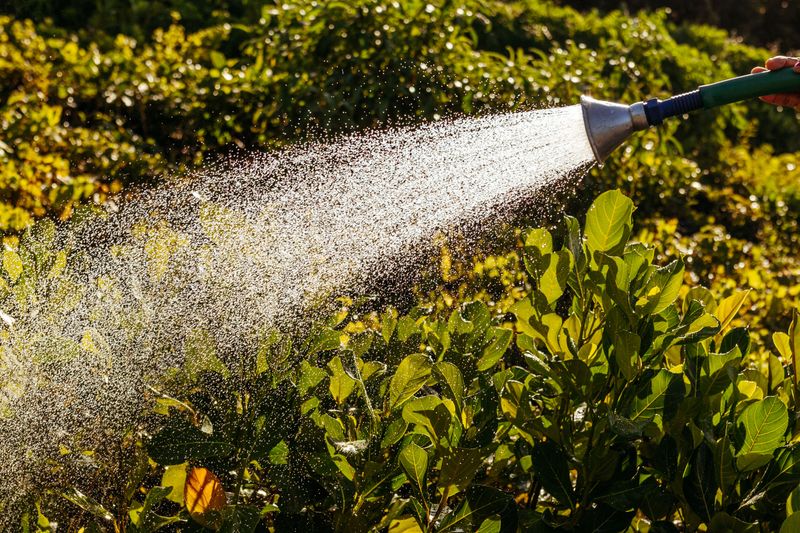
Water steadily instead, because recovery growth needs moisture more than it needs anything else. Two deep soakings a week beat daily sprinkles that wet only the top inch.
Skip heavy nitrogen fertilizer, which pushes soft leafy growth at the expense of flowers. A balanced slow release product with potassium supports root strength and bud formation instead.
A two inch mulch layer keeps roots cool and steady through our warm, soggy September. Leave a few inches of space around the trunks so the bark stays dry.
Some plants reward you quickly, since plumbago and firebush can rebloom within five or six weeks. Hibiscus often returns with flowers by late October if the weather stays warm.
Camellias and sasanquas, unfortunately, keep their own schedule and will simply skip this season. Mark the calendar for spring pruning and let them coast until next winter.
Add a few fast blooming annuals nearby for color while the hedge regroups. Pentas, salvia, and blue daze fill the gaps and keep pollinators coming back.
Take a photo now and another in December to see the recovery clearly. Memory exaggerates, but photos keep score honestly and settle arguments with your neighbor.
The Quiet Cost To Pollinators And Curb Appeal
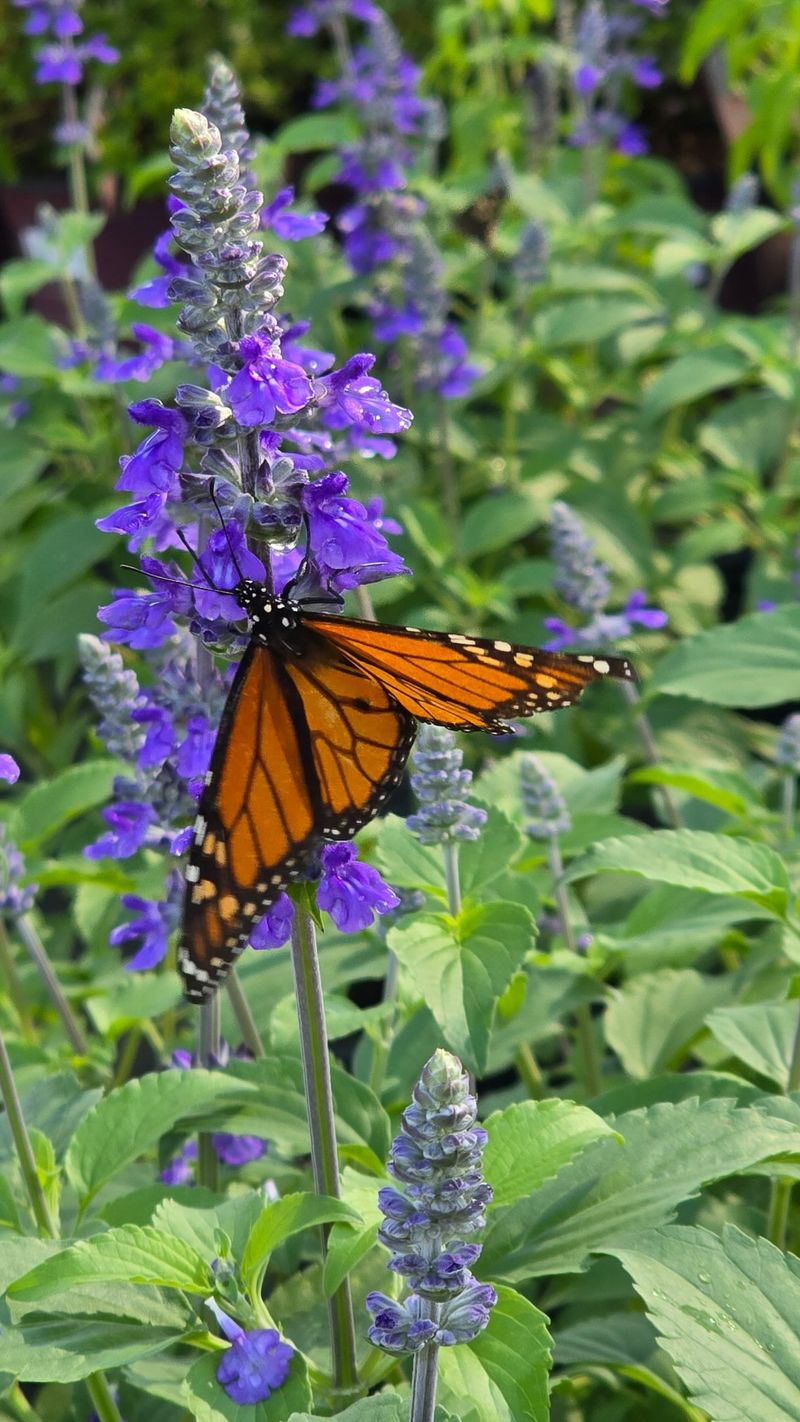
Fall flowers in Florida are not just decoration, they are groceries for a whole neighborhood of insects. Monarchs, gulf fritillaries, and zebra longwings travel through during autumn and need reliable nectar.
Firebush, porterweed, and pentas run one of the best roadside diners around. Shear them in September and the diner closes right before the dinner rush.
Hummingbirds pass through Florida during fall migration, favoring tubular red and orange blooms. A flowerless hedge gives them nothing, so they keep moving toward someone else’s yard.
Bees rely on late season nectar to build stores before cooler, leaner weeks arrive. Fewer flowers now means smaller colonies later, which affects gardens well beyond your fence.
Curb appeal takes a hit too, though the damage is sneaky rather than obvious. Green walls look fine in September and look boring by the holidays.
Fall and winter happen to be Florida’s showiest months, when visitors from up north arrive. Blooming camellias and cassias impress guests far more than flawless geometric hedges.
Berries suffer as well, since flowers become fruit that feeds mockingbirds and cardinals. Simpson’s stopper and beautyberry both lose that gift when trimmed at the wrong time.
Nothing here suggests letting the yard go feral and calling it a wildlife habitat. Timing simply decides whether your landscape feeds wildlife or merely occupies space.
Neighbors notice the butterflies long before they notice your straight edges. One blooming hedge draws more compliments than an entire block of tidy green boxes.
A Florida Pruning Calendar That Saves Blooms
Pruning in Florida makes sense once you match the cut to each plant’s bloom schedule. A short list taped inside the shed door saves more flowers than any fertilizer.
Spring bloomers, including azalea and loropetalum, get pruned right after their flowers fade. Wait too long and you will remove the buds forming for the following spring season.
Summer bloomers such as hibiscus, ixora, and plumbago prefer their cuts in March or April. That timing gives them the whole warm season to grow and flower freely.
Fall and winter stars, like camellia and cassia, want pruning soon after blooming ends. For most of them, that means late winter or very early spring, not September.
September is a fine month for light cleanup, removing spent flowers, and cutting out damaged wood. Keep the cuts small, scattered, and purposeful rather than sweeping across the whole hedge.
Storm season adds an exception worth remembering all the way through the end of November. Broken branches should come off promptly, regardless of what the calendar happens to say.
Proper plant spacing prevents half of these problems before they ever begin in the first place. Shrubs given room to reach natural size need far less trimming every year.
Choosing compact varieties helps too, since dwarf firebush and dwarf plumbago stay tidy naturally. Less shearing means more blooms, less work, and a lot more free weekends.
Write your pruning dates on a real calendar, not just in your head. Future you, standing in November surrounded by blooms, will quietly appreciate all the paperwork.