What Toads In Your Kentucky Garden Beds Reveal About Your Soil
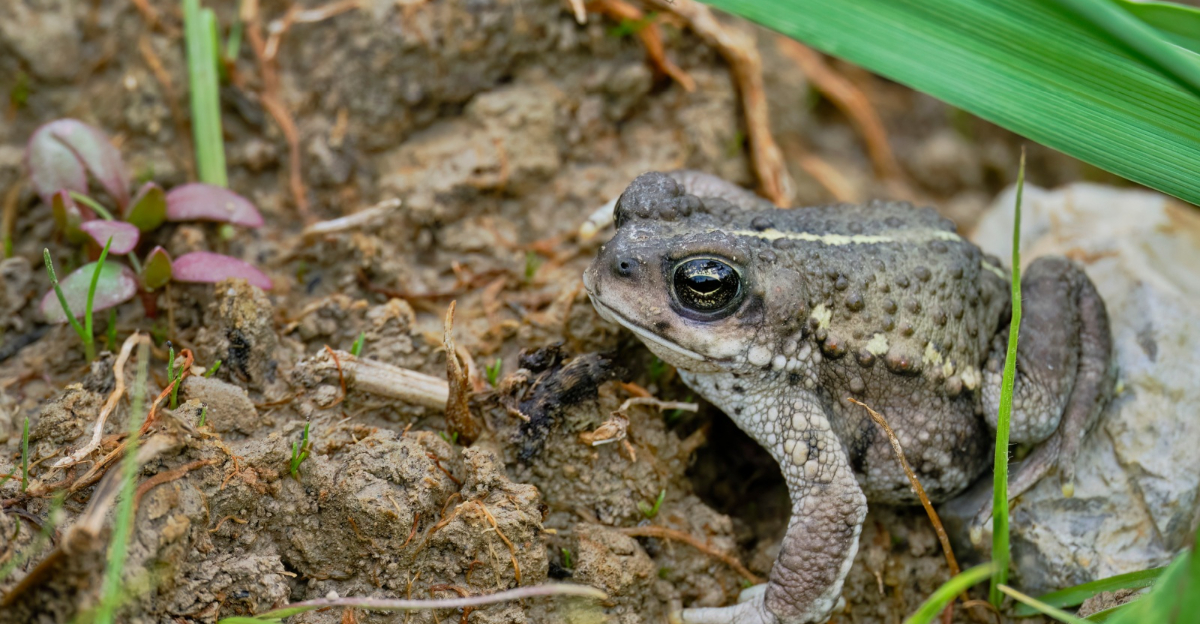
A toad staring back at you means something rare is happening. Something in your soil convinced it to stay. Gardeners across Kentucky spot these visitors more than they realize.
Toads avoid weak habitats without hesitation. They need shelter, moisture, and reliable food. Your hosta bed just passed a serious test. Few creatures judge gardens as carefully as toads do.
Beneath that leaf sits proof of balance you built. Chemicals push them away instantly. Predators barely trouble them if shelter exists nearby. Kentucky soil quality often determines whether toads settle at all.
Moisture matters more than most gardeners assume. Shade keeps their skin from drying out fast. Insects nearby keep them fed without effort. Curious neighbors rarely notice such endorsements.
Skin absorbs everything nearby, good and bad alike. Silence often hides ecological wins. That yard passed every quiet requirement toads secretly track. Discover why, or watch that opportunity fade quietly away.
Why Toads Are Drawn To Kentucky Garden Beds
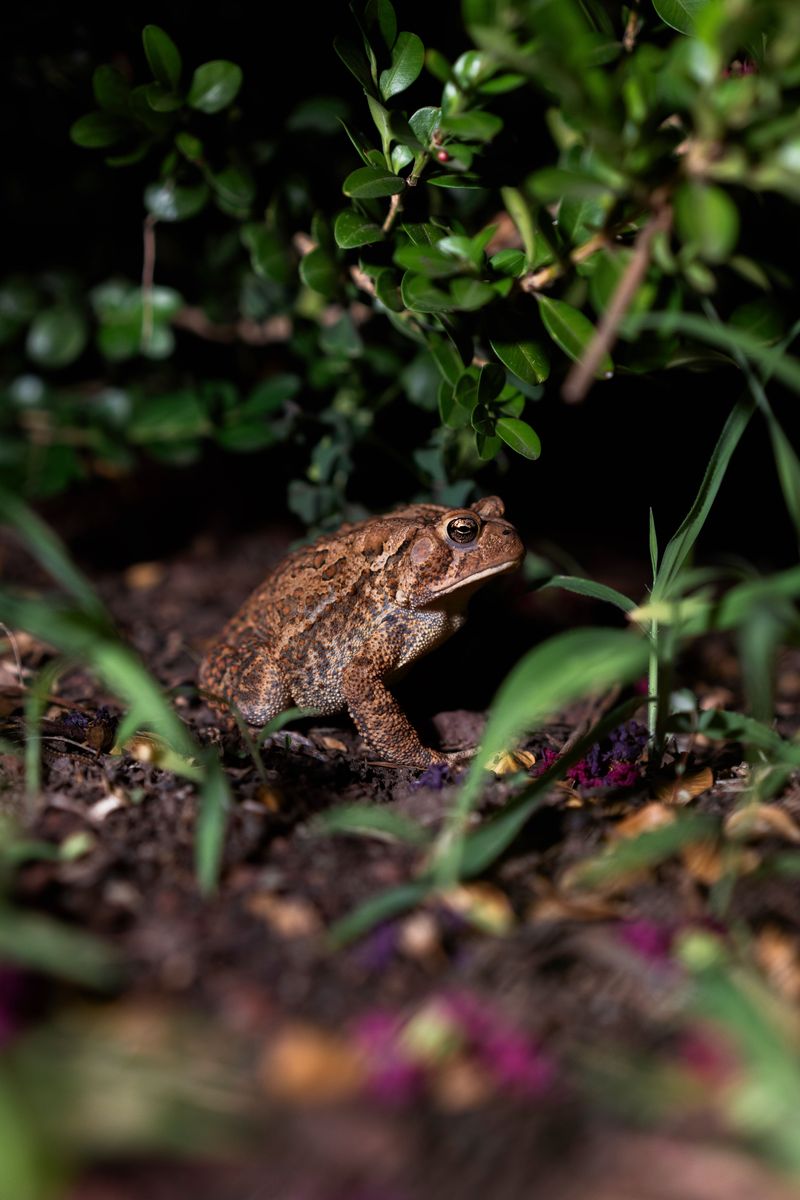
Toads do not wander randomly. They scout locations carefully before settling in, and your garden beds may have checked every box on their list.
The American toad is among the most commonly reported species in Kentucky gardens. It thrives in spaces that offer moisture, shelter, and easy access to food.
Garden beds tick all three boxes naturally. Loose soil, low-growing plants, and shady corners create the kind of microhabitat toads actively seek out.
What draws them most is a combination of sensory cues. The smell of damp earth, the sound of nearby water, and the presence of insects all signal safety to a toad.
Your raised beds or border gardens may feel like a luxury resort to a passing toad. Soft mulch is easier to burrow into than hard, dry ground.
Toads also have strong homing instincts. Once they find a good spot, they often return to the same garden bed season after season.
That loyalty is actually a compliment to your gardening habits. A toad hiding in your Kentucky garden bed means the environment you have created feels safe and sustainable.
Knowing what initially attracts them helps you keep them around longer. Small changes, like adding a shallow water dish or leaving leaf litter in corners, can make your space even more toad-friendly.
Soil Moisture And Insects Behind Toad Presence
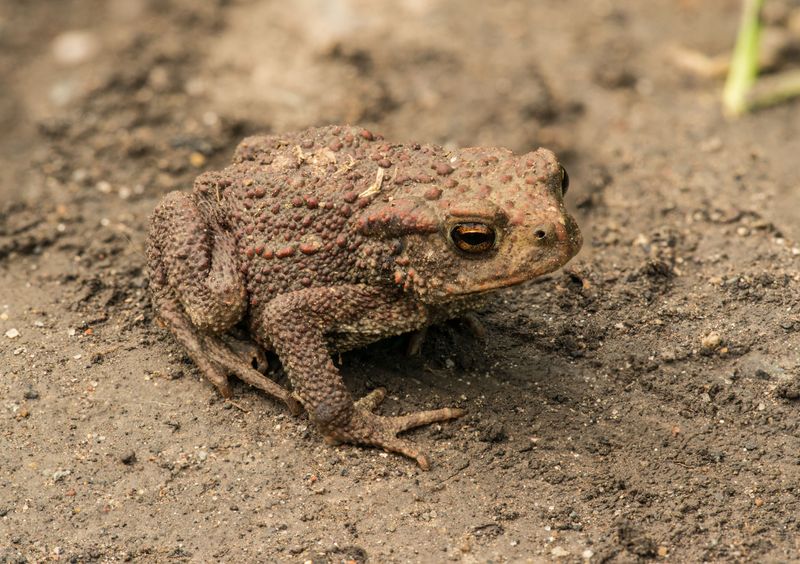
Wet soil provides abundant food for toads. Where there is moisture, there are worms, beetles, and slugs, which are all prime toad food.
Toads are insectivores, meaning insects and invertebrates make up almost their entire diet. A single toad can eat dozens of insects in a single night.
That is a notable number for a single night’s foraging. Your garden pest population drops significantly when a toad decides to move in.
Soil moisture plays a double role. It sustains the insects toads feed on, and it also keeps a toad’s skin hydrated, which is essential for their survival.
Toads absorb water through their skin rather than drinking it. Moist garden soil acts like a hydration station every time they burrow in.
Your Kentucky Garden Changes Every Week. Your Plan Should Too.
Gardening in Kentucky changes quickly throughout the season. Every Friday you’ll receive a simple weekly plan showing exactly what to plant, prune, fertilize, harvest, and protect so you never miss the right timing.
If your garden beds stay consistently damp from irrigation or natural rainfall, you have created prime toad territory without even trying. Consistent watering schedules are a big draw.
Overwatering, however, can attract the wrong kinds of pests alongside the beneficial ones. Balance is the key to keeping both your plants and your toad neighbors happy.
A toad’s presence in your beds is a living indicator of healthy soil biology. It signals that your ground is teeming with the microbial and insect life that supports a full food web. Treat that moist, bug-rich soil as a badge of honor. Your toad certainly does.
Mulch And Shade Create Ideal Toad Habitat
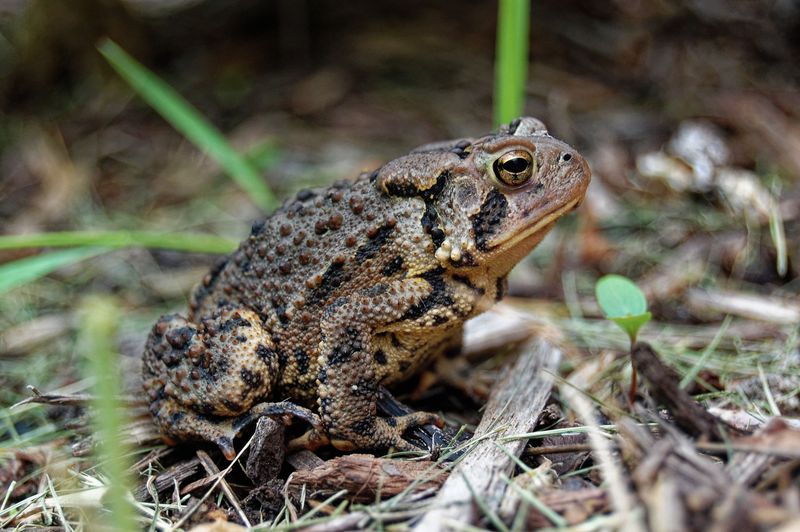
Pull back a thick patch of wood chip mulch and you might find a toad staring right back at you. Mulch helps retain moisture and insulate the ground for toads.
The layer of organic material traps moisture beneath it, keeping the ground cool and damp even on hot summer afternoons. Toads love that consistency.
Shade works hand in hand with mulch to create the perfect hiding spot. Direct sunlight dries out a toad’s permeable skin quickly, making shaded beds far more appealing.
Hostas, ferns, and large-leafed perennials are especially popular with toads in Kentucky gardens. Their broad canopy creates deep shade at ground level.
When you mulch around those plants, you layer two benefits at once. The toad gets both protection from the sun and a soft surface to burrow beneath.
Cedar and pine bark mulches may naturally deter some insects, which can shape the mix of prey available near your beds.
Shredded leaf mulch, in particular, mimics the forest floor where toads naturally thrive. It breaks down slowly and harbors the exact organisms toads hunt at night.
If your garden beds already have mulch and shade, you have created favorable conditions for toads. Adding a flat rock or two nearby gives them an extra basking and hiding spot.
Your mulching routine is doing more than protecting plant roots. It is rolling out the welcome mat for one of nature’s best pest controllers.
Seasonal Patterns Shape Toad Sightings In Kentucky
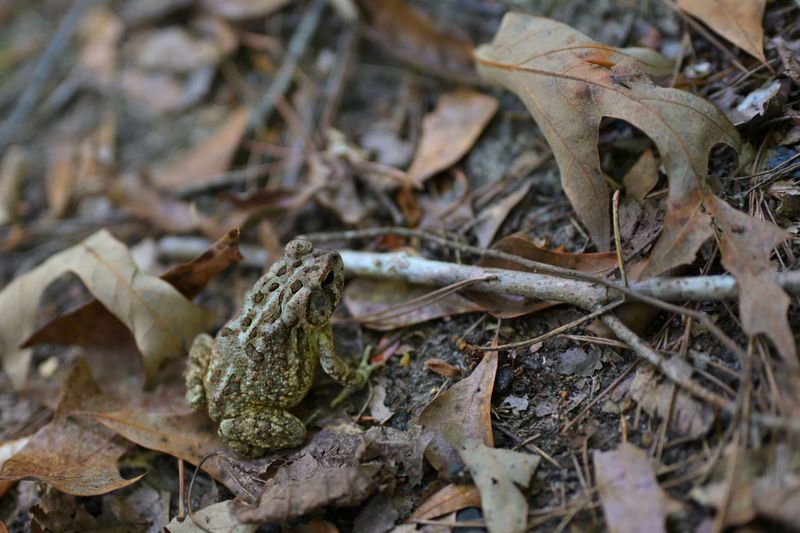
Toads follow the seasons like clockwork. Their appearances in your garden beds are not random but tied to temperature, rainfall, and breeding cycles.
Spring is peak toad season across the state. As soil temperatures warm in spring, toads typically emerge from their winter burrows to search for mates and food.
You are most likely to spot them in garden beds during April and May. That is when they are most active and most visible during daylight hours.
Summer sightings tend to happen during the early morning or evening hours. Heat drives toads into shade during the day, making mulched garden beds their go-to refuge.
Rainfall dramatically increases toad activity at any time of year. A good soaking rain brings them out in full force, especially after dry spells.
As temperatures drop in fall, toads begin preparing for brumation, a cold-weather dormancy similar to hibernation. They burrow deep into loose soil or beneath leaf piles to wait out winter.
Garden beds with soft, undisturbed soil are prime brumation spots. If you find a toad buried near your plant roots in fall, it has chosen your bed as its winter home.
Resisting the urge to over-till your beds in autumn helps protect these overwintering toads. Leaving some areas undisturbed through winter gives them the best chance of returning next spring.
Tracking when you spot toads each year can reveal a lot about your garden’s seasonal health.
Toad Behavior Signals More Than Just A Visit
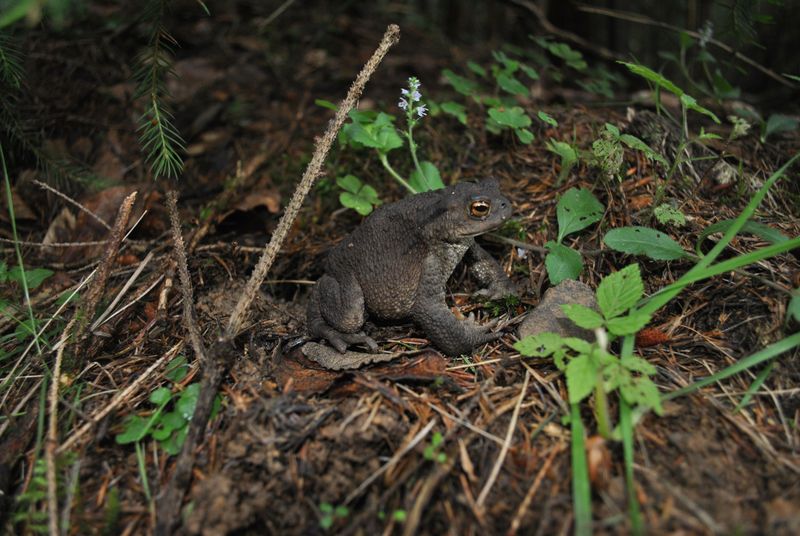
A toad sitting still in your garden bed is not being lazy. It is actually doing several important things at once, and reading its behavior tells you a lot.
When a toad is motionless near the base of a plant, it is likely waiting in ambush. Toads are sit-and-wait predators that rely on patience rather than speed.
If you see one puffed up and tilted slightly forward, that is a defensive posture. It means something nearby startled it, possibly a pet, a bird, or even you.
Toads also thermoregulate by pressing their bodies against cool soil. A toad flattened against damp earth on a warm day is simply managing its body temperature.
Burrowing behavior is another clear signal. A toad pushing into loose mulch or soft soil is either seeking moisture, escaping a threat, or settling in for a long rest.
If you notice a toad returning to the exact same corner of a bed repeatedly, it has claimed that spot as its home base. Toads are surprisingly territorial about their favorite hiding places.
Vocalizations are rare during the day but common at night. A low, musical trilling near your garden after dark is a toad announcing its presence to potential mates.
Paying attention to these small behaviors transforms a simple garden sighting into a fascinating wildlife observation. Observing toad behavior offers insight into your garden’s ecosystem.
A Healthy Toad Presence Reflects Your Garden’s Ecosystem
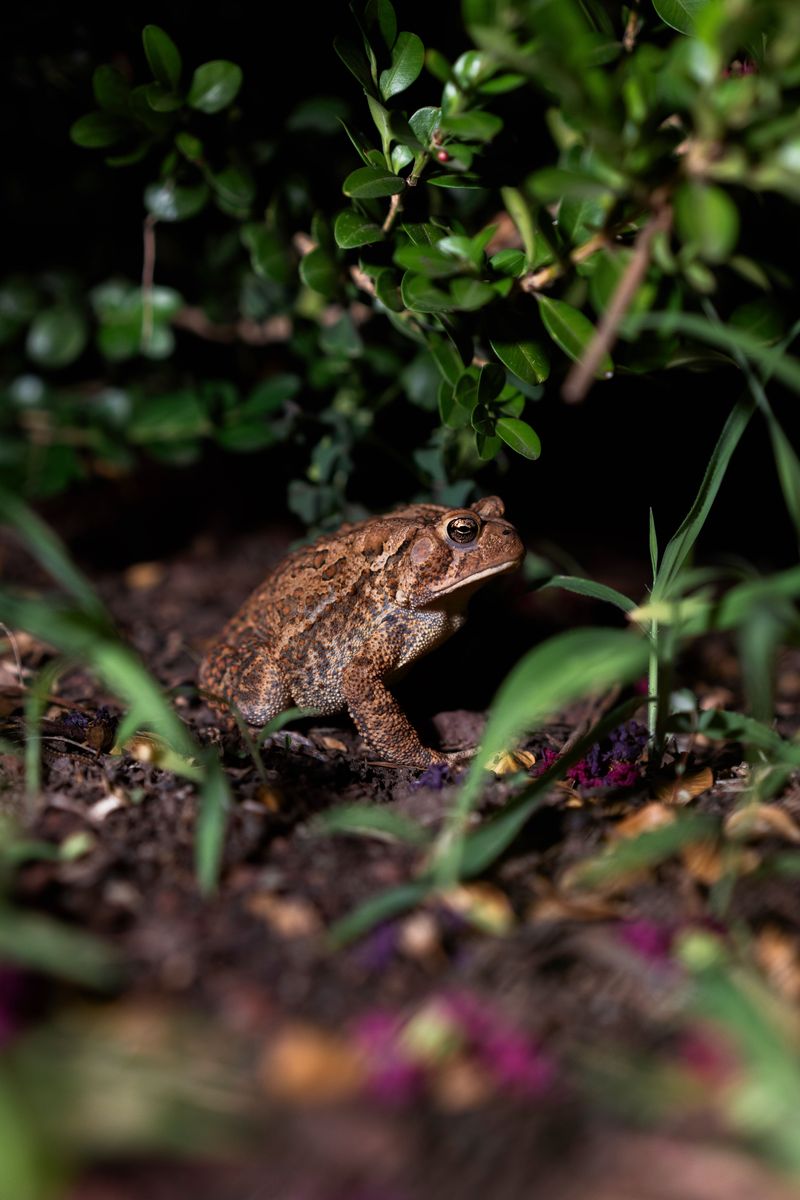
Finding a toad in your garden is a positive sign for your ecosystem. It suggests your garden supports healthy conditions.
Toads are sensitive to pesticides, chemical fertilizers, and soil contamination. Their skin absorbs everything in their environment, making them extremely vulnerable to toxins.
A toad choosing your beds signals that your soil is relatively clean and chemically balanced. That is a huge win for any gardener trying to grow food or support pollinators.
Healthy toad populations also indicate a strong base of insect life. Without abundant prey, toads simply move on and find somewhere better.
The presence of multiple toads over a season suggests your garden supports a layered food web. Insects feed on plants, toads feed on insects, and birds feed on toads.
That chain of life is what makes a garden resilient. When one part of the web thrives, the whole system benefits from the balance.
Organic gardening practices directly support toad populations. Skipping synthetic sprays and opting for compost-based soil amendments keeps the environment hospitable for them.
Even small actions matter here. Avoiding harsh weed control products near your beds preserves the ground-level habitat toads depend on for shelter and food.
A toad hiding in your Kentucky garden bed is not just a fun surprise. It is a signal that your outdoor space supports a healthy ecosystem.
How To Make Your Garden Even More Toad-Friendly
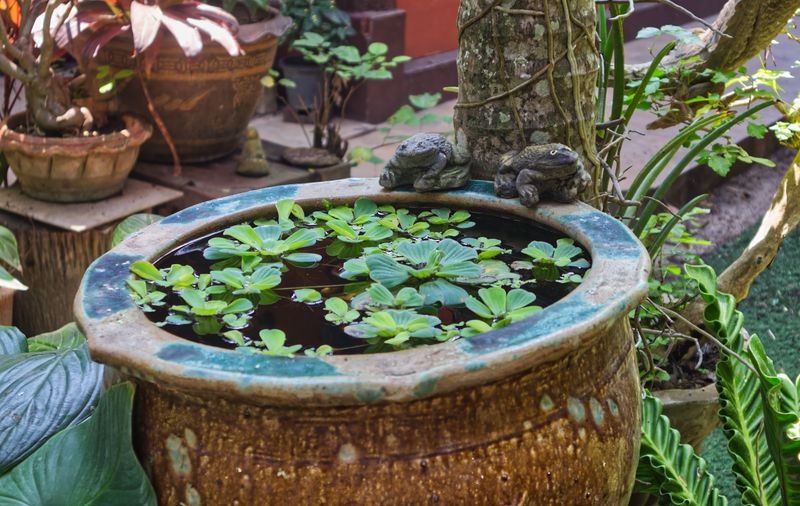
Once you know a toad has claimed your garden, you will probably want to keep it around. A few simple additions can turn a good habitat into a great one.
Start with a shallow water source placed directly on the ground. Toads cannot climb into deep birdbaths, so a ceramic saucer filled with clean water works perfectly.
Change the water every couple of days to prevent mosquito breeding. A clean, fresh source encourages toads to stay hydrated and stick close to your beds.
Flat rocks placed in shaded corners serve as excellent resting spots. Toads love pressing against cool stone surfaces, especially during warm afternoons.
You can also create a simple toad house using a broken clay pot tipped on its side. Place it in a shaded corner of the bed with the opening facing away from direct sun.
Avoid using any pesticide sprays near areas where toads have been spotted. Even products labeled as safe for gardens can be harmful to amphibians through skin absorption.
Leaving a section of your garden slightly wild and untidy actually helps. Leaf litter, fallen sticks, and overgrown patches give toads more places to hide and hunt.
Planting native ground covers like wild ginger or creeping phlox adds another layer of low shelter. These plants stay close to the soil and create natural toad corridors through your beds.
Your toad is already doing its part for your Kentucky garden bed. Give it a little support, and it will reward you all season long.