Last Call: The Garden Tasks New Yorkers Need to Finish Before the First Snowflakes
A single gallon of water grows about 9 percent bigger when it freezes. Inside a buried sprinkler pipe, that tiny stretch can split plastic and pop fittings like popcorn.
I learned that lesson the expensive way one April. A hissing valve box and a soggy corner of lawn told the whole story before the repair bill did.
Here in New York, the deadline moves depending on where you live. Buffalo and Albany often see measurable snow by mid-November, while the city usually holds off until December. Upstate gardeners can face frost as early as late September or early October.
So the clock is ticking, but it ticks at different speeds across the state. Some chores matter far more than others before the cold settles in. A few of them might surprise you, and one could save your bank account a nasty spring shock.
That Buried Sprinkler Line Is Holding a Spring Surprise
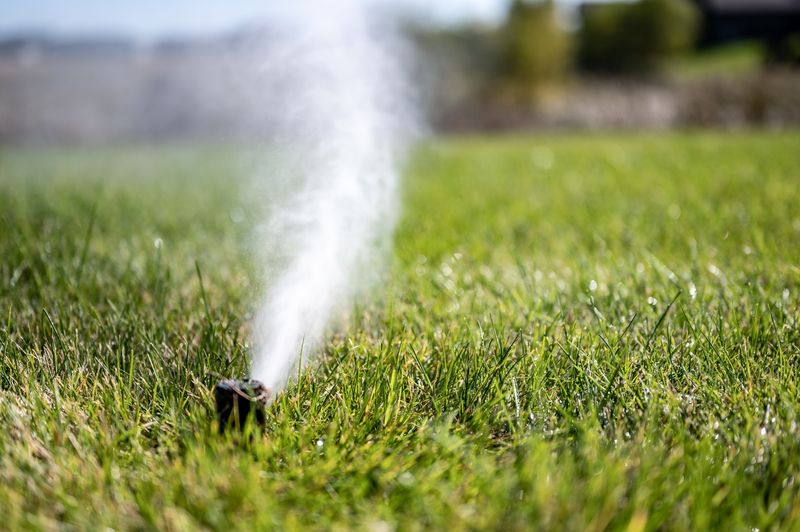
Frozen water does not ask permission before it cracks a pipe. Any water sitting in sprinkler lines, valves, or heads after a hard freeze can split plastic and leave you with a leaky mess in spring.
Start by shutting off the water supply that feeds your system. Next, drain the lines using the manual or automatic drain valves, or have a pro blow them out with compressed air.
Air blowouts need the right pressure, so hiring help is often the safer choice if you feel unsure.
Timing depends on your corner of the state. Around New York City, many irrigation companies aim to finish between late October and early November.
Upstate, especially near Syracuse or the Adirondacks, the window can close weeks earlier.
Pay special attention to the backflow preventer. That brass device usually sits above ground, which makes it one of the most exposed parts of the whole setup.
Wrap it with insulation or a fitted cover once it has drained.
Finally, switch your controller to its off or rain mode. Outdoor controllers that are not fully weatherproof may do better indoors for the winter.
Funny thing is, this job takes less than an hour for most yards. Skipping it can mean a repair call that eats a good chunk of your spring plant budget, so put it at the top of your list.
Garden Hoses and Outdoor Spigots Need Draining Too
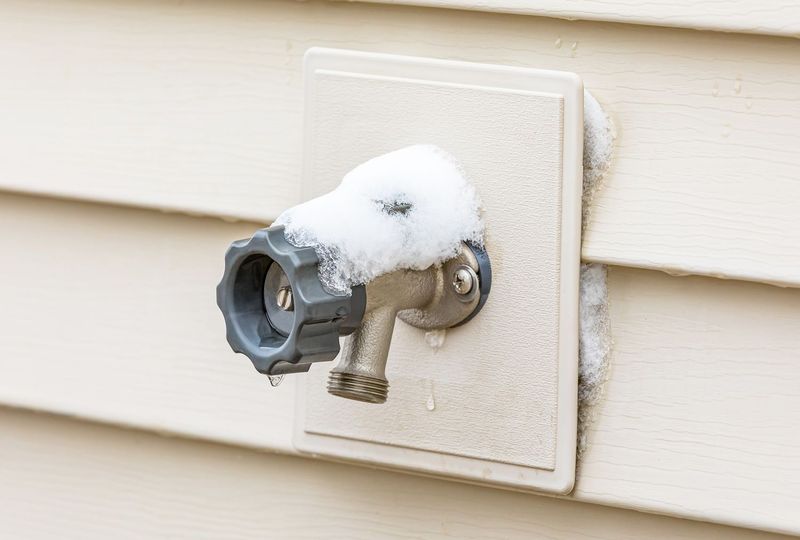
Take it from someone who once found a hose frozen solid in a curled-up loop. The hose survived, barely, but the outdoor faucet behind it did not fare so well.
Outdoor spigots and hoses are the easy cousins of the sprinkler system, and they deserve attention before the first hard freeze. Disconnect every hose from the house.
Water trapped inside a connected hose can back up into the faucet and the pipe inside your wall, where a crack becomes an indoor flood.
Find the indoor shutoff valve for each outdoor faucet if your home has one. Close it, then open the outdoor tap to let the remaining water run out.
Many newer homes have frost-free sillcocks, which help, but they still need the hose removed to work properly.
Stretch each hose down a slope to drain it, then coil it loosely. Store it in a garage, shed, or basement where sunlight and freezing temperatures cannot stiffen the rubber.
Rain barrels belong on this list as well. Empty them, flip them over, or move them under cover so ice cannot bulge the sides.
Foam faucet covers cost only a few dollars at hardware stores. They add a helpful layer for spigots on the windy side of the house, especially in lake-effect country.
Tulip and Daffodil Bulbs Still Have a Narrow Planting Window
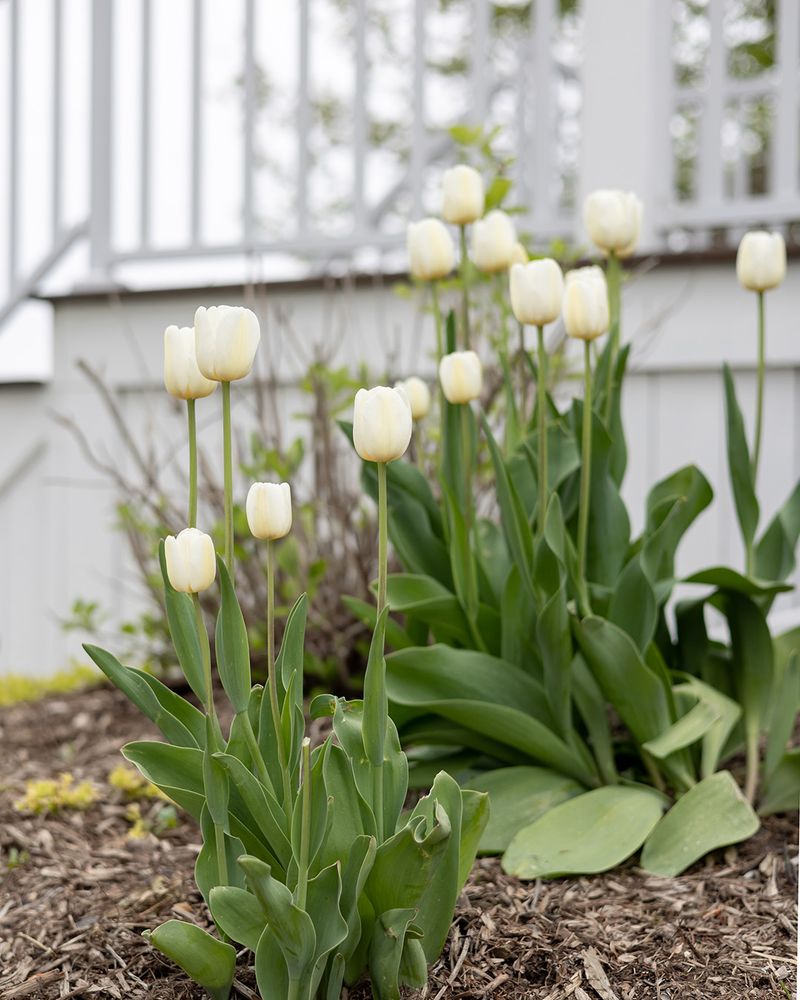
Spring color starts with a cold, dirty job in fall. Tulips, daffodils, crocuses, and hyacinths need a long chill underground to form their flowers.
Cooling soil is the signal you want. Bulbs do best after the soil drops to around 55 degrees, yet before the ground freezes hard.
Upstate gardeners usually aim for early to mid-October, while the Hudson Valley often works through late October.
Down in the city and on Long Island, you can often plant into November and sometimes early December. If your shovel still slides into the soil, you are probably fine.
Dig each hole about two to three times as deep as the bulb is tall. Set the flat, root side down and the pointy tip facing up.
Water them in well so the roots can start growing before winter.
Squirrels love tulip and crocus bulbs, so a layer of chicken wire over the planting area can save your effort. Daffodils are a smart pick for critter-heavy yards, since squirrels and deer mostly leave them alone.
For what it is worth, planting in groups of seven to ten looks far more natural than neat single rows. A loose cluster makes a bigger splash when everything opens in April.
Your Garlic Cloves Want to Go in the Ground Now
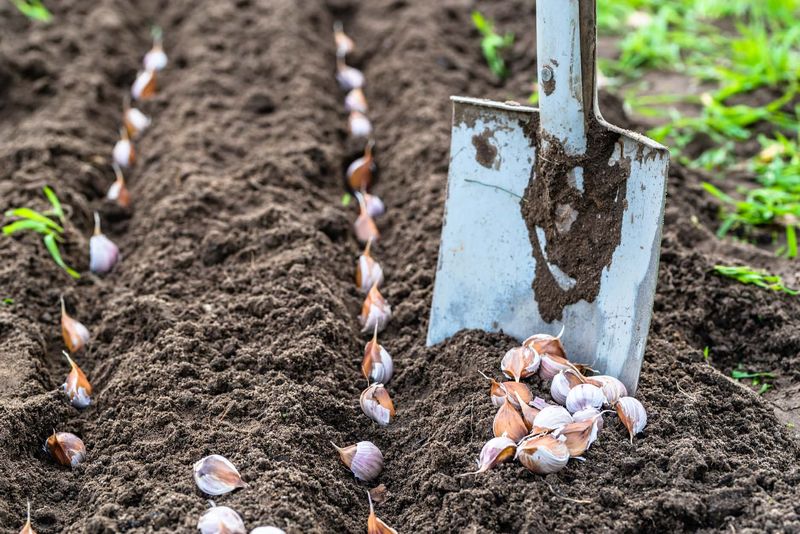
Garlic is the rare crop that loves being planted when everything else is winding down. Cornell experts generally recommend planting cloves in New York in fall, ideally a few weeks before the ground freezes.
Break apart a head of garlic just before planting. Pick the biggest, healthiest cloves, since larger cloves usually grow larger bulbs next summer.
Seed garlic from a local farm or garden center tends to perform better than grocery store garlic.
Plant each clove pointy end up, about two inches deep and six inches apart. Hardneck types, like Music or German Extra Hardy, handle cold winters especially well and give you tasty scapes in June.
After the ground starts to freeze, cover the bed with four to six inches of straw. That layer helps protect the cloves from freeze and thaw cycles that can push them out of the soil.
While you are in the vegetable patch, pull out spent tomato and squash vines, especially any with spots or mildew. Disease spores can hang around on old leaves until spring.
Hardy crops like kale, leeks, and carrots can stay put under mulch. Pulling sweet carrots out of a snowy bed in December feels a little like finding buried treasure.
Shredded Leaf Mulch Keeps Perennial Roots From Heaving
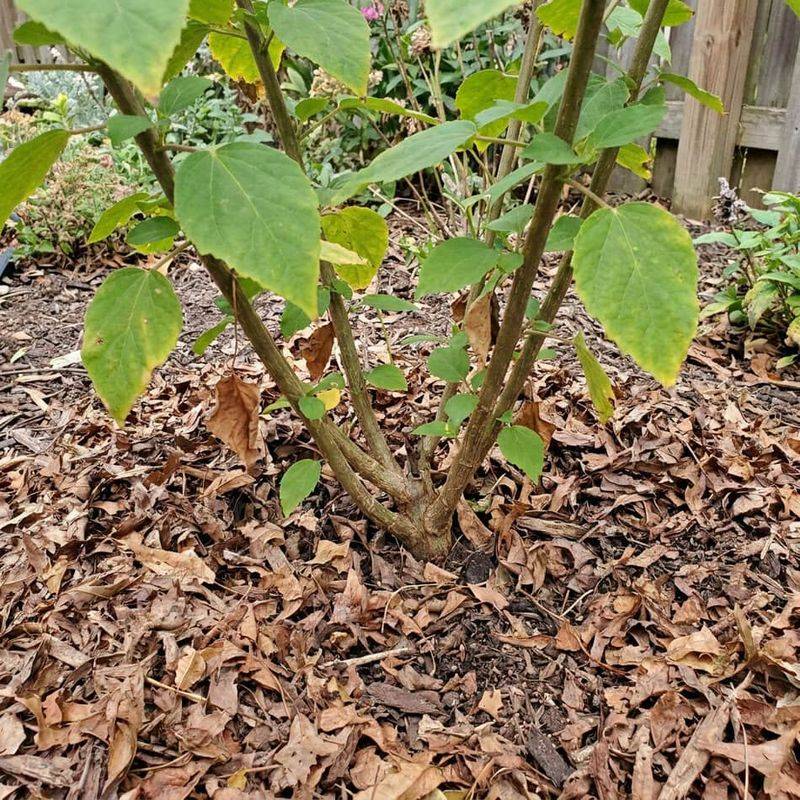
Let us just say New York winters cannot make up their minds. A mild week followed by a deep freeze can push shallow-rooted plants right out of the soil, a problem called frost heaving.
Mulch steadies things down. It keeps soil temperatures more even, so roots stay snug instead of being yanked around by freeze and thaw cycles.
Wait until after the ground starts to freeze for winter mulch on perennials. Mulching too early can invite mice to build cozy homes right next to your plants.
Shredded leaves are free and work beautifully. Run your lawn mower over a pile a few times, then spread two to four inches around perennials, shrubs, and trees.
Wood chips and compost work well too.
Keep mulch a few inches away from trunks and stems. Piling it up against the bark, often called a mulch volcano, holds moisture and can lead to rot and pest problems.
New plantings from this year need this help the most. Their roots have had less time to settle, so they are more likely to heave.
Looking back, my best garden spring followed the fall I finally stopped bagging leaves for the curb. Those leaves turned into soil food right where my plants needed it.
Coneflower Seed Heads Deserve to Stay Standing
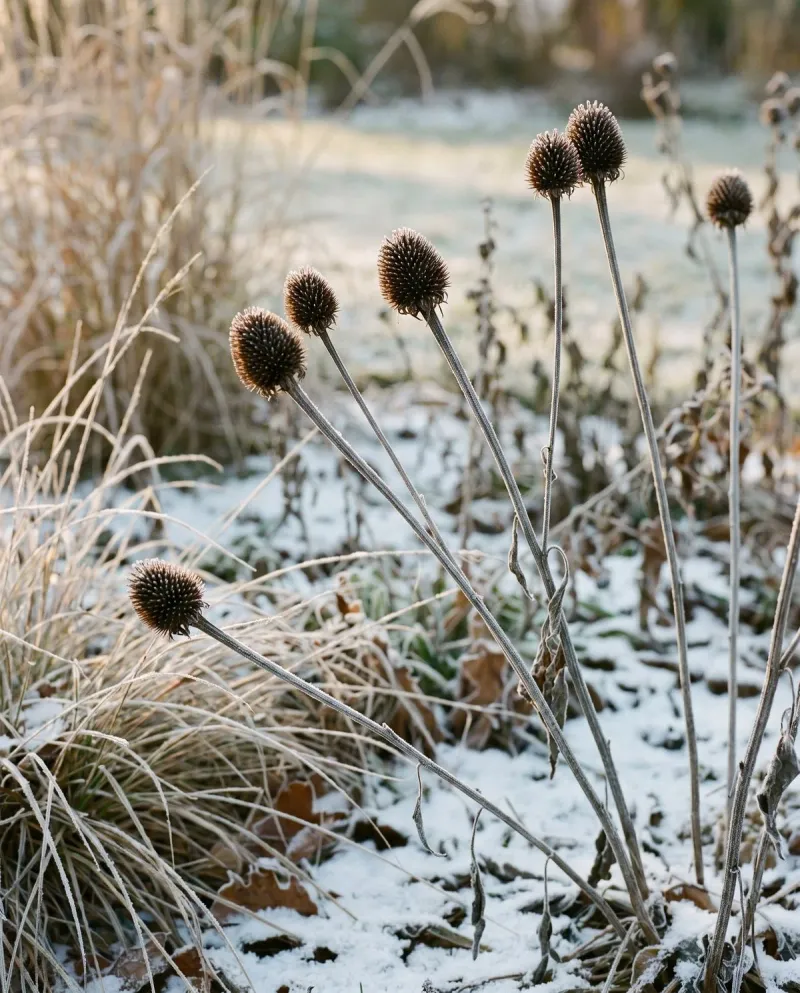
Between you and me, a tidy fall garden is not the goal anymore. Many of the best winter gardens look a little shaggy, and the birds seem grateful for it.
Leave sturdy stems with seed heads on plants like coneflowers, black-eyed Susans, and native grasses. Goldfinches, chickadees, and juncos pick at those seeds through the colder months.
Hollow stems also give some native bees a place to spend winter.
Not everything should stay, though. Cut back and remove foliage that shows disease, like peonies with leaf blotch or bee balm covered in powdery mildew.
Bag that material instead of composting it if your pile does not get hot.
Hostas and daylilies turn into mushy heaps after a hard frost, so trimming them makes spring cleanup easier. Slugs also like hiding under that soggy foliage.
Hold off on pruning spring-blooming shrubs such as lilacs, forsythia, and azaleas. They already set next year’s flower buds, and cutting now removes the show.
Wondering where to draw the line? A good rule is to remove what looks sick or slimy and keep what stands tall and dry.
Your yard will feed wildlife and still look like someone cares about it.
Snow-Heavy Tree Branches Need a Quick Safety Check
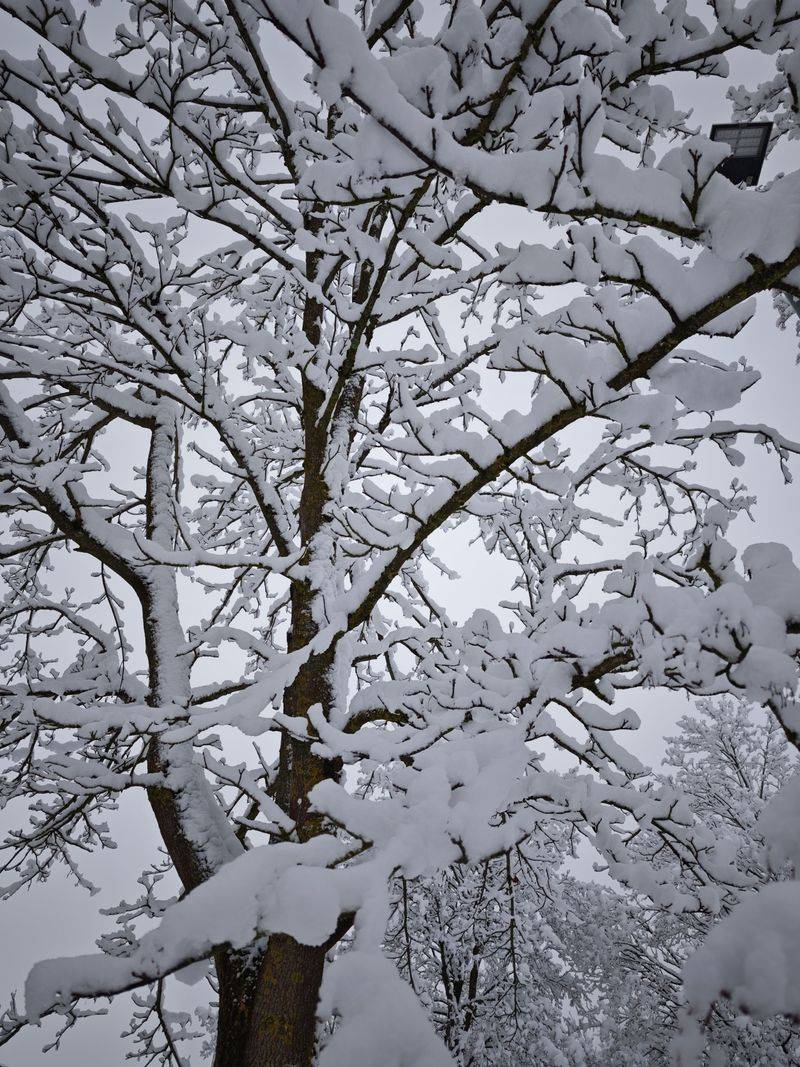
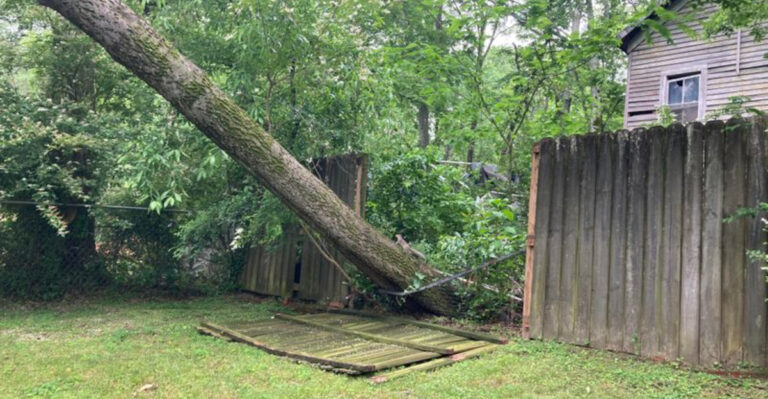
Heavy, wet snow can bend branches until they snap. A cracked limb that seems harmless in October can come down on a fence, car, or roof once a storm hits.
Walk around your yard and look up. Remove broken, cracked, diseased, or rubbing branches now, while you can still see the tree structure clearly.
Cut just outside the branch collar, that slightly swollen ring where the branch meets the trunk.
Save heavy pruning for late winter, usually February or March in most of the state. Trees are fully dormant then, and wounds have less time sitting open before spring growth.
Oaks need extra care. Oak wilt has been found in parts of New York, and the state advises avoiding oak pruning from April through July when beetles spread the fungus.
Arborvitae and upright junipers can splay apart under snow. Loosely wrapping them with twine or garden netting helps hold their branches together.
Young trees with thin bark, like maples and fruit trees, may benefit from a plastic tree guard. These guards help reduce damage from rabbits and voles chewing the bark.
Large limbs or anything near power lines belong to a certified arborist. A few hundred dollars now is far easier than a tree crashing through the garage.
Clean Pruners and Sharp Shovels Make Spring Feel Easier
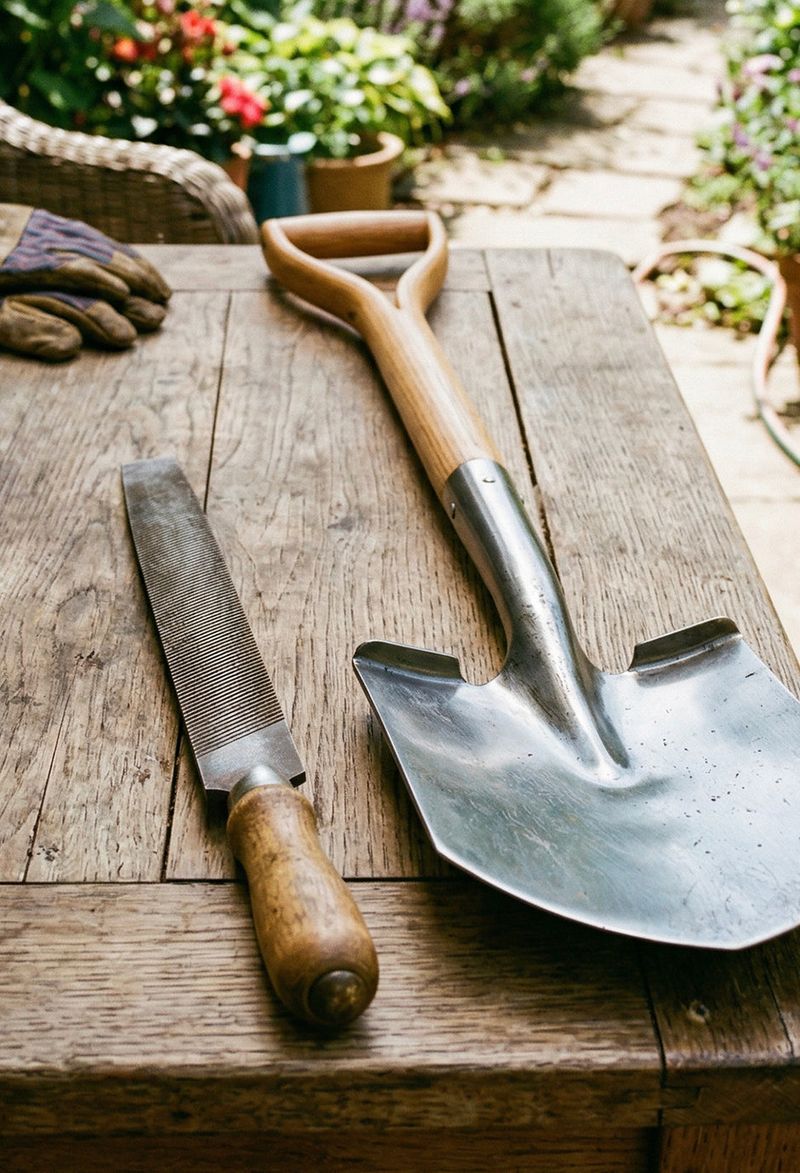
My garden taught me that spring motivation fades fast when every tool is rusty. Nothing ruins an April morning like pruners that squeak and refuse to close.
Scrape caked soil off shovels, hoes, and trowels with a stiff brush. Wipe pruners with rubbing alcohol to remove sap and any lingering plant diseases from the blades.
Sharpen blades with a file or sharpening stone, following the original angle of the edge. A light coat of vegetable oil or tool oil helps keep rust away through damp months.
Wooden handles appreciate a little love as well. Sand rough spots and rub in linseed oil to help prevent cracking and splinters.
Gas mowers and string trimmers need their own routine. Add fuel stabilizer or run the engine until the tank is empty, depending on the manual’s advice.
Leftover seed packets keep best in a cool, dry spot, and an airtight jar works nicely. Liquid fertilizers and sprays should stay somewhere they will not freeze.
Once everything is stored, take a quick inventory. Make a short list of anything broken or missing, so you can shop winter sales instead of paying full price in spring.
That small list might be the most satisfying chore of all. It turns the end of one season into a plan for the next.