Leave This One Corner Of Your Ohio Yard Messy And See More Birds By Spring
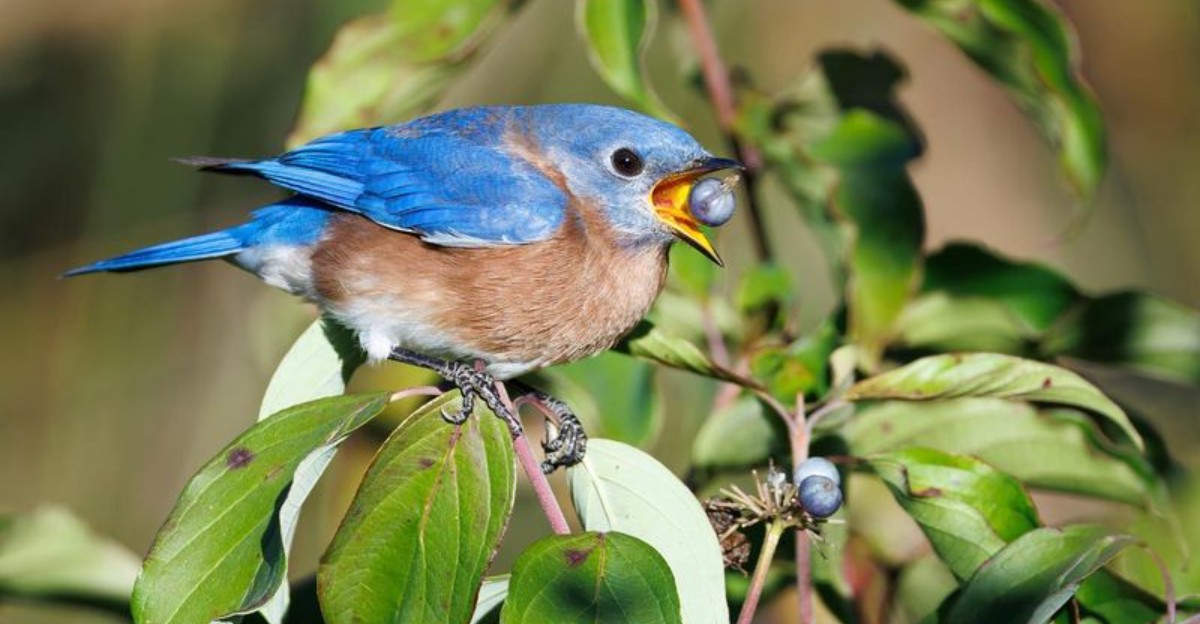
Raising one brood of Carolina chickadee chicks can require roughly 6,000 to 9,000 caterpillars. That number comes from the research of entomologist Doug Tallamy, and it still makes my jaw drop.
Where do all those caterpillars come from? Many of them spend winter tucked inside the very stuff we bag up and haul to the curb each fall.
Moths, beetles, spiders, and other small creatures ride out the cold in places most of us call clutter.
I used to rake every leaf in my Ohio yard until the grass looked combed. Then I let one shady corner go a little wild, and the wrens, sparrows, and towhees moved right in.
You don’t have to give up a neat lawn to get the same results. All it takes is one forgotten spot and a bit of patience.
Even a small corner of your yard could become a welcome refuge for wildlife this winter.
1. Those Fallen Leaves Under Your Shrubs Are Hiding Bird Food
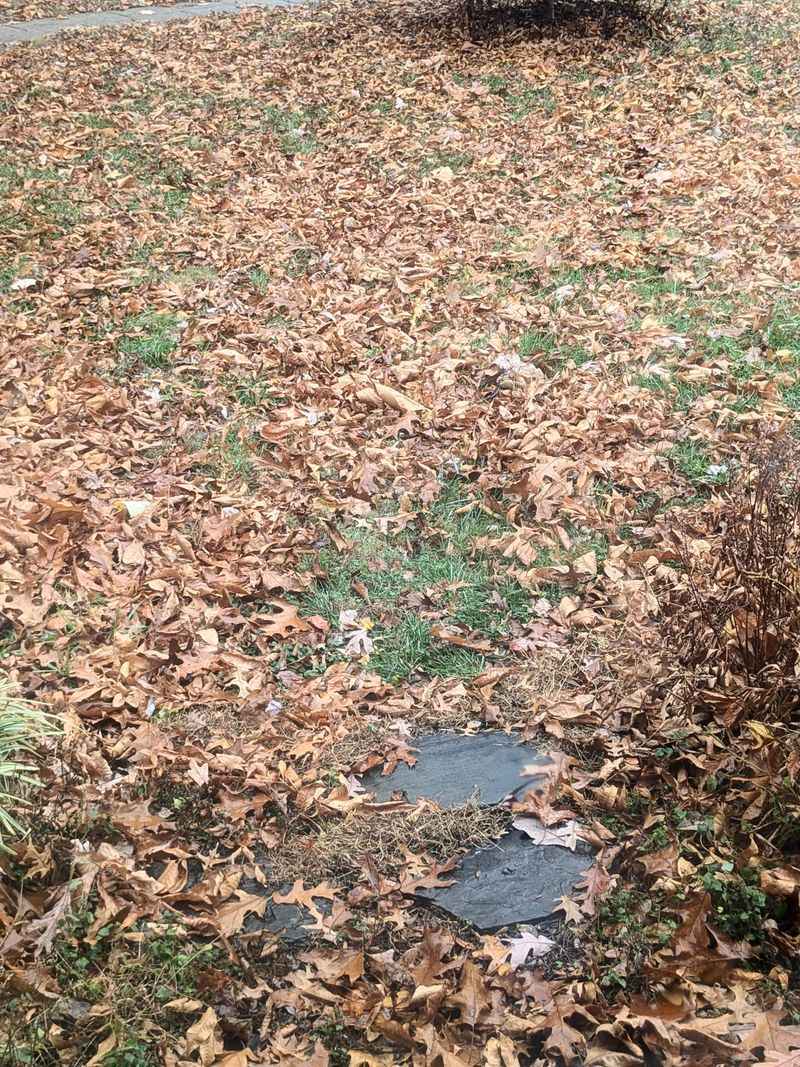
Lift a damp handful of oak leaves in February and you might find a curled caterpillar, a sleepy beetle, or a spider waiting out the cold. That leaf layer is a living pantry, not trash.
Ohio State University Extension and many wildlife groups point out that leaf litter shelters overwintering insects in every stage of life. Some moths spend winter as pupae wrapped inside fallen leaves.
Many fireflies spend their young stages in moist soil and litter. Spiders, millipedes, and earthworms work through it too.
Birds know this buffet well. When you rake everything bare, you also clear away the larvae that birds will hunt later.
A leafy corner keeps that food supply in place, right where hungry beaks can reach it.
I find it oddly satisfying to watch a bird flip leaves like pages in a book. Each toss is a search for a snack you never knew was there.
To get started, choose a spot under trees or shrubs where leaves already gather. Rake leaves from the lawn into that space instead of bagging them.
A layer a few inches deep works nicely, and the leaves slowly break down into rich soil by summer.
2. Watch Towhees And Wrens Scratch Through Your Leaf Pile
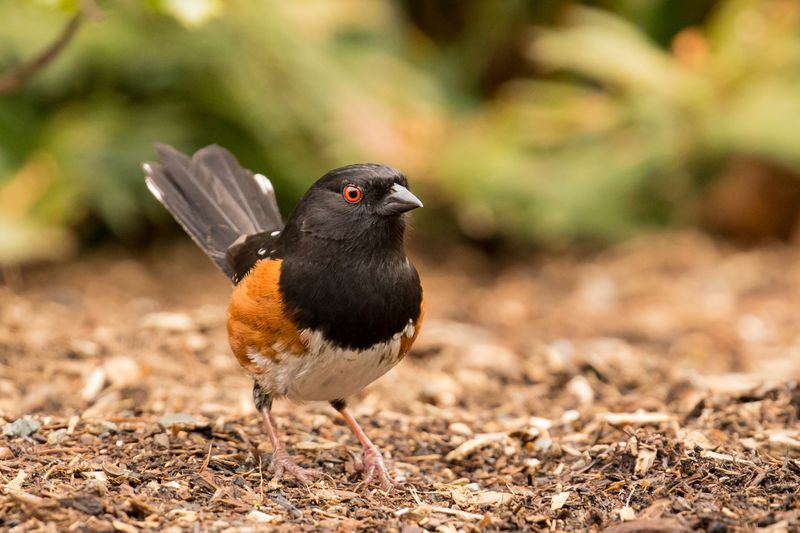
Kick, kick, peck. The Eastern towhee has a dance all its own, hopping forward and back with both feet to toss leaves aside and expose what’s hiding underneath.
Plenty of Ohio birds forage this way. White-throated sparrows, song sparrows, dark-eyed juncos, and fox sparrows all spend winter days working the ground.
Carolina wrens poke into tangled spots with their curved bills, while American robins flip damp leaves in early spring looking for worms and grubs.
Many of these birds feel safest close to cover. A loose layer of leaves next to shrubs lets them feed while staying near an escape route.
That combination matters when a Cooper’s hawk is patrolling the neighborhood.
Did you know? Towhees are often heard before they are seen.
Listen for a loud rustling in dry leaves, which can sound like a much larger animal moving around.
For the best view, set your messy corner where you can see it from a kitchen or living room window. Pull up a chair with coffee on a frosty morning.
You’ll start to recognize regulars, and you may be surprised by how many birds were passing through all along.
3. Dried Coneflower Stalks Keep Goldfinches Coming Back
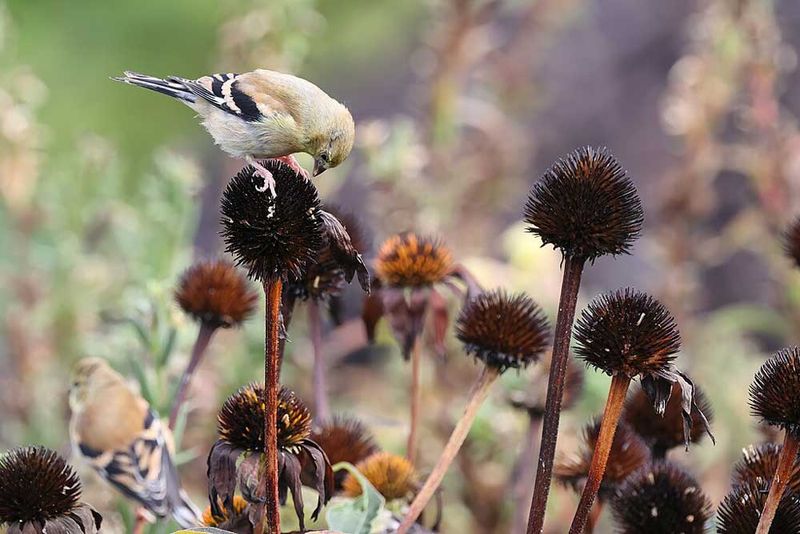
Goldfinches treat a patch of brown coneflowers like their own snack bar. They cling to the spiky seed heads and pluck out seeds one by one, often swinging the stems as they work.
Standing perennials are a big part of a bird-friendly corner. Native plants such as purple coneflower, black-eyed Susan, wild bergamot, goldenrod, and little bluestem hold seeds well into winter.
Finches, juncos, chickadees, and native sparrows all take advantage when other food runs low.
The stems help in another way too. Some native bees nest inside hollow or pithy stalks, such as those of bee balm and elderberry.
When they emerge, they help pollinate your garden, and many other overwintering insects become meals for nesting birds.
Snow adds a bonus. Tall seed heads poke above a white blanket, keeping food visible after ground seeds disappear.
I love the look of frosted coneflowers too, and they give a winter bed some real texture.
So when fall cleanup time rolls around, put down the pruners in this one area. Leave stems standing at least through winter.
If tidiness matters out front, you can still cut those beds and save your wild spot for the back.
4. A Simple Brush Pile Gives Small Birds A Safe Hideout
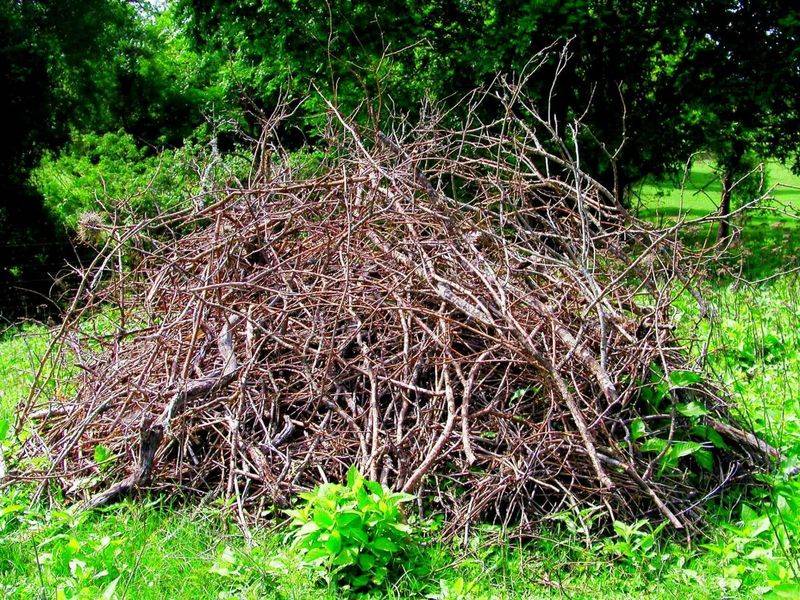
Pruned branches don’t need a trip to the curb. Stack them right, and they become a sturdy shelter that sparrows, wrens, and cardinals will duck into whenever trouble shows up.
The Ohio Department of Natural Resources and many extension services recommend brush piles as easy wildlife cover. They block cold winds, shed snow, and give small birds a quick escape from hawks and roaming cats.
Rabbits, chipmunks, and toads use them too.
Building one is simple. Start with a base of larger logs set in a crisscross pattern to leave open spaces underneath.
Then layer smaller branches on top, ending with twigs and evergreen boughs, which add extra winter protection.
A pile about five or six feet across and a few feet tall works well in most yards. Place it at least ten feet from bird feeders so it doesn’t give cats a place to ambush feeding birds.
A quick tip from my own yard is to tuck the pile behind shrubs or along a fence. It looks more natural that way and less like a forgotten chore.
Over a few years the wood settles and softens, so just add fresh branches each fall.
5. Spring Warblers Arrive Hungry For Your Hidden Caterpillars
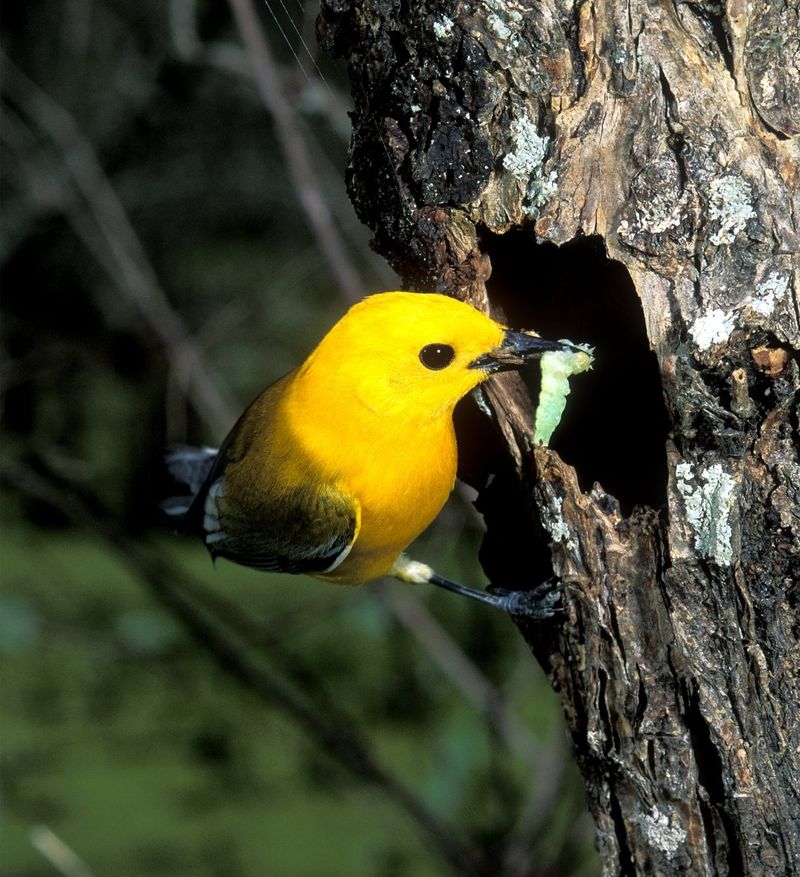
By early May, Ohio turns into a busy rest stop. Places like Magee Marsh along Lake Erie draw birders from around the world to watch warblers pour through on their way north.
These tiny travelers burn huge amounts of energy flying thousands of miles. They refuel mostly on insects, especially soft caterpillars found on native trees and shrubs.
Your backyard can serve as a mini refueling station along the way.
Here’s where your messy corner pays off. Many moths and other insects that spent winter in leaf litter and stems become active as spring warms up.
Their caterpillars then feed on new leaves just as migrating and nesting birds need protein most.
Resident birds benefit too. Chickadees, cardinals, and bluebirds feed their chicks mostly insects, not seeds, even when adults eat seed the rest of the year.
Without enough bugs, parent birds struggle to raise full broods.
Pairing your leafy spot with a native oak, cherry, or serviceberry can boost this effect even more. Native oaks support hundreds of caterpillar species, according to Doug Tallamy’s research.
Keep your binoculars by the door in April and May, because you won’t want to miss the show.
6. Hold Off On Spring Cleanup Until Temperatures Warm Up
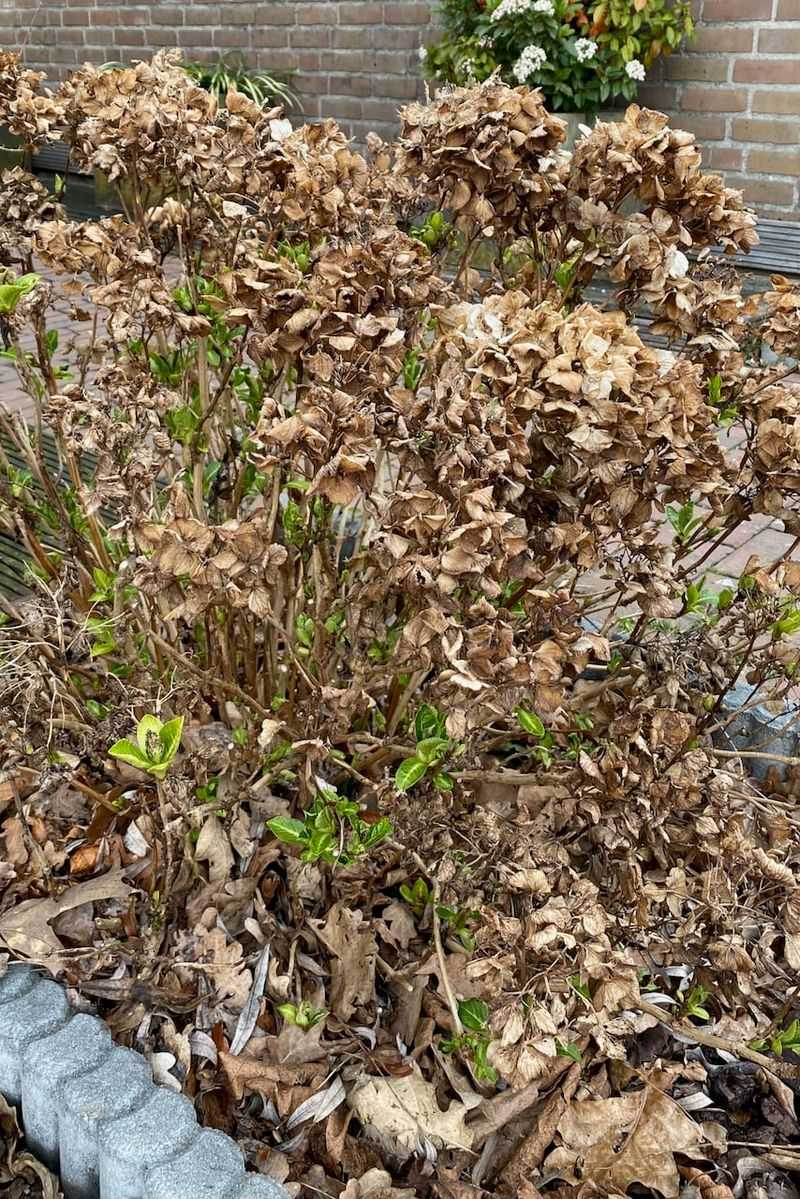
Patience is the secret ingredient here. Rushing out on the first sunny March afternoon to clear beds can undo all the good your messy corner did over winter.
Many insects are still tucked in leaves and stems in early spring. A common guideline from pollinator experts is to wait until daytime temperatures stay in the 50s for about a week or more.
In much of Ohio, that often lands in mid to late April, a little earlier in the south and later near Lake Erie.
When you do tidy up, go gently. Cut old stems to roughly 8 to 15 inches tall instead of flush with the ground.
New growth will hide them quickly, and some bees may nest in the hollow tops this year.
Leaves can stay put as mulch around plants. If they are too thick on a bed, move them under shrubs rather than bagging them.
Skip the leaf blower and shredder in this area, since whole leaves give better shelter.
Personally, I clean one section at a time over a few weeks. It feels less overwhelming, and late sleepers get extra time to wake up.
7. Keep Invasive Honeysuckle And Other Problem Plants Out Of Your Wild Corner
A wild corner should be messy on purpose, not overrun. There’s a big difference between helpful leaf litter and a patch taken over by plants that crowd out everything else.
Watch closely for invasive shrubs and vines. Ohio lists Amur honeysuckle, callery pear, multiflora rose, and garlic mustard among its troublesome species.
Birds do eat some of their berries, but the fruit of Amur honeysuckle is lower in fat than many native berries birds need in fall.
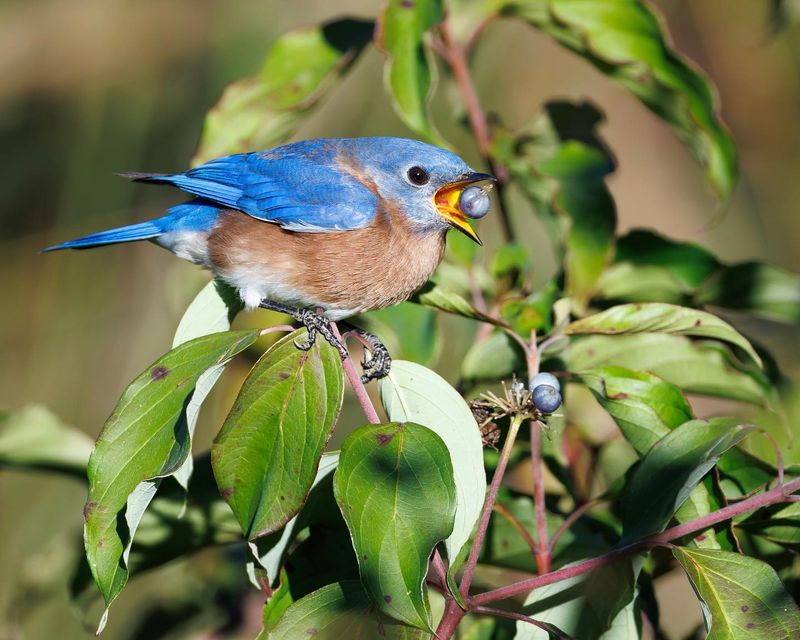
Swap those out for native choices. Spicebush, serviceberry, gray dogwood, and American cranberrybush offer food and cover that local birds and insects evolved with.
Ohio State University Extension offers helpful guides for picking native plants for your area.
A few other tips keep things healthy. Avoid pesticides in this zone, since they reduce the very insects birds rely on.
Skip piling leaves directly against your house foundation, and keep brush away from structures to avoid unwanted visitors like mice.
Neighbors and homeowner associations can be a factor too. Some communities have rules about yard appearance, so check yours.
A small sign or a tidy edge of mowed grass around the corner shows the space is intentional.
8. A Tidy Border Makes Your Bird-Friendly Corner Look Intentional
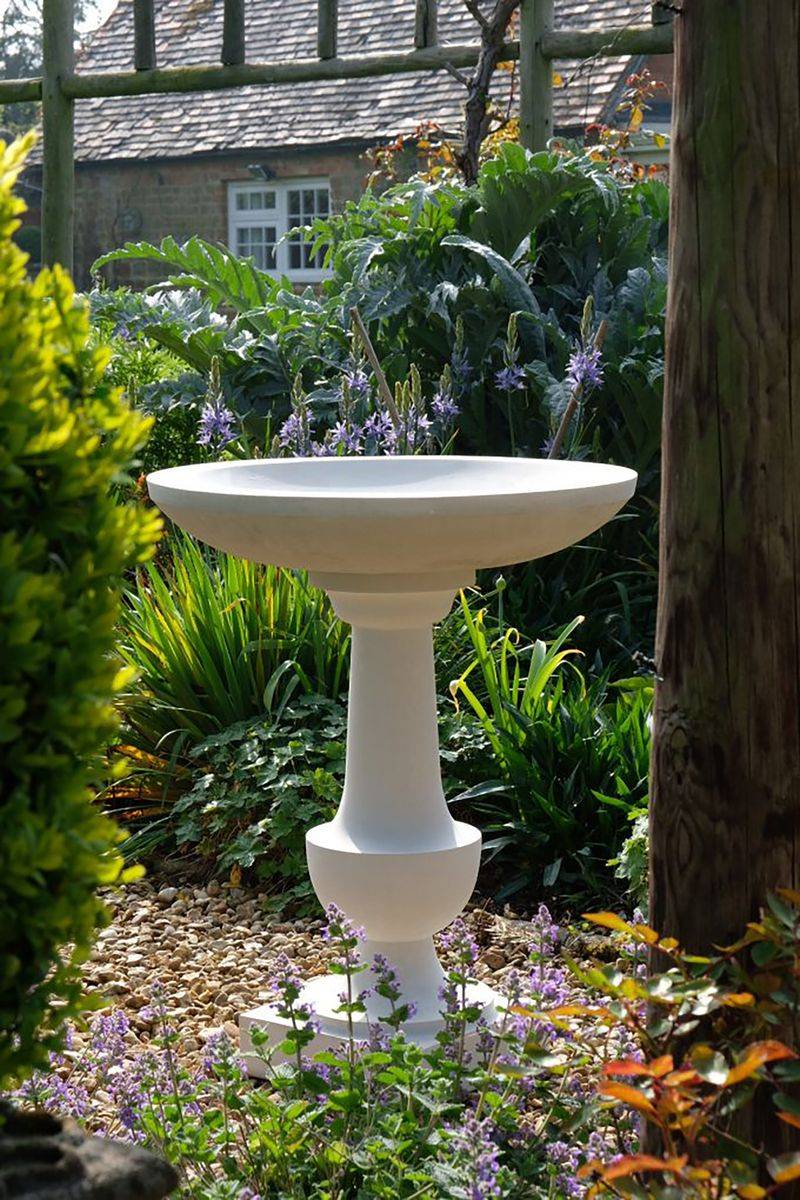
Call it the frame-the-painting trick. A crisp mowed edge, a short fence, or a line of stones makes a wild patch look like a garden choice instead of a missed chore.
Landscape designers call these cues to care. They help neighbors understand the mess has a purpose.
A small birdbath, a bench, or a wildlife habitat sign adds to the effect.
Water is a great finishing touch. Birds need it in winter as much as summer, and a heated birdbath can draw in bluebirds and robins on freezing days.
Keep it clean and refill it often.
Fun fact: the National Wildlife Federation offers a certification program for yards that provide food, water, cover, and places to raise young. Your messy corner already checks several of those boxes.
The best part is how little work this takes. You rake less, haul less, and spend more time watching cardinals and juncos.
By the time spring arrives, that corner may become your favorite part of the yard.
Start small with one spot this season. Watch who shows up, take notes, and expand next year if you like what you see.
Your birds will thank you.