Leaving Old Pumpkins Out For Deer Could Get You In Trouble In Virginia
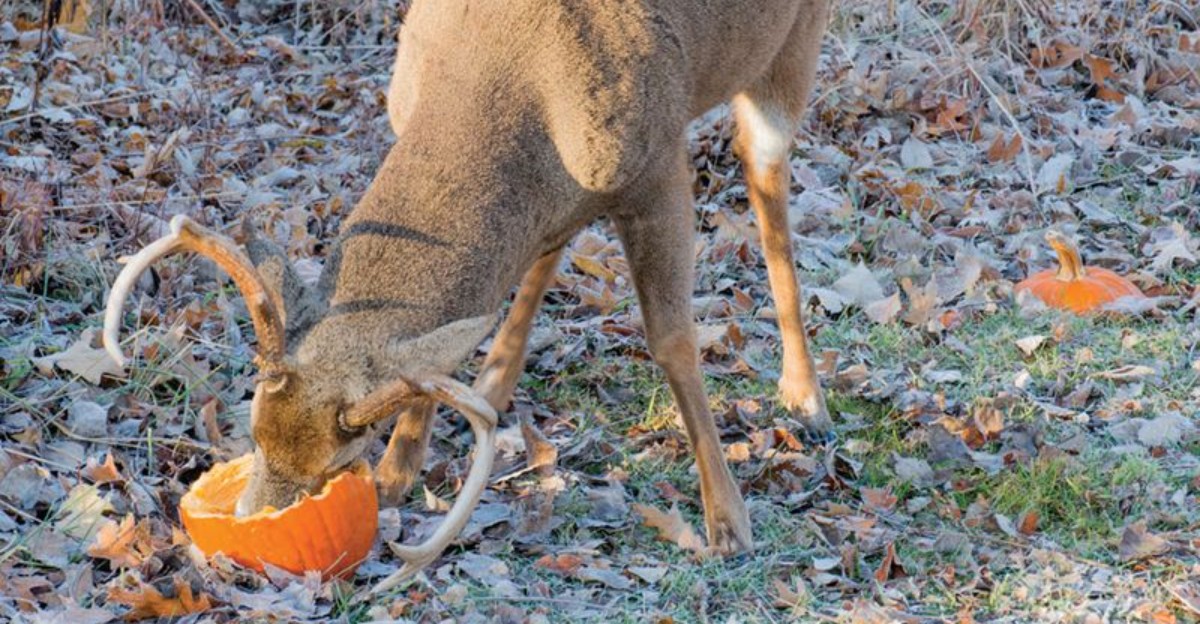
Your jack-o’-lantern grinned all October, but now it slumps on the porch like a soggy orange balloon. Tossing it into the woods for hungry deer might feel like a kind, earth-friendly choice.
In Virginia, though, that cozy gesture can put you on the wrong side of state wildlife rules. Plenty of people have no idea a single squishy pumpkin can count as illegal deer feed.
The rules connect to a serious deer disease, crowded roads, and even your neighbor’s chewed-up flower beds. Some counties ban feeding year-round, and bird feeders can stir up trouble too.
Before you carry that sagging pumpkin to the backyard, it helps to know what the law actually says. There are plenty of easy, fun ways to get rid of it instead.
Your porch decorations have a bigger story than you might think.
Feeding Deer Is Illegal Statewide Right Now
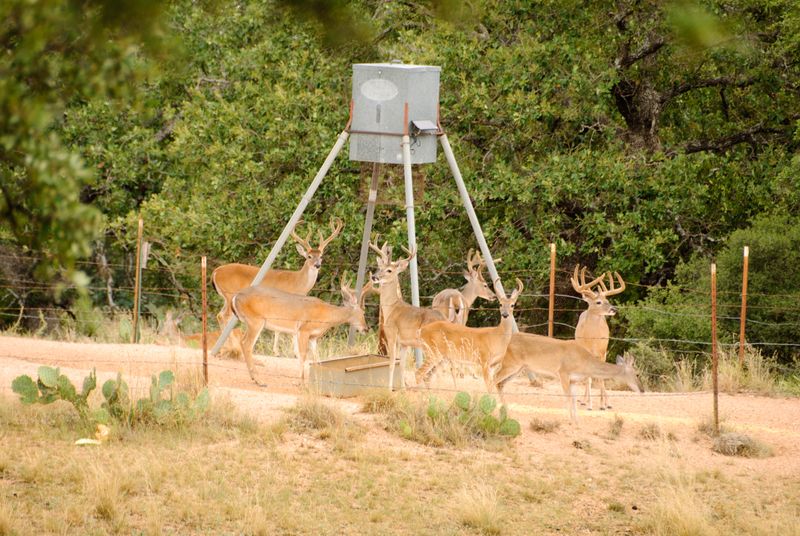
Picture a game warden knocking on your door over a pumpkin. It sounds silly, but it can happen in Virginia every fall.
State law bans feeding deer from September 1 until the first Saturday in January. The rule covers every county, city, and town across the Commonwealth.
The ban also applies during any open deer or elk hunting season. So the timing lines up almost perfectly with Halloween and Thanksgiving pumpkin season.
Most people toss pumpkins out in early November. Sadly, that is right in the middle of the statewide no-feeding window.
The Virginia Department of Wildlife Resources goes even further with its advice. It discourages feeding wild animals at any time of year.
Wildlife experts point out that deer do just fine on their own. Acorns, shrubs, twigs, and leftover crops give them plenty to eat through winter.
Breaking the rule can bring a citation and a fine. Even worse, you might create problems for the herd you wanted to help.
Here is a handy tip for your calendar. Mark September 1 and the first Saturday in January as your yearly reminder dates.
If you are unsure about the rules, call your local DWR office. Staff members can explain current regulations in plain, friendly terms.
Knowing the dates keeps you safe and stress-free during the holidays. Your fall decorating can stay fun without any surprise visits from officials.
Pumpkins Count As Deer Feed
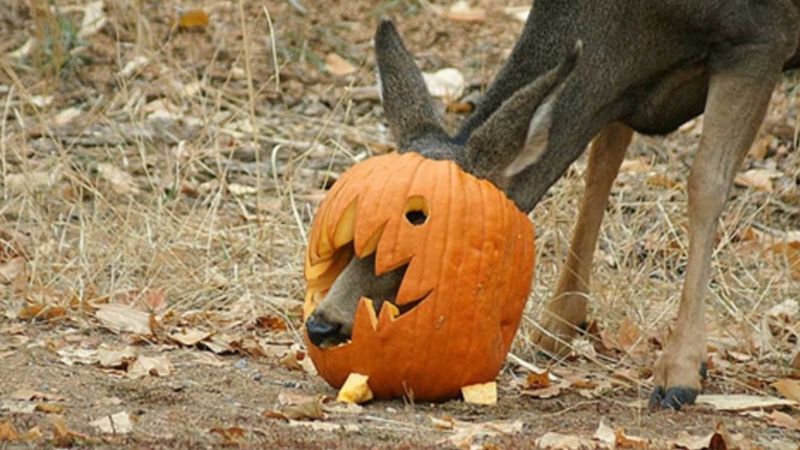
A pumpkin is just yard waste, right? Virginia regulations see it a little differently, and the difference matters.
State rules define feed or bait in a very broad way. The list includes corn, salt licks, pelleted feed, bird seed, apples, and other fruits.
Pumpkins are not named directly in the wording. However, a pumpkin is a fruit, so it fits neatly under other fruits or similar substances.
Fun fact for your next trivia night: botanists classify pumpkins as berries. That squishy orange giant is technically a fruit with seeds inside.
The key idea in the law is intent and effect. Anything people place outdoors that feeds or draws wildlife can qualify as feed.
Farmers often accept old pumpkins for livestock like pigs and goats. That shows how clearly pumpkins work as animal food.
So dumping your gourds at the edge of the woods creates an easy snack bar. Deer will find it fast, and the law treats it as feeding.
Here is a smart move if you have extra pumpkins. Ask a local farm whether its animals can use them in a fenced pen.
Livestock owners often welcome the donation after Halloween. Your pumpkins get eaten, and wild deer stay out of the picture.
Just remember to remove candles, paint, and glitter first. Animals should get only clean, plain pumpkin flesh.
Many Counties Ban Deer Feeding Year-Round
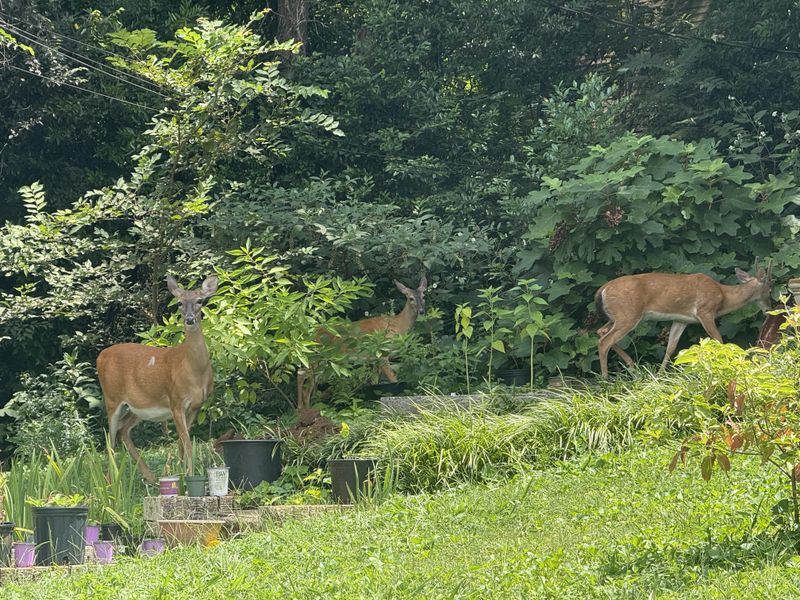
Live in Fairfax, Loudoun, or Augusta? Your rules may be stricter than the statewide calendar suggests.
Virginia bans deer feeding all year in counties near confirmed Chronic Wasting Disease cases. The goal is slowing that serious illness.
The list is long. It has included counties like Albemarle, Arlington, Bedford, Botetourt, Clarke, Culpeper, Fauquier, Frederick, and Prince William.
Montgomery, Rockingham, Shenandoah, Spotsylvania, Stafford, Warren, and Wythe are on it too. Many Southwest counties like Lee, Scott, Wise, and Tazewell also qualify.
Every city and town inside those counties follows the same rule. So suburbs, small towns, and farm roads all share the ban.
Local governments can also pass their own feeding ordinances. Any Virginia city or town has that power, even outside the disease zones.
Fairfax County offers a clear example. It bans feeding deer on both public and private land every month of the year.
The county list can grow when new disease cases appear. A place that was fine last year might be covered this year.
Here is a practical tip before you toss anything outside. Check the DWR website for the most current county list.
Bookmark that page on your phone for easy reference. A thirty-second check can save you a fine and a headache.
Bird Feeders Can Get You In Trouble Too
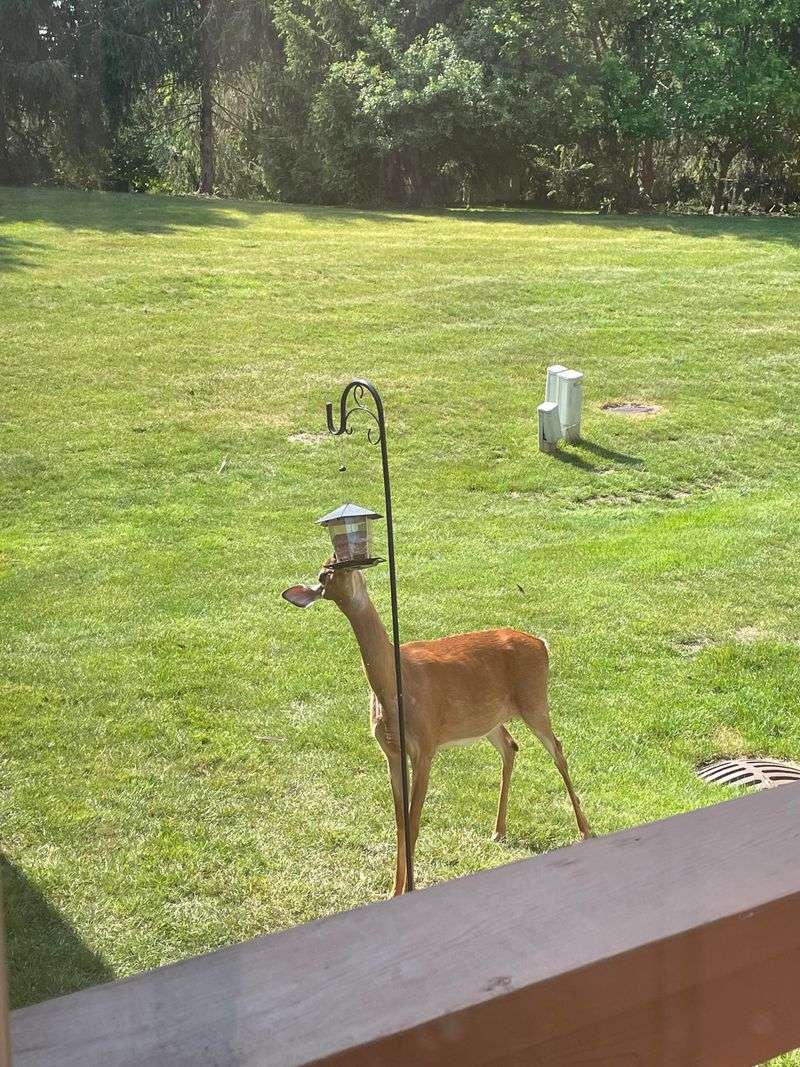
Ever glanced outside and spotted a deer licking your bird feeder? It is a common sight, and a surprisingly tricky legal situation.
Under state rules, deer eating from your feeder counts as feeding deer. Your cheerful songbird station can turn into a violation.
Bird seed is named right in the state definition of feed. Deer love sunflower seeds and cracked corn just as much as cardinals do.
Game wardens usually take a friendly approach first. They may ask you to take feeders down for a while so deer move along.
Bears can show up too, especially in western counties. Feeding bears is also illegal across the state, and feeders attract them easily.
You do not have to give up birdwatching entirely. A few simple changes keep feathered friends happy while discouraging bigger guests.
Hang feeders at least six feet high and away from branches. Add a wide tray underneath to catch spilled seed before it hits the ground.
Rake up scattered seed often, since deer graze on fallen bits. Safflower seed is another clever choice because many mammals dislike it.
Bring feeders inside at night if deer visit after dark. Most deer feeding happens around dusk and dawn.
Those small habits protect you from fines. They also keep your yard calmer and your bird visitors safe.
Feeding Spreads Disease Between Deer
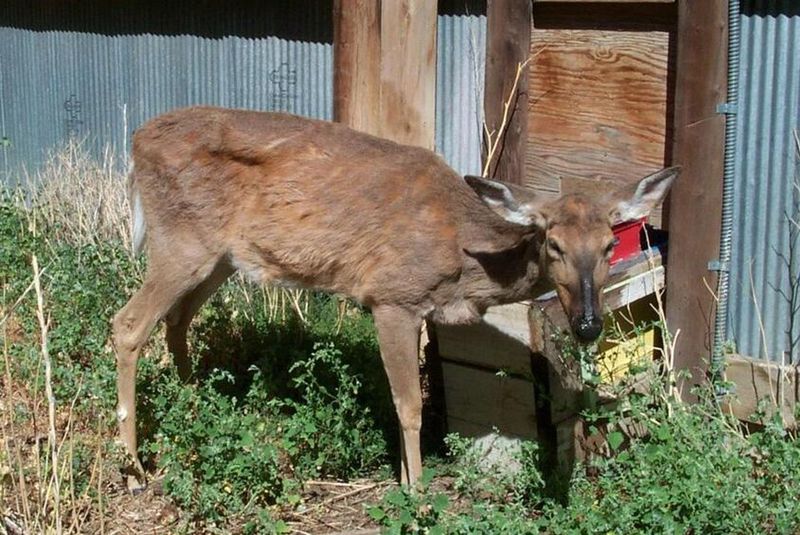
Think of a pumpkin pile as a crowded school cafeteria during flu season. Everyone gathers close, and germs travel fast.
Wild deer usually spread out while they browse. Free food pulls them into tight groups, which raises the chance of sickness spreading.
Chronic Wasting Disease is the biggest worry in the state. It is a serious brain illness in deer, and there is no cure.
The illness comes from prions, which are abnormal proteins. They pass through saliva, droppings, and urine shared at feeding spots.
Prions also linger in soil and water for years. A single feeding site can stay contaminated long after the pumpkins are gone.
Deer nose and lick the same food over and over. That close contact makes a feeding pile a perfect place for prions to spread.
Infected deer may look healthy for a long time. Later they grow thin, act confused, and lose their fear of people.
Other diseases, like bovine tuberculosis in some states, spread at feeding sites too. Crowding gives many germs an easy ride.
Here is how you can help right now. Keep food off the ground and report strange-acting deer to the DWR.
Your report helps biologists track disease across the state. A quick phone call does more good than any pile of pumpkins.
Crowded Deer Mean More Car Crashes Nearby
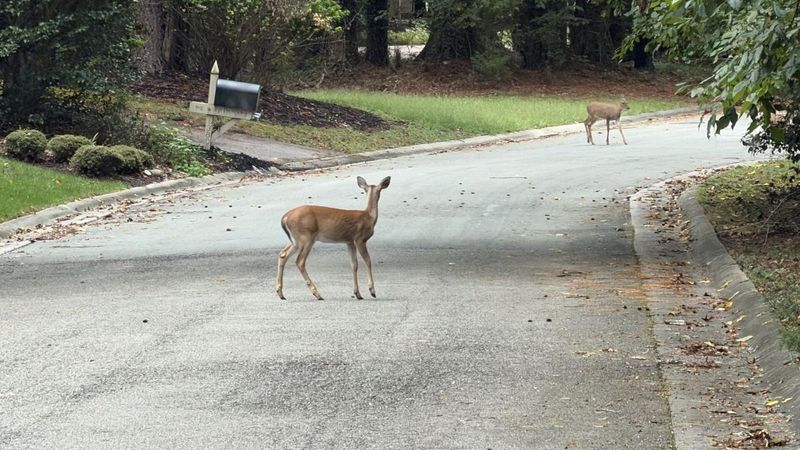
Virginia sees thousands of deer-related vehicle crashes every year, and they cause hundreds of injuries.
Feeding plays a part in that picture. Extra food helps deer numbers grow beyond what the land can naturally support.
More deer means more animals crossing roads near homes. A pumpkin pile by the street can pull them right toward traffic.
Timing makes things even riskier. Deer mating season runs from October through December, the same months pumpkins sit on porches.
Bucks chase does without paying attention to cars. They dart out suddenly, often in pairs or small groups.
So keep this road tip in mind. When one deer crosses, slow down and expect another to follow close behind.
Use high beams on empty rural roads when it is safe. Deer eyes reflect light, which helps you spot them sooner.
Brake firmly but stay in your lane if a deer appears. Swerving can cause worse crashes with trees or oncoming cars.
Skipping the backyard pumpkin pile helps your whole street. Fewer deer near the road means safer drives for neighbors and school buses.
Free Food Teaches Deer To Raid Your Garden
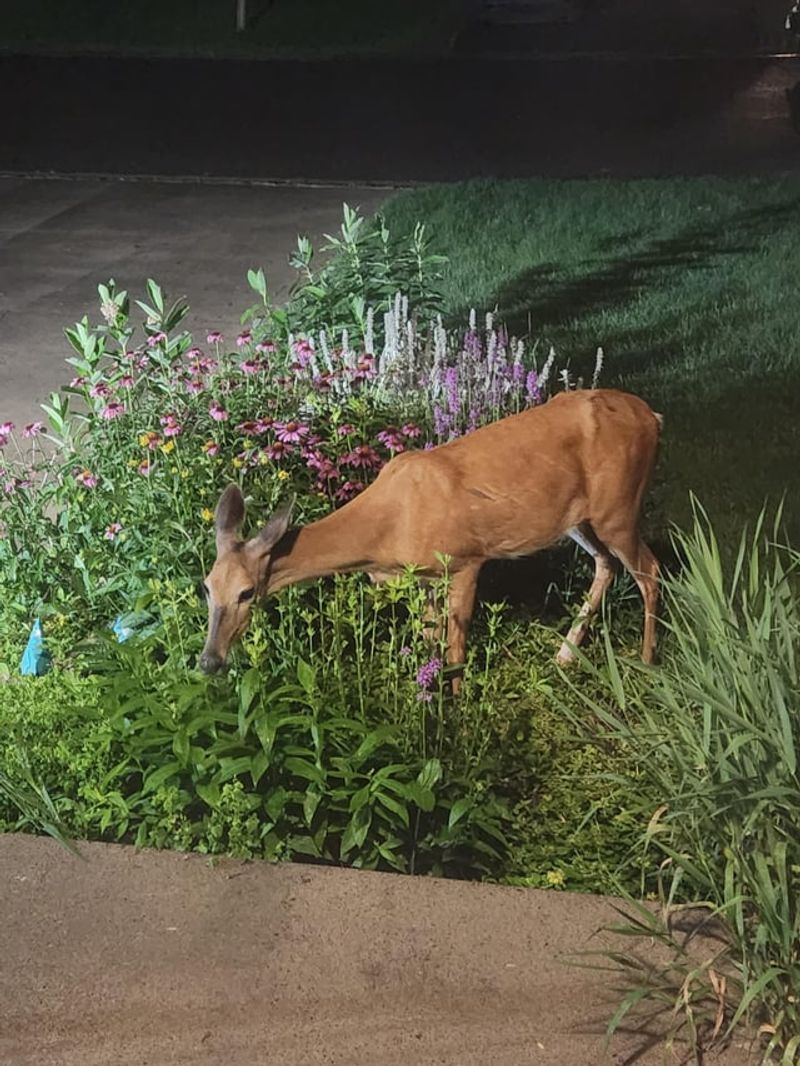
My neighbor called it Pumpkin Pete, the friendly buck who visited every evening. By spring, Pete had eaten her entire tulip bed.
Stories like hers happen all the time. Deer that get free food quickly lose their natural caution around people.
Once they feel comfortable, they come back often. Homes, porches, and pets become part of their regular route.
Hungry, bold deer can even act pushy. Some stomp, snort, or approach people who seem to carry snacks.
Gardens take the hardest hit. Hostas, roses, tomatoes, and young fruit trees look like a buffet to a habituated deer.
Neighbors may feel frustrated too. One house feeding deer can mean chewed shrubs for the entire block.
Fixing the problem takes patience. First, remove every food source, including pumpkins, fallen fruit, and spilled seed.
Next, try deer-resistant plants like lavender, daffodils, and boxwood. Deer usually skip strong-smelling or toxic plants.
A fence at least eight feet tall works best for vegetable gardens. Motion-activated sprinklers give curious deer a startling, harmless surprise.
Wild deer are beautiful to watch from a distance. Keeping them a little wary protects both your garden and the animals themselves.
Compost Your Pumpkins Instead
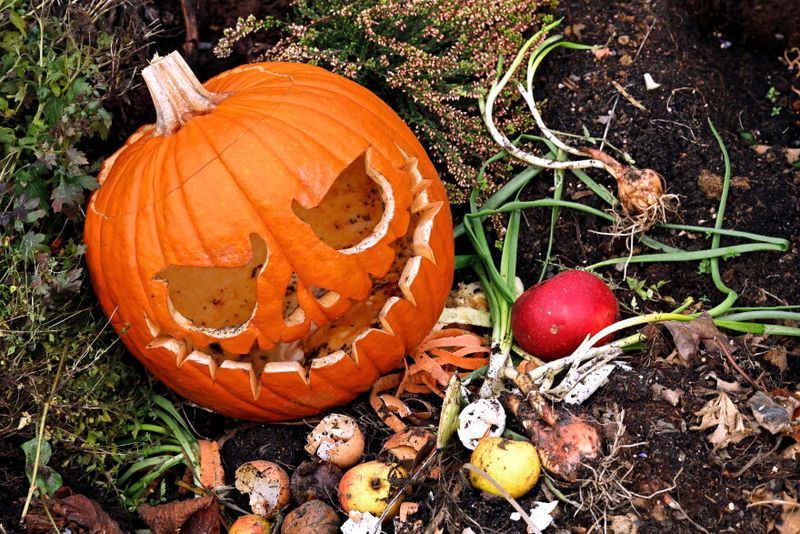
Good news for eco-minded folks: your pumpkin can still help nature. It just needs a trip to the compost bin instead of the woods.
Composting turns old pumpkins into rich, dark soil. It also keeps tons of food waste out of landfills each November.
Pumpkins are about 90 percent water. They break down quickly, especially when you cut them into smaller chunks.
Start by removing candles, wax, stickers, and paint. Those items do not belong in a healthy compost pile.
Scoop out the seeds unless you want surprise pumpkin vines next summer. Seeds often sprout happily in warm compost.
Mix pumpkin pieces with brown materials like dry leaves or shredded cardboard. A good balance keeps the pile from turning slimy and smelly.
Turn the pile every week or two with a garden fork. Fresh air speeds up the work of helpful bacteria and worms.
No compost bin at home? Many localities across the state run pumpkin drop-off or collection events after Halloween.
Check your city or county waste management website in late October. Some programs partner with local farms or community gardens.
By spring, your jack-o-lantern becomes garden gold. It is a satisfying ending for a decoration that brought so much fall fun.
Smash And Bury Them In The Garden Bed
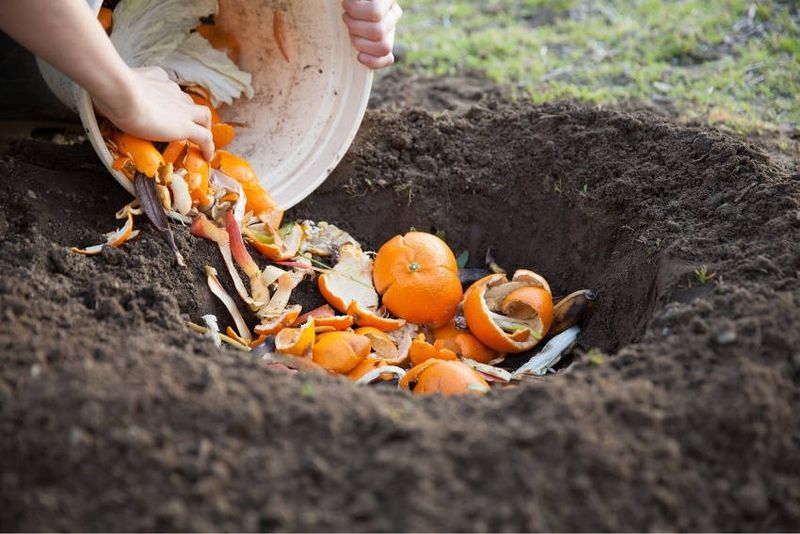
Want a way to get rid of pumpkins that kids will actually beg to do? Smashing them is messy, loud, and surprisingly useful.
Some communities even host pumpkin smash events after Halloween. Families toss gourds into bins, then the pieces get composted.
Breaking pumpkins into chunks speeds up how fast they rot. Smaller pieces give soil microbes more surface to munch on.
At home, set a tarp on the lawn for easy cleanup. Let kids stomp or drop pumpkins from a safe, low height.
Next, pick an empty garden bed or vegetable patch. Dig a trench about eight to twelve inches deep.
Drop in the pumpkin pieces and cover them with soil. Burying them deep keeps raccoons, squirrels, and deer from digging them up.
Gardeners call this trench composting. Over winter, the pumpkin breaks down and feeds the soil right where plants will grow.
By spring planting time, most pieces will be gone. Your tomatoes and peppers get a free boost of nutrients.
Skip any pumpkins covered in paint, glitter, or bleach. Those can harm soil life and the plants you grow later.
Remember to bury rather than leave chunks on top. A surface pile still counts as an open buffet for wildlife.
Save The Seeds For A Tasty Snack
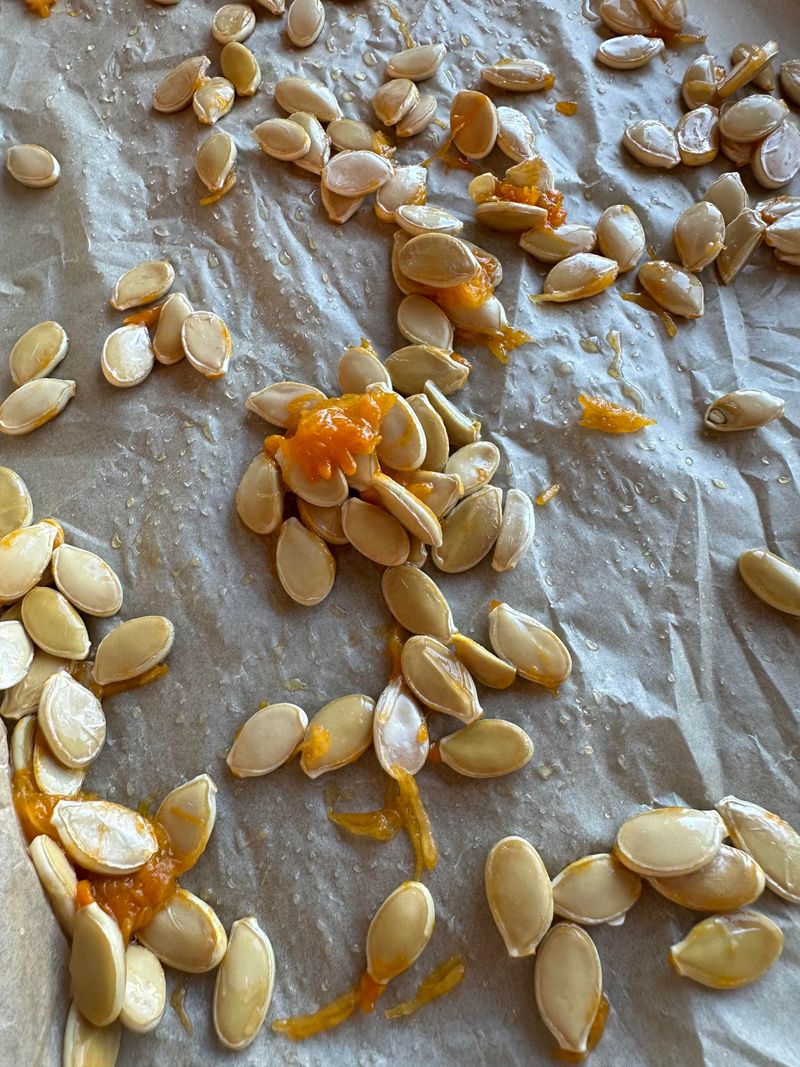
Crunchy, salty, and warm from the oven, roasted pumpkin seeds beat most store-bought snacks. They are also free with every pumpkin.
Saving seeds means less waste and more flavor. It is a cozy fall tradition many Virginia families still enjoy.
Start with a fresh pumpkin before it gets mushy. Scoop out the seeds and rinse away the stringy orange pulp.
Pat the seeds dry with a towel. Dry seeds turn crispy, while wet ones steam and stay chewy.
Toss them with a little olive oil and salt. Spread them on a baking sheet in a single, even layer.
Roast at 325 degrees for about 20 to 30 minutes. Stir every ten minutes so they brown evenly.
Try fun flavors to mix things up. Cinnamon sugar, garlic powder, or a pinch of chili all taste great.
Pumpkin seeds pack protein, fiber, magnesium, and zinc. They make a smart lunchbox snack or salad topping.
Here is a gardener bonus tip. Dry a few raw seeds and store them in a paper envelope for planting next spring.
Carved jack-o-lanterns that sat outside are not safe for eating. Use seeds only from fresh, uncut pumpkins for your kitchen treats.