10 Winter Houseplants That Bloom Just When Michigan Gardeners Need Color The Most
By January, Michigan has been gray for weeks. The sky is low, the snow is dirty, and even the evergreens look tired. That is when a certain kind of houseplant earns its place.
While everything outdoors sleeps, these ten wake up and flower on a windowsill. Some bloom for a few weeks, and some keep going for months. A few bring fragrance along with their color.
Each plant has its own quirks, such as how much light it wants or how often it likes a drink. One or two ask for a little training in fall to bloom on time. Choose well, and a plain winter room can turn into the brightest spot in the house.
1. Christmas Cactus Brightens Midwinter Windows
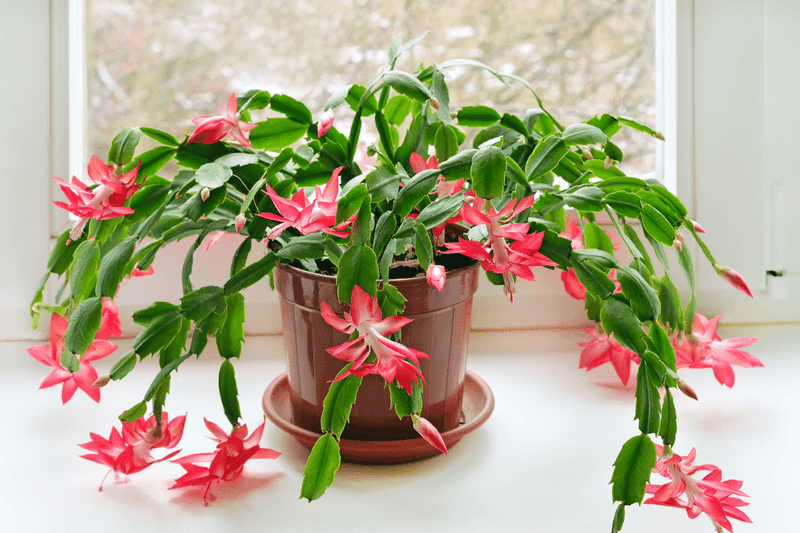
Some families pass down recipes, and others pass down Christmas cactus. Plants of Schlumbergera can live for decades, and many grandmothers’ plants still bloom in their grandkids’ homes today. Few houseplants have that kind of staying power.
Each arching stem ends in silky flowers that come in pink, red, white, orange, or purple. Blooms usually show up from late fall into winter and can last for several weeks.
Even better, the plant reblooms every year with very simple care, so one purchase gives you color season after season.
Bright, indirect light keeps it happy, like a spot near an east window. Water when the top inch of soil feels dry, and let extra water drain away so the roots never sit soggy. Too much water causes more trouble than too little.
Fall is when the real magic happens. Cool nights around 55 to 60°F and about 12 to 14 hours of darkness each night tell the plant to form buds.
Once those little buds appear, leave the pot where it is, because moving it or changing its light can make the buds drop. Michigan gives this plant a natural head start.
Rooms near windows cool off in October, and the sun sets early, so the plant gets the signals it needs without much effort from you. Many gardeners simply leave theirs in a spare bedroom and watch buds form on their own.
After blooming, give it a short rest with a bit less water. In spring, feed it lightly with a balanced houseplant fertilizer to build strong new stems. Those fresh stems are where next winter’s flowers will appear, ready to brighten another snowy season.
2. Amaryllis Delivers Big, Bold Flowers
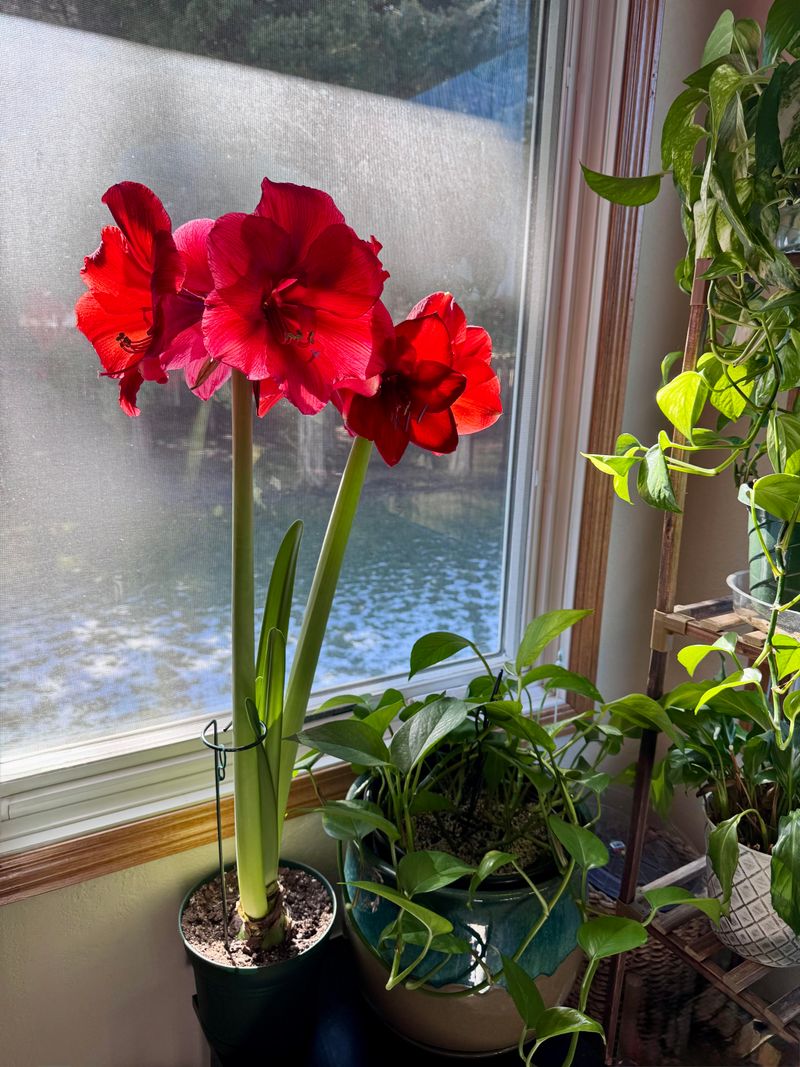
Nothing on a winter table grabs attention quite like an amaryllis in full bloom. A single bulb can send up a stalk two feet tall, crowned with flowers as wide as your hand. Guests always ask about it.
Hippeastrum, as botanists call it, comes in red, white, pink, coral, and wild striped patterns. Bulbs potted in late fall or winter usually bloom about six to ten weeks later. That timing lands right in the darkest weeks of the year, when bold color feels like a gift.
Planting is easy, even for beginners. Choose a pot only a little wider than the bulb and set it so the top third sits above the soil. Water lightly at first, then give more once green growth starts pushing up.
Bright light helps the stalk grow strong and straight. Turn the pot a little every few days, since the stalk leans toward the window as it grows. A thin stake can help support heavy flower heads.
Safety matters with this beauty. Amaryllis bulbs are toxic to cats and dogs, so keep pots on shelves or tables where curious pets cannot reach them. Wash your hands after handling bulbs too. Here is a clever trick for Michigan gardeners.
Buy several bulbs and plant one every two or three weeks starting in early November. With staggered plantings, you can enjoy fresh flowers from December all the way into March, when the snow finally starts to melt.
After the blooms fade, cut off the flower stalk but keep the leaves growing. Those leaves feed the bulb for next year’s show.
3. Paperwhites Add Fragrance To The Gray Months
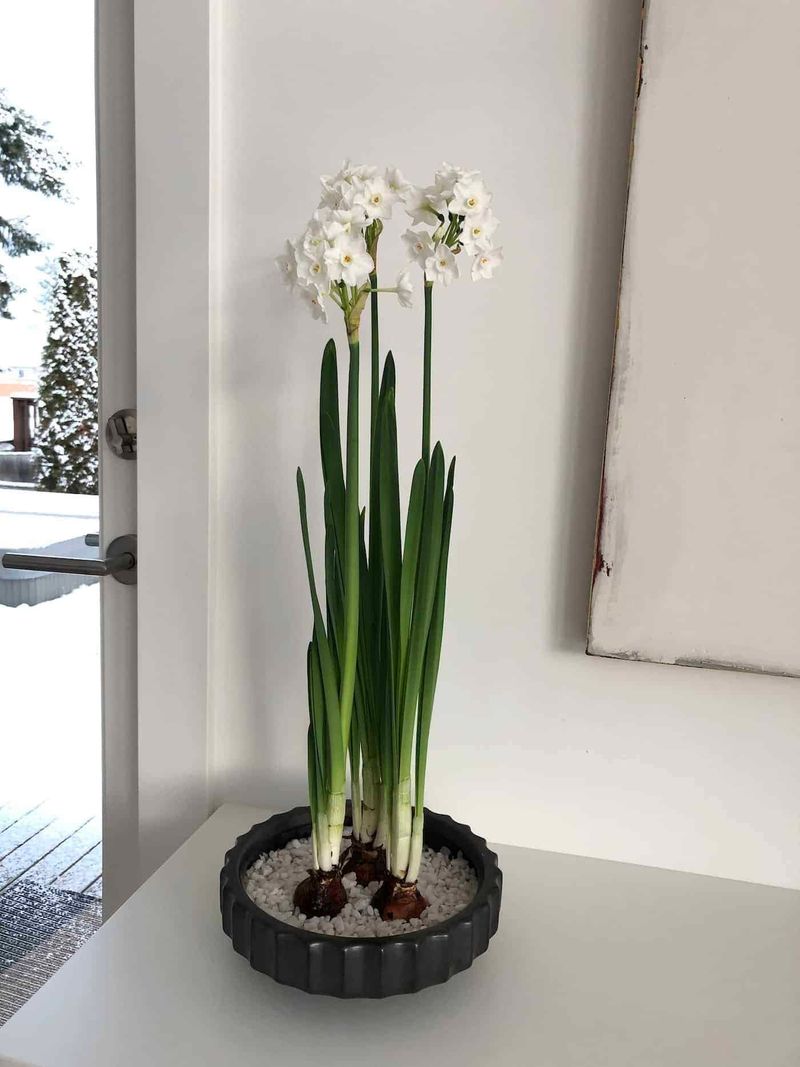
Walk into a room with paperwhites in bloom, and your nose notices before your eyes do. Their sweet, strong scent drifts through the whole space. For many people, that smell means winter is halfway done.
Narcissus papyraceus produces clusters of small, starry white flowers on slim green stems. Unlike tulips or daffodils, these bulbs need no cold period before they bloom. Set them in pebbles and water, and flowers usually open in about four to six weeks.
Getting started takes only minutes. Fill a bowl with pebbles or gravel, nestle the bulbs in with their pointed tips up, and add water. Keep the water level just below the base of the bulbs so roots can reach it without the bulbs rotting.
Tall, floppy stems are the most common complaint. Bright light and cool temperatures, around 60°F, help keep the plants shorter and sturdier. Some gardeners tie a pretty ribbon around the stems for extra support.
One batch blooms for about two weeks, so planning ahead pays off. Start new bulbs every couple of weeks from November through February. That way, a fresh bowl is always on its way.
Keep paperwhites away from cats and dogs, because the bulbs and plants are toxic if chewed. A high shelf or a room pets do not use works well.
Michigan winters bring plenty of cloudy days, and sometimes the sun hides for a week at a time. A bowl of fragrant blooms can lift your mood when the sky stays gray. Just remember that some folks find the scent musky, so try one batch before buying fifty bulbs.
4. Moth Orchids Bloom For Months
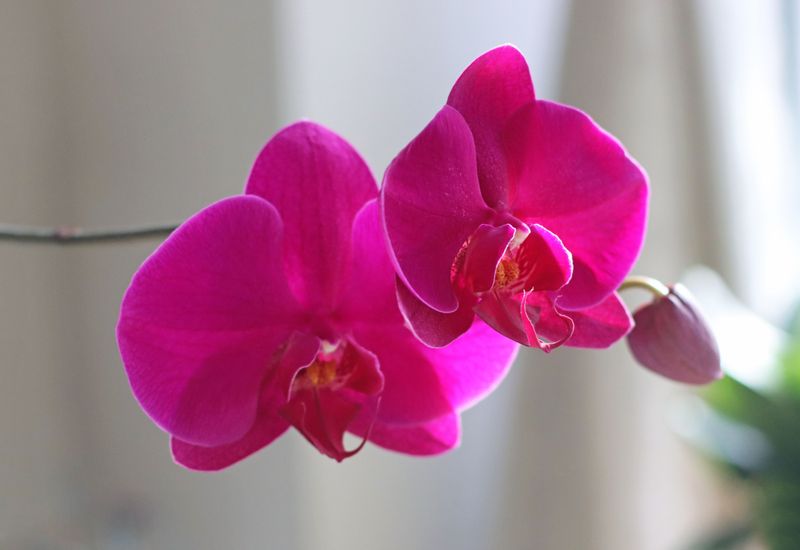
Orchids have a fussy reputation, but moth orchids happily break that rule. They are among the easiest flowering houseplants you can own. Grocery stores sell them for good reason.
Phalaenopsis plants send out graceful, arching sprays of flowers in white, pink, purple, or speckled patterns. Many bloom in winter and early spring, and their flowers often last two to three months. Few plants give you that much color for so little work.
Cool fall nights play a big role here. A drop of about 10 to 15 degrees at night for a few weeks helps trigger new flower spikes. That is why so many orchids rebloom right around the holidays.
Bright, indirect light suits them best, such as an east window or a spot a few feet from a south window. Water when the potting mix is nearly dry, often about once a week. Pour water over the bark mix and let it drain completely.
Be careful not to let water sit in the crown, the center where leaves meet. Trapped water there can cause rot. If it happens by accident, blot it with a paper towel.
Indoor heating dries the air, and orchids notice. Set the pot on a tray filled with pebbles and water, keeping the pot above the waterline. Rising moisture gives the leaves a gentle boost.
Michigan homes work surprisingly well for reblooming orchids. A windowsill naturally cools at night in October and November, giving the plant just the nudge it needs. Many gardeners are thrilled to see a fresh spike appear without any special tricks.
5. Florist Cyclamen Loves Cool Rooms
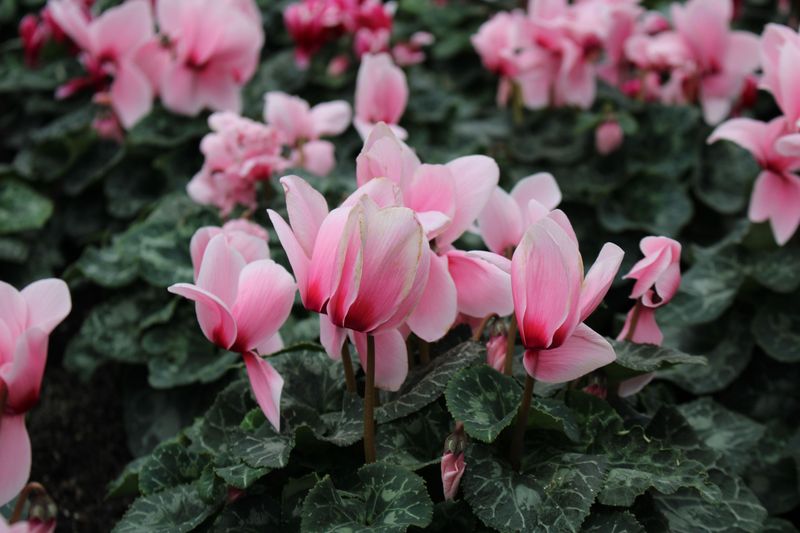
Most houseplants shiver when the thermostat drops, but florist cyclamen practically cheers. It grows best in the same chilly rooms that make other plants sulk. Finally, a use for that drafty guest bedroom.
Cyclamen persicum stays compact, usually under a foot tall. Its flowers look like tiny butterflies, with petals swept back in shades of red, pink, and white. Below them sit heart-shaped leaves, often painted with silver marbling.
Flowers keep coming for weeks through the cool season. In its native Mediterranean home, cyclamen grows through mild, wet winters and rests during hot summers. Indoors, it follows that same rhythm.
Aim for a room around 50 to 65°F with bright, indirect light. Warm rooms cause yellow leaves and fewer flowers. A cool windowsill away from heating vents is ideal.
Watering takes a little care. Set the pot in a dish of water for about 15 minutes when the soil surface feels dry, then let it drain. Bottom watering keeps moisture away from the crown, which can rot if it stays wet.
Pull off faded flowers and yellow leaves with a gentle twist at the base. Doing so keeps the plant tidy and encourages more buds. Snipping with scissors can leave stubs that rot.
Pet owners should keep cyclamen out of reach. The tubers are toxic to cats and dogs, so a high table or closed room works best.
Michigan homes are full of cool corners in winter. Sunrooms, enclosed porches that stay above freezing, and bedrooms with the vents closed all make great spots. Your cyclamen will reward you with color for months.
6. Kalanchoe Blooms In Bright Clusters
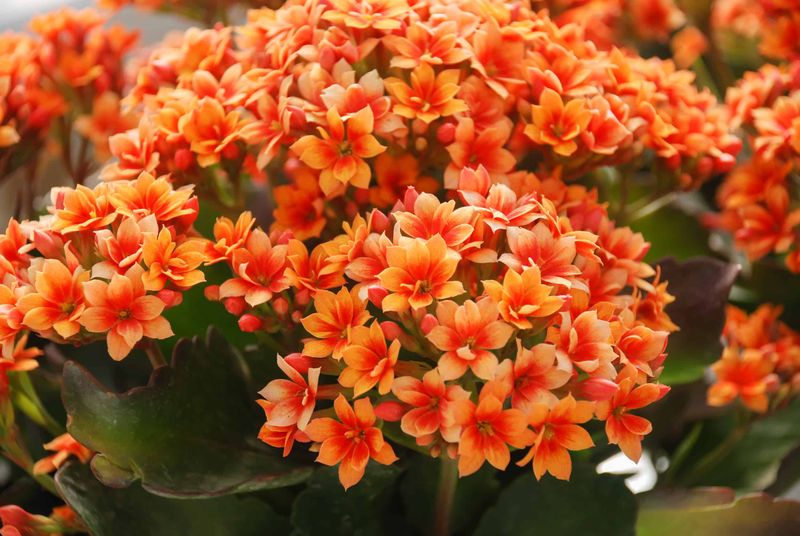
Grab a kalanchoe at the store in January, and you might wonder how something so cheerful costs so little. Tight bunches of tiny flowers cover the top of the plant like a bouquet. It looks ready for a party.
Kalanchoe blossfeldiana is a succulent from Madagascar. Its flowers come in red, orange, yellow, pink, and white, sitting above thick, glossy leaves. Because it is a succulent, those leaves store water, which makes the plant very forgiving.
Winter is when stores fill their shelves with blooming kalanchoe. The flowers last for weeks, often a month or more. That long show makes it a smart pick for a quick burst of color.
Give it bright light, such as a south or west window. Too little light makes the stems stretch and lean. Turn the pot now and then to keep growth even.
Let the soil dry out between waterings, then water well and drain the extra. Soggy soil is the fastest way to cause trouble. When in doubt, wait another day or two.
Snip off faded flower clusters to keep the plant looking fresh. Sometimes new buds follow. Getting it to rebloom later takes about six weeks of long nights, with 14 hours of darkness each day.
Like several winter bloomers, kalanchoe is toxic to pets if eaten. Place it where cats and dogs cannot nibble.
Michigan furnaces run hard all winter, drying out indoor air. Many flowering plants struggle with that, but kalanchoe shrugs it off. Its water-storing leaves handle dry, heated homes with ease.
7. African Violets Flower Almost Nonstop
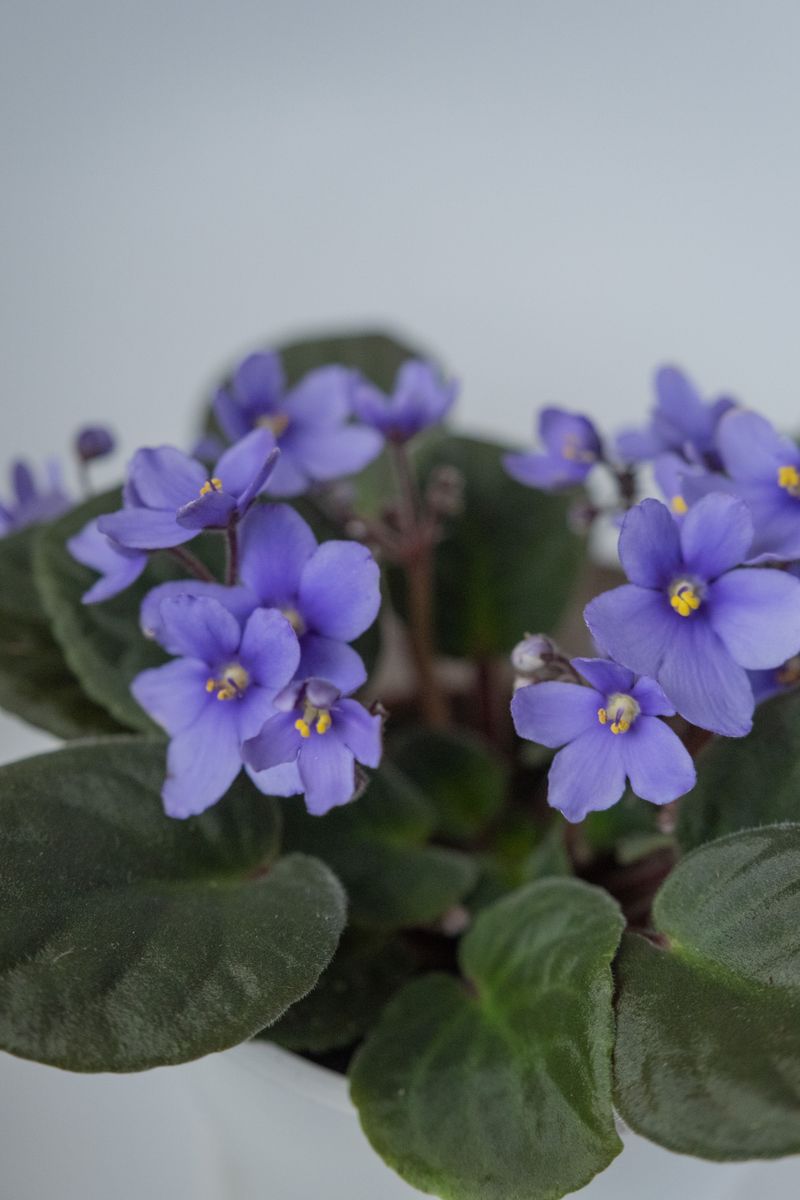
Grandma’s kitchen windowsill was rarely empty of African violets, and there was a reason. These little plants can flower on and off all year. Few houseplants work that hard for you.
Saintpaulia plants stay small, with soft, fuzzy leaves arranged in a neat rosette. Clusters of flowers rise from the center in purple, pink, blue, white, and even two-tone shades. Collectors grow hundreds of varieties.
Light is the secret to steady blooms. Bright, indirect light works well, but a simple LED grow light makes an even bigger difference in winter. About 12 hours of light a day keeps flowers coming.
Watering needs a gentle touch. Use room-temperature water and pour it at the base, or set the pot in a saucer to soak up water from below. Cold water on the leaves leaves pale spots that do not fade.
Warmth matters too. African violets like rooms between 65 and 75°F. Keep them off cold windowsills, where leaves touching the glass can get damaged on frosty nights.
Feed them lightly with a fertilizer made for African violets. Many growers use a weak mix every time they water. Small, steady meals support constant flowering.
Short Michigan days can slow blooming, since the sun sets around 5 p.m. in December. A grow light fixes that problem quickly and cheaply.
Place a few violets on a shelf under one, and you will have a little flower garden even during a January snowstorm. Bonus tip: pinch off spent flowers so the plant spends energy on new buds instead.
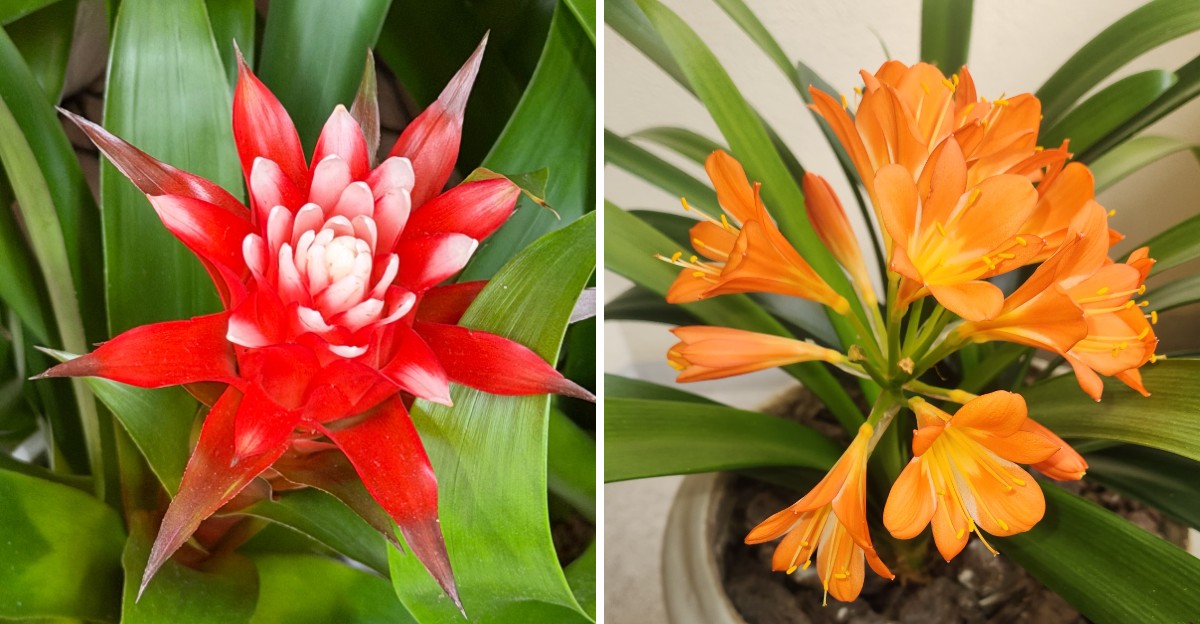
8. Clivia Rewards A Cool Rest With Late Winter Flowers
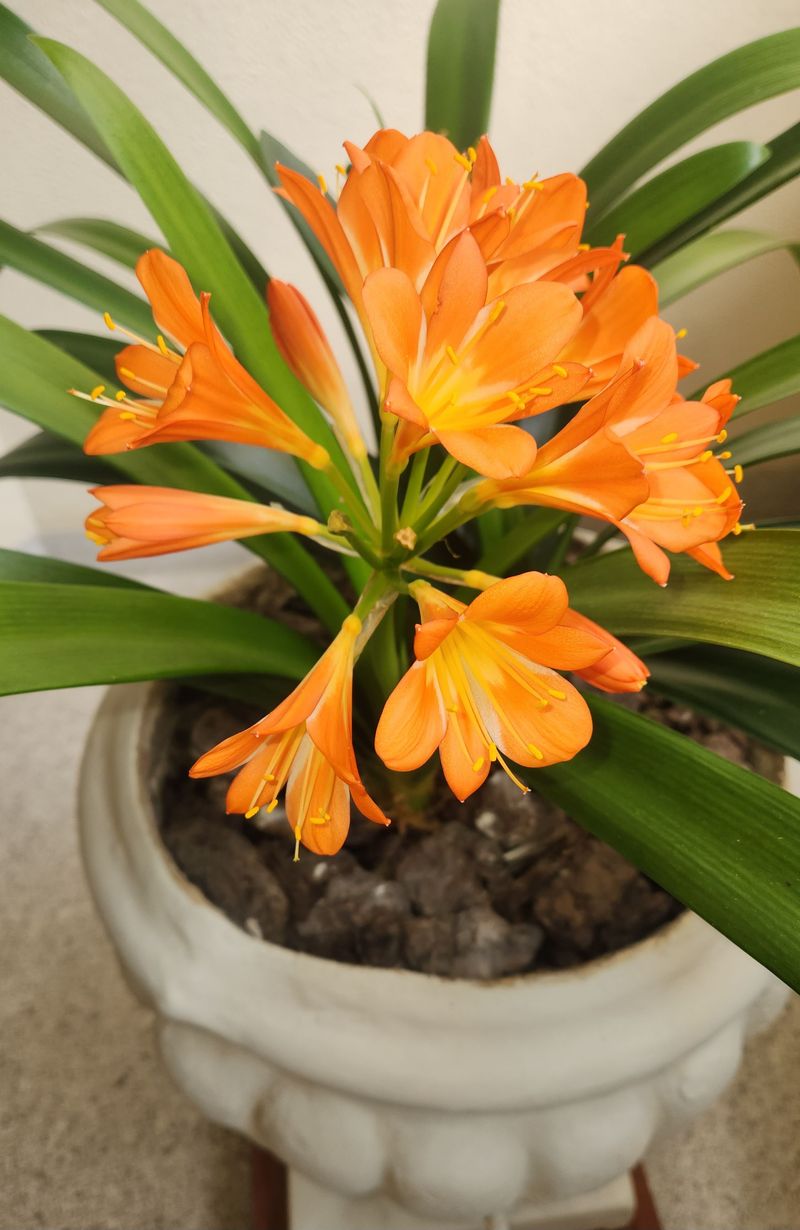
Patience is the price of admission with clivia, and the payoff is worth every week. Just when winter feels endless, a thick stalk rises and bursts into a ball of glowing orange trumpets. It feels like a sunrise in a pot.
Clivia miniata comes from the forests of South Africa. Its glossy, strap-like leaves look good all year, and its flowers come in bright orange or, more rarely, soft yellow. Mature plants can bloom for decades.
Flowers usually appear in late winter to early spring. Once you learn its simple routine, clivia needs very little care. It actually blooms better when slightly crowded in its pot, so frequent repotting is not needed.
The routine starts in late fall. Move the plant to a cool spot around 50 to 55°F and water only lightly, about once a month. Keep up this rest for roughly eight to twelve weeks through winter.
Watch for a flower stalk poking up between the leaves. When you see it, return the plant to a warmer room and normal watering. Waiting for the stalk to grow a few inches first helps it reach above the leaves.
Bright, indirect light suits clivia best. Direct afternoon sun can scorch its leaves. An east window or a spot near a north window works nicely. Clivia is toxic to pets, so keep it away from curious cats and dogs.
Michigan gardeners have a big advantage here. Cool basements with windows, unheated spare rooms, and chilly entryways provide the perfect winter rest. Your cold house becomes the plant’s best friend.
9. Pink Jasmine Fills The House With Scent
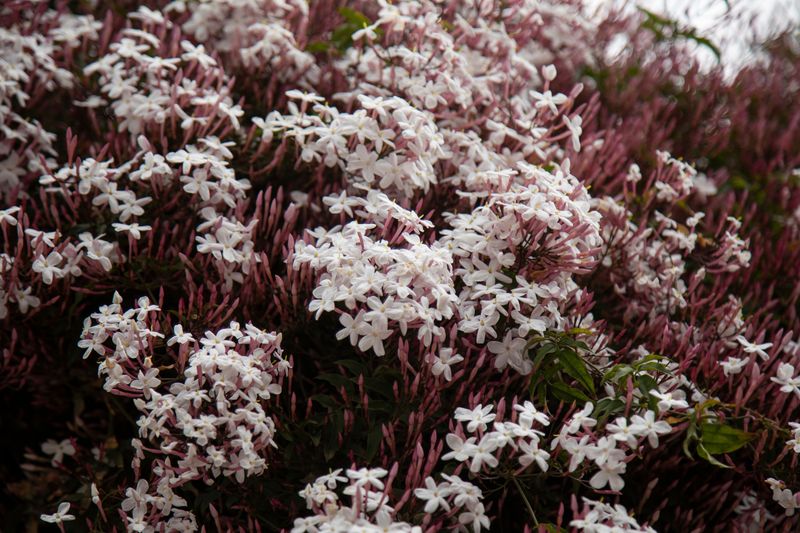
Imagine opening your front door in February and smelling spring. Pink jasmine makes that happen, and one plant can scent an entire room. Visitors often ask what candle you are burning.
Jasminum polyanthum is a vining plant from China. Its buds start out rosy pink, then open into small, white, star-shaped flowers. The contrast of pink buds and white blooms looks lovely on the vine.
Flowers typically appear in late winter and continue into spring. Hundreds of blossoms can open at once on a healthy plant. Many stores sell it already trained around a wire hoop.
Bright light keeps pink jasmine growing strong. A sunny south or west window works well. Without enough light, the vine grows long and thin with few flowers.
Fall is the key season for future blooms. Keep the plant in a cool spot, around 40 to 50°F at night, for several weeks to help it set buds. A chilly porch or unheated room works, as long as it stays above freezing.
Water when the top inch of soil feels dry. Vines grow fast, so give them a small trellis or hoop to climb. Gently wind new stems around the support as they grow.
After blooming ends, trim the vine to keep it neat and bushy. Pruning right after flowering protects next year’s buds.
Michigan autumns help this plant shine. Indoor spaces near windows cool down naturally in October and November. That chill sets the stage for a fragrant late winter show, right when everyone is craving spring.
10. Bromeliads Bring Months Of Tropical Color
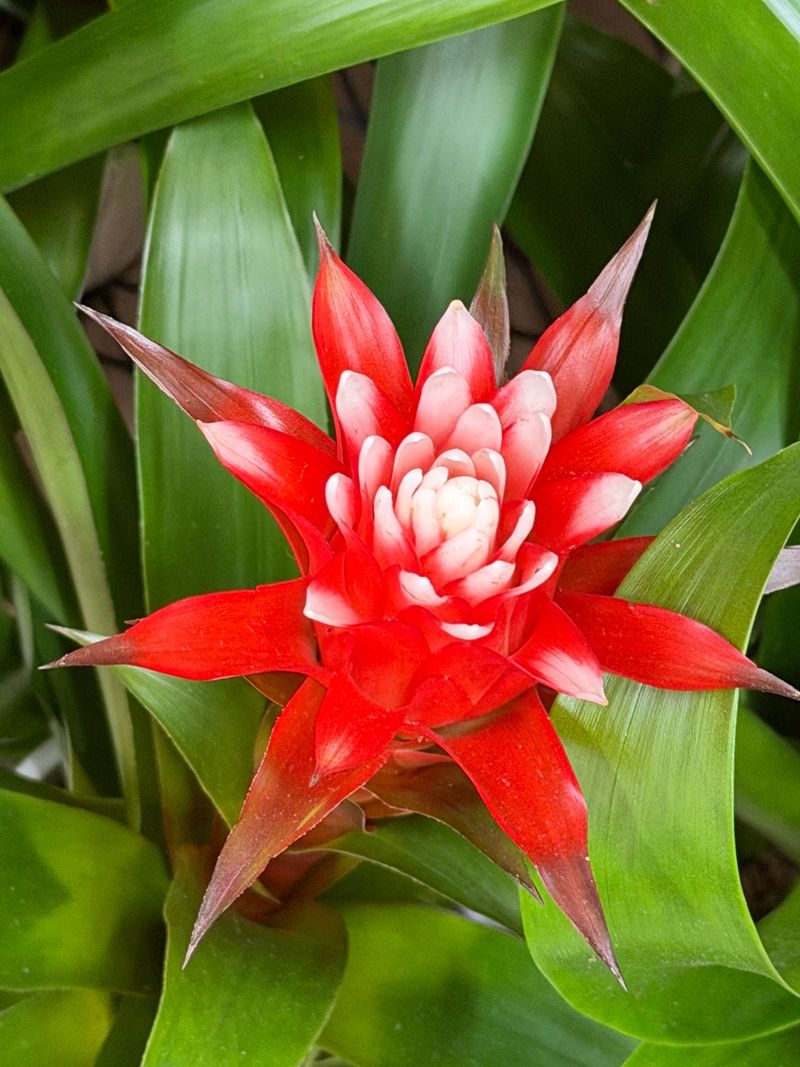
Bright red against a backdrop of white snow, a bromeliad looks like a souvenir from a tropical vacation. Its colorful spike stands tall above a neat rosette of leaves. Even guests who do not care about plants stop to look.
Bromeliads belong to the same family as the pineapple. That colorful part is usually not the true flower but a bract, a special leaf that holds its color. Popular types like guzmania and aechmea come in red, pink, orange, and yellow.
Here is the best part for winter. Those bright bracts can last for several months, often three to six. Few plants give you that much color with so little work.
Place your bromeliad in bright, indirect light. Direct hot sun can burn the leaves, while deep shade dulls the color. A spot near an east or west window works well.
Watering is a little different. Many bromeliads have a central cup formed by their leaves. Keep a small amount of water there and flush it out every week or two so it stays fresh, while watering the soil lightly.
Each bromeliad blooms once, then slowly fades over many months. Before it goes, it grows small offsets called pups at the base. When pups reach about one third the size of the parent, cut them off and pot them up as new plants.
Michigan homes suit bromeliads nicely. They handle average indoor temperatures and lower light better than many tropical plants. With almost no fuss, they carry bold color through the long winter.