8 Venomous Species Virginia Residents Should Watch For This Fall
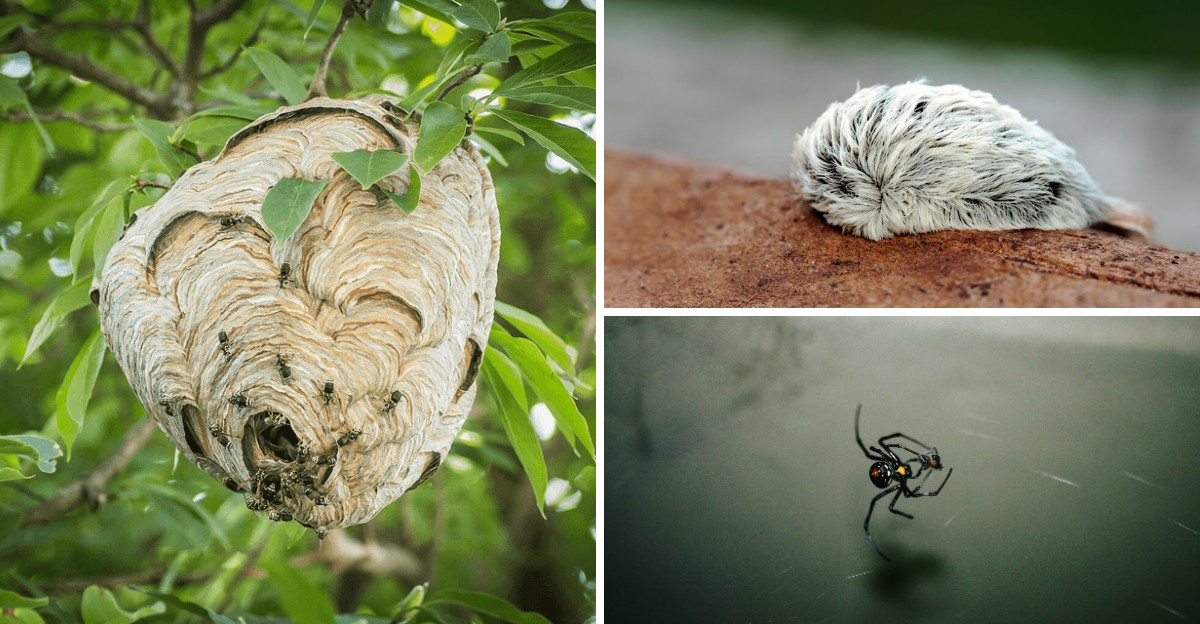
Those crunchy October leaves under your boots might be hiding more than acorns and the occasional lost garden glove. Fall in Virginia brings cooler air, and some of our most venomous neighbors become surprisingly busy right now.
I love autumn yard work, but I have learned to look twice before grabbing a woodpile or rake. Baby snakes are arriving this season, while wasp colonies swell to their largest size of the whole year.
Some of these creatures look scary, and some look so harmless you would want to pet them. One fuzzy little critter on this list fools plenty of people, and the sting it delivers is unforgettable.
Knowing what lives around your Virginia home makes fall chores safer and a lot less nerve wracking for everyone. A quick glance before you reach is a habit worth building before the first frost settles in.
Eastern Copperhead Hiding In The Leaves
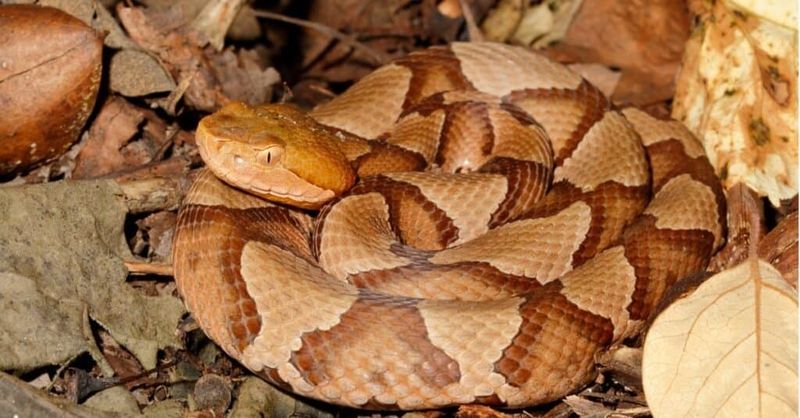
Copperheads are masters of disguise, and their coppery bands melt right into piles of fallen oak leaves. You could stand a foot away from one and still miss it while raking the yard on a crisp morning.
Experts call the copperhead the venomous snake people meet most often across Virginia, mostly because it lives near homes. Adults usually measure two to three feet long, with thick, muscular bodies and dark hourglass shapes along their sides.
Fall is a busy season for these snakes, since many young copperheads are born from mid-August into early October. Babies look like tiny copies of adults, except they have bright yellow tail tips they wiggle to lure prey.
Milder autumn weather means copperheads often move around during daylight hours instead of waiting for warm summer nights. That shift puts them out and about right when you are stacking firewood or clearing out flower beds.
Bites are rarely life threatening for healthy adults, but every bite still deserves a fast trip to get medical care. Stay calm and keep the bitten limb still, and skip risky old tricks like cutting the wound open.
Wearing sturdy gloves and boots during fall cleanup gives you a simple layer of protection against surprise encounters. Using a rake or stick to move leaf piles keeps your hands safely out of hidden spots where snakes rest.
If you spot a copperhead, back away slowly and give it plenty of room to slide off on its own. Most bites happen when people try to handle snakes, so letting it leave is usually the smartest move.
Eastern Cottonmouth Guarding The Swamps
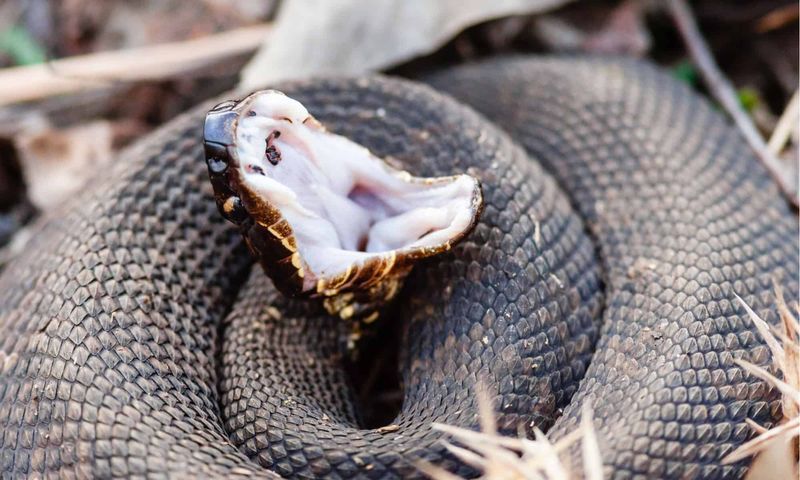
A cottonmouth that feels cornered may open its jaws wide and flash a mouth lining as white as cotton candy. That startling display gives the snake its name, and it is a clear warning to step back right away.
Eastern cottonmouths are hefty, semi-aquatic pit vipers that usually stretch 30 to 48 inches long as adults. A few record snakes have topped 70 inches, which is longer than many kids are tall standing up straight.
Adults tend to look olive or nearly black, and their dark crossbands are wider along the sides. Young cottonmouths wear brighter patterns and a yellow tail tip, a lot like their copperhead cousins do.
Your Virginia Garden Changes Every Week. Your Plan Should Too.
Gardening in Virginia changes quickly throughout the season. Every Friday you’ll receive a simple weekly plan showing exactly what to plant, prune, fertilize, harvest, and protect so you never miss the right timing.
Location matters a lot with this species, since cottonmouths live mostly south of the James River in Virginia. They favor swamps and marshy lake edges, so folks in the southeastern corner are more likely to meet them.
Activity often picks up in late summer and early autumn as these snakes feed before colder weather arrives. Some females also give birth to live young around this time, adding small snakes to the wetland scene.
Many harmless water snakes get mistaken for cottonmouths, and those look-alikes are much more common in most areas. I believe the safest plan is treating any thick water snake with respect rather than trying to guess its identity.
Fishing or kayaking near southern swamps this fall calls for watching where you step along muddy banks. Keep your hands out of thick brush near water, and seek medical care quickly if a bite ever happens.
Timber Rattlesnake Basking On The Ledges
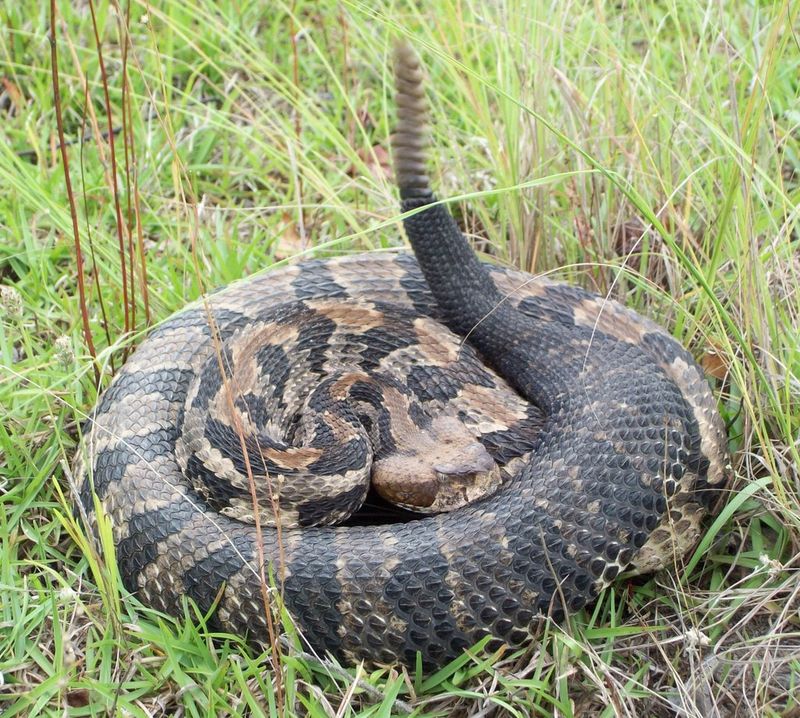
Few sounds in the woods will make your heart jump faster than the dry buzz of a timber rattlesnake. That rattle is a polite warning, and I am sure every hiker appreciates the snake giving notice first.
Timber rattlesnakes are one of only three venomous snake species found in the state, alongside copperheads and cottonmouths. Their bodies range from gray to brown or even pinkish, decorated with dark, V-shaped chevron bands down the back.
Bites are uncommon, but their venom is medically serious, so any bite calls for emergency care without delay. These snakes usually prefer to stay still and hidden, trusting their camouflage instead of picking a fight with people.
Fall is one of the seasons when timber rattlers are active during the day, soaking up gentle autumn sunshine. They often gather near rocky, south-facing ledges in upland forests, where warm stones help them stay cozy.
Young rattlesnakes are born in late August or early September, so newborns may still be wandering in early October. Large males can also be more visible now, since breeding season stretches from midsummer into early fall.
Hikers in the mountains should stick to marked trails and watch carefully before sitting on logs or sunny rocks. Using trekking poles and stepping onto rocks rather than over them gives you a better view of hidden spots.
Timber rattlesnakes also help forests by eating plenty of mice and other small rodents that carry ticks around. Admiring one from a safe distance, at least several feet away, lets both you and the snake go on peacefully.
Black Widow Lurking In The Woodpile
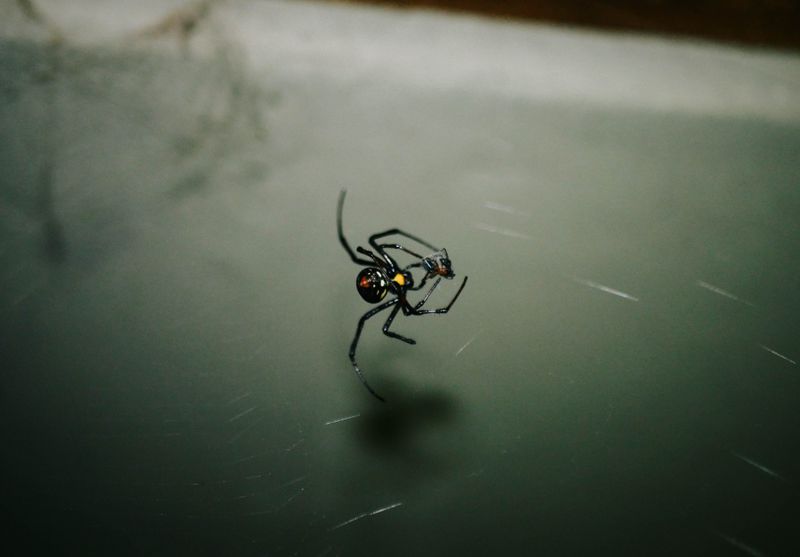
A glossy black spider with a bright red hourglass is one of nature’s clearest warning signs, and it works. Female black widows carry that marking on their bellies, so you mostly spot it when they hang upside down.
Two species, the southern and northern black widows, are the main medically significant spiders found across the region. They are widespread, yet they stay out of sight by hiding in dark, quiet corners that rarely get disturbed.
Woodpiles and the dark space under porches are favorite hideouts, along with old flower pots and garden clutter. Their webs look messy and tangled instead of neat, which is a handy clue when you peek into dim spaces.
Females reach full size by early fall, and their activity runs from late spring right through the autumn months. As nights get chilly, some spiders may sneak indoors seeking warmth or hitch a ride on firewood you carry inside.
A bite can cause strong muscle pain and cramping, along with sweating and nausea that may last for hours. Seeking medical attention is a smart choice for any suspected bite, especially for young children or older adults.
You definitely need gloves when moving firewood or reaching into storage bins in the shed this season. Shaking out boots and garden gloves before slipping them on is a tiny habit that can save a painful surprise.
Stack firewood away from the house and bring in only what you plan to burn that same day. Black widows are shy and bite mostly when pressed against skin, so careful hands go a long way here.
Yellow Jackets Crashing The Cookout
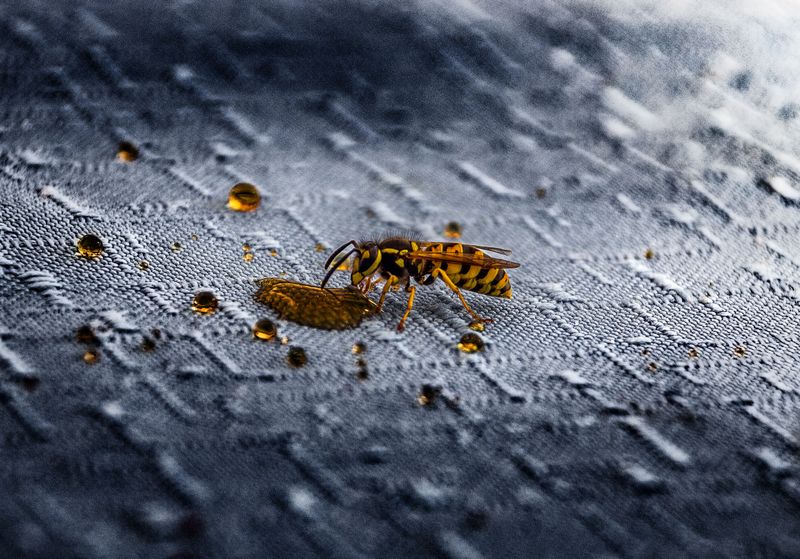
Your soda can becomes a yellow jacket magnet once fall arrives, and these wasps get bold about it. That buzzing guest crawling on the rim is usually a hungry worker hunting for sugar before cold weather hits.
Yellow jackets are social wasps with sharp yellow and black markings that look a bit like tiny racing stripes. Unlike honeybees, each wasp can sting more than once, which makes a crowd of them a real problem.
Colonies hit their peak size in late summer and early fall, and a single nest can hold thousands of workers. As flowers fade and natural food shrinks, those workers turn grumpy and much more defensive around their homes.
Many nests hide underground in old rodent holes, so a lawn mower can disturb one before you notice anything. Others tuck into wall voids or protected cavities, where you may spot a steady stream of wasps entering a gap.
Picnic tables and trash bins are prime hunting grounds for these wasps during October cookouts and football tailgates. Keeping trash lids tight and covering drinks makes your outdoor meals far less tempting to these persistent visitors.
If you disturb a nest, multiple yellow jackets may swarm out and sting repeatedly, chasing you a short distance. Walk away quickly to a sheltered spot instead of swatting, since frantic arm waving can stir them up further.
Professional removal is the safest route for established nests, especially those buried near playgrounds or busy walkways. Anyone with a known sting allergy should carry prescribed medicine and get emergency help after a sting right away.
Bald-Faced Hornet Building Paper Globes
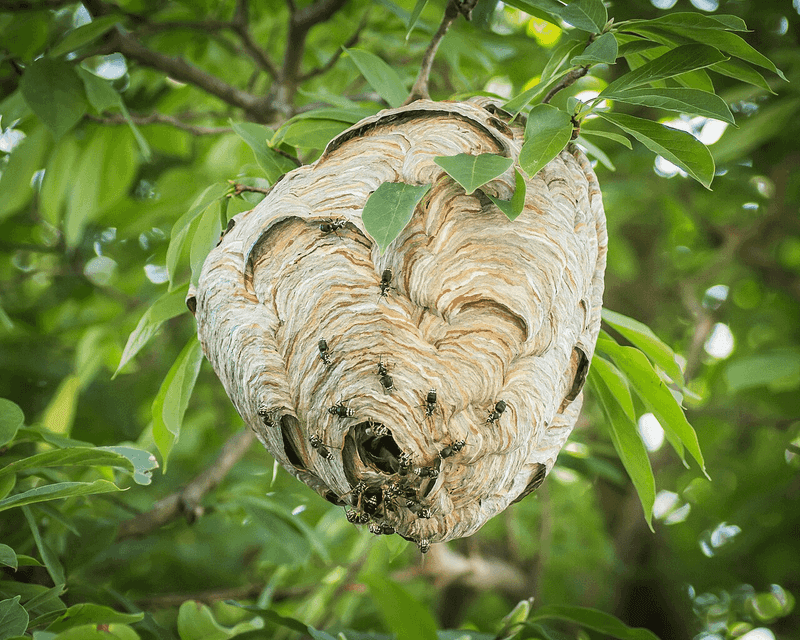
A gray paper ball the size of a football dangling from a tree branch deserves a very careful second look. Inside that papery globe, a colony of bald-faced hornets may be guarding their home with serious attitude this fall.
Despite the name, bald-faced hornets are actually a type of yellow jacket rather than a true hornet at all. They are mostly black with creamy white markings on the face, and queens can measure up to 0.7 inches.
Workers build their oval nests from chewed wood fibers mixed with saliva, creating layers of thin gray paper. You may find these nests in trees or tucked under house eaves, often high above the ground.
Populations peak in late summer, and colonies stay busy into early fall before cold weather ends their season. Each nest is used for only one year, so an empty nest found in winter is not reused later.
These hornets scavenge for nectar and fruit, but they also hunt other insects, including flies around your garden. That hunting habit makes them helpful predators, as long as their nest sits far away from where people walk.
Trouble starts when someone bumps the nest, because these wasps defend it fiercely and can sting again and again. Their stings bring sharp pain and local swelling, and an allergic reaction calls for emergency medical care right away.
Before trimming hedges or pruning trees this October, scan the branches above you for a hidden gray paper globe. Hiring a professional for nests near doorways is wise, while nests in quiet corners can wait for hard frosts.
European Hornet Buzzing The Porch Light
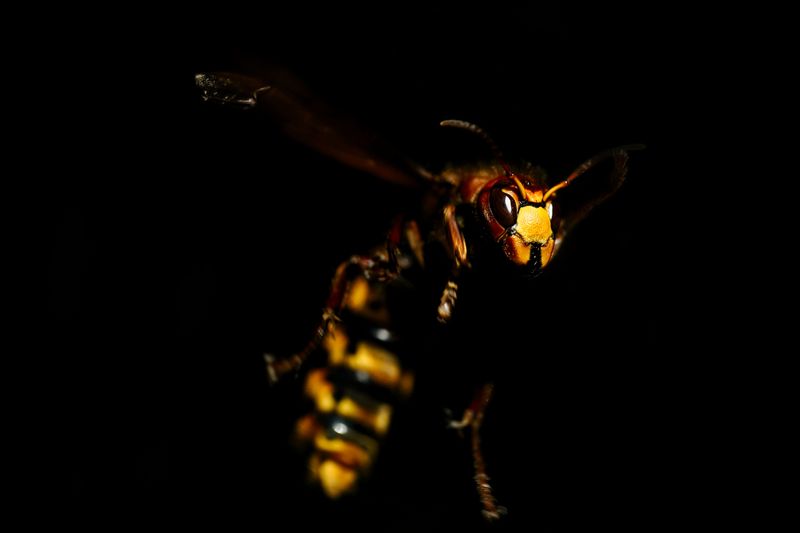
Late at night, you might hear something thump against your porch light that sounds way too big for a moth. There is a fair chance it was a European hornet, the only true hornet species living in Virginia.
These insects are noticeably larger than yellow jackets, with reddish brown heads and bodies striped in yellow and brown. Their wings carry an orange tint, which can look almost golden when sunlight hits them on a bright afternoon.
European hornets originally came from Europe and were first reported in North America in the 1800s, in New York. Since then they have spread through much of the eastern United States, including woodsy neighborhoods and farm country.
Their paper nests hide in hollow trees or wall voids, and they usually reach full size by mid-September. Unlike many stinging insects, these hornets stay active later into the fall, so October sightings are fairly common.
Fallen apples and pears draw them in, and they may chew bark from lilac branches to build nests. They are also one of the few wasps that fly at night, which explains those loud bumps on windows.
European hornets are not usually aggressive away from home, but they defend their nests with real intensity when provoked. A nest inside a wall or tree near your house is a job best handed to trained pest professionals.
Picking up fallen fruit every few days and switching porch lights off at night can reduce their visits quickly. Yellow bug lights or motion sensor lights are easy swaps that keep your evenings outside a lot more relaxing.
Puss Caterpillar Wearing A Fuzzy Disguise
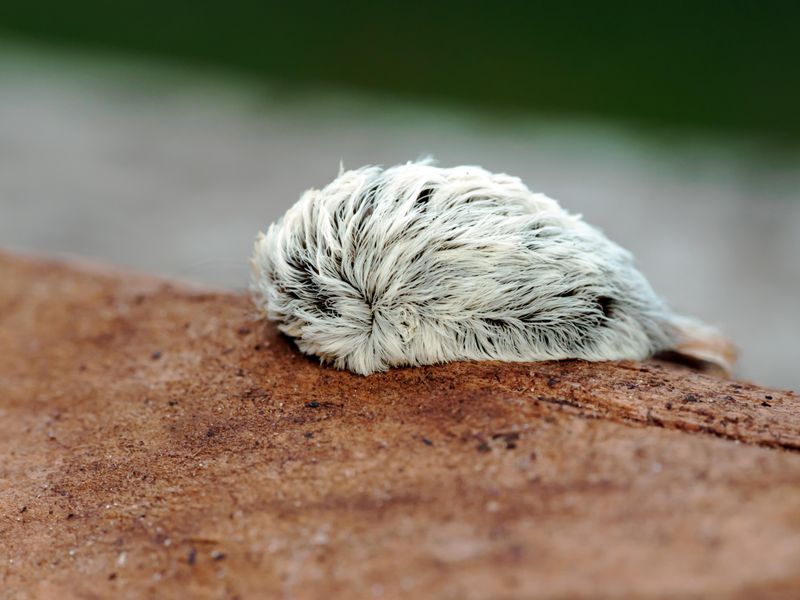
The cutest critter here looks like a tiny toupee crawling along a branch, and it packs a serious punch. I can’t imagine a sneakier disguise, because that soft fur practically begs you to reach out and pet it.
Puss caterpillars are the larvae of the southern flannel moth and rank among the most venomous caterpillars in the country. Their fuzzy coats come in shades of brown or gray, and they usually grow to about an inch long.
Hidden underneath that silky hair are venomous spines that break off in skin and cause intense, throbbing pain. Reactions can include redness and swelling, and some people develop headaches or nausea that linger afterward.
Sightings have increased in recent years, especially in eastern counties of Virginia during the fall months. They often feed on oak and elm trees, along with shrubs found in many yards and school playgrounds.
Larger caterpillars often carry stronger toxins, so the older ones found in autumn can deliver an especially painful sting. They can also drop from branches and get tangled in clothing, which surprises plenty of people sitting under trees.
Teach kids to admire fuzzy caterpillars with their eyes only, since curious little hands are the most likely targets. Wear gloves while raking under oaks, and check jackets or towels left outside before wrapping them around you.
If stung, press tape gently on the skin to lift spines, then wash the spot with soap and water. Call a doctor or Poison Control if pain spreads, breathing feels difficult, or symptoms seem to get worse.