Leaving Yard Debris In Ohio: What Actually Happens To Your Lawn After Severe Storms
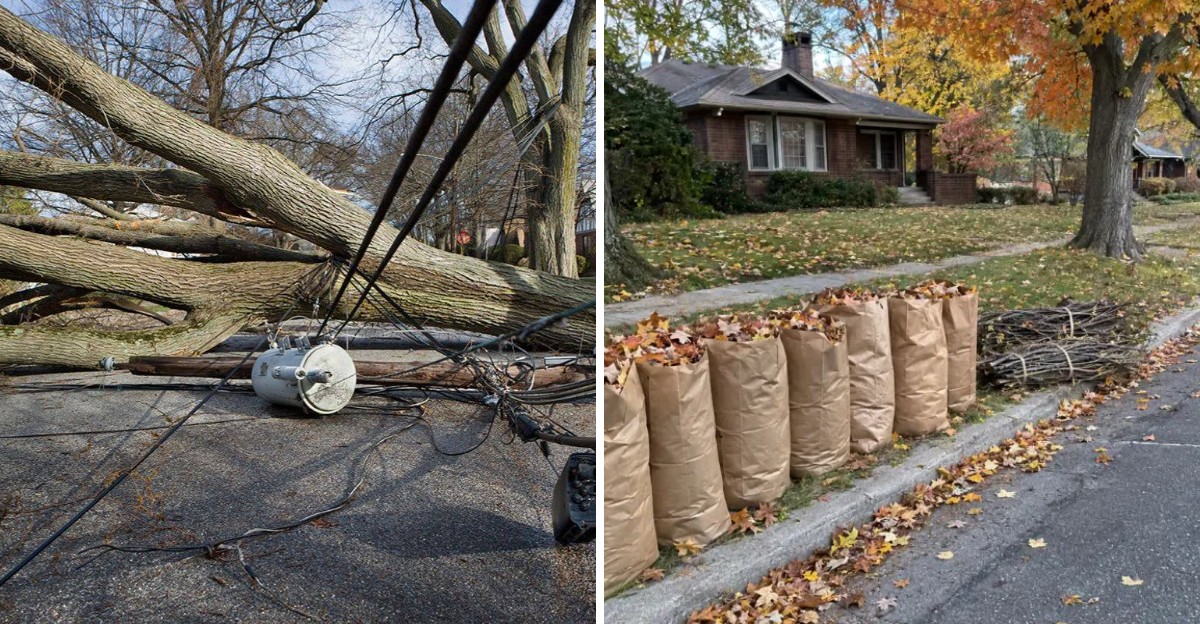
Turfgrass can start yellowing in just a few days under a single fallen limb. That fast fade surprised me the first time I lifted a branch after a summer windstorm.
The grass underneath looked pale and limp, like it had been stuck in a closet.
Storms in Ohio love to leave gifts behind. Snapped maple branches, soggy leaf mats, and twigs scattered everywhere can show up overnight.
I believe most of us stare at that mess and quietly hope it handles itself.
Nature does break things down eventually. The catch is timing, because your lawn runs on sunlight and fresh air every single day.
A pile that sits for weeks plays by a different clock than the grass beneath it.
So what really goes on under that tangle of wood and wet leaves? You’re in for a few surprises, and some of them might change how fast you grab the rake.
Something Quiet Happens Under Those Fallen Branches
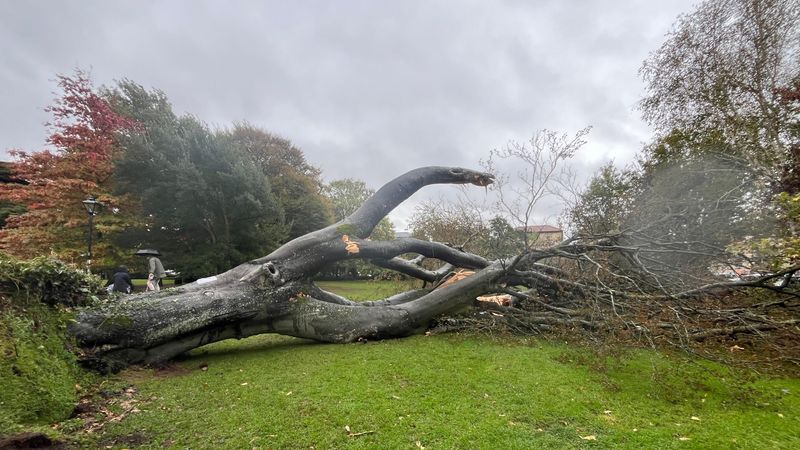
Lift a heavy limb after a week on the grass, and you will spot a ghostly yellow outline. That shape is the first sign your lawn has been struggling in the dark.
Grass blades need sunlight to make food through photosynthesis. When branches and wet leaf mats block that light, the plants burn through their stored energy.
Within several days, the turf turns pale, thin, and weak.
Airflow matters too. A thick pile traps moisture and heat right at soil level, especially during warm Ohio summers.
The grass crowns under there sit in a humid, stuffy pocket that rarely dries out.
Cool-season grasses like Kentucky bluegrass and tall fescue, the most common lawn types across the state, handle short covers fairly well. Longer covers are another story.
After two or three weeks, thin patches may need overseeding to fill back in.
The fix is pleasantly simple. Clear the large pieces within a few days, then rake off matted leaves so light reaches the blades again.
Mildly yellow grass often bounces back on its own once it can breathe. Give it a gentle watering during dry spells, and skip heavy fertilizer until new green growth appears.
Soggy Leaf Mats Invite Lawn Diseases To Move In
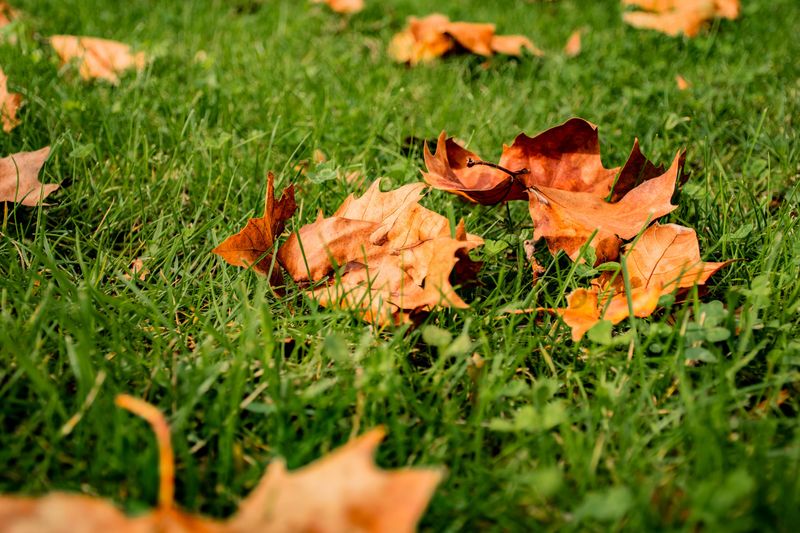
Fungi are patient little opportunists. Give them shade, moisture, and still air, and they get to work fast.
Storm debris creates exactly that setup. Wet leaves pressed flat against the grass hold water for days.
Lawn diseases such as brown patch, pythium blight, and dollar spot thrive in warm, damp conditions, and Ohio State University Extension lists these among common summer turf problems.
In cooler months, the risk shifts. Leaves left sitting into late fall and winter can encourage snow mold, a fungus that shows up as matted gray or pinkish circles when the snow melts in spring.
I learned this one the hard way. A leaf pile I ignored near my fence turned into a crusty gray patch by March.
Raking helped, but that corner looked tired until late spring.
A few habits lower the odds. Rake off wet leaf mats instead of letting them sit.
Water in the morning so grass dries during the day. Keep your mower at about three inches, which helps turf stay stronger.
Fungicides are rarely needed for home lawns. Good airflow and quick cleanup usually do more than any spray.
Shredded Leaves Can Actually Feed Your Grass
Plot twist time. Not every leaf on your lawn deserves a trip to the curb.
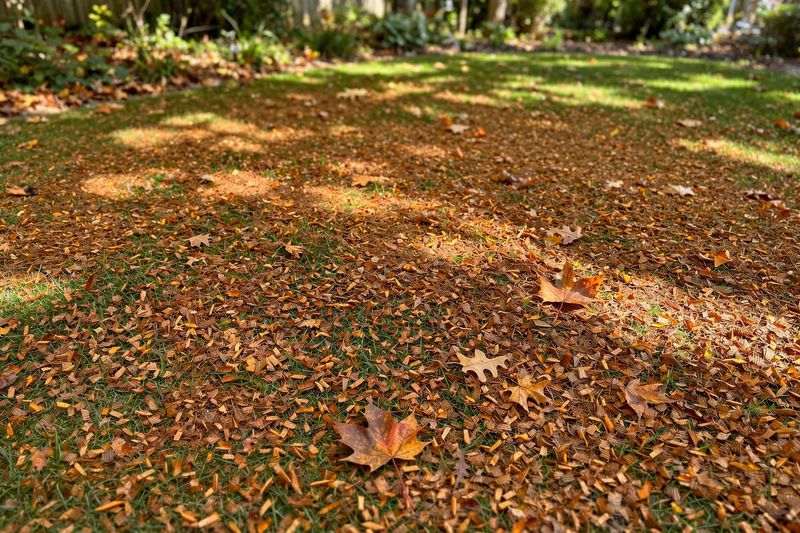
Small amounts of leaves can help your yard when you chop them up. Running a mulching mower over a light layer breaks leaves into dime-sized bits.
Those pieces settle between grass blades and break down over the following months.
Research from Michigan State University found that mulching leaves into turf did not harm lawn quality. Some lawns even had fewer weeds, like dandelions, after a few seasons of leaf mulching.
The decaying bits add organic matter that improves soil structure and helps it hold moisture.
The key is quantity. If you can still see plenty of green grass after mowing, you are in good shape.
If the shredded layer buries the lawn, rake some up or make a second pass.
Grass clippings work the same way. Leaving them after mowing returns nitrogen to the soil without creating thatch, a common myth.
Storm debris is different, though. Big branches, thick wet piles, and broken limbs need to go.
Think of it as a light snack versus a heavy blanket.
Downed Power Lines And Hanging Limbs Come First
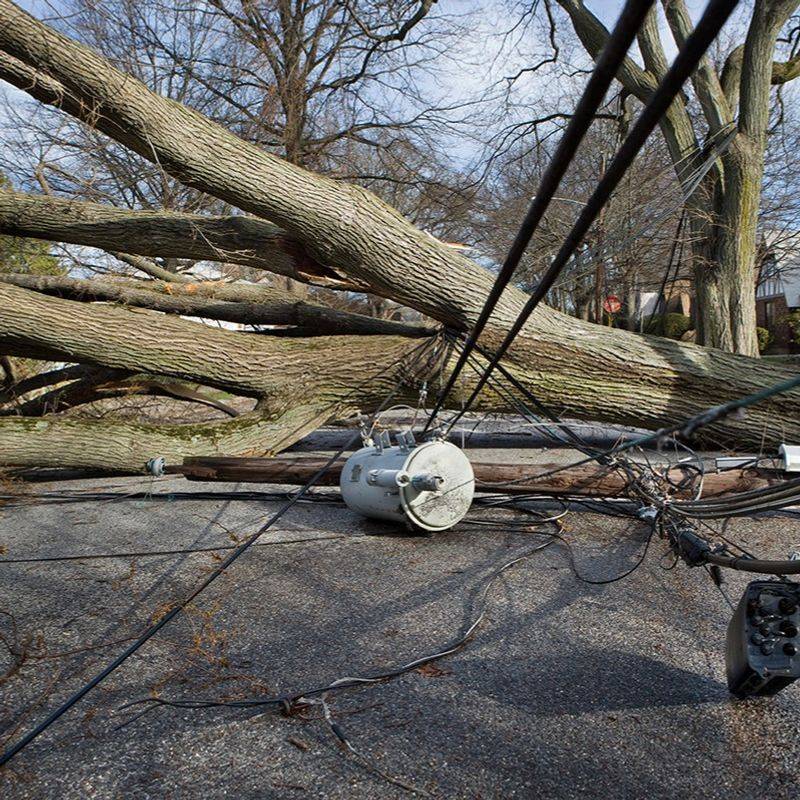
Safety beats tidiness every time. Before touching a single twig, take a slow walk around your yard and look up.
Downed power lines are the biggest risk after severe storms. Treat every wire as live, even if it looks harmless.
Stay at least 30 feet away, and call your electric utility right away to report it.
Next, check the tree canopy. Broken limbs caught in branches overhead, often called widowmakers by arborists, can drop without warning.
Leaning trees with cracked trunks or lifted roots also deserve caution.
Big jobs belong to the pros. A certified arborist has the gear and training to remove heavy limbs safely.
You can look up certified arborists through the International Society of Arboriculture website.
For smaller cleanup, dress for the job. Wear sturdy gloves, closed boots, long pants, and eye protection.
Storm piles sometimes hide broken glass, nails, or sharp splinters.
Chainsaws need extra respect. Many hospital visits after storms involve saw injuries, so skip it if you lack experience.
Hand pruners and a bow saw handle most small branches just fine.
Pace yourself, take breaks, and drink water, especially on hot days.
Brush Piles Can Turn Into Rodent And Tick Hideouts
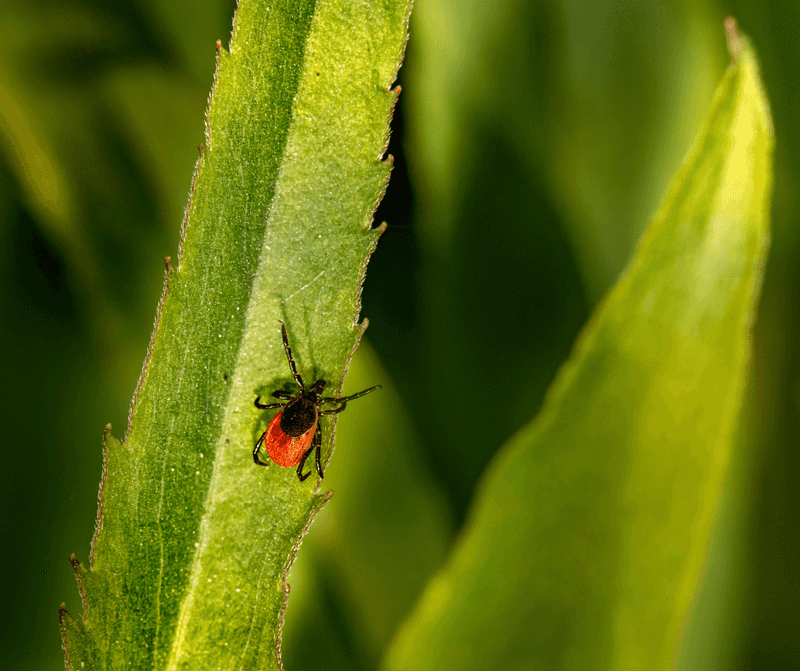
Mice adore a messy brush pile. To a small rodent, a heap of branches is a cozy apartment with built-in walls and a roof.
Piles near your house can draw mice, rats, and chipmunks closer to your foundation. From there, a crack or gap is just a short scurry away.
Moving debris away from your home lowers that risk.
Ticks are another concern. Blacklegged ticks, which can carry Lyme disease, have been spreading across Ohio in recent years, according to the Ohio Department of Health.
They like shady, humid spots with leaf litter, and mice are a common host.
Mosquitoes join the party too. Hollow logs and tangled debris can trap rainwater, giving mosquitoes a place to lay eggs.
Wildlife lovers, there is a middle ground. A tidy brush pile placed far from your house, at the back edge of your property, can shelter birds and pollinators.
Just keep it away from play areas and paths.
After working in leafy areas, check yourself, kids, and pets for ticks. Tossing clothes in a hot dryer for ten minutes helps too.
Burning Or Blowing Leaves Into The Street Can Land You In Trouble
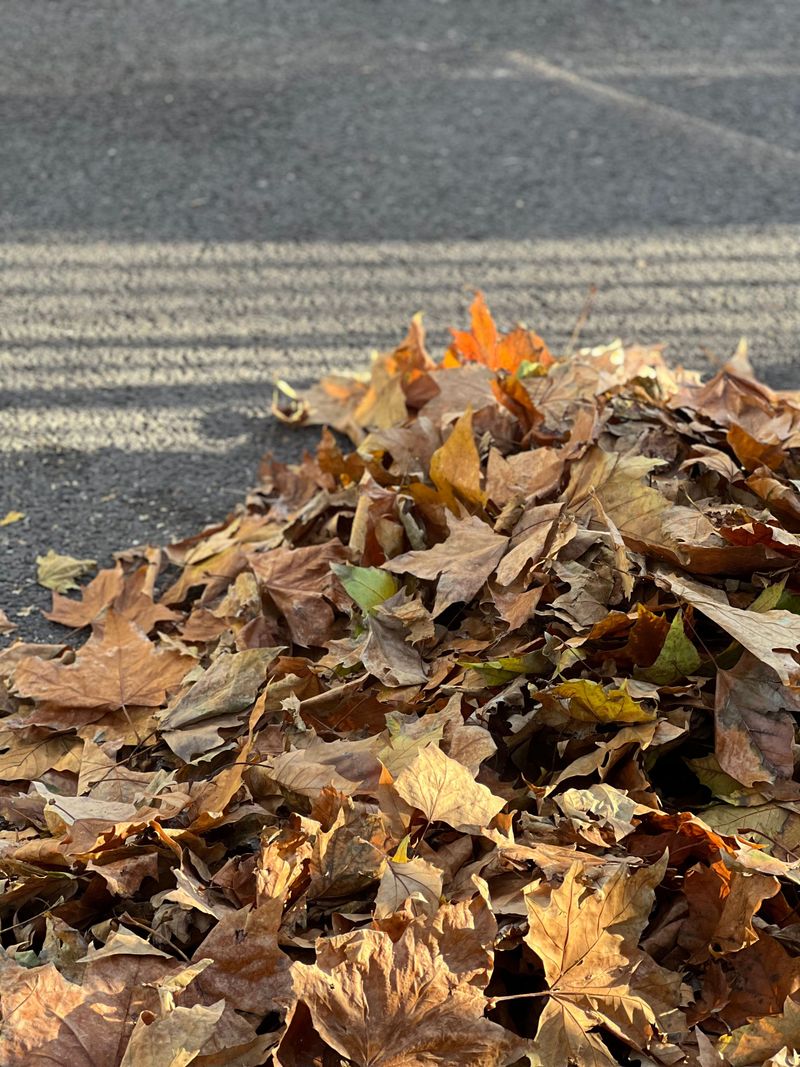
Tempted to light a match? Hold on.
Ohio EPA open burning rules restrict burning yard waste inside village and city limits, and many townships have their own limits too.
Rules vary by community, so check with your local fire department before burning anything. In places where it is allowed, there are often limits on time of day, distance from buildings, and weather conditions.
Burning wet storm debris also creates thick smoke that bothers neighbors.
Blowing debris into the street is another common slip. Cities like Mentor and Bowling Green have rules against pushing grass clippings and leaves into roads or storm drains.
Those rules exist for good reasons. Leaves clog drains and can cause street flooding during the next downpour.
Decaying plant material also adds phosphorus to streams, and that extra nutrient feeds algae blooms in waterways like Lake Erie.
Fines differ from town to town, so a quick check of your city website pays off. A good habit is to keep debris on your property until pickup day.
Sweeping clippings off the driveway back onto your lawn is an easy win for local water quality.
Bundled Branches And Paper Bags Make Curbside Pickup Easy
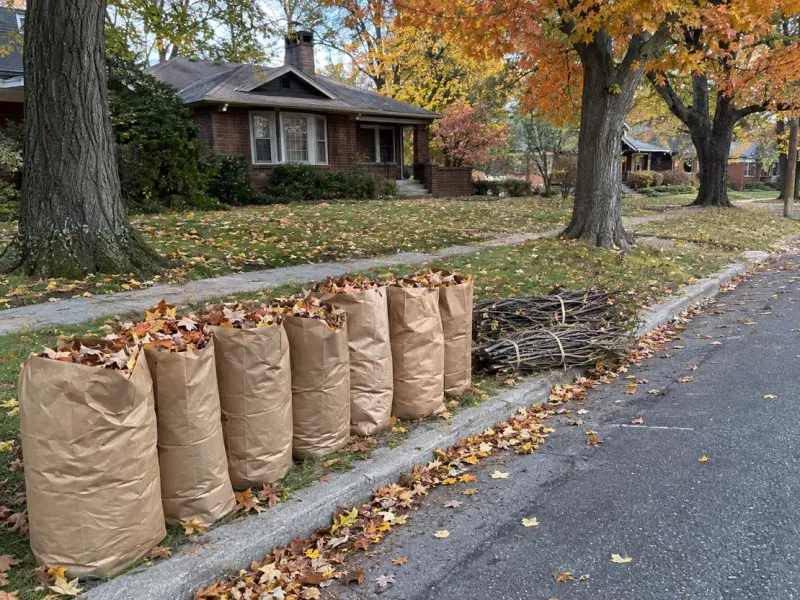
Curbside crews are big fans of neat bundles. Prep your debris the right way, and it disappears without a hitch.
Many Ohio cities, including Columbus, run yard waste collection programs. Most ask for branches cut to about four feet long and tied with string or twine.
Bundles usually need to be light enough for one person to lift.
Bags matter too. Many communities require biodegradable paper yard waste bags or marked containers, and they often refuse plastic bags.
Paper breaks down at the composting site, while plastic gets in the way.
After major storms, some cities announce special brush pickups. Watch your city social media pages or website for schedules, since these programs can fill up quickly.
Drop-off sites are another option for larger loads. Many counties operate yard waste facilities, and businesses like Com-Til in Columbus accept yard waste for composting.
Some charge a small fee, while others are free for residents.
Keep debris separate from construction scraps, fencing, or roofing materials. Those items usually need different disposal routes.
Sorting early saves you a second trip and keeps the pickup crew happy.
A Backyard Compost Bin Turns Storm Leaves Into Garden Gold
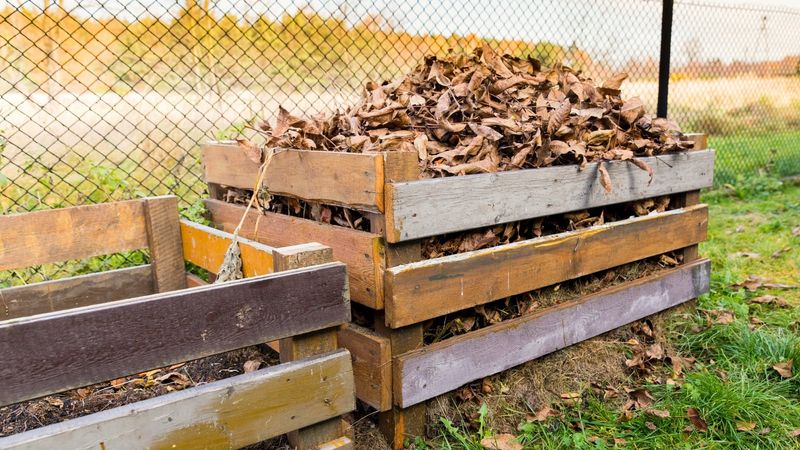
Every storm hands you free raw material. With a little effort, those leaves and twigs can become rich, crumbly compost.
Ohio State University Extension encourages home composting as a way to cut yard waste and build healthier soil. Dry leaves count as browns, which provide carbon.
Grass clippings and kitchen scraps count as greens, which add nitrogen.
Shredding speeds things up a lot. Run leaves through a mower or shredder before adding them.
Small twigs under half an inch thick break down fine, but larger branches take years.
Bigger wood still has a purpose. Ask a tree service for chipping, and spread the chips as mulch around trees and garden beds.
Keep mulch a few inches away from trunks.
Meanwhile, give your lawn some recovery care. Fill thin patches with a cool-season seed blend in late summer or early fall, the best seeding window in Ohio.
Keep new seed moist until it sprouts.
My favorite part? Spreading finished compost in spring, knowing it started as a messy storm.
Your yard ends up stronger, your soil gets richer, and less waste heads to the landfill.