7 Pomegranate Tree Care Tasks Florida Gardeners Should Tackle Before November Ends
Tap a ripe pomegranate and it answers back with a faint metallic ring. Growers have listened for that little clink for centuries, and it still works beautifully in Florida backyards today.
Each leathery fruit holds hundreds of juicy seeds packed inside papery chambers. Even though people have grown this shrub since ancient times, it still feels like a small backyard surprise.
Florida’s sticky humidity makes pomegranates a little trickier to grow here than in drier places. Still, a few smart chores in late fall can shape how next year’s crop turns out.
Some of these jobs take only minutes, while others ask you to hold back and do less. Which task deserves your attention first, and which one might do more harm than good?
1. Tap Ripe Pomegranates And Listen For The Metallic Ring
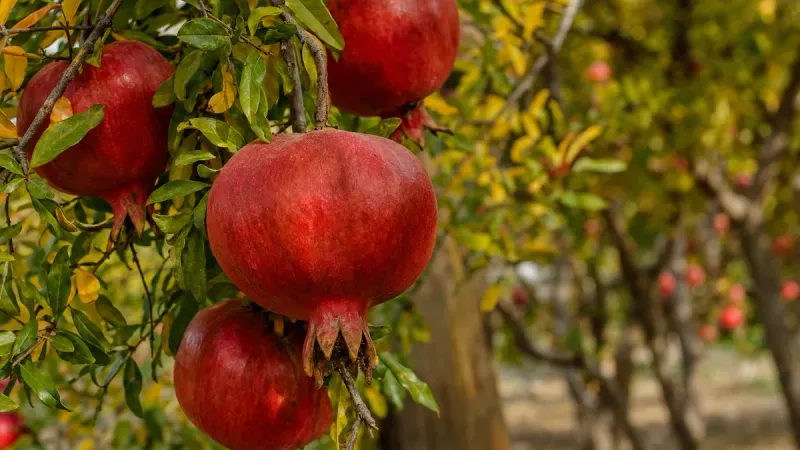
Few fruits talk back, but a ripe pomegranate gives off a crisp metallic sound when you flick it. I still grin every time I hear it, because that tiny clink means the wait finally paid off.
Most Florida pomegranates ripen from late summer into fall, so any stragglers still hanging now need checking soon. Unlike bananas or avocados, these fruits stop ripening once picked, so timing on the branch matters a lot.
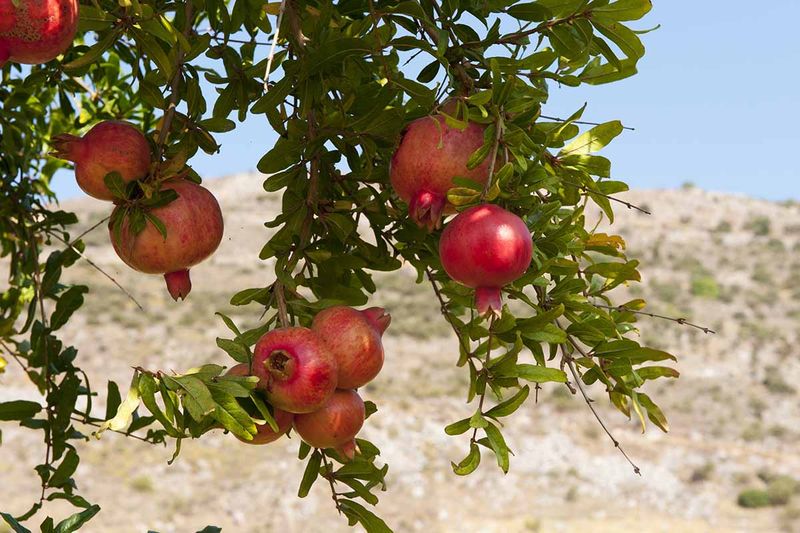
Look for full color for your variety and a slightly flattened, angular shape instead of a perfectly round one. Some cultivars stay pale or yellowish when ripe, so color alone can fool even experienced growers.
Grab clean, sharp pruners and snip each fruit at the stem rather than twisting or yanking it loose. Pulling can tear bark and leave ragged wounds where fungal spores love to settle in humid weather.
Split fruit is common after a heavy rain follows a dry stretch, because the swelling arils burst the skin. Pick cracked ones right away, since open fruit attracts hungry insects and starts rotting within a few days.
Fallen fruit on the ground deserves the same attention, because it can shelter pests and disease over winter. I toss rotten ones in the trash rather than the compost pile, just to stay on the safe side.
Whole pomegranates store surprisingly well in the refrigerator, often keeping their quality for several weeks or longer. That gives you plenty of time to enjoy the last harvest while you turn attention to the tree itself.
2. Water Pomegranate Trees Deeply During Dry Fall Spells
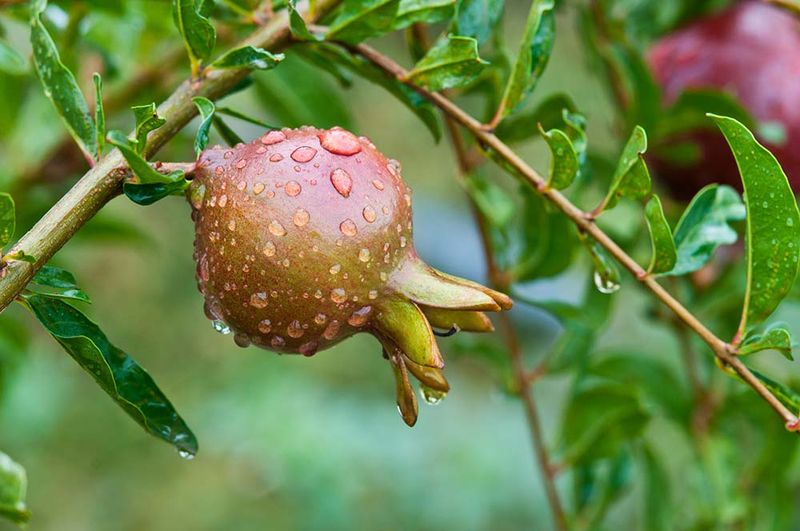
Fall in Florida often turns surprisingly dry, and many gardeners forget the hose once summer storms finally stop. I have been guilty of that myself, and my pomegranate let me know with curled, droopy leaves.
Established pomegranates handle drought better than many fruit trees, yet they still appreciate steady moisture while fruit hangs. Wild swings between bone-dry soil and sudden soaking are a leading reason those shiny skins split open.
Push a finger a couple of inches into the soil near the drip line before you reach for water. If it feels dry at that depth, give the tree a slow, deep drink rather than a quick sprinkle.
Aim water at the soil around the root zone and keep it off the leaves whenever you can. Wet foliage in humid weather gives leaf spot fungi an easy head start, which nobody wants to see.
Drip lines or soaker hoses make this easy, and they waste far less water than overhead sprinklers do. Morning watering works best, giving any splashed leaves time to dry before cooler evening air settles in.
Too much water causes trouble too, since soggy roots in poorly drained soil can start to rot. Pomegranates prefer sandy, well-drained ground, which luckily matches the soil in plenty of backyards around here.
As days shorten and growth slows, you can stretch the time between waterings for trees planted in the ground. Potted pomegranates dry out faster, so keep checking them even after the weather turns pleasantly cool.
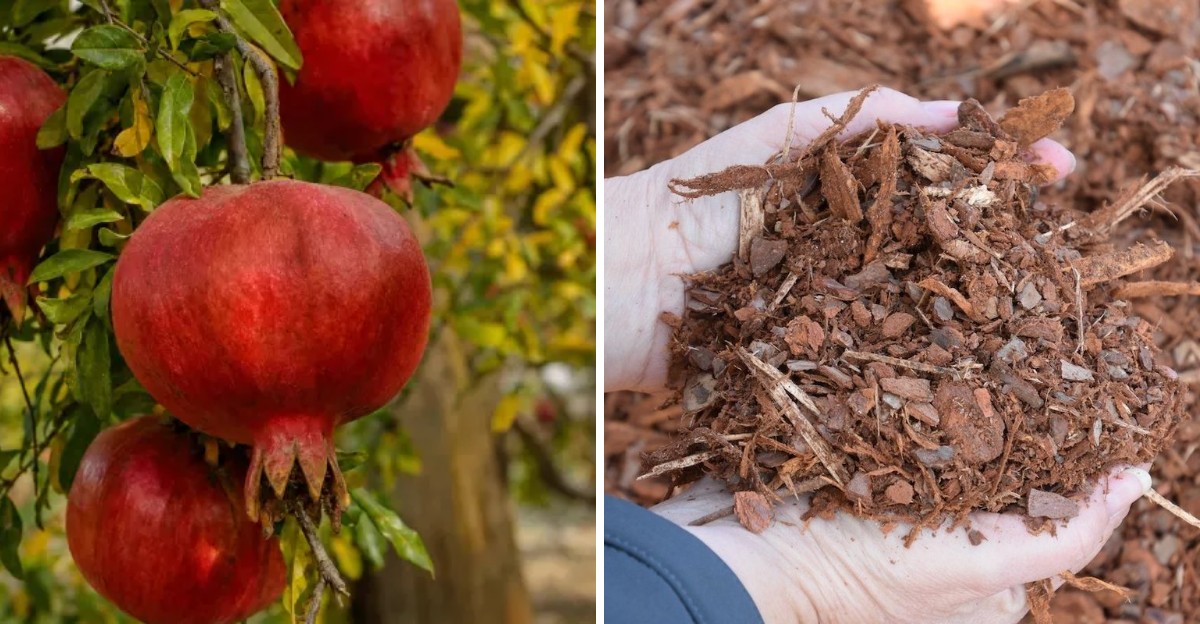
3. Spread Pine Bark Mulch Around The Pomegranate Base
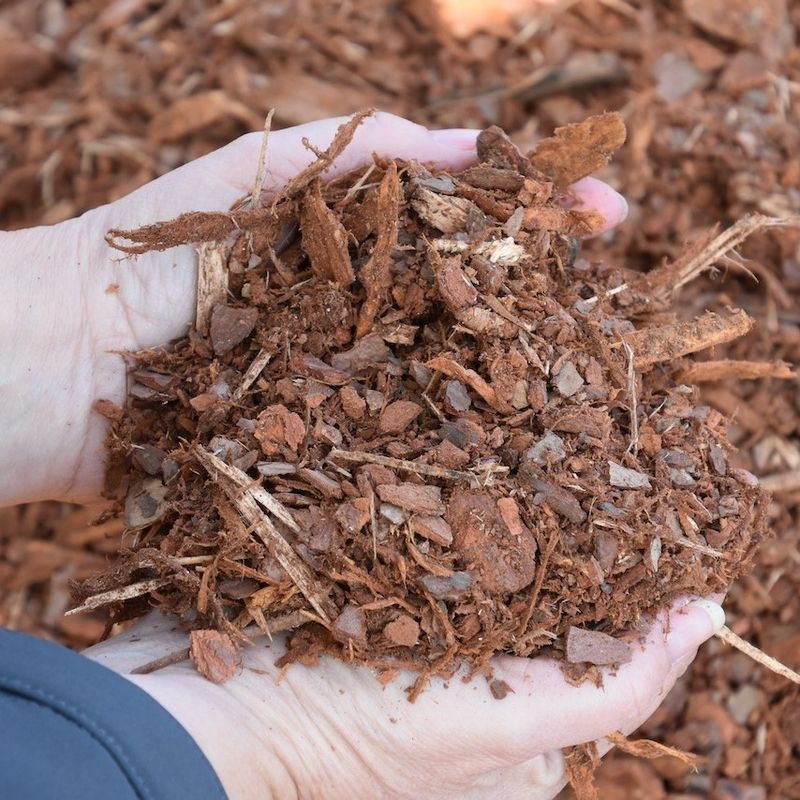
Tucking a tree in with fresh mulch feels a lot like pulling a soft quilt over a sleepy kid. The earthy smell of pine bark on a cool morning might be my favorite part of fall gardening.
A layer about two to three inches deep helps hold soil moisture steady between rains and waterings. That steadier moisture means fewer stressful swings for the roots, which also helps reduce fruit splitting.
Mulch also works like a light blanket, softening temperature changes in the top few inches of soil. Young trees with shallow, developing roots benefit most from that extra cushion during sudden chilly snaps.
Keep the mulch pulled back several inches from the trunk, leaving a little ring of bare ground. Piling it against the bark traps dampness and can invite rot, which is a bigger risk in humid climates.
Pine bark and wood chips both work nicely, and some local tree services happily give chips away for free. UF/IFAS experts suggest skipping cypress mulch, since harvesting it can harm native wetland forests across the Southeast.
As organic mulch breaks down, it slowly feeds the soil and improves sandy ground that struggles to hold nutrients. Earthworms and helpful soil microbes move in, and your tree quietly benefits from their hard work.
You might also notice fewer weeds popping up, which means less competition for water around the root zone. I call that a fair trade for one sweaty afternoon spent hauling a few bags of mulch.
4. Rake Up Fallen Pomegranate Leaves And Spotted Debris
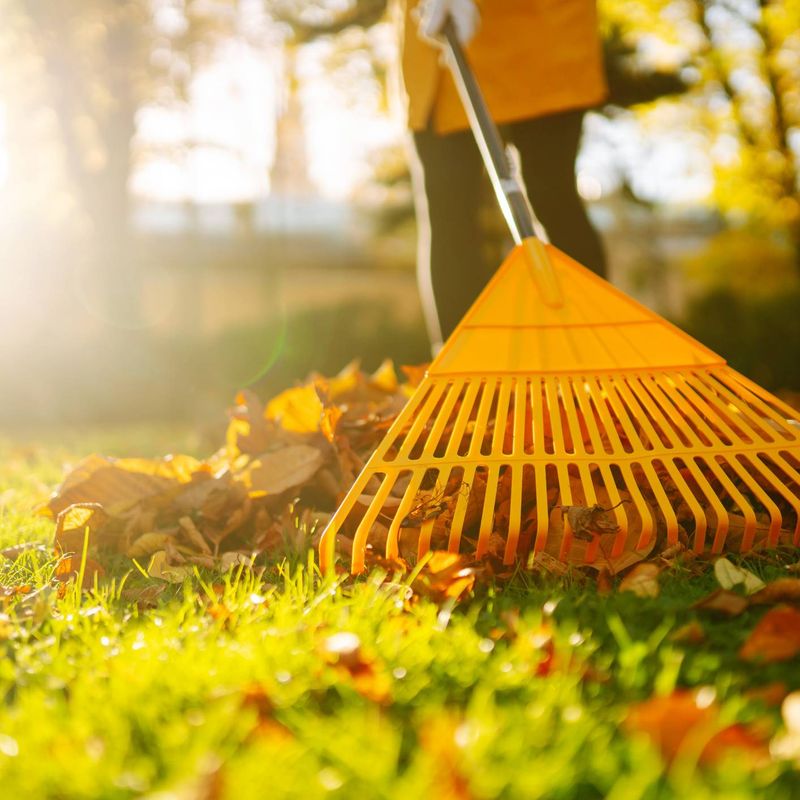
Those crunchy brown leaves piling under your pomegranate are more than a tidy-yard problem waiting for the rake. In north Florida the shrub drops most of its leaves in fall, while southern trees often keep more foliage.
Many fallen leaves carry spores from fungal leaf spot, which shows up as small dark blotches. UF/IFAS researchers list leaf and fruit spot diseases among the biggest challenges for local pomegranate growers.
Left on the ground, infected debris can give those fungi a cozy place to wait for spring. Once warm rains return, splashing water can carry spores right back onto fresh leaves and flowers.
I like raking under the canopy every week or two until most of the leaves have dropped. Bag the spotted material for the trash, because many backyard compost piles do not get hot enough.
Check the branches too, since shriveled mummy fruit left hanging can hold disease right where new fruit forms. Snip those leftovers off and toss them, even if they look like quirky little holiday ornaments to you.
While you are down there, pull any suckers sprouting from the base that are stealing energy from main stems. Save heavier shaping for late winter, and wipe your pruners with a household disinfectant between cuts.
It is not glamorous work, but a clean floor under the tree gives next season a fresher start. Honestly, I find the steady rhythm of raking leaves strangely relaxing on a breezy fall afternoon outside.
5. Inspect Pomegranate Leaves For Whiteflies And Aphids
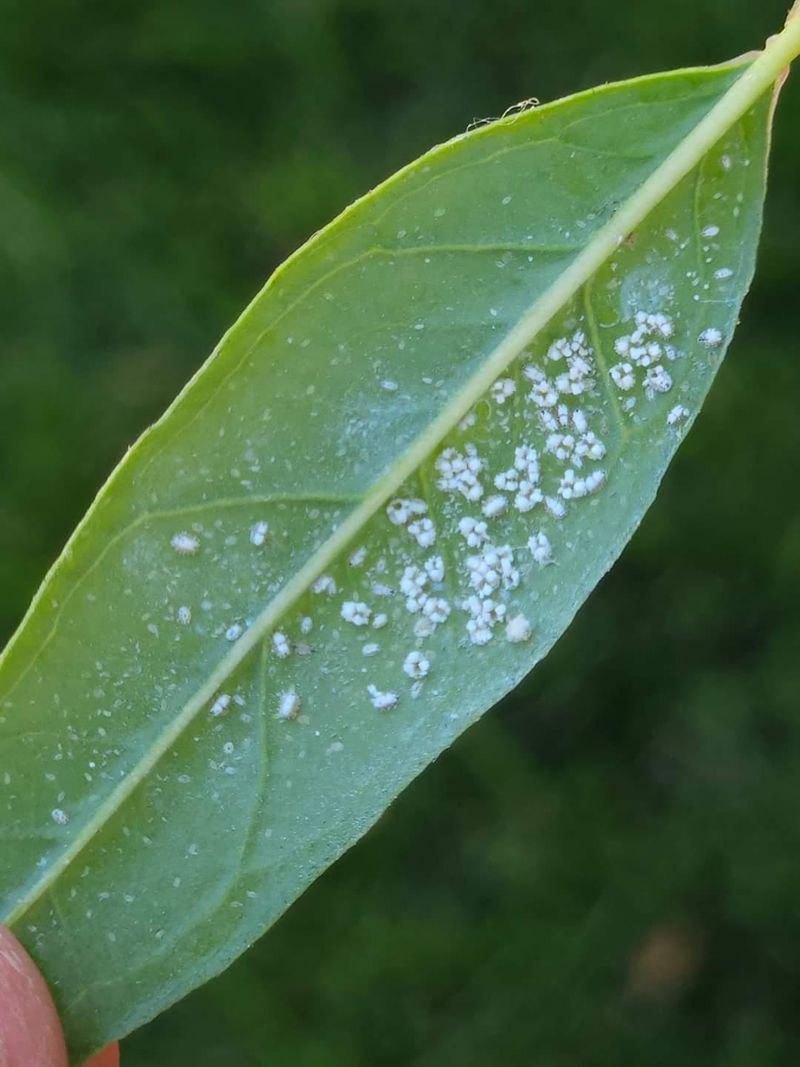
Some of the busiest residents of your pomegranate are smaller than a sesame seed and love hiding under leaves. Our mild weather means many insects keep feeding well after trees up north have gone quiet for winter.
Aphids and whiteflies are frequent visitors, sucking sap and leaving behind a sticky film called honeydew. That shiny goo often grows a black sooty mold, which blocks sunlight from reaching the leaf surface.
Leaffooted bugs are another culprit, and their flattened hind legs look like tiny leaves glued on sideways. They pierce developing fruit, so knocking them into a bucket of soapy water is oddly satisfying.
I make a habit of checking a handful of leaves on each side of the tree once a week. Look for curled tips or sticky shine, and watch for tiny white insects that flutter up when disturbed.
Ladybugs and lacewings gobble aphids happily, so give these helpers a chance before reaching for any spray. A strong blast from the hose knocks many soft-bodied pests loose without harming the good guys.
For stubborn infestations, insecticidal soap or horticultural oil can help when you follow the label carefully. Spray in the cool morning or early evening, since oils can scorch leaves during hot, sunny afternoons.
Keep an eye out for spreading leaf spots as well, because fungal problems love our humid air. Catching trouble early turns a potential headache into a quick five-minute fix, and that feels pretty great to me.
6. Keep Frost Cloth Ready For Young Pomegranate Trees
Mature pomegranates can shrug off temperatures near 10 degrees when fully dormant, which still amazes me. Young trees and tender new shoots are a different story, especially when a cold front sneaks in early.
Pomegranates grow well across much of Florida, though Panhandle gardens see far more freezing nights than Miami does. Knowing your local frost history helps you decide how much protection your particular tree really needs.
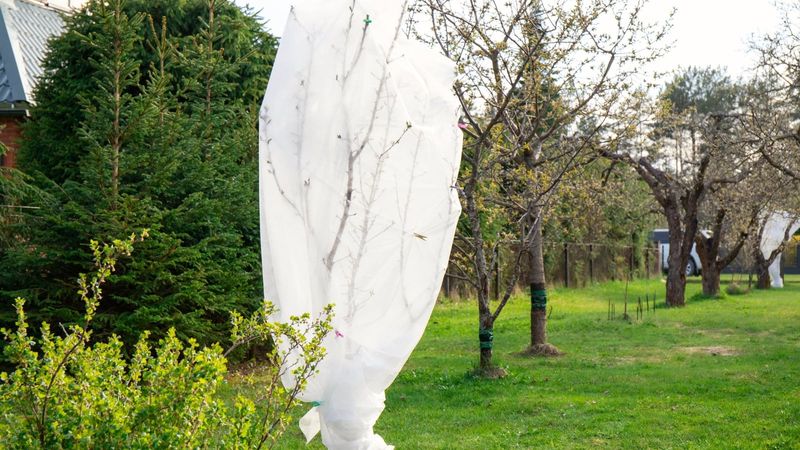
I keep a frost cloth folded in the garage now, so I am not scrambling in the dark later. Old bedsheets work in a pinch, but avoid plastic touching leaves, because it can transfer cold directly.
Drape the cover all the way to the ground so it traps warmth rising from the soil overnight. Pull it off the next morning once temperatures climb, giving the leaves sunshine and fresh air again.
Moist soil holds and releases heat better than dry soil, so watering a day before a freeze can help. Skip this step if the ground is already soggy, since waterlogged roots bring their own problems.
Container trees have the easiest escape route, because you can roll them into a garage or onto a covered porch. Wrapping big pots with burlap helps protect roots, which feel the chill faster than roots in the ground.
If a freeze nips a few branch tips anyway, resist the urge to cut them off right away. Wait until new growth appears in spring, and then you will clearly see which wood needs trimming.
7. Put Down The Pruners And Fertilizer Bag Until Late Winter
Sometimes the smartest move in the garden is to sip your coffee and admire the tree instead. I know that itch to tidy and feed everything in fall, but pomegranates prefer a quieter approach right now.
Heavy pruning in late fall can wake up buds and push out soft new shoots at the worst time. That tender growth has little chance to toughen up before a cold night arrives and damages it.
Late winter, just before buds swell, is the classic window for shaping and thinning crowded stems. Pomegranates fruit on short spurs along older wood, so gentle cuts keep plenty of those productive spurs.
Fertilizer follows the same logic, because a late dose of nitrogen encourages leafy growth when trees should rest. Extension guidance generally schedules feedings between late winter and summer, then lets trees slow down naturally.
Pomegranates are fairly light feeders anyway, and too much nitrogen can mean lush leaves with fewer flowers. Plenty of gardeners learn that lesson the hard way, ending up with gorgeous green shrubs and barely any fruit.
Use this quiet season to plan instead, jotting down which branches crossed or crowded the center this year. A simple soil test through your county extension office can also guide smarter feeding next spring.
Patience feels strange for an eager gardener, but resting trees are building strength we cannot see. Give yours a calm winter, and I suspect those bright red blossoms will reward you when warm weather returns.