Lemon Trees In Georgia Need Protection Before November Freezing Temperatures Arrive
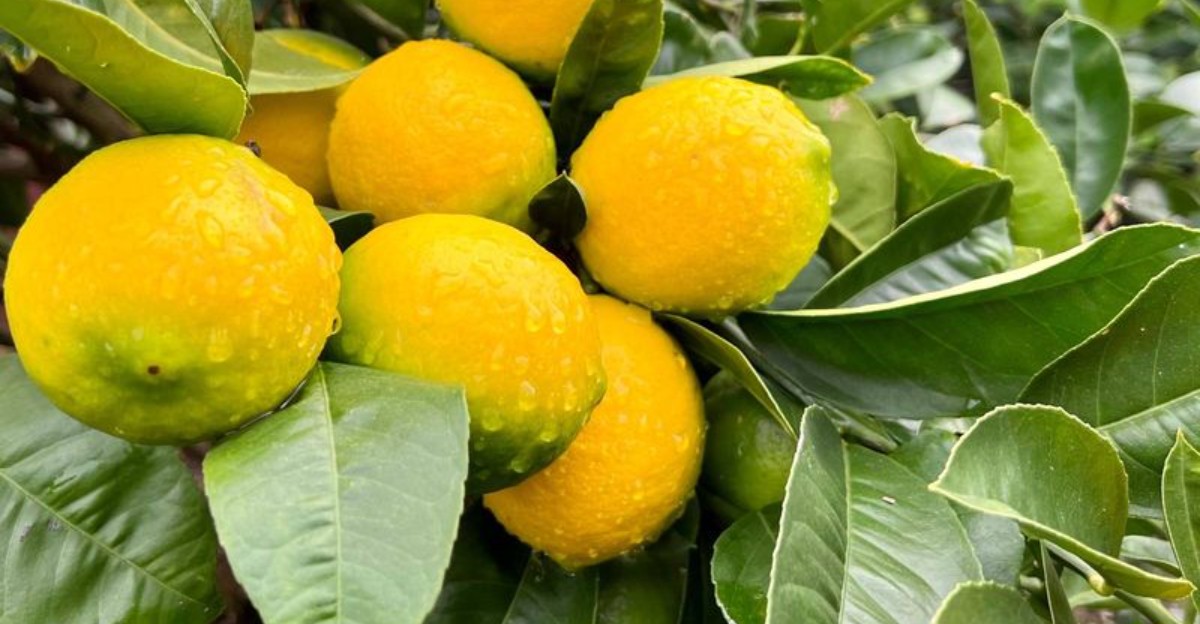
A few hours at 28 degrees can turn a juicy, sunny fruit into mush on the branch. That fruit grows happily in backyards across Georgia, and plenty of folks up north refuse to believe it.
The trouble is timing. Atlanta usually sees its first freeze around mid-November, while north Georgia towns can get frosty weeks earlier.
Coastal yards often stay mild until late November, so your calendar depends on your zip code.
I love the idea of picking fresh fruit in December without leaving home. I think that sweet payoff is worth a little planning and a few old blankets.
You need to act before the cold shows up, not after.
Keeping those trees glossy and green through a chilly night takes a few clever tricks. They’re cheaper than you’d guess, and a couple of them might make you laugh.
1. A Few Degrees Below Freezing Can Ruin Lemon Branches Overnight
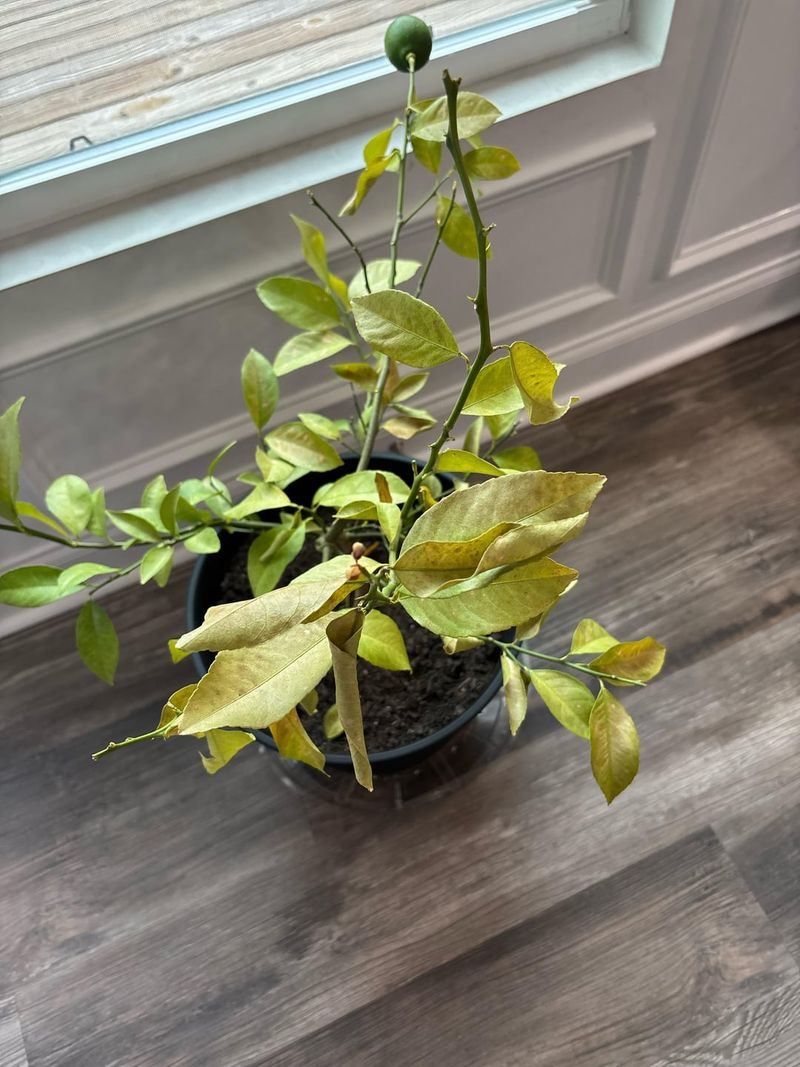
Lemons are the drama queens of the citrus family. Satsumas and kumquats shrug off cold that would leave a lemon tree sulking for months.
According to University of Georgia Extension, citrus tends to suffer freeze injury once temperatures drop below 28 degrees. Lemons sit near the top of the sensitivity list, so a night in the mid-20s can badly harm leaves, twigs, and even larger limbs.
The fruit can freeze solid at 26 to 28 degrees if the cold lingers for several hours.
Age matters a lot too. Trees up to about four years old have thin bark and small root systems, which makes them far more vulnerable than older trees.
There is one interesting twist. Citrus can toughen up a bit if it experiences a stretch of cool weather below 50 degrees before the freeze arrives.
That slow change helps the tree handle slightly lower temperatures.
A sudden cold snap after a warm fall is the scariest scenario. I watch the forecast closely in November for exactly that reason.
Knowing your tree’s weak points helps you decide which nights call for action and which ones you can sleep through without worry.
2. Frost Cloth Draped To The Ground Keeps Lemon Trees Warmer
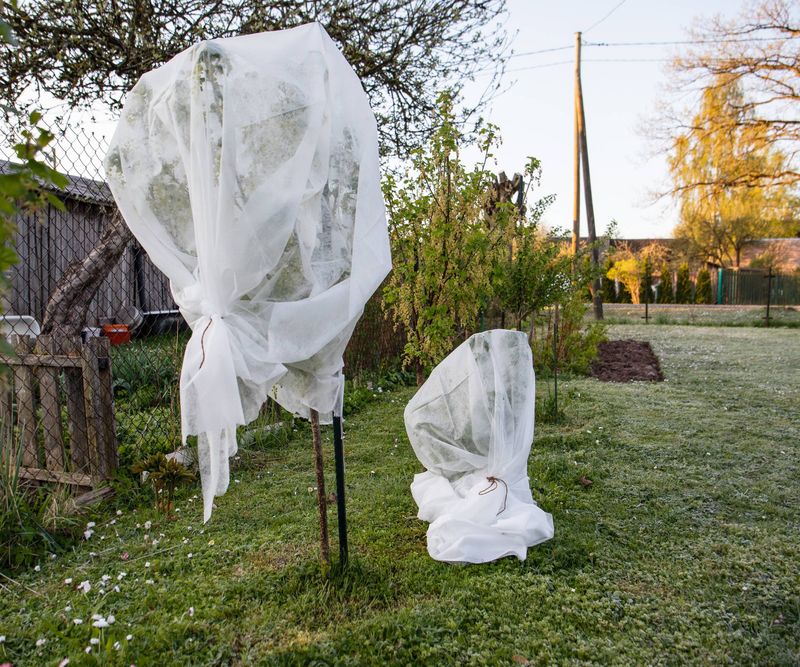
Old quilts finally have a second career. When a freeze is forecast, covering your lemon tree is one of the most effective moves you can make.
Frost cloth, blankets, or purpose-made tree covers all work. The key detail is length, since the cover should reach the ground.
Heat rises from the soil at night, and a cover that touches the earth traps that warmth around the tree like a tent.
Drape the fabric loosely over the canopy. Anchor the edges to the ground with bricks or stakes rather than tying it tightly around branches, which can snap twigs and leak heat.
Skip plastic sheeting touching the leaves. It conducts cold directly to foliage and can overheat the tree once the sun comes up.
On truly bitter nights, UGA Extension suggests placing one or two incandescent light bulbs under the cover for extra warmth. Use outdoor-rated cords and fixtures, and keep bulbs from touching fabric.
Modern LED bulbs give off very little heat, so they won’t do the job.
Remove or open the cover the next morning once temperatures climb. Your tree needs sunlight, and trapped daytime heat can stress it.
3. Potted Lemon Trees Belong Indoors Below 36 Degrees
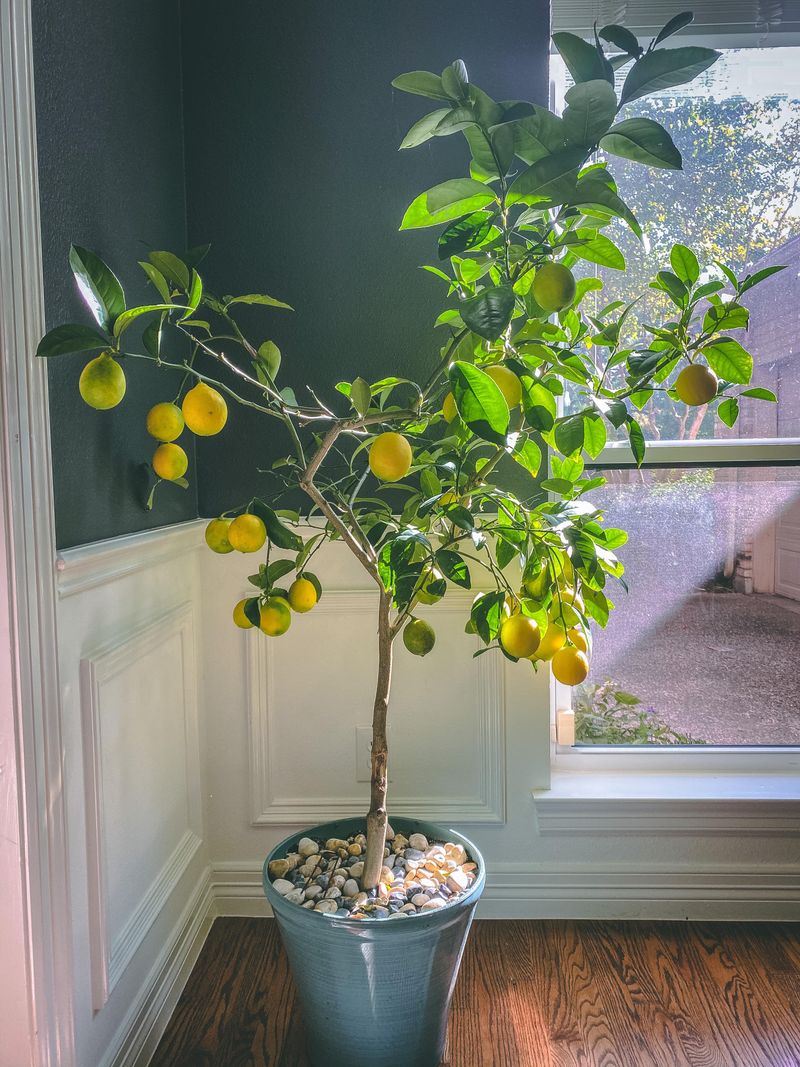
Container growers get the easiest escape plan of all. Roll the pot inside, and the freeze becomes someone else’s problem.
Potted lemons are actually more exposed than trees in the ground. Their roots sit above soil level, surrounded by cold air on every side.
That makes the root zone chill fast on a frosty night.
UGA Extension recommends moving container citrus indoors when temperatures are forecast to drop below 36 degrees. A garage, shed, greenhouse, or enclosed porch can serve as a cozy winter shelter.
Bright light is best, so a spot near a window helps the tree keep its leaves.
Here’s a tip from my own back-and-forth shuffling. A sturdy plant dolly with locking wheels saves your back and makes quick moves painless.
Water sparingly while the tree is indoors, since it grows slowly in winter. Let the top inch or two of soil dry before watering again.
Once warm days return, bring the tree back outside on mild afternoons. Gradual moves help it adjust, and you’ll be ready again if another cold front sneaks in.
Meyer lemons are popular for pots because they stay compact and fruit young.
4. Banking Soil Around Young Lemon Trunks Saves The Graft
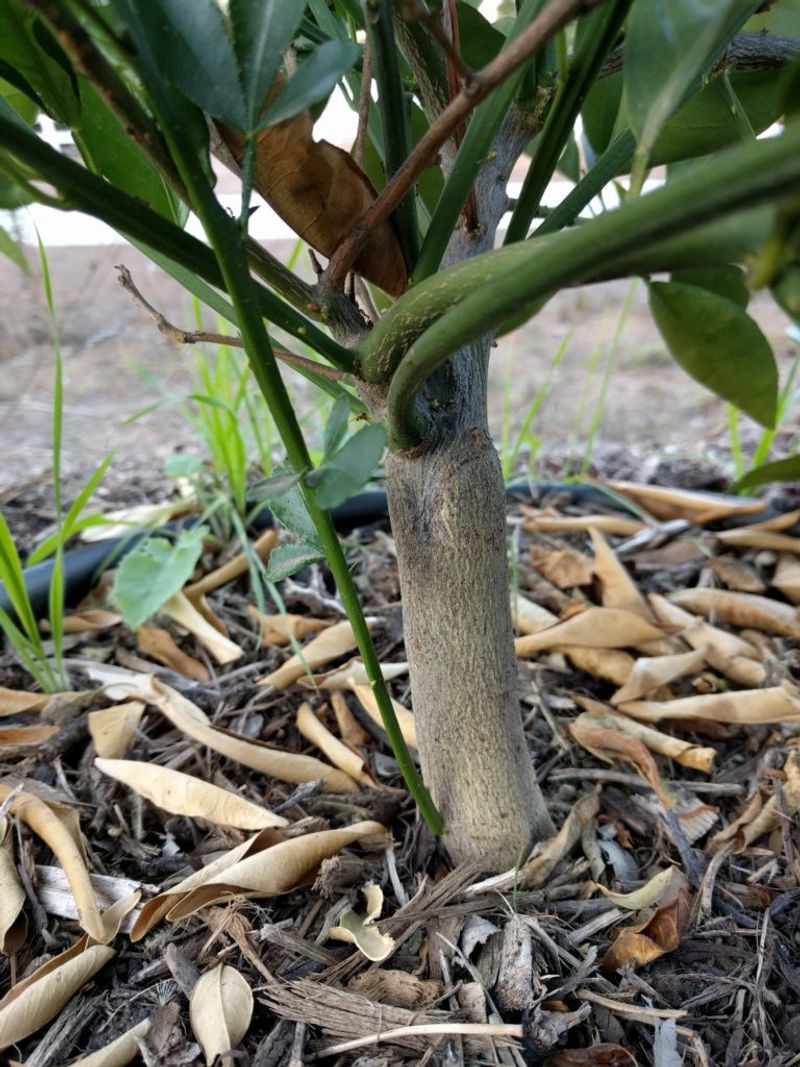
Old-school citrus growers had a clever trick long before fancy covers existed. They simply piled dirt around the trunk.
Soil banking works best for young trees up to around four years old. Before the first freeze, mound clean soil about 15 inches high around the lower trunk.
The soil insulates the bark and protects the graft union, where the fruiting variety joins the rootstock.
Why does that matter so much? If the top of the tree suffers heavy freeze damage, the protected trunk can still send out new shoots of the right variety.
Without the bank, regrowth may come only from the rootstock, which often produces poor fruit.
Use clean soil free of weeds, mulch, or debris that could hold pests. Some growers wrap the trunk with a protective tree wrap first to make removal easier.
Timing the removal is just as important. Pull the soil back in early spring after your last frost danger passes, since leaving it on through warm weather can invite disease and rot at the bark.
I find this method oddly satisfying. It costs almost nothing, takes about fifteen minutes, and gives a young tree a real safety net.
5. Watering Lemon Tree Roots Before A Freeze Holds More Heat
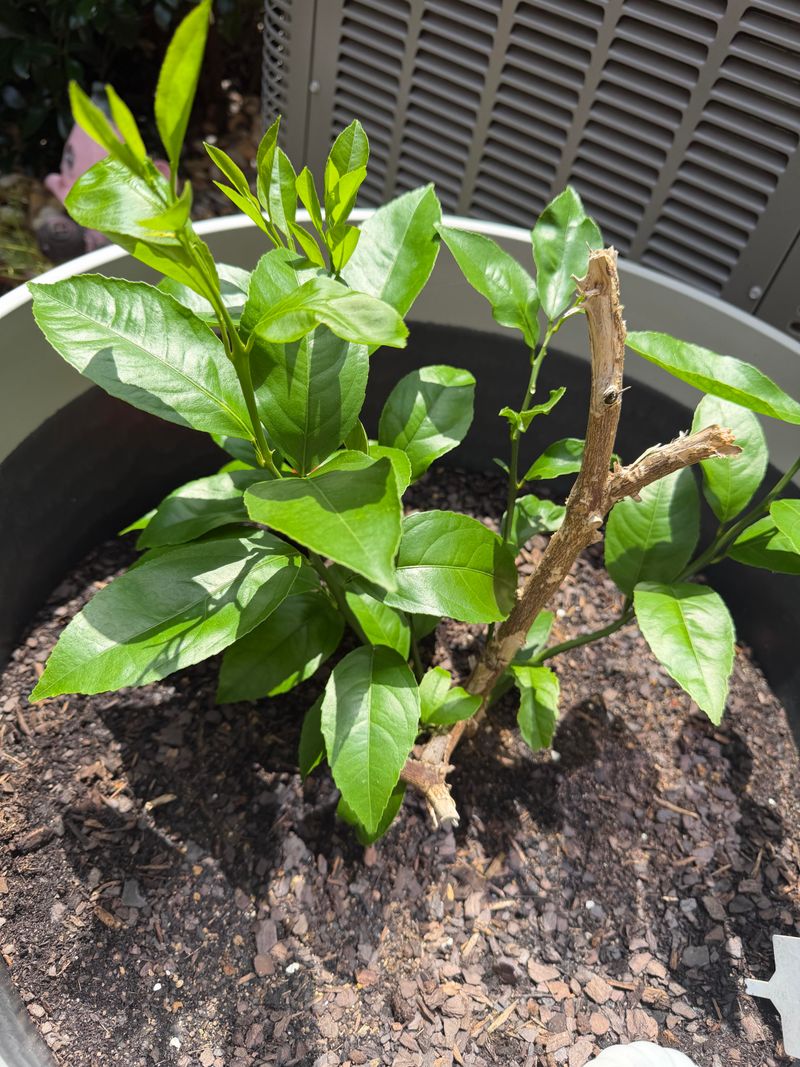
Moist soil is basically a hidden heat battery. It soaks up warmth during the day and releases it slowly through the night.
Dry soil holds far less heat, which leaves roots and lower trunks more exposed. UGA Extension recommends watering your trees well a day or two before freezing temperatures are expected.
Aim for deep, steady moisture rather than a soggy mess.
Overwatering brings its own trouble. Lemon trees hate wet feet, and waterlogged roots can rot, so check that the soil drains well.
Some growers also use sprinklers during a freeze. The idea is that freezing water releases heat, which helps protect the plant.
Continuous overhead irrigation for freeze protection requires carefully calculated application rates based on temperature, wind, and humidity, so homeowners should not attempt it without professional guidance.
Here is the catch. You must keep the water running until temperatures climb back above freezing and the ice begins melting.
Stopping early can make damage worse.
For most home gardeners, a deep soak plus a good cover is the simpler and safer combination. I save the sprinkler method for folks with reliable water pressure and some patience.
Either way, thirsty trees face winter at a disadvantage.
6. A South-Facing Wall Gives Lemon Trees A Warm Hideout
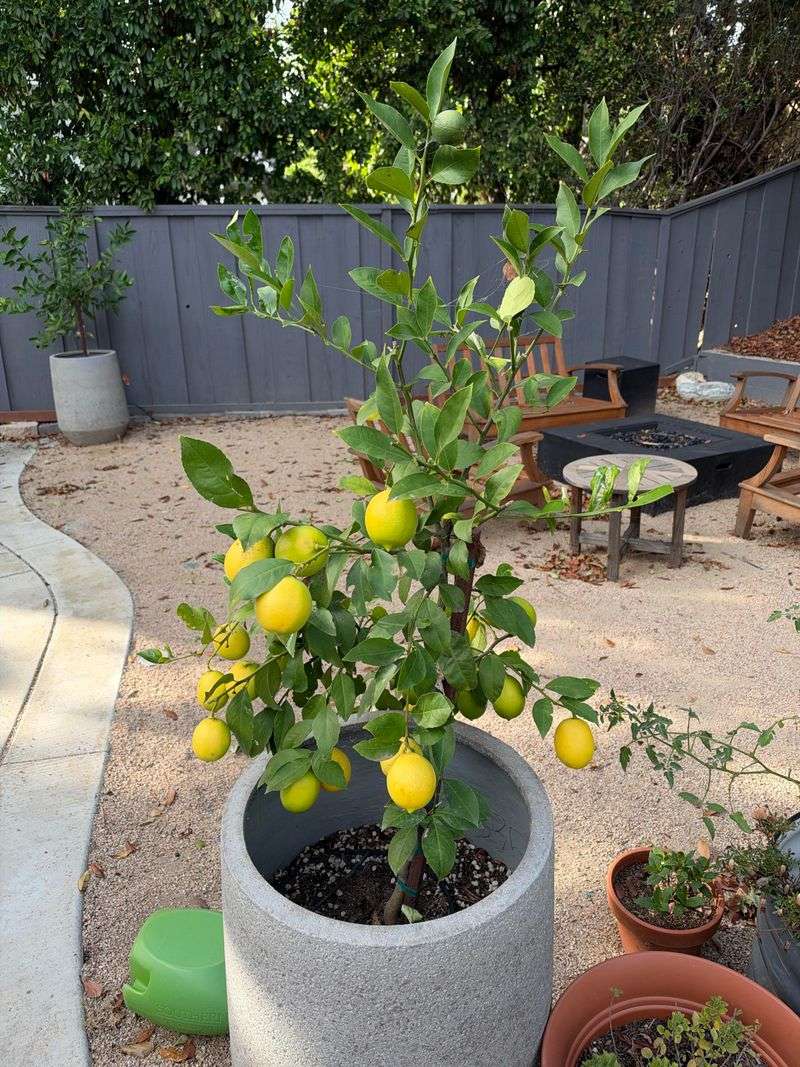
Real estate agents preach location, and lemon trees agree. Where you plant can mean several degrees of difference on a frosty night.
A spot on the south side of a house or building is ideal in Georgia. The wall soaks up sunshine all day and radiates warmth after dark.
It also blocks chilly north winds, which can strip heat from leaves fast.
Tall trees nearby offer surprising help too. UGA Extension notes that citrus planted under or near tall pines often gets some protection, because the canopy reduces heat loss and frost formation on the plants below.
Steer clear of low spots in your yard. Cold air sinks and pools in dips, so a tree at the bottom of a slope may freeze while one higher up stays fine.
Good drainage matters as much as warmth. Lemons struggle in heavy, soggy clay, so raised beds or amended soil can help.
If your tree already sits in a chilly corner, don’t panic. You can lean harder on covers, mulch, and watering.
For future plantings, though, a sunny, sheltered wall might be the best gift you give your citrus.
7. Late Summer Fertilizer Leaves Tender Lemon Leaves Exposed
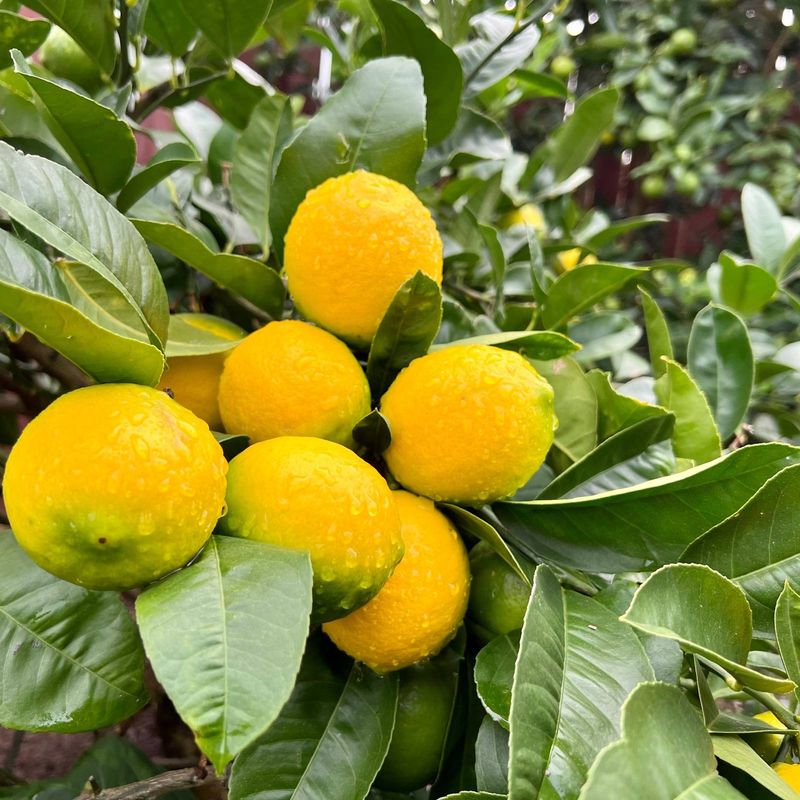
Feeding your tree in September feels generous. Sadly, it can backfire once November rolls around.
Fertilizer encourages a flush of soft, bright green growth. That fresh foliage hasn’t had time to harden, so it’s far more easily damaged by cold than mature leaves.
UGA Extension advises stopping fertilizer after August for this exact reason.
Think of it as letting your tree settle down for winter. Slower growth in fall helps the tissues toughen up as nights cool.
Pruning works the same way. Heavy cuts in late summer or fall can trigger new shoots, so save major pruning for late winter or early spring after frost danger passes.
I learned this one the hard way. A burst of pretty new leaves turned crispy brown after one cold night, while the older growth looked fine.
A balanced citrus fertilizer applied from late winter through summer gives your tree everything it needs. Follow the label rates, and spread feeding across several applications rather than one big dose.
Healthy, well-fed trees going into fall handle stress better, as long as that feeding stopped on time.
8. Mulch Rings And Clean Ground Help Lemon Trees All Winter
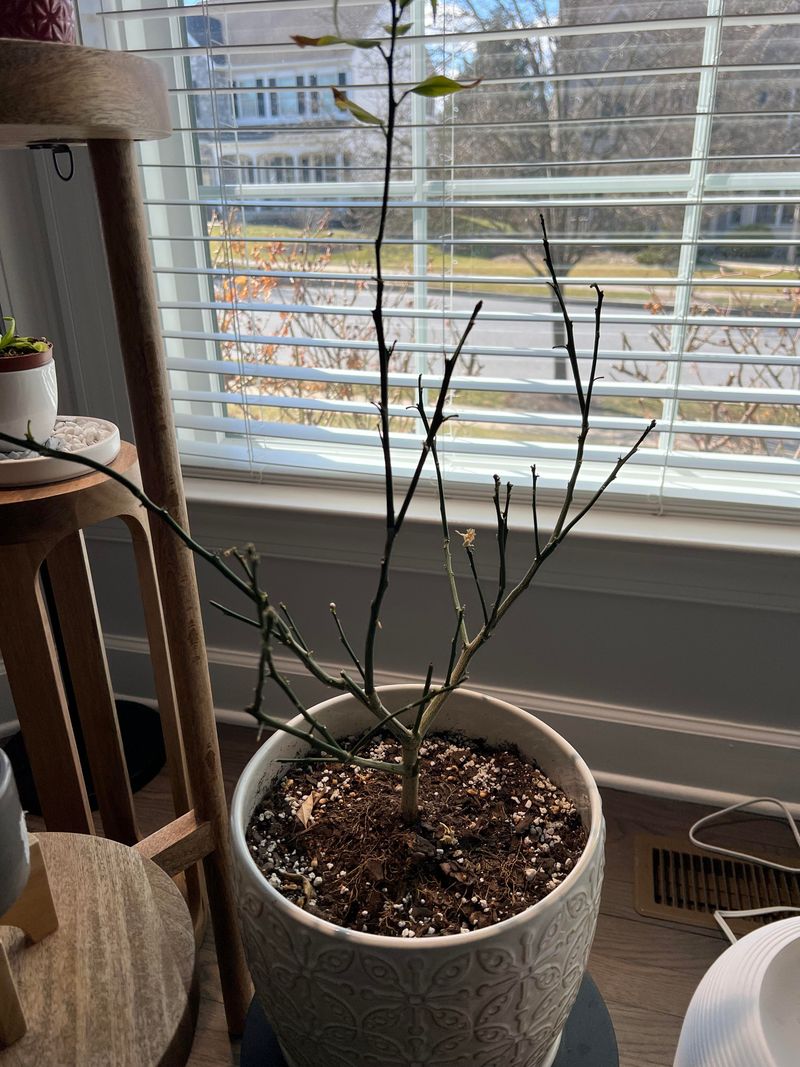
Winter protection doesn’t start with a forecast. It starts with small habits you keep all year.
Keeping grass and weeds away from the tree reduces competition for water and nutrients, while mulch helps moderate soil temperature and protect roots during cold weather.
Mulch helps roots too. Spread a layer 3 to 4 inches deep in a ring about 2 feet wide, keeping it roughly 6 inches away from the trunk.
That gap prevents moisture buildup against the bark, which can invite rot.
Pine straw is a popular, affordable choice in Georgia. Shredded bark works well too.
Make a simple freeze kit now. Gather frost cloth, bricks, stakes, a thermometer, and a plant dolly for pots, then store them where you can grab them fast.
Check the National Weather Service forecast for your area as November approaches. North Georgia gardeners may need that kit by late October, while coastal growers can often wait longer.
A little preparation today means more homegrown lemonade this winter.