Snakes After Heavy Rain: What Florida Homeowners Should Watch For
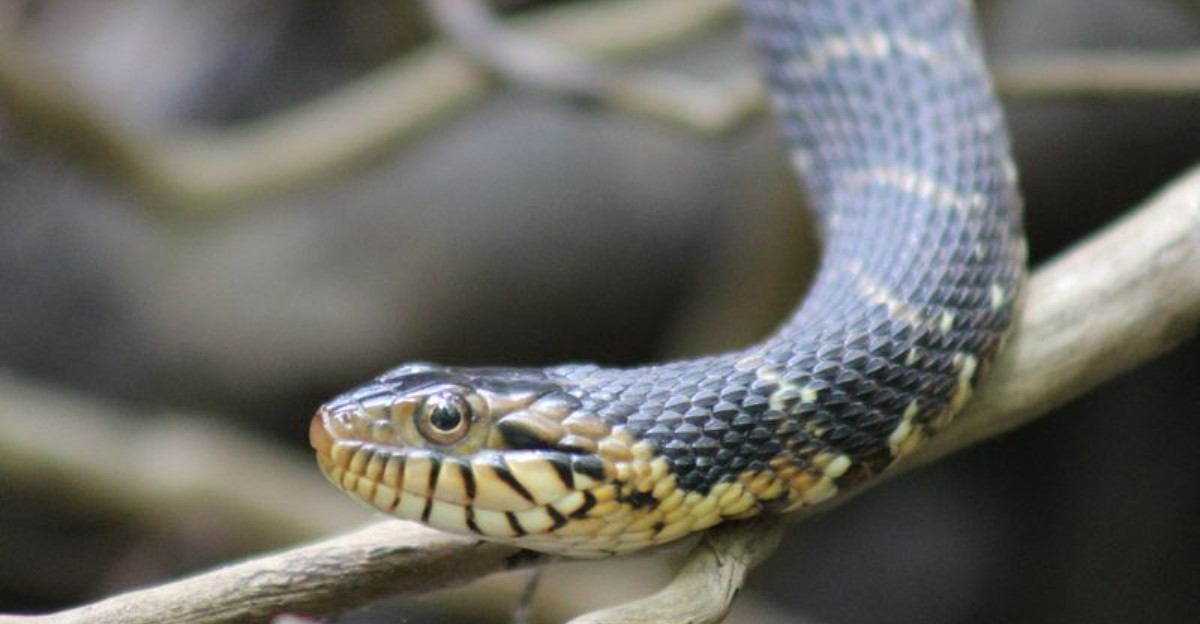
Some snakes in Florida can stay underwater for an hour or more, yet a big storm can still chase them right out of their homes. I find that wild, since you would expect water to be their happy place.
Flooded burrows, soggy leaf piles, and swamped ditches leave plenty of scaly locals looking for higher ground. Your porch steps, garage, and garden beds suddenly look like dry real estate. Frogs start singing after a downpour, too, and hungry hunters notice.
hese days, my first move after a summer storm is a slow scan of the lawn, long before my hand ever touches the hose.
You do not need to panic, though. Most of these visitors are harmless and helpful neighbors who just want to get somewhere safe.
Could you tell a harmless garden helper from the one worth giving a wide berth?
Flooded Burrows Send Snakes Looking for Your Dry Porch
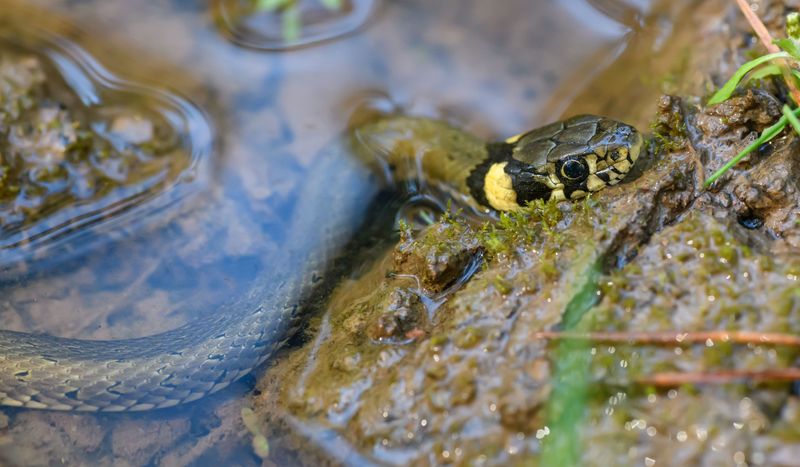
Water fills the ground fast during a summer storm. Gopher tortoise burrows, rodent tunnels, and the spaces under logs can turn into little swimming pools in minutes.
Snakes living in those spots have a simple choice. They move up and out, looking for the nearest dry ground.
In a neighborhood, that often means a raised patio, a stack of pavers, a woodpile, or the foundation of your house.
University of Florida wildlife experts point out that snakes do not seek people after rain. They are just relocating, the same way you would leave a flooded room.
Most will move on once the ground drains and their usual hideouts dry out.
Timing matters, too. The rainy season mostly runs from about late May through October across much of the state, and that lines up with peak snake activity.
Warm temperatures keep these cold-blooded animals busy, and afternoon thunderstorms add a regular shuffle.
You will likely notice more snakes on sidewalks, driveways, and pool decks for a day or two after a soaking. Walk slowly, look where you step, and give any traveler a few feet of space.
A little patience usually solves the whole visit.
Singing Frogs Bring Hungry Snakes Right Behind Them
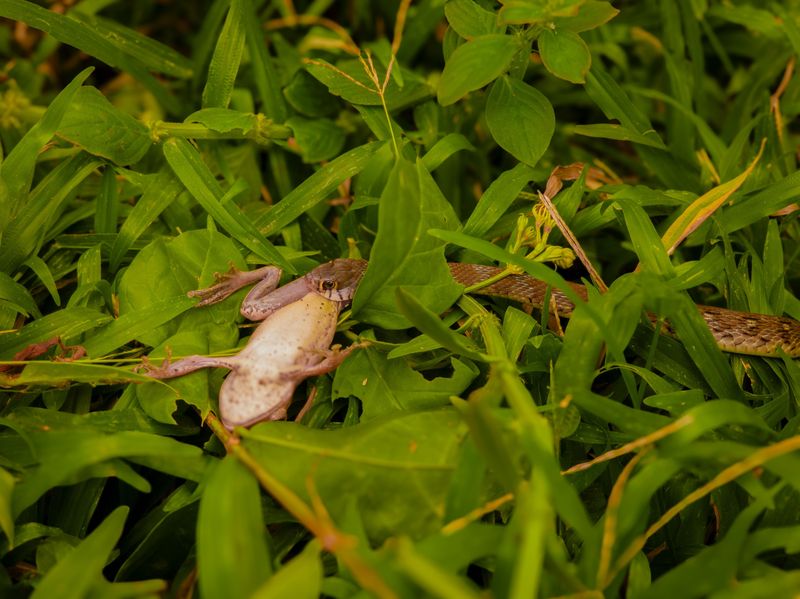
Ever noticed how loud the night gets after a big rain? That chorus of frogs and toads is basically a dinner bell for a lot of snakes.
Amphibians breed in fresh puddles, ditches, and retention ponds after storms. Water snakes, garter snakes, ribbon snakes, and hognose snakes all love a frog or toad meal.
Cottonmouths will happily eat them, too.
So when your yard fills with hopping critters, the hunters follow. I once counted six frogs around one outdoor light after a storm, and sure enough, a garter snake showed up the next evening.
Porch lights play a sneaky role here. Lights attract insects, insects attract frogs, and frogs attract snakes.
Switching to yellow bug lights or motion-sensor lights can cut down that whole chain near your doors.
Standing water is the other piece. Tip out buckets, empty plant saucers, and fix low spots that hold water for days.
You will also cut down on mosquitoes, which is a nice bonus during a muggy summer.
Watch your step near ponds, pool edges, and drainage ditches in the evening. Those are the busiest snake buffets in the yard after heavy rain, especially around dusk and after dark.
Cottonmouths and Rattlesnakes Are the Ones Worth Knowing
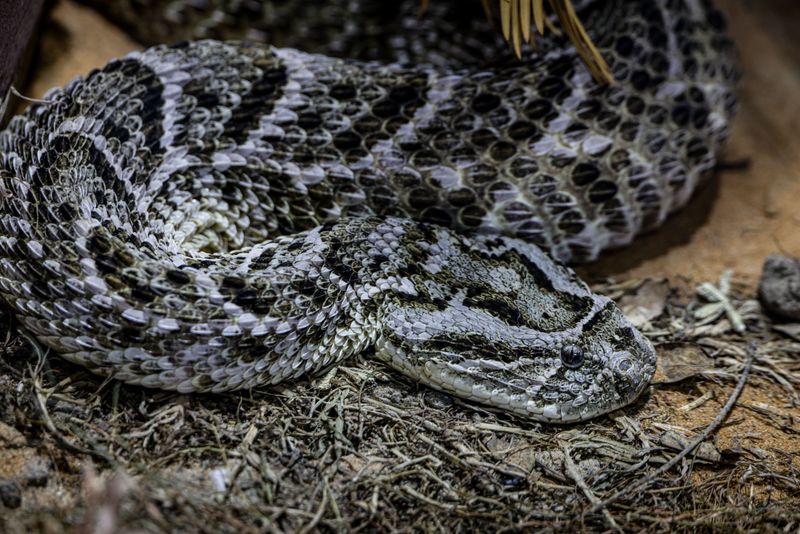
Florida has more than 40 native snake species, and only six are venomous. Learning those six makes post-storm yard checks a lot less stressful.
The list includes the eastern diamondback rattlesnake, the timber or canebrake rattlesnake, the dusky pygmy rattlesnake, the eastern copperhead, the cottonmouth, and the eastern coral snake. Copperheads live only in a small part of the Panhandle, so most homeowners will not run into one.
Cottonmouths deserve extra attention after flooding. They live in and around water and often move to higher ground when swamps and ditches overflow.
Adults are thick-bodied and dark, and they may open their white mouths as a warning.
Pygmy rattlesnakes are small and easy to miss in leaf litter. Their rattle sounds more like a buzzing insect, so look closely before reaching into flower beds.
Coral snakes are shy and secretive, with red, yellow, and black bands. Red bands touching yellow bands point to a coral snake.
Still, I would skip rhymes and just treat any brightly banded snake with respect.
Most bites happen when people try to handle or harm a snake. Staying back is your strongest protection.
That Thick Water Snake Is Probably Not a Cottonmouth
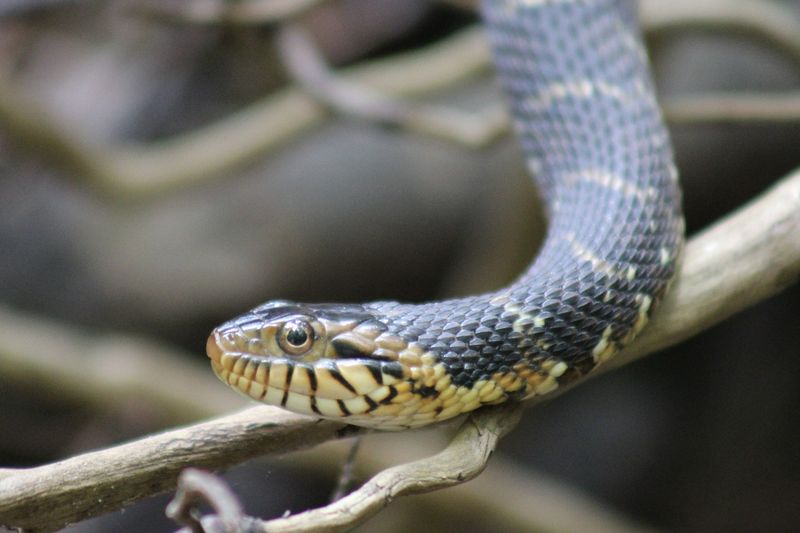
Here in the wet season, harmless water snakes get blamed for a lot. People spot a chunky, dark snake near a pond and yell cottonmouth, but odds are good it is a banded, brown, or Florida green water snake.
Water snakes are nonvenomous, though they can bite if grabbed. They often flee into the water and swim with mostly their heads above the surface.
Cottonmouths tend to float higher, with much of the body riding on top of the water.
Head shape is a shaky clue. Many harmless snakes flatten their heads when nervous, which makes them look triangular.
Experts with the Florida Fish and Wildlife Conservation Commission suggest leaving identification to photos taken from a safe distance.
Other friendly faces after storms include the southern black racer, the eastern garter snake, the corn snake, and the rat snake. Racers are slim, glossy, and fast.
Corn snakes have pretty orange and red blotches.
I like snapping a quick zoomed-in picture and checking it later. UF’s Florida Museum has a handy online snake ID guide organized by region and pattern.
Learning a few common species turns fear into fascination pretty quickly.
Give That Snake in the Garden Bed Some Room
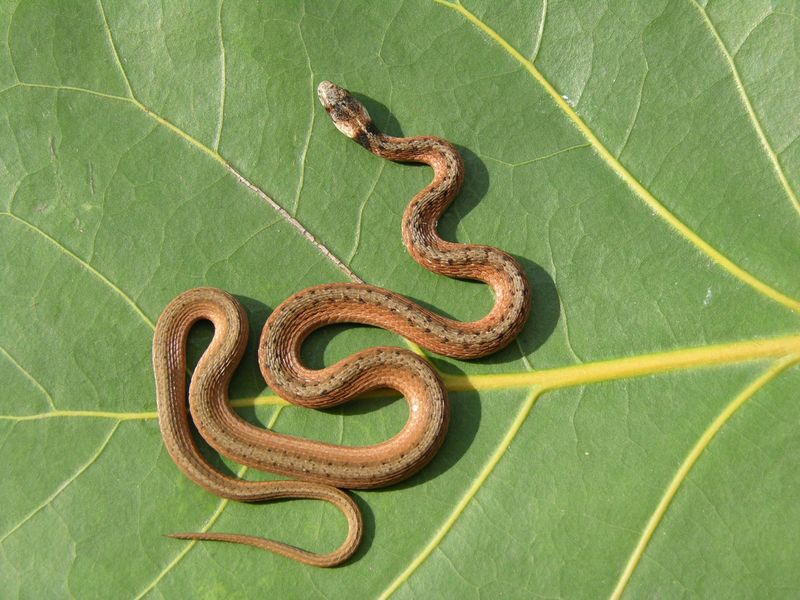
My best advice is boring but smart. When you find a snake, take a few steps back and let it leave.
Snakes cannot hear the way we do, but they feel vibrations and spot movement. Most will glide away once they sense you are not a threat.
A distance of about six feet keeps you well out of striking range for most species.
Keep kids and pets inside or on leashes until the snake moves on. Dogs are curious and often get bitten on the face or legs while sniffing around.
If your pet is bitten, call your veterinarian or an emergency clinic right away.
For people, a venomous bite needs fast medical care. Call 911, keep the bitten area still and at about heart level, and remove rings or tight items nearby.
Skip ice, cutting, sucking, and tourniquets, because those old tricks cause more harm.
The Florida Poison Information Center can also help at 1-800-222-1222. Save that number in your phone before storm season.
Wear closed shoes and gloves while cleaning up storm debris. A flashlight at night helps, too.
A Snake in the Garage Calls for a Calm Plan
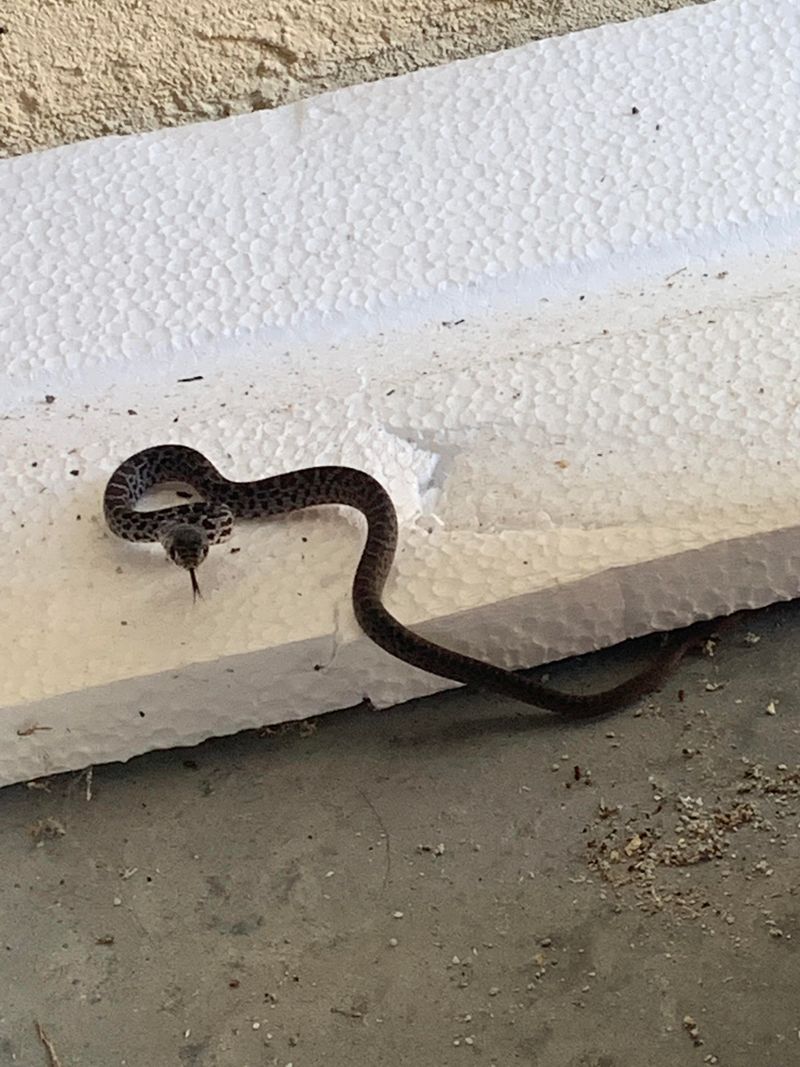
Finding a snake in the garage feels a lot scarier than seeing one in the lawn. Breathe first, then make a plan.
Open the garage door or an outside door and give the snake a clear exit. Many will slip out on their own within an hour, especially once things quiet down.
Close interior doors so it cannot wander deeper into the house.
If the snake is clearly harmless and you feel confident, a broom can gently nudge it toward the door. Some people tip a tall trash can on its side, sweep the snake in, and carry it outside.
Release it nearby in brushy cover, since moving it far away can stress it.
Unsure about the species? Do not try anything.
Keep your eyes on where it goes and call a licensed wildlife trapper or snake removal service.
Afterward, look for how it got in. Gaps under garage doors, open dryer vents, and cracks around pipes are common entry points.
A door sweep and some sealant can close most of them.
Snakes slipping indoors are more common after storms, so a quick check is worth the effort.
Storm Debris Piles Make Perfect Snake Hideouts
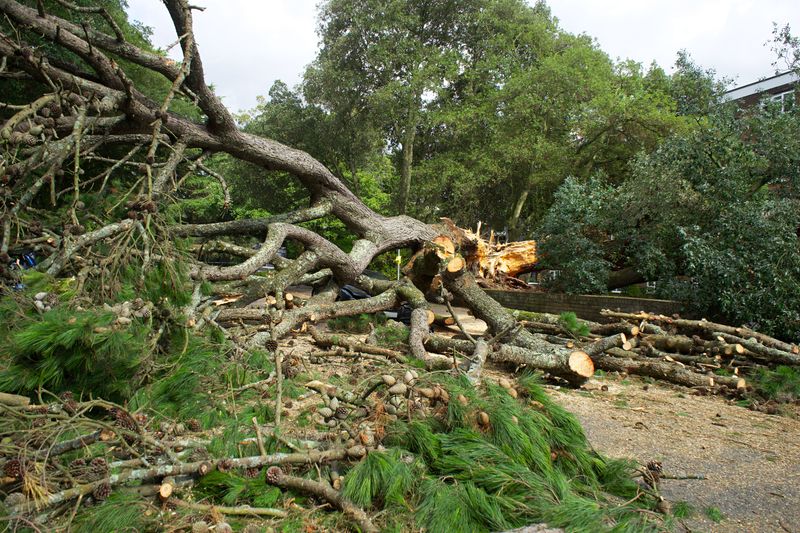
After a storm, fallen palm fronds and branch piles look like chores to us. To a snake, they look like a five-star hotel.
Clear debris as soon as it is safe, and wear gloves and boots while you work. Lift items toward you, so anything hiding underneath moves away from your body.
Use a rake or grabber instead of bare hands.
Keep grass mowed and trim shrubs off the ground near your house. Snakes prefer cover, so open space makes them feel exposed.
Stack firewood on a rack at least a foot off the ground, away from walls.
Rodents are another big draw. Store bird seed, chicken feed, and pet food in sealed bins, and pick up spilled seed under feeders.
Fewer mice means fewer rat snakes and rattlesnakes cruising by.
Skip the mothballs and sulfur powders. UF experts note that so-called snake repellents show little proof of working, and mothballs used outdoors can break pesticide label rules.
Snake fencing made of fine mesh, buried a few inches deep, can protect a small play area. For most yards, though, tidy habits do most of the work.
Florida Law Protects Most Native Snakes in Your Yard
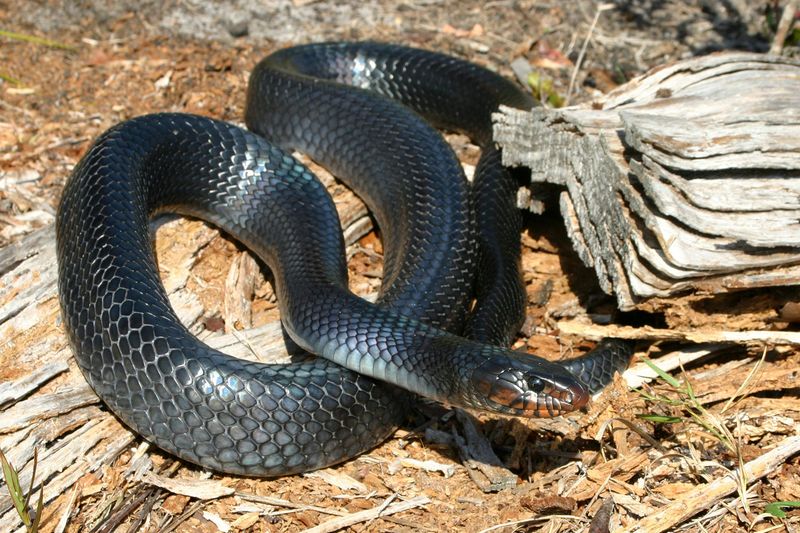
Plenty of folks are surprised to learn that native snakes have legal protection. Under rules from the Florida Fish and Wildlife Conservation Commission, you generally cannot harm or take most native snakes without permission.
Some species carry extra protection, like the threatened eastern indigo snake. This big, glossy blue-black snake is harmless and even eats venomous snakes.
Harassing one can bring federal and state penalties.
Nonnative species follow different rules. Burmese pythons and other invasive constrictors can be humanely removed on private property with the landowner’s permission, and FWC encourages people to report them.
Honestly, the law and common sense point the same way. Native snakes help your garden by eating rats, mice, slugs, and even other snakes.
A single rat snake can cut down a rodent problem around a shed.
If snakes keep showing up, call a licensed nuisance wildlife trapper. They can remove the animal legally and spot what keeps drawing it in.
The best takeaway after heavy rain is simple. Tidy up, watch your step, learn your local species, and let most of these visitors keep doing their quiet pest control work.