Long Blooming North Carolina Flowers To Plant In April For Color All Summer
April is the perfect time in North Carolina to plant flowers that will keep your garden full of color well into summer.
As the soil warms and days grow longer, many plants settle in quickly and start building toward a long season of blooms.
Choosing varieties known for lasting color can make a big difference in how your garden looks over time.
Instead of short bursts of flowers, these plants keep producing, bringing steady beauty to beds, borders, and containers.
North Carolina’s climate gives them a strong start, especially when they are planted before the heat of summer arrives.
With the right mix, you can enjoy bright, lively color without constant replanting or extra effort. If you want a garden that stays vibrant for months, these long blooming flowers are a great place to begin.
1. Black-Eyed Susan (Rudbeckia hirta)
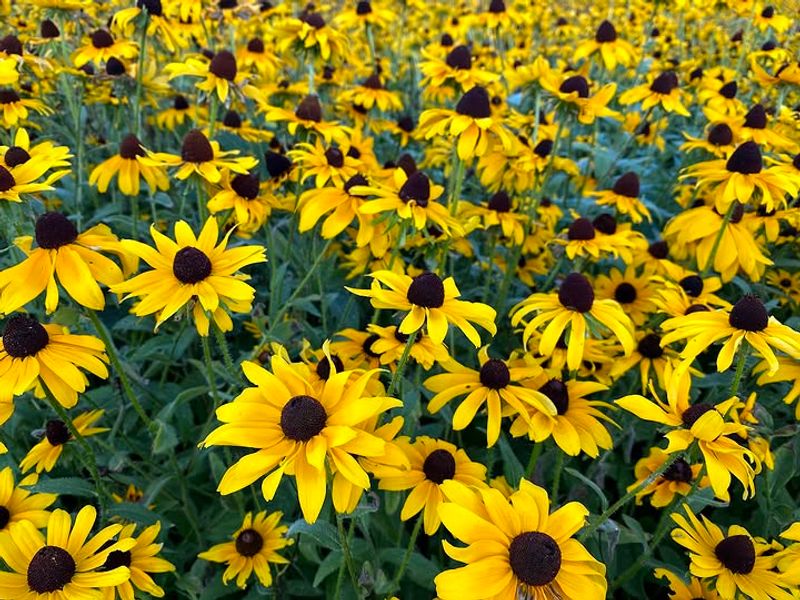
Few flowers feel as cheerful and dependable as Black-Eyed Susans lighting up a summer garden.
Their bold yellow petals and deep chocolate-brown centers make them impossible to miss, and North Carolina gardeners have relied on them for generations.
Plant them in April and they will reward you with blooms starting in early summer that stretch all the way into fall.
Black-Eyed Susans thrive in full sun and handle average or even poor soil without complaint.
They are extremely heat-tolerant, which makes them a natural fit for the long, hot summers across the Piedmont and Coastal Plain regions of North Carolina.
Once established, they need very little watering, making them a smart, low-maintenance choice for busy gardeners.
Deadheading spent flowers encourages fresh buds to keep forming, extending the bloom season even longer.
You can also leave some seed heads standing at the end of the season to attract birds and allow natural reseeding.
Bees and butterflies absolutely flock to these flowers, turning your garden into a buzzing, fluttering haven.
Pair them with purple coneflowers or ornamental grasses for a stunning, naturalistic combination that looks effortless all summer long in any North Carolina yard.
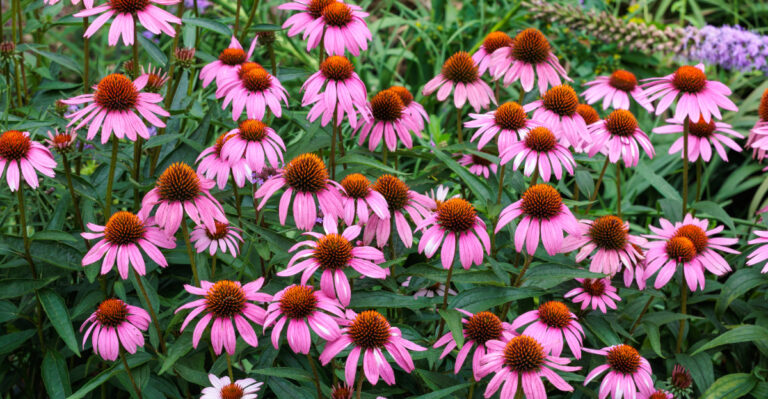
2. Purple Coneflower (Echinacea purpurea)
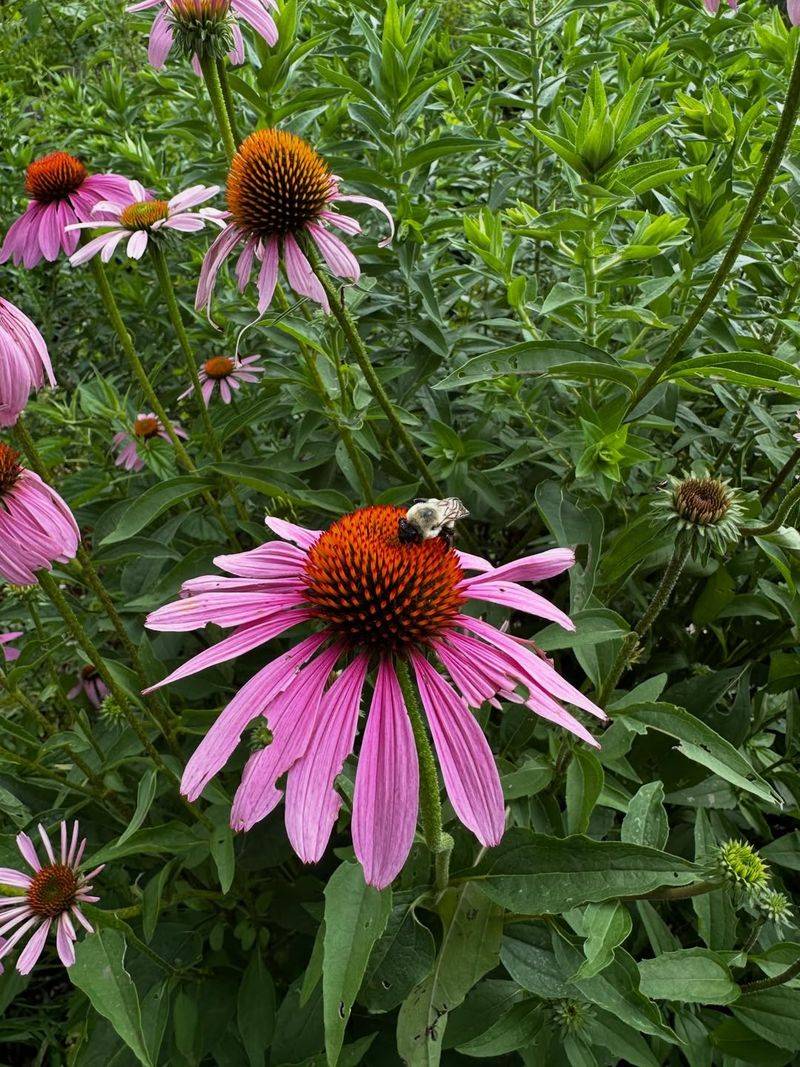
Purple Coneflower is one of those plants that earns its place in the garden every single year. Native to the eastern United States, it is perfectly suited for North Carolina’s warm summers and humid conditions.
The rosy-purple petals droop slightly from a raised, spiky orange-brown center, giving it a wild, natural look that feels right at home in any garden style.
Plant it in April in a spot with full sun and well-drained soil, and you will start seeing blooms by early summer. The flowers keep coming for months, especially when you remove faded blooms regularly.
Even when you leave old flower heads standing, they become beautiful seed structures that goldfinches love to visit during late summer and into fall across North Carolina.
Beyond its looks, Purple Coneflower is famous for attracting an impressive variety of pollinators.
Bees, butterflies, and even hummingbird moths visit regularly, making your garden feel alive with movement and sound.
It handles drought reasonably well once its roots are established, which comes in handy during those dry stretches that hit central and western North Carolina.
Your North Carolina Garden Changes Every Week. Your Plan Should Too.
Gardening in North Carolina changes quickly throughout the season. Every Friday you’ll receive a simple weekly plan showing exactly what to plant, prune, fertilize, harvest, and protect so you never miss the right timing.
Plant it in groups of three or five for the biggest visual impact, and combine it with Black-Eyed Susans or ornamental grasses to create a bold, low-care summer display.
3. Blanket Flower (Gaillardia pulchella)
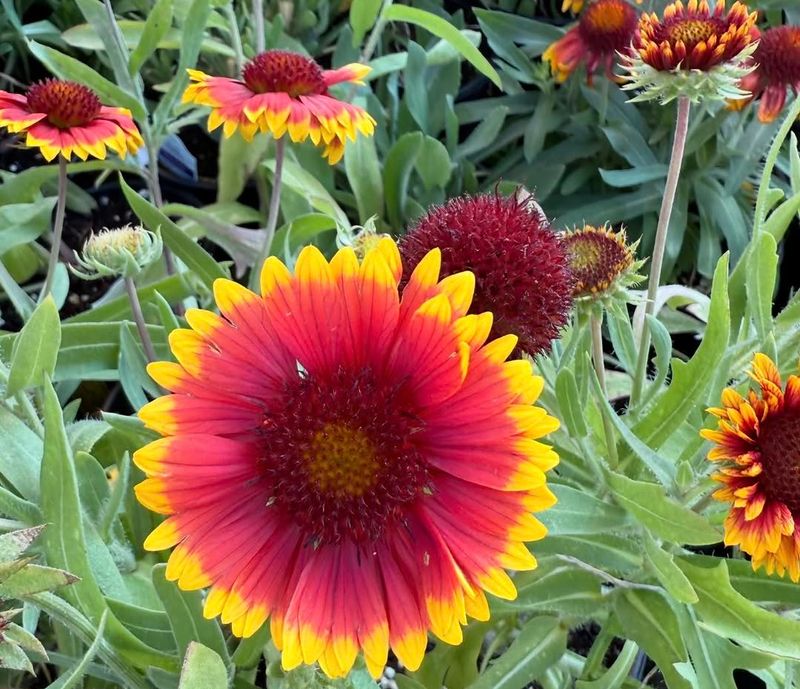
If you want nonstop fireworks in your garden all summer, Blanket Flower is your answer. The blooms look like tiny sunsets, with rings of fiery red fading into golden yellow tips that make every flower look painted by hand.
North Carolina gardeners love this plant because it performs brilliantly even in sandy, nutrient-poor soil where other plants struggle to survive.
Blanket Flower thrives in full sun and actually prefers soil that is not too rich. Planting it in April gives it plenty of time to root in before the summer heat arrives, and once it gets going, the blooms just keep coming.
Deadhead regularly to encourage continuous flowering, and you will have color from late spring straight through to the first cool nights of autumn.
One fun fact about Gaillardia: it was named after a French patron of botany, Maître Gaillard de Charentonneau, giving this tough little wildflower a surprisingly fancy backstory.
It is native to North America and well adapted to the heat and humidity found along North Carolina’s Coastal Plain.
Drought tolerance is one of its best qualities, making it ideal for gardeners who want beautiful color without constant watering.
Plant it along sunny borders or in rock gardens where the soil drains fast and the sun shines all day long.
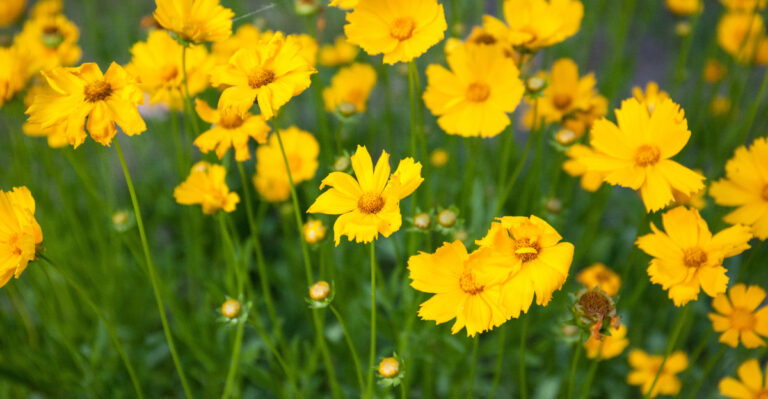
4. Coreopsis (Coreopsis lanceolata)
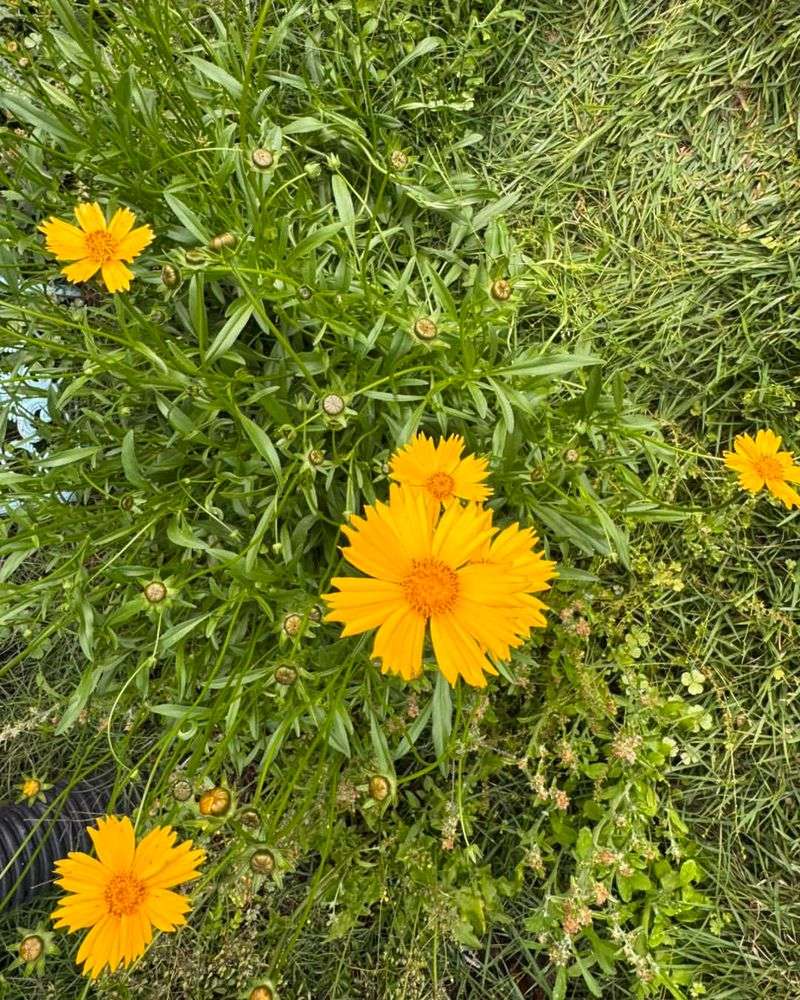
Bright, sunny, and almost impossible to mess up, Coreopsis lanceolata is one of the most rewarding plants you can put in a North Carolina garden.
Commonly called Lance-Leaf Coreopsis, it produces cheerful golden-yellow flowers from late spring and keeps blooming well into summer.
A light trim after the first big flush of flowers encourages a strong second wave of blooms that carries the show forward.
Plant it in April in a full-sun location with well-drained soil, and it will settle in quickly. This plant is native to much of the eastern United States, including North Carolina, so it is already tuned in to the local climate.
It handles heat, occasional drought, and even a bit of neglect without skipping a beat, making it a fantastic choice for beginner gardeners or anyone with a busy schedule.
Coreopsis lanceolata grows to about one to two feet tall, making it perfect for the front or middle of a sunny border.
It pairs beautifully with purple coneflowers and ornamental salvias for a bold, color-rich combination.
Bees and butterflies are frequent visitors, so expect your garden to feel lively and full of action all summer.
Across North Carolina, this plant is often used in roadside plantings and meadow gardens because it naturalizes so easily and spreads gracefully over time without becoming invasive or difficult to manage.
5. Bee Balm (Monarda didyma)
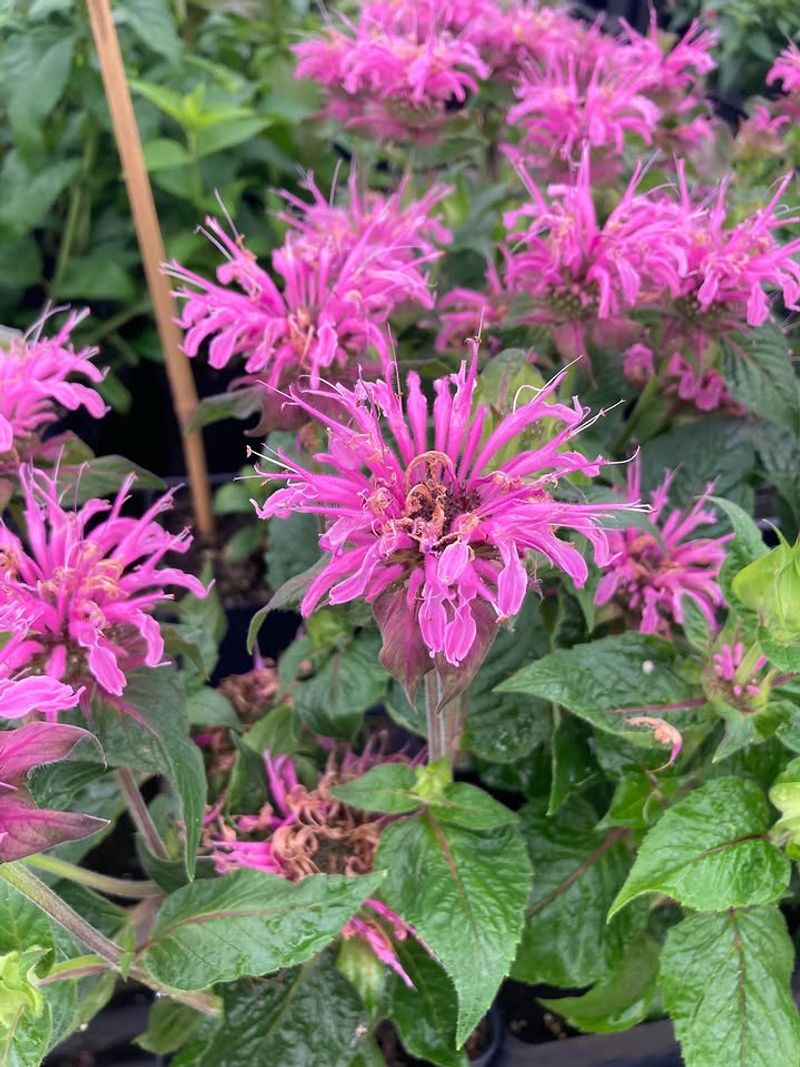
Bee Balm is one of those plants that makes a garden feel truly alive.
The shaggy, firework-like flowers come in vivid shades of red, pink, and purple, and they attract an almost constant parade of bees, butterflies, and hummingbirds from the moment they open.
North Carolina gardeners who want a pollinator powerhouse in their yard should absolutely make room for this native perennial.
It blooms in early to mid-summer, right when gardens need that reliable burst of color. Plant it in April in a spot with full sun to light shade, and make sure the soil stays reasonably moist.
Bee Balm appreciates consistent moisture more than many other summer bloomers, so it is a great choice for spots near a rain garden or in lower areas of the yard that hold a bit more water.
Good air circulation around the plants helps prevent powdery mildew, which can be an issue in humid North Carolina summers.
Choose mildew-resistant varieties like Raspberry Wine or Jacob Cline for the best results. After the first bloom period, cut the plants back by about a third to encourage a second flush of flowers later in the season.
The aromatic leaves also make a pleasant herbal tea, giving this plant a fun, practical bonus beyond its striking garden presence. It is a true North Carolina summer standout from top to bottom.
6. Tickseed (Coreopsis verticillata)
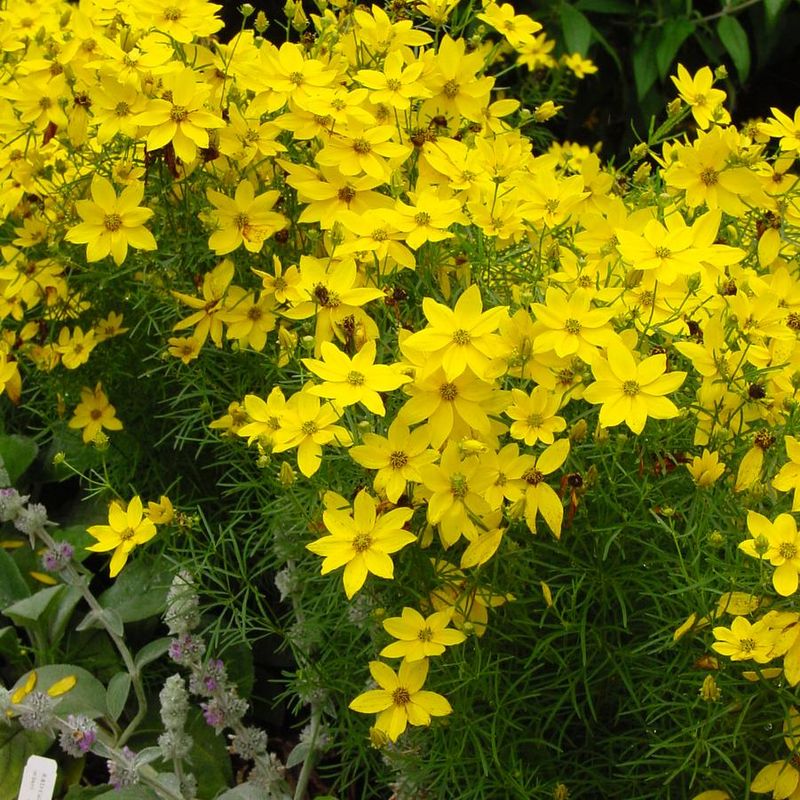
Tickseed, or Coreopsis verticillata, is the kind of plant that looks delicate but is actually incredibly tough.
The feathery, fine-textured foliage creates a soft, airy backdrop for its bright yellow daisy-like flowers that bloom continuously through the entire summer season.
In North Carolina’s warm climate, this plant just keeps producing blooms without much fuss or extra care from the gardener.
Plant it in April in full sun with well-drained soil, and it will be off to a strong start before summer heat arrives.
It is very drought-tolerant once established, which is a huge advantage during the dry spells that often hit North Carolina in July and August.
Unlike some perennials that look tired by midsummer, Tickseed stays fresh and full of flowers right through the hottest weeks of the year.
Popular varieties like Moonbeam, with its soft pale-yellow flowers, and Zagreb, with richer golden tones, are widely available at North Carolina nurseries and garden centers.
Both are excellent choices for borders, cottage gardens, or naturalized meadow-style plantings.
The plant stays relatively compact at one to two feet tall, making it easy to tuck into smaller spaces.
Pollinators love it, and the continuous bloom habit means you rarely need to deadhead to keep it looking great.
Pair it with purple salvias or ornamental grasses for a beautiful, long-lasting summer combination.
7. Garden Phlox (Phlox paniculata)
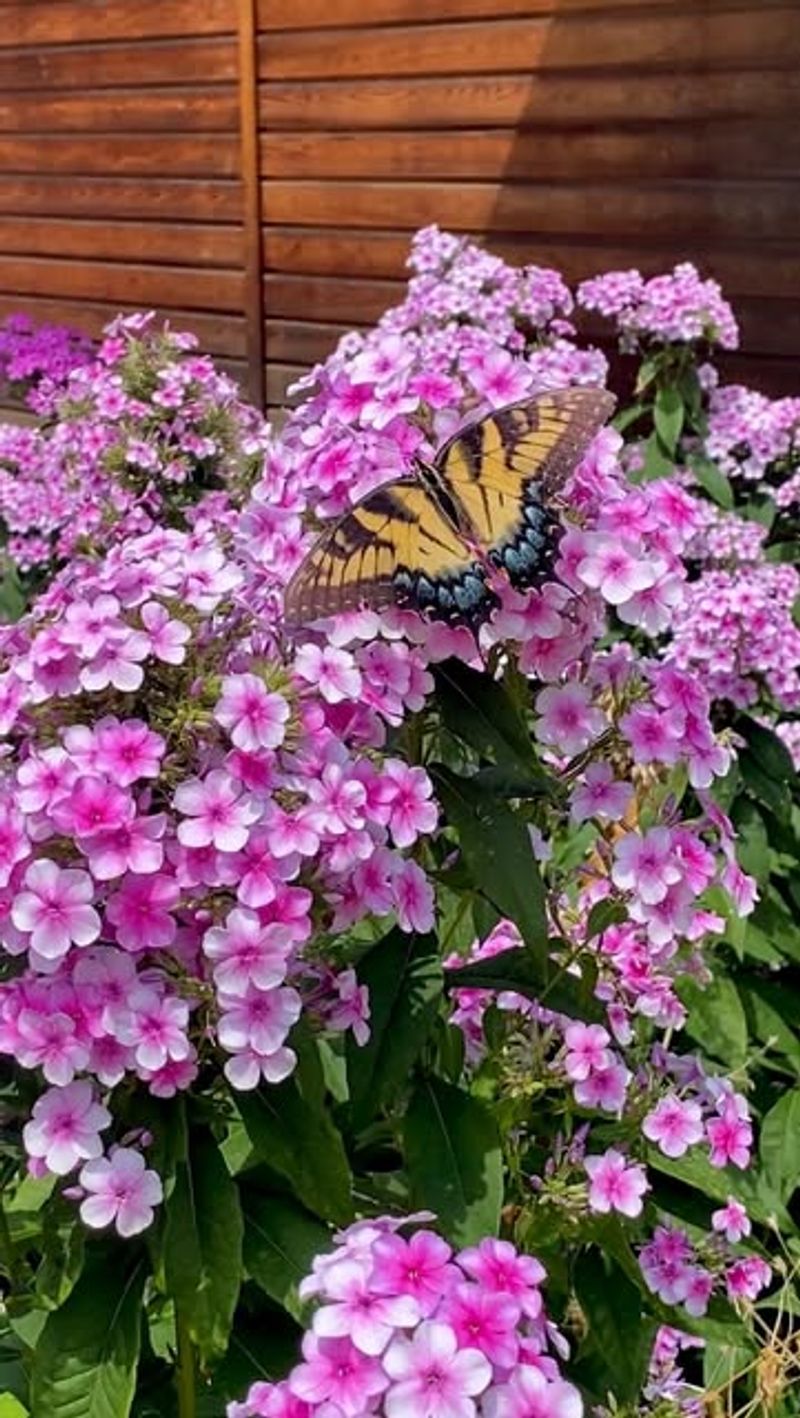
Garden Phlox brings a romantic, old-fashioned charm to summer gardens that is hard to match.
Tall stems topped with large, dome-shaped clusters of fragrant flowers in shades of pink, purple, white, and red make this plant a true showstopper from mid to late summer.
North Carolina gardeners have grown it for generations, and it remains one of the most beloved summer perennials in the region.
Plant it in April in a full-sun location with rich, well-drained soil and good air circulation between plants.
The fragrance is absolutely wonderful, especially in the evening when the scent drifts through the garden and into open windows.
Phlox paniculata is a native perennial that naturally grows in woodland edges and meadows across the eastern United States, so it is well adapted to North Carolina’s climate and conditions.
Powdery mildew can be a challenge in humid summers, so choosing resistant varieties like David, Jeana, or Laura makes a big difference in long-term plant health.
Water at the base of the plant rather than overhead to keep the foliage dry and reduce disease pressure.
Deadhead spent flower clusters to encourage side shoots to bloom and extend the season well into late summer.
Butterflies are particularly fond of Garden Phlox, making it an excellent addition to any North Carolina pollinator garden or mixed summer border where color and fragrance are both welcome.
8. Cardinal Flower (Lobelia cardinalis)
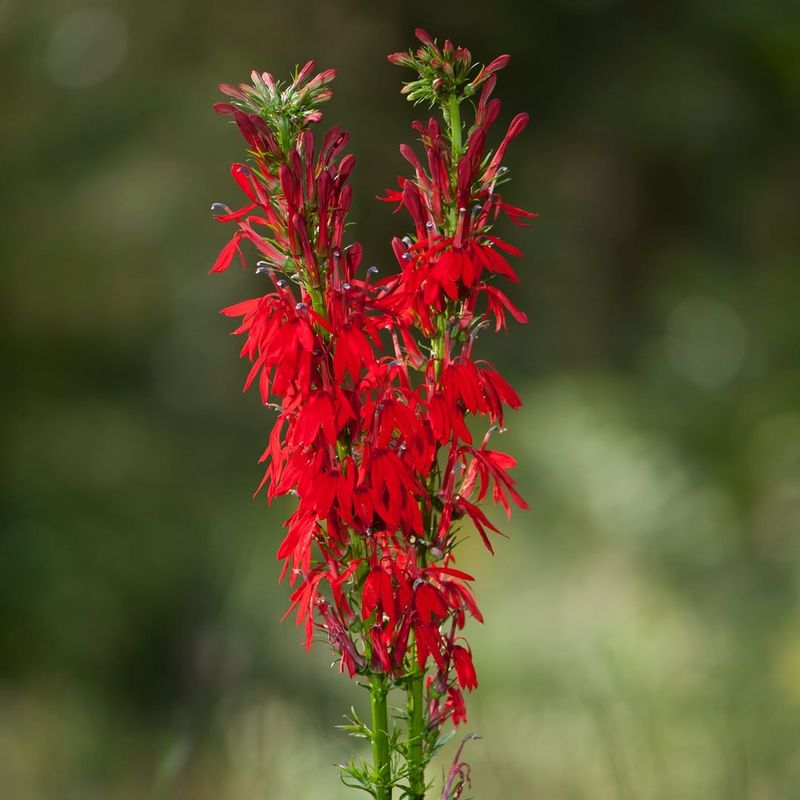
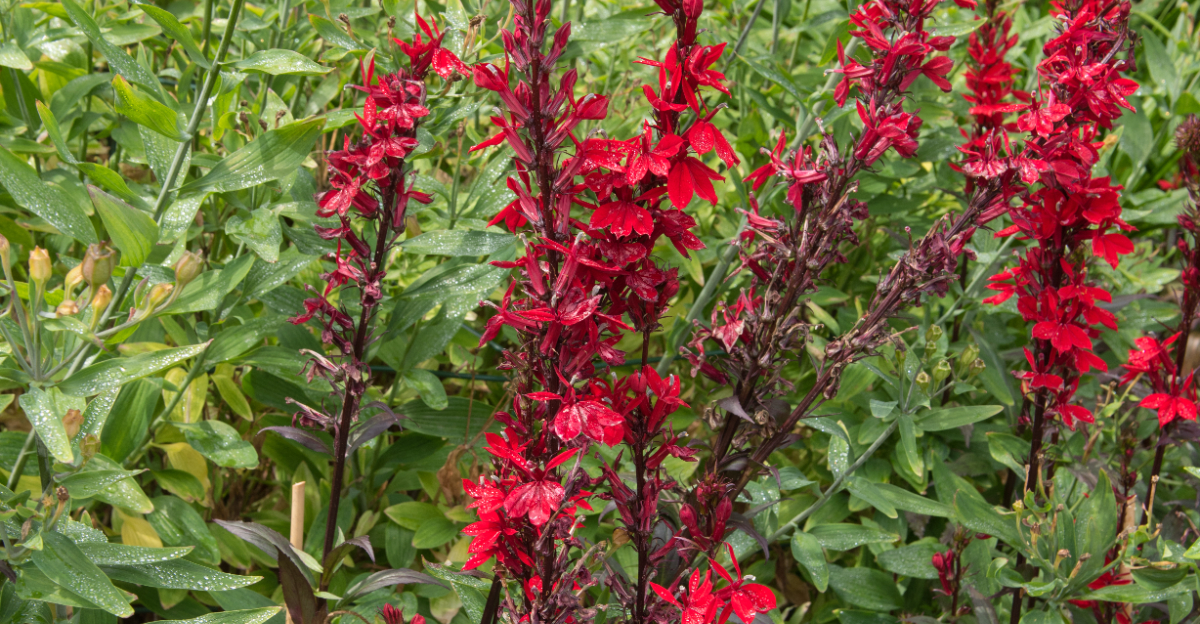
Cardinal Flower stops people in their tracks. The tall spikes of electric-red blooms are so vivid they almost seem to glow against the green summer foliage, and hummingbirds find them absolutely irresistible.
Native to North Carolina and much of the eastern United States, this plant is perfectly suited to the state’s warm, humid summers and thrives in spots where moisture is reliable.
Plant it in April in a location with partial shade to full sun, making sure the soil stays consistently moist throughout the growing season.
It performs especially well near water features, rain gardens, or in low-lying areas of the yard that stay damp after rain.
The blooms appear in mid to late summer, arriving just when many other plants are starting to look a little tired from the heat.
Standing two to four feet tall, Cardinal Flower creates a dramatic vertical accent in any garden bed or border.
Hummingbirds are the primary pollinators because the tubular flowers are perfectly shaped for their long beaks, making this plant a must-have for anyone who loves watching these tiny birds visit the garden.
It often reseeds naturally, so you may find new plants popping up nearby each spring. North Carolina gardeners who love wildlife-friendly planting will find Cardinal Flower to be one of the most rewarding and visually exciting choices for a moist summer garden.
9. Goldenrod (Solidago rugosa)
Goldenrod gets a bad reputation it does not deserve. Many people blame it for fall allergies, but the real culprit is ragweed, which blooms at the same time and releases pollen into the air.
Goldenrod’s heavy, sticky pollen is carried by insects, not wind, making it perfectly safe for most allergy sufferers.
North Carolina gardeners who have discovered this truth are now embracing it as one of the best late-season bloomers available.
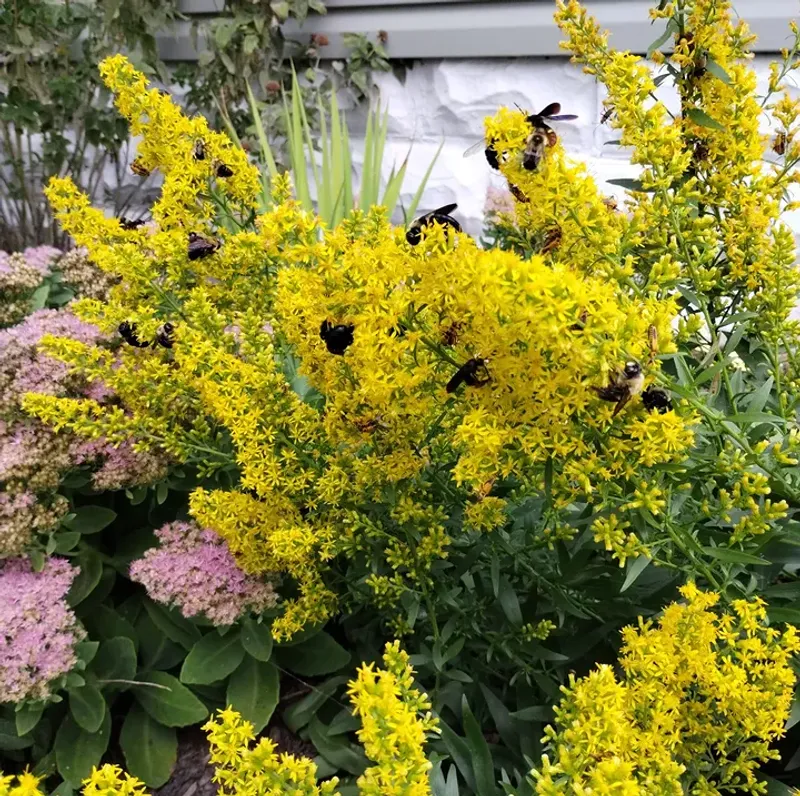
Solidago rugosa, known as Wrinkleleaf Goldenrod, is native to North Carolina and blooms from late summer into fall with arching sprays of bright golden-yellow flowers.
Plant it in April in a sunny spot with average to moist soil, and it will establish quickly and grow with very little extra care.
It handles both dry and wet conditions better than most perennials, making it a versatile choice across different North Carolina garden situations.
The bloom period arrives right when summer gardens often start to look faded, giving your yard a fresh burst of warm golden color just when it is needed most.
Pollinators absolutely love it, with bees and butterflies crowding the flower clusters throughout the blooming season. It spreads gradually by rhizomes, so give it a bit of room to grow naturally.
Pair it with asters or ornamental grasses for a stunning late-summer combination that carries your North Carolina garden all the way into autumn with energy and color.