Long-Blooming Pennsylvania Perennials That Keep Flowering For Three Months Or More
Most perennials have a window. A few weeks of peak bloom, a tapering off, and then a long stretch of foliage contribution until the season ends.
That’s a perfectly reasonable trade for the right plant in the right spot. But for gardeners who want sustained color without constantly replanting or rotating annuals through beds, the perennials that bloom for three months or more are in a different category entirely.
They’re not rare or exotic. They’re just underused. Pennsylvania has the climate to support some genuinely long blooming perennials, plants that start flowering in early summer and keep going through September, October, and in some cases right up to the first hard frost.
For garden beds that need reliable, low maintenance color across the longest possible stretch of the season, these are the plants worth building around.
Here are the long blooming Pennsylvania perennials that earn their place in the garden month after month.
1. Coreopsis
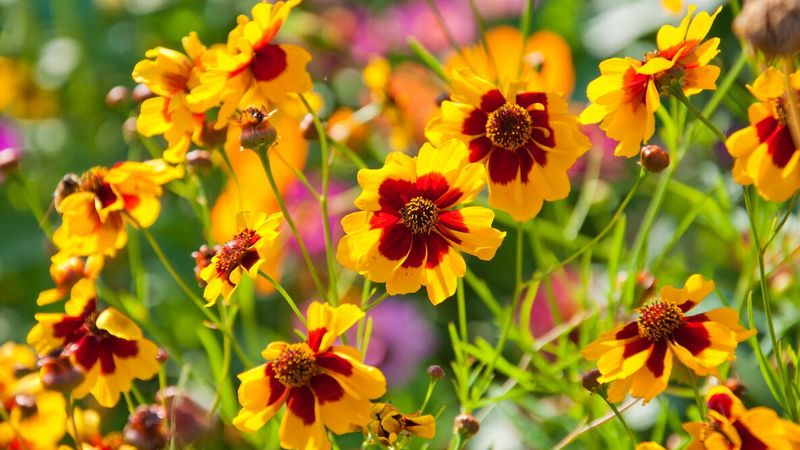
Sunshine in flower form is the best way to describe Coreopsis. These cheerful blooms cover the plant in golden yellow, and some newer types show off pink, red, or bronze petals too.
Pennsylvania gardeners love tickseed because it barely asks for anything. Give it a spot with full sun and well-draining soil, and it will bloom from June clear into September.
The plant handles heat and dry spells like a champ, so you won’t be dragging out the hose every day.
One simple trick keeps the show going. Snip off the faded flowers, a job called deadheading, and fresh buds pop up quickly.
Some modern varieties, like the ones in the Big Bang series, bloom so hard they hardly need deadheading at all.
Bees and butterflies flock to these blooms, making your yard busier and healthier. The feathery green leaves add nice texture even when the plant rests between flushes of flowers.
Fun fact: the name tickseed comes from the tiny seeds that look a bit like ticks. Don’t worry, they won’t bother you or your pets.
Plant coreopsis at the front or middle of a flower bed where you can enjoy the color up close. It pairs beautifully with purple salvia or blue catmint for a striking contrast.
In our Pennsylvania winters, most tickseed varieties come back reliably year after year. Just leave a little mulch around the base for extra protection.
Come spring, you’ll see fresh growth pushing up, ready to start the whole colorful cycle again with almost no effort from you.
2. Black-Eyed Susan
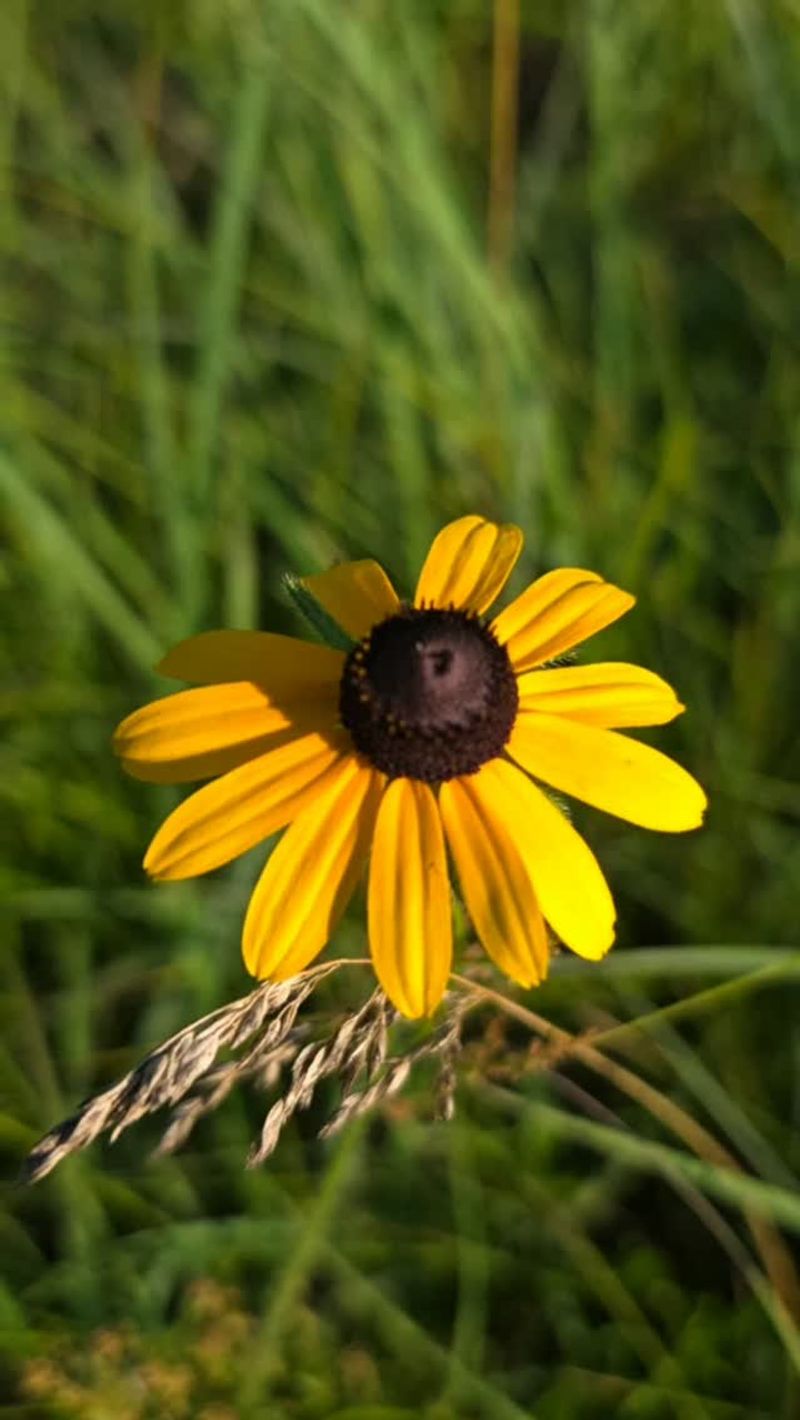
Few flowers say summer quite like the Black-Eyed Susan. Those golden-yellow petals circling a chocolate-brown center light up any garden and instantly feel warm and welcoming.
This native beauty is practically built for Pennsylvania. It shrugs off heat, laughs at humidity, and keeps blooming from July all the way into October.
Once established, it needs very little watering, which makes it perfect for busy folks.
Rudbeckia loves full sun but will tolerate a bit of afternoon shade. It isn’t fussy about soil either, growing happily in average dirt that many other plants would sulk in.
Your Pennsylvania Garden Changes Every Week. Your Plan Should Too.
Gardening in Pennsylvania changes quickly throughout the season. Every Friday you’ll receive a simple weekly plan showing exactly what to plant, prune, fertilize, harvest, and protect so you never miss the right timing.
Pollinators adore these flowers. Watch closely and you’ll spot bees loading up on pollen and goldfinches later snacking on the seed heads.
Leaving those seed heads up in fall gives birds a natural feast during colder months.
The variety called Goldsturm is a favorite because it blooms heavily and spreads into cheerful clumps. You can divide these clumps every few years to make even more plants for free.
Here’s a neat bit of history: Black-Eyed Susan is the state flower of nearby Maryland, and it grows wild across much of eastern America, including Pennsylvania roadsides.
Plant it in masses for the biggest impact, or mix it with purple coneflower and ornamental grasses for a prairie-style look. The combination feels natural and needs hardly any care.
When winter arrives, the plant goes dormant but returns strong each spring. A light layer of mulch helps protect the roots.
Cut back the old stems in early spring, and you’ll be rewarded with another season of glowing gold.
3. Coneflower
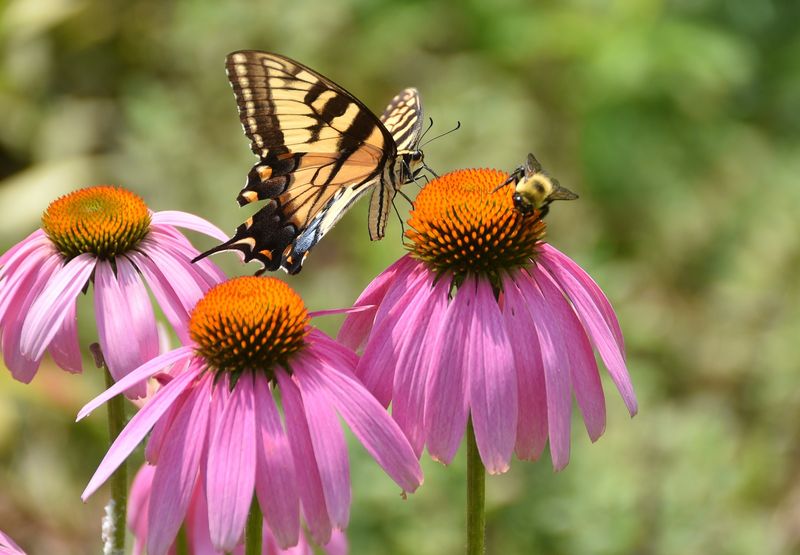
Tough as nails and pretty as a picture, the Coneflower earns its spot in any Pennsylvania garden. Its daisy-shaped blooms feature drooping petals around a spiky, raised center that butterflies can’t resist.
Purple is the classic color, but breeders have created coneflowers in orange, red, white, and even sunset shades. This variety means you can build a whole rainbow from one type of plant.
Echinacea thrives in full sun and handles dry spells with ease thanks to deep roots. Once it settles in, you rarely need to water it, making it a smart pick for low-maintenance beds.
Blooming stretches from June through September, and deadheading spent flowers encourages even more buds. If you leave some seed heads standing in fall, goldfinches will thank you by visiting all winter.
Gardeners have long valued coneflowers for more than looks. Native Americans used echinacea as a healing herb, and you’ll still find it in cold remedies today.
These plants play well with others. Try pairing them with bee balm, yarrow, or tall garden phlox for a lively mix of shapes and heights.
Coneflowers also make excellent cut flowers. Snip a few for a vase and they’ll brighten your kitchen table for a week or more.
In our climate, echinacea comes back year after year and slowly forms fuller clumps. Divide them every three or four years to keep them healthy and to share with friends.
Butterflies, bees, and even hummingbirds treat these blooms like a buffet. Adding a few coneflowers turns your yard into a buzzing, fluttering wildlife hotspot all summer long.
4. Catmint
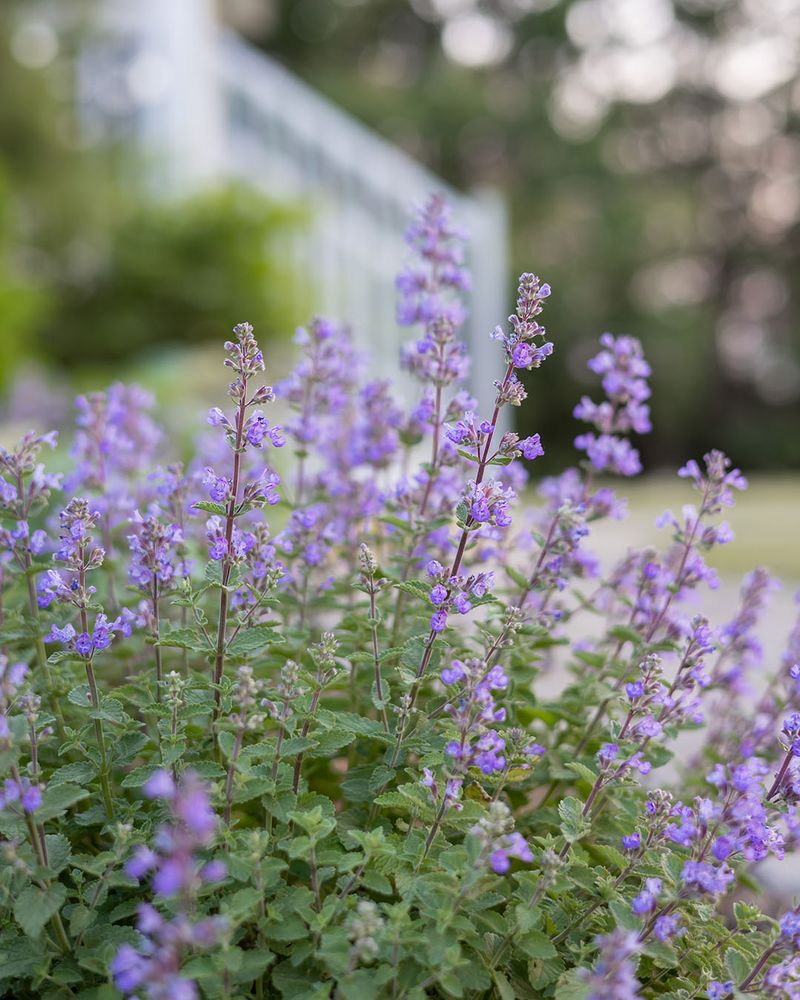
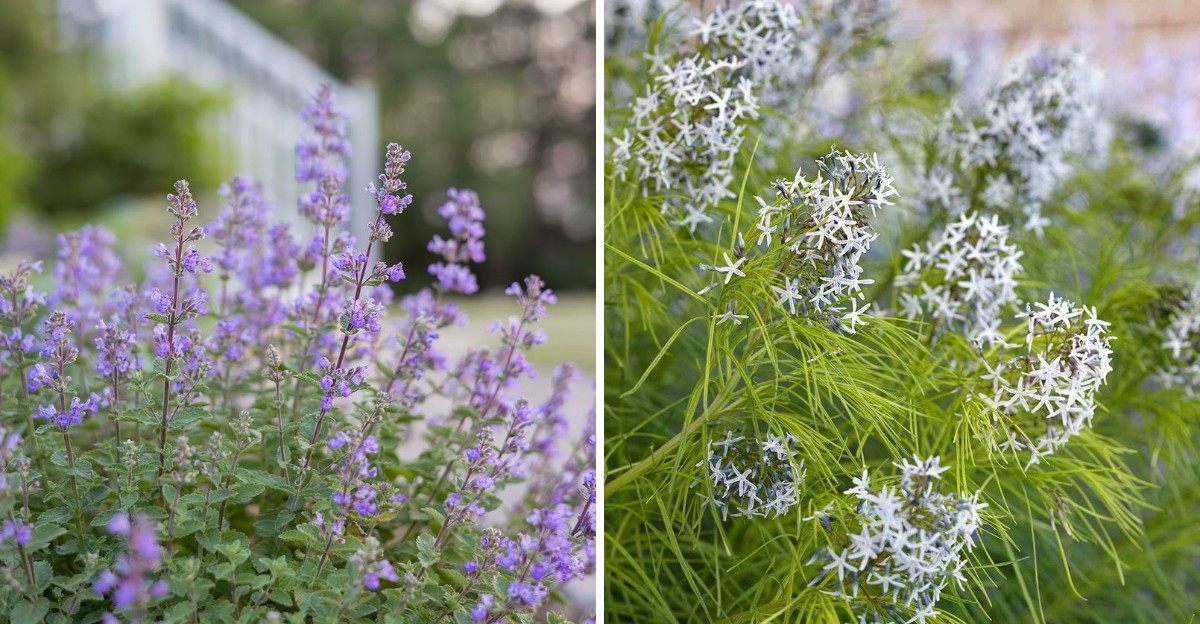
Imagine a cloud of soft lavender-blue flowers drifting along your garden edge, and you’ve pictured Catmint. This easygoing plant blooms so long and so freely that it feels almost magical.
Nepeta starts flowering in late spring and, with a quick trim after the first flush, keeps going right through summer into early fall. That’s a solid three months or more of color with barely any fuss.
Pennsylvania’s mix of sun and occasional drought suits catmint perfectly. It prefers full sun and drains well, but it tolerates poor soil and dry conditions like a seasoned pro.
The gray-green leaves give off a pleasant minty scent when brushed, and deer and rabbits usually leave it alone. That makes it a lifesaver for gardeners tired of nibbled plants.
Bees absolutely swarm the tiny blooms, and the gentle mounding shape softens hard edges like walkways and stone borders. Varieties such as Walker’s Low grow into tidy, rounded clumps that look neat all season.
Don’t confuse catmint with catnip, though they’re cousins. Catmint is more ornamental and better behaved in the garden, while its wilder relative sends cats into a happy frenzy.
To keep your plant looking sharp, shear it back by about a third after the first big bloom. Fresh growth and a second wave of flowers follow quickly.
Pair catmint with roses, salvia, or yarrow for a relaxed, cottage-garden feel. The blue tones make warm colors like yellow and pink really pop.
Come spring, cut the old stems to the ground and watch this dependable performer bounce back stronger than ever, ready for another long season.
5. Salvia
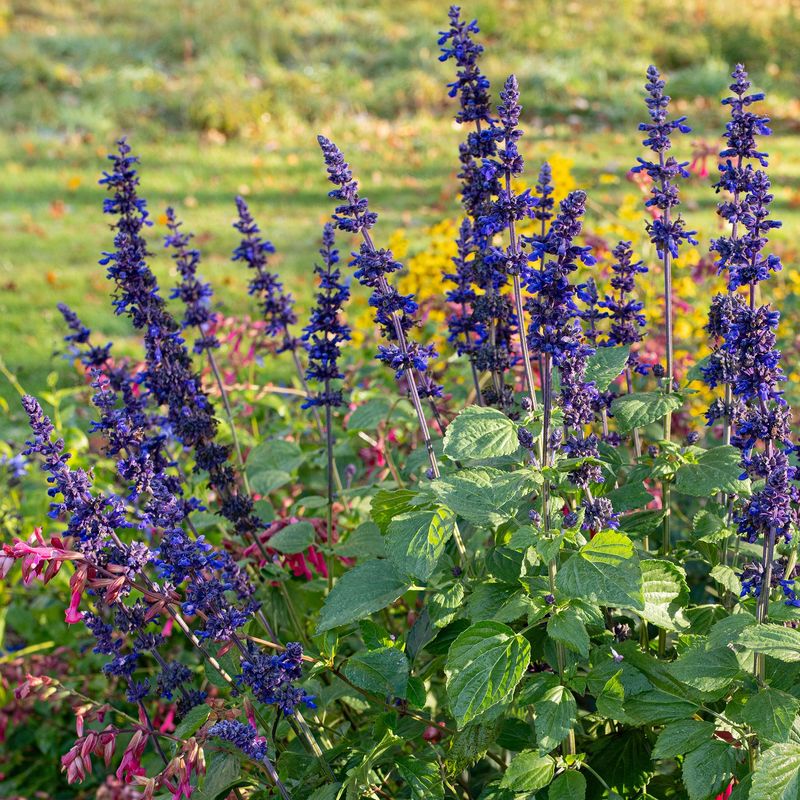
Spiky and colorful, Salvia stands tall in the garden with vivid purple, blue, or pink flower stalks that hummingbirds chase all day long.
Perennial sage kicks off blooming in late spring and keeps producing spikes well into summer. Snip off the finished stalks and you’ll trigger a fresh round of flowers, stretching the show past three months.
This plant thrives in Pennsylvania’s sunny spots and handles heat and dry weather without complaint. Well-draining soil is the main thing it asks for, since soggy roots are its only real weakness.
Pollinators treat salvia like a magnet. Bees, butterflies, and hummingbirds visit constantly, turning your flower bed into a lively, buzzing scene from morning to evening.
Deer and rabbits tend to skip salvia because of its aromatic leaves. That resistance makes it a smart choice if wildlife has been snacking on your other flowers.
Popular varieties like May Night bloom early and reliably, earning fans across the country. Their deep purple spikes look stunning next to yellow coreopsis or golden Black-Eyed Susan.
Salvia also works beautifully in containers on a patio or porch. Just make sure the pot drains well so the roots stay happy.
After the main bloom fades, give the plant a good trim to tidy it up and spark new growth. This quick task pays off with more flowers in just a few weeks.
When winter comes, salvia goes dormant but returns each spring with fresh energy. Cut back the dry stems, add a little mulch, and this dependable performer will fill your garden with vertical color season after season.
6. Daylily
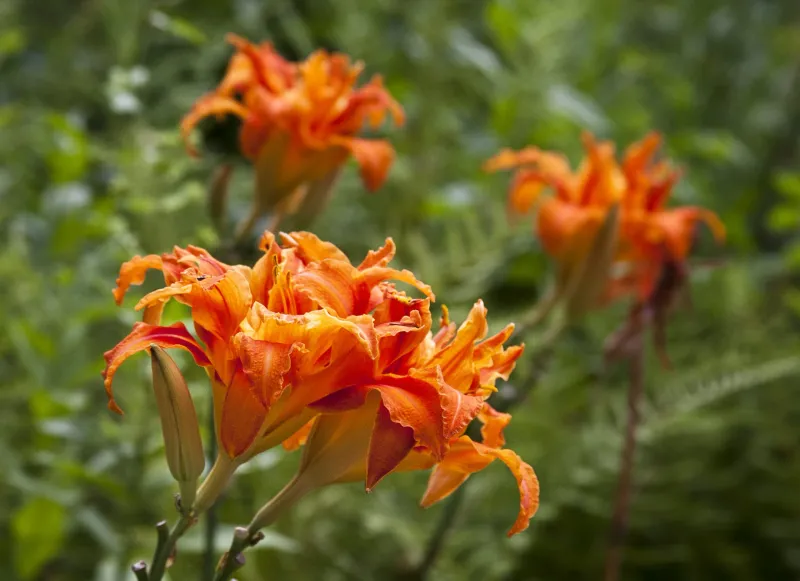
Each daylily bloom lasts only a single day, yet the plant produces so many buds that the flowers seem endless all summer.
Hemerocallis has earned a reputation as one of the easiest perennials you can grow. It shrugs off heat, poor soil, and dry spells, thriving in Pennsylvania gardens with almost no attention.
Choose reblooming varieties like Stella de Oro, and you’ll enjoy cheerful golden flowers from June through September. These repeat bloomers just keep sending up fresh buds week after week.
Daylilies come in a jaw-dropping range of colors, from soft yellow and creamy peach to fiery orange, deep red, and rich purple. There’s a shade to match nearly any garden design.
Full sun brings out the most flowers, though these tough plants tolerate a little shade too. Their long, strap-like leaves stay green and tidy, filling space nicely even between bloom cycles.
Here’s something neat: daylily flowers are actually edible, and cooks have used the buds in salads and stir-fries for centuries. Always double-check before eating any garden plant, of course.
These perennials spread into fuller clumps over time. Every few years, dig them up and divide them to make new plants for other corners of your yard or to share with neighbors.
Pests and diseases rarely trouble daylilies, and deer sometimes nibble them, so a repellent may help in wooded areas.
Plant them along a driveway, in a border, or on a slope to control erosion. Wherever they land, daylilies deliver dependable, colorful blooms with the kind of easygoing attitude every gardener appreciates.
7. Threadleaf Bluestar Or Geranium ‘Rozanne’
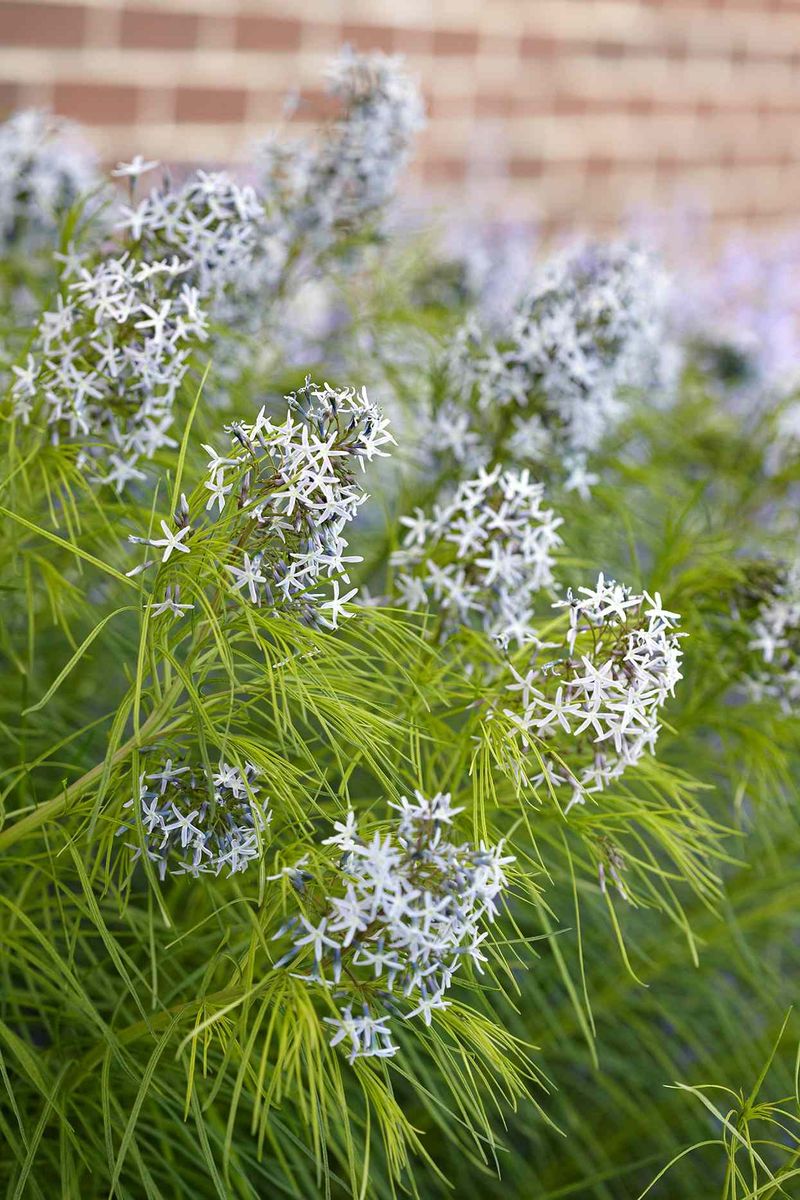
Meet the marathon runner of the perennial world: Geranium ‘Rozanne’. This hardy cranesbill produces violet-blue flowers with white centers that bloom nonstop from late spring until frost.
Gardeners across the country adore Rozanne because it simply refuses to quit. While many flowers take breaks, this one keeps pumping out fresh blooms for four months or longer in Pennsylvania.
The plant forms a low, spreading mound that weaves gracefully between taller perennials. It fills gaps, smothers weeds, and softens the front of any border with its sprawling green leaves.
Part sun to full sun keeps Rozanne happy, and it isn’t picky about soil as long as it drains well. During hot spells, a little extra water keeps the flowers coming strong.
Bees and butterflies love visiting these cheerful cups of color. The blooms also resist fading, holding their bright blue tone even under the summer sun.
Unlike some perennials, Rozanne doesn’t need constant deadheading. It cleans up after itself, dropping spent flowers and pushing new ones without much help from you.
This variety won the prestigious Perennial Plant of the Year award, a nod to its outstanding performance and reliability in gardens everywhere.
In fall, the leaves often turn shades of red and orange, giving you a bonus round of color before winter settles in.
Pair Rozanne with roses, coneflowers, or ornamental grasses for a relaxed, layered look. Its blue flowers blend with almost any color scheme.
When spring returns, cut back the old growth and watch this tireless bloomer spring to life again, ready to carpet your garden in blue for months.