8 Cool-Season Greens Wisconsin Gardeners Tuck Into Empty Beds for Salads Past the First Frost
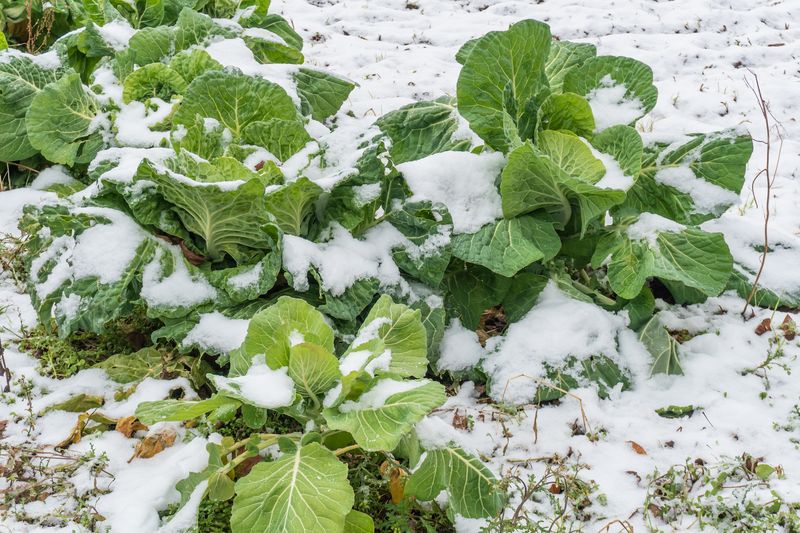
When the first frost creeps across Wisconsin gardens around early October, most folks think the salad days are over. The truth is, some greens actually taste better after a chilly night, turning sweeter and more tender in the cold.
Empty summer beds are the perfect spot to squeeze in a fall crop that keeps salad bowls full well past the first frost. Here are eight tough, tasty greens that thrive when the temperatures drop.
1. Spinach
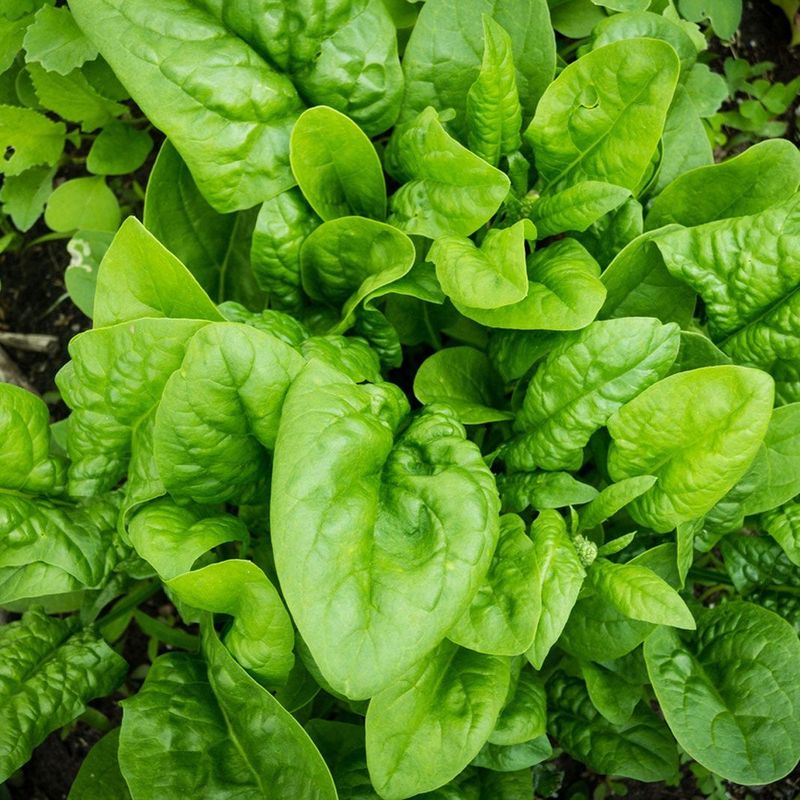
Cold weather is spinach’s best friend, and Wisconsin gardeners have long known this leafy champ can shrug off freezes down to 14 to 20 degrees once it toughens up. A frosty night pushes sugars into the leaves, so what lands in your salad bowl tastes noticeably sweeter than the summer stuff.
Sowing seeds from early August through early September gives you a steady fall harvest across most of Wisconsin. If you want a head start next spring, tuck extra seeds into the soil in late fall and cover them with mulch so they sprout as soon as the ground warms.
Baby spinach leaves are tender enough to eat raw, and the plants keep producing as long as you snip the outer leaves and let the center grow. That reliability makes spinach the anchor of any cold-season salad garden.
2. Kale
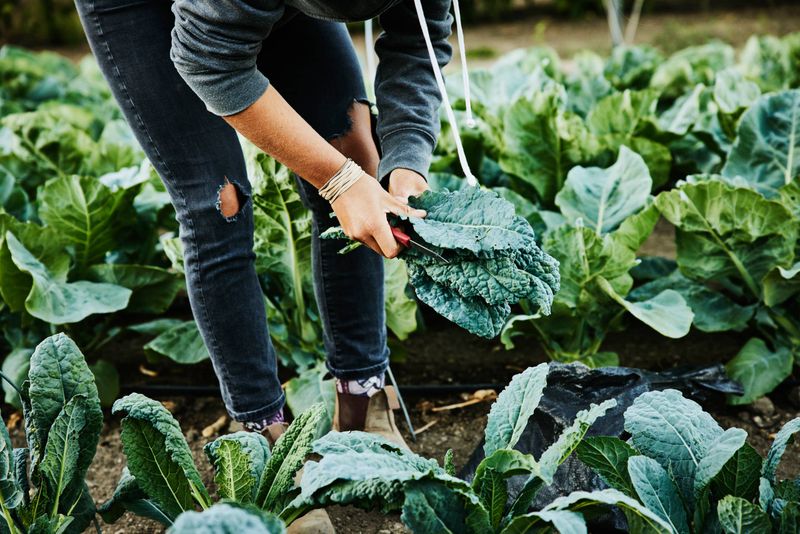
Few greens laugh at winter the way kale does. Frost doesn’t just fail to hurt it, it flat-out improves the flavor, mellowing the leaves and coaxing out a sweeter, less bitter bite that Wisconsin gardeners rave about after the first cold snap.
Plant kale in early to mid-September and you’ll be harvesting well into the cold months. In many Wisconsin gardens, kale keeps standing through winter and can be picked again as spring arrives, especially with a bit of mulch or a row cover.
Young, tender kale leaves are the ones you want for salads. Massage them with a little olive oil and they soften right up, giving your bowl a hearty, ruffled texture that holds up to bold dressings.
3. Lettuce
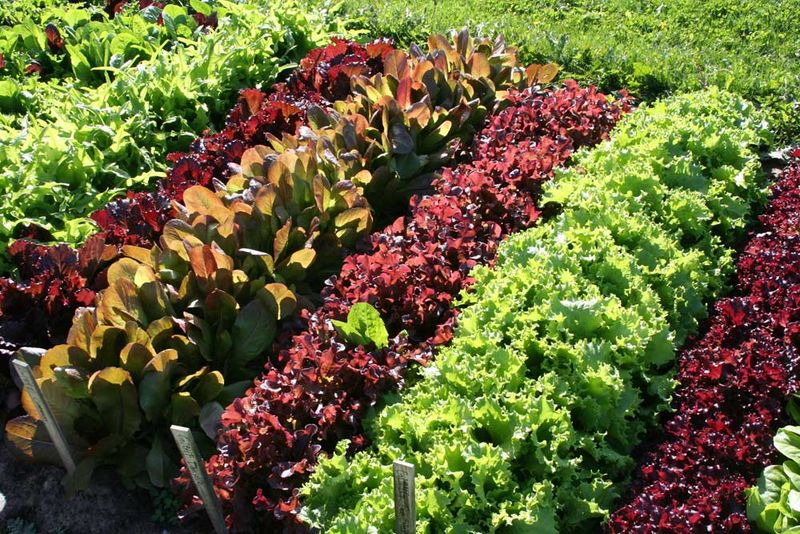
Speedy and forgiving, lettuce loves the crisp air of a Wisconsin autumn far more than the sweltering days of July, when it tends to bolt and turn bitter. Cool weather keeps the leaves crunchy and mild, exactly what you want in a fresh salad.
Because lettuce grows so quickly, you can plant it in early to mid-September and enjoy repeat cut-and-come-again harvests before hard freezes settle in. Leaf types bounce back fastest, so snip what you need and the plant keeps giving.
Wisconsin gardens can host a whole rainbow of varieties, from frilly leaf lettuce to crunchy romaine, buttery butterhead, and dense crisphead. Mixing a few types in one bed gives your salads instant variety with almost no effort.
4. Arugula
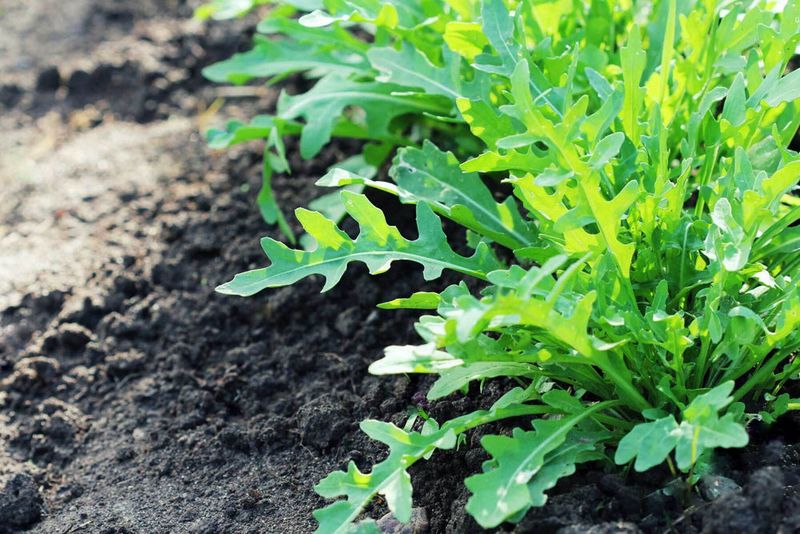
If your salads have been feeling a little sleepy, arugula is here to wake them up with its peppery, mustard-like punch. Cold-tolerant to its core, this green thrives when the weather turns and helps Wisconsin gardeners stretch the season past that first freeze.
Your Wisconsin Garden Changes Every Week. Your Plan Should Too.
Gardening in Wisconsin changes quickly throughout the season. Every Friday you’ll receive a simple weekly plan showing exactly what to plant, prune, fertilize, harvest, and protect so you never miss the right timing.
Here’s a neat trick: you can actually sow arugula after the first freeze in Wisconsin and still get a crop, since the plant handles cold with ease. The cool air even keeps its flavor from turning too sharp, striking a nice balance.
Beyond fresh salads, arugula shines tossed into warm winter salads where its bold flavor plays off roasted vegetables and hearty grains. A handful goes a long way, so a small patch keeps you stocked.
5. Mâche (Corn Salad)
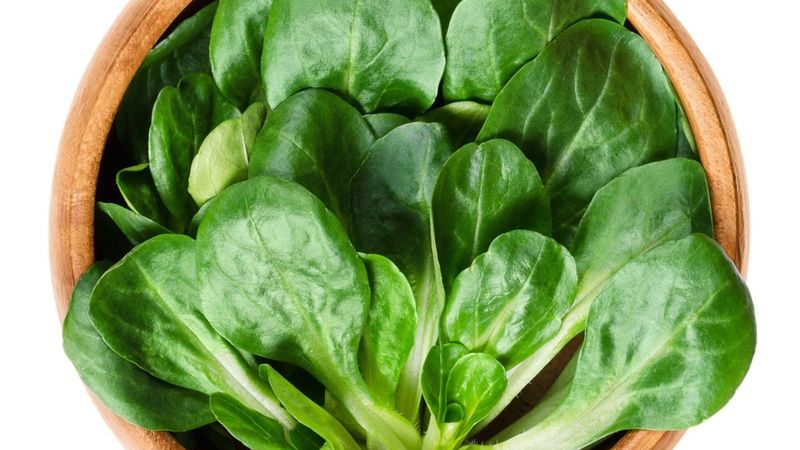
Meet the quiet overachiever of the cold garden. Mâche, also called corn salad, forms tidy little rosettes of soft, nutty leaves and shrugs off cold that would flatten flashier greens, making it a favorite for Wisconsin gardeners chasing late-season salads.
Fast-growing and remarkably frost-tolerant, mâche can be sown when other crops are winding down, filling empty beds without much fuss. Its low-growing habit means it tucks nicely into corners and gaps between bigger plants.
Cooks usually add mâche in small handfuls to lift a salad mix with its mild, slightly sweet flavor. It pairs beautifully with a light vinaigrette and a sprinkle of nuts, proving that the smallest greens sometimes deliver the biggest charm.
6. Escarole
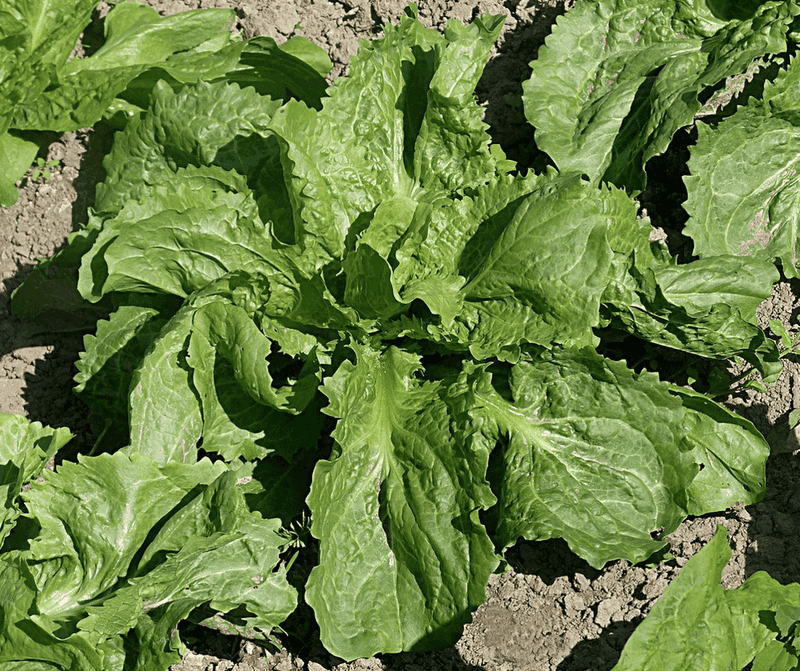
Sturdy where others are delicate, escarole brings a slightly bitter edge and a texture that refuses to wilt at the first sign of cold. It outlasts many other chicories and even tolerates low light, which makes it a smart pick for protected winter growing in Wisconsin.
Those broad, ruffled leaves are built for more than raw nibbling. Escarole truly comes alive in warm salads, where a hot dressing softens its bite and turns the bitterness into something rich and satisfying.
Common across Midwest gardens, escarole has quietly earned its place in Wisconsin beds as a dependable cold-weather green. Grow it under a cold frame or hoop house and you’ll be harvesting long after tender greens have given up.
7. Radicchio
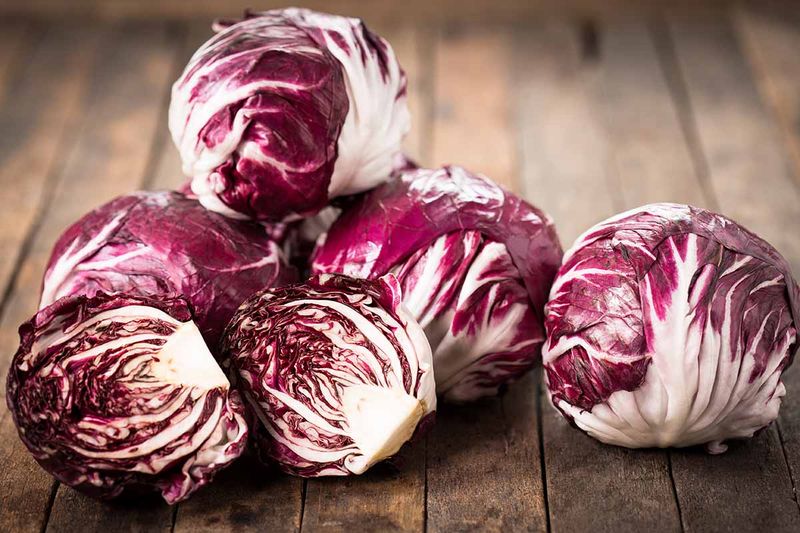
Nothing adds drama to a salad quite like radicchio, with its striking burgundy leaves streaked in white. That splash of color alone earns it a spot in the cold garden, but this hearty green has plenty of substance to back up the good looks Wisconsin gardeners appreciate.
Radicchio carries a pleasantly bitter flavor, though it’s gentler than many of its chicory cousins, so it won’t overpower a bowl. Toss it with a warm vinaigrette and the bitterness softens into a mellow, almost nutty warmth.
As a resilient cool-season crop, radicchio holds its shape and crunch when the weather turns crisp. It’s the kind of green that makes a simple fall salad feel a little fancy without any extra work.