Low-Maintenance Evergreens Michigan Homeowners Are Planting Instead Of Spruce
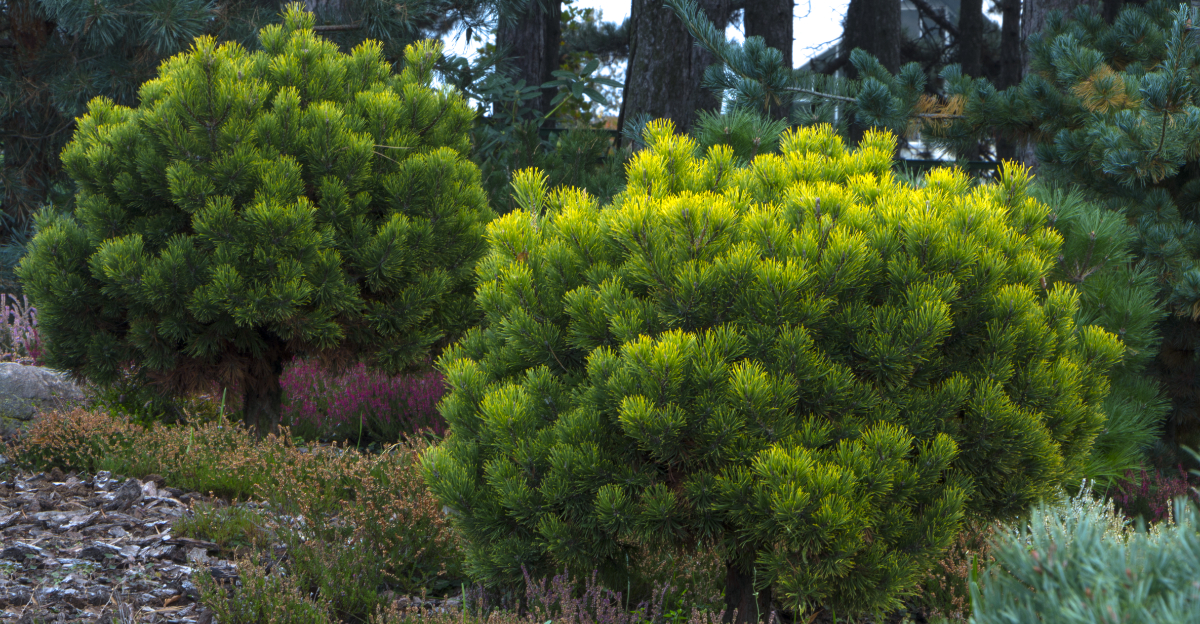
Spruce trees have been a go-to choice for Michigan homeowners for generations, but that relationship has become increasingly complicated.
Rhizosphaera needle cast, Cytospora canker, and spider mite pressure have made spruce maintenance a genuinely frustrating experience in many parts of the state, and more homeowners are deciding the ongoing effort is no longer worth it.
What is replacing them is a group of evergreens that offer the same year-round structure and privacy screening without the same vulnerability to disease and pest pressure.
Several of these alternatives are better suited to Michigan’s clay soils and temperature swings than spruce ever was.
They hold their appearance through winter without the progressive decline that has become so common in established spruce plantings across the state.
1. Concolor Fir
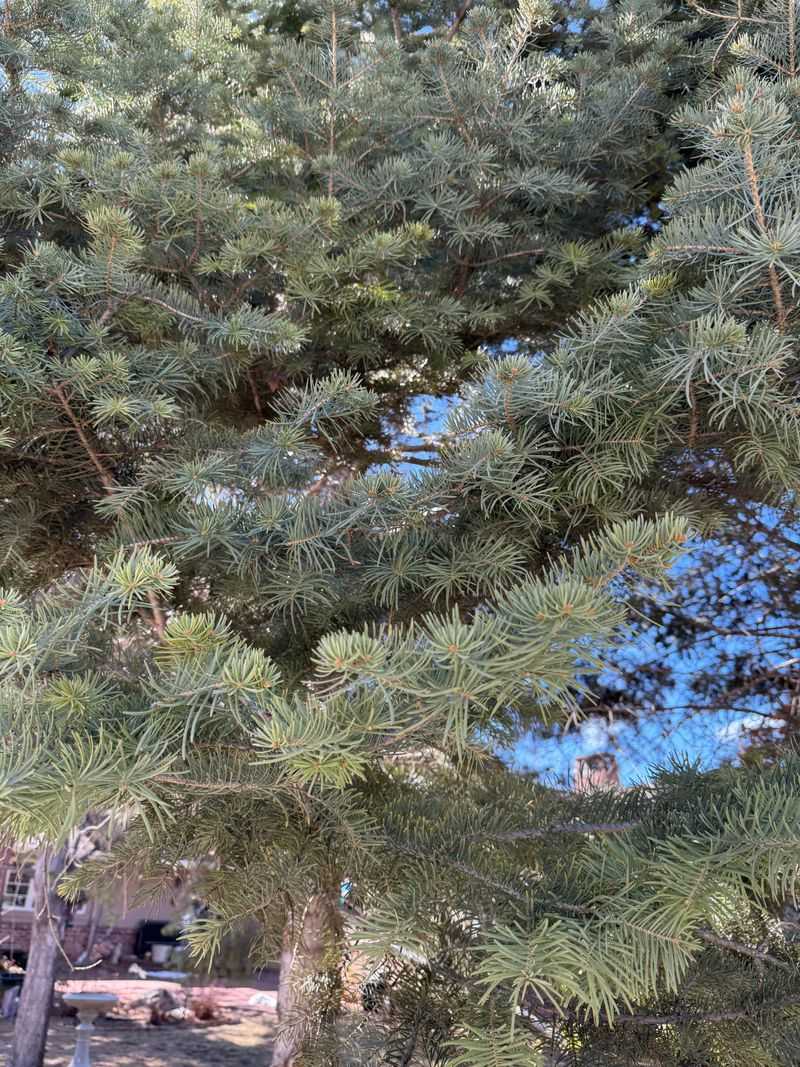
Few trees stop people in their tracks quite like a Concolor Fir. Its soft, blue-green needles have a feathery, almost painterly quality that makes it look like something out of a nature magazine.
Unlike many conifers, the needles on this tree are long, flexible, and surprisingly gentle to the touch, which makes it a favorite for front yard plantings where kids and pets roam freely.
Michigan homeowners love this tree because it handles cold weather without complaint. It is cold-hardy down to USDA Zone 3, which means Michigan winters are no problem at all.
Once established, it tolerates a range of soil conditions, including dry spells, without needing constant attention. You plant it, give it a good start with proper watering, and then mostly step back and enjoy.
Growth is slow and steady, forming a dense, pyramidal shape naturally. That means you rarely need to reach for the pruning shears.
The tree shapes itself beautifully over time, which is a huge selling point for busy homeowners who want curb appeal without weekend maintenance projects.
Concolor Fir also handles partial shade better than most conifers, making it flexible for yards where full sun is not guaranteed all day. It pairs well with ornamental grasses and flowering shrubs, adding structure and year-round color.
If you want a statement tree that practically takes care of itself while looking stunning in every season, this one belongs at the top of your list.
2. Dwarf Eastern White Pine
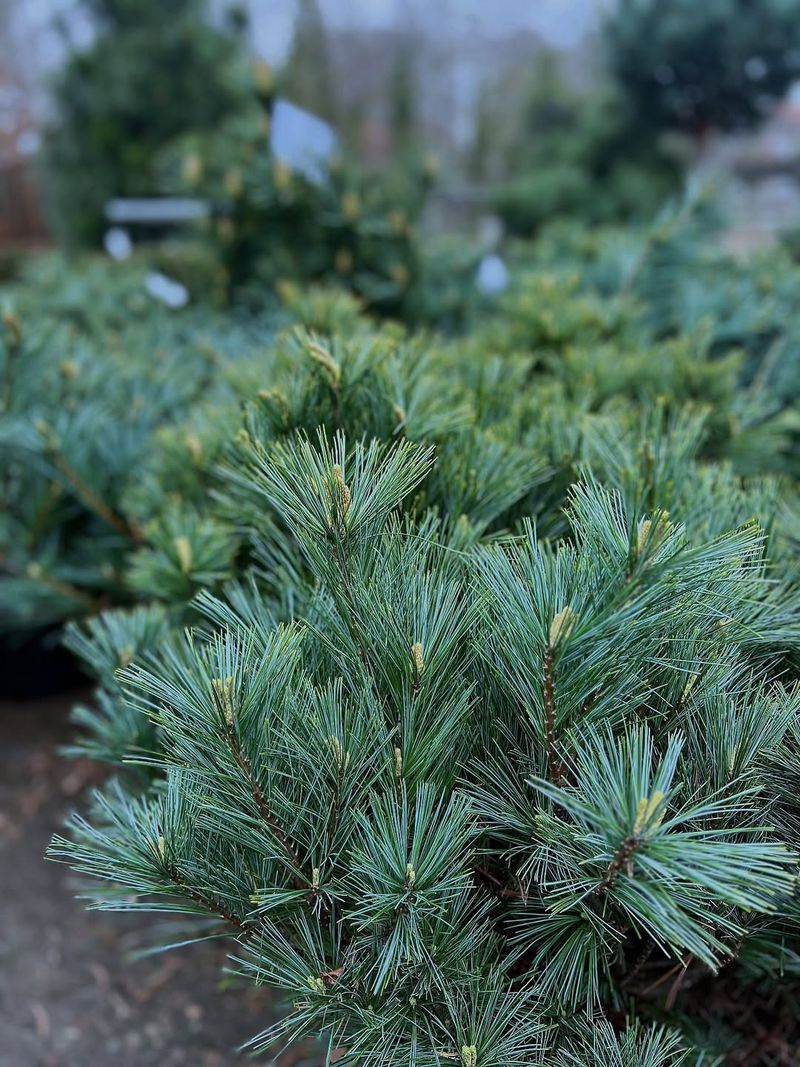
There is something wonderfully relaxed about a Dwarf Eastern White Pine. Its soft, wispy needles move gently in the breeze, giving any garden a calm, natural feel that heavier conifers simply cannot match.
The ‘Nana’ selection stays compact and rounded, making it a brilliant choice for smaller Michigan yards where a full-size pine would quickly take over.
Cold hardiness is one of its strongest qualities. Eastern White Pine is native to Michigan, which means this tree already knows how to handle the state’s unpredictable weather.
Harsh winters, late spring frosts, and hot humid summers are all part of the deal, and this dwarf variety handles all of it without breaking a sweat. That native resilience translates into a much easier care routine for homeowners.
In terms of size, ‘Nana’ typically reaches about three to seven feet tall and wide over many years, depending on growing conditions. That slow pace is actually a benefit.
Your Michigan Garden Changes Every Week. Your Plan Should Too.
Gardening in Michigan changes quickly throughout the season. Every Friday you’ll receive a simple weekly plan showing exactly what to plant, prune, fertilize, harvest, and protect so you never miss the right timing.
You get years of enjoyment without worrying about the plant outgrowing its space or crowding out neighboring plants. Foundation beds, rock gardens, and mixed borders all work beautifully with this selection.
Pruning is almost never necessary unless you want to tighten up the shape slightly in spring. The needles stay a lovely blue-green color year-round, providing reliable color even when everything else looks bare.
For a no-fuss, high-charm evergreen that feels right at home in Michigan, Dwarf Eastern White Pine is a genuinely smart choice.
3. Hinoki Cypress
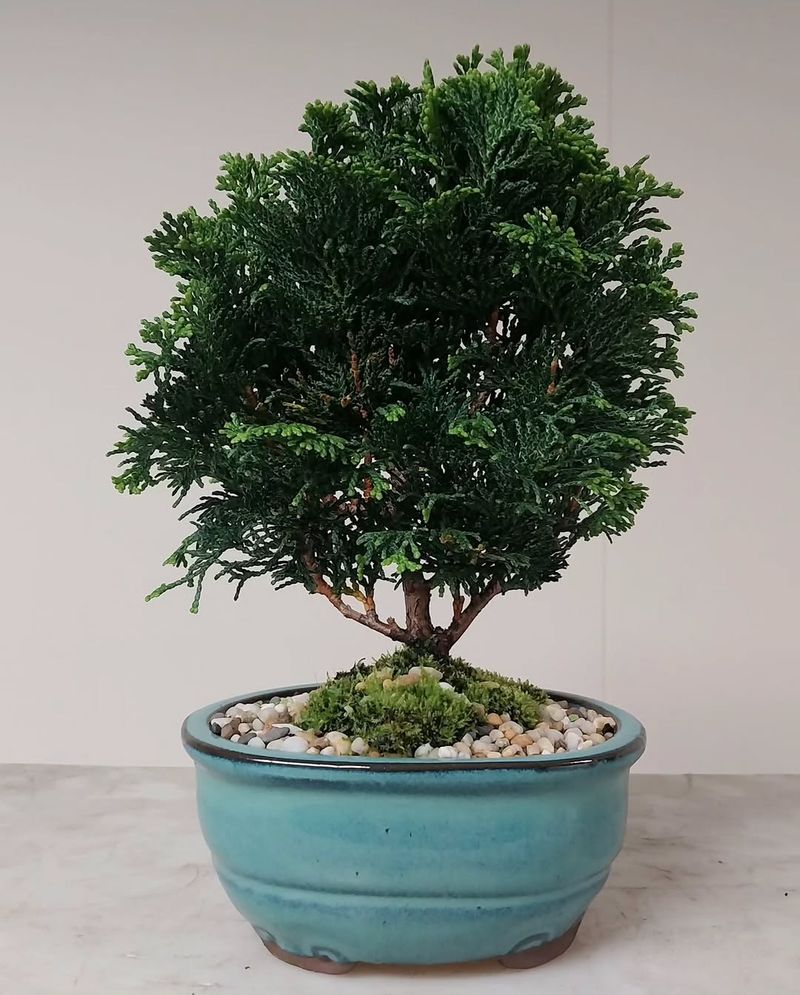
Hinoki Cypress has a texture unlike anything else in the evergreen world. Its foliage fans out in layered, shell-like sprays of deep, glossy green that catch the light beautifully in every season.
Gardeners who discover this plant for the first time often describe it as looking almost sculptural, like a living piece of art placed in the garden.
The ‘Nana’ selection is especially well-suited for Michigan homeowners with limited space. It grows very slowly, often adding just two to three inches per year, and typically stays under three feet tall at maturity.
That compact habit makes it perfect for small front yards, container plantings on patios, or tight foundation beds where a larger plant would feel out of place.
Sun and soil preferences are straightforward. Hinoki Cypress thrives in full sun to partial shade and prefers well-drained soil.
Avoid planting it in spots where water pools after heavy rain, since soggy roots can stress the plant over time. Otherwise, once it is settled in, it asks for very little.
Occasional deep watering during dry stretches is really all it needs.
Michigan winters can test many plants, but Hinoki Cypress handles Zone 4 and 5 conditions reliably when planted in a sheltered spot away from harsh northwest winds. The color stays rich and deep even through snow and cold.
If you want a refined, slow-growing evergreen that adds genuine elegance to a small space, this cypress is hard to beat.
4. Dwarf Alberta Spruce
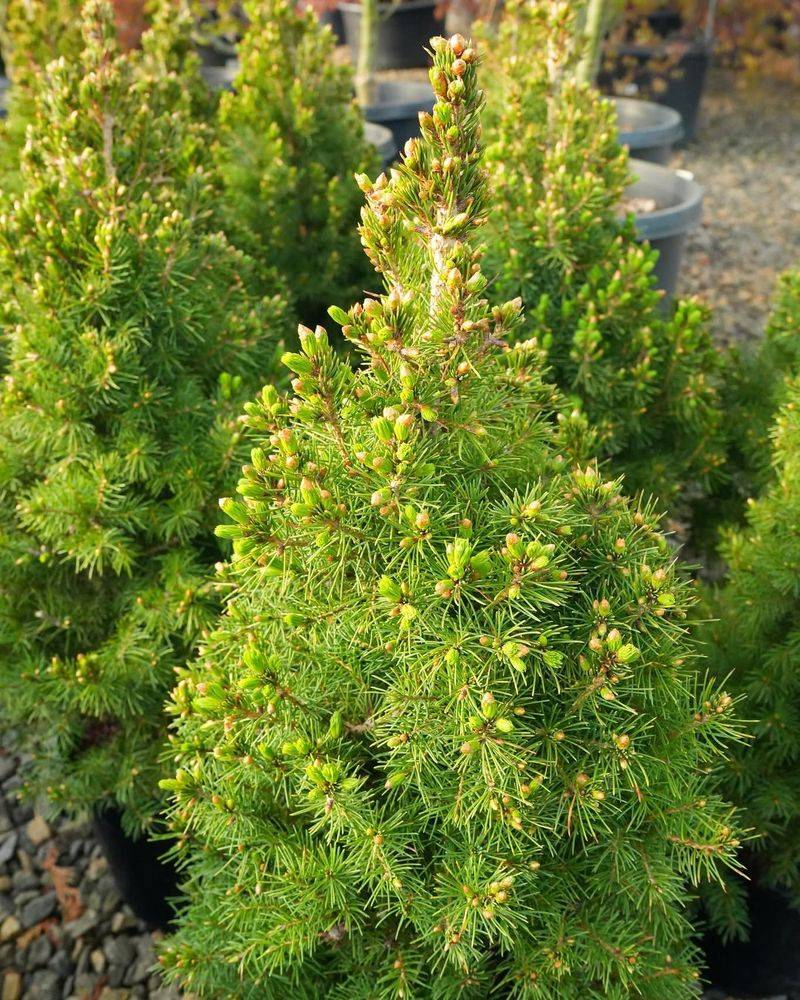
Walk through almost any Michigan neighborhood and you will likely spot a Dwarf Alberta Spruce standing perfectly cone-shaped in a front yard bed. There is a reason this plant is everywhere.
Its naturally tight, conical form looks almost too perfect to be real, yet it grows that way entirely on its own without any shaping or trimming required. That is a rare quality in the plant world.
Compared to full-size spruce trees, which can reach 60 feet or more, the Dwarf Alberta Spruce stays manageable at around six to ten feet over many decades.
That slow, predictable growth means it will not suddenly overwhelm your landscape or block windows.
You get the classic spruce look in a compact, controllable package, which is exactly what most residential yards need.
Cold tolerance is excellent. This plant is rated for USDA Zones 2 through 6, making it one of the toughest options for Michigan winters.
It prefers full sun and well-drained soil, and once established, it is remarkably drought-tolerant. Spider mites can occasionally be an issue during hot, dry summers, but a strong spray of water from the hose handles that quickly without chemicals.
The dense, bright green foliage stays vibrant through every season, providing a reliable anchor in mixed garden beds. It pairs especially well with ornamental grasses, flowering perennials, and low-growing groundcovers.
For homeowners who want the classic appeal of a spruce without the towering size and maintenance demands, this compact variety checks every box.
5. Boxwood
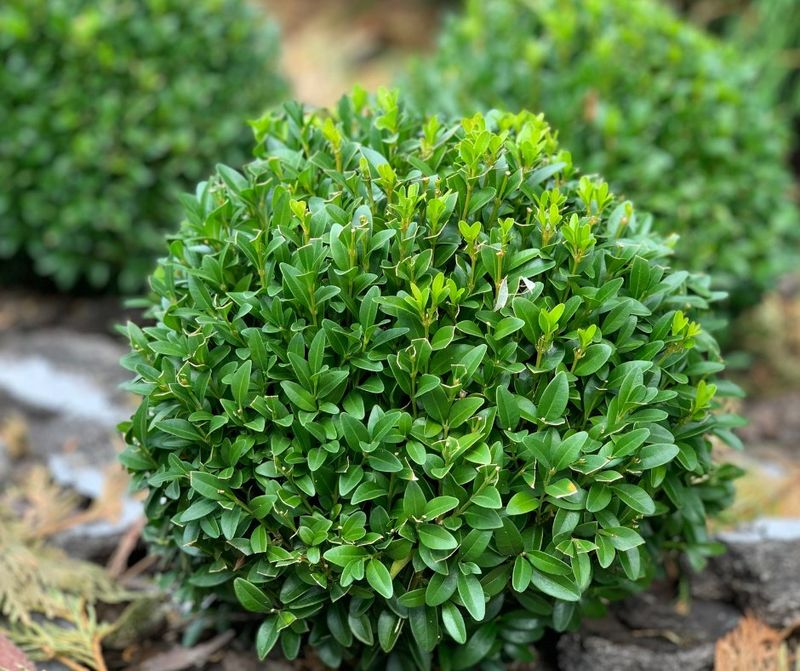
Boxwood has been a garden staple for centuries, and the ‘Green Gem’ variety proves exactly why that reputation has lasted so long.
Unlike older boxwood selections that could struggle with Michigan’s cold winters, ‘Green Gem’ was bred specifically for hardiness in northern climates.
It holds its rich, dark green color through the coldest months without bronzing or fading, which is a common complaint with less cold-hardy varieties.
One of the biggest advantages of ‘Green Gem’ is its naturally rounded shape. It forms a tidy, compact mound without needing constant clipping.
Most homeowners find that a single light trim in late spring keeps it looking sharp for the entire season. That minimal pruning requirement makes it a practical, low-effort choice for borders, foundation plantings, and formal hedges alike.
Michigan soils vary widely across the state, from sandy to clay-heavy, and ‘Green Gem’ adapts well to most conditions as long as drainage is reasonable. It prefers full sun to partial shade, which gives it flexibility in yards with mixed light conditions.
Avoid planting in spots with standing water, since consistent moisture around the roots can cause problems over time.
The dense foliage also makes it a natural windbreak and privacy screen when planted in a row. Birds appreciate the shelter it provides during winter months too.
For homeowners who want a clean, classic, structured look in the landscape without spending hours maintaining it, ‘Green Gem’ Boxwood delivers exactly that, season after season, year after year.
6. Japanese Yew
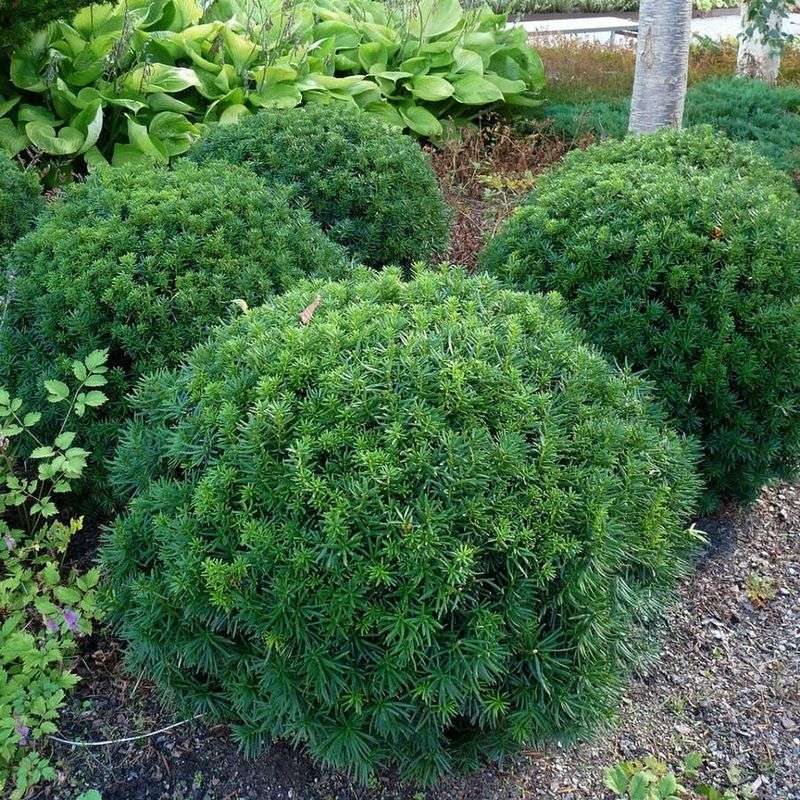
Shade is one of the trickiest challenges in Michigan landscaping, and Japanese Yew handles it better than almost any other evergreen.
The ‘Nana’ dwarf selection thrives in partial to full shade, making it an excellent solution for the north side of a house or under a large tree canopy where most plants struggle to survive.
That shade tolerance alone sets it apart from the majority of conifers on the market.
Growth is slow and spreading, typically reaching two to three feet tall and four to five feet wide over many years. That low, wide habit makes it ideal for foundation plantings, borders, and slopes where you need reliable coverage without height.
The dark green needles stay lush and vibrant year-round, providing consistent color even in the middle of a gray Michigan winter.
Maintenance needs are genuinely minimal. Japanese Yew tolerates heavy pruning if you ever want to reshape it, but left on its own, it stays naturally tidy without much intervention.
It adapts well to a range of soil types and handles both dry and moderately moist conditions once established. Planting in well-drained soil and giving it a good layer of mulch at the base helps it settle in quickly.
One important note for families: the berries and foliage of yew plants are toxic if eaten, so keep that in mind when choosing planting locations.
Beyond that consideration, Japanese Yew is one of the most reliable, versatile, and low-effort evergreens a Michigan homeowner can choose for shaded or challenging spots in the yard.
7. Blue Star Juniper
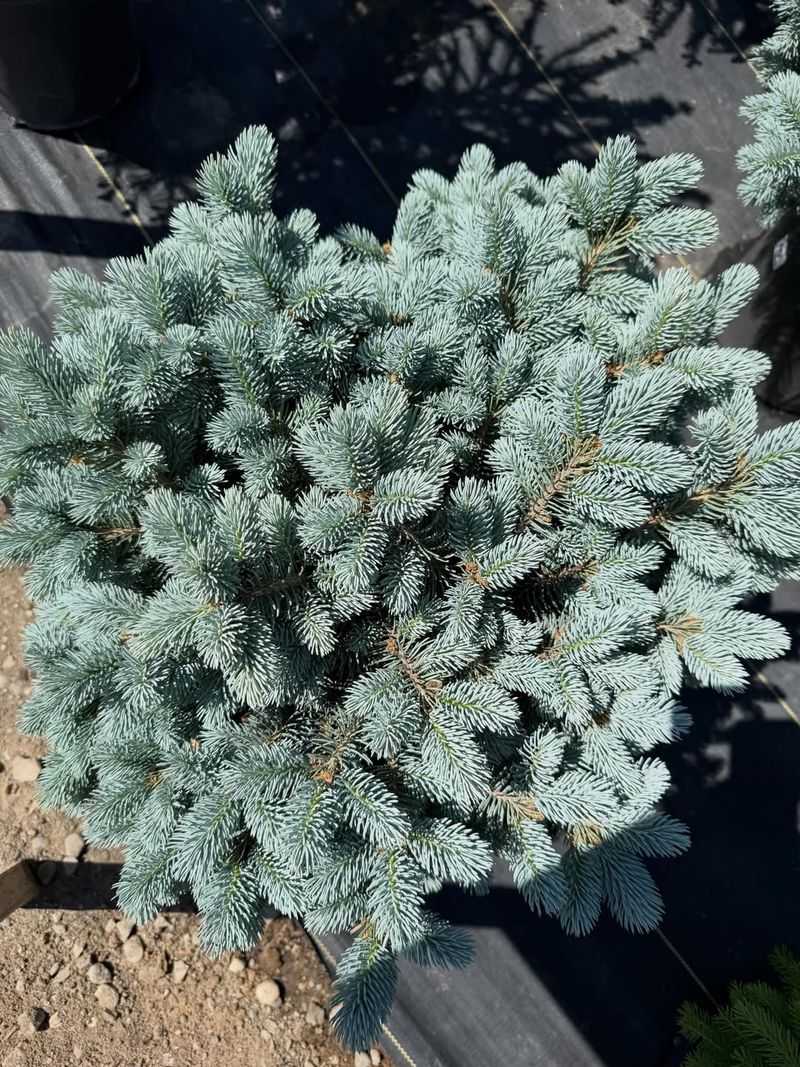
If you want a plant that genuinely stops people in their tracks, Blue Star Juniper delivers every single time. The foliage is a striking silver-blue color that almost glows in full sunlight, creating a visual contrast that makes surrounding plants pop.
It is one of those rare plants that looks interesting in every season, from the fresh brightness of spring to the cool shimmer it holds through winter.
Blue Star Juniper grows in a low, spreading mound, typically reaching about two to three feet tall and three feet wide at maturity. That compact, ground-hugging shape makes it a natural fit for rock gardens, slopes, mixed borders, and raised beds.
It spreads slowly and predictably, so you never have to worry about it taking over neighboring plants or creeping into unwanted areas.
Sun is non-negotiable for this plant. It needs at least six hours of direct sunlight daily to maintain its best color and fullest growth.
Well-drained soil is equally important. Sandy or loamy soils work great, and if your yard has heavy clay, amending the planting area or choosing a raised bed setup will help it thrive.
Once established, it handles Michigan winters and dry summers without any extra attention.
Pruning is rarely needed, which is one of its biggest selling points for busy homeowners. An occasional trim to remove any stray branches in spring is all it takes to keep it looking sharp.
Pair it with ornamental grasses, perennial flowers, or dark-foliaged shrubs to make that silver-blue color really sing in your landscape.
8. Mugo Pine
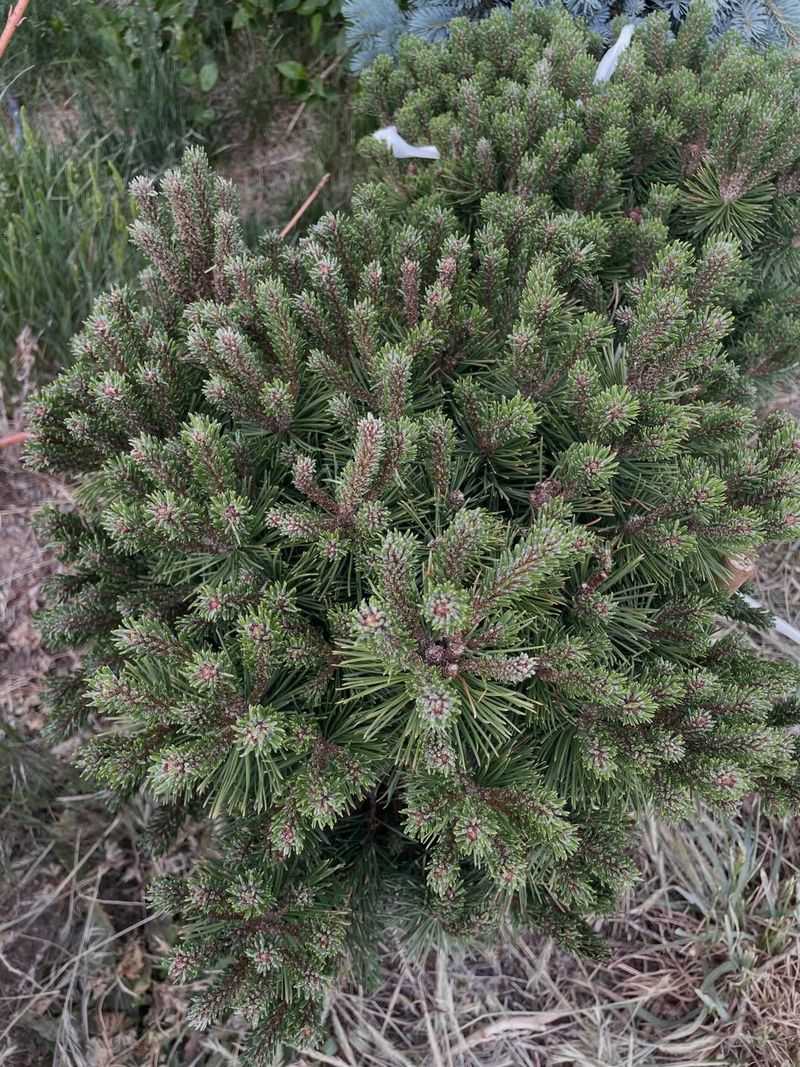
Tough, reliable, and surprisingly charming, Mugo Pine is the kind of plant that earns its place in the landscape and then stays there for decades without complaint.
The ‘Minima’ selection is one of the slowest-growing and most compact forms available, making it an excellent choice for Michigan homeowners who want a sturdy, round evergreen that stays in bounds.
It grows into a dense, cushion-like mound that looks tidy and intentional without any shaping required.
Cold hardiness is exceptional. Mugo Pine is rated for USDA Zones 2 through 7, which means Michigan winters, even the brutal ones in the Upper Peninsula, are well within its comfort zone.
It handles wind, snow load, and temperature swings without missing a beat. That toughness makes it one of the most dependable evergreens you can plant in the state.
Size is one of its most appealing traits for residential landscapes. ‘Minima’ typically stays under two feet tall and spreads about three to four feet wide over many years. That slow pace gives you full control over your landscape without the need for constant pruning.
It works beautifully in foundation beds, along driveways, in rock gardens, or as a low anchor plant in a mixed border.
Full sun brings out the best in this plant, and it handles a wide range of soil types as long as drainage is decent. Water it well during the first growing season, and after that it becomes remarkably self-sufficient.
For a round, sturdy, zero-fuss evergreen that looks great twelve months a year, Mugo Pine ‘Minima’ is a genuinely excellent spruce alternative.