Things You Should Never Do To Texas Lantana No Matter What You Read Online
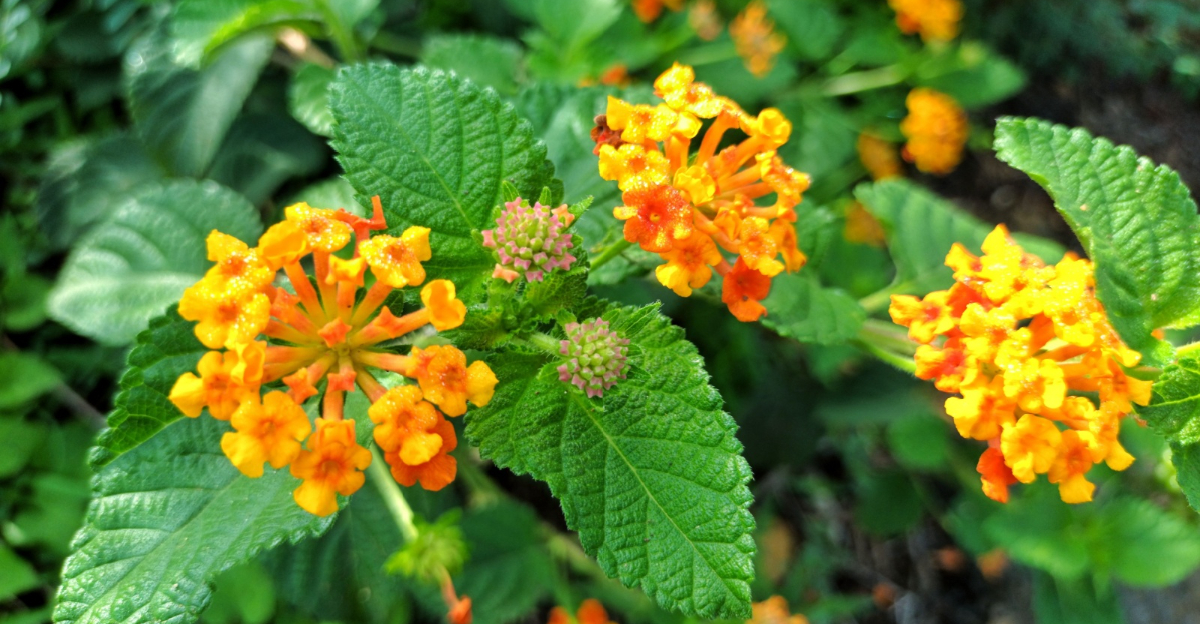
Texas lantana is the kind of plant that makes other plants look like they’re not even trying.
Full sun, brutal heat, dry spells that would send most flowering plants into a full meltdown: this tough little bloomer handles all of it and still manages to put on a color show that butterflies absolutely cannot resist.
Honestly, it’s a little impressive.
But here’s where things get interesting: even a plant this naturally resilient can run into real trouble when gardeners follow generic online advice that was never written with Texas conditions in mind.
Overwatering, over-fertilizing, wrong placement near pets, kids, walkways, or pool edges: these are mistakes that happen more often than you’d think, and they’re completely avoidable once you know what to watch out for.
Consider this your heads-up before you grab a shovel.
1. Planting Lantana In Too Much Shade
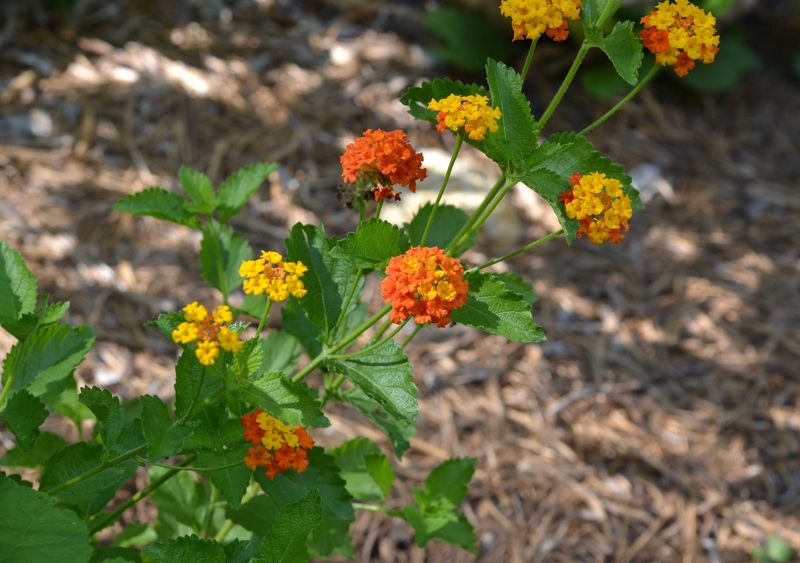
Sunny borders are where Texas lantana truly earns its reputation.
When gardeners tuck lantana into shaded beds beneath oak trees or along the north side of a fence, the plant often responds with long, stretched-out stems, fewer blooms, and a general look of disappointment.
Shade reduces the energy lantana needs to produce the tight clusters of color it is known for.
In Texas, full sun means at least six hours of direct sunlight each day, and most lantana varieties perform noticeably better with even more than that.
A spot that looks bright in early spring can become heavily shaded by summer once nearby trees leaf out fully.
Walk your yard at midday before choosing a planting spot.
Reflected heat from a south or west-facing wall is not a problem for lantana the way it would be for more delicate plants. A bed along a sunny fence or driveway edge is often a better choice than a filtered-light spot under a tree.
If blooms seem sparse and stems seem floppy, check how much direct sun the plant actually receives before changing anything else in your care routine.
2. Planting It Where Soil Drains Poorly
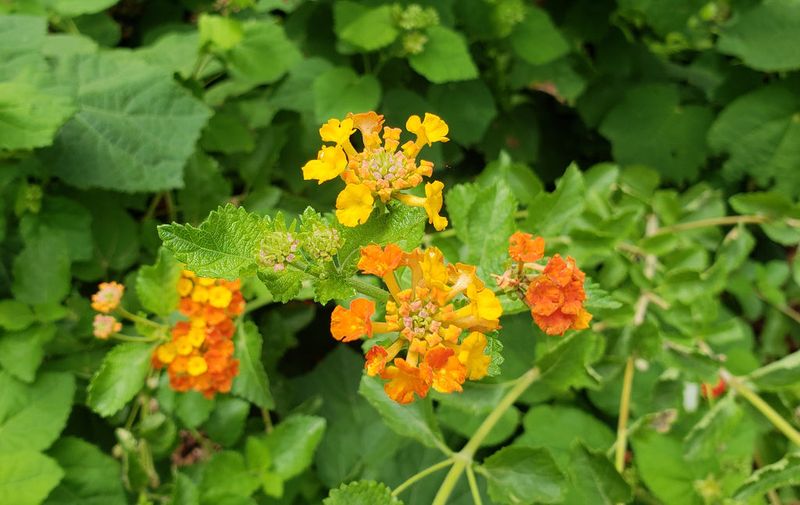
Soggy soil is one of the fastest ways to stress lantana in a Texas landscape.
Unlike some flowering plants that tolerate wet feet, lantana strongly prefers well-drained soil and will show signs of root stress fairly quickly when water sits around the base of the plant for extended periods.
Yellowing leaves and wilting even after watering are common signs something is wrong below the surface.
Heavy clay soils found in many parts of central and north Texas can hold moisture far longer than lantana likes. Raised beds, amended planting areas, or sloped spots where water naturally moves away from plant roots tend to work much better.
Before planting, check how water behaves in that spot after a good rain.
If the area still looks damp a full day after rainfall, consider amending the soil with coarse sand or compost to improve drainage before adding any plants. Container planting is another option for spots where in-ground drainage is difficult to improve.
Your Texas Garden Changes Every Week. Your Plan Should Too.
Gardening in Texas changes quickly throughout the season. Every Friday you’ll receive a simple weekly plan showing exactly what to plant, prune, fertilize, harvest, and protect so you never miss the right timing.
Choosing the right location from the start saves a lot of trouble later, and well-drained soil is one condition lantana consistently rewards you for getting right.
3. Watering Established Plants Too Often
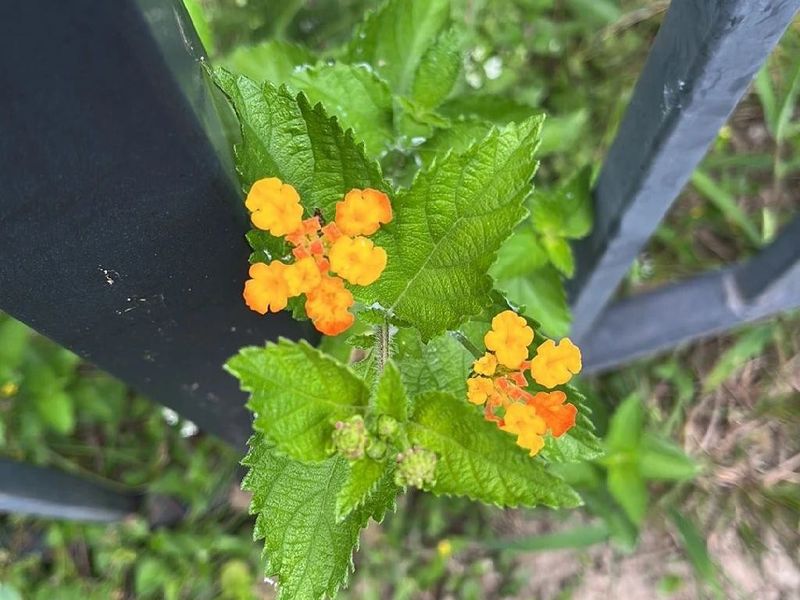
Once lantana has been in the ground long enough to develop a solid root system, it becomes quite comfortable handling dry spells on its own.
Many Texas gardeners, especially those new to growing lantana, keep watering on the same schedule they used during the first few weeks after planting.
That extra water does more harm than good once the plant is established.
Overwatering established lantana can push the plant toward producing leafy green growth rather than blooms. It can also create the kind of consistently moist soil conditions that contribute to root problems over time.
In most Texas landscapes, established lantana handles summer heat and dry stretches better than many other flowering plants.
A good general approach is to water deeply but infrequently, letting the soil dry out somewhat between waterings. Watch the plant rather than the calendar.
If leaves look slightly wilted during the hottest part of a summer afternoon but recover by evening, the plant is likely managing fine on its own.
Cutting back on irrigation is often the most helpful adjustment an established lantana grower can make, especially during Texas summers when rainfall is inconsistent.
4. Skipping Water While New Roots Settle
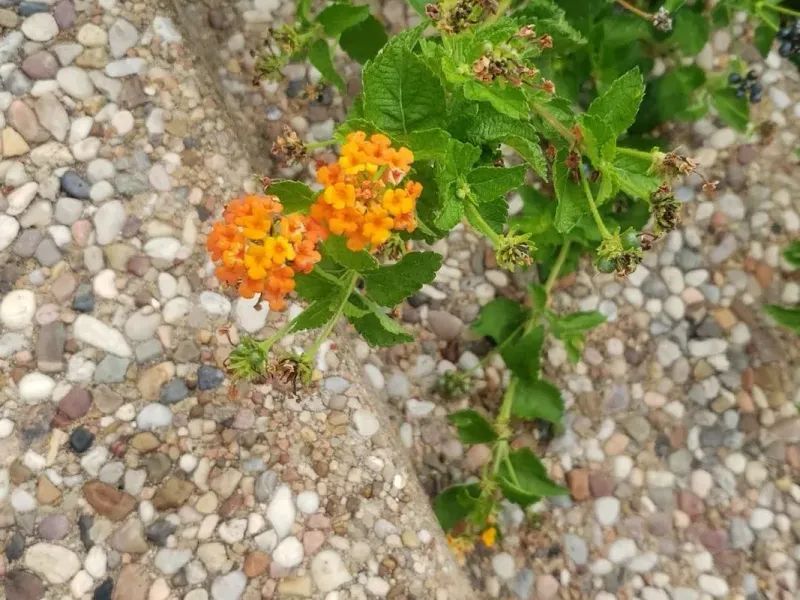
Fresh transplants need more attention than established plants, and lantana is no exception to that rule.
New roots have not yet spread deep enough into the surrounding soil to pull moisture during dry stretches, which means a newly planted lantana in a Texas summer can struggle quickly without consistent watering during those first critical weeks.
The goal during establishment is not to keep the soil constantly soaked but to make sure it does not dry out completely before roots have a chance to anchor and expand.
Checking soil moisture an inch or two below the surface every couple of days gives a much clearer picture than guessing based on surface appearance alone.
Mulching around the base of new transplants helps retain soil moisture and keeps root zones cooler during hot Texas afternoons. A two-to-three inch layer of shredded mulch kept a few inches away from the stem works well.
Most lantana transplants benefit from regular watering for several weeks before gradually transitioning to a less frequent schedule.
Rushing that transition during a hot, dry Texas stretch can set the plant back significantly, even if lantana is known for being tough once fully established.
5. Fertilizing So Much That Leaves Outpace Blooms
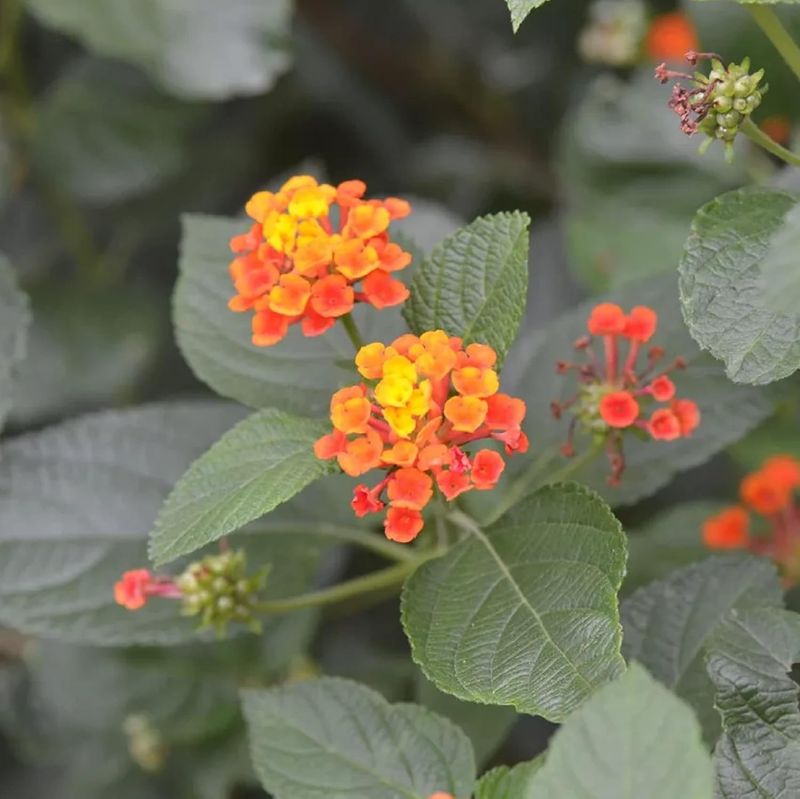
Rich, heavily fertilized soil sounds like a gift for flowering plants, but lantana often responds to too much fertilizer by putting energy into leaves rather than blooms.
The result is a big, bushy plant covered in dark green foliage that looks healthy from a distance but produces far fewer of the colorful flower clusters gardeners expect.
High-nitrogen fertilizers are especially likely to push lantana toward leafy growth. Nitrogen encourages green, vegetative development, which is great for lawns and some vegetables but works against the flowering performance lantana is grown for.
In many Texas landscapes, lantana growing in average or even lean soil blooms more reliably than lantana sitting in heavily amended, fertilizer-rich beds.
If a lantana plant looks lush but is not blooming as expected, skip the fertilizer for a while and see if flowering improves.
Some gardeners find that a light application of a low-nitrogen or bloom-boosting fertilizer in early spring is enough for the season.
Letting the plant experience a little natural stress from the Texas heat and lean soil can actually work in your favor when the goal is maximum color through the summer months.
6. Cutting Back Too Hard During Peak Heat
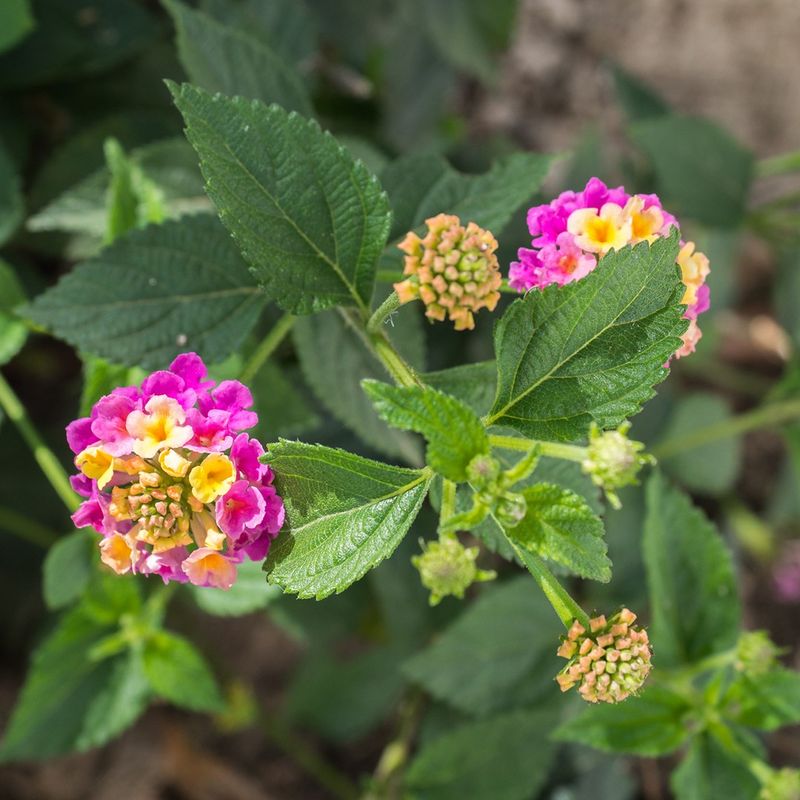
Heavy pruning during the hottest stretch of a Texas summer puts real stress on lantana at exactly the wrong time.
When temperatures are regularly pushing past ninety degrees and soil moisture is already low, a plant that has been cut back hard has to spend energy regrowing foliage rather than maintaining blooms and root health.
Timing matters more than most gardeners expect.
Light deadheading or tip trimming during summer is generally manageable for established plants and can help encourage new flower clusters. The concern is with aggressive cutbacks that remove most of the plant’s canopy during peak heat.
That kind of pruning is better suited for late winter or very early spring, before new growth begins and before Texas temperatures climb.
If a lantana plant starts looking rangy or tired mid-summer, a light shaping is usually a more reasonable approach than a heavy cutback.
Remove spent flower clusters and trim back the longest stems by a few inches to encourage branching without exposing the plant to excessive stress.
Waiting for a cooler stretch in late summer or early fall before doing any significant pruning tends to give lantana a better chance to recover and push out fresh growth before winter.
7. Crowding Plants Against Walkways And Pool Edges
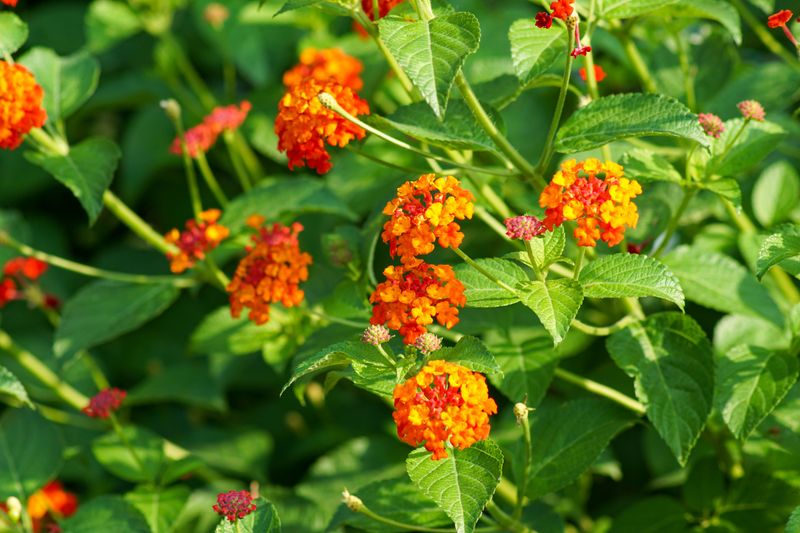
Placement decisions made at planting time tend to create the biggest headaches later.
Lantana can spread quite a bit wider than the tag at the nursery suggests, and plants placed close to walkways, pool decks, or patio edges often end up pushing into foot traffic areas within a season or two.
Keeping pathways clear and pool edges tidy becomes an ongoing battle.
Beyond the maintenance hassle, lantana near pool edges creates another concern. Berries, leaves, and plant debris can end up in pool water, and the oily residue from lantana foliage is not something most pool owners want to deal with regularly.
A generous buffer between lantana and any pool or water feature is a much easier approach from the start.
Walkway plantings come with their own considerations. Lantana stems can get woody and somewhat rough as the plant matures, and branches that overhang a path may scratch bare arms or legs.
Planting with mature spread in mind, typically leaving several feet of clearance from any edge or walkway, makes ongoing maintenance far more manageable.
A little extra space at planting time saves a lot of trimming work during the busiest months of the Texas growing season.
8. Ignoring Toxic Berries Around Pets And Children
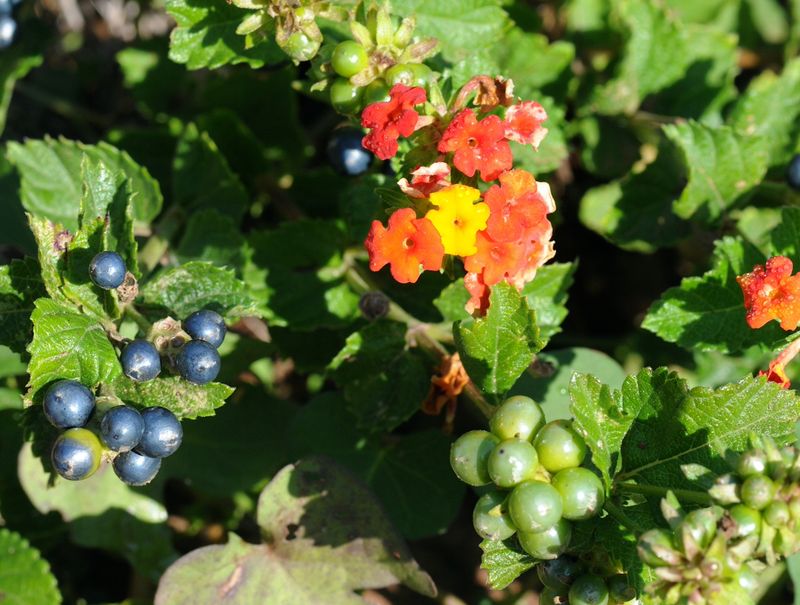
Lantana produces small berries that shift from green to dark purple or black as they ripen, and those berries are considered toxic if eaten.
For households with young children or pets who spend time in the yard, this is a placement consideration worth taking seriously.
The colorful flowers attract attention, and the berries can look appealing to curious hands and snouts.
Dogs, cats, horses, and livestock can all be affected by lantana berries, and children who do not yet know better may be drawn to the small, berry-like clusters.
Keeping lantana in areas of the yard where unsupervised children and pets do not have easy access is a reasonable precaution.
Front borders along a fence, elevated raised beds, or areas separated from play zones are worth considering.
Removing berry clusters before they fully ripen is another option for households that want to keep lantana in high-traffic areas while reducing exposure risk.
Deadheading spent flowers regularly not only encourages more blooming but also limits berry development.
Being aware of the issue and planning around it is far more practical than avoiding lantana altogether, especially since it performs so reliably in Texas heat and full sun conditions.
9. Expecting The Same Blooming In Every Texas Yard
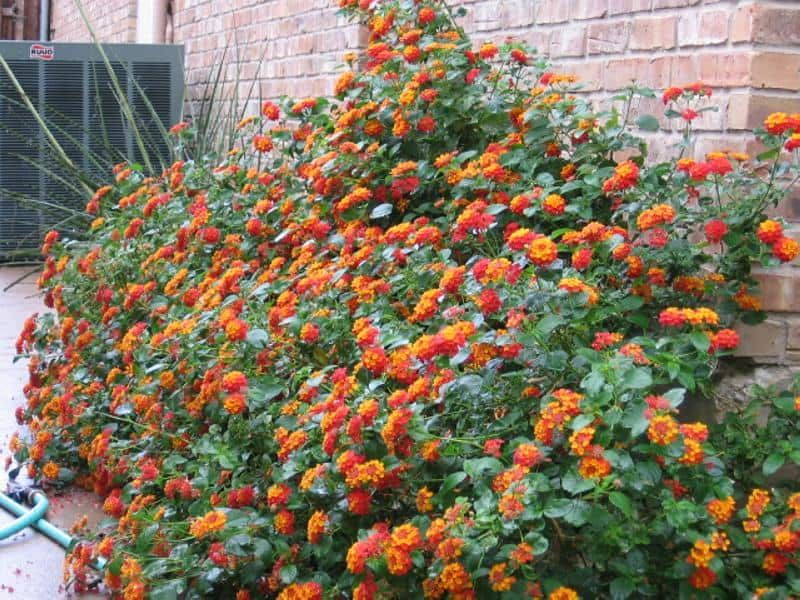
Lantana has a well-earned reputation as a reliable bloomer in Texas landscapes, but that reputation can set expectations that do not always match reality.
Bloom performance varies based on sun exposure, soil type, watering habits, plant age, variety selection, and seasonal weather patterns.
A plant thriving in one Texas yard may look completely different from the same variety growing a few miles away.
Summer rainfall, humidity levels, and temperature swings all play a role in how lantana behaves from one season to the next.
A wet summer in parts of east Texas creates very different growing conditions than a dry, scorching summer in the Hill Country or west Texas.
Expecting identical results across such different environments is not realistic, and adjusting expectations helps gardeners focus on what they can actually control.
Soil preparation, sun exposure, and watering during establishment have the most influence over how well lantana performs in a given spot.
If blooming is underwhelming, working through those basic factors one at a time is more useful than assuming something is wrong with the plant itself.
Lantana is genuinely tough across much of Texas, but site conditions still shape the outcome in ways that no online advice can fully predict for your specific yard.
10. Treating Every Lantana Variety The Same
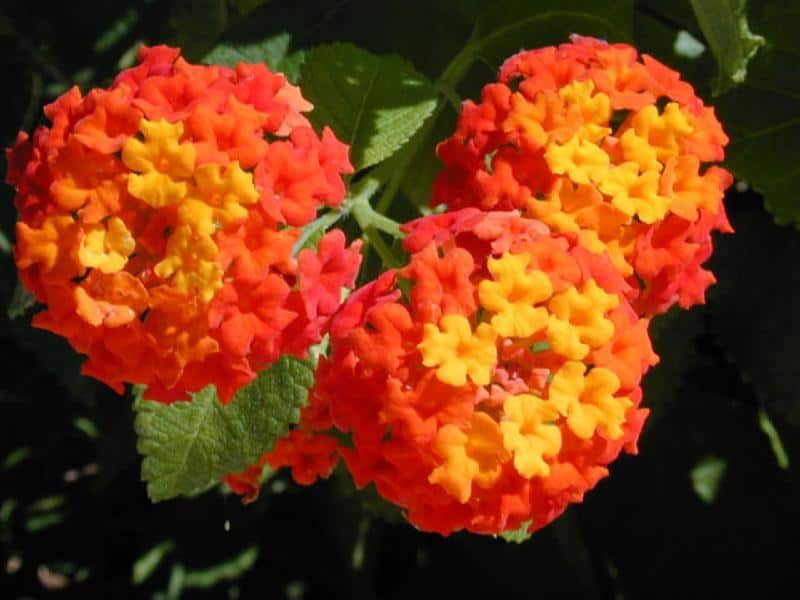
Walking through a Texas nursery in spring, it is easy to assume that all the lantana pots lined up on the bench will behave the same way once they go in the ground.
Variety differences are real, though, and they matter more than the general lantana reputation might suggest.
Trailing types, compact varieties, native Texas lantana, and large sprawling cultivars all have distinct habits that affect how you should site and maintain them.
Native Texas lantana, sometimes called calico bush, tends to be more adapted to central Texas soils and dry conditions than some of the hybridized cultivars developed for color range or compact form.
Trailing varieties work well in containers or spilling over retaining walls but may not fill a large landscape bed the way an upright spreading type would.
Compact varieties stay tidier near walkways but may not produce the same volume of blooms as a more vigorous selection.
Reading the plant tag carefully and asking questions at the nursery before purchasing saves a lot of guesswork later.
Knowing the expected mature size, sun preference, and water needs of the specific variety you are buying helps you choose the right spot from the start.
Treating every lantana the same, regardless of variety, leads to placement and care decisions that do not always serve the plant well in your particular Texas landscape.