8 Low-Maintenance Plants For A Tennessee Tea Garden
Tennessee backyards hold a secret weapon most gardeners overlook: the soil and climate here practically beg to grow something you can steep, thanks to long humid summers and mild winters that turn a few square feet of dirt into a personal apothecary.
Some of the toughest, most fragrant options thrive with barely any attention, rewarding patience rather than effort. A handful of these plants root deep, spread wide, and keep producing long after typical garden favorites give up.
Pick the right ones, and your yard starts working like a quiet tea shop, brewing calm mornings and slow evenings from the ground up. The eight picks below prove flavor and ease grow side by side, no greenhouse required.
1. Peppermint
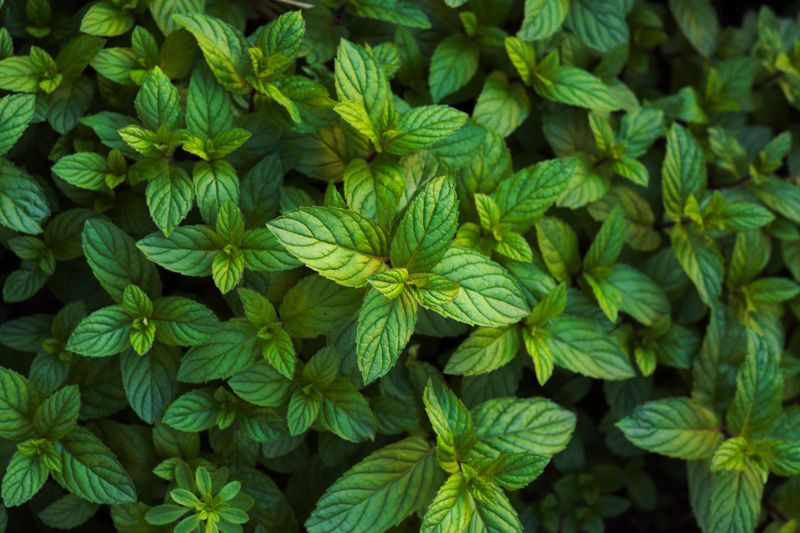
Peppermint is the overachiever of any tea garden. Once it gets going, it spreads fast and fills your space with a bold, cooling scent.
Growing peppermint in Tennessee is almost too easy. The plant loves moist soil and partial shade, which the state’s climate delivers in abundance.
Plant it in a container if you want to keep it from taking over your whole garden. A simple clay pot works perfectly and keeps the roots from wandering into your other herbs.
Pair it with a saucer underneath to catch runoff, since peppermint drinks more often than most herbs on this list. Letting the soil dry out completely between waterings is the fastest way to stunt its growth.
Harvest the leaves before the plant flowers for the strongest flavor. Pinch off the tops regularly and the plant will keep producing all season long.
To brew a cup, steep about ten fresh leaves in hot water for five minutes. The result is a clean, cool, minty tea that feels like a breath of fresh air.
Peppermint also repels garden pests naturally, so it pulls double duty as a protector and a producer. Few low-maintenance tea garden plants work as hard as this one.
You can dry the leaves and store them for winter use, too. Hang small bundles upside down in a dry, shaded spot and they will be ready to use in a week.
2. Lemon Balm
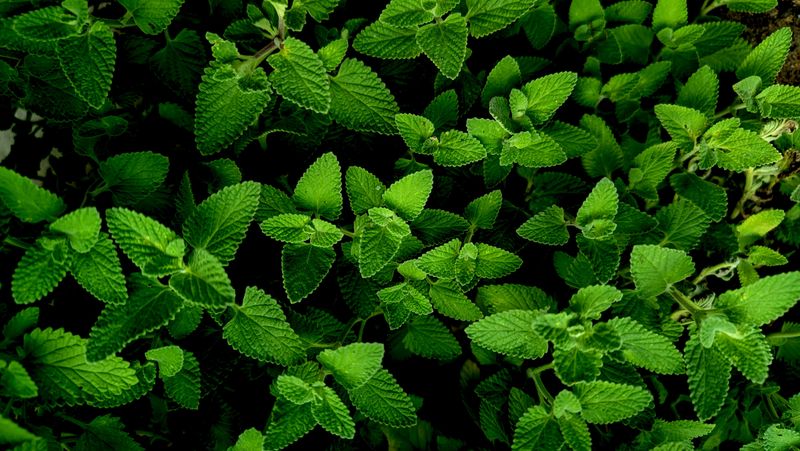
Lemon balm smells like someone squeezed a lemon over a handful of fresh herbs. That citrusy punch makes it a favorite among home tea growers.
This herb belongs to the mint family, so it grows with the same enthusiasm and ease. Plant it once and it will come back every year without any fuss.
Tennessee summers can be intense, but lemon balm handles heat surprisingly well. It prefers a bit of afternoon shade, especially during the hottest weeks of July and August.
Water it deeply once or twice a week and it will reward you with armfuls of fragrant leaves. The plant is drought-tolerant once established, making it a solid choice for busy gardeners.
Give it room to spread, since lemon balm fills out a bed faster than most gardeners expect. A patch that starts as a single small plant can double in size by midsummer.
Your Tennessee Garden Changes Every Week. Your Plan Should Too.
Gardening in Tennessee changes quickly throughout the season. Every Friday you’ll receive a simple weekly plan showing exactly what to plant, prune, fertilize, harvest, and protect so you never miss the right timing.
Harvest leaves in the morning after the dew dries for the best flavor. The oils are most concentrated at that time of day, giving your tea a brighter, more vibrant taste.
A warm cup of lemon balm tea is known for its calming effects. Many people sip it to ease stress or wind down before sleep, and it works beautifully for that purpose.
You can also blend it with chamomile or peppermint for a more complex brew. Blend it into your routine and every cup starts to feel like a small celebration.
3. Chamomile
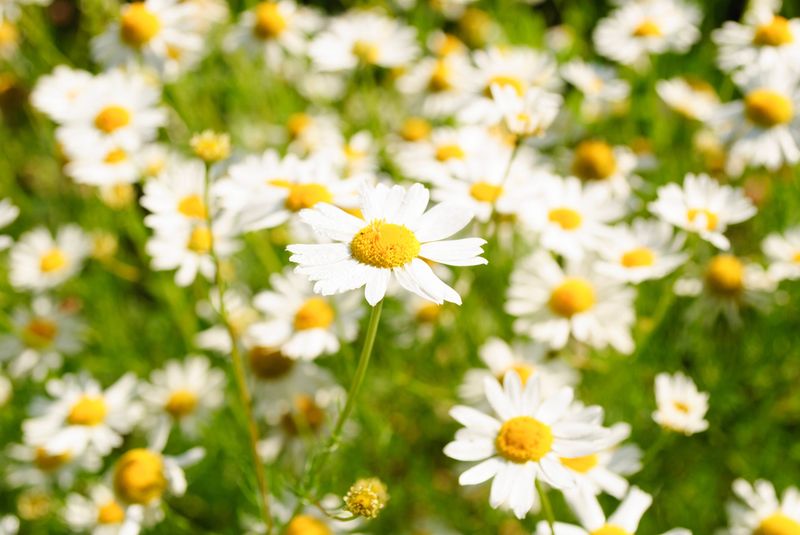
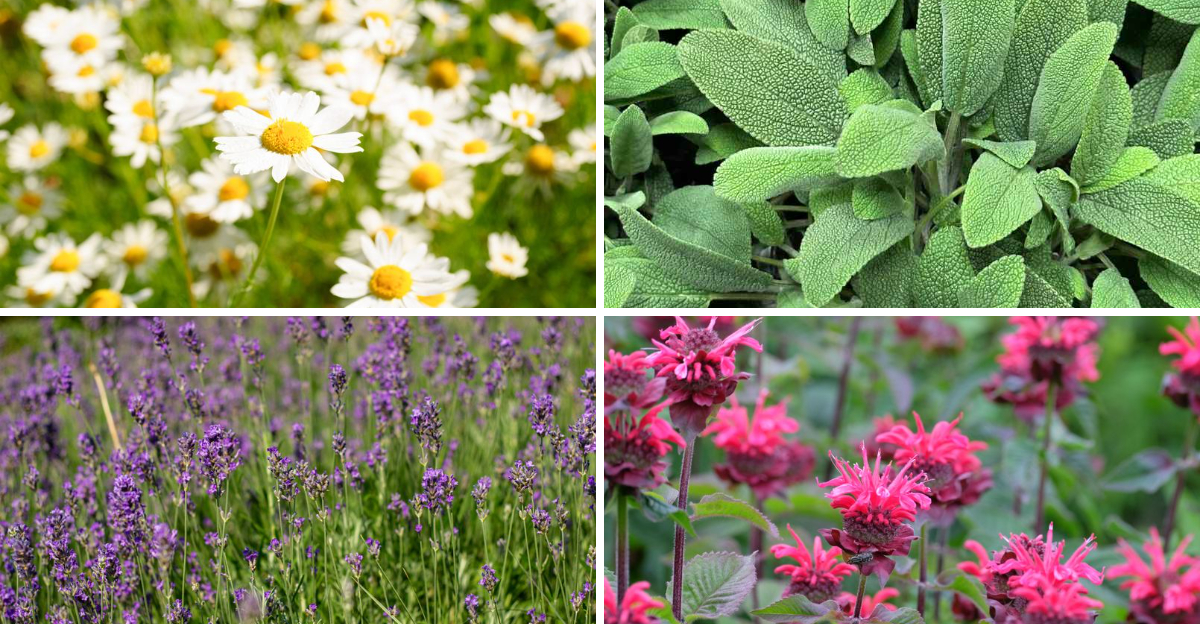
Chamomile looks like a field of tiny daisies, and honestly, it is just as cheerful. Those little white-and-yellow blooms are what you steep for a gentle, soothing cup.
German chamomile is the best variety for tea gardens in the South. It grows as an annual, meaning it completes its full cycle in one season, but it self-seeds generously.
Plant chamomile in a sunny spot with well-drained soil and watch it thrive. It does not need rich fertilized earth and actually prefers soil that is a bit lean.
Water young plants regularly until they are established. After that, chamomile is surprisingly independent and can handle dry spells without much drama.
Harvest the flowers when they are fully open and the petals begin to bend slightly back. That is when the essential oils are at their peak and the flavor is the richest.
Dry the blooms on a screen in a warm, airy spot for about a week. Once dry, store them in a sealed glass jar away from direct sunlight.
Steeping chamomile flowers for five minutes creates a golden, apple-scented tea that is gentle on the stomach. It is the kind of cup that makes a rough day feel a little softer.
Chamomile asks for almost nothing and gives back a full season of blooms and gentle cups in return.
4. Sage
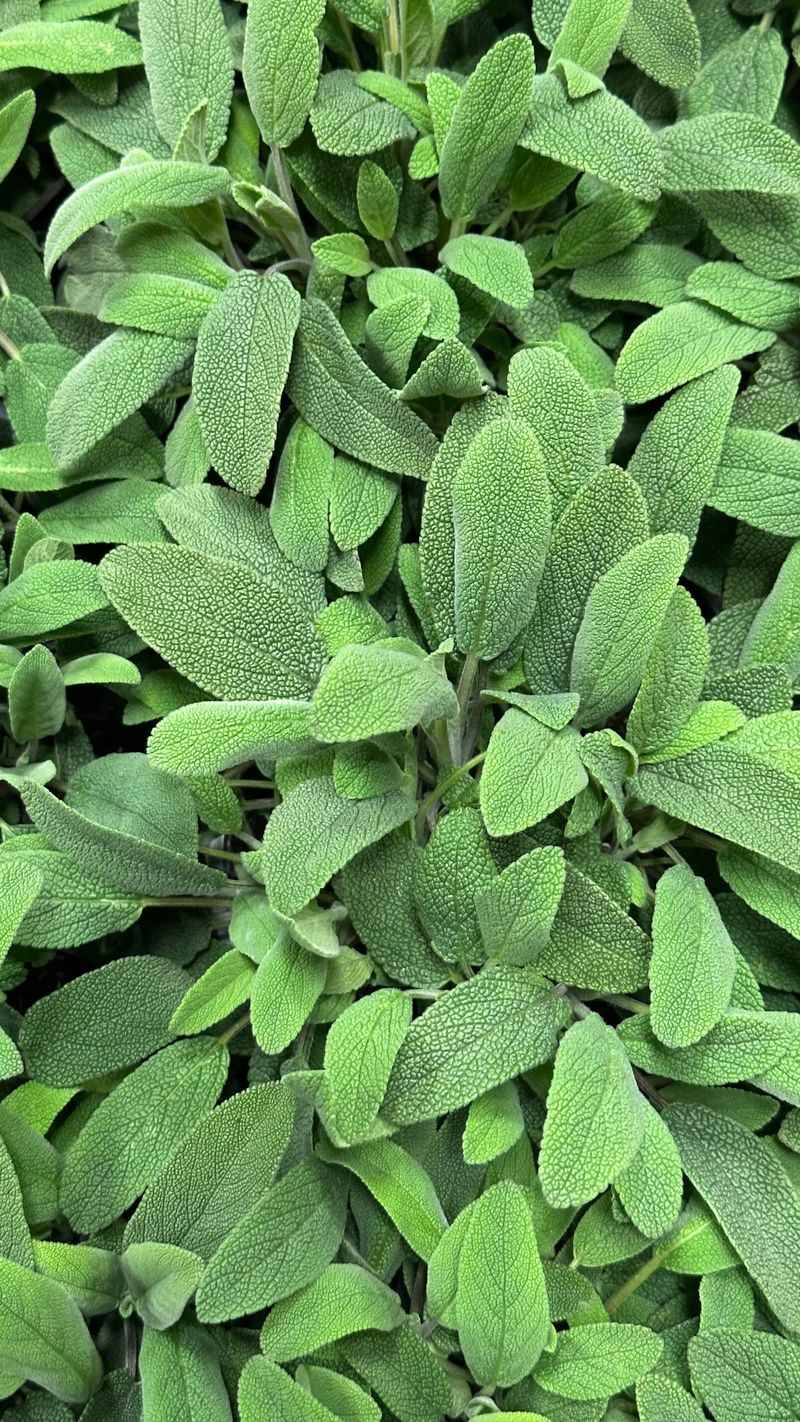
Sage is the kind of plant that makes you feel like a seasoned gardener, even if you just started this spring. Its silvery-green leaves carry a bold, earthy aroma that fills the whole garden.
This herb thrives in full sun and well-drained soil, two things Tennessee has in generous supply. Plant it in a raised bed or a slope where water does not pool after rain.
Sage is a perennial in most of Tennessee, meaning it comes back year after year. Once established, it is one of the most drought-resistant herbs you can grow.
Trim it back in early spring to encourage fresh, bushy growth. Avoid cutting into old woody stems, as sage regenerates best from newer green growth.
For tea, use fresh or dried leaves steeped in hot water for about seven minutes. The flavor is strong and slightly peppery, so start with two or three leaves and adjust from there.
Sage tea has a long history of use for soothing sore throats and supporting digestion. Ancient Mediterranean cultures relied on it heavily, and modern herbalists still recommend it today.
You can dry sage easily by bundling stems together and hanging them in a warm room. The dried leaves keep their potency for months when stored in an airtight container.
Sage keeps rewarding you year after year, with barely any upkeep between harvests.
5. Lavender
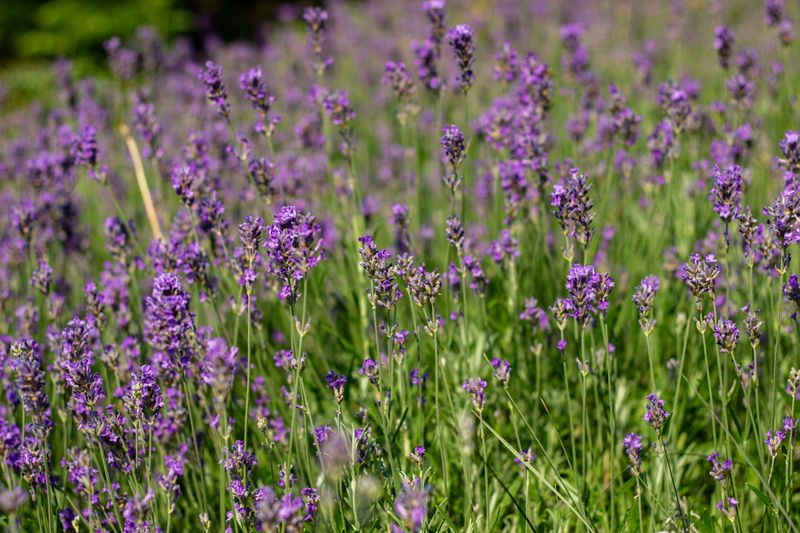
Lavender is the plant that makes your garden look like it belongs in the French countryside. Those tall purple spikes are striking, and the scent lingers long after you walk past.
Growing lavender in Tennessee requires one key thing: excellent drainage. The plant dislikes wet roots, so raised beds or sandy soil mixes are your best friends here.
Choose an English lavender variety for tea, as it has the mildest and most pleasant flavor. French and Spanish varieties tend to be more pungent and can taste medicinal in a cup.
Plant lavender in a spot that gets at least six hours of direct sun each day. The more sun it gets, the more fragrant and productive the plant becomes.
Harvest flower spikes just before they fully open for the strongest aroma and flavor. Cut them in the morning and either use them fresh or hang them to dry in small bunches.
Lavender tea is subtle and floral, with a hint of sweetness that pairs beautifully with honey. Steep two teaspoons of dried buds in hot water for four minutes and sip slowly.
Many people find lavender tea helps ease anxiety and promotes restful sleep. It is a popular evening ritual that turns a simple cup into a full sensory experience.
Lavender pulls its weight in every direction, part fragrance, part flavor, part garden showpiece.
6. Bee Balm
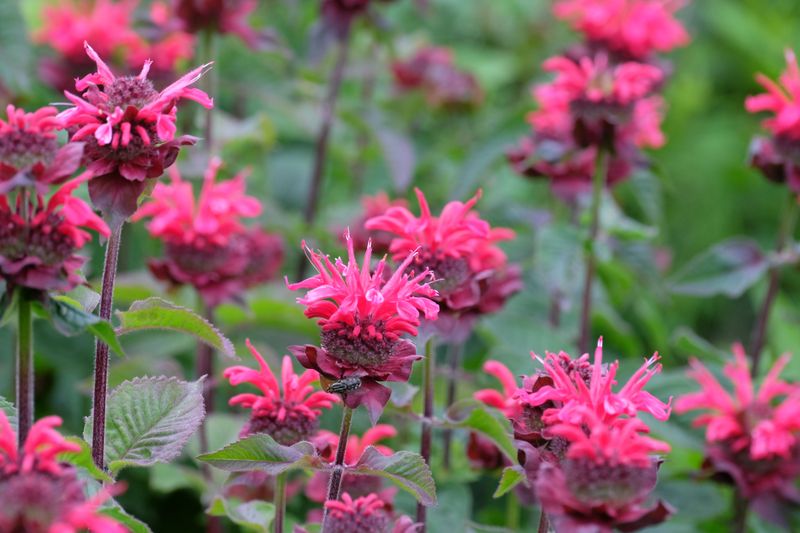
Bee balm brings the boldest color to any tea garden. Its fiery red, pink, or purple blooms burst outward from the top of each stem in tight, spiky clusters.
Native to North America, bee balm has deep roots in herbal tradition. Indigenous communities used it for centuries to brew teas for colds, fevers, and digestive issues.
This plant absolutely loves Tennessee’s climate. It grows vigorously in moist, rich soil and handles summer heat with ease as long as it gets consistent moisture.
Plant bee balm in a spot with full sun to partial shade and give it room to spread. It is a perennial that expands outward each year, so space plants about eighteen inches apart.
Divide the clumps every two or three years to keep the plants healthy and blooming well. This also gives you more plants to spread around the garden or share with neighbors.
Both the flowers and leaves are usable for tea. The flavor is bright and spicy, similar to oregano but with a floral edge that makes it uniquely refreshing.
Steep a small handful of fresh leaves or a few flower heads in hot water for six minutes. The resulting brew has a warm, herbal kick that pairs well with a spoonful of local honey.
Bee balm also attracts pollinators like hummingbirds and bumblebees, turning a quiet backyard corner into a buzzing, blooming ecosystem full of life.
7. Anise Hyssop
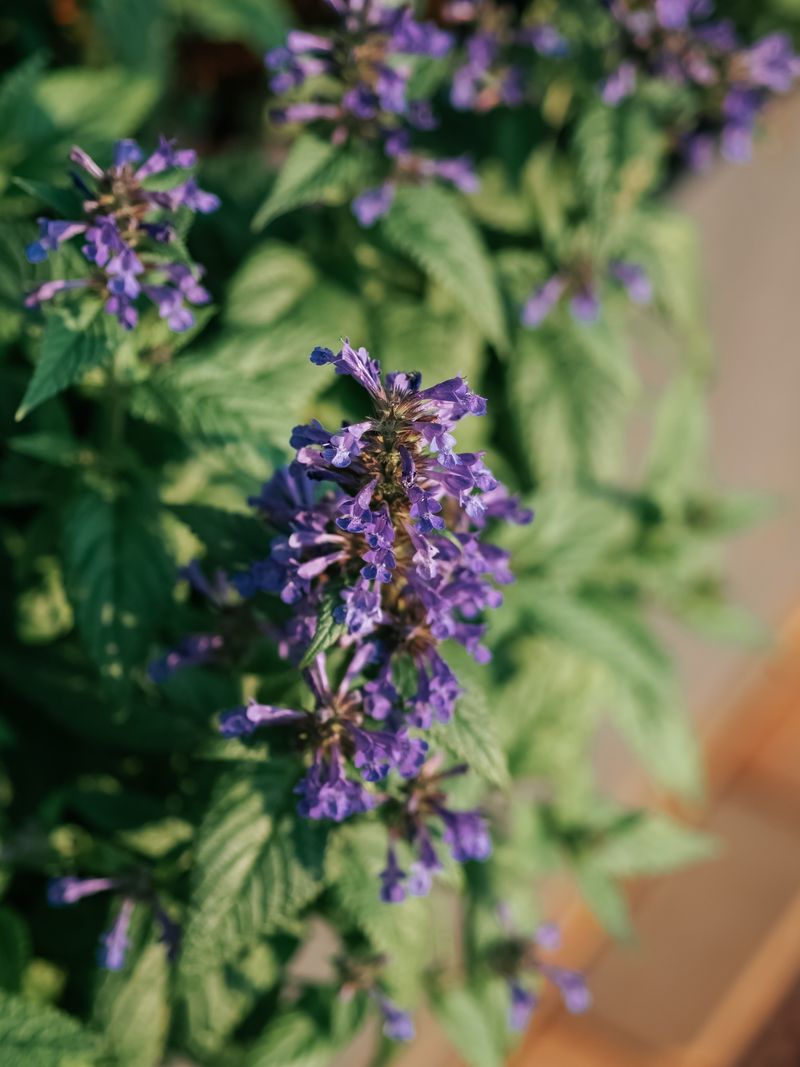
Anise hyssop is the underdog of the herbal tea world, and it deserves far more attention than it gets. One whiff of its leaves and you will understand why bees keep coming back for more.
The scent is sweet, licorice-like, and unmistakably pleasant. Crush a leaf between your fingers and the aroma lingers on your skin for a surprisingly long time.
This North American native grows beautifully in Tennessee gardens. It prefers full sun and well-drained soil but adapts to a wide range of conditions without much complaint.
Anise hyssop is a short-lived perennial that self-seeds freely. Plant it once and it will likely keep popping up in your garden for years, making it one of the most effortless herbs you can grow.
The plant reaches three to four feet tall and produces long, upright spikes of lavender-purple flowers from midsummer into fall. Those blooms are edible and make a beautiful garnish for iced tea.
Harvest leaves any time during the growing season for fresh tea. For dried tea, cut stems just before the flowers open and hang them upside down in a shaded, airy space.
Steep the dried leaves for five to seven minutes in hot water for a smooth, mildly sweet tea. The flavor is lighter than star anise, with a clean herbal finish that feels refreshing year-round.
Anise hyssop pulls its own weight too, adding unique flavor, wild beauty, and a steady stream of pollinators to the whole garden.
8. Tulsi
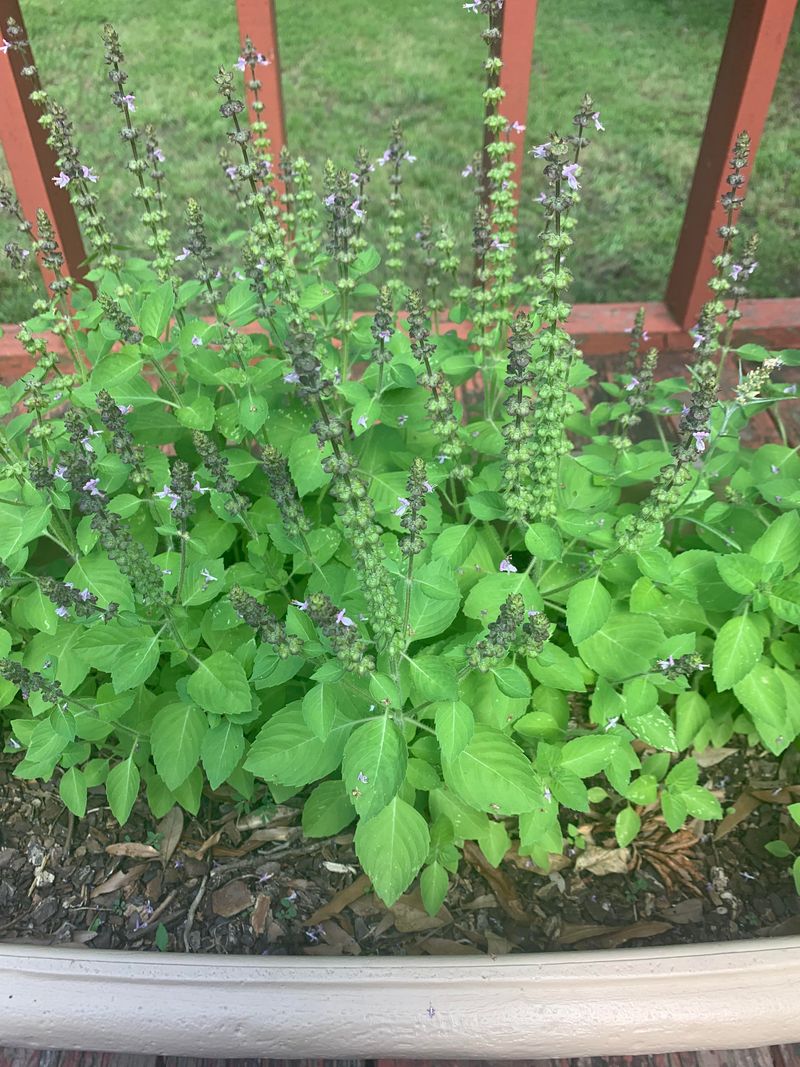
Tulsi thrives in exactly the kind of heat that sends other herbs into hiding. Its clove-and-licorice scent turns a single pot into the fragrant centerpiece of any tea garden.
Don’t confuse it with the sweet basil sitting in your spice rack. Tulsi is a distinct variety grown specifically for brewing, with a softer, more floral profile suited for a cup rather than a skillet.
This warm-climate native treats Tennessee summers like home turf. Unlike basils that sulk past July, tulsi keeps producing right through the season’s heaviest heat.
Plant it in full sun with rich, well-drained soil and space seedlings about a foot apart. A container works just as well as a garden bed, making it easy to move indoors before the first frost.
Pinch the growing tips regularly to keep the plant bushy and delay flowering. The more you harvest, the more it branches, rewarding frequent cutting with fuller future growth.
Snip leaves in the morning once the plant reaches six to eight inches tall. Fresh leaves carry a light floral edge, while dried ones lean into a deeper, earthier clove flavor.
Steep a small handful of leaves in hot water for five to seven minutes for a warming, aromatic cup. Tulsi tea has long been used to ease stress and support a calm, steady mind.
Bees and butterflies flock to its purple flower spikes, adding movement and life to the space around it. Built for Southern heat, tulsi earns its spot as the season’s hardest worker without asking much back.