This Porch Plant Is Helping Tennessee Homeowners Repel Mosquitoes
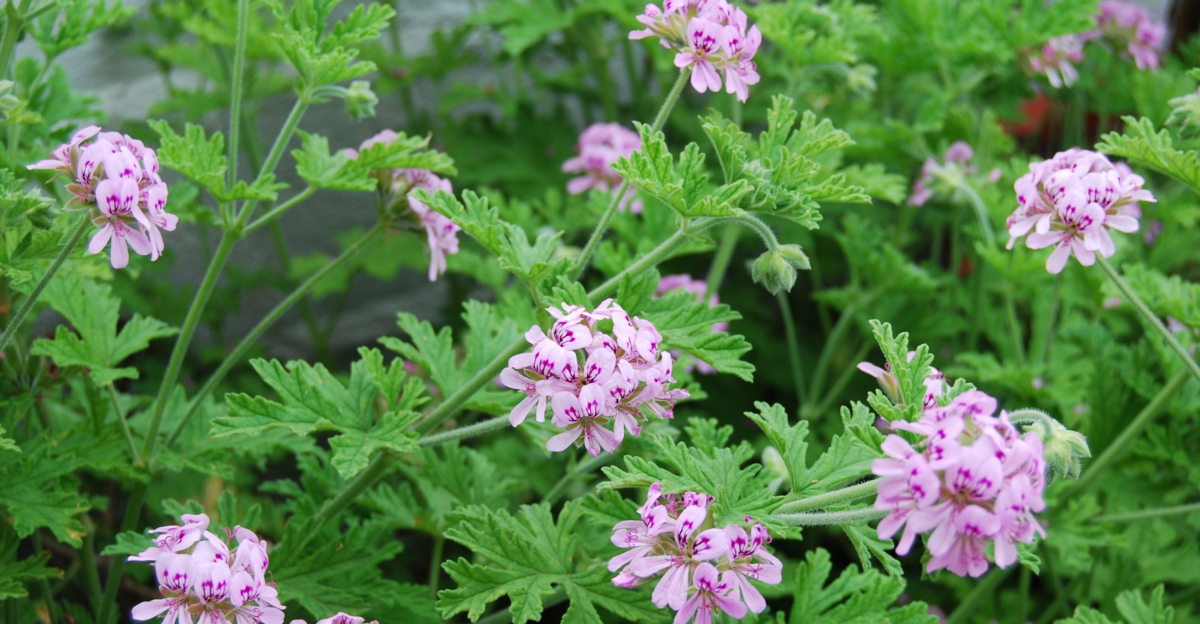
Mosquitoes disrupt your Tennessee evenings before you even sit down. Stepping outside, you retreat within minutes, tired and distracted. Neighbors nearby already know a secret you don’t.
Bug spray leaves you sticky, uncomfortable, and smelling of chemicals. Citronella rewrites your story, quietly, without noise or residue. Many gardeners report seeing results faster than expected.
Nothing about growing it demands your time or expertise. Partial shade suits your porch fine, full sun suits it better. Tennessee homeowners like you are trading plug-ins for something greener.
Your evenings shift the instant this plant takes root. Lemon-scented air replaces the buzzing filling your summer nights. Bothersome bites stop, and you finally enjoy your cold drink.
Fragrance does the work while you simply relax. Everything about ignoring this costs you peaceful evenings.
Evenings you deserve do not end in retreat. You are a plant away from reclaiming every summer evening.
What Makes The Citronella Plant A Mosquito Repellent
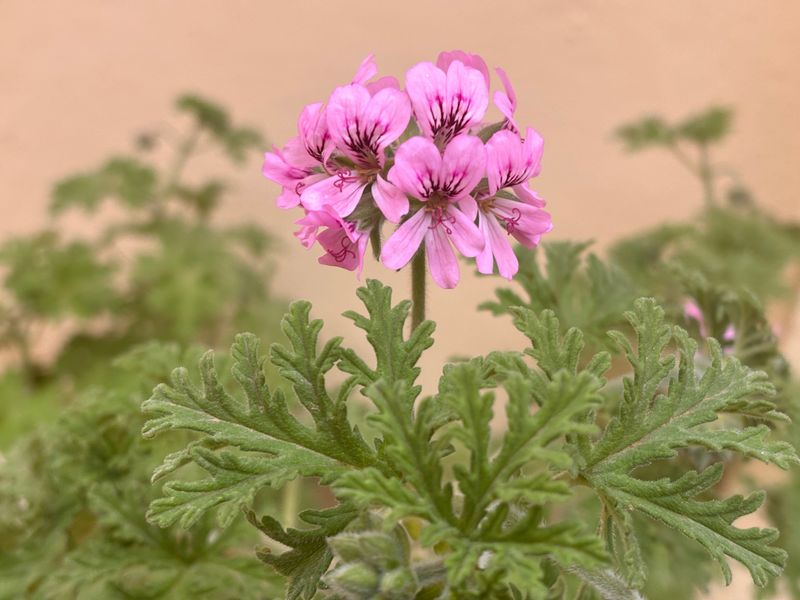
That lemony smell is not just pleasant. It is powerful. The citronella plant is believed to produce natural oils in its leaves that may deter mosquitoes.
These oils release a strong scent that confuses and overwhelms a mosquito’s sense of smell. Since mosquitoes find their targets by sniffing out carbon dioxide and body heat, the citronella scent throws them completely off track.
Rubbing a leaf between your fingers releases even more of that oil instantly. The fragrance hits the air fast, and some report nearby bugs becoming less active.
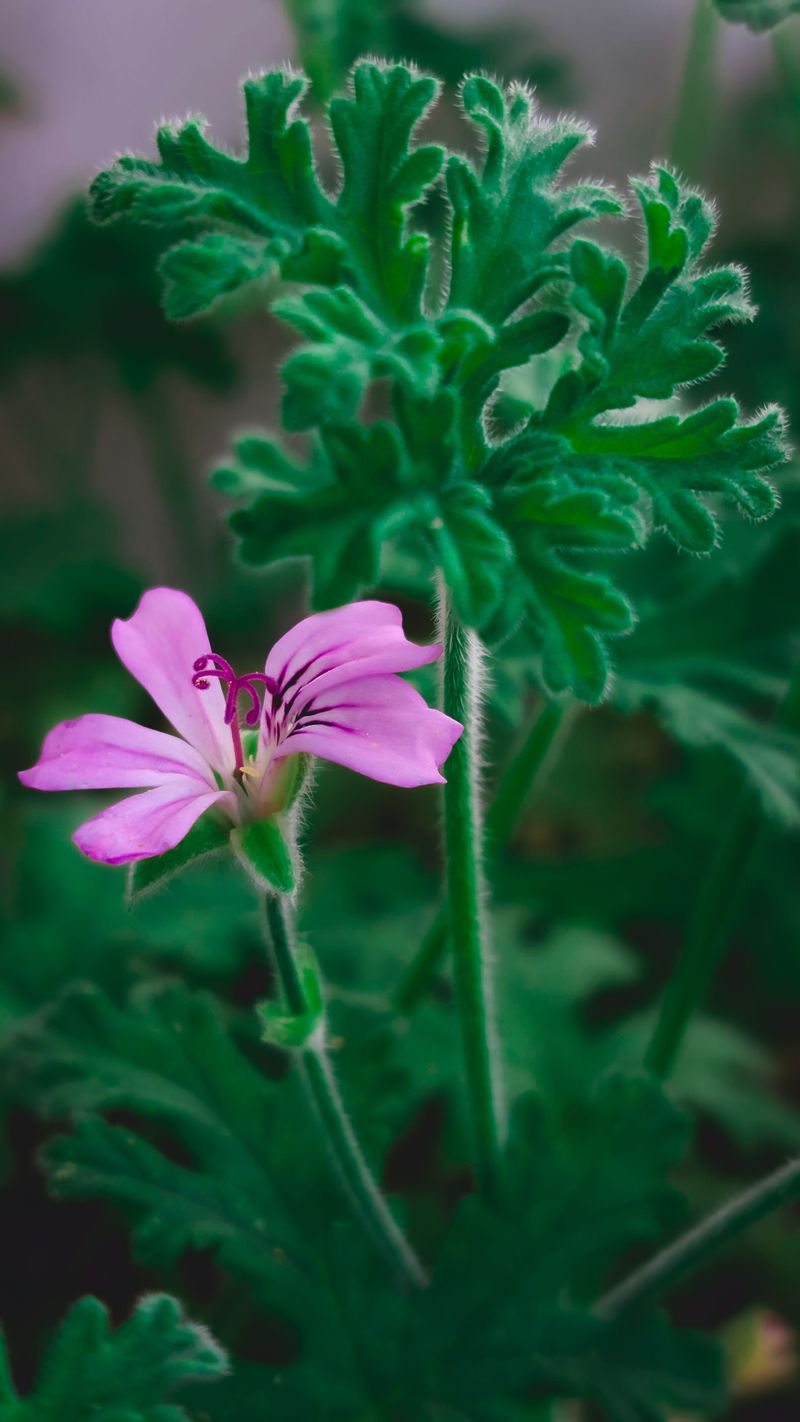
Scientifically, the plant belongs to the Pelargonium genus, not the grass family many people assume. It is often called the mosquito plant, though its botanical name is Pelargonium citrosum and its effectiveness remains debated.
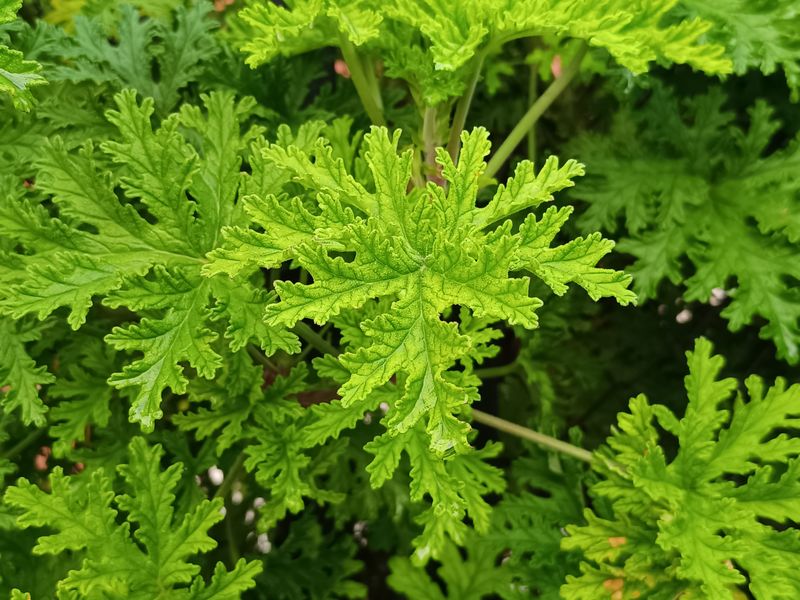
The leaves look similar to parsley, with a ruffled, deeply cut shape. They stay green and full throughout the warm months, making them attractive even when they are not actively repelling anything.
What separates this plant from a citronella candle is the living, breathing oil production happening constantly. A candle burns out; this plant keeps working all season long.
Crushing or brushing against the leaves gives you the strongest burst of scent. Some homeowners rub a leaf on their arms before sitting outside for extra protection.
The plant works best as part of a layered outdoor strategy. Pair it with good placement and a few other bug-deterring habits, and your porch becomes a noticeably more comfortable space all summer.
Why Tennessee Porches Are Ideal For This Plant

Tennessee summers create ideal breeding conditions for mosquitoes. Warm temperatures, high humidity, and plenty of standing water after afternoon storms create the perfect breeding ground for these pests.
That same hot, humid climate happens to be exactly what the citronella plant loves most. It thrives in warm weather and struggles only when frost arrives, which gives it a long growing season across the state.
From Memphis to Knoxville, the growing conditions are nearly ideal from late spring through early fall. That window gives homeowners several solid months of natural mosquito protection without much effort.
Your Tennessee Garden Changes Every Week. Your Plan Should Too.
Gardening in Tennessee changes quickly throughout the season. Every Friday you’ll receive a simple weekly plan showing exactly what to plant, prune, fertilize, harvest, and protect so you never miss the right timing.
Porches in Tennessee also tend to get a healthy mix of sun and shade throughout the day. Citronella plants prefer bright, indirect light or morning sun with afternoon shade, which is a common porch condition across the region.
The plant also benefits from the frequent summer rain Tennessee receives. Consistent moisture keeps the soil from drying out too fast, which is one of the main ways citronella plants struggle in drier climates.
Neighborhood trees and shrubs provide natural wind breaks that help the plant hold its scent longer in the air. Less wind means the fragrance lingers right where you need it most.
Container gardening is huge in this state, and citronella does beautifully in pots. You can move it around the porch depending on where you are sitting or where the bugs seem worst.
Simply put, Tennessee porches and citronella plants are a natural match that most homeowners have not taken full advantage of yet.
How To Plant And Care For It Successfully
Starting with a healthy plant from a local nursery is the fastest path to a thriving citronella setup. Seeds take too long, and most gardeners skip straight to transplants for good reason.
Choose a pot that is at least 12 inches wide with solid drainage holes at the bottom. Citronella roots struggle in soggy soil, and poor drainage is the number one way to lose the plant fast.
Fill the container with a well-draining potting mix, not heavy garden soil. A mix designed for herbs or container plants works perfectly and keeps moisture balanced without waterlogging the roots.
Water the plant when the top inch of soil feels dry to the touch. Overwatering looks a lot like underwatering, so always check the soil before adding more water to avoid confusion.
Fertilize once a month during the growing season with a balanced liquid fertilizer. This keeps the leaves full, fragrant, and actively producing those mosquito-repelling oils all summer long.
Pinch back any flowers that appear to encourage bushier, leafier growth. More leaves mean more surface area releasing scent, which is exactly what you want on a bug-heavy evening.
Bring the plant indoors before the first frost hits, usually in October or November across most of the state. A sunny windowsill keeps it alive through winter so you can move it back outside next spring.
Caring for citronella is genuinely low-maintenance once you get the watering rhythm right. Most beginners are surprised by how forgiving and rewarding this plant turns out to be.
Placement Tips To Maximize Mosquito-Repelling Effects
Location is everything when it comes to getting the most from this plant. Placing it randomly in a corner will not give you the same results as a smart, intentional setup.
Start by flanking both sides of your porch entry with one pot each. Mosquitoes tend to follow people through entry points, and this creates a fragrant barrier right at the threshold.
Group two or three plants near your main seating area for maximum effect. The closer the scent is to where you are sitting, the better the coverage around your personal space.
Avoid tucking the plant behind furniture where airflow is blocked. Good air circulation helps carry the scent outward, creating a wider protective zone around your seating area.
Set the pots at different heights using plant stands or stacked bricks. Layered heights spread the scent across multiple levels, covering more of the space where mosquitoes typically fly.
If your porch wraps around the house, place a pot at each corner to close off entry points from multiple directions. Mosquitoes are opportunists and will find any unprotected gap.
Brush the leaves gently whenever you walk past to release a fresh burst of oil. This simple habit keeps the scent active throughout the evening without any extra products or effort.
Repel mosquitoes even more effectively by keeping standing water off the porch entirely. Removing birdbaths, saucers, or buckets removes breeding spots that even the best plant placement cannot fully overcome.
Does Citronella Really Work Against Mosquitoes
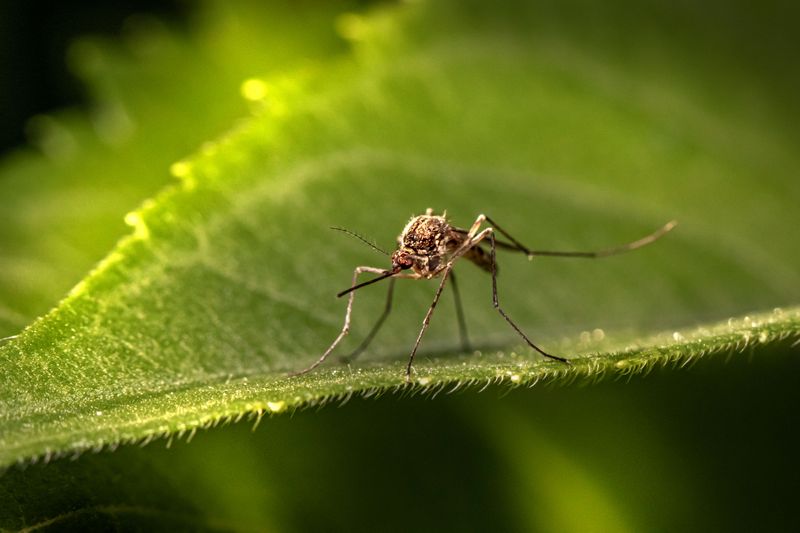
Fair question, and the honest answer is: it depends, with some important context. Citronella does repel mosquitoes, but it works best as part of a bigger outdoor strategy.
Some studies suggest citronella oils may reduce mosquito landings on nearby surfaces, though results vary. The effect is real, though it is stronger when you are close to the plant rather than across the yard.
The scent works by masking the smells that attract mosquitoes in the first place. Your breath, sweat, and body heat are what draw bugs in, and citronella disrupts their ability to pinpoint those signals.
One plant alone in a large open space will have limited impact. Grouping multiple plants together amplifies the scent significantly and creates a more reliable deterrent in your immediate area.
Citronella candles and sprays use extracted oil from plants like lemongrass, not always from this specific Pelargonium variety. The living plant offers a gentler, continuous release rather than a concentrated burst.
Some smaller studies suggest citronella-based plants may reduce mosquito presence in close proximity, though results are not consistent across research.
Skeptics often dismiss the plant because they expect it to work like a force field. Adjusting expectations to see it as a strong deterrent rather than a total barrier makes the results feel much more satisfying.
Used alongside screens, fans, and smart porch habits, citronella gives you a mosquito-deterring setup that costs very little to maintain.
Other Porch Plants That Pair Well With Citronella
Citronella is a fantastic starting point, but pairing it with other bug-deterring plants turns your porch into a full-on mosquito repellent zone. Think of it as building a team with different strengths.
Lavender is one of the best companions you can add. Its sweet floral scent is calming to humans but deeply irritating to mosquitoes, flies, and even moths looking for a landing spot.
Basil brings double duty to the porch. It keeps bugs away and ends up in your kitchen. The strong aroma from its leaves works as a natural insect deterrent without any extra effort on your part.
Rosemary is another powerhouse that thrives in containers and loves the same sunny conditions citronella prefers. Its woodsy, piney scent confuses flying insects and keeps them from settling near your seating area.
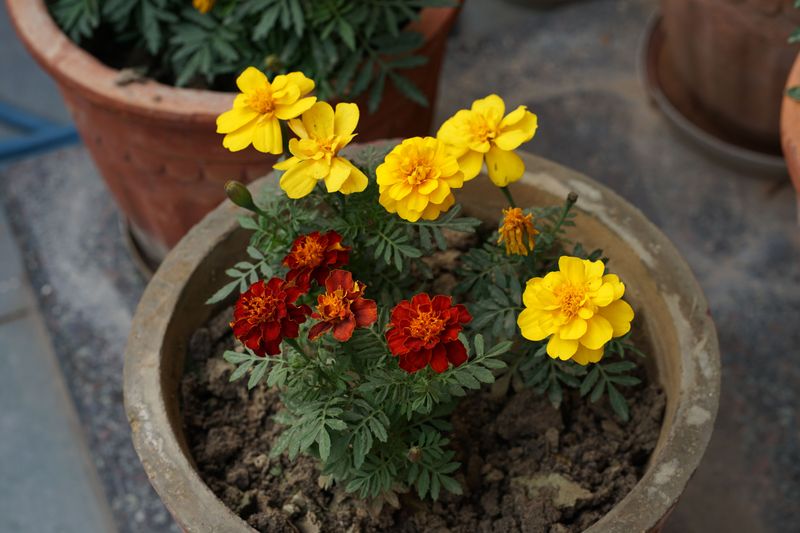
Marigolds are bright, cheerful, and surprisingly fierce against pests. They release a scent from their roots and blooms that mosquitoes and even aphids tend to avoid.
Peppermint grows fast and smells incredible on a warm evening. Mosquitoes avoid the menthol compounds it produces, making it a great low-cost addition to any bug-fighting porch garden.
Lemon balm rounds out the group with a citrus-forward scent that overlaps beautifully with citronella. Together, they create a layered fragrance wall that is far more effective than either plant working alone.
Building this plant lineup can make your porch a more consistently protected space all summer long.