These Oregon Plants Get Damaged By Coffee Grounds And Most Gardeners Keep Adding Them Anyway
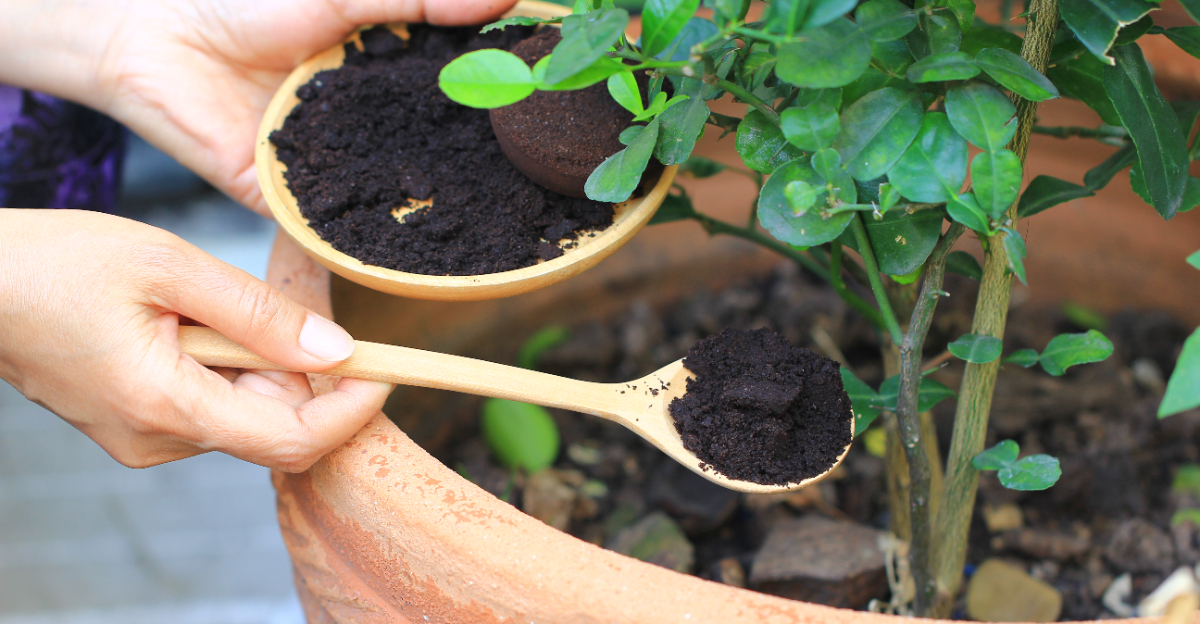
Coffee grounds have somehow earned a garden halo they do not always deserve. In Oregon yards, that can lead to a lot of confident sprinkling and a few very unhappy plants.
The problem is that used grounds are not magic soil glitter. They can affect drainage, create a crust, hold too much moisture, or add more organic material than some plants want.
For gardeners trying to be thrifty and eco-friendly, that feels wildly unfair. You think you are feeding the soil, then a plant starts sulking like it just read the recipe.
The tricky part is that damage may show up slowly, so the grounds keep coming long after the warning signs start. Before you dump another filter full around your favorite bed, it is worth knowing which plants may hate the habit.
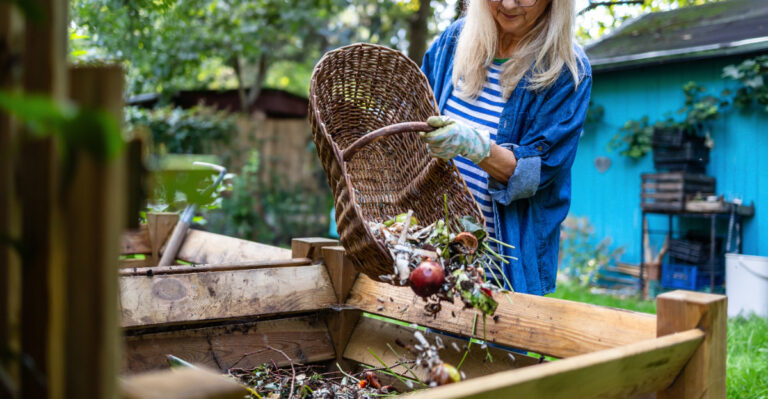
Sometimes the best garden move is putting coffee waste in compost, not directly on the soil.
1. Lavender Hates Damp, Rich Soil Around Its Crown
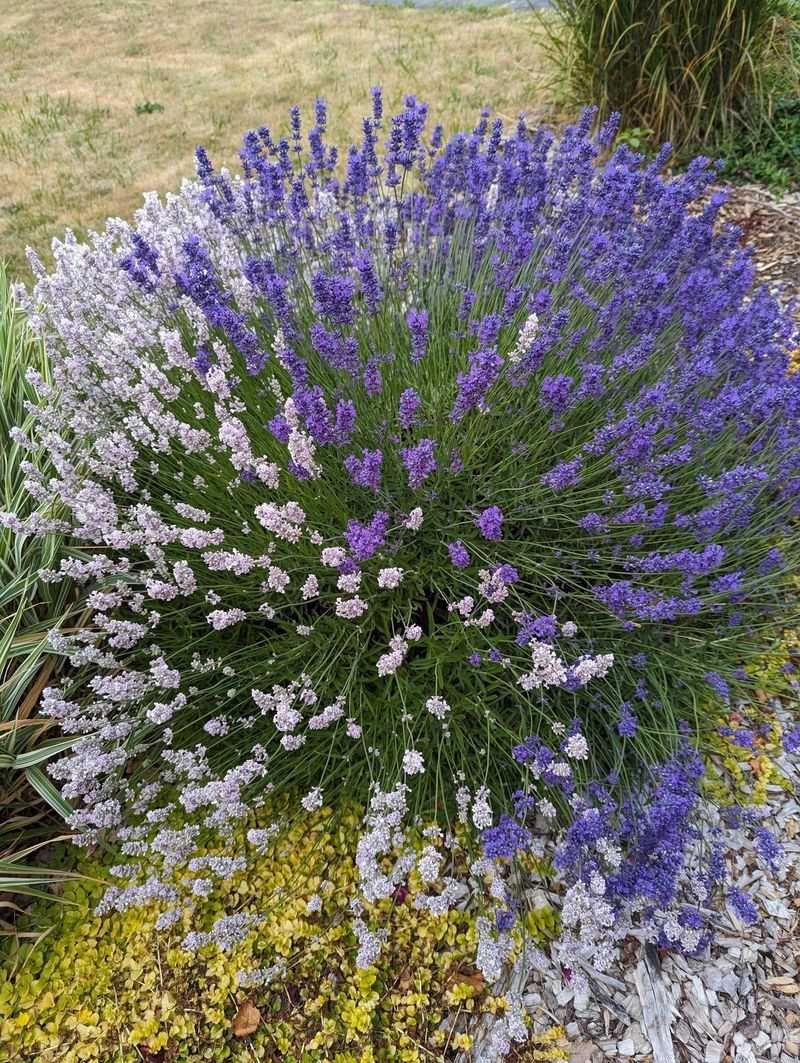
Few plants are as fussy about their roots as lavender. It comes from the dry, rocky hillsides of the Mediterranean, and that heritage runs deep.
When you add coffee grounds around lavender, you’re doing the opposite of what it needs.
Coffee grounds hold moisture. They also break down into rich organic matter over time.
Lavender hates both of those things. Its crown, which is the spot where the stems meet the soil, is especially sensitive to dampness.
When that area stays wet, the plant starts to rot from the base up. You might not notice it right away, but the damage builds over time.
Gardeners in Oregon grow lavender along pathways or in raised beds. Those spots usually have decent drainage, but adding coffee grounds can undo that advantage quickly.
The grounds clump together and form a layer that traps water right where it’s most harmful.
If you want to help your lavender thrive, skip the coffee grounds entirely. Instead, mix coarse sand or fine gravel into the soil around the base.
That keeps the crown dry and the roots happy. Lavender actually performs better in poor, lean soil than in rich, amended ground.
Less really is more with this plant. Good airflow and sharp drainage are the two things it needs most to stay strong through our wet Pacific Northwest winters.
2. Rosemary Struggles When Soil Stays Too Wet
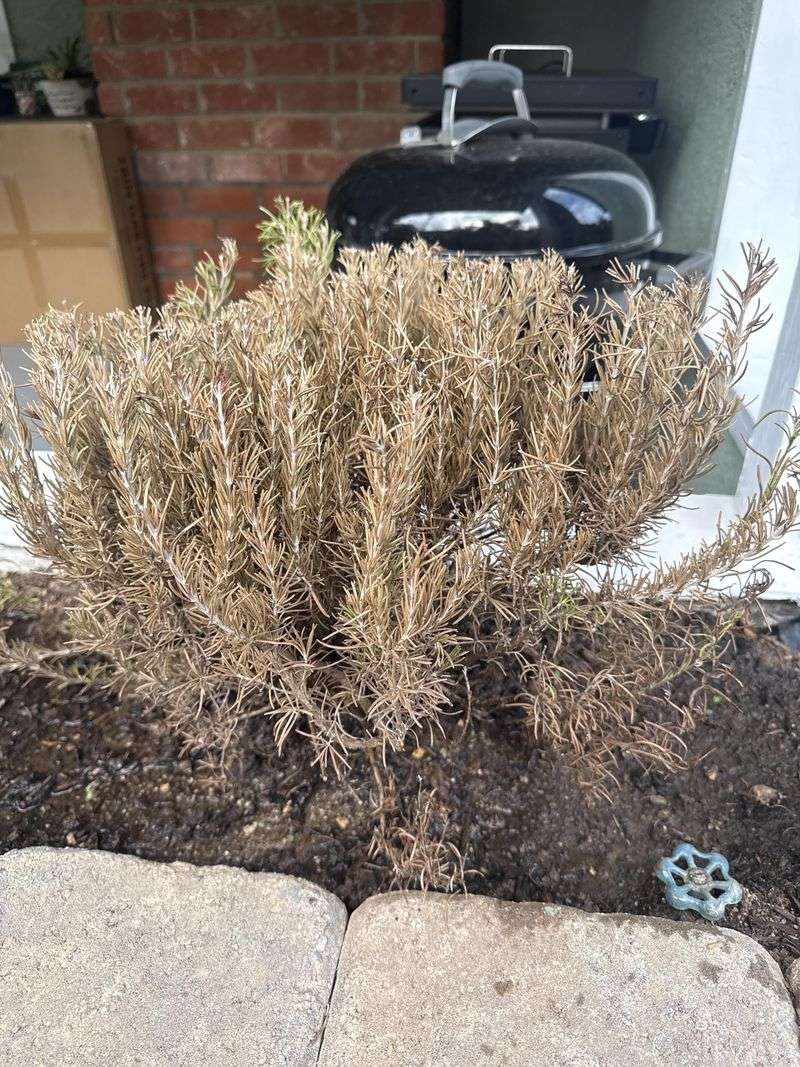
Rosemary is one of those herbs that looks tough but has a real weakness: standing moisture around its roots.
Gardeners love it for its fragrance and its usefulness in the kitchen, but many don’t realize how sensitive it is to wet soil conditions.
Adding coffee grounds to the base of rosemary is a common mistake. The grounds may seem harmless, but they hold water and lower the soil’s pH over time.
Rosemary prefers a slightly alkaline to neutral soil. When the pH drops too low and moisture builds up, the roots begin to suffer.
The plant may look fine on top for weeks, but underground things are going wrong fast.
Your Oregon Garden Changes Every Week. Your Plan Should Too.
Gardening in Oregon changes quickly throughout the season. Every Friday you’ll receive a simple weekly plan showing exactly what to plant, prune, fertilize, harvest, and protect so you never miss the right timing.
In our state’s rainy seasons, rosemary already faces enough moisture challenges. Adding coffee grounds on top of that creates a double problem.
The plant’s lower stems can turn brown and mushy, and new growth slows down noticeably.
The best thing you can do for rosemary is plant it in a spot with excellent drainage and leave the soil fairly lean. A little crushed gravel or coarse bark around the base works much better than coffee grounds.
Avoid watering it too frequently, especially in fall and winter. Rosemary planted in raised beds or on slopes tends to do the best because water naturally moves away from the roots.
Give it sun, lean soil, and dry feet, and it will reward you for years.
3. Sage Wants Lean Soil, Not Coffee-Ground Feeding
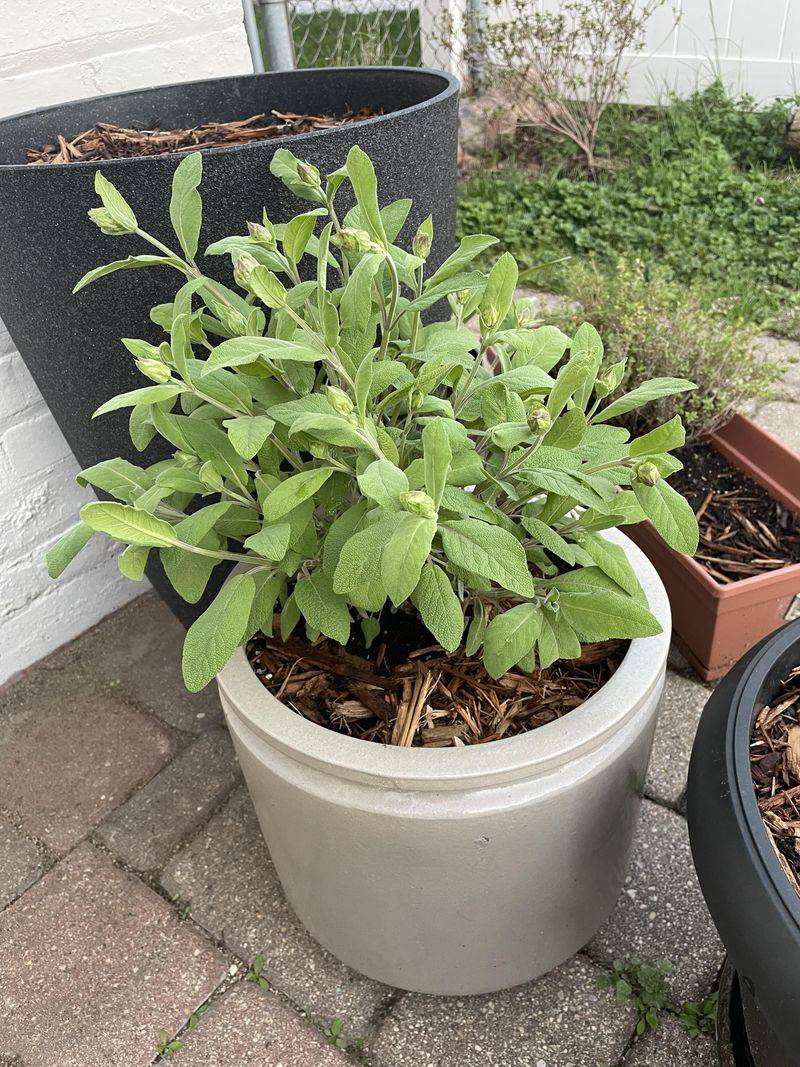
There’s something almost old-fashioned about growing sage. It’s been a kitchen and garden staple for centuries, valued for its bold flavor and silvery leaves.
But sage has a stubborn preference for lean, dry conditions, and coffee grounds work against that preference in a big way.
When coffee grounds are added to the soil around sage, they introduce extra nitrogen and hold onto moisture. Sage does not want either of those things in large amounts.
Too much nitrogen pushes the plant to grow lots of soft, floppy stems instead of the compact, aromatic growth that makes sage so useful. Extra moisture around the crown leads to fungal problems and stem rot.
Oregon’s cool, damp winters are already a challenge for sage. Gardeners who add coffee grounds in the fall are unknowingly making those winters even harder on the plant.
The combination of wet soil, low temperatures, and acidic grounds can weaken sage significantly.
To keep sage healthy, work with its natural preferences. Plant it in well-drained soil with plenty of sun.
If your soil is heavy clay, mix in some sand or grit to improve drainage. Avoid mulching heavily right at the base of the plant.
A light layer of gravel around the crown is a much better option than coffee grounds. Sage thrives on neglect more than it does on extra feeding, so the best advice is simply to leave it alone and let it do its thing.
4. Thyme Can Rot Under Heavy Grounds
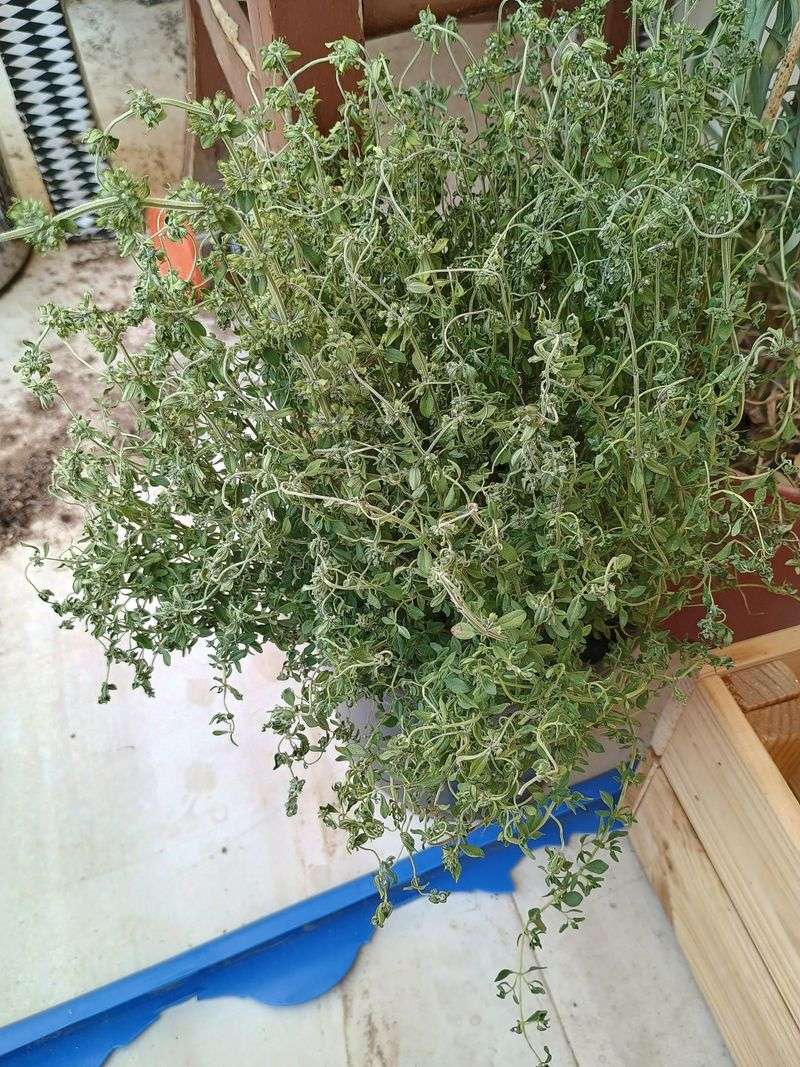
Thyme is a low-growing herb that spreads along the ground and fills gaps between stones or along garden edges. It’s charming, it smells wonderful, and it’s incredibly useful.
But it has one serious vulnerability: it cannot handle wet, heavy material piled around its stems.
Coffee grounds are dense. When they’re spread over thyme, they can form a mat that holds moisture right against the plant’s delicate stems.
Thyme stems are thin and close to the soil, which means they’re already at risk of rotting in damp conditions. Adding coffee grounds makes that risk much worse.
Many gardeners add grounds thinking they’re feeding the plant or improving the soil. But thyme doesn’t need rich soil.
It actually prefers poor, gritty, fast-draining ground. That’s the environment it evolved in, and that’s where it stays healthiest.
When you enrich the soil too much, thyme becomes leggy, weak, and prone to fungal infections.
If you grow thyme between pavers or along a dry garden border, keep the area around it as clean and open as possible. A light gravel mulch is a great alternative to coffee grounds.
It keeps weeds down, helps with drainage, and doesn’t trap moisture. Trim thyme back after flowering to keep it compact and healthy.
With the right conditions, thyme is one of the toughest and most rewarding herbs you can grow in a Pacific Northwest garden, but only if you keep the moisture away from its base.
5. Sedums Hate Moisture Trapped At The Base
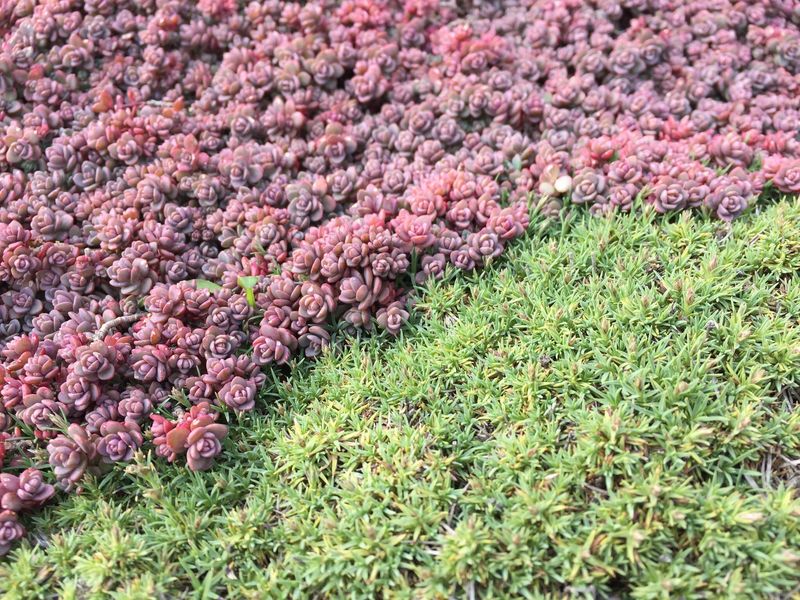
Sedums are some of the most popular low-maintenance plants in Pacific Northwest gardens.
They come in dozens of shapes and colors, they spread beautifully across slopes and rock gardens, and they ask for almost nothing in return.
That easygoing nature makes it easy to forget that they have one firm rule: keep the moisture away from their base.
Coffee grounds are especially problematic for sedums because they compact over time and hold water right where the plant is most vulnerable. The crown of a sedum, where the stems emerge from the soil, is the first place to show damage when moisture builds up.
You might notice the center of the plant turning soft or dark before the outer leaves show any signs of trouble.
Sedums in Oregon’s gardens often face wet conditions from fall through spring. That’s already a stretch of time when they need extra care with drainage.
Pouring coffee grounds on top of that challenge is a recipe for trouble.
Rock gardens and gravel beds are ideal homes for sedums because they naturally drain well. If you want to mulch around sedums, use small pebbles or crushed rock instead of organic material.
Coffee grounds, compost, and bark mulch all hold too much moisture for these plants. Sedums reward you with stunning fall color and nearly zero maintenance when their soil stays lean and dry.
Treat them like the drought-tolerant champions they are, and they’ll fill your garden with color for many years.
6. Oregon Sunshine Prefers Lean, Dry Conditions

If you’ve ever seen a sunny hillside covered in small yellow daisy-like flowers, you may have spotted Oregon Sunshine, also known as Eriophyllum lanatum. It’s a tough little native wildflower that thrives in dry, rocky, and nutrient-poor soils across Oregon.
That toughness is actually part of what makes it so beautiful and reliable in native plant gardens.
The problem starts when well-meaning gardeners try to give it extra help. Coffee grounds are often added to native plant beds as a way to enrich the soil or encourage growth.
But Oregon Sunshine doesn’t want enriched soil. It evolved in lean, dry conditions, and when the soil becomes too rich or too moist, it actually performs worse.
The plant may grow more leaves but fewer flowers, or it may develop crown rot in wet seasons.
Coffee grounds hold moisture and slowly release nitrogen, two things that work against this plant’s natural preferences. In Oregon’s wet winters, that extra moisture can be especially damaging to the crown and root system.
The best approach with Oregon Sunshine is to plant it in a spot that gets full sun and drains quickly after rain. Leave the soil alone as much as possible.
Skip the fertilizers, skip the coffee grounds, and skip the heavy mulch. A thin layer of gravel is perfectly fine if you want to tidy up the area.
Native plants like this one are built to survive on their own, and they do best when we stop trying to improve on what nature already perfected.
7. Bearded Iris Rhizomes Need Air, Not Damp Grounds
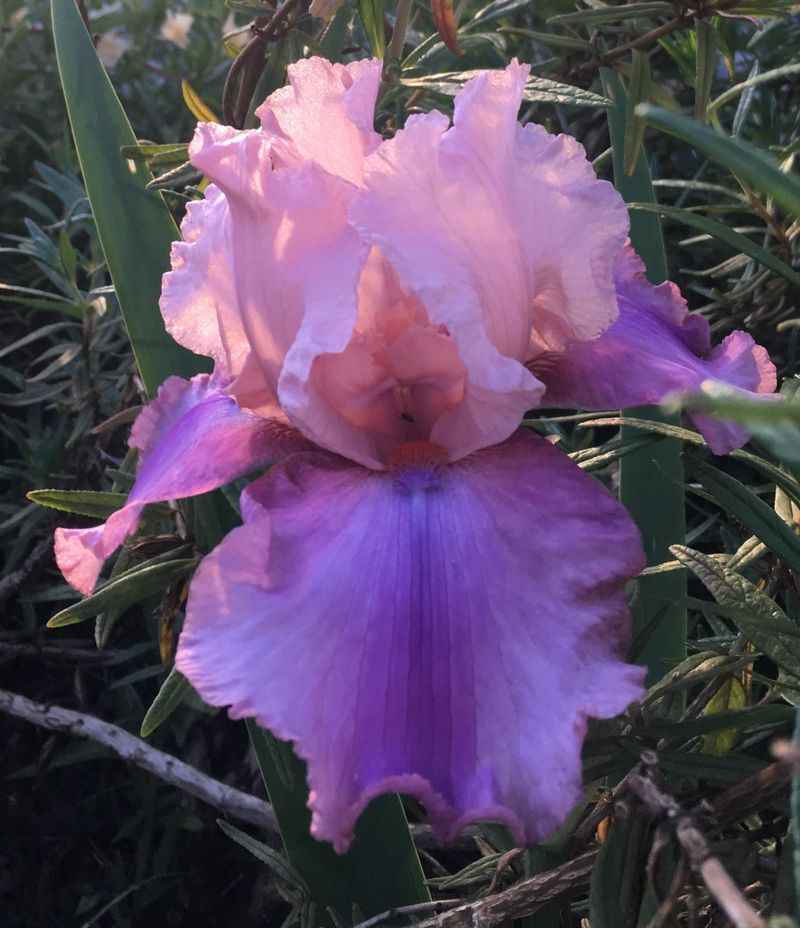
Bearded iris is one of those plants that almost every Pacific Northwest gardener has tried at some point. The blooms are stunning, the colors are endless, and the plants are generally pretty forgiving.
But there’s one thing bearded iris absolutely cannot tolerate: wet, smothered rhizomes.
The rhizomes are the thick, horizontal roots that sit at or just above the soil surface. They need to stay exposed to air and sunlight.
That’s not a suggestion, it’s a requirement. When coffee grounds are spread around bearded iris, they cover those rhizomes and trap moisture against them.
Rot sets in quickly under those conditions, especially in wet weather.
Many gardeners don’t realize that bearded iris actually needs its roots to bake in the sun a little. That warmth helps the plant store energy and produce the strong flower stalks it’s known for.
Covering the rhizomes with anything, including coffee grounds, blocks that process and weakens the plant over time.
If you want to keep your bearded iris looking its best, plant the rhizomes so they sit just at the soil surface and resist the urge to mulch around them. Keep the area around the plant clean and open.
Good air circulation is just as important as good drainage for these plants. After the blooms fade, trim the leaves into a fan shape and remove any debris from the base.
A clean, open, well-drained planting spot is all bearded iris really needs to perform beautifully year after year.
8. Peonies Resent Mulch Piled On Their Crowns
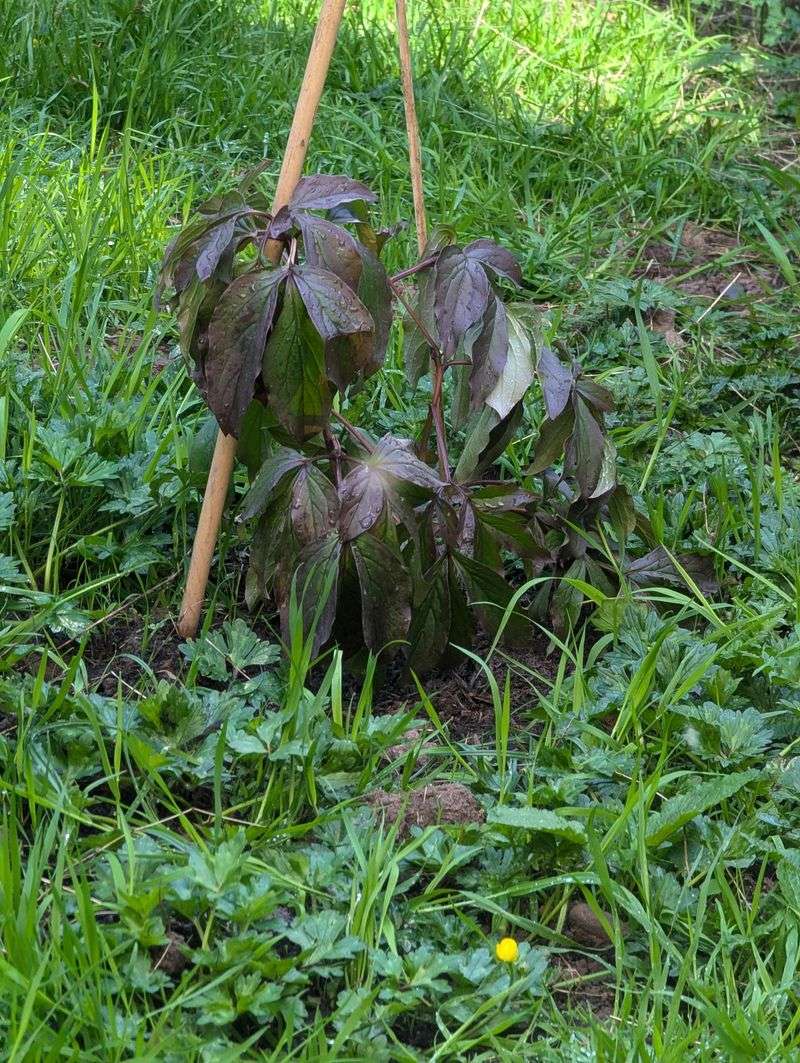
Peonies are the showstoppers of the late spring garden. Those big, lush blooms can stop you in your tracks, and the fragrance is hard to beat.
Gardeners in Oregon love them, and with good reason. But peonies have a very specific need that many people overlook: their crowns must stay close to the soil surface, clean, and free of heavy mulch.
Coffee grounds piled around peonies are a well-known cause of poor blooming and crown problems. The eyes, which are the small red buds that emerge from the crown each spring, need to sit at just the right depth.
Too deep, and the plant won’t bloom. Too wet, and the crown softens and struggles.
Coffee grounds add moisture and weight right at the spot where peonies are most sensitive.
This is one of those situations where the damage happens slowly and gardeners often blame the wrong thing. They wonder why their peony isn’t blooming when the answer is buried under a layer of well-intentioned but harmful coffee grounds.
Keep the area around your peonies clean and open. If you want to mulch, use a very thin layer of bark or straw and keep it several inches away from the crown.
Never pile anything directly on top of the eyes. Water deeply but infrequently, and make sure the soil drains well.
Peonies can live for decades when they’re planted correctly and left alone. Give them space, good drainage, and a clean crown, and they’ll reward you with spectacular blooms every spring.
9. Succulents Rot When Grounds Hold Moisture
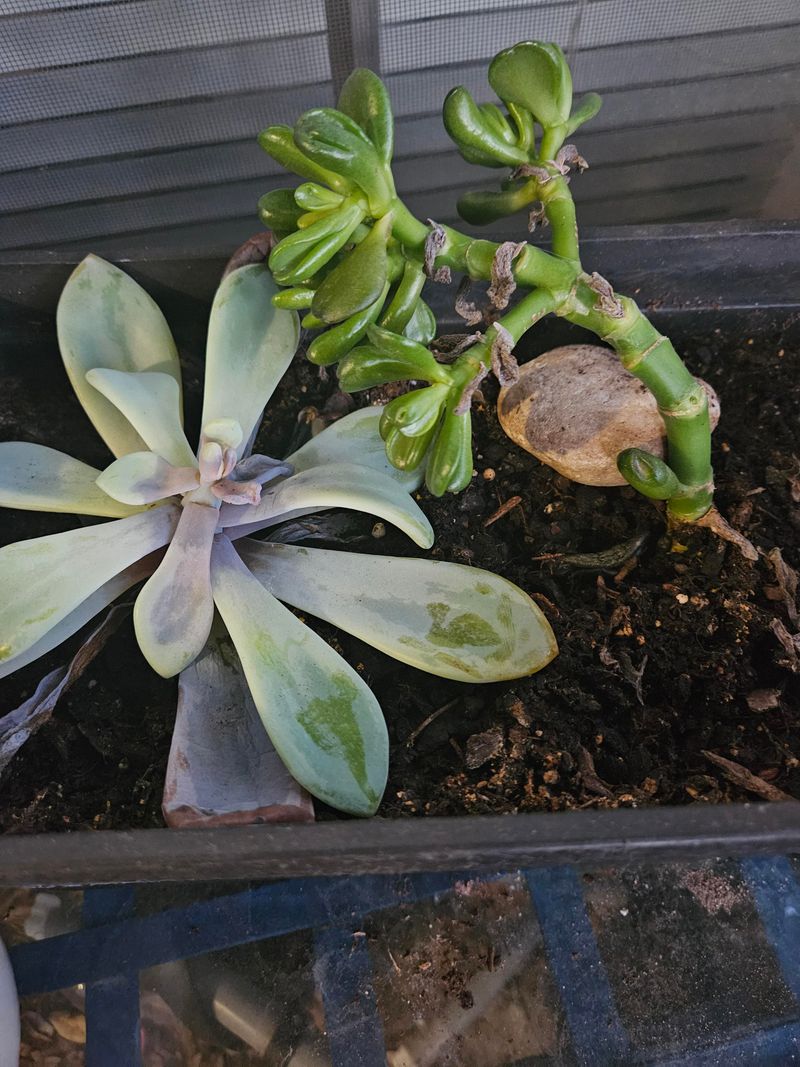
Succulents store water in their thick leaves and stems, which means they’re built for dry conditions. That’s exactly why coffee grounds are such a bad match for them.
Anything that holds extra moisture around a succulent’s base is going to cause trouble, and coffee grounds are very good at holding moisture.
When grounds are spread around succulents, they create a damp layer right at the soil surface. That dampness seeps down toward the roots and stays there longer than it should.
Succulents have shallow root systems that are quick to absorb water, which means they’re also quick to absorb too much of it. The result is soft, mushy stems and leaves that turn translucent before the plant eventually collapses.
Oregon’s climate already brings enough rain to challenge outdoor succulents. Many gardeners grow them in pots or raised beds specifically to control drainage.
Adding coffee grounds undoes that careful planning in a hurry.
If you want to grow succulents successfully outdoors in Oregon, focus on the soil mix above everything else. Use a gritty, fast-draining mix with plenty of perlite or coarse sand.
Avoid any organic mulch around the base, including coffee grounds, bark, and compost. A thin layer of small gravel or pumice around the base looks great and helps keep moisture away from the stems.
Water only when the soil is completely dry. With the right setup, succulents can be surprisingly resilient and long-lasting plants in a Pacific Northwest garden.