Why Wyoming Yards Are The Wrong Place For Certain Hydrangea Varieties
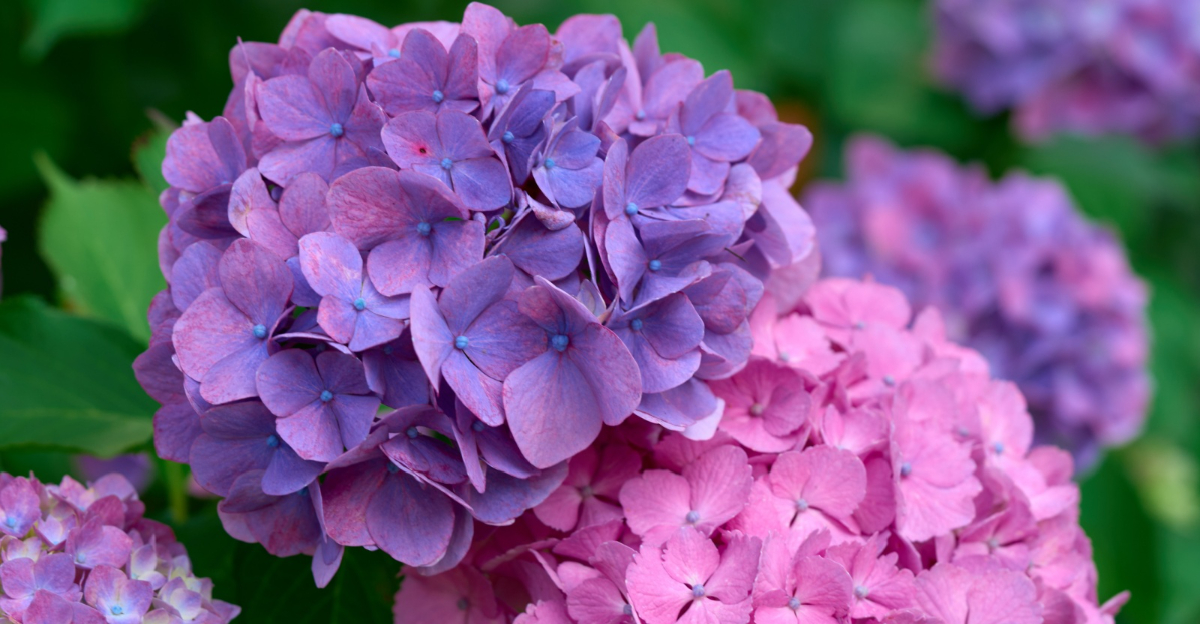
Hydrangeas photograph beautifully. Those full, rounded clusters of pink, blue, and white look like something taken straight from a cottage garden in the English countryside.
Plant one in Wyoming soil, though, and the postcard version quickly falls apart. Wyoming’s climate is demanding.
Winters arrive hard and stay late. Soil runs alkaline and dry in most counties. That’s nothing like the rich, acidic ground hydrangeas actually crave.
Add wind that never seems to quit. Add spring frosts that sneak in after buds have already formed. Now the plant is up against several problems at once.
Gardeners plant the wrong variety. They watch it struggle every winter and shrink back to almost nothing. Then they blame themselves. But it’s rarely bad luck or a black thumb. It’s mismatch.
Some hydrangeas simply weren’t built for this climate. No amount of mulch or wishful thinking changes that. Here’s what’s really going on beneath the soil, and which varieties never stood a chance.
1. Cold Winters Damage Flower Buds Before They Bloom
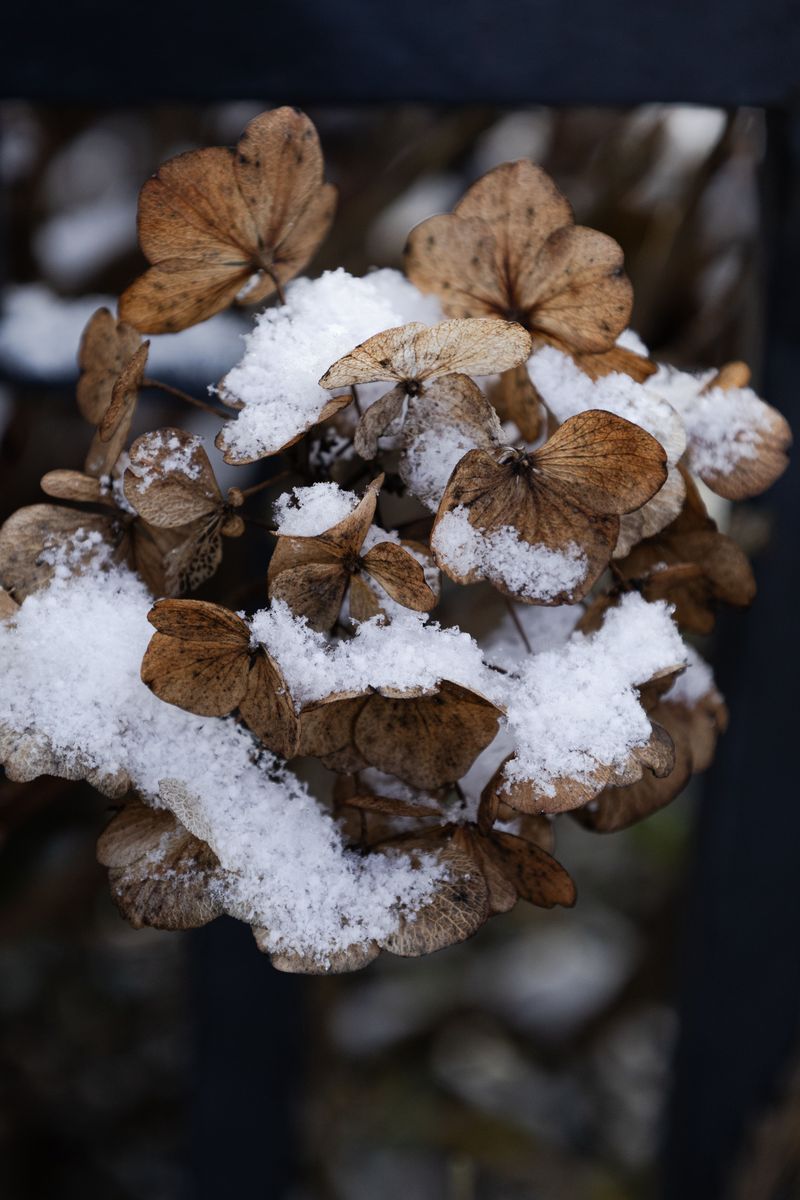
Imagine spending all summer nursing a gorgeous hydrangea, only to find no blooms the following year. Wyoming’s winters are not just cold, they are harsh in ways that affect hydrangeas at a vulnerable stage.
Flower buds on many hydrangea varieties form in late summer or fall. Those buds sit exposed all winter long, waiting for spring.
Temperatures in Wyoming can plunge to minus 20 degrees Fahrenheit or colder. That kind of freeze does not just stress the buds, it can eliminate them entirely.
Bigleaf and oakleaf hydrangeas are especially sensitive because they set buds on old wood. Old wood is last year’s stems, and those stems take the full force of every cold snap.
Even when the plant itself makes it through underground, the buds are already gone. No buds means no blooms, and that means an entire growing season without flowers.
Panicle and smooth hydrangeas bloom on new wood, so they have a better shot in cold climates. But even those types can experience root damage when the ground freezes hard and deep.
Mulching helps protect roots, but it cannot save buds that are sitting exposed above the snow line. The cold is simply too extreme for certain hydrangea varieties to handle reliably.
Wyoming gardeners who love hydrangeas need to choose varieties built for cold, not just cold-tolerant ones. Choosing wisely from the start saves a lot of frustration later.
2. Alkaline Soil Blocks Nutrients Many Varieties Need
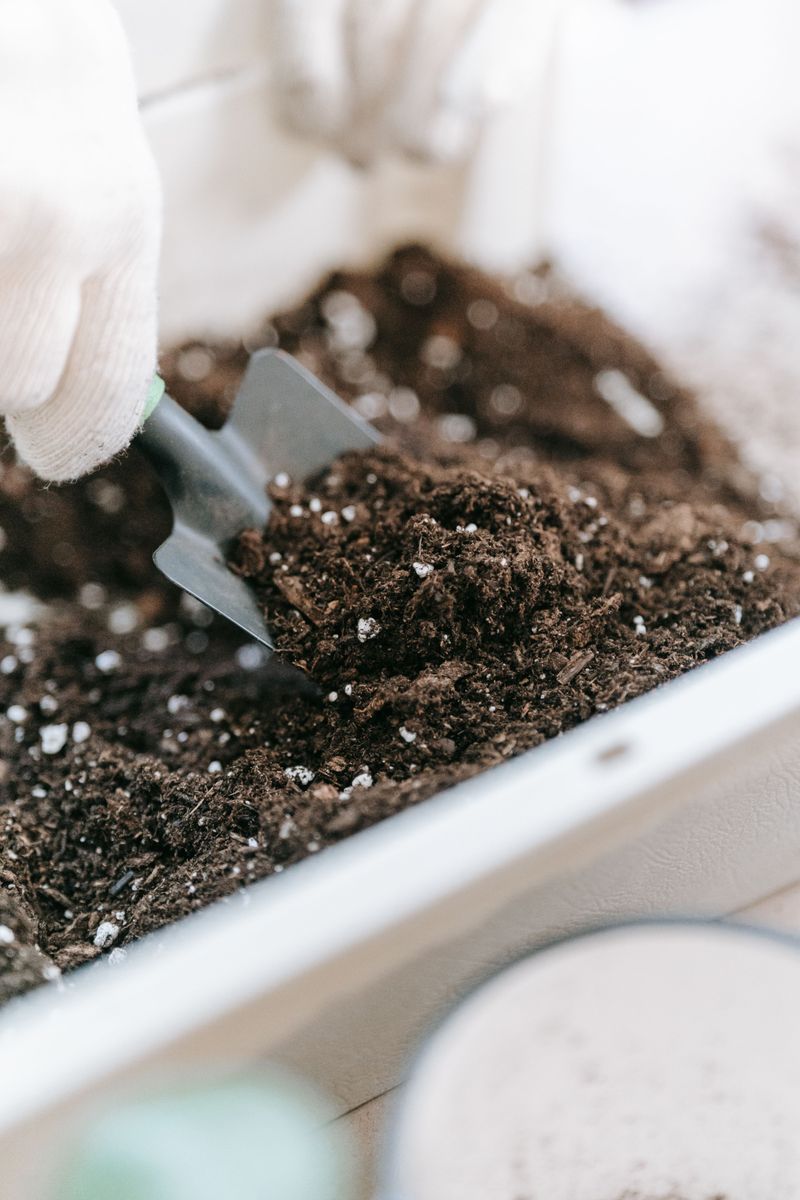
Soil pH sounds like chemistry class, but it matters more than most gardeners realize. In many parts of Wyoming, soils tend to run alkaline, often sitting between 7.5 and 8.5 on the pH scale.
Hydrangeas, especially bigleaf types, prefer slightly acidic soil around 5.5 to 6.5. Outside that range, the plant cannot absorb key nutrients even when those nutrients are present in the soil.
Iron and manganese become locked up in alkaline conditions. Without them, leaves turn yellow while veins stay green, a condition called chlorosis that weakens the plant over time.
Phosphorus also becomes less available in high-pH soil. That limits root development and overall plant energy, making it harder for hydrangeas to bounce back from stress.
You can amend soil with sulfur or acidifying fertilizers, but in Wyoming, the underlying geology keeps pushing pH back up. It becomes an ongoing challenge that most home gardeners cannot keep up with long-term.
The bloom color of bigleaf hydrangeas is also tied to soil pH. Acidic soil produces blue blooms, while alkaline soil shifts them toward pink or dull purple, and sometimes produces washed-out colors that look nothing like the plant tag promised.
Testing your soil before planting is a smart first step. But if your yard sits on naturally alkaline ground, no amount of amendments will fully fix the problem for hydrangeas that need acid to thrive.
PH-sensitive varieties face long odds in Wyoming yards unless you are ready to rebuild your soil from scratch.
3. Short Growing Seasons At Elevation Limit Bloom Time
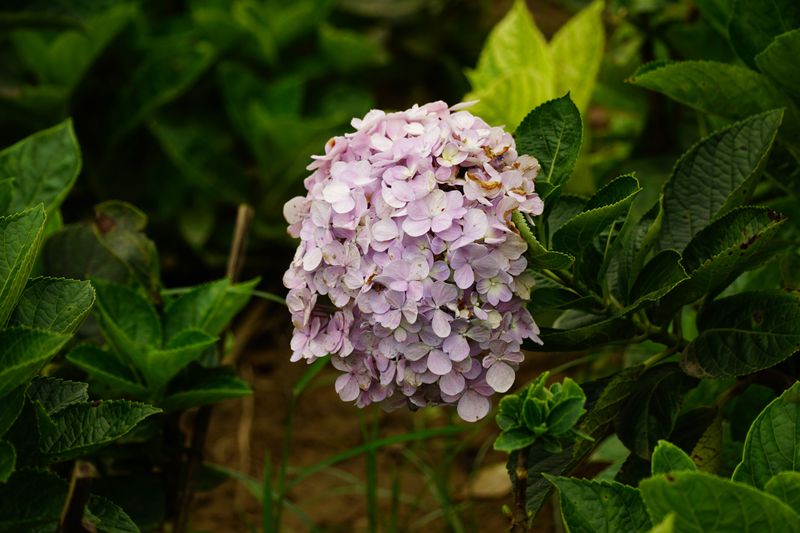
In higher elevation parts of Wyoming, the growing season is surprisingly short, sometimes just 60 to 90 days. That narrow window creates a real problem for hydrangeas that need time to establish, grow, and bloom.
Many hydrangea varieties need a long, warm stretch to produce their signature flower clusters. When summer is short, the plant barely has time to wake up before cool nights start rolling back in.
Slow-establishing varieties planted in spring may spend most of their first season just trying to root. By the time they have settled in, frost is already threatening.
Some gardeners try to extend the season with row covers or cold frames. Those tools help a little, but they cannot replicate the long, warm summers that hydrangeas evolved to thrive in.
Panicle hydrangeas are the most forgiving in short-season climates because they bloom later and faster. But even they can struggle to reach full flower production before cold weather shuts things down.
Hydrangeas that bloom on old wood face a double challenge in short seasons. The plant needs one full season to store energy in its stems, then another season to actually bloom.
That two-season cycle is nearly impossible to complete when frost arrives early and leaves late. Wyoming gardeners often see their hydrangeas grow beautifully but never actually flower.
A plant that never blooms is a frustrating investment of time and money. Picking varieties with short bloom cycles is the smarter path forward in this state.
4. Bigleaf Varieties Struggle With Wyoming’s Dry Climate
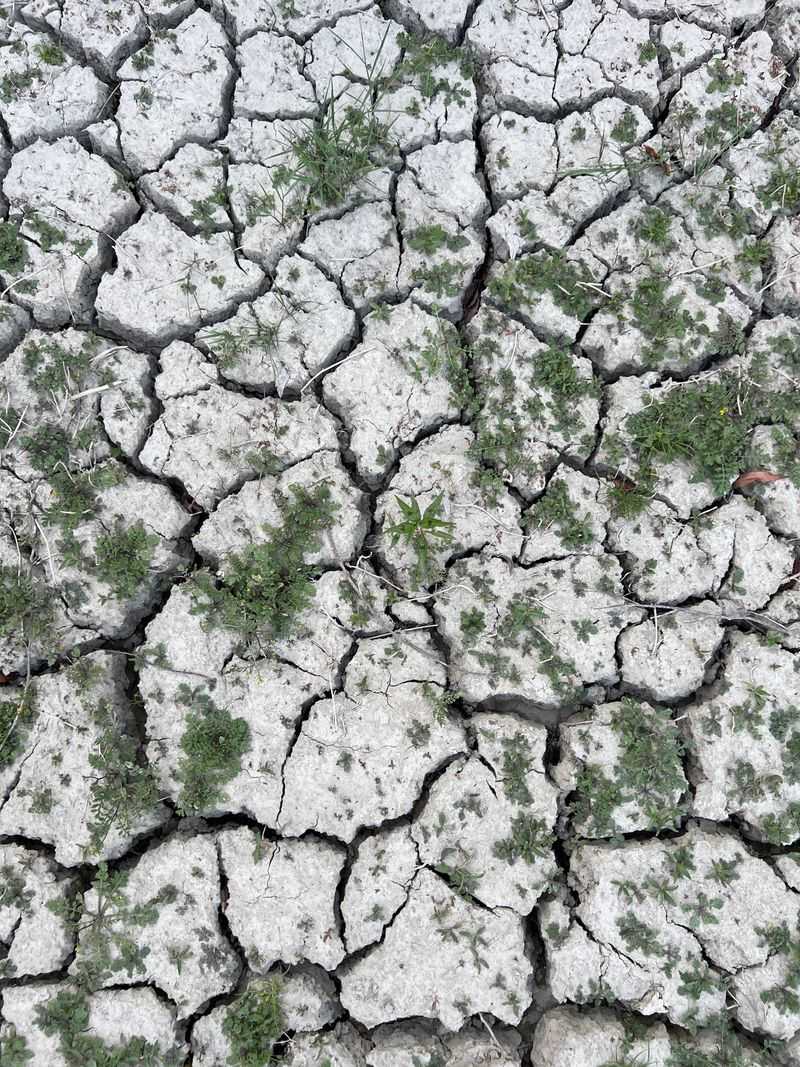
Bigleaf hydrangeas are the ones you see on magazine covers, those giant mophead blooms in brilliant blue or pink. They are stunning, and they are also among the worst choices for Wyoming yards.
Native to coastal Japan, bigleaf hydrangeas evolved in humid, mild climates with consistent moisture. Wyoming’s dry air and low annual precipitation are the opposite of everything they know.
Average annual precipitation in much of Wyoming hovers around 10 to 15 inches. Bigleaf hydrangeas want regular moisture and high humidity, not dry wind and occasional rain.
Their large leaves lose water quickly through a process called transpiration. In dry conditions, those leaves wilt fast, and repeated wilting weakens the plant over time.
Even with regular watering, the dry air pulls moisture straight out of the leaf surface. Irrigation helps, but it cannot replicate the ambient humidity that bigleaf types genuinely need.
Drought stress also makes bigleaf hydrangeas more vulnerable to other problems. Stressed plants attract pests and struggle to fight off disease, creating a cycle that’s hard to break.
Gardeners who water daily during summer still report limp, sad-looking bigleaf plants by August. The issue is not just watering frequency, it is the overall climate being fundamentally wrong for this variety.
Bigleaf hydrangeas face long odds in Wyoming yards unless you are prepared to invest heavily in irrigation and humidity management.
5. Late Spring Frosts Affect New Growth
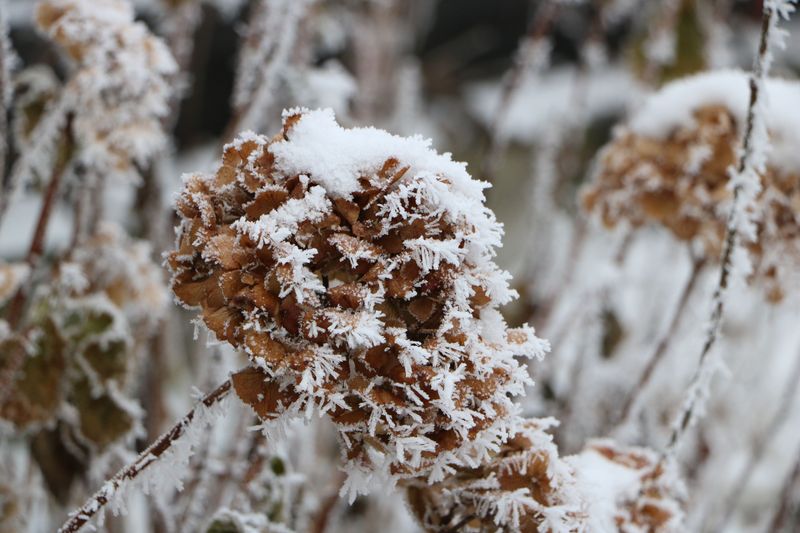
Spring weather in Wyoming can be unpredictable. Warm days arrive, flowers start pushing up new growth, and then a hard frost arrives and can reverse that progress overnight.
Late spring frosts are common across Wyoming, with some areas seeing freezing temperatures well into May or even June. That timing is tough for hydrangeas that respond to warming temperatures by pushing out tender new shoots.
New growth is the most frost-sensitive part of any plant. Those soft, bright green shoots have little protection against a sudden freeze, and they can be damaged quickly when temperatures drop below 32 degrees.
For varieties that bloom on new wood, a late frost means delayed or reduced flowering. The plant has to start over, and that takes time and energy the short season cannot afford.
For varieties that bloom on old wood, the damage is even more direct. Frost damages the emerging buds that were forming on last year’s stems, and those buds do not grow back
Covering plants with frost cloth helps when you know a freeze is coming. But Wyoming weather is unpredictable, and not every gardener can monitor forecasts and cover plants on short notice.
Repeated frost events throughout spring create a cumulative stress effect. Even if each individual frost seems minor, the plant is constantly being set back and forced to recover.
Gardeners in Wyoming need frost-tolerant varieties that can handle late cold snaps without losing their bloom potential. Most popular hydrangea types simply are not built for that kind of spring.
6. High Elevation Intensifies Temperature Swings
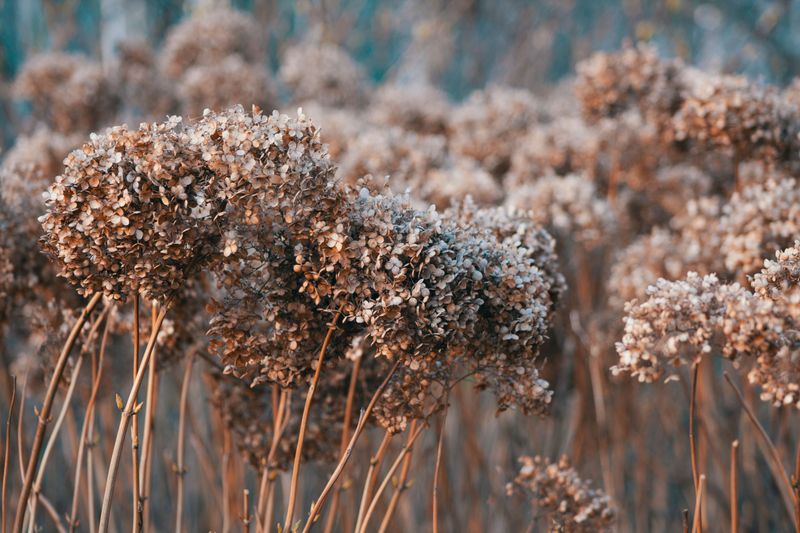
Many parts of Wyoming sit above 6,000 feet in elevation, and at that height, plants experience weather differently. At high altitudes, temperature swings between day and night can exceed 40 degrees Fahrenheit within a single 24-hour period.
Hydrangeas are not fans of dramatic temperature fluctuations. They prefer consistent conditions where they can settle into a steady growth rhythm.
When daytime temperatures warm up quickly, the plant begins active growth and moves water through its tissues. Then nighttime temperatures crash, and that sudden cold can cause cell damage inside stems and leaves.
This freeze-thaw cycle is especially hard on plants that are just coming out of dormancy. Repeated expansion and contraction of plant tissues weakens cell walls over time.
High elevation also means more intense UV radiation. Strong sunlight dries out foliage faster and can cause sunscald on hydrangea leaves, adding another layer of stress to an already struggling plant.
The combination of intense sun during the day and cold nights creates conditions that few hydrangea varieties can handle consistently. Even the toughest cultivars show signs of stress in these settings.
Soil temperatures at elevation also fluctuate wildly. Shallow roots that hydrangeas rely on can be damaged when the ground freezes hard at night and thaws during warm afternoon sun.
Wyoming’s high-elevation environment is genuinely one of the toughest settings for hydrangeas. Choosing low-elevation garden sites or sheltered microclimates gives these plants a slightly better fighting chance.
7. Strong Winds Dry Out Shallow Root Systems
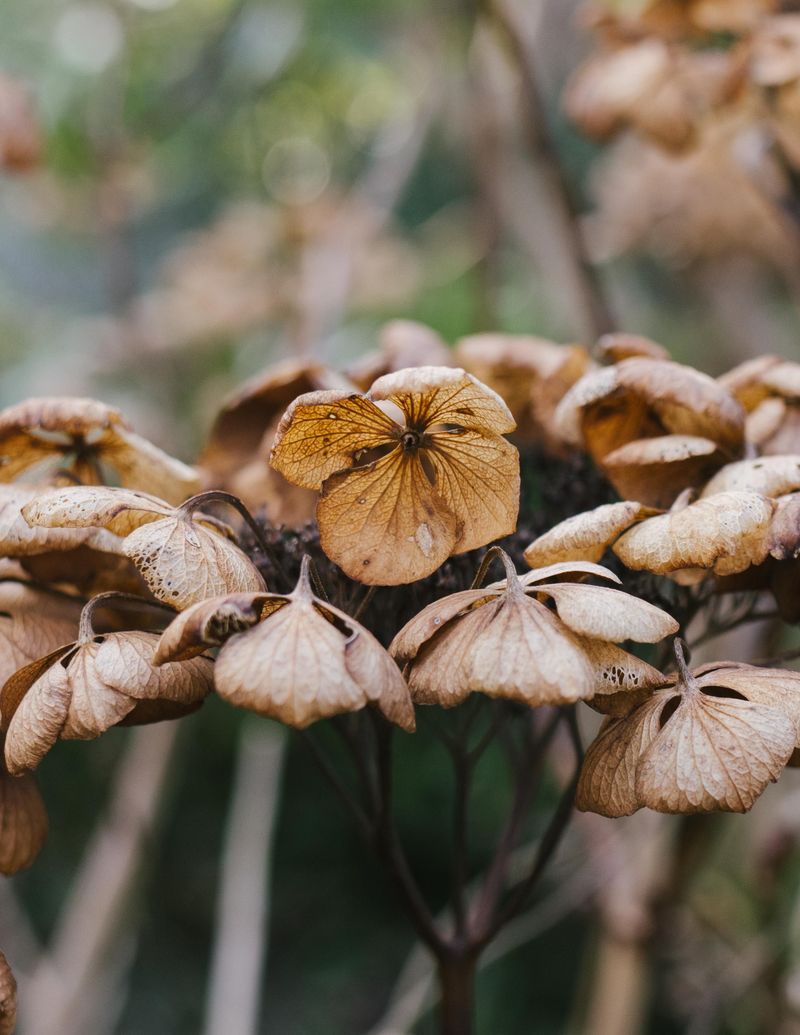
Wyoming is one of the windiest states in the country, and that wind is more than just an inconvenience. It is a significant factor in stress for plants with shallow root systems, like hydrangeas.
Most hydrangea varieties develop roots that stay relatively close to the soil surface. That makes them efficient at absorbing water from rain and irrigation, but also vulnerable when the top layer of soil dries out fast.
Wind accelerates evaporation from both the soil and the leaf surface. On a breezy Wyoming afternoon, moisture can vanish from the root zone faster than even daily watering can replace it.
Wind also causes physical stress on stems and branches. Constant movement forces the plant to spend energy reinforcing its structure instead of producing flowers and foliage.
Windbreaks like fences or hedges can reduce wind exposure significantly. But in open Wyoming yards, those structures are not always practical or available.
Exposed hydrangeas in windy spots often show leaf scorch on the edges, a crispy brown border that signals moisture loss. That damage is not just cosmetic, it reduces the plant’s ability to photosynthesize effectively.
Root systems that dry out repeatedly shift into protective mode. A plant focused on staying alive is not a plant focused on blooming, and that shows up in sparse or absent flower production.
Placing hydrangeas near windbreaks and mulching heavily around the base helps, but it only partially offsets the challenge. Wyoming’s relentless wind remains one of the biggest reasons certain hydrangea varieties fail here.
8. Limited Humidity Stresses Moisture-Loving Types
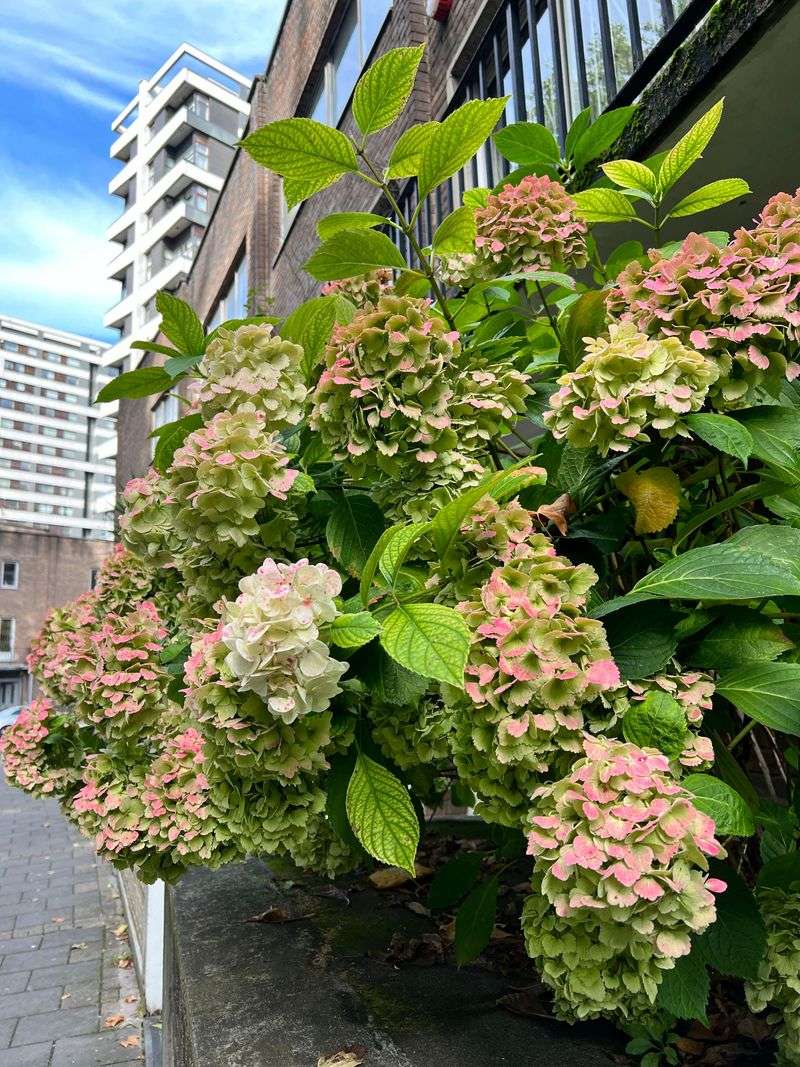
Some plants are built for dry air and thrive in desert-like conditions. Hydrangeas are not those plants, especially the moisture-loving varieties that need ambient humidity to stay healthy.
Wyoming’s relative humidity often drops below 30 percent, especially in summer and during windy stretches. That dry air pulls moisture from leaves faster than roots can supply it.
When a plant loses water faster than it absorbs it, it goes into stress. Leaves curl, edges turn brown, and the plant redirects energy away from flowering and toward basic upkeep functions.
Hydrangeas are particularly expressive about moisture stress because of their large leaf surface area. More leaf surface means more area for moisture to escape, making them especially reactive to dry air conditions.
Misting systems and drip irrigation can help maintain moisture around the plant. But they address soil moisture, not air humidity, which is the actual problem in Wyoming’s climate.
Smooth hydrangeas handle low humidity better than bigleaf or lacecap types. But even smooth varieties show reduced vigor and fewer blooms when the air is consistently dry through the growing season.
Grouping plants together can create a small pocket of higher humidity as they transpire near each other. That strategy helps, but it requires enough plants in close proximity to make a noticeable difference.
Humidity-dependent hydrangea varieties face long odds in Wyoming yards without serious intervention. Choosing drought-adapted shrubs that match the state’s natural conditions is a more rewarding long-term approach for most gardeners.