Maryland’s Rarest Flower Doesn’t Bloom By The Calendar, It Blooms By The Tide
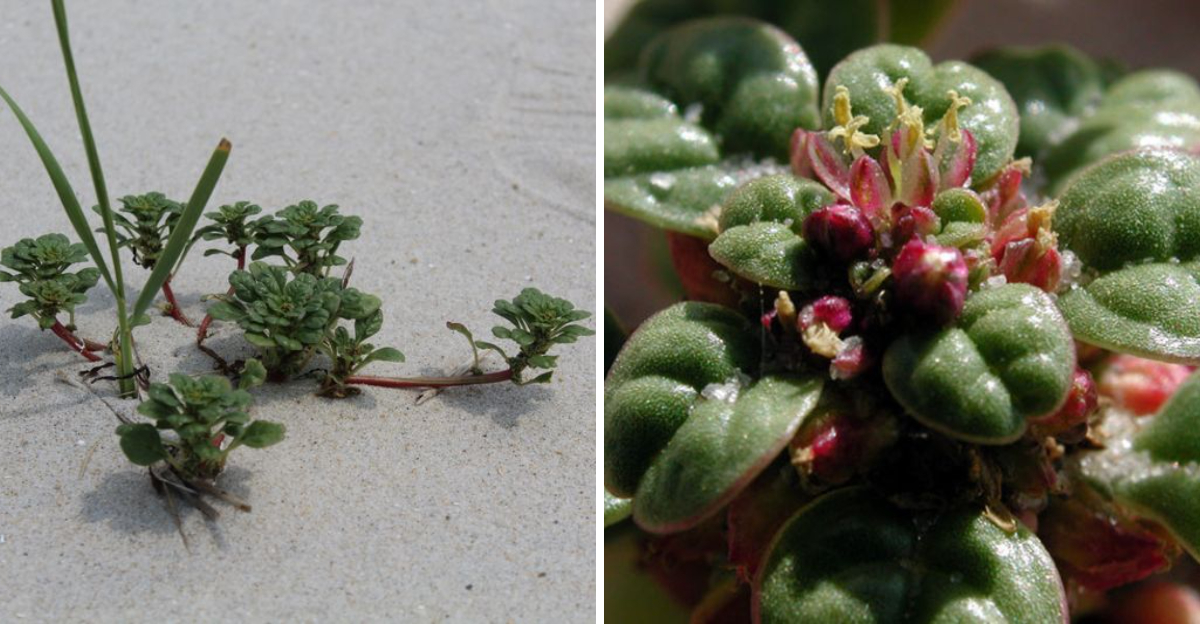
You won’t believe a tiny flower can outwit the ocean’s tide. Somewhere along Maryland’s marshy edge, you’ll find a genuine rebel. Most flowers you already recognize wait patiently for warmth or lengthening daylight.
This rare bloom answers only to saltwater, not to you. Botanists gave this quiet survivor a name you should always remember. Conservationists guard every rare sighting the way you’d guard a precious secret.
Few travelers you meet have ever heard this Maryland legend. Storms reshape its fragile habitat, yet you’ll watch it return. Tides reclaim the sand, but you’ll see it remain anyway.
Here, where land surrenders completely to water, you feel quiet tension. Coastal timing depends on rhythms you can hardly grasp. Beauty appears precisely where you’d expect total silence instead.
Everything around you keeps shifting, pushing, refusing to ever settle. Discover why this stubborn flower keeps quietly returning, and why it truly matters to you.
What Makes The Seabeach Amaranth So Rare
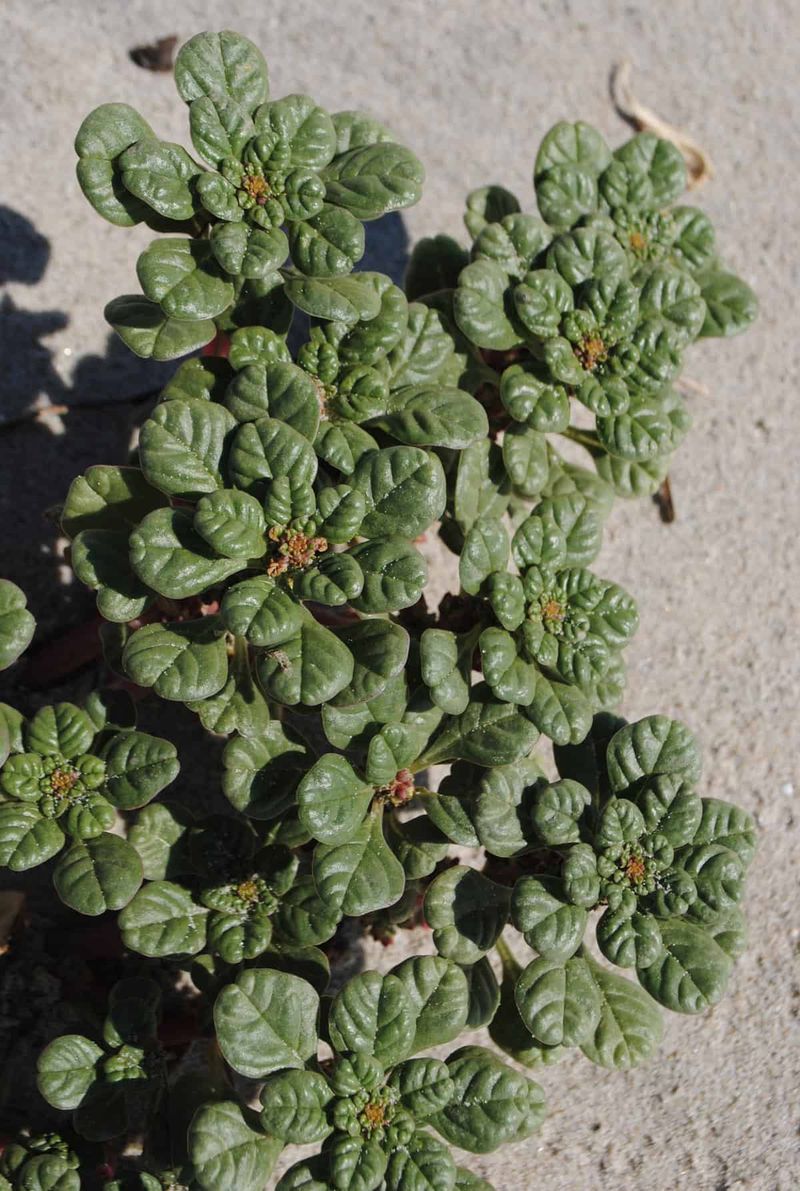
Rarity has a way of making things more beautiful. The seabeach amaranth, known scientifically as Amaranthus pumilus, is listed as a threatened species under federal law.
Found along only a narrow strip of the Atlantic coast, this small plant grows in one of the most demanding coastal environments along the shore. Sandy beaches, salt spray, and shifting tides are its neighbors every single day.
What sets it apart from other rare plants is its hyper-specific habitat. It doesn’t grow in forests, meadows, or gardens. It grows on open sandy beaches and overwash flats where almost nothing else can survive.
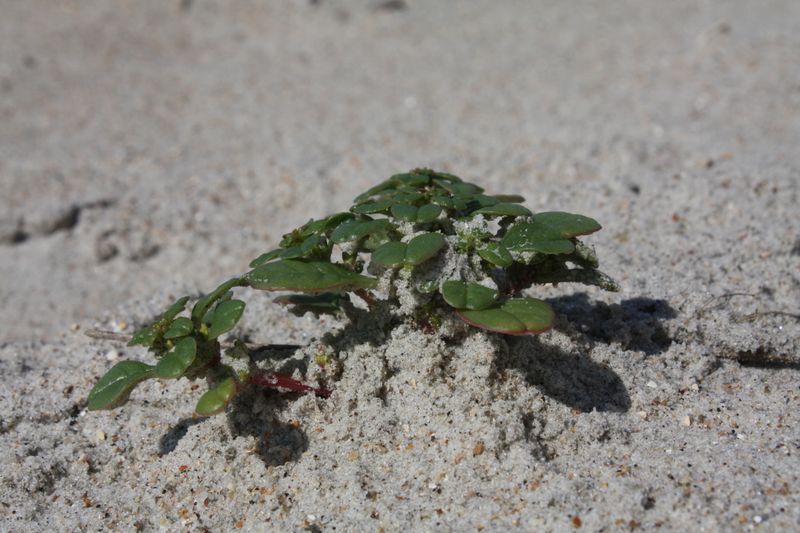
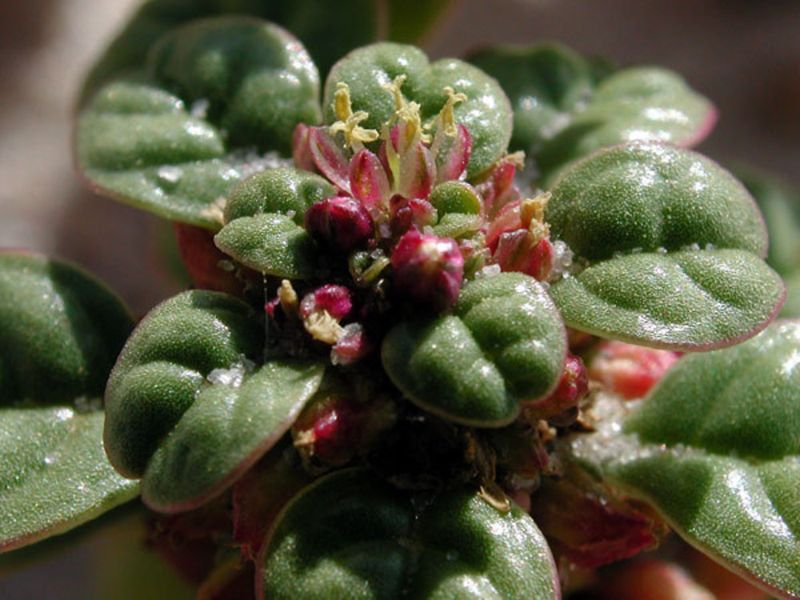
The plant is short and fleshy, with reddish stems and tiny rounded leaves. It looks almost succulent-like, built to hold water in a landscape that salt constantly tries to drain dry.
Maryland sits within the historic range of the species, making every population here especially significant.
Populations can decline sharply after a single severe storm season. A new inlet or a shifted sandbar can wipe away an entire colony without warning.
Conservation teams now monitor known sites closely, counting individual plants each season. Some years the numbers climb hopefully, and other years they drop sharply after rough weather.
The seabeach amaranth reminds us that rarity isn’t just about numbers. It’s about the fragile relationship between a living thing and the exact, specific place it calls home.
The Tidal Rhythm That Triggers Blooming
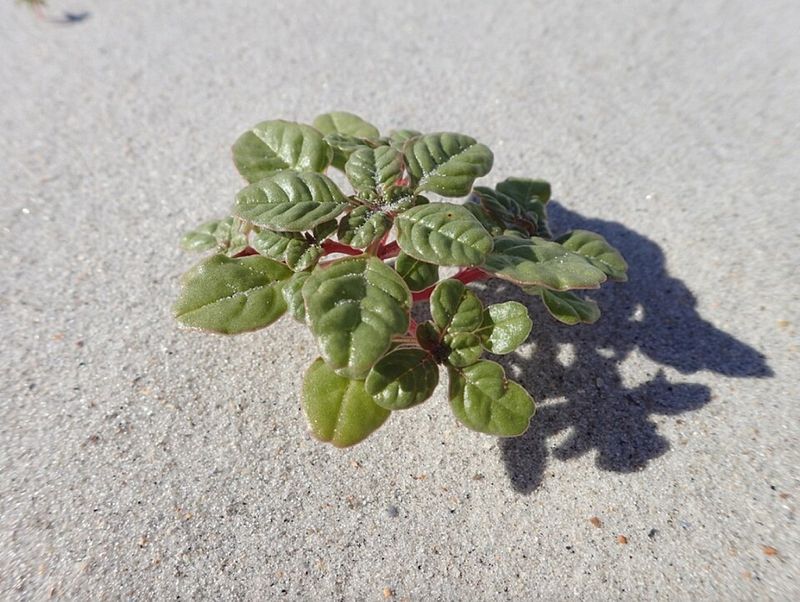
Forget spring fever. The seabeach amaranth doesn’t wait for a warm April morning to get started. Its life cycle is tied directly to tidal patterns and storm activity rather than seasons alone.
Seeds germinate when tidal overwash deposits fresh sand in the right spots. That can happen in spring, summer, or even early fall depending on coastal storm patterns.
Think of the tide as the plant’s personal alarm clock. When conditions align, seeds wake up and growth begins almost immediately, racing against the next disturbance.
The plant grows fast once it sprouts, which is a survival trick. A slow-growing plant on a beach is unlikely to survive.
Your Maryland Garden Changes Every Week. Your Plan Should Too.
Gardening in Maryland changes quickly throughout the season. Every Friday you’ll receive a simple weekly plan showing exactly what to plant, prune, fertilize, harvest, and protect so you never miss the right timing.
Blooming typically happens between July and September, but the exact timing shifts with the year’s storm history. A rough spring can delay germination by weeks.
Flowers are tiny and easy to miss, tucked into the leaf axils along reddish stems. They don’t put on a showy display the way garden flowers do.
Pollination happens quickly, and seeds mature before fall storms roll in. The whole reproductive sprint happens in just a few months.
Biologists describe this as a bet-hedging strategy. By tying its schedule to tidal disturbance rather than a fixed calendar, the plant increases its chances of landing in freshly exposed, competition-free sand.
The tide doesn’t just shape the shoreline here. It literally writes the blooming schedule for Maryland’s rarest flower.
Where In Maryland You Can Actually Find It
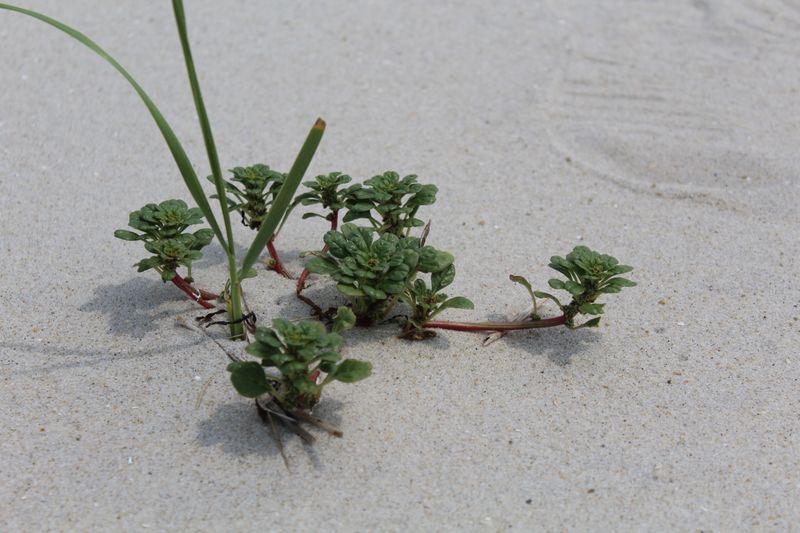
Assateague Island is the best-known address for this elusive plant in Maryland. The barrier island stretches along the Atlantic coast and provides the kind of dynamic, storm-sculpted beach the species loves.
Assateague’s beaches shift constantly. New overwash areas form after big storms, creating exactly the kind of open, sandy real estate the seabeach amaranth needs to establish itself.
Some sources also report occasional sightings along Chesapeake Bay shorelines, though Atlantic-facing beaches remain its primary documented habitat. Salinity levels and sediment type both play a role in where it settles.
Not every beach on Assateague holds a population in any given year. The plant moves around, following disturbance patterns that humans can’t easily predict or control.
If you visit hoping to spot one, go with patience and good eyes. The plant blends easily into the sandy background, especially when young.
Park rangers at Assateague Island National Seashore can sometimes point you toward areas where populations have been recently documented. Calling ahead is always a smart move.
Don’t walk off established paths if you’re searching. Foot traffic compacts sand and can crush seedlings that are nearly invisible at ground level.
Spotting a seabeach amaranth in the wild feels like finding a secret the beach has been keeping. Once you know what to look for, the coastline starts telling a whole new story.
Threats Facing The Seabeach Amaranth
The seabeach amaranth has always faced natural challenges, but modern pressures are now adding up quickly. Sea level rise is one of the biggest threats facing the species right now.
As water levels climb, the narrow band of suitable habitat shrinks. The plant can’t simply move inland because development, dunes, and human infrastructure block the way.
Beach nourishment projects, where sand is pumped onto eroding shores, can bury existing populations. Even well-meaning coastal management can accidentally harm the species.
Off-road vehicle use on beaches poses another serious risk. Tires crush plants and compact the loose sand that seeds need to germinate successfully.
Invasive plants also compete for the same open-sand habitat. Species like sea rocket can crowd out the amaranth before it gets a foothold in a newly disturbed area.
Shorebird nesting areas and amaranth colonies often overlap, which creates a complicated management situation. Protecting one species sometimes means limiting access to areas where the other also needs help.
Hurricane seasons with multiple intense storms can significantly reduce populations. Back-to-back overwash events sometimes bury colonies under too much sand for seeds to push through.
Researchers are studying seed banks to understand how long seeds remain viable in beach sediment. That knowledge could shape future restoration strategies significantly.
Every threat this plant faces reflects broader ecological changes occurring along coastal Maryland as the climate shifts.
How Scientists Are Working To Save It
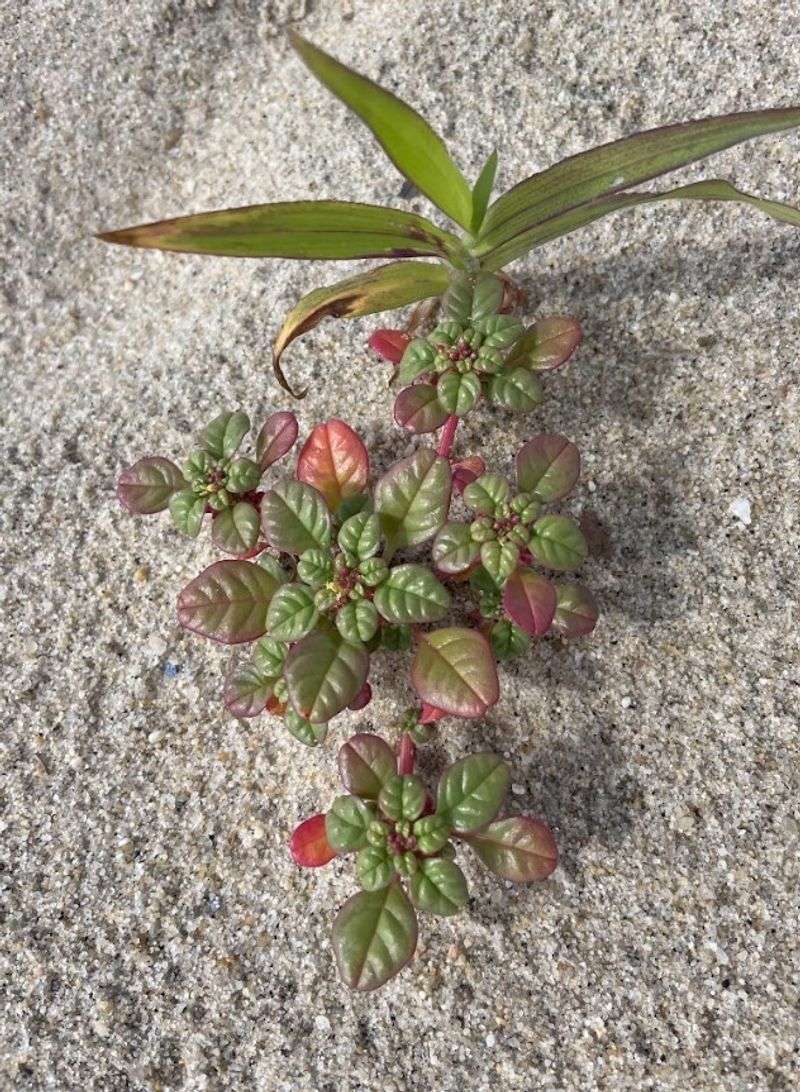
Conservation science can feel abstract until you see it happening on a windswept beach. Teams from the U.S. Fish and Wildlife Service monitor seabeach amaranth populations every summer along the Atlantic coast.
Researchers walk survey transects across known habitat areas, counting individual plants and recording their growth stage. The data builds a picture of how populations respond to each year’s conditions.
Seed collection is another key strategy. Scientists gather seeds from healthy populations and store them in seed banks as insurance against catastrophic losses.
Some programs have experimented with transplanting seedlings to suitable but currently unoccupied habitat. Results have been mixed, which highlights just how specific this plant’s requirements really are.
Collaboration is central to the recovery effort. Federal agencies, state wildlife programs, and university researchers all share data and coordinate site management decisions together.
Public education plays a bigger role than most people realize. When beachgoers understand what they’re looking at, they’re far more likely to stay on marked paths and report sightings.
Citizen science apps allow ordinary people to log plant sightings with GPS coordinates. Those reports help researchers fill in gaps between formal survey seasons.
Climate modeling is now being used to predict which beach areas might become suitable habitat as conditions shift over the coming decades. Planning ahead is the only way to stay ahead of change.
Every person who learns about this flower becomes part of the network keeping it alive in Maryland’s coastal ecosystem.
What The Flower Tells Us About Chesapeake Bay Health
A single small plant can carry enormous information about an ecosystem’s health. The seabeach amaranth functions almost like a living indicator species for the condition of Maryland’s coastal environment.
When populations are stable or growing, it signals that the right mix of disturbance, sand movement, and open habitat still exists. That balance is increasingly hard to maintain along developed coastlines.
The plant’s presence also indicates low levels of certain types of pollution. It’s sensitive to nutrient runoff and doesn’t establish well in areas with heavy algae growth or degraded sediment.
Chesapeake Bay faces serious water quality challenges from agricultural runoff and urban development. The amaranth’s struggle reflects those broader pressures on the coastal environment.
Healthy shorebird populations often correlate with healthy amaranth populations because both depend on similar undisturbed beach conditions. Tracking one helps researchers understand the other.
When storm patterns shift and overwash events become less predictable, the plant’s reproductive success drops. That trend mirrors what climate scientists are seeing across the mid-Atlantic region.
Loss of this species wouldn’t just be a significant ecological loss. It would signal a broader shift in the ecological conditions that make Maryland’s coast so biologically rich.
Scientists call species like this one “canaries in the coal mine.” Their decline is an early warning that something fundamental is changing in the environment around them.
Paying attention to the amaranth means paying attention to Maryland’s coastal future, one tide cycle at a time.
How You Can Help Protect Maryland’s Rarest Bloom
You don’t need a biology degree to make a real difference for this plant. Awareness is the first step, and you’ve already taken it by reading this far.
When visiting beaches at Assateague or other natural shoreline areas, stick to designated paths and access points. That simple habit protects far more than most people realize.
If you spot a small reddish-stemmed plant growing on open sand, photograph it and submit it to a citizen science platform like iNaturalist. Your sighting could fill a critical data gap.
Supporting organizations that advocate for coastal land conservation directly helps the species. Broader coastal conservation groups, including organizations like the Chesapeake Bay Foundation, support habitat protection efforts in the region.
Reducing fertilizer use on lawns near coastal areas cuts nutrient runoff into waterways. Less runoff means healthier sediment and water conditions for sensitive beach species.
Advocating for smart coastal management policies matters too. When local governments make decisions about beach nourishment or shoreline hardening, public input shapes outcomes.
Teaching kids about native coastal plants builds the next generation of conservation advocates. A child who knows what a seabeach amaranth looks like might grow up to protect the beach it grows on.
Sharing this story with friends and family multiplies the impact of what you’ve learned today. Conservation starts with curiosity and spreads through conversation.
Maryland’s rarest flower blooms by the tide, but its survival depends on people who choose to pay attention before the next wave rolls in.