The Texas Native Tree That Feeds Wildlife Through Fall And Winter While Providing Year-Round Privacy
Privacy trees are one of the most common landscaping investments Texas homeowners make, and most of them deliver exactly one thing. A visual screen.
They block the view, they define the boundary, and they do it without contributing much of anything else to the yard or the local ecosystem. That’s fine as far as it goes, but it misses what the best privacy plantings are capable of.
There is a native Texas tree that creates genuine privacy while feeding wildlife through fall and winter with an abundance that few other trees in the Texas landscape can match during those months.
Birds return to it repeatedly. Mammals rely on it when other food sources have diminished.
The ecological activity around a mature specimen of this tree through the colder months is remarkable compared to the typical ornamental privacy planting, which offers nothing once its growth season ends.
It’s also beautiful, adapted to Texas conditions, and capable of providing meaningful visual screening without demanding constant water or attention. Here’s the native Texas tree that earns its place in the landscape in more ways than one.
Yaupon Holly Works As A Native Privacy Tree
Some plants just have a talent for being in the right place at the right time, and yaupon holly is one of them. Native to Texas and much of the southeastern United States, this plant has been quietly doing its job in the wild for thousands of years.
Now it is earning a well-deserved reputation as one of the best privacy plants a Texas homeowner can choose.
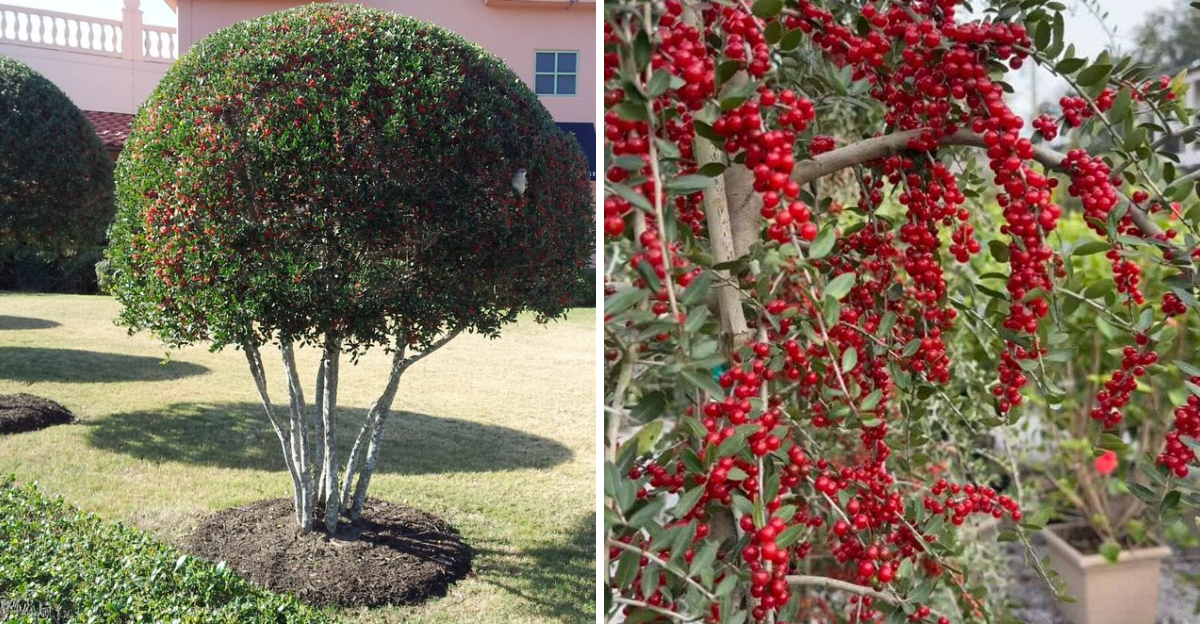
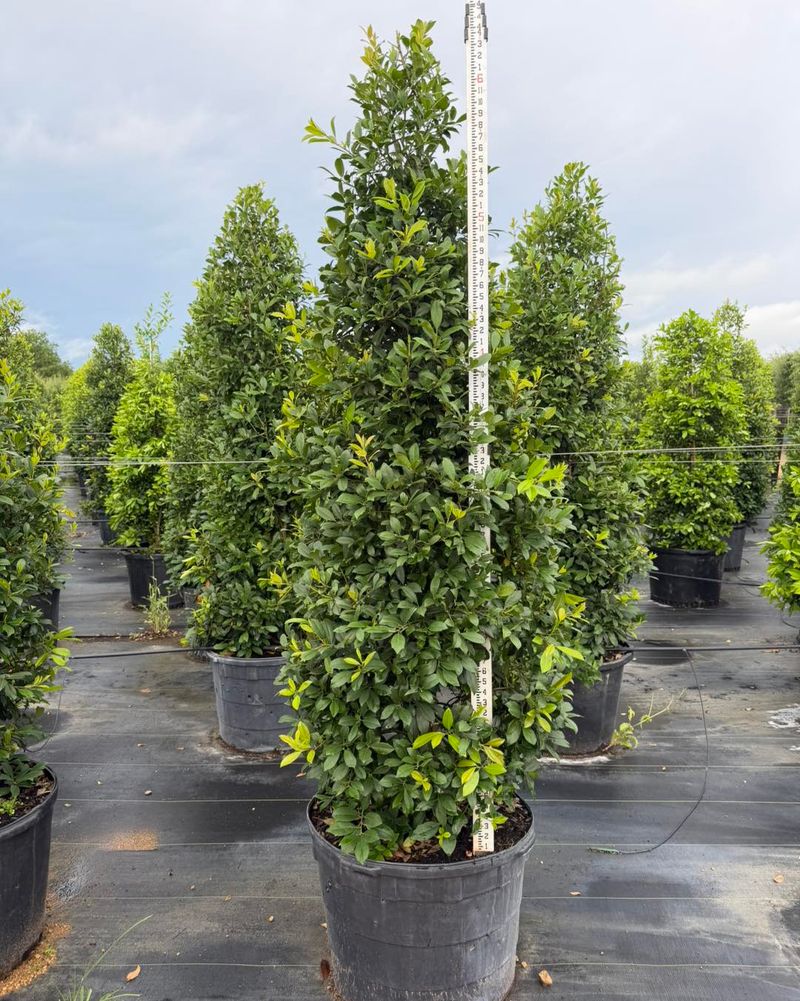
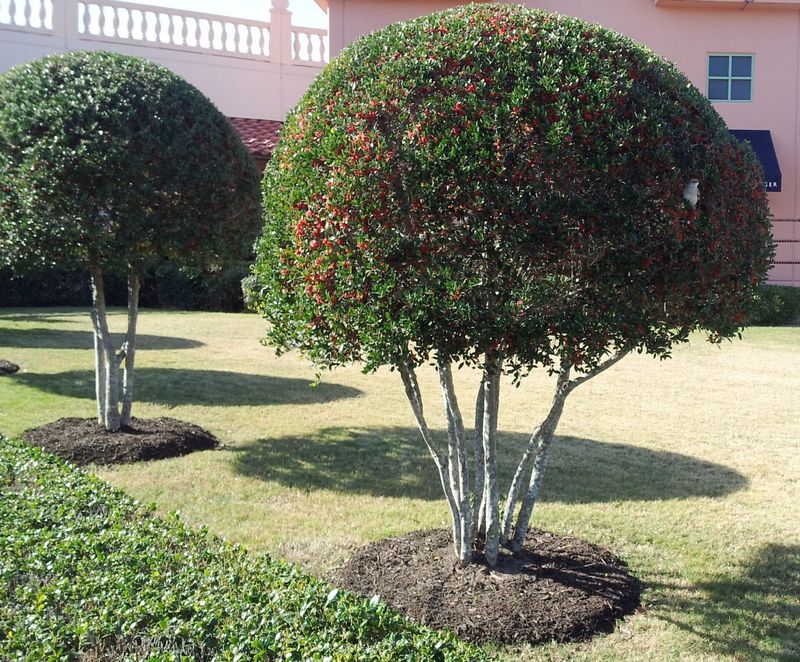
Yaupon holly can grow as a large, bushy shrub or a small tree depending on how you manage it. Left on its own, it tends to fill out into a dense, rounded form with branches packed tightly together.
That thick growth habit is exactly what makes it so useful as a living screen or fence line plant.
Because yaupon is evergreen, it holds onto its small, glossy leaves all year long. That means your privacy does not disappear in fall when other plants drop their leaves.
Neighbors, traffic, and wind stay blocked through every season without any extra effort from you.
Compared to many non-native privacy plants, yaupon fits naturally into the Texas landscape. It does not look out of place, and it does not need the same level of babying that some exotic shrubs require.
Once established, it handles heat, occasional flooding, and dry spells with a toughness that most plants cannot match.
For homeowners who want a screen that blends into the natural environment while still doing a serious job, yaupon holly checks every box. It is functional, beautiful, and genuinely suited to life in Texas.
Female Trees Produce Bright Red Winter Berries
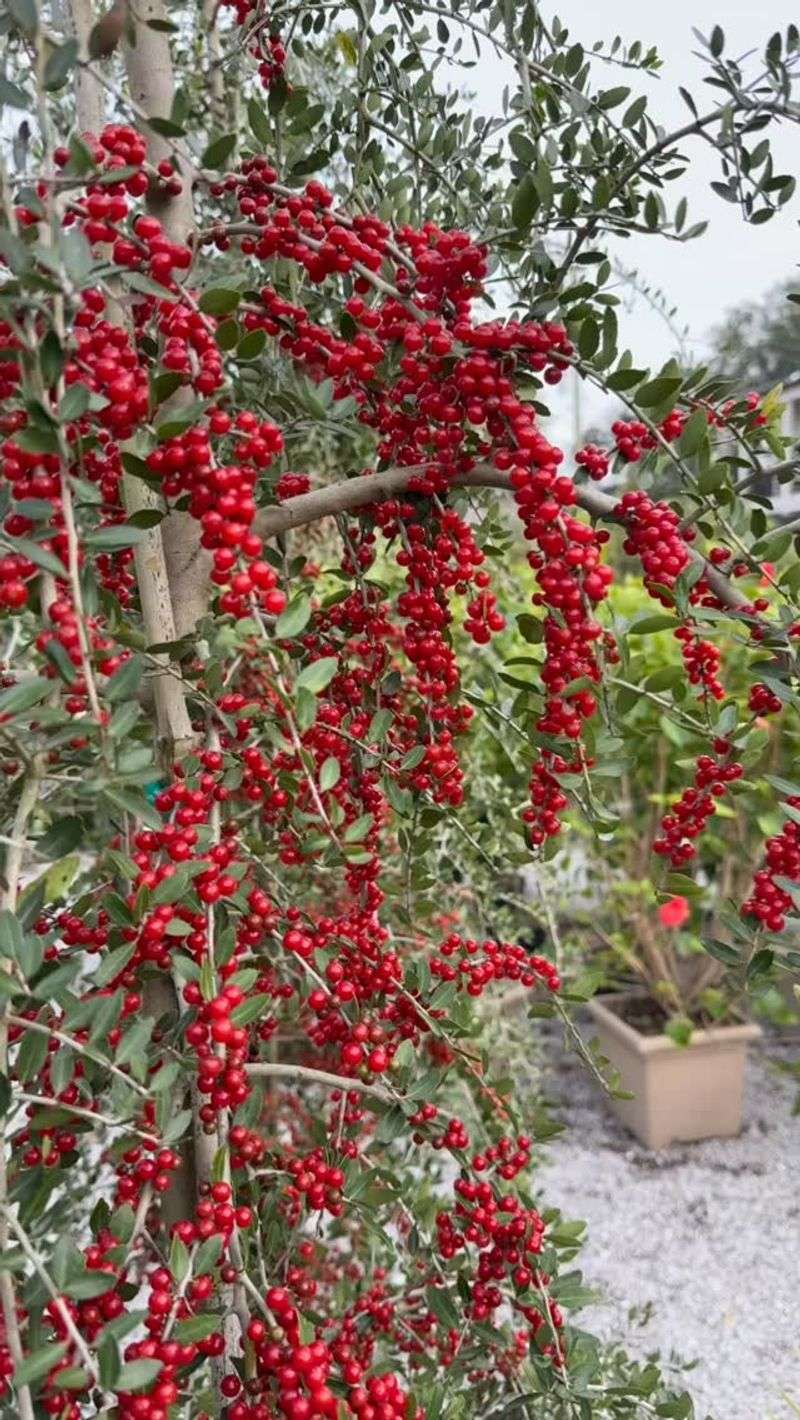
Walk past a female yaupon holly in November, and you might do a double take. The branches are loaded with tiny, round berries that glow a rich, fire-engine red against the dark green leaves.
It is one of the most striking natural displays you can get from a Texas native plant without planting a single flower.
Your Texas Garden Changes Every Week. Your Plan Should Too.
Gardening in Texas changes quickly throughout the season. Every Friday you’ll receive a simple weekly plan showing exactly what to plant, prune, fertilize, harvest, and protect so you never miss the right timing.
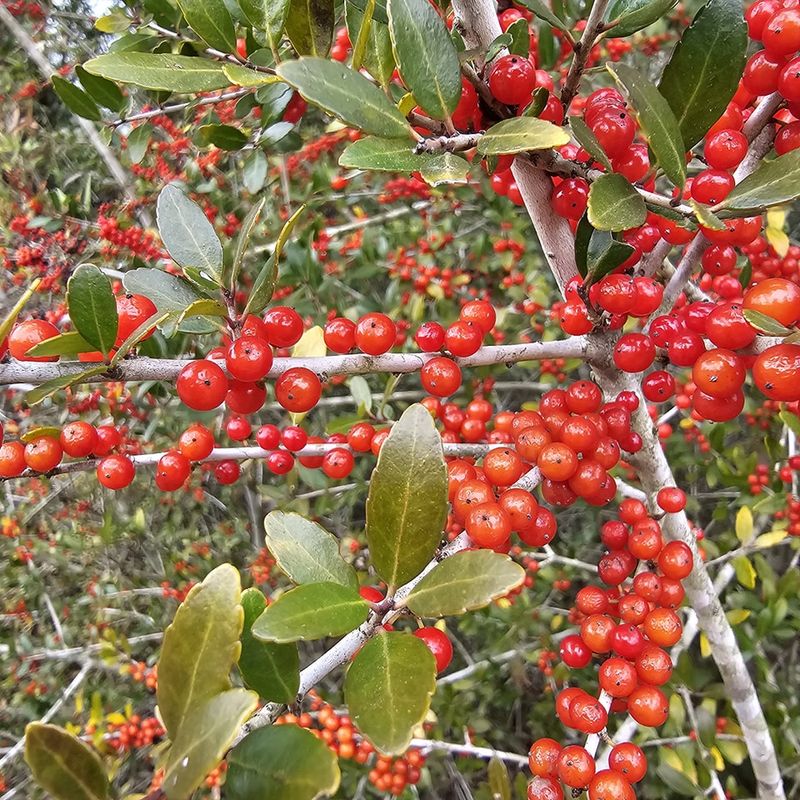
Berries begin showing color in early fall, usually around September or October. They start out pale and gradually deepen into that bold red that makes the plant so eye-catching.
By the time winter rolls in and most other plants look bare and brown, the yaupon is putting on its best show.
What makes these berries even more impressive is how long they last. While some fruiting plants drop their berries quickly, yaupon can hold its fruit well into winter and sometimes beyond.
That long display window gives both gardeners and wildlife plenty of time to enjoy and use what the plant produces.
The berries grow in tight clusters along the stems, coating the branches in color. From a distance, a heavily fruiting yaupon can look almost like it has been decorated for the holidays.
Up close, the contrast between the glossy red fruit and the dark, leathery leaves is genuinely beautiful.
Planting a female yaupon near a window or along a walkway means you get to enjoy that seasonal color display every single year.
It adds warmth and interest to the landscape during the months when most yards look their dullest. Few plants deliver that kind of late-season reward so reliably.
Birds Use The Fruit As A Cold-Season Food Source
If you have ever wanted to attract more birds to your yard without setting up a dozen feeders, planting yaupon holly is one of the smartest moves you can make.
The berries that coat female plants through fall and winter are a genuine lifeline for many bird species during the months when natural food becomes scarce.
Cedar waxwings are among the most enthusiastic fans of yaupon berries. These sleek, crested birds often travel in flocks and will descend on a loaded yaupon like a party that was not on the calendar.
American robins, mockingbirds, bluebirds, and hermit thrushes are also known to seek out the fruit regularly. On a good day, a single yaupon tree can attract a surprising variety of visitors.
Beyond food, the dense branching structure of yaupon holly gives birds a safe place to rest, hide from predators, and even nest.
The tight growth creates natural cover that many species prefer over open, airy plants. Wrens and sparrows especially like to tuck themselves into thick shrubs like this one.
Having a plant that serves double duty as both a food source and a shelter spot makes yaupon especially valuable in a wildlife-friendly yard. You are essentially offering birds a full-service stop without any extra maintenance on your part.
Watching birds flock to your yard through the coldest months of the year is genuinely rewarding. It turns a quiet winter garden into something lively and full of movement.
Yaupon holly makes that happen naturally, season after season, without requiring anything more from you than a little space in your yard.
It Handles A Wide Range Of Texas Conditions
Texas weather does not play nice with plants that need constant attention. Between the scorching summers, unpredictable rainfall, and occasional hard freezes, a lot of popular landscape plants struggle to survive more than a season or two.
Yaupon holly, on the other hand, seems to read the Texas climate as a personal challenge it is happy to accept.
Once established, yaupon tolerates full sun and partial shade with equal ease. You can plant it on the sunny south side of your house or tuck it into a shadier corner, and it will adapt without much fuss.
That flexibility makes it useful in spots where other plants tend to fail or look stressed.
Drought tolerance is one of yaupon’s most celebrated qualities. After the first year or two of regular watering to help it get rooted, most yaupons can survive long dry stretches with little to no supplemental irrigation.
That is a huge advantage in a state where summer water restrictions are common and hose time is limited.
Soil adaptability is another strong point. Yaupon grows in sandy coastal soils, heavy clay, rocky Hill Country ground, and everything in between.
As long as water does not pool around the roots for extended periods, the plant generally manages well. It is not picky about pH or fertility the way many ornamental plants are.
Cold hardiness is solid too. Yaupon handles most Texas winters without a problem, bouncing back from brief cold snaps that would set back less rugged plants.
For gardeners who want a reliable, low-maintenance anchor plant in their landscape, few choices make more sense than this one.
Plant Male And Female Yaupons For Reliable Berries
Here is something a lot of first-time yaupon growers do not know until they are left wondering why their plant never makes berries.
Yaupon holly is dioecious, which is a fancy word for a plant that keeps its male and female parts on completely separate plants. You need both to get fruit.
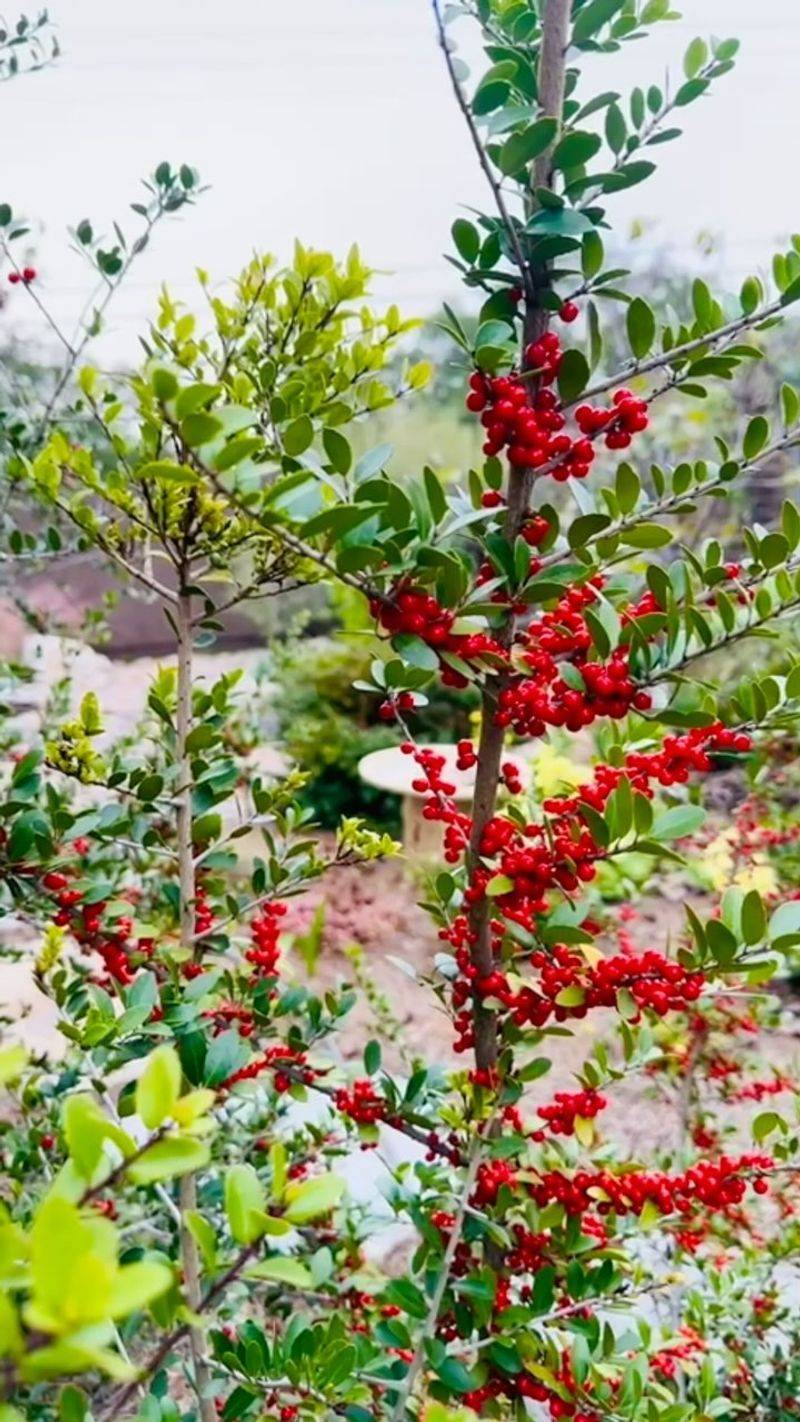
Female plants are the ones that produce those showy red berries everyone loves. But they cannot do it alone.
Without a male plant nearby to provide pollen during the spring bloom period, the female flowers will not get fertilized, and no berries will form. That is why so many people plant a yaupon and end up disappointed when it stays bare all winter.
The good news is that you do not need an equal number of males and females. One healthy male plant can pollinate several females within a reasonable distance, typically within about 50 feet or so.
Bees and other insects carry the pollen between plants during the brief spring flowering window, so the transfer happens naturally without any help from you.
When buying yaupons at a nursery, look for plants that are clearly labeled by sex. Not all nurseries do this well, so it helps to ask directly.
Some cultivars are sold specifically as male or female, which takes the guesswork out of the process entirely.
If you already have a yaupon that never berries, there is a good chance it is either male or lacks a male companion nearby. Adding a male plant to the mix often solves the problem quickly.
Within a season or two, your female plant should reward you with a full crop of brilliant red fruit.
Give It Enough Room To Become A Screen
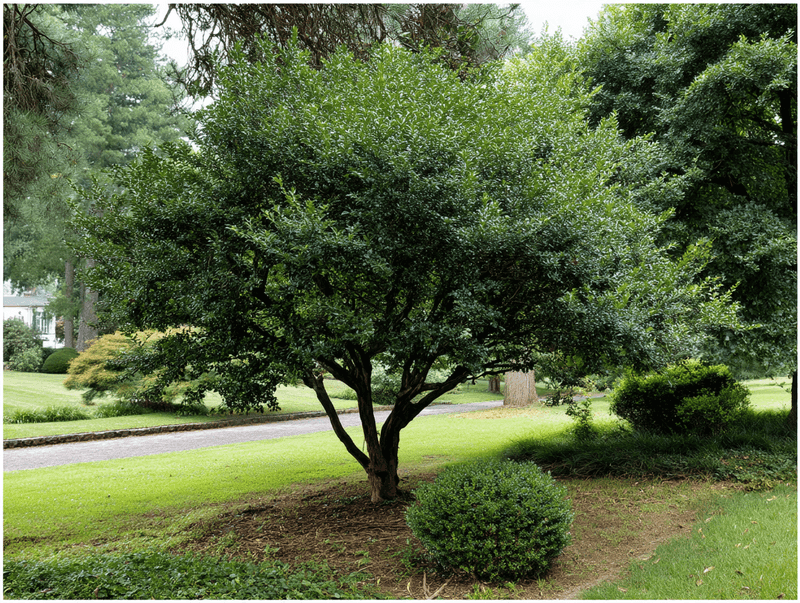
Yaupon holly is not a plant you want to squeeze into a tight spot and forget about. Given the right conditions and enough space, it can grow into a genuinely impressive screen that rivals any wooden fence for privacy and beats it hands down for beauty.
Planning ahead for its mature size is the key to getting the most out of this plant.
Most yaupon hollies reach somewhere between 15 and 25 feet tall at full maturity, with a spread that can be just as wide. That is a substantial plant.
If you are planting a row for screening, spacing individual plants about 6 to 10 feet apart gives them room to fill in without competing so hard that they stress each other out.
Light pruning can help keep the size manageable if your space is limited. Trimming once or twice a year lets you shape the plant and control its height without hurting it.
The goal is to guide the growth, not fight it. Heavy shearing every season tends to ruin the natural, graceful look that makes yaupon so attractive in the first place.
For a more formal hedge look, yaupons respond well to shaping. For a naturalistic screen that blends into the yard with a relaxed, organic feel, simply let them grow with minimal intervention.
Both approaches work, and the choice really comes down to the style of your landscape.
Giving yaupon enough room from the start saves a lot of work later. A plant that has space to grow into its natural form will always look better, stay healthier, and provide more consistent coverage than one that is constantly being cut back to fit a space too small for it.