Michigan Gardeners Are Replacing Their Lawns With These Low-Maintenance Native Plants
Lawn maintenance in Michigan adds up fast. Mowing, watering through dry summer stretches, fertilizing, and dealing with bare patches that never quite fill in properly consumes time and money that a lot of homeowners would rather spend elsewhere.
Native plant alternatives are gaining real traction across the state, and the gardeners making the switch are finding that a well-chosen native planting requires a fraction of the ongoing effort a traditional lawn demands.
Michigan natives are already adapted to the soil, the rainfall patterns, and the seasonal temperature swings that make lawn care so demanding here.
Once established, they largely manage themselves, support local pollinators and birds, and hold up through summer heat without irrigation systems or weekly mowing.
The options available range from low-growing ground covers to meadow-style plantings that bring genuine visual interest to spaces that used to just be grass.
1. Pennsylvania Sedge
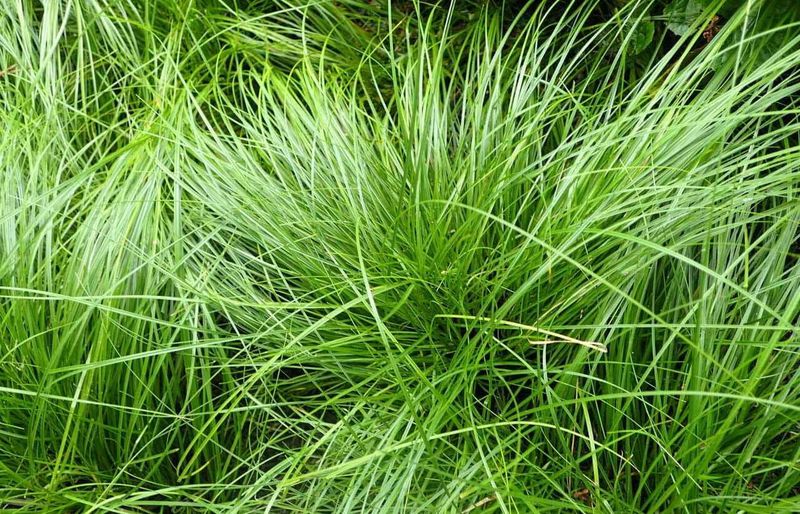
Forget fighting bare patches under your trees every summer. Pennsylvania Sedge, known botanically as Carex pensylvanica, is a fine-textured native sedge that actually thrives in the part shade to dry shade conditions where traditional turf gives up entirely.
It forms a soft, low-growing carpet that feels almost like a real lawn, but without the constant struggle.
One of the best things about this plant is its tolerance for tree roots and dry soil. Once established, it spreads slowly through underground rhizomes, gradually filling in gaps and creating a dense, weed-suppressing mat.
Establishment does take patience since it usually needs one to two full growing seasons before it really starts to fill in nicely.
In Michigan landscapes, Pennsylvania Sedge stays semi-evergreen through mild winters and greens up early in spring.
It rarely needs mowing, though a single cut in early spring helps keep it looking tidy. Aim for spacing plants about eight to twelve inches apart for best coverage.
Foot traffic tolerance is moderate, so it works well in low-traffic areas beneath trees or along shaded borders rather than main pathways. It is a genuinely low-effort swap that rewards your patience beautifully.
2. Prairie Dropseed
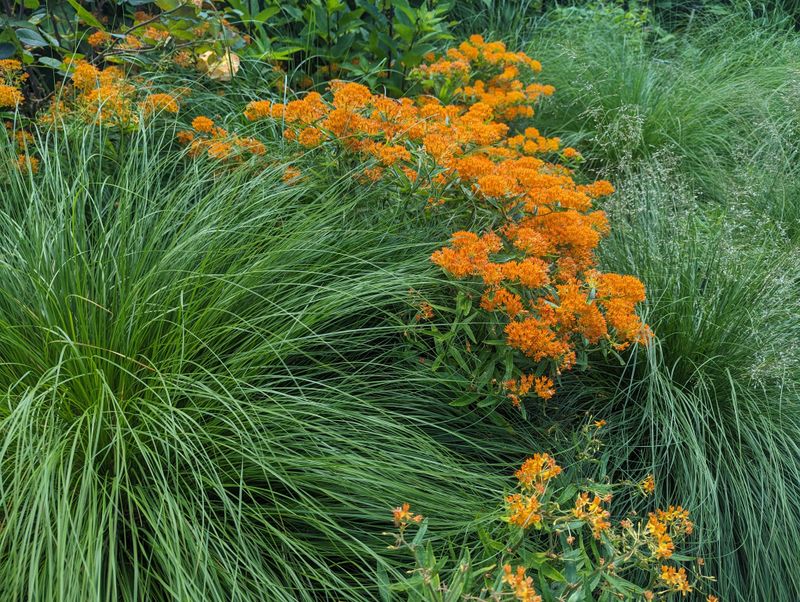
There is something almost magical about the way Prairie Dropseed moves in a summer breeze. Sporobolus heterolepis is a native prairie grass that forms beautiful, soft mounds of incredibly fine-textured foliage that almost look like a fountain of green silk.
It brings a flowing, relaxed look to sunny Michigan yards that no traditional turf can match.
What makes this grass such a standout lawn replacement is its toughness. Once established, typically after two growing seasons, Prairie Dropseed handles drought, summer heat, and poor or sandy soils without complaint.
It also produces fragrant seed heads in late summer that smell faintly of buttered popcorn, which surprises most gardeners the first time they notice it.
For spacing, plant individual clumps about two to three feet apart and allow them to gradually fill the space over time. Full sun is essential since this grass struggles in shade.
Mowing is minimal; simply cut back the clumps to about four inches in late winter or very early spring before new growth begins.
Your Michigan Garden Changes Every Week. Your Plan Should Too.
Gardening in Michigan changes quickly throughout the season. Every Friday you’ll receive a simple weekly plan showing exactly what to plant, prune, fertilize, harvest, and protect so you never miss the right timing.
Prairie Dropseed is slow to establish but incredibly long-lived once it gets going, often thriving for decades with almost no added fertilizer or irrigation.
For a sunny, low-maintenance Michigan yard, it is hard to beat this prairie classic.
3. Wild Strawberry
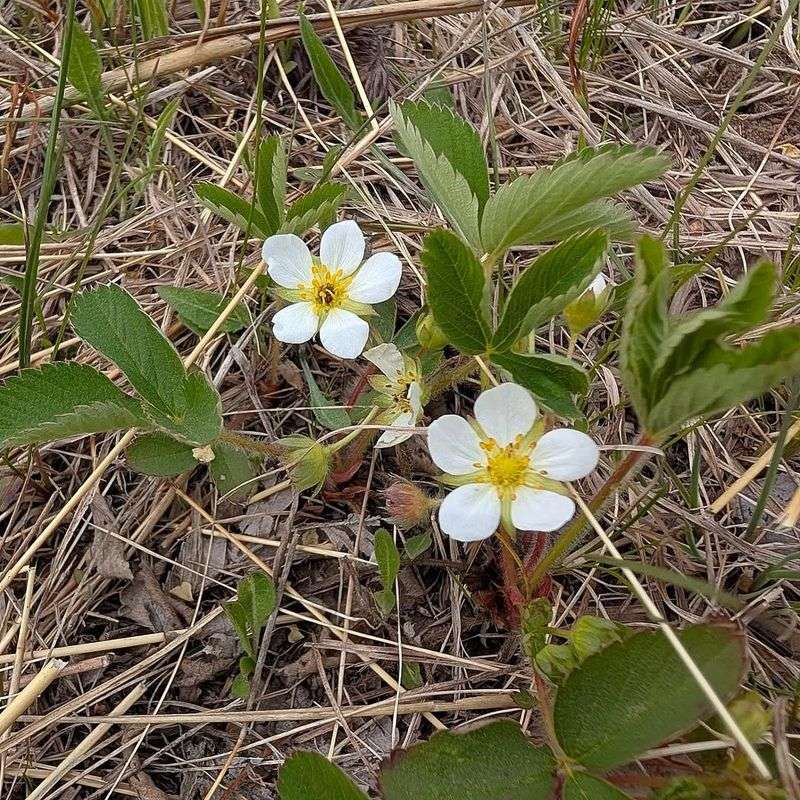
Who says a lawn replacement cannot also feed the birds? Wild Strawberry, or Fragaria virginiana, is one of the most charming native groundcovers you can plant in Michigan.
It forms a dense, low mat of bright green trifoliate leaves, produces cheerful white flowers in spring, and follows up with tiny red berries that birds and other wildlife absolutely love.
This plant spreads through runners, similar to a traditional strawberry plant, and gradually builds up a thick, weed-suppressing layer that reduces the need for constant weeding.
It works well in both full sun and part shade, making it versatile for many different yard situations.
Moist, well-drained soil gives it the best start, though it tolerates moderately dry conditions once established in Michigan gardens.
Realistic expectations matter with Wild Strawberry. Foot traffic tolerance is low to moderate, so it suits borders, garden edges, and spaces where people do not walk regularly.
Spread is steady but not aggressive, typically expanding a foot or two per season through runners. In a few years, a small planting can cover a surprisingly large area.
Pollinators flock to the spring blooms, which makes this plant a fantastic choice for gardeners who want to support bees and butterflies while cutting back on mowing and lawn maintenance throughout the growing season.
4. Creeping Phlox
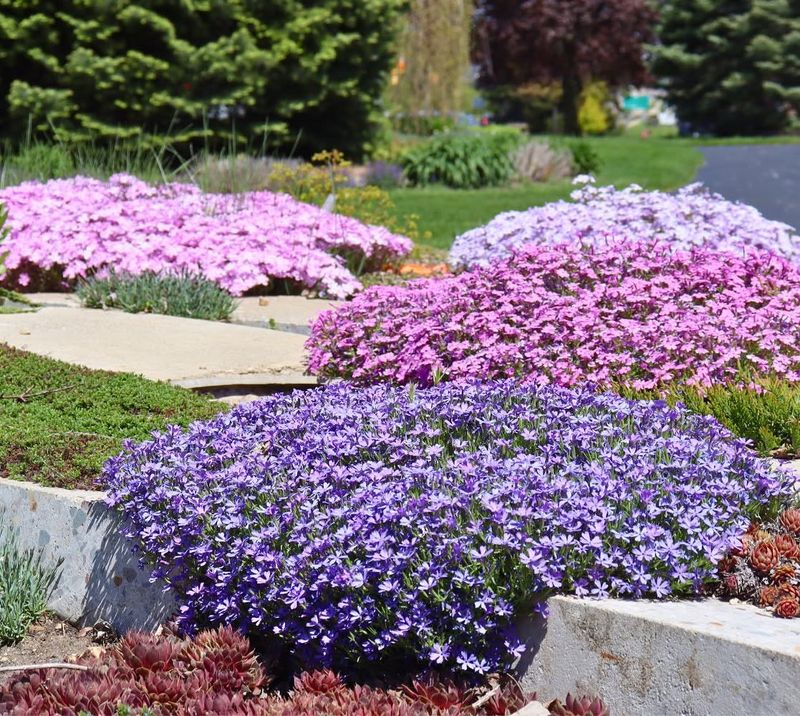
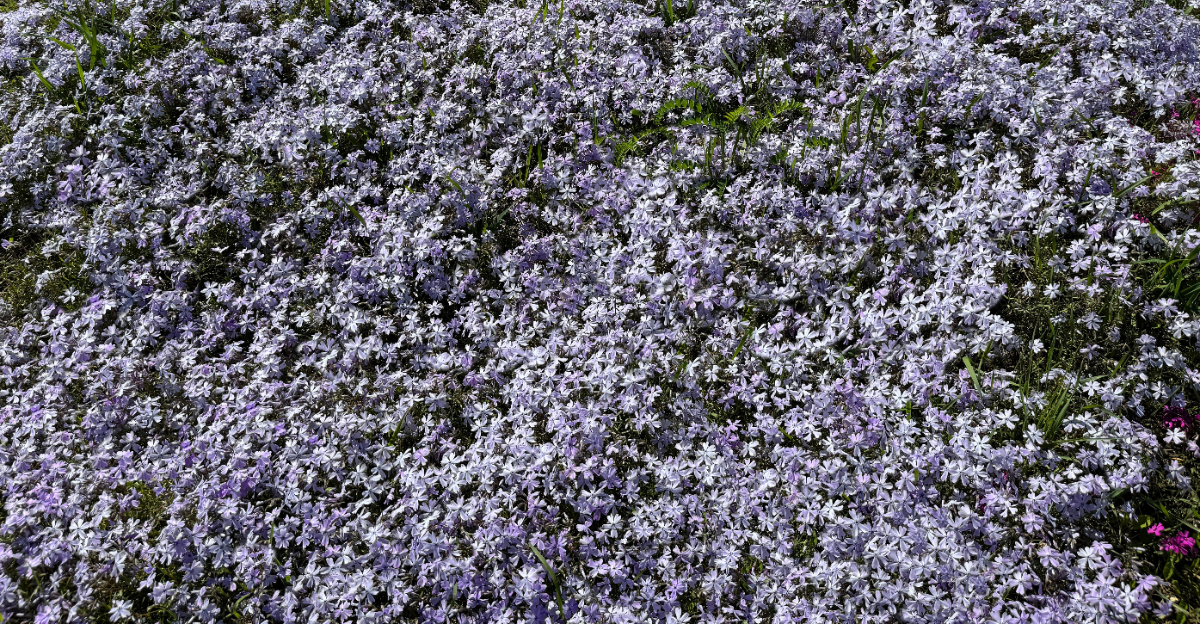
Every spring, neighborhoods with Creeping Phlox become an absolute showstopper.
Phlox subulata is a mat-forming native perennial that erupts into a carpet of pink, purple, or white blooms in mid to late spring, covering slopes and garden edges with color so vivid it almost looks unreal.
After the flowers fade, the dense evergreen foliage keeps doing its job all season long.
Michigan gardeners with slopes, hillsides, or sunny edges find this plant especially useful. It holds soil beautifully, reduces erosion, and eliminates the dangerous chore of mowing on steep terrain.
Good drainage is essential since Creeping Phlox does not tolerate soggy roots, but once planted in a sunny, well-drained spot, it requires very little ongoing attention.
Trimming back the plants lightly right after blooming each spring encourages denser, more compact growth and keeps the mat looking neat. Space new plants about twelve to eighteen inches apart, and expect them to spread roughly six to twelve inches per year.
Full sun gives the strongest bloom performance, though light afternoon shade is tolerable in hotter Michigan summers. Foot traffic is not recommended since the fine foliage mats bruise easily.
For slopes, sunny borders, or rock garden edges where mowing is a hassle, Creeping Phlox offers gorgeous seasonal color combined with genuinely low-maintenance ground coverage year after year.
5. Wild Ginger
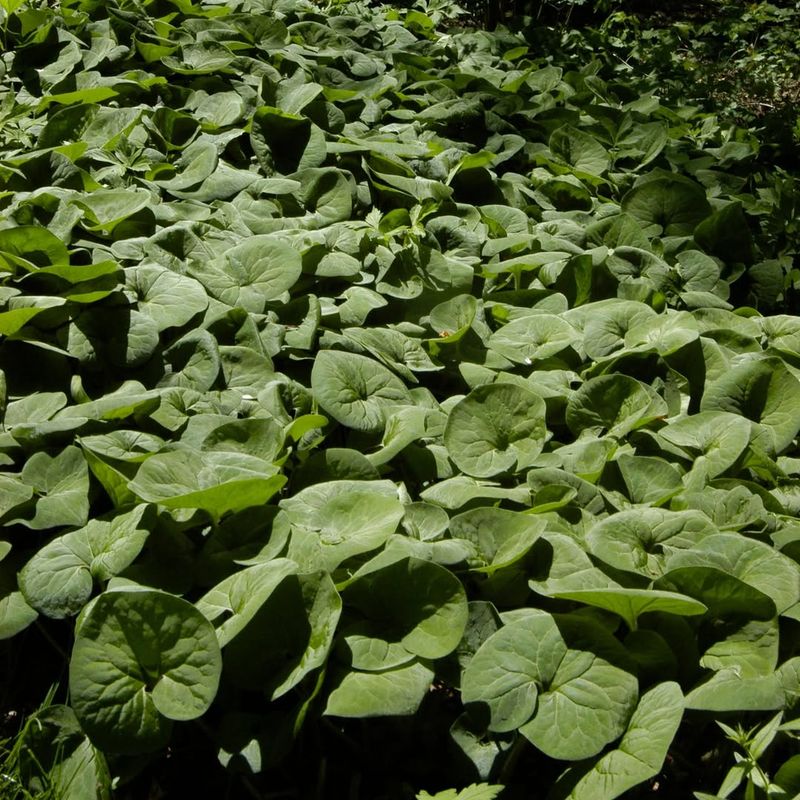
Shaded areas under large trees are some of the trickiest spots in any Michigan yard, but Wild Ginger handles them with ease. Asarum canadense is a woodland native that thrives in exactly those conditions: moist, rich, shaded soil where grass simply refuses to grow well.
Its large, heart-shaped leaves create a lush, deep green carpet that looks polished and intentional.
One reason gardeners love this plant is how little maintenance it needs once established. Wild Ginger spreads slowly through rhizomes, gradually expanding into a dense colony that crowds out weeds naturally.
It rarely needs watering after the first season as long as the soil stays reasonably moist, which shaded areas under tree canopies often naturally provide in Michigan.
Growth speed is on the slower side, so patience is part of the deal. Expect modest spread of about three to six inches per year under good conditions.
Planting divisions or plugs about six to eight inches apart speeds up coverage. This plant is not meant for foot traffic areas, but along shaded pathways, beneath mature trees, or in woodland garden beds, it performs beautifully without fertilizer, mowing, or irrigation.
Wild Ginger also offers an interesting quirk: tiny reddish-brown flowers bloom at soil level in spring, hidden beneath the leaves and easy to miss unless you look closely.
6. Canada Anemone
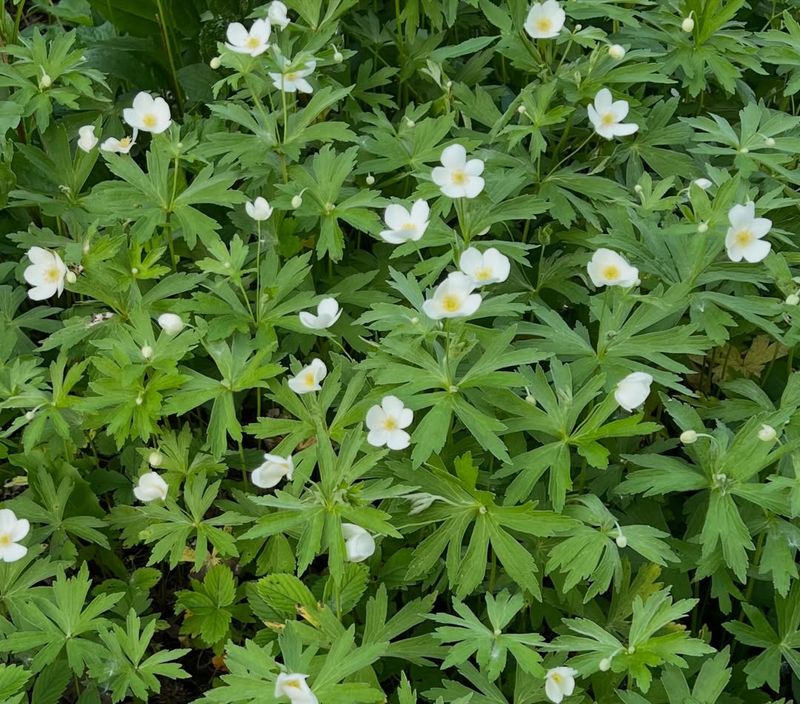
If you have a large, open sunny area that feels impossible to manage, Canada Anemone might just become your favorite plant.
Anemone canadensis is a vigorous native perennial that spreads quickly and fills open spaces with bright white flowers in late spring and early summer.
It creates a cheerful, naturalistic look that feels like a meadow without the constant upkeep of traditional turf.
Honesty matters with this plant: Canada Anemone spreads aggressively. It moves through underground rhizomes at a fast pace and can take over a space more quickly than most other native groundcovers on this list.
That quality makes it genuinely excellent for large areas, rain gardens, or naturalized spots along fences and property edges where you want coverage fast and do not mind a bold spreader.
Sunny to partly shaded conditions both work well, and the plant tolerates a range of Michigan soil types including clay and moist areas near drainage swales.
Once established, it needs almost no supplemental watering and holds its own against most weeds through sheer density.
Avoid planting it near delicate perennials or small garden beds since it will crowd them out over time.
For the right space, though, Canada Anemone delivers fast, beautiful, low-maintenance coverage that rewards gardeners who want results without spending every weekend working in the yard.
7. Little Bluestem
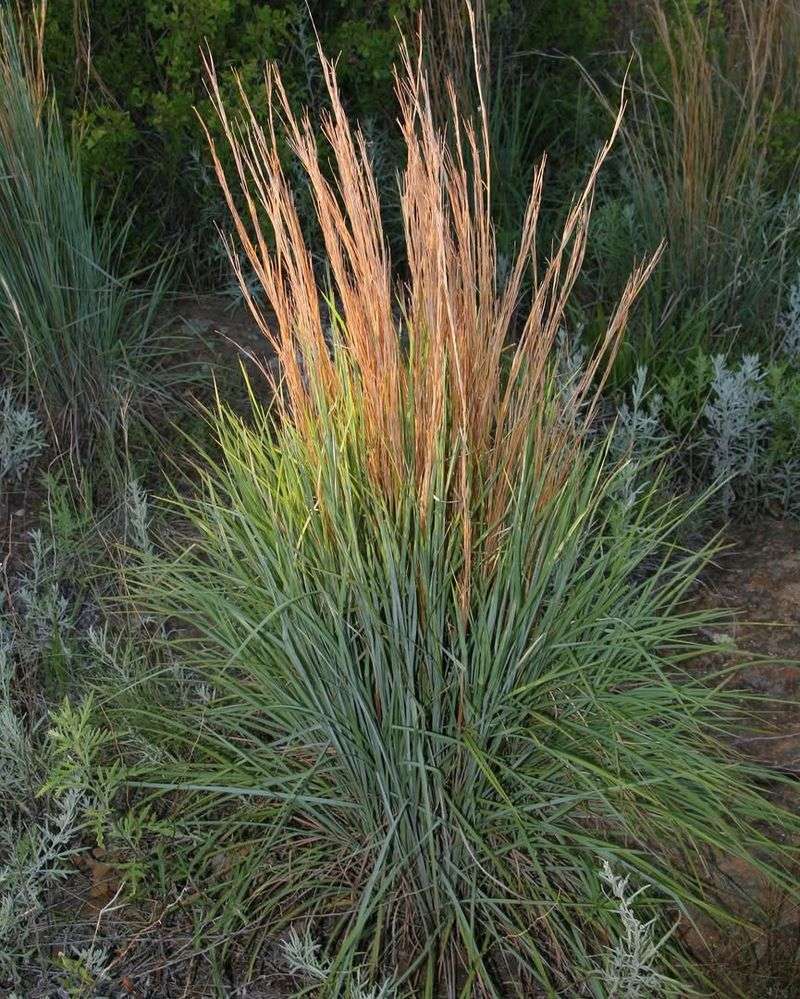
Few native plants offer the year-round visual interest that Little Bluestem brings to a Michigan yard.
Schizachyrium scoparium is a clumping prairie grass that starts the season with blue-green foliage, develops fluffy white seed heads in late summer, and then transforms into brilliant shades of copper, orange, and rust in fall.
Even in winter, the dried stems add structure and texture to the landscape.
For gardeners dealing with hot, dry, sunny spots where traditional grass struggles, this is one of the most dependable options available.
Little Bluestem handles drought, poor soil, and summer heat remarkably well once established, which typically takes one full growing season.
It does not spread aggressively, so it works well in more structured plantings where you want defined clumps rather than a spreading mat.
Space plants about eighteen to twenty-four inches apart for a natural, meadow-style look. A single cut back to about four to six inches in late winter or early spring is all the maintenance this grass really needs.
Avoid fertilizing since rich soil actually reduces its performance and causes floppy growth. Little Bluestem thrives in lean, well-drained conditions, which makes it perfect for Michigan’s sandy or gravelly soils.
Birds also love the seed heads through fall and winter, adding another layer of wildlife value to this already impressive native grass.
8. Barren Strawberry
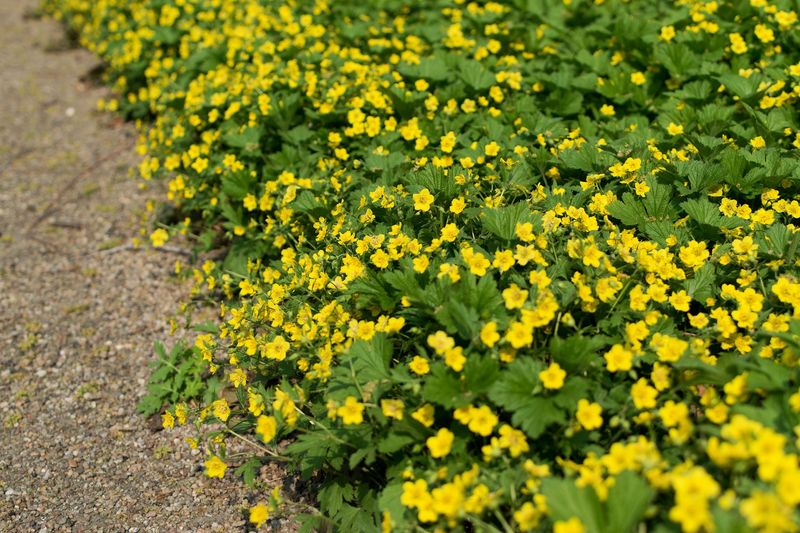
Not every groundcover gets the attention it deserves, and Barren Strawberry is a perfect example of an underrated gem.
Geum fragarioides is a low-growing native perennial that forms a tidy, spreading mat of glossy, strawberry-like leaves in part shade conditions where grass is thin and patchy.
Bright yellow flowers appear in spring, adding a cheerful pop of color before most other plants wake up.
This plant spreads steadily through runners, building up a dense layer that helps suppress weeds and reduces the need for regular mowing or mulching.
Spacing plants about eight to twelve inches apart at planting gives them room to spread while filling in reasonably quickly.
Moderately moist, well-drained soil suits it best, though it handles brief dry spells once established in Michigan gardens.
Barren Strawberry is semi-evergreen in Michigan, meaning the foliage often persists through mild winters and looks attractive even in the colder months.
It works especially well beneath deciduous trees, along shaded garden borders, or in spots where foot traffic is minimal.
Maintenance needs are genuinely low: no fertilizer is required, occasional watering during dry summer stretches helps establishment, and no mowing is needed at all.
For Michigan gardeners looking to replace struggling lawn areas in part shade with something reliable and attractive, Barren Strawberry is a smart, low-effort choice that delivers steady results season after season.