What a Roadrunner Hunting in Your Arizona Yard Can and Can’t Tell You
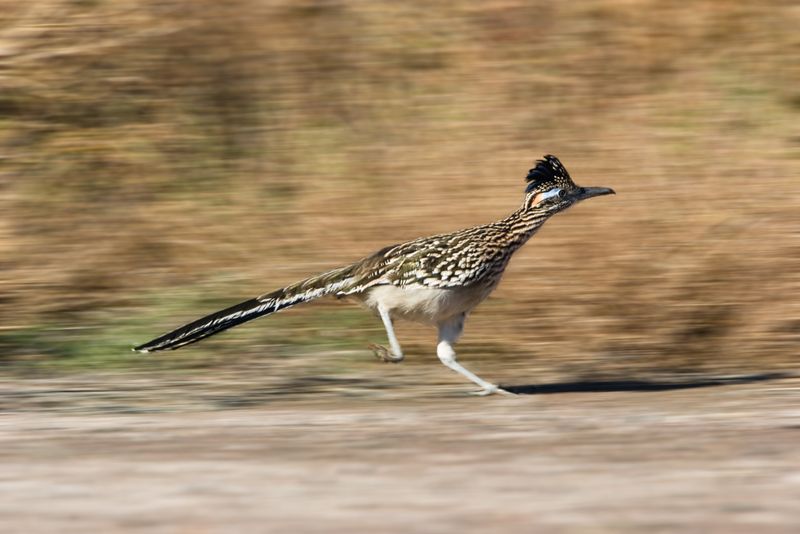
A roadrunner sprinting across your gravel, head low and eyes locked on something small, is a thrill to watch. Many Arizona homeowners wonder what the visit says about their yard.
The honest answer is useful, and it may change how you look at your landscape. Here is what the sighting shows, what it does not, and how to support desert wildlife in a grounded way.
A hunt confirms an opportunity, not a yard score
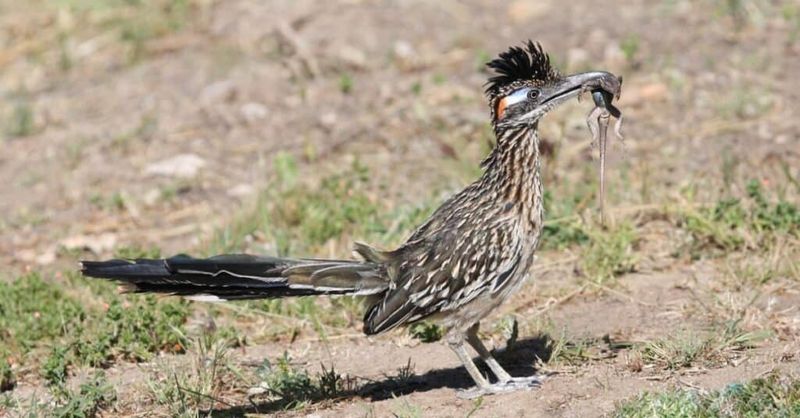
Seeing a roadrunner hunt is a treat, and it is natural to wonder what you did right. The plain reading is simple: the bird found something worth chasing in your yard at that moment.
It might have been a lizard on a warm wall or a cluster of insects near a shrub.
That is a real observation, but it is not a grade. Bird life history details show that roadrunners eat a wide range of animals, so a hunting visit can be set off by many different things.
One sighting cannot show that a yard is unusually healthy, native, or well designed.
So enjoy the show, and treat it as a snapshot. Your yard offered a meal opportunity for a few minutes, and that is all the bird can tell you.
One yard may be only one stop
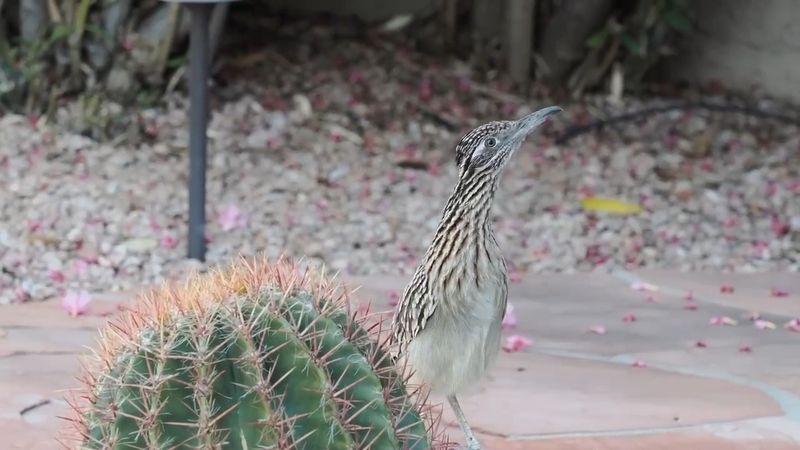
Roadrunners are territorial birds, and a pair’s territory can stretch up to about a half-mile across. That is far bigger than most residential lots.
Your yard may be just one stop along a much longer daily route.
These birds also like to move along paths, washes, and other open routes, and they can tolerate some sparse suburban development. A walk down your side yard might simply be part of a loop that includes several neighbors.
That is why a visit does not show the bird lives on your property, nests there, or relies on it. If you want to know more, watch for patterns over weeks, like the same time of day or the same route.
Even then, you would be learning about its travels, not scoring your landscaping.
Scorpions are only part of the menu
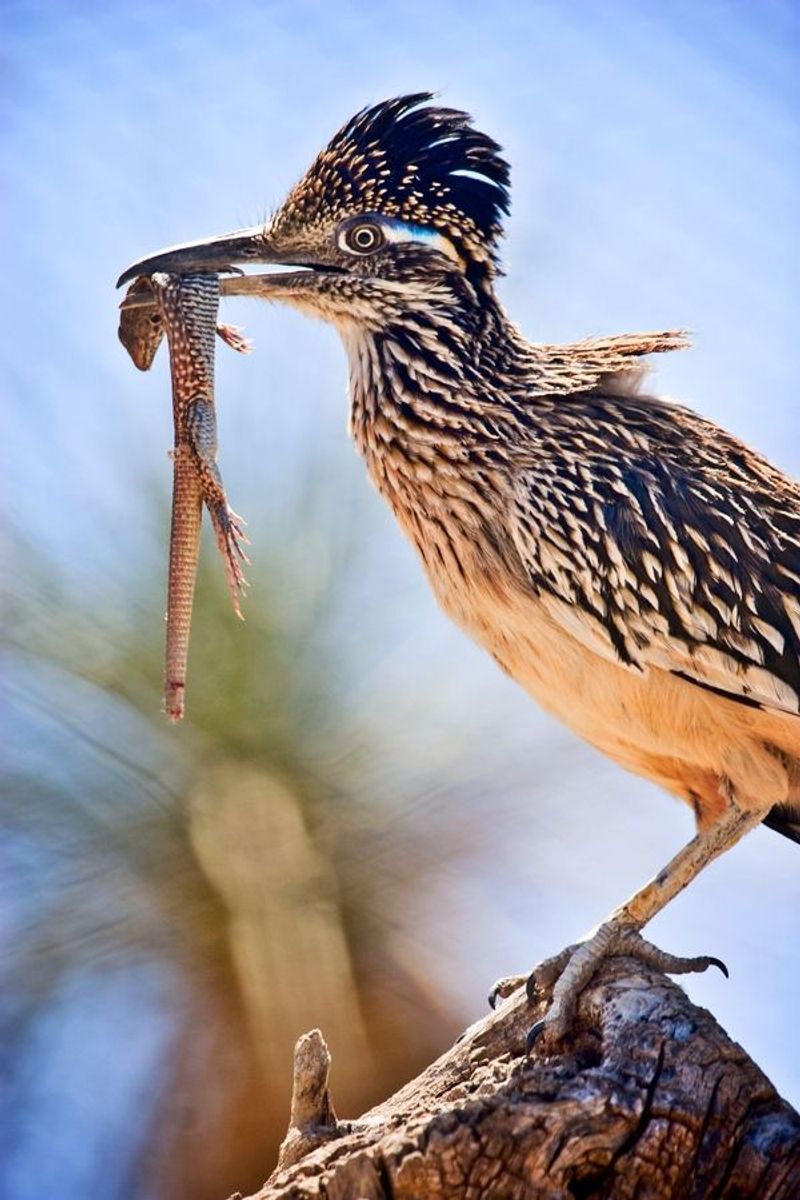
Roadrunners are opportunistic eaters. Their menu includes insects, lizards, small mammals, and birds and eggs, along with scorpions.
A bird crossing your yard is sizing up whatever is easiest to catch.
Because scorpions are one item among many, a roadrunner is not a pest-control service. It may eat a scorpion if it finds one, but there is no sign that its visits meaningfully reduce scorpions around a home.
Its prey can also include the eggs and nestlings of songbirds, which some homeowners may not welcome.
If scorpions are your worry, use proven household steps like sealing gaps and clearing clutter near the house. Let the roadrunner be a bonus to watch, not a part of your plan.
Wildlife habitat takes more than one feature
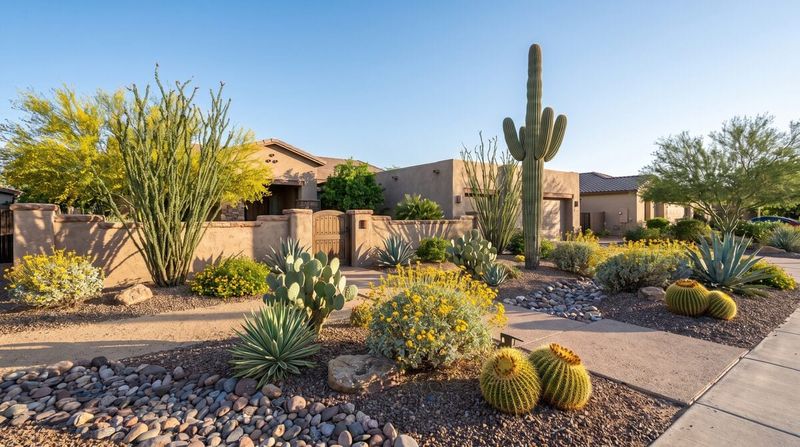
Habitat planners often look at five things: food, water, cover, space, and how those pieces are arranged. A yard that offers a few of them in a thoughtful layout generally gives wildlife more to work with than one that offers only a single feature.
Your Arizona Garden Changes Every Week. Your Plan Should Too.
Gardening in Arizona changes quickly throughout the season. Every Friday you’ll receive a simple weekly plan showing exactly what to plant, prune, fertilize, harvest, and protect so you never miss the right timing.
For a desert yard, that might mean native plants that host insects, a shaded spot where small animals can hide, and open ground for moving around. Arizona landscaping guidance also notes that native-plant landscaping can help conserve water, which suits low-desert living.
This is a general framework, not a roadrunner recipe. No single plant or feature can be credited with a visit, and nothing here guarantees one.
Walk your yard and ask which of the five elements are already present and which are missing.
Desert trees can support habitat, not guarantee a visit
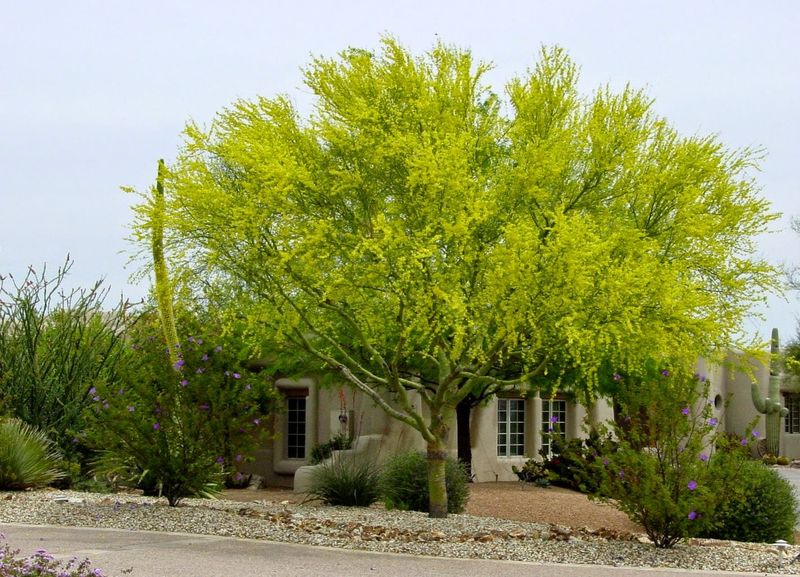
Mesquite and palo verde are classic low-desert choices. Mesquites are known to be heat tolerant, and Arizona tree guidance describes palo verde as providing wildlife habitat and food.
Both can offer shade and cover in a summer that tops 100 degrees.
Those are broad habitat benefits. Neither tree is a proven roadrunner magnet, and planting one will not promise a visit.
Before you buy, look at your site. Think about mature size, distance from walls and pipes, soil that drains poorly or has caliche, and how much room the canopy needs.
Fall is a good planting window in the low desert. A well-matched tree that thrives with modest water will do more good than a trendy pick in the wrong spot.
Let the bird forage without luring it
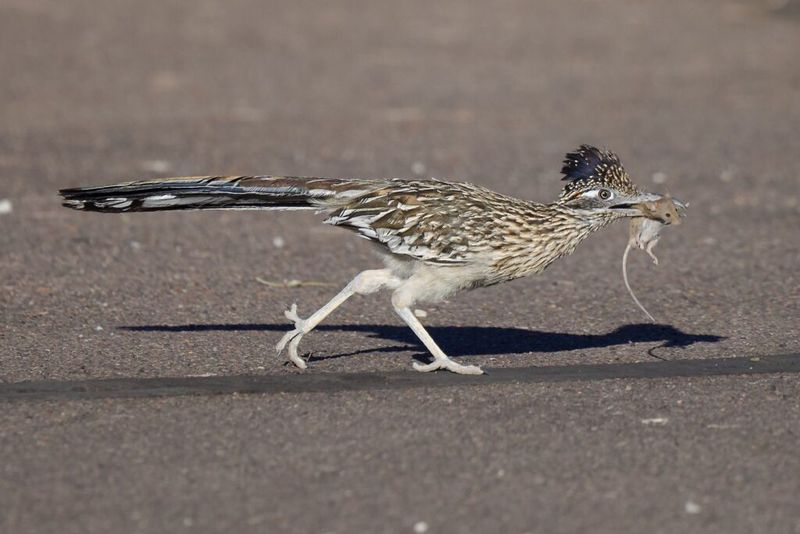
The kindest approach is to let the bird do its own foraging. Skip baiting and hand-feeding.
Arizona Game and Fish guidance advises against feeding wildlife, and some counties restrict intentionally feeding or enticing it, with exceptions that include birds and tree squirrels. Rules vary by place and situation, so check what applies where you live.
Keep small pets supervised when they are outdoors. It is a simple habit that protects them and gives wildlife room.
Go carefully with pesticides, too. EPA tips list wildlife impacts as a concern, so use any product strictly according to its label and think about who else might be exposed.
Treat the sighting as a clue, not a verdict
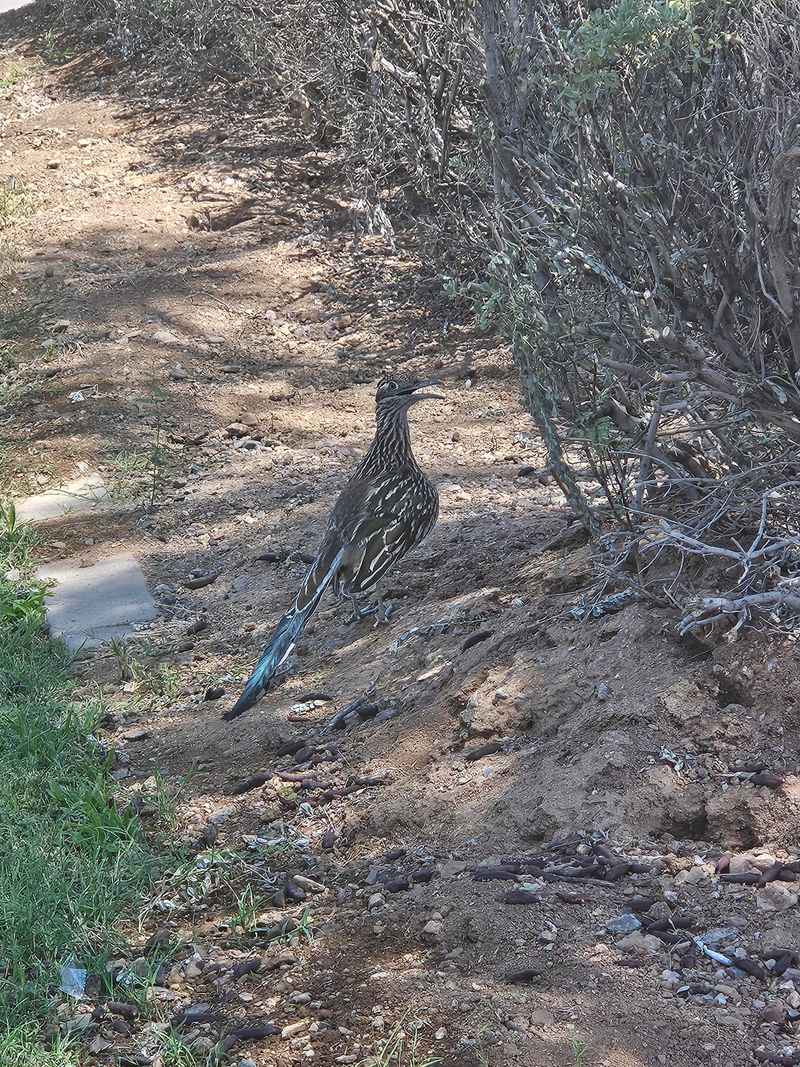
A roadrunner on the hunt is worth a pause and a smile. Roadrunner behavior notes remind us the bird ranges widely, so the visit says little about your yard’s overall quality.
Use it as a nudge to check which habitat elements you already offer and which you could improve. It was a clue, never a report card.