Plants South Texas Gardeners Are Using To Keep Rats Away From Their Homes
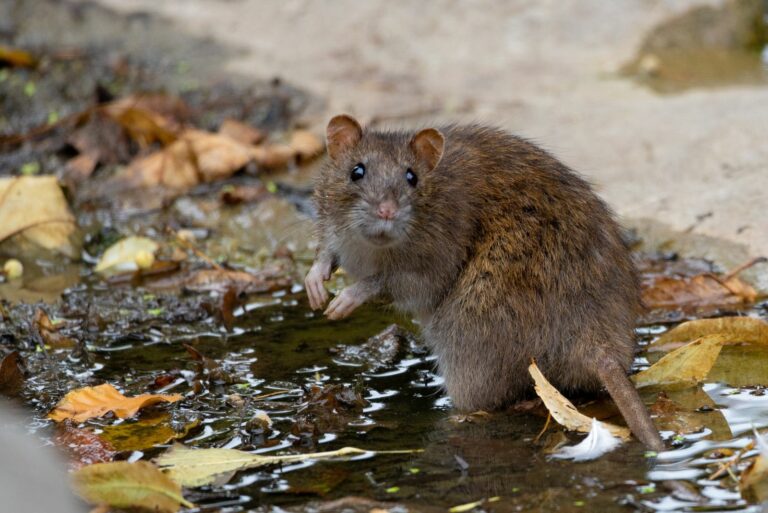
Rats are a persistent problem in South Texas, drawn in by the warm climate, dense vegetation, and easy access to food and shelter that the region provides year round.
Most homeowners reach for traps or bait stations, and while those methods work in the short term, they require constant maintenance and do nothing to make a property less attractive to rats in the first place.
What is gaining real traction among South Texas gardeners is a more proactive approach, using specific plants to create an environment that rats find genuinely unpleasant and actively avoid.
Certain plants produce scents and compounds that overwhelm a rat’s highly sensitive sense of smell, and when those plants are positioned strategically around a home, the effect is ongoing and requires no effort after planting.
South Texas is actually well suited for growing many of these plants year round, which makes this one of the more practical and low maintenance solutions available to homeowners dealing with persistent rat pressure.
1. Mint
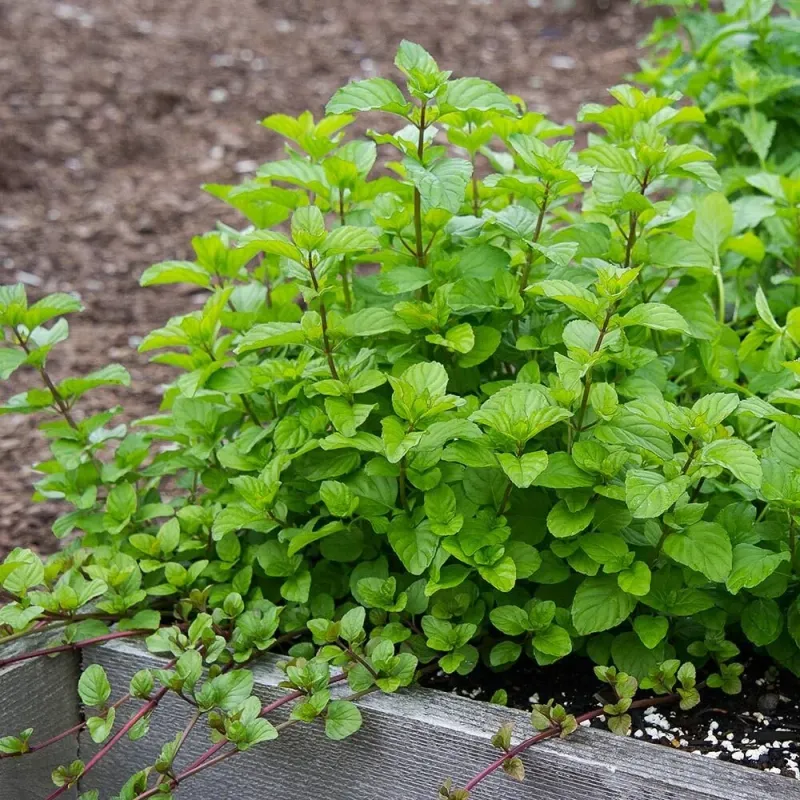
Walk through any South Texas neighborhood on a warm evening, and you might catch a whiff of something cool and sharp in the air. That is likely mint growing nearby.
Mint is one of the most popular plants gardeners reach for when they want to keep rats and mice from getting too comfortable around the house.
Its strong, sharp scent is refreshing to people but overwhelming to rodents, who rely heavily on their sense of smell to navigate their surroundings.
Planting mint along the foundation of your home or around your patio is a smart and simple strategy. Rodents tend to avoid areas where the mint smell is strong, so placing it near entry points can help create a natural barrier.
You can also crush a few leaves and tuck them into corners or near potential gaps in your home’s exterior for an extra boost.
One thing to keep in mind is that mint spreads quickly. In South Texas heat, it can take over a garden bed fast.
Many gardeners plant mint in containers to keep it under control while still enjoying its pest-repelling benefits. Terra cotta pots placed near doors, windows, and along fences work really well.
Mint also grows back reliably after being trimmed, so you can harvest it for cooking or tea while still keeping it thick enough to do its job. It is a low-maintenance, double-duty plant that earns its spot in any South Texas yard.
2. Rosemary
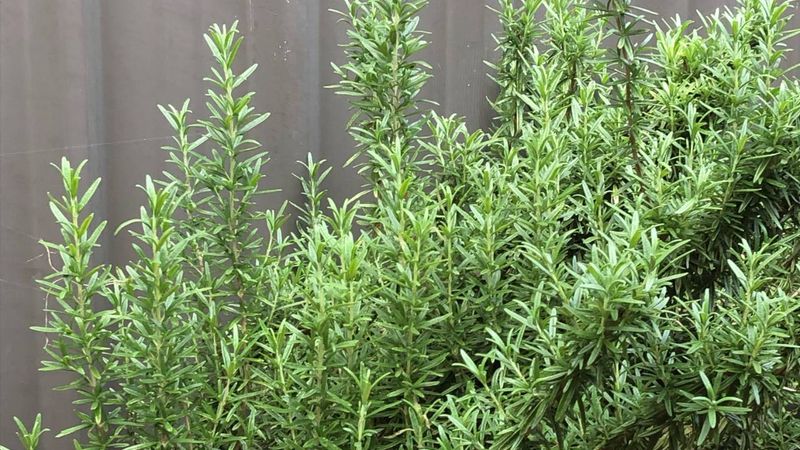
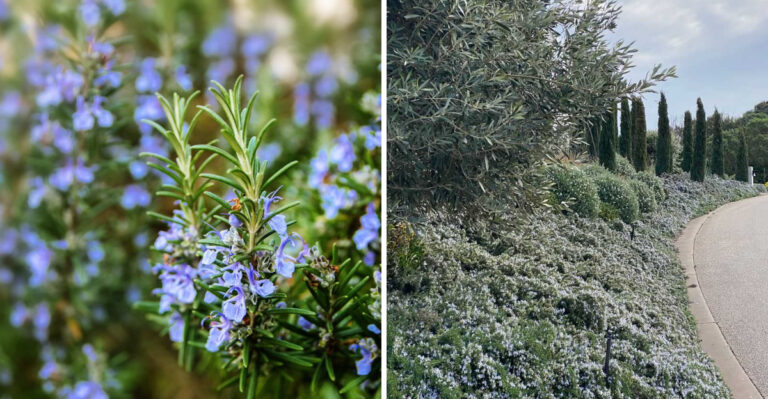
Rosemary is the kind of plant that looks right at home in a South Texas yard. Its woody stems, needle-like leaves, and ability to thrive in extreme heat make it a go-to for local gardeners.
But beyond its good looks, rosemary has a reputation for producing a sharp, piney fragrance that rodents find deeply unpleasant. That scent comes from natural oils in the plant, and it stays strong even in the heat of summer.
Planting rosemary along walkways, near garage doors, or beside the porch can help create zones that rats and mice prefer to skip. The taller and bushier the rosemary grows, the stronger the scent it puts out.
Your Texas Garden Changes Every Week. Your Plan Should Too.
Gardening in Texas changes quickly throughout the season. Every Friday you’ll receive a simple weekly plan showing exactly what to plant, prune, fertilize, harvest, and protect so you never miss the right timing.
South Texas gardeners love this plant because it practically takes care of itself once established. It needs very little water, handles full sun with ease, and keeps growing season after season without much fuss.
Another bonus is that rosemary is incredibly useful in the kitchen. You get a natural pest deterrent and a fresh herb supply all from the same plant.
Snipping off sprigs for roasting chicken or seasoning vegetables actually encourages new growth, which means a fuller, more fragrant plant over time.
Some gardeners even dry rosemary bundles and place them in drawers, cabinets, or near baseboards inside the home.
If you want a tough, good-looking plant that pulls double duty in South Texas, rosemary is hard to beat and worth every bit of garden space it takes up.
3. Lavender
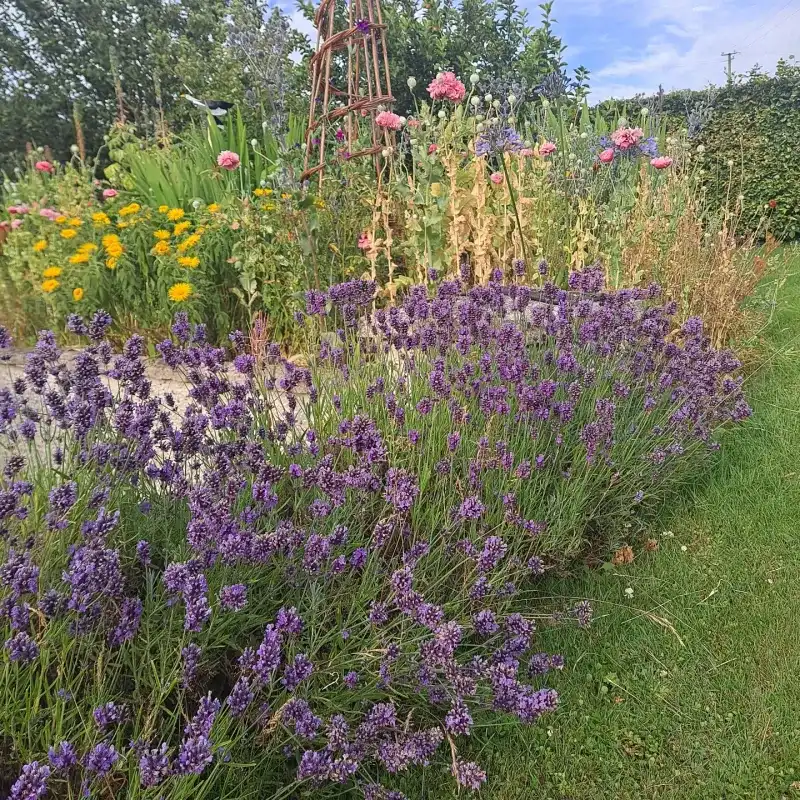
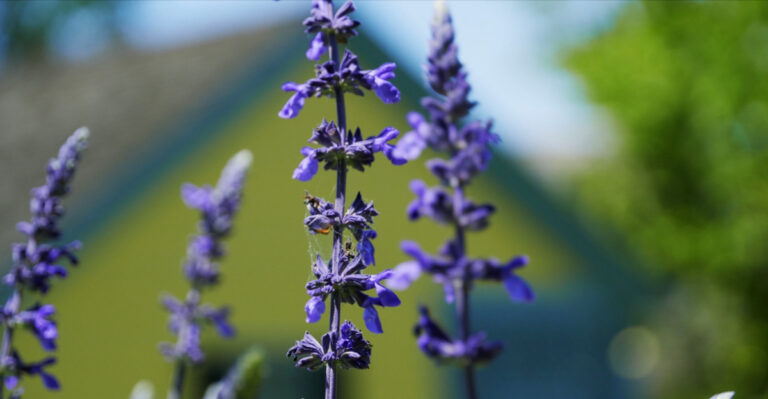
There is something almost magical about the way lavender looks swaying in a warm breeze. Those tall purple flower spikes add a pop of color to any yard, and the sweet, floral fragrance is one that most people find completely irresistible.
Rats and mice, however, feel the opposite way. The strong aromatic compounds in lavender are known to be off-putting to rodents, making it a favorite among South Texas gardeners who want a beautiful and functional planting option.
Growing lavender in South Texas does require a little attention to soil and drainage. It prefers well-draining, slightly sandy soil and full sun, which the region has in abundance.
Once established, it handles heat and drought surprisingly well. Planting it along garden borders, near outdoor seating areas, or beside raised vegetable beds can help make those spaces less inviting to unwanted visitors.
Did you know that lavender has been used for centuries as a natural insect and pest repellent? Ancient households would hang dried lavender bundles inside to keep moths and other pests away.
You can use the same idea today by drying lavender from your garden and placing small bundles near entry points, in closets, or along windowsills. The scent stays potent for a surprisingly long time once dried.
Whether you are planting it for its beauty, its fragrance, or its pest-deterring qualities, lavender earns its place in a South Texas garden many times over. It is truly one of those rare plants that looks as good as it works.
4. Lemongrass
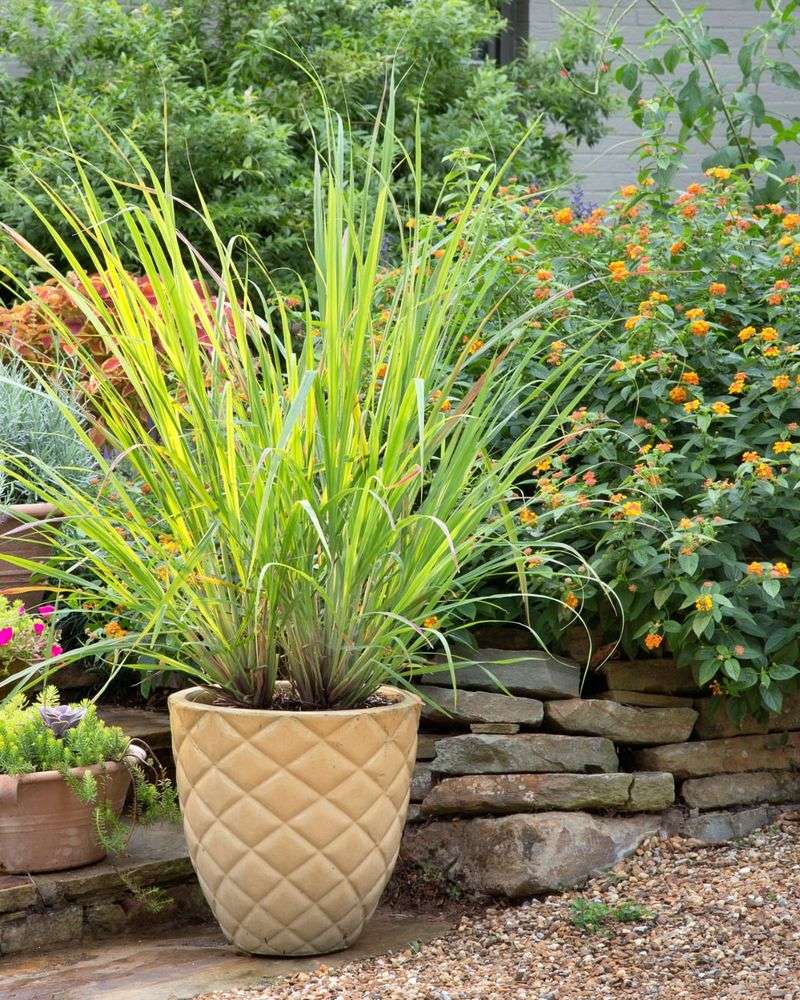
Lemongrass fits South Texas like it was made for it. This tall, tropical grass thrives in hot, humid conditions and can grow into impressive clumps that add a lush, dramatic look to any yard.
Beyond its bold appearance, lemongrass produces a strong citrus scent that many gardeners believe helps make their outdoor spaces less attractive to rats and mice.
The smell comes from citronella oil naturally present in the plant, which is the same compound used in many commercial pest-repelling products.
Planting lemongrass near patios, along fence lines, or around garden beds creates a fragrant border that serves multiple purposes.
Rodents tend to steer clear of areas with strong citrus odors, and the dense clumps of grass also reduce the open, low-cover spaces that rats prefer for travel.
In South Texas, lemongrass can reach four to six feet tall in a single growing season, so it makes a serious visual statement while doing its job.
One thing many gardeners love about lemongrass is how easy it is to maintain. It needs regular watering during establishment but becomes fairly drought-tolerant once it settles in.
You can also harvest the stalks for cooking, especially in Asian-inspired dishes and herbal teas. The stalks have a bright, lemony flavor that is popular in soups and marinades.
Dividing the clumps every couple of years keeps the plant healthy and full. For a plant that looks great, smells amazing, and helps protect your yard from rodents, lemongrass is a standout choice in any South Texas garden.
5. Society Garlic
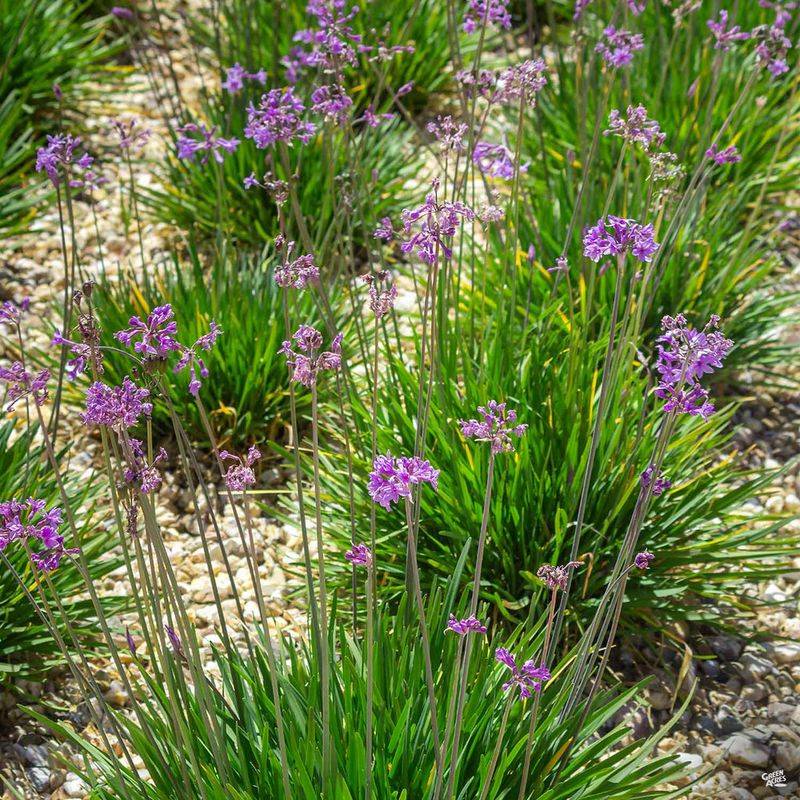
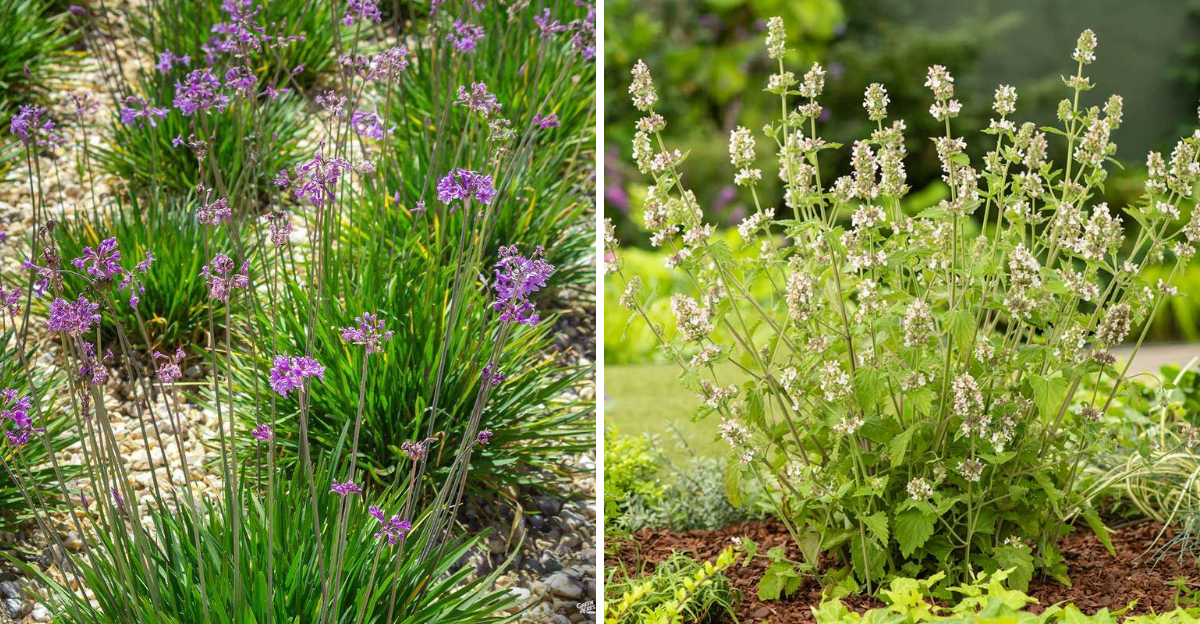
Society garlic might have one of the most interesting names in the plant world, and it lives up to the mystery. This tough, attractive plant produces clusters of light purple flowers on tall stems and has long, strap-like green leaves.
It gets its name because, unlike true garlic, it does not leave a strong odor on your breath after handling. But make no mistake, the plant itself smells powerfully of garlic, especially when the leaves are brushed or crushed.
That bold garlic scent is exactly what makes it useful in the garden. Rats and mice are not fans of garlic-like smells, and society garlic produces that aroma consistently throughout the growing season.
South Texas gardeners often plant it along walkways, near patio edges, and around the base of fences where rodent activity tends to be highest.
The plant is also incredibly tough, tolerating the heat, occasional drought, and poor soil conditions that are common in the region.
Society garlic is also a pollinator magnet. Bees and butterflies are drawn to its flowers, which means planting it helps support your local ecosystem while also discouraging pests.
It spreads slowly over time, forming neat clumps that fill in garden spaces beautifully. Dividing the clumps every few years keeps growth manageable and gives you extra plants to spread around the yard.
If you want something that blooms reliably, handles tough South Texas conditions, and helps keep rodents at a distance, society garlic is a smart and stylish addition to your landscape plan.
6. Marigold
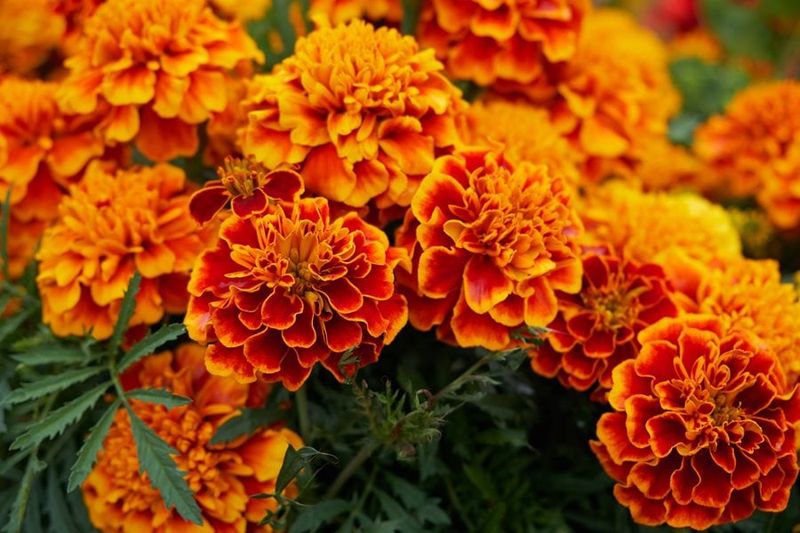
Few plants bring as much cheerful energy to a garden as marigolds. Their bright orange and yellow blooms practically glow in the South Texas sun, and they are one of the most widely used companion plants among local vegetable gardeners.
Marigolds have long been planted near tomatoes, peppers, and squash to help ward off insects, but many gardeners also report that rats and mice tend to avoid areas where marigolds are growing in thick clusters.
The secret is in the scent. Marigolds produce a strong, slightly bitter aroma that most people find pleasant but that rodents and many insects find deeply unappealing.
Planting marigolds as a border around raised beds or along the edges of garden plots creates a fragrant wall that can help keep unwanted visitors from wandering in.
In South Texas, marigolds grow enthusiastically in full sun and warm soil, which means they bloom heavily for most of the year.
Marigolds are also incredibly easy to grow from seed, making them one of the most budget-friendly options on this list. You can scatter seeds directly into garden beds after the last frost, and they will sprout and bloom within a few weeks.
Deadheading spent blooms regularly encourages the plant to keep producing new flowers all season long. Some gardeners even dry marigold petals and sprinkle them around areas where rodent activity has been spotted.
Whether you are growing them for beauty, pest control, or both, marigolds deliver impressive results with very little effort in a South Texas garden.
7. Catnip
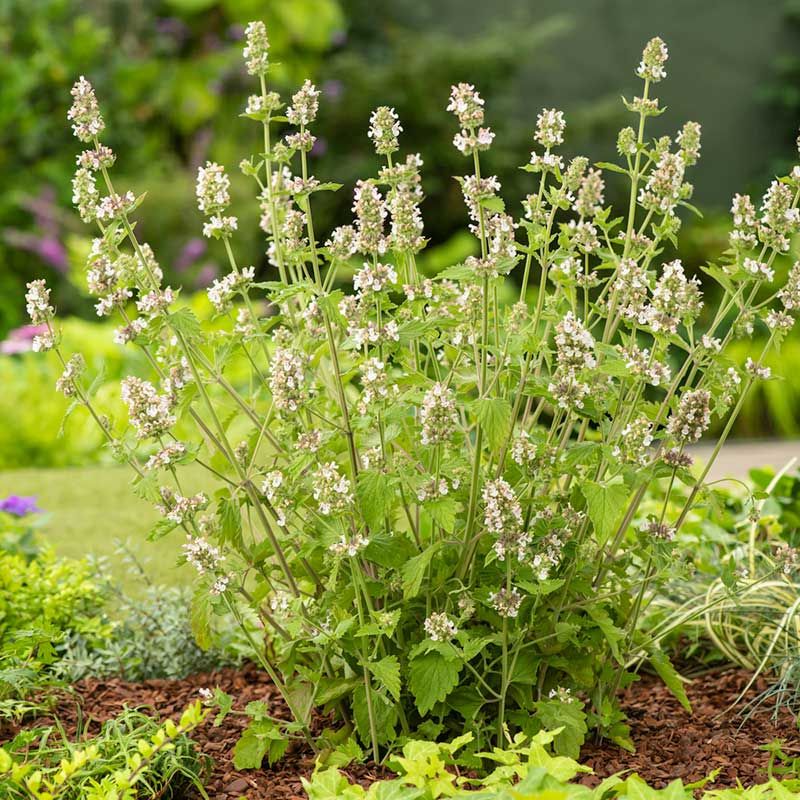
Catnip has a bit of a split personality in the garden world. Cats absolutely love it, rolling in it and acting completely silly at the slightest whiff.
But for rats and mice, catnip tells a very different story. The plant contains a compound called nepetalactone, which gives catnip its signature smell and is the same thing that makes it so irresistible to cats.
Research has suggested that this compound may also work as a natural repellent for rodents, which is why South Texas gardeners have started growing it with purpose.
Planting catnip near entry points, along the perimeter of the house, or in pots on the porch can help introduce that repelling scent into areas where rats tend to travel. The plant grows quickly and produces soft, grey-green leaves with a fuzzy texture.
It blooms with small white and purple flowers that attract bees and beneficial insects, so it supports the garden ecosystem at the same time.
One thing to plan for is that catnip will attract every neighborhood cat to your yard. For some gardeners, that is actually a bonus, since cats are natural rat chasers.
If you would rather not host a cat convention, try placing catnip in elevated pots or spots that are harder for cats to reach while still releasing scent at ground level.
Catnip is easy to grow in containers, tolerates South Texas heat reasonably well with some afternoon shade, and can be dried for use indoors near baseboards and cabinet gaps where rodents tend to explore.