Why Shield-Shaped Insects Gather On West Virginia Siding In Late Summer
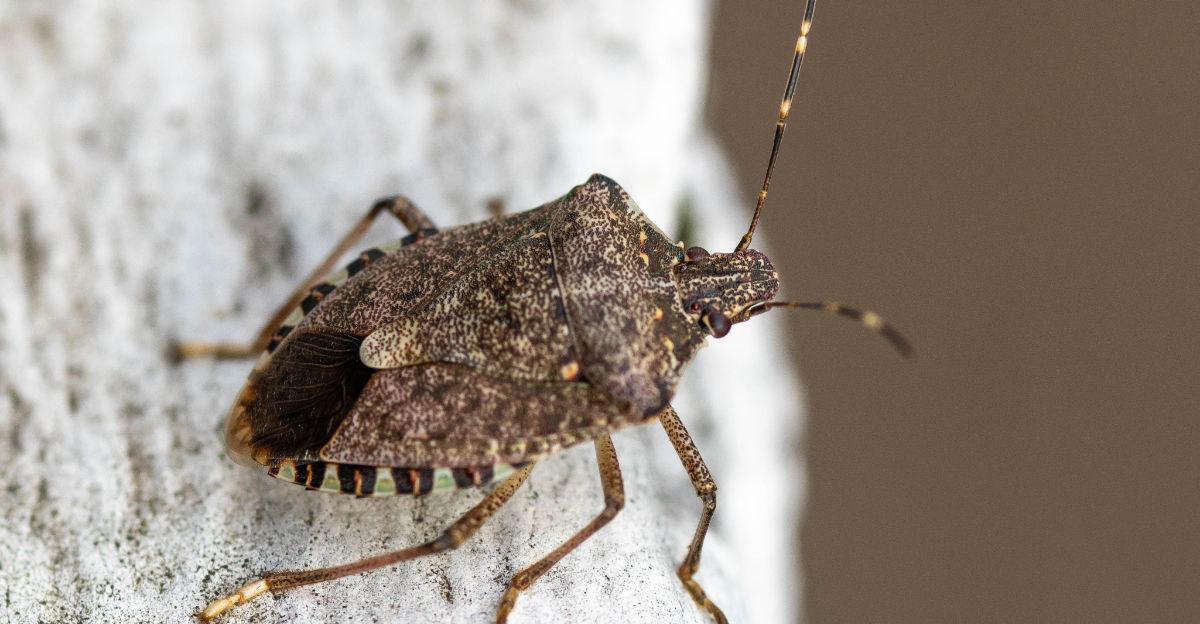
Late summer in West Virginia brings an uninvited guest that slips through gaps you never knew existed. Your siding, screens, and window frames all turn into targets, pulling insects out of the cooling air toward your walls.
Shield-shaped bodies gather on surfaces you walk past every day, warming themselves against the last heat of the season. Nobody explains why these clusters choose your house over your neighbor’s, but the reasons are precise.
West Virginia’s temperature swings act as a trigger you can’t see, activating instincts sharpened over countless seasons. Cracks, vents, and gaps in your siding become open invitations, and insects accept without hesitation.
Left unaddressed, a few insects near your home multiply into a stubborn, smelly problem fast.
You are already being watched by insects looking for their winter shelter, and how you respond next changes everything.
Brown Marmorated Stink Bugs Are Searching For Winter Shelter
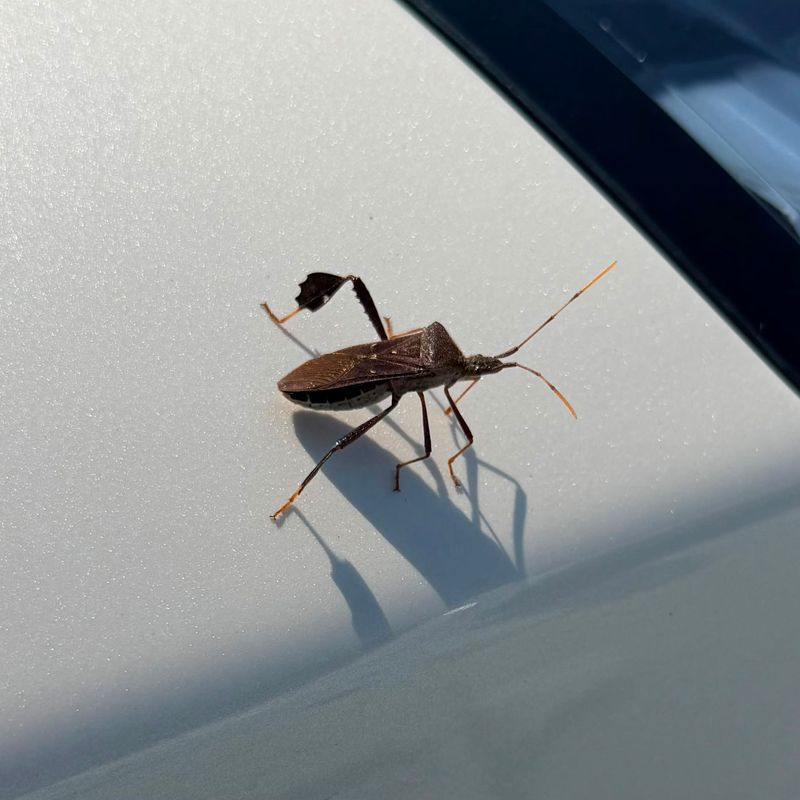
Your house looks like a five-star hotel to a stink bug in August. Brown marmorated stink bugs spend warm months feeding on crops, fruits, and garden plants across the region.
Once temperatures start dropping in late summer, their survival instincts kick in hard. They begin searching for a warm, protected spot to spend the winter in a dormant state called diapause.
Your siding is not random. These insects are drawn to structures that hold heat and offer hidden gaps for entry.
The brown marmorated stink bug is not native to North America. It arrived from East Asia, likely in shipping containers, and was first spotted in Pennsylvania in the late 1990s.
Without natural predators here, populations exploded fast. West Virginia falls squarely within their expanding range, making the state a consistent hotspot each fall.
The bugs do not sting, bite, or cause structural damage to your home. Their only real offense is the pungent, cilantro-like odor they release when threatened or crushed.
That smell is a chemical signal called an alarm pheromone. It can actually attract more bugs if released indoors, which makes removal technique critically important.
Recognizing them early in the season gives you the best window to act. Spotting shield-shaped insects gathering on your West Virginia siding is your first clear warning sign.
What Draws Them To South And West Facing Walls
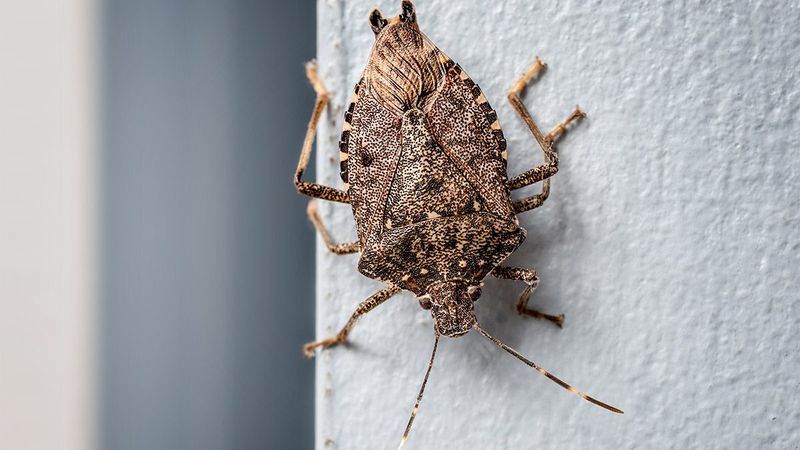
Flip your house like a compass and you will understand the stink bug problem instantly. South and west facing walls receive the most direct sunlight throughout the afternoon hours.
Stink bugs are cold-blooded, so they chase warmth the way a cat chases a sunny patch on the floor. Walls that absorb heat all day become irresistible gathering spots as nights grow cooler.
The insects use temperature as a navigation tool. A warm surface signals safety and proximity to potential entry points for overwintering.
This is why you rarely see them clustering on north-facing walls in the same numbers. Those surfaces stay cooler and offer far less thermal appeal to a bug preparing for winter.
Light also plays a role in their movement. Stink bugs are attracted to bright surfaces, and sun-bleached or light-colored siding can amplify that draw significantly.
Your West Virginia Garden Changes Every Week. Your Plan Should Too.
Gardening in West Virginia changes quickly throughout the season. Every Friday you’ll receive a simple weekly plan showing exactly what to plant, prune, fertilize, harvest, and protect so you never miss the right timing.
Homes surrounded by gardens, orchards, or wooded areas face heavier pressure. Bugs feeding nearby simply migrate a short distance to the nearest warm structure when the season shifts.
Late afternoon tends to be peak activity time, when south and west walls hold onto the day’s heat the longest. That is when bug congregation is most visible.
Knowing which walls attract the most traffic helps you prioritize your sealing and treatment efforts. Focus your energy on those sun-soaked surfaces before the first cool nights arrive.
The Entry Points Most West Virginia Homes Leave Open
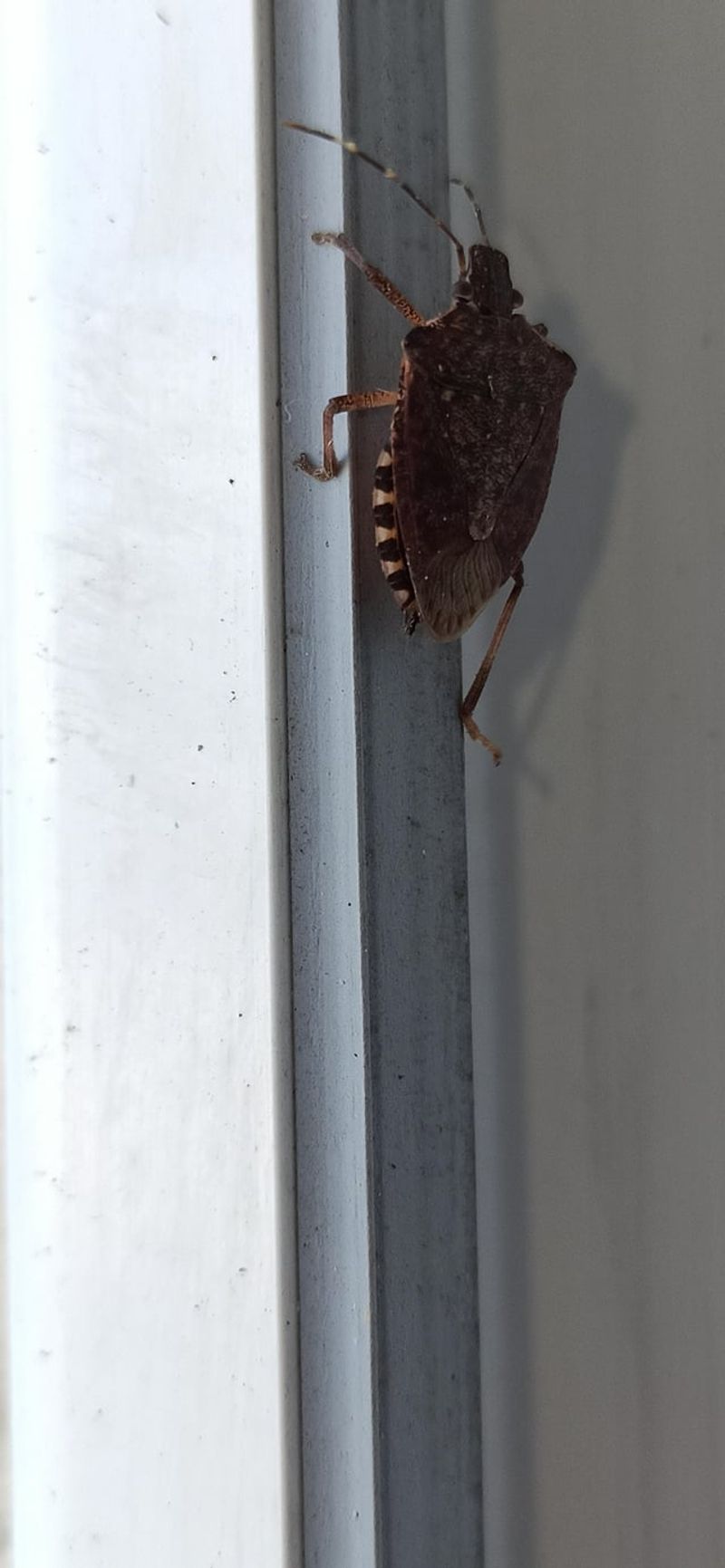
Most homes are leakier than their owners realize. Stink bugs are remarkably skilled at squeezing through gaps that seem too small to matter.
A crack as narrow as a credit card edge is enough for them to slip inside. Once one bug finds a warm void, others follow the pheromone trail it leaves behind.
The most common entry points are gaps around window frames and door casings. Weatherstripping that has dried out or pulled away leaves a clear path straight indoors.
Utility penetrations are another major vulnerability. Spots where pipes, cables, and wiring pass through exterior walls often have small gaps that were never properly sealed.
Roof lines deserve attention too. Gaps under fascia boards, loose soffit panels, and spaces where rooflines meet siding are favorite overwintering entry zones for these bugs.
Chimney chases without proper caps or screens are essentially open doors. A surprising number of bugs can accumulate inside wall voids and attic spaces through these overlooked spots.
Older homes in West Virginia face extra risk due to settling and aging materials. Wood framing shrinks over decades, creating new gaps that were not there when the house was built.
Crawl space vents with damaged or missing screens also allow entry from below. A thorough walk around your entire home exterior will reveal more openings than most people expect to find.
How To Seal Gaps Before The First Cool Nights Arrive
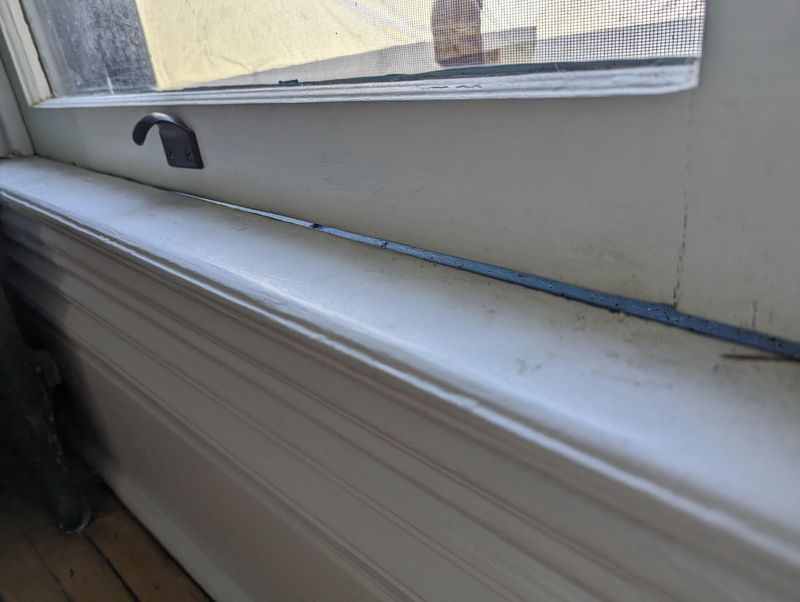
Timing is everything when it comes to keeping stink bugs out. The window between mid-August and mid-September is your best opportunity to seal up before the migration peaks.
Start with a high-quality silicone or latex caulk for gaps around window frames, door frames, and any trim that has pulled away from the siding. These products hold up through freeze-thaw cycles better than foam alone.
Expandable foam sealant works well for larger voids around pipes and conduits. Just be aware that foam alone can crack over time, so cover it with caulk for a longer-lasting barrier.
Replace any weatherstripping that feels brittle, compressed, or no longer makes full contact. Door sweeps on exterior doors are cheap, easy to install, and surprisingly effective at blocking ground-level entry.
Screen repair is a quick win with a big payoff. Even small tears in window screens or vent covers give bugs a direct route inside, so patch or replace them before fall sets in.
Chimney caps with fine mesh screens block entry from the top of the house. Hardware cloth over crawl space vents adds another layer of protection from below.
Work from the top of your home downward, checking every transition point where two different materials meet. Those seams are almost always where gaps hide.
Sealing your home properly stands out as one of the most effective long-term strategies. Shield-shaped insects gathering on West Virginia siding are far less likely to cause indoor problems when entry points are closed off.
Why Spraying The Siding Gives Short Lived Results
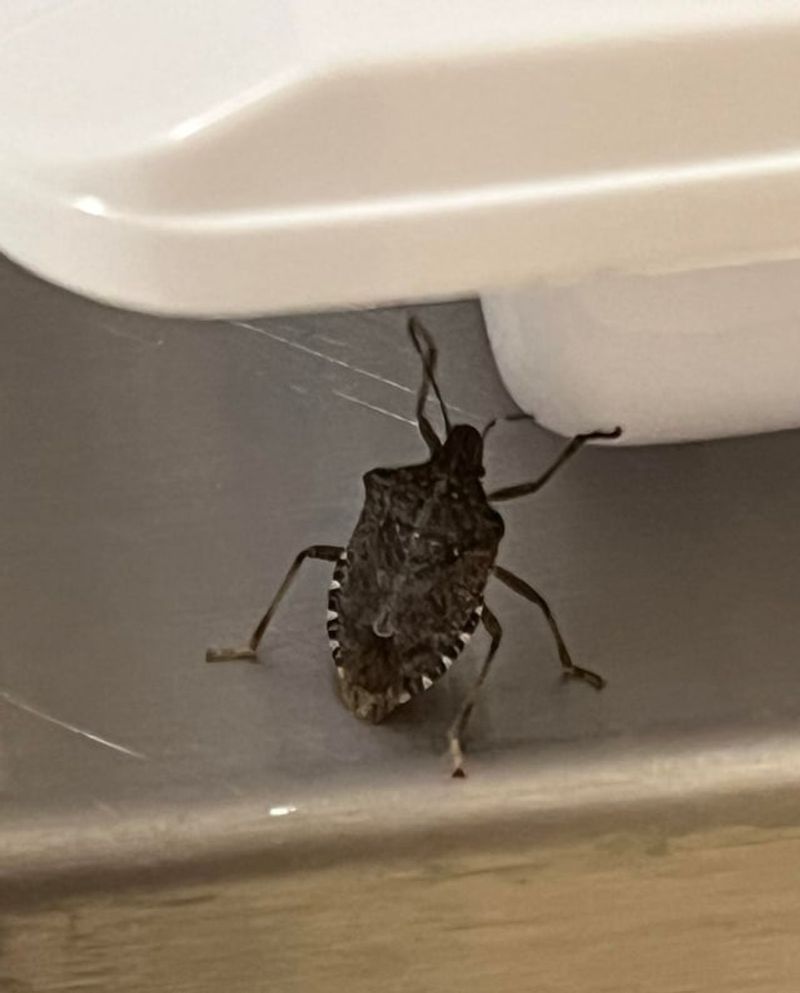
Grab a sprayer and blast the siding, and you might feel like you solved the problem. That satisfaction tends to fade quickly, as fresh bugs show up to replace the ones you treated.
Outdoor insecticide sprays break down quickly when exposed to sunlight, rain, and heat. Most products lose their effectiveness within a week or two under normal late summer conditions.
Pyrethroid-based sprays are the most commonly used option, and they do knock down bugs on contact. The problem is that new arrivals from surrounding vegetation keep showing up in a constant wave.
Spraying also provides little help for bugs already hiding inside wall voids or attic spaces. Those individuals simply wait out the cold season and emerge inside your home come spring.
Some homeowners try spraying around door and window frames as a barrier treatment. This approach works better than full siding coverage, but still requires frequent reapplication to stay effective.
Professional pest control treatments using longer-lasting formulations can extend protection somewhat. Even so, no spray product has been shown to provide full-season control against heavy pressure.
The bigger issue is that spraying addresses the symptom, not the source. As long as entry points remain open and the structure radiates warmth, bugs will keep arriving no matter what you spray.
Pesticide use also carries environmental trade-offs worth considering. Pollinators and beneficial insects can be harmed by broad applications on exterior surfaces during late summer bloom periods.
The Removal Method That Avoids Releasing Their Odor Indoors
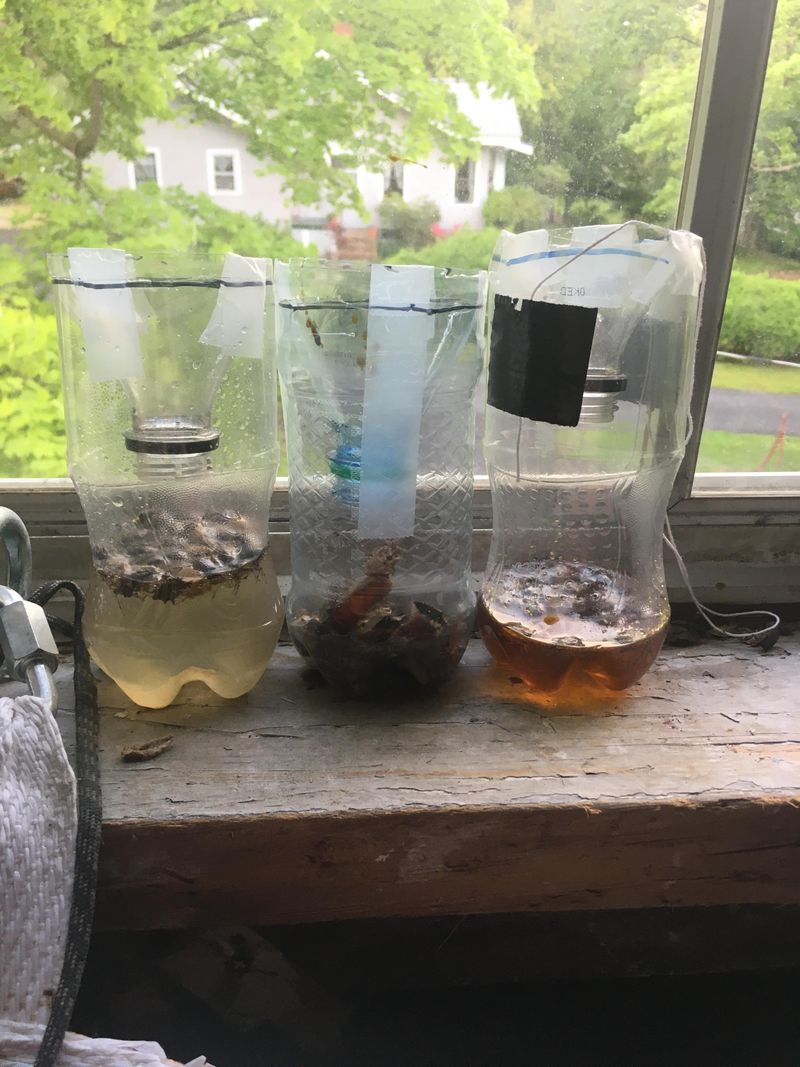
Finding one inside your home does not have to mean a wave of that unforgettable smell. The right removal technique keeps things calm, odor-free, and quick.
The golden rule is simple: avoid squeezing, swatting, or crushing a stink bug indoors. Pressure triggers their scent glands instantly, and that pheromone odor can linger on fabrics and surfaces for hours.
A vacuum cleaner is one of the most effective capture tools available. Use a hose attachment to suck the bug up without touching it, then immediately empty the canister into a sealed bag outside.
Some people place a nylon stocking inside the vacuum hose before use. The bug gets trapped in the stocking, which you can then remove and drop into soapy water for a clean disposal.
A glass jar with a lid works well for single bugs on flat surfaces. Slide a piece of cardboard under the jar, flip it, and carry the sealed jar outdoors to release far from the house.
Soapy water in a container is a reliable low-tech solution. Hold the container under a perched bug, flick it in gently, and the soap breaks surface tension so the bug cannot escape.
Avoid handling them with bare hands if possible. Even without crushing, some individuals release mild odor when picked up directly, and the smell transfers to skin stubbornly.
Dealing with shield-shaped insects on West Virginia siding starts outside, but smart indoor removal keeps your living space comfortable all the way through the season.