The Great Salt Lake’s Biggest Bird Migration Of The Year Is Starting Now
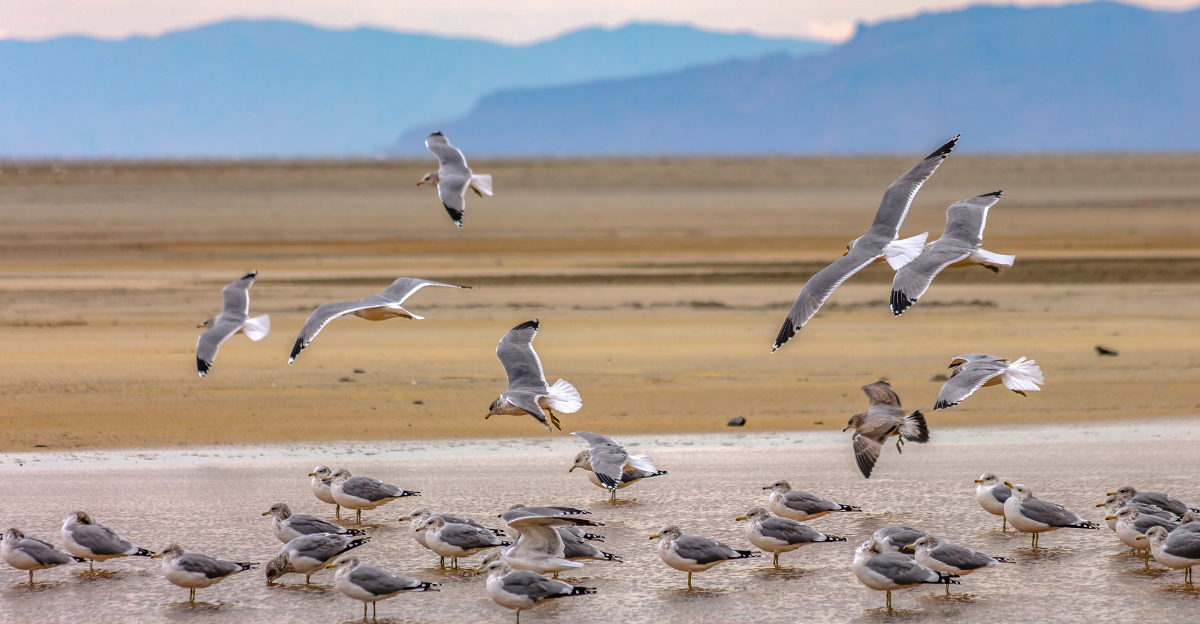
Something extraordinary is unfolding along a shoreline most Americans have yet to visit, with wings crowding the sky above you in numbers that defy description. Utah keeps this secret every autumn.
Birds funnel toward you from across the hemisphere, turning quiet mudflats into a roaring corridor of motion. Salt crusts and shallow water create conditions found almost nowhere else on the continent.
Locals treat this stretch of Utah as unremarkable most of the year, yet the numbers prove otherwise every fall. Feathers, dust, and brine shrimp collide in a scene built for your eyes alone.
You will not get another chance like this before the season turns.
Late Summer Brings The Largest Bird Gathering Of The Year To The Shoreline
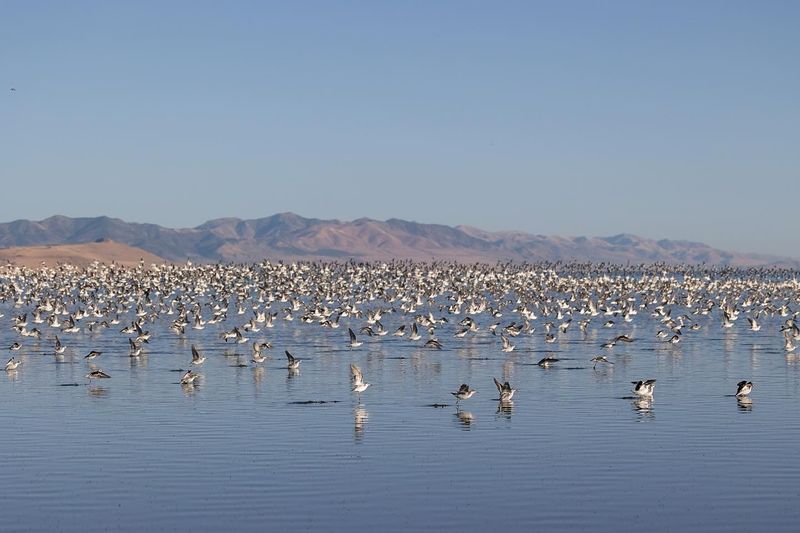
The shoreline fills with birds every August. Millions of birds descend on the Great Salt Lake in waves that seem almost impossible to believe.
Late summer triggers one of the biggest wildlife events in North America. Shorebirds, waterfowl, and wading birds funnel through this single location by the millions.
The lake sits along the Pacific Flyway, a major migration highway for birds moving between breeding and wintering grounds. Its position makes it a critical pit stop for exhausted travelers.
Mudflats stretch for miles along the southern and eastern shores. Those exposed flats become feeding stations packed with birds refueling before long flights south.
Most people drive past on the interstate without realizing what is happening just beyond the off-ramp. The spectacle unfolds in plain sight, yet most residents never stop to look.
Birders from across the country travel specifically to witness this gathering. Local families, though, often spend the whole season unaware that the show is running.
Researchers estimate close to ten million birds move through the lake over the full migration season. The energy along the water is electric, with massive flocks lifting off together and settling back down in seconds.
Early morning visits offer the best light and the most activity. Temperatures are cooler, birds are feeding hard, and the lake glows in shades of pink and orange.
Missing this feels like skipping the state fair and not knowing it existed. The birds arrive on schedule every year, regardless of who shows up to watch.
Brine Shrimp And Brine Flies Fuel The Entire Stopover
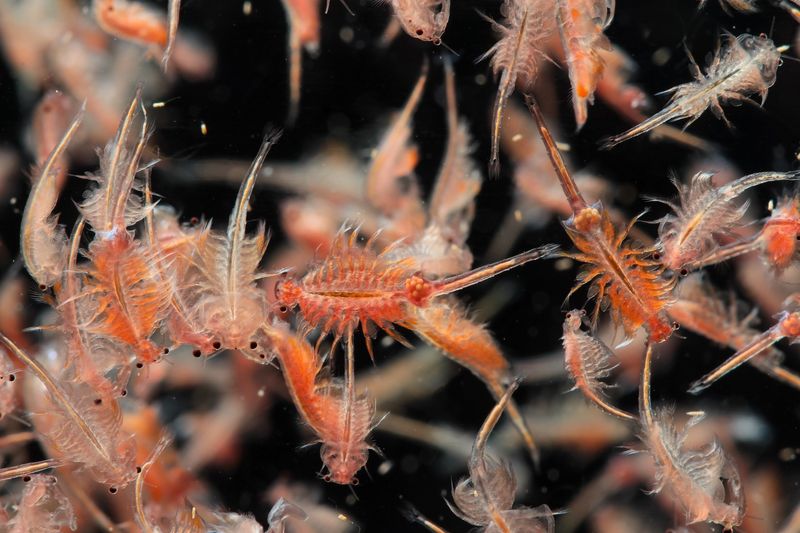
At first glance, nothing about the Great Salt Lake looks like a buffet, yet just below the surface, an extraordinary food source powers one of the largest bird migrations on the planet.
Brine shrimp are tiny, almost translucent crustaceans that thrive in the lake’s salty water. They exist in staggering numbers, sometimes reaching trillions in a single season.
Brine flies swarm the shoreline in dense clouds that can look alarming up close. For birds, though, those clouds are pure protein, easy to catch and endlessly available.
Phalaropes spin in shallow water to stir up shrimp from below. Grebes dive and surface repeatedly, loading up on calories before crossing the Great Basin desert.
The relationship between the lake’s food supply and the birds is not casual. It is a precise biological match that has developed over thousands of years.
Your Utah Garden Changes Every Week. Your Plan Should Too.
Gardening in Utah changes quickly throughout the season. Every Friday you’ll receive a simple weekly plan showing exactly what to plant, prune, fertilize, harvest, and protect so you never miss the right timing.
A single Eared Grebe can consume tens of thousands of brine shrimp in a single day. That caloric intake lets the bird nearly double its body weight before departure.
Brine flies are equally important and often overlooked. Shorebirds like phalaropes and sandpipers pick flies off the surface crust along the water’s edge in rapid, rhythmic pecks.
Without both species, the stopover would struggle to support the numbers it does. The birds would have nowhere else nearby to find this concentration of food.
Salt lake ecosystems are rare on a global scale. Protecting the brine shrimp harvest and the fly population directly protects the migration itself.
The food chain here is simple but fragile, and every bird depends on it holding together.
Eared Grebes Arrive By The Millions
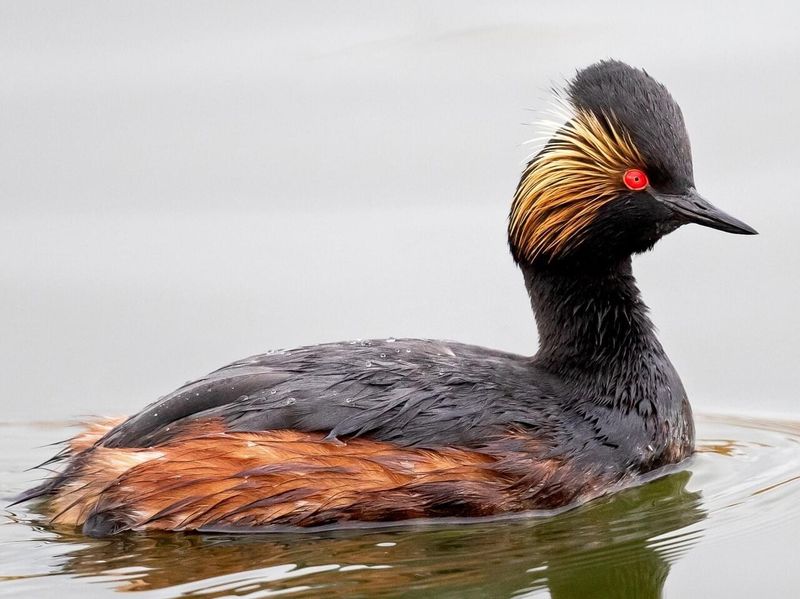
Each fall, millions of Eared Grebes land on the Great Salt Lake to fatten up. The lake hosts the largest concentration of this species anywhere in the world.
Eared Grebes look almost comically small for the journey ahead, yet these compact birds pull off one of the most dramatic transformations in the animal kingdom.
When they arrive, their flight muscles have already begun to shrink. The birds essentially trade flying ability for digestion speed, becoming temporarily flightless.
That sounds risky, but the lake protects them. Few predators can navigate the dense salt flats and shallow margins where grebes feed.
Over several weeks, each bird rebuilds its flight muscles while simultaneously packing on fat reserves. The transformation is both physiological and behavioral.
Scientists have studied this species here for decades. The Great Salt Lake is not just important to Eared Grebes, it is irreplaceable for their survival as a population.
Their golden ear tufts and red eyes make them surprisingly beautiful up close. Spotting scopes at Antelope Island State Park bring those details into sharp focus.
Peak numbers typically arrive between August and October. During that window, the southern arm of the lake can hold half a million birds at once.
Watching a mass takeoff is genuinely breathtaking. The sound alone, a rushing, wing-driven thunder, carries across the flats for a surprising distance.
Once their muscles rebuild, they lift off and head south in a single powerful push that covers hundreds of miles overnight.
Wilson’s Phalaropes Nearly Double Their Weight Before Moving On
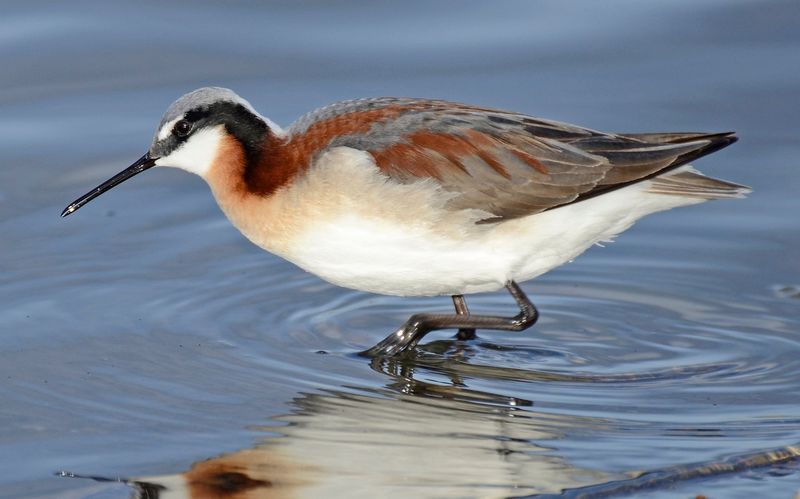
Watching a Wilson’s Phalarope spin in circles looks almost playful, but that spinning motion is a calculated feeding strategy that works remarkably well.
The bird rotates rapidly in shallow water to create a small vortex. That vortex pulls brine shrimp and fly larvae up from the bottom and right to the surface.
Wilson’s Phalaropes gather at the Great Salt Lake in numbers exceeding 600,000 birds, more than a third of the world’s population. That makes this one of the most significant shorebird concentrations in the Western Hemisphere.
They arrive from breeding grounds in the prairies of Canada and the northern United States. After weeks of nesting, they need serious calories before crossing thousands of miles to South America.
The lake gives them exactly that. A healthy bird can nearly double its body weight in just a few weeks of feeding here.
Fat reserves are everything for a bird preparing for a nonstop transoceanic flight. Without enough fuel stored, the journey becomes impossible.
Females are actually more colorful than males in this species. That reversal of typical bird coloring makes phalaropes a favorite topic among birdwatchers and naturalists.
Peak phalarope numbers hit the lake in late July and early August. By mid-September, most have already moved on toward wintering grounds in South America.
Seeing them feed along the causeway road at dawn is a low-effort, high-reward experience. Pull over, roll down the window, and the show begins immediately.
The birds at the Great Salt Lake are a reminder that the ordinary-looking shoreline holds extraordinary stories.
Water Levels Shape The Food Supply Each Season
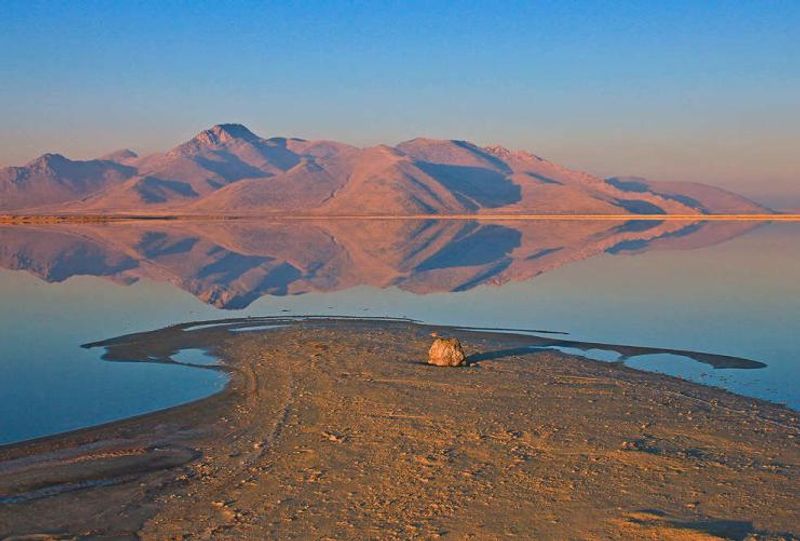
The lake is not the same place every year, since water levels shift dramatically based on snowpack, drought, and diversions from rivers feeding the basin.
Those shifts matter enormously to birds. Lower water means more exposed mudflat, which sounds helpful but can actually reduce the productive feeding zones birds depend on.
Brine shrimp need a specific salinity range to survive in large numbers. When water drops too low, salinity spikes and shrimp populations crash.
Fewer shrimp means less food for Eared Grebes and phalaropes. Fewer brine flies follow, cutting off the food source for dozens of shorebird species.
The southern arm of the lake receives freshwater inflow from rivers. The northern arm, cut off by a railroad causeway, runs far saltier and supports fewer species.
Managers and scientists track water levels closely throughout summer. Their data helps predict how strong the migration stopover will be each fall.
Recent drought years have pushed the lake to historic lows. Some seasons, the productive feeding zones shrink to a fraction of their normal size.
Conservation groups have pushed hard for increased water deliveries to the lake. Restoring flows from the Bear, Weber, and Jordan rivers is central to those efforts.
For everyday visitors, water levels determine where birds concentrate. A quick check of current conditions before heading out saves time and leads to better sightings.
The Great Salt Lake’s future as a migration hub depends on decisions made today about water use across the whole watershed.
Viewing Spots Worth Reaching In Early September
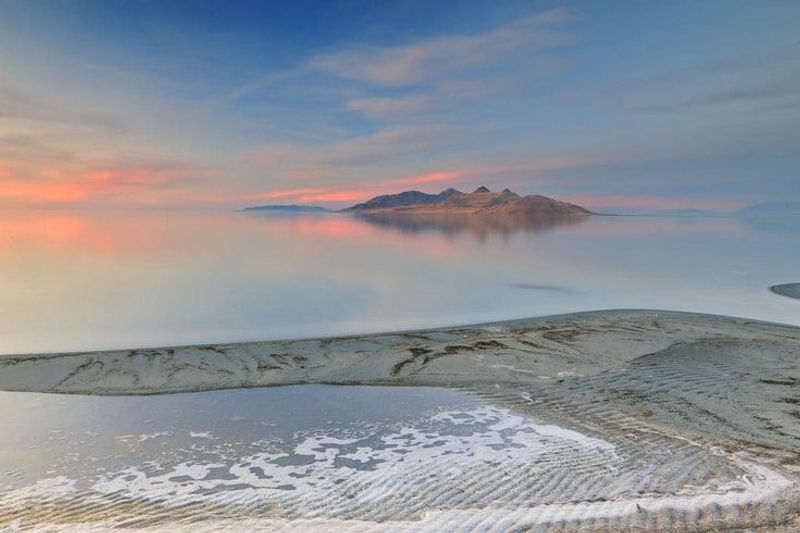
Early September still delivers a strong show. Water temperatures remain warm, brine shrimp are at peak abundance, and Eared Grebes move into their heaviest feeding weeks even as phalarope flocks begin to thin.
Antelope Island State Park is the easiest entry point for most visitors. The causeway road crossing Farmington Bay offers roadside viewing without even leaving your car.
Farmington Bay Waterfowl Management Area sits on the eastern shore and draws huge numbers of ducks and shorebirds. A short walk on the dike trails puts you within yards of feeding flocks.
The Great Salt Lake Shorelands Preserve, managed by The Nature Conservancy, offers guided walks during peak migration. Signing up for one of those tours adds context that transforms the experience.
Binoculars rated at 8×42 or 10×42 are ideal for this environment. The birds are often spread across wide flats, and magnification helps you pick out individual species.
A spotting scope on a tripod takes things further. Eared Grebes and phalaropes often feed in dense rafts hundreds of yards offshore.
Early morning visits before 9 a.m. offer the best light for photography and the most active feeding behavior. Midday heat slows things down considerably.
Bring water, sunscreen, and bug spray. The brine flies that feed the birds are harmless to humans but can swarm thickly near the shoreline.
Parking areas at Antelope Island fill quickly on weekends in September. Arriving before sunrise guarantees a spot and rewards you with the most spectacular light of the day.
The millions of birds stopping at the Great Salt Lake right now will not wait forever, so go soon.