You Won’t Believe People Still Plant This Shrub In California, It’s More Toxic Than You Think
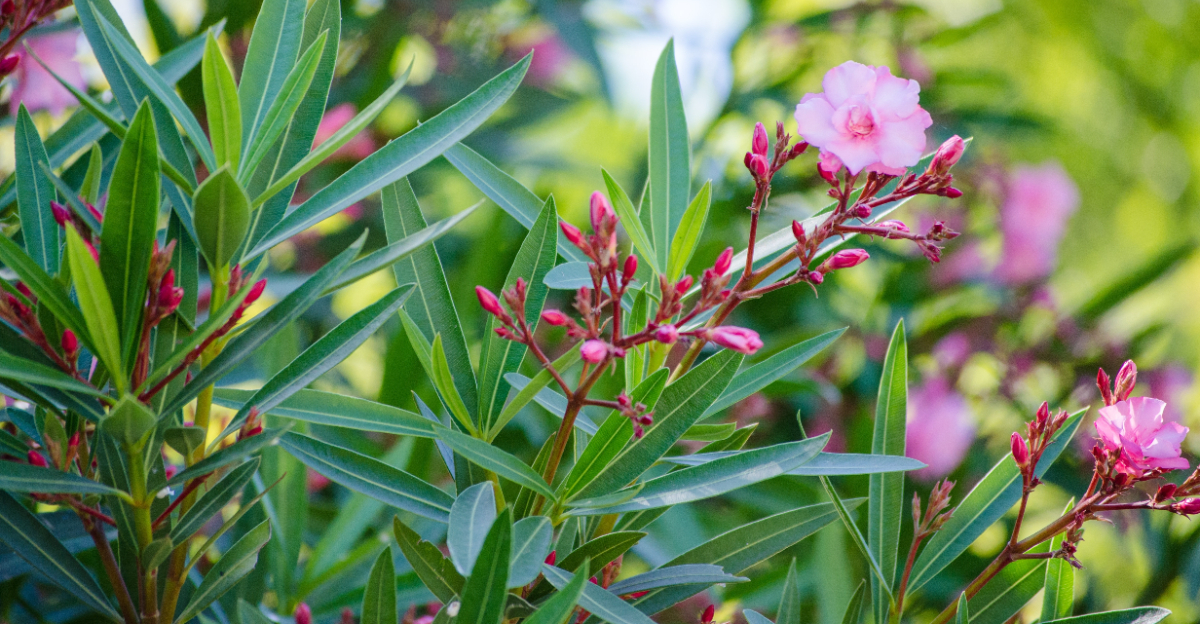
Some shrubs earn a place in California yards because they seem almost too easy. They bloom through punishing heat and still look polished beside fences, driveways, and patios.
At first, that sounds like a win. But a plant can be common and still come with problems most homeowners do not expect.
Bright flowers can hide a serious downside, especially in yards with pets, kids, or regular pruning. That is where oleander deserves a closer look.
It shows up along roads and neighborhood borders across the state, which makes it feel normal.
But every part of this shrub is highly toxic, including the leaves and flowers. Even dry clippings can be risky. Its beauty is real, but so is the danger.
Before planting it, California homeowners should know exactly what they are bringing into the yard.
1. Oleander Looks Harmless, But Every Part Is Toxic
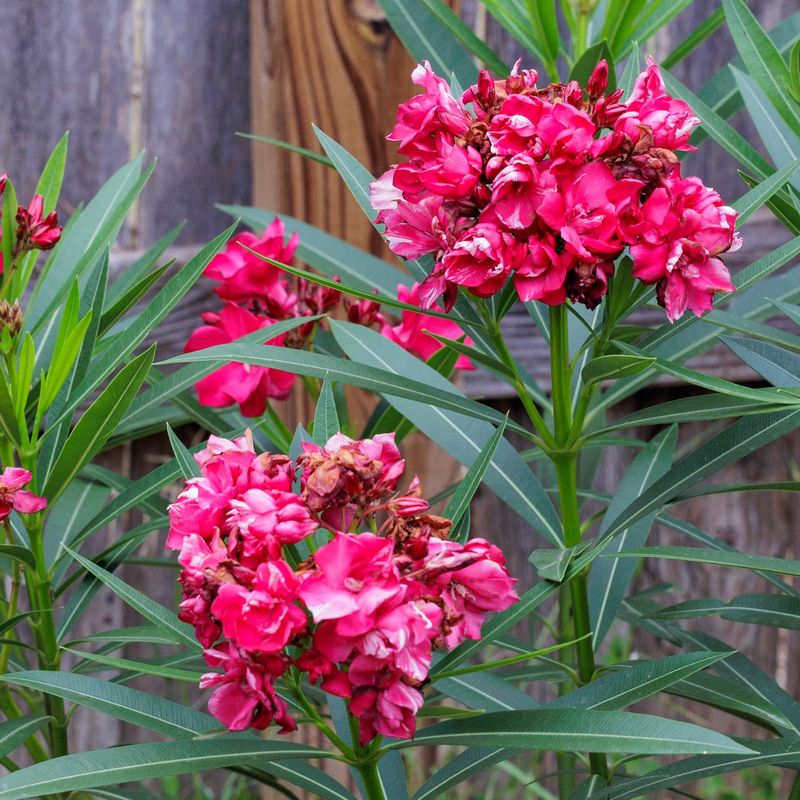
A plant this pretty should not come with so many warnings, but oleander does. From the roots to the petals, every single part of this shrub contains toxic compounds called cardiac glycosides.
These chemicals can affect the heart, the digestive system, and the nervous system all at once.
Just a small amount can cause nausea, vomiting, a rapid or irregular heartbeat, and extreme dizziness. In serious cases, it can lead to loss of consciousness.
You do not need to swallow a large amount for symptoms to begin.
Even the water in a vase that held oleander flowers can become toxic. People have gotten sick from using oleander branches as skewers for cooking over a fire.
The plant does not warn you with a bad smell or a bitter taste that would make you stop.
Oleander contains two main toxins: oleandrin and neriine. Both are powerful enough to interfere with normal heart function.
Researchers have studied these compounds for years because of how potent they are.
Most people assume a decorative garden plant must be safe. That assumption is exactly what makes oleander so risky.
Awareness is the first and most important step toward keeping your household safe around this shrub.
2. This Shrub Is Still Common Across California Landscapes
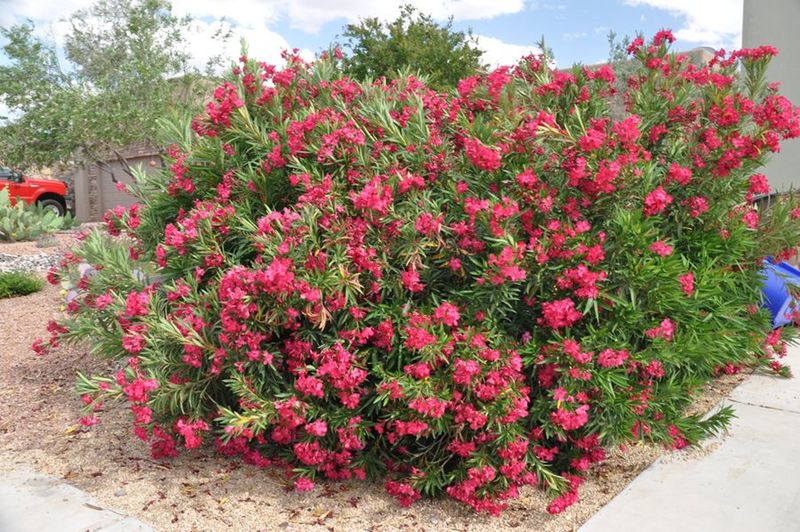
Drive down almost any major highway in our state and you will spot oleander growing in the median.
It lines freeways, decorates shopping center parking lots, and fills the front yards of homes in neighborhoods from Sacramento to San Diego. It is genuinely everywhere.
The plant was chosen because it is cheap, drought-tolerant, and grows fast. It also creates a natural barrier between lanes of traffic.
In residential areas, oleander became popular because it grows into a thick, tall hedge that blocks noise and provides privacy. Homeowners loved that it required very little water once established.
That made it a perfect fit for our state’s warm, dry climate.
Nurseries across the state still sell oleander in multiple colors, including pink, red, white, and yellow. It is widely available and affordable. Many buyers pick it up without asking questions about its safety.
The plant’s popularity has made it one of the most recognized shrubs in our state. But widespread planting does not mean widespread awareness of the risks.
Your California Garden Changes Every Week. Your Plan Should Too.
Gardening in California changes quickly throughout the season. Every Friday you’ll receive a simple weekly plan showing exactly what to plant, prune, fertilize, harvest, and protect so you never miss the right timing.
Many communities are only now starting to reconsider where and how oleander is used in public spaces.
3. The Flowers Are Pretty, But The Sap Is A Warning Sign
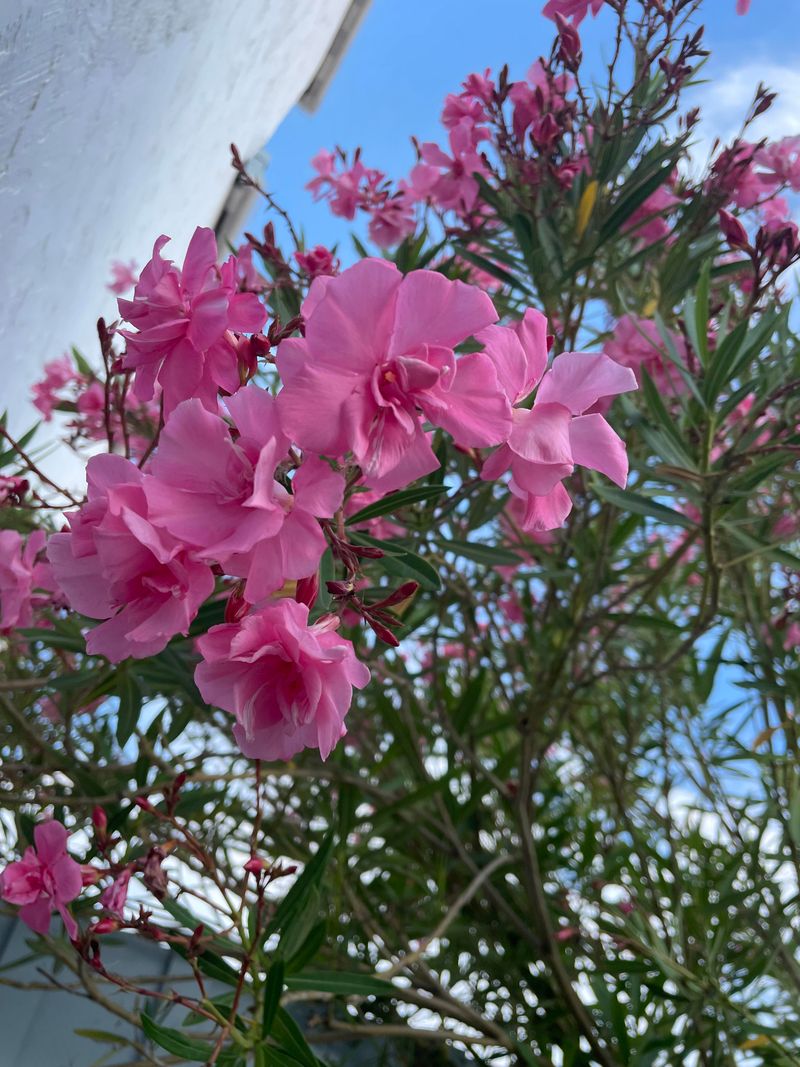
Bright blooms in shades of pink, red, white, and yellow make oleander one of the showiest plants in any garden. People are drawn to those flowers the way they are drawn to roses or hibiscus.
But cutting or pruning oleander releases a milky white sap that carries serious risks.
That sap contains the same toxic compounds found throughout the rest of the plant. Skin contact with the sap can cause redness, itching, and irritation.
If you accidentally touch your eyes or mouth after handling it, the effects can be much more serious.
Gardeners who prune oleander without gloves have reported rashes and burning sensations that lasted for hours. Some have experienced eye inflammation after the sap splashed during trimming.
Wearing protective gear every single time you handle this plant is not optional.
The flowers themselves can also cause problems if handled and then put near the face. Children are especially drawn to the colorful blooms and may pick them without understanding the risk.
Parents need to teach kids early that pretty flowers are not always safe to touch.
The sap is the plant’s most visible warning sign. When you see that white liquid oozing from a cut branch, treat it the same way you would treat a hazardous chemical.
Wash your hands immediately and keep children and pets away from the area.
4. Pets And Children Face The Biggest Risk Around Oleander
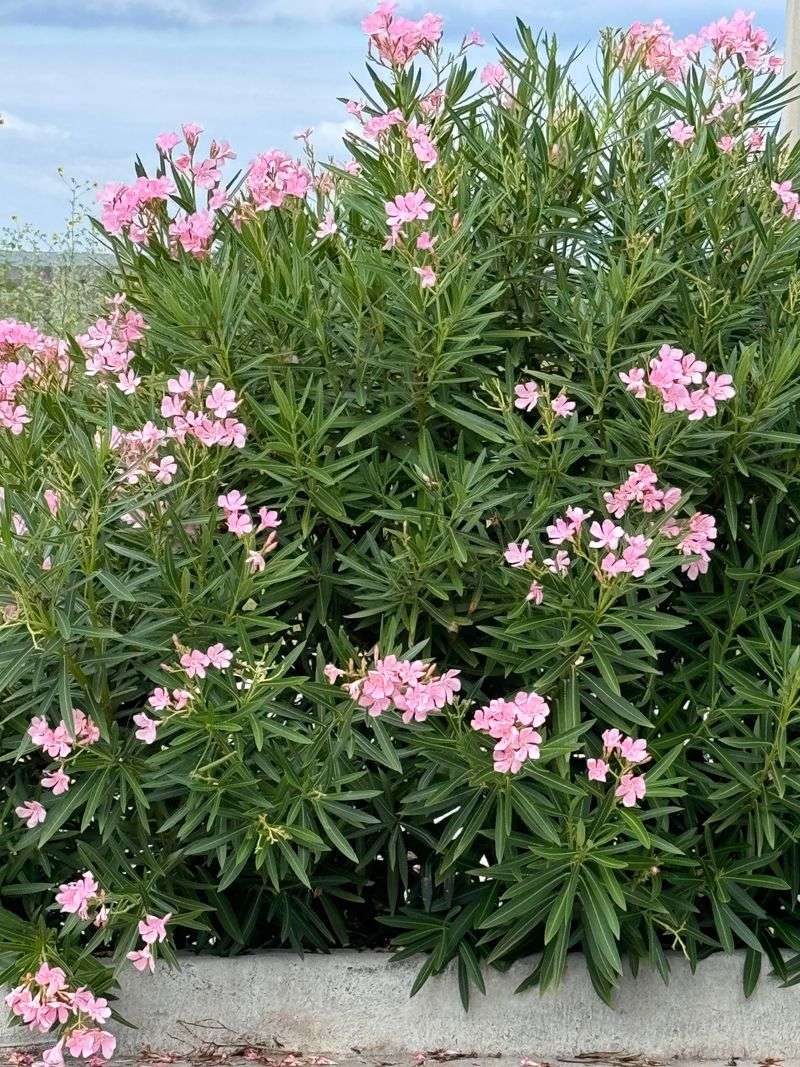
Small bodies are affected by toxins much faster than adult bodies. That is why children and pets are at the highest risk when oleander is growing nearby.
A toddler who chews on a single leaf or a dog who sniffs and licks the plant can experience symptoms very quickly.
Dogs are particularly curious around garden plants. They may chew on fallen leaves or branches without any warning signs that something is wrong.
Cats are also at risk, though they tend to be more selective about what they chew.
Symptoms in pets include drooling, vomiting, weakness, and trembling. A pet that has ingested oleander needs emergency veterinary care immediately.
Time matters a great deal in these situations, so acting fast is critical.
For children, the risk is just as serious. Young kids explore the world by touching and tasting things.
A bright flower or an interesting leaf on the ground can easily end up in a small child’s mouth. Even a small amount of oleander can cause heart-related symptoms in a child.
If you have young children or pets, think carefully about whether oleander belongs in your yard at all. A beautiful garden is not worth a trip to the emergency room.
There are many equally attractive, non-toxic alternatives that provide the same lush, full look without the hidden danger.
5. Even Dry Leaves And Clippings Can Be Dangerous
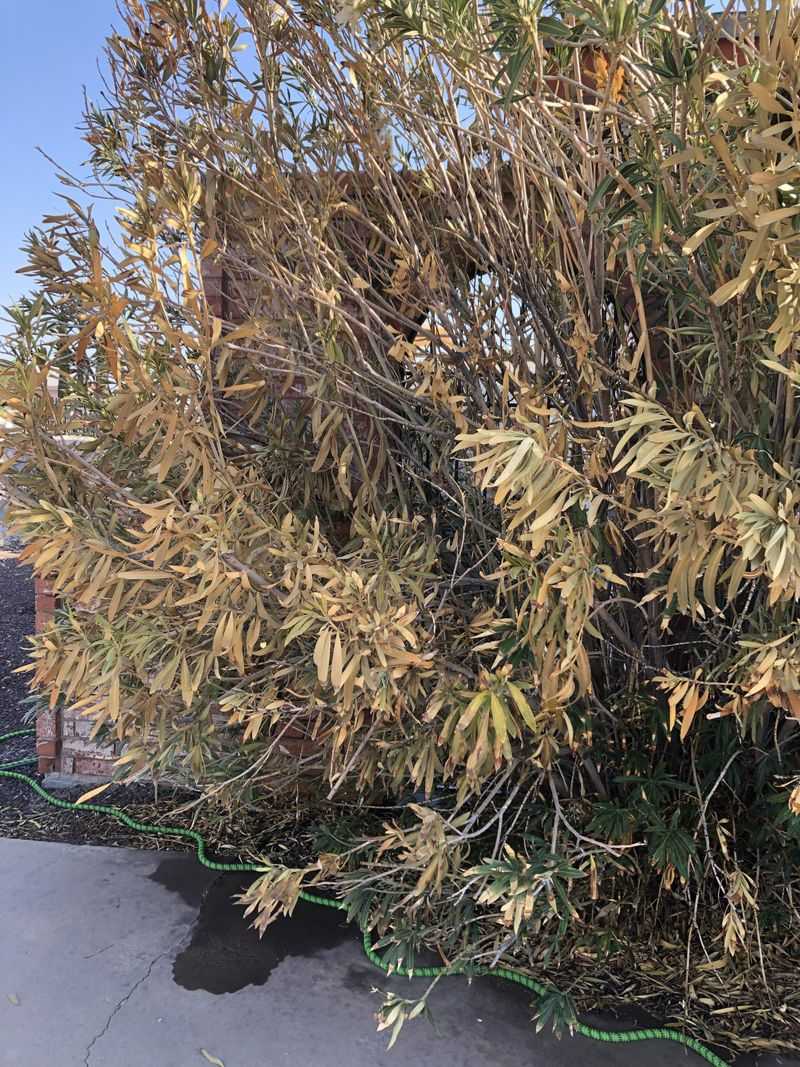
Most people assume that once a plant dries out, it loses its harmful properties. That is not the case with oleander.
The toxic compounds in this shrub remain active even after the leaves and branches have completely dried out.
Fallen leaves on the ground, old clippings in a compost pile, or dried branches left near a fence can still pose a real risk.
Pets that sniff through yard debris may encounter dry oleander material without their owners realizing it. Children playing in the yard might pick up old leaves out of curiosity.
Composting oleander clippings is not safe. The toxins do not break down quickly enough in a standard home compost setup.
Putting oleander waste into your compost bin can contaminate the entire batch, which could then be spread onto a vegetable garden.
Yard trimmings from oleander should be placed in sealed bags and disposed of through your local green waste collection program.
Do not leave loose clippings on the ground or in an open pile. Clean up thoroughly after every pruning session.
Wearing gloves during cleanup is just as important as wearing them during pruning. Dry plant material can still transfer toxins through skin contact.
Treat every part of oleander as if it were freshly cut, because the risk does not disappear just because the plant material looks old and harmless.
6. Never Burn Oleander Branches Or Yard Waste
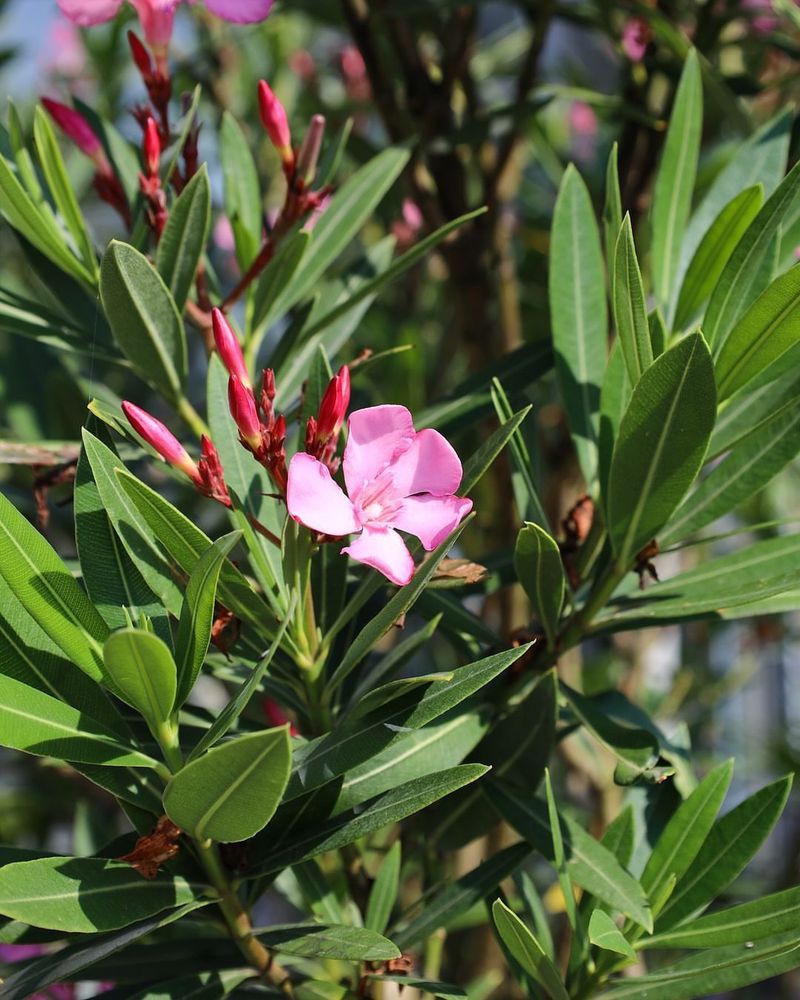
Burning oleander is one of the most dangerous mistakes a homeowner can make. When the plant material is set on fire, the toxic compounds become airborne in the smoke.
Breathing that smoke can cause serious respiratory problems, eye irritation, and other symptoms even if you are standing several feet away.
People have ended up in the hospital after burning oleander branches in a backyard fire pit or bonfire.
The smoke travels quickly and can affect anyone nearby, including neighbors who had no idea what was being burned. It does not take long for symptoms to appear.
This risk applies to any outdoor burning situation, including campfires, trash burns, and fire pits. Even using a small amount of oleander wood as kindling is enough to create dangerous smoke.
The safest rule is to never burn any part of this plant under any circumstances.
Firefighters who battle wildfires in areas where oleander grows have noted the added health risk from inhaling smoke that contains oleander material. This is another reason why proper disposal of yard waste matters so much.
If you have oleander branches to dispose of, bag them tightly and put them out for green waste pickup. Contact your local waste management service if you are unsure about proper disposal in your area.
Keeping the plant material out of fires is one of the most important safety steps you can take.
7. Why California Gardeners Still Plant It Anyway

Knowing that oleander is toxic has not stopped millions of people from planting it. There are real reasons why this shrub remains so popular, and most of them come down to practicality.
In a state where water conservation is a constant concern, oleander checks a lot of boxes.
Once established, oleander can survive on very little water. It handles heat well, grows fast, and stays green year-round in most parts of our state.
For homeowners dealing with drought conditions, that kind of resilience is hard to pass up.
It also grows into a thick, tall hedge that provides excellent privacy and noise reduction. Along busy streets or between neighboring properties, a mature oleander hedge can feel like a wall.
That level of screening takes years to achieve with many other plants.
Cost is another factor. Oleander is inexpensive to buy and cheap to maintain.
It does not need much fertilizer, rarely suffers from pest problems, and bounces back quickly after a hard pruning. For budget-conscious homeowners, it is an attractive option.
Many people also simply do not know how toxic it is. Nurseries do not always include strong safety warnings on the tags.
If a plant looks beautiful and the price is right, most shoppers do not ask further questions. Better consumer education at the point of sale could make a real difference in how people choose their plants.
8. Where Oleander Becomes A Bigger Backyard Problem
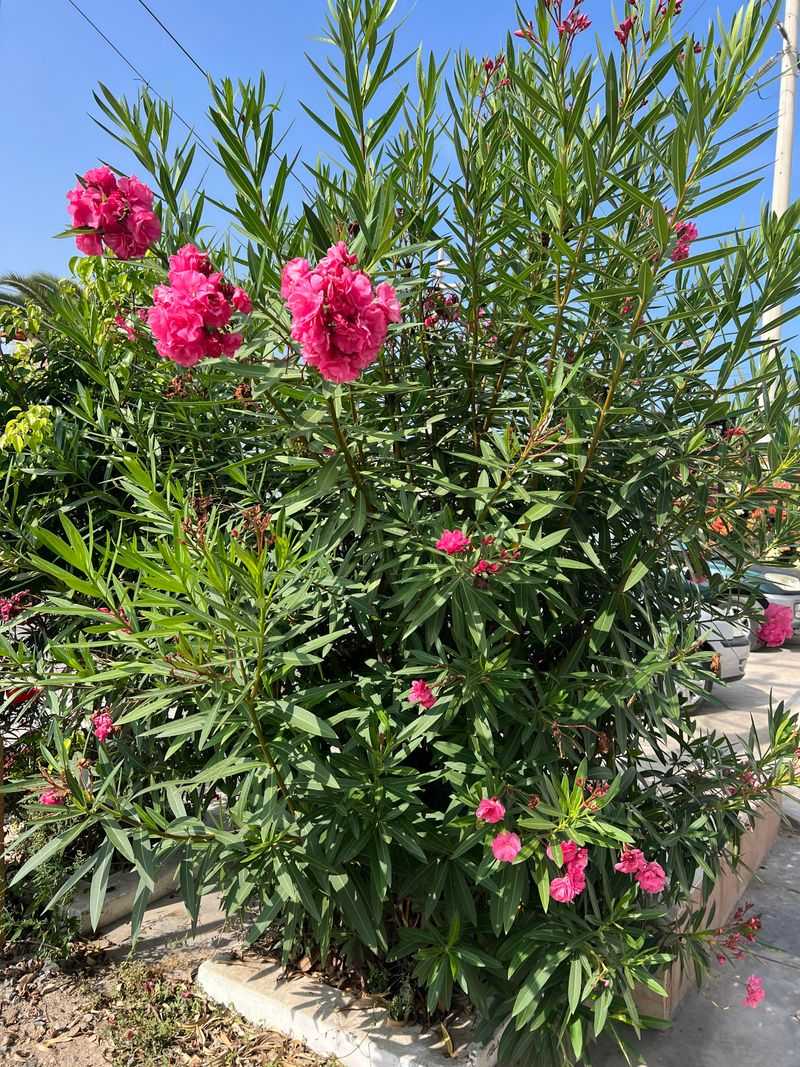
Not every yard presents the same level of risk. The danger of oleander goes up significantly in certain situations, and knowing those situations can help you make smarter decisions about your landscaping.
Homes with young children or curious pets face the highest level of concern. A yard where kids play daily and a large oleander hedge grows along the fence is a combination that requires serious thought.
The more time small children spend near the plant, the higher the chance of accidental contact or ingestion.
Properties near schools, parks, or community spaces are also worth considering carefully. If oleander branches hang over a shared fence or drop leaves into a neighbor’s yard, the risk spreads beyond your own property.
Fallen flowers and leaves can travel farther than you expect, especially in windy conditions.
Homes with vegetable gardens nearby should also think twice. Oleander roots can compete with garden plants, and if clippings accidentally mix into garden soil or compost, the results can be problematic.
Keeping oleander well away from edible plants is a smart precaution.
Older properties in our state sometimes have large, established oleander shrubs that have been growing for decades. Removing a mature plant is a big job, but in some situations, it is the right call.
Evaluating your specific yard layout and household needs is the best way to figure out your next step.
9. What To Do If You Already Have Oleander
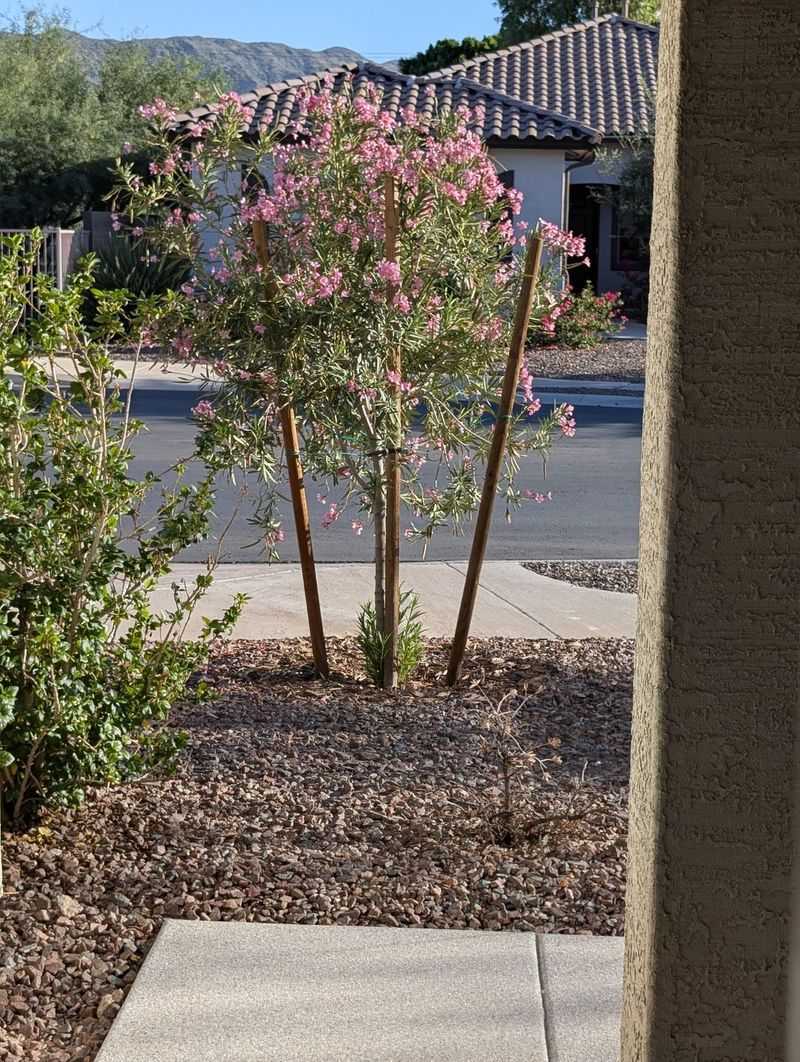
Finding out your yard already has oleander does not mean you need to panic. It does mean you need a clear plan.
The first step is to assess where the plant is located and how close it is to areas where children and pets spend time.
If the oleander is in a low-traffic corner of the yard and well away from play areas, you may be able to manage it safely with the right precautions.
Always wear gloves, long sleeves, and eye protection when pruning. Wash your hands and arms thoroughly afterward.
Never leave clippings on the ground. Bag them immediately in sealed plastic bags and place them in your green waste bin.
Do not compost oleander material and do not burn it. Following these steps every time reduces risk significantly.
If you decide you want the plant removed entirely, consider hiring a professional landscaper who has experience with toxic plants.
Removal involves handling a lot of plant material, and doing it safely requires the right protective gear and disposal methods.
Once the oleander is gone, you have a great opportunity to replace it with something equally beautiful but far safer.
Options like bougainvillea, lantana, or native California plants can provide similar color, height, and drought tolerance without the same level of risk.
A lush, attractive yard and a safe yard are not mutually exclusive goals.