This Common Pennsylvania Foundation Shrub Is Quietly Creating Tick Habitat
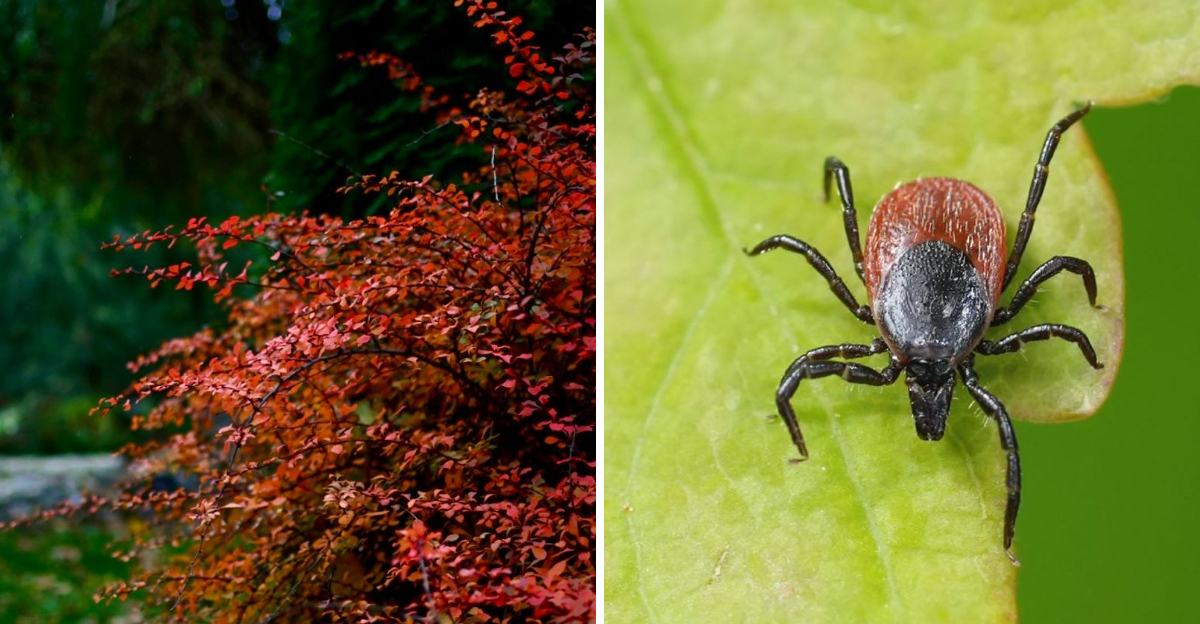
Most Pennsylvania homeowners plant foundation shrubs without giving much thought to what might be living inside them. They’re there for curb appeal, for privacy, for the finished look they give to the base of a house.
But one of the most commonly planted foundation shrubs in Pennsylvania yards is quietly creating some of the best tick habitat on the property, right up against the house where people and pets move in and out multiple times a day.
The shrub looks completely fine from the outside. That’s part of the problem.
Dense, low growing foundation shrubs that hold moisture, create shaded interior spaces, and drop leaf litter that accumulates at the base are checking every box on the tick preference list.
And when that shrub is positioned directly against the foundation, the tick population it supports is concentrated in exactly the zone most homeowners assume is safe.
This is not a fringe concern. Ticks thrive in exactly these conditions, and this particular shrub creates them reliably.
Japanese Barberry Creates Ideal Tick Cover
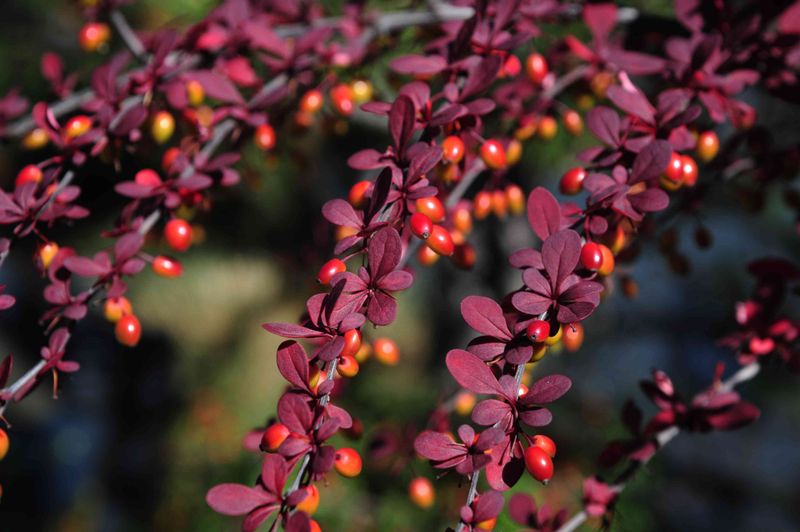
Walk past a thick patch of Japanese barberry on a warm afternoon and you might notice something right away. The air underneath it feels cooler and damper than the open yard around it.
That is not just your imagination. The shrub’s dense, low-hanging branches trap moisture close to the ground and block sunlight from drying out the soil beneath it.
Blacklegged ticks, the kind that can carry Lyme disease, need humidity to survive. When the air around them gets too dry, they lose body moisture quickly and become less active.
A shrub that keeps the ground shady and damp is basically a shelter for them. Studies from the Connecticut Agricultural Experiment Station found that the presence of Japanese barberry was strongly linked to higher tick numbers in the same area.
The shrub grows in a rounded, arching shape that creates a small tunnel of space between its branches and the soil. Ticks can rest in that space, protected from heat and dry air.
They wait there until a warm-blooded host walks by. That host could be a deer, a mouse, a dog, or even you.
Most people do not realize that the humidity under a single barberry plant can be significantly higher than the surrounding open ground. That difference matters a lot to a tick trying to stay alive.
Thick, low vegetation like barberry gives ticks the conditions they need without any effort on their part. Simply having this shrub growing near walkways, doors, or play areas increases the chance that ticks will be present where people spend time.
The Shrub Was Once A Popular Landscape Choice
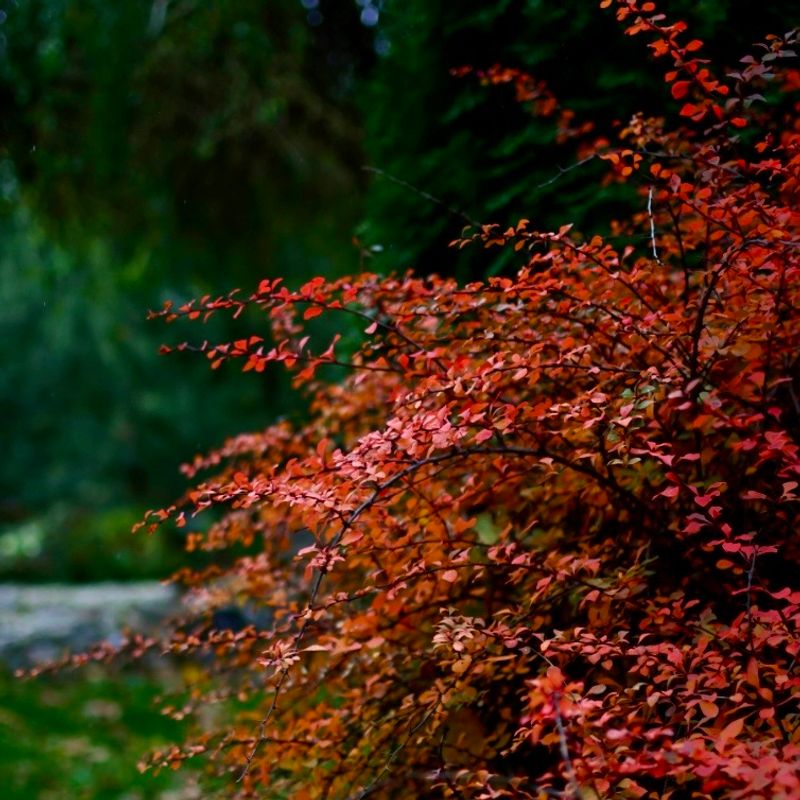
Back in the mid-1900s, Japanese barberry seemed like a dream plant for American homeowners. It was tough, low-maintenance, and stayed looking good through most of the year.
Nurseries across Pennsylvania sold it by the thousands, and landscape designers recommended it for foundation plantings, hedges, and property borders. Homeowners loved that deer tended to leave it alone, probably because of its sharp thorns.
Your Pennsylvania Garden Changes Every Week. Your Plan Should Too.
Gardening in Pennsylvania changes quickly throughout the season. Every Friday you’ll receive a simple weekly plan showing exactly what to plant, prune, fertilize, harvest, and protect so you never miss the right timing.
The plant originally came from Japan, where it grows naturally in mountain regions. It was brought to the United States in the late 1800s as an ornamental plant and quickly became popular.
By the mid-20th century, it was one of the most common shrubs sold at garden centers across the country. Dozens of varieties were developed, offering different leaf colors ranging from deep red to bright yellow to green.
Nobody was thinking about ticks back then. The concern was whether a plant looked good and stayed alive through a Pennsylvania winter.
Japanese barberry checked every box. It was hardy, colorful, and easy to find. Homeowners planted it without any idea that it would eventually escape into nearby forests and natural areas.
That escape is a big part of the problem today. Birds eat the small red berries and drop the seeds in woodlands, meadows, and along stream banks.
The plant then spreads and takes over areas where native plants used to grow. Pennsylvania forests in many regions now contain thick stands of Japanese barberry that were never planted by anyone.
What started as a tidy foundation shrub turned into one of the state’s most widespread invasive plants over just a few decades.
Dense Barberry Can Support Tick-Carrying Wildlife
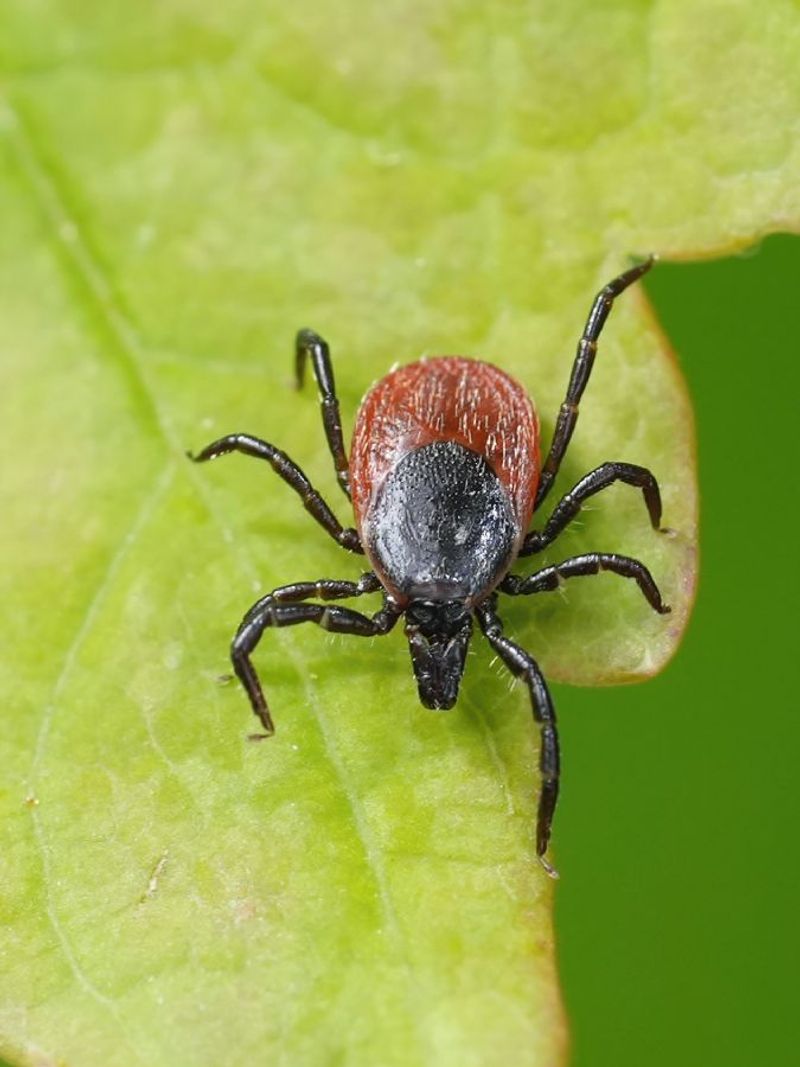
Ticks do not just appear out of nowhere. They go through a life cycle that involves feeding on different animals at different stages.
The white-footed mouse is one of the most important animals in the blacklegged tick’s life cycle, especially in the northeastern United States. These small mice are very good at carrying the bacteria that causes Lyme disease without getting sick themselves.
Here is where Japanese barberry becomes a bigger problem. The shrub’s thick, thorny branches create excellent ground-level cover for mice and other small mammals.
The thorns actually help protect them from predators like hawks and foxes, which cannot easily reach inside the dense growth. A mouse living under a barberry hedge is safer than one out in the open.
Research has found that areas with more Japanese barberry tend to have higher populations of white-footed mice. More mice means more opportunities for tick larvae to feed on infected hosts.
Once a tick larva feeds on an infected mouse, it can carry that bacteria into its next life stage and eventually pass it on to a person or pet.
Other small animals also use barberry thickets for shelter, including shrews, chipmunks, and voles. All of these animals can serve as hosts for ticks at various stages.
The shrub essentially creates a small wildlife hotel right next to your home. Thick vegetation near the foundation is not just a tick issue on its own.
It becomes a bigger concern when it also shelters the animals that help spread tick-borne illness through the local ecosystem. Reducing barberry can help break that cycle.
Removing Barberry Can Make The Yard Less Tick-Friendly
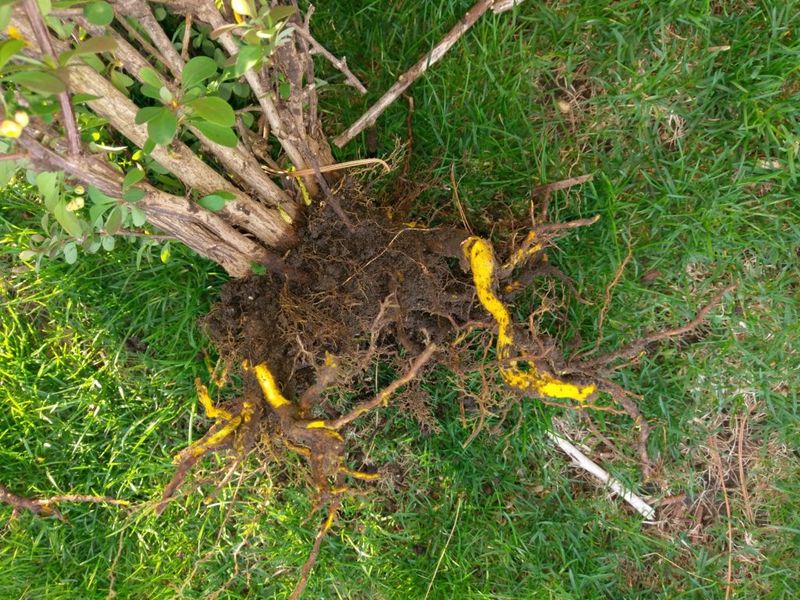
Getting rid of Japanese barberry is not the easiest job, but the results can be worth the effort. Studies have shown that removing barberry from an area can lead to a noticeable drop in tick numbers over time.
One study found that plots with barberry removed had significantly fewer blacklegged ticks compared to plots where the shrub was left in place. That is a meaningful difference for any family spending time outdoors.
The thorns make removal uncomfortable, so wearing thick gloves and long sleeves is a must. Small plants can be dug out by the roots, but larger, established shrubs may need to be cut back and treated to prevent regrowth.
The root system is stubborn and the plant can sprout again if not fully addressed. Some homeowners choose to hire a professional for larger infestations, especially when the shrub has spread across a wide area.
Once the barberry is gone, sunlight can reach the soil again. Air moves more freely at ground level.
The humidity that ticks depend on drops. Without the dense cover, mice and other small animals have fewer safe hiding spots near the foundation.
The whole environment becomes less inviting for ticks without anyone having to do anything more than remove one plant.
Leaving bare ground after removal is not ideal either. Replanting with native groundcovers or low-maintenance shrubs helps prevent barberry and other invasive plants from moving back in.
The goal is to replace a tick-friendly habitat with something that supports the local environment and keeps your yard safer for people and pets all season long.
Pennsylvania Now Restricts Most Japanese Barberry
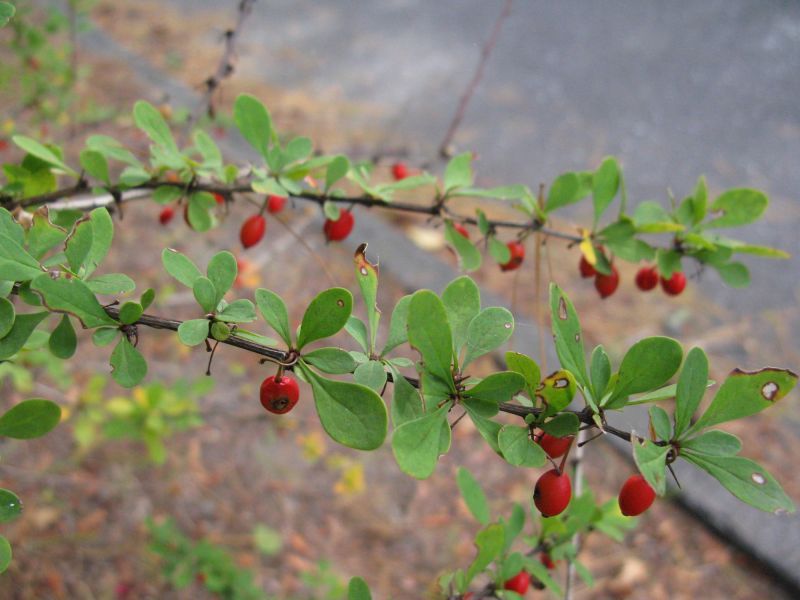
Pennsylvania has taken the Japanese barberry problem seriously enough to pass legal restrictions on it.
The state classifies Japanese barberry as a noxious weed, which puts it in the same category as other plants considered harmful to agriculture, natural areas, and public health.
That classification carries real weight. It means that most varieties of Japanese barberry cannot legally be sold, purchased, or planted anywhere in Pennsylvania.
The law went into effect in 2021, after years of research and discussion among state officials, ecologists, and land managers. The Pennsylvania Department of Agriculture oversees the list of noxious weeds and updates it as new information becomes available.
Getting Japanese barberry added to that list was a significant step, because it affects what nurseries can stock and what landscapers can recommend.
There is a limited exemption in the law for certain sterile cultivars. A sterile cultivar is a variety that has been bred so it cannot produce viable seeds.
Without seeds, the plant cannot spread into natural areas on its own. A small number of approved sterile varieties may still be sold under specific conditions, but the standard red and green barberry plants that most people recognize are no longer allowed.
If you already have Japanese barberry growing on your property, you are not breaking any law by having it there. The restriction applies to sales and new plantings, not existing plants.
However, the state strongly encourages removal because established plants still produce berries and continue to spread.
Knowing the law helps homeowners make informed choices when shopping for replacement shrubs and ensures they are not accidentally buying a restricted plant.
Replace It With A Better Foundation Shrub
Pulling out Japanese barberry is only half the job. Choosing the right replacement plant is just as important, and honestly, it can be the fun part.
Pennsylvania has plenty of native shrubs that look great along a foundation, support local wildlife in positive ways, and do not create the same tick-friendly conditions as barberry. Picking the right one just takes a little planning.
Inkberry holly is a solid choice for shady or wet spots. It stays green through winter, produces small black berries that birds enjoy, and grows in a tidy, upright shape that does not hug the ground the way barberry does.
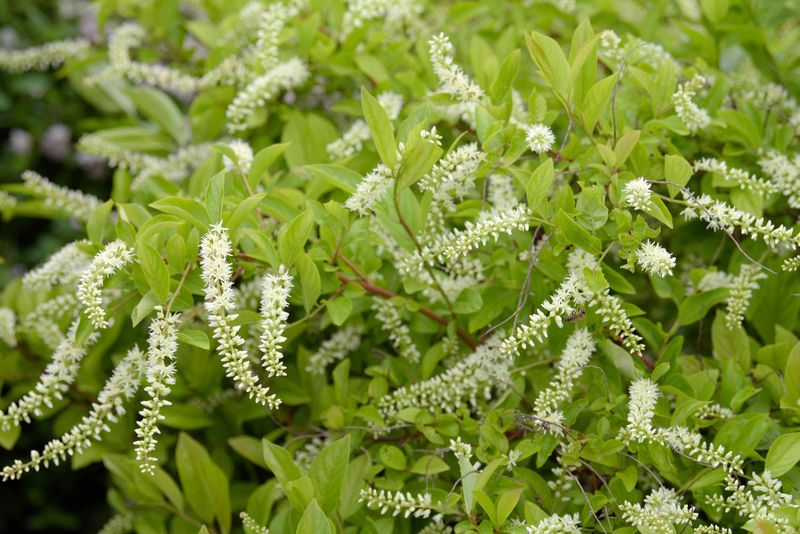
Sweetspire is another good option. It has graceful arching stems, fragrant white flowers in summer, and brilliant fall color. Both plants are native to Pennsylvania and suited to a wide range of soil types.
For sunnier spots, native viburnums work well. Arrowwood viburnum is especially popular because it handles drought, attracts pollinators, and provides berries for birds in fall.
It grows at a manageable size and does not spread aggressively into natural areas. Spicebush is another native option that adds interest with its early yellow flowers and spicy fragrance when the leaves are crushed.
Whatever you choose, keep the planting maintained. Trim shrubs so branches do not rest on the ground or create dense, dark hiding spots near the foundation.
A well-maintained planting with some airflow at ground level is far less welcoming to ticks than an overgrown thicket. Healthy, native plants support birds and beneficial insects without turning your yard into a habitat that works against you.