More Kestrels Near Ohio Fields Means Fewer Mice – The Small Falcon Worth Knowing
A bird the size of a mourning dove hovers above the field edge, wings beating fast, perfectly still against the wind. Then it drops like a stone.
Ohio farmers and gardeners have a quiet ally patrolling the fence lines, and most folks drive right past it. Mice, voles, and grasshoppers all show up on its menu, which makes it one of the hardest-working helpers around.
It doesn’t ask for a salary or a thank-you note.
Spotting one takes a little practice. Look for the perch it picks and the habit that gives it away from a hundred yards.
Once you learn the trick, you’ll see them everywhere.
A small change near your property can invite more of them, and it costs less than a trap.
Scan the wires along your next country drive. Your eyes will find it.
1. It’s North America’s Smallest Falcon
Hold a deck of cards in your hand, and you have a rough idea of how light this bird is. The American Kestrel weighs only about 3 to 6 ounces.
That makes it the smallest falcon found anywhere in North America.
Size-wise, it lines up closely with a Mourning Dove or a Blue Jay. Most kestrels measure 8 to 12 inches from beak to tail.
Their wings stretch about 20 to 25 inches across, which is roughly the width of a school desk.
Small does not mean weak, though. Kestrels can hover in place while scanning the grass below, beating their wings fast and fanning their tails.
Few other birds of prey pull off this trick so neatly.
Fun fact time! Kestrels can see ultraviolet light.
Some scientists think this helps them spot trails left by voles, which glow under UV light in a way human eyes miss.
The kestrel is also the most widespread falcon on the continent. You can find it from Alaska down to South America.
Even so, many people have no idea it lives near them.
Next time you see a bird no bigger than a jay sitting on a power line, take a second look. If it bobs its tail and stares down at the grass, you may be watching a tiny falcon at work.
2. Look For A Rusty Back And Slate-Blue Wings
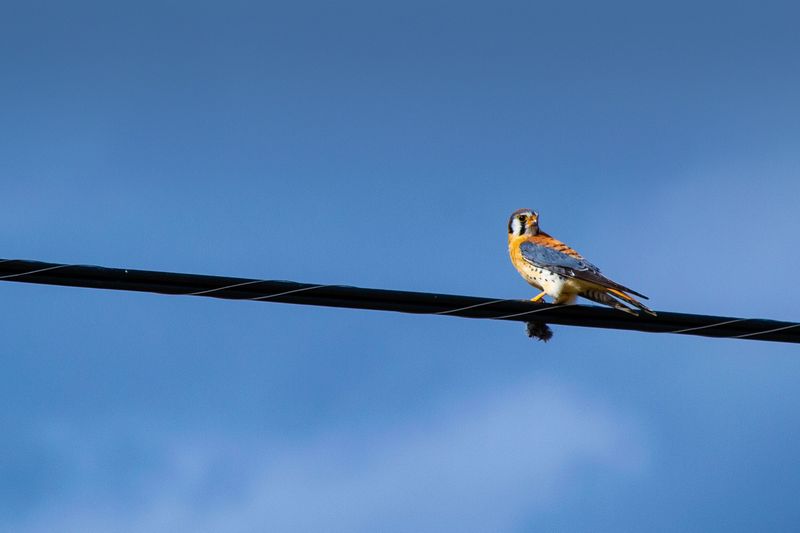
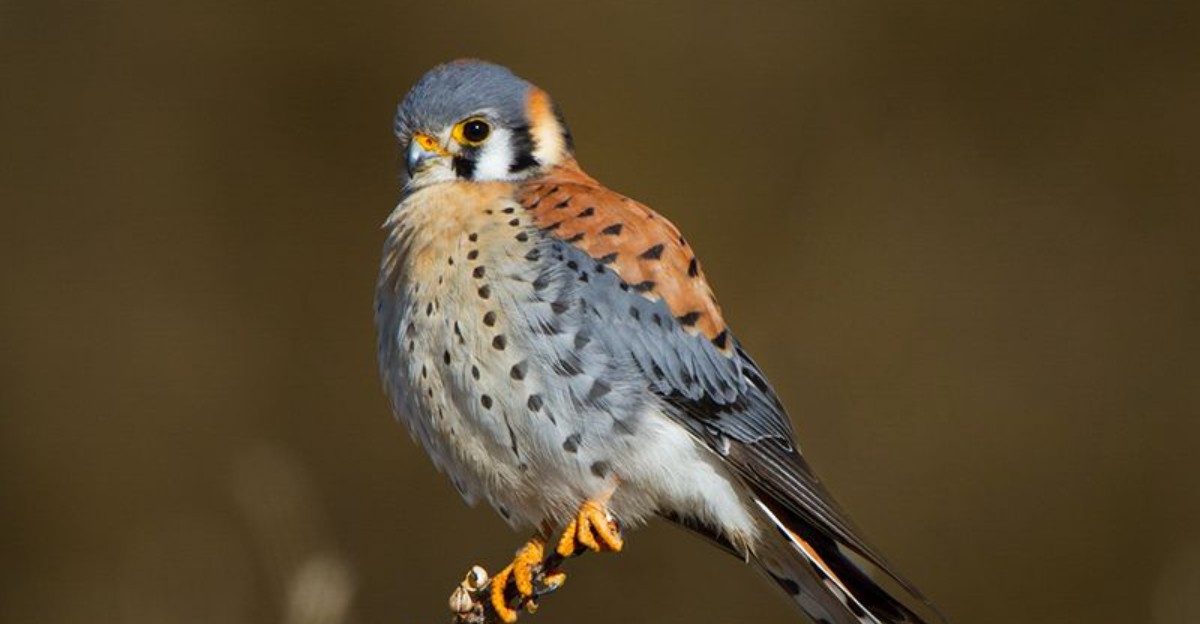
Some birds dress in plain brown, but the kestrel showed up to the party in style. Its feathers mix rusty orange, blue-gray, cream, and black.
Once you learn the pattern, you will spot it from far away.
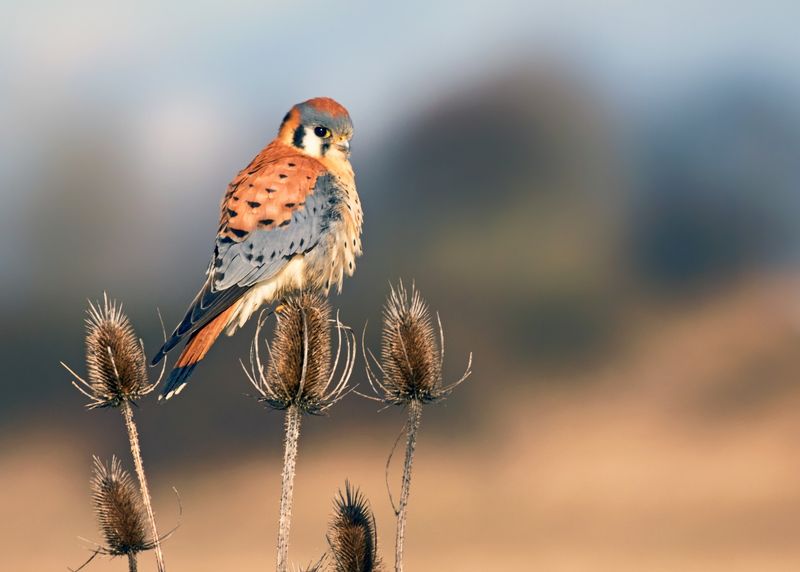
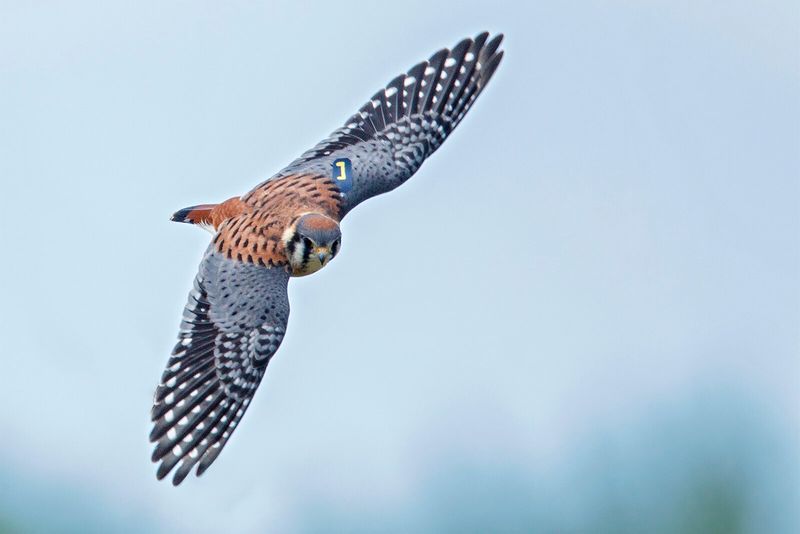
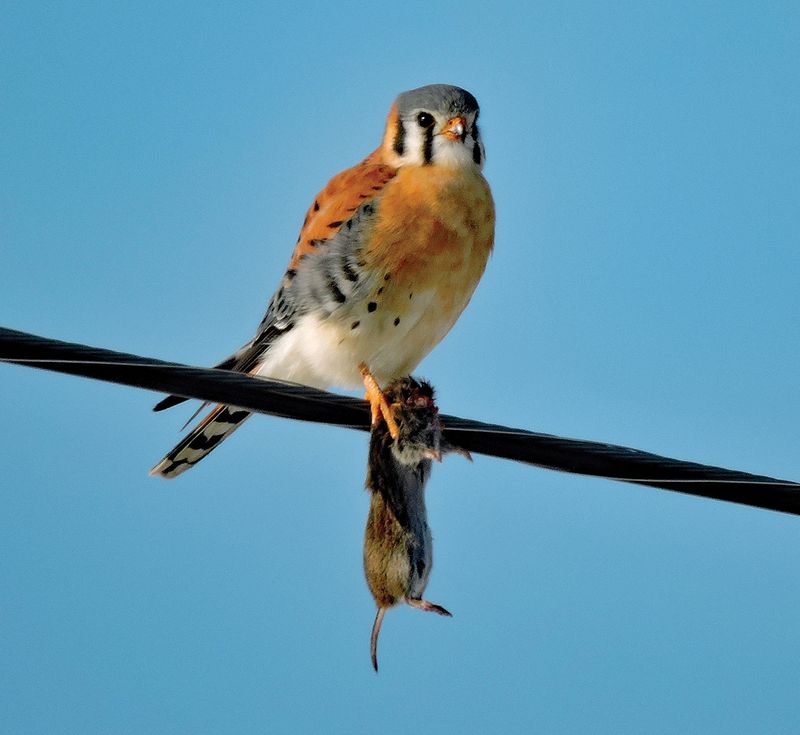
Males are the flashier of the pair. They have slate-blue wings and a rusty red back.
Their rusty tails end with a neat black band, like the tip of a paintbrush.
Females look a bit different but just as lovely. Their wings and backs are reddish-brown with lots of dark bars.
Their orange tails carry several black stripes instead of just one.
Both share one key feature on the face. A white face is marked by two bold black vertical stripes, often called a mustache and sideburn.
Your Ohio Garden Changes Every Week. Your Plan Should Too.
Gardening in Ohio changes quickly throughout the season. Every Friday you’ll receive a simple weekly plan showing exactly what to plant, prune, fertilize, harvest, and protect so you never miss the right timing.
Many birders say the face looks like it has tear marks.
Here is a handy tip for spotting them. Bring binoculars on a drive through farm country and check the power lines.
Kestrels often sit upright and pump their tails up and down after landing.
Look at the back of the head, too. Kestrels have two dark spots there that look like eyes.
Experts believe these fake eyes may trick other animals into thinking the bird is watching them.
3. Grasshoppers And Beetles Fill Its Summer Menu
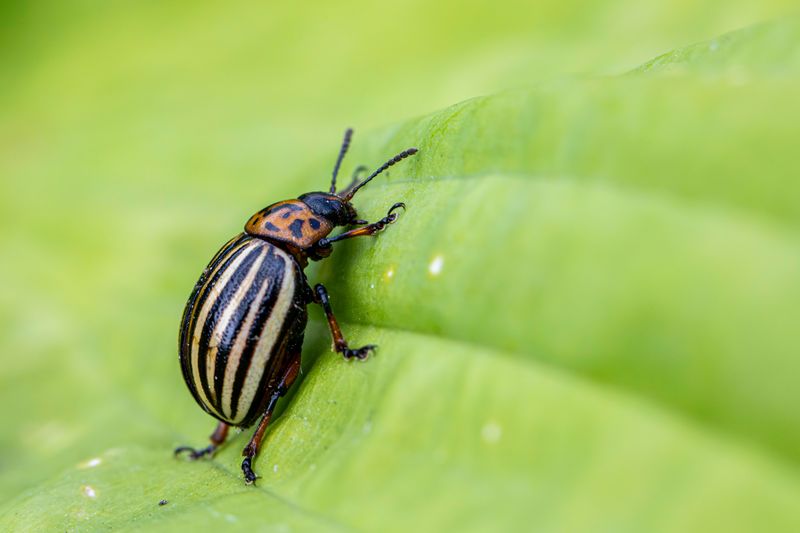
Imagine an all-you-can-eat bug buffet stretching across every summer meadow. For a kestrel, that is basically July in Ohio.
When insects are plentiful, they make up most of what this falcon eats.
Grasshoppers top the list. Kestrels also snack on cicadas, beetles, and dragonflies.
Out west, they will even grab spiders and scorpions when they find them.
Hunting bugs takes sharp eyes and quick feet. A kestrel often sits on a wire or post and watches the grass.
When it spots movement, it drops down and snatches the insect with its talons.
Sometimes it eats the catch right there in the air. That is a pretty slick move for a bird the size of a jay.
Watching one do it can feel like seeing a tiny air show.
Gardeners and farmers have good reason to cheer. Grasshoppers can chew through crops and garden plants in a hurry.
A hungry kestrel helps keep those numbers in check for free.
Want to help? Try cutting back on bug sprays around your yard and fields.
Fewer chemicals mean more insects for kestrels to eat, and healthier food for their growing chicks, too. A messy patch of wildflowers can be a gift to them.
4. Mice And Voles Take Over In Fall And Winter
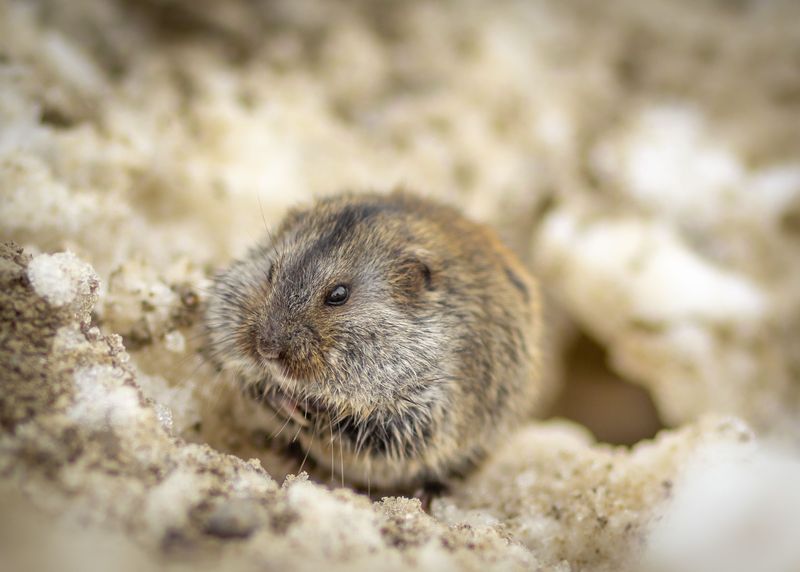
Once frost coats the cornstalks, the bug buffet closes up shop. Kestrels do not pack up and quit, though.
They simply switch their focus to furry snacks.
Voles, mice, and shrews become the main course in colder months. Kestrels may also catch small birds, lizards, frogs, and snakes.
They are flexible eaters, and that helps them get through tough weather.
Here is where farmers really benefit. Mice and voles can chew through stored grain, damage tree roots, and munch on young crops.
A single kestrel family can catch a lot of rodents over a season.
Science backs this up. Studies in fruit orchards found fewer small mammals and less rodent activity in areas with kestrel nest boxes.
That means less damage to fruit trees and fewer headaches for growers.
Think of kestrels as unpaid pest control workers. They show up early, work all day, and ask for nothing but open ground and a place to perch.
That is quite a deal compared to traps or poisons.
Speaking of poison, rodent baits can harm kestrels that eat sick mice. Using traps or letting raptors handle the job is a safer choice.
More kestrels near fields truly can mean fewer mice in the barn.
5. Open Fields With Scattered Trees Suit It Best
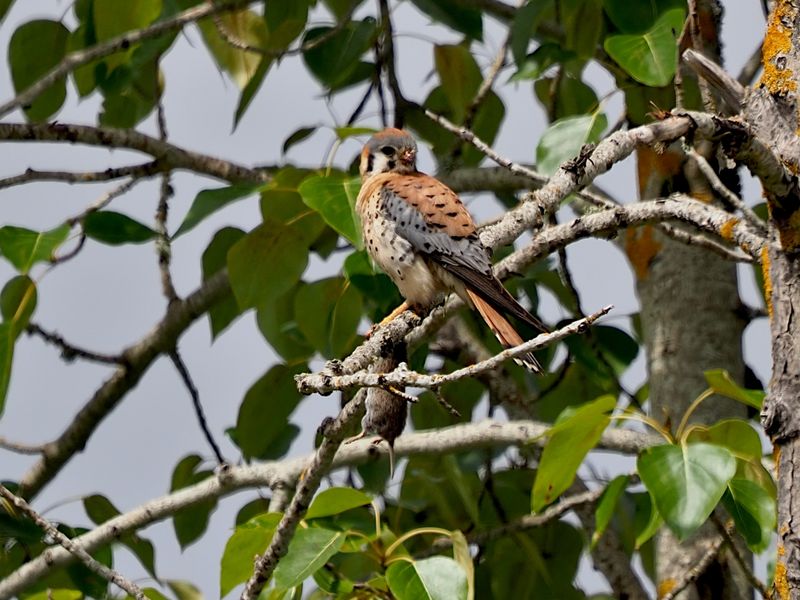
Where would a tiny falcon pick its dream home? Picture wide open ground with short grass, plus a few trees or poles to sit on.
That simple mix is what kestrels love most.
Open space gives them room to hunt. Short plants make it easier to spot a mouse or grasshopper moving below.
High perches let them watch without wasting energy flying around.
You will find kestrels in many kinds of places. Meadows, grasslands, deserts, parks, and farm fields all work well.
Some even live in cities and suburbs, hunting in vacant lots and along highways.
In Ohio, look for them near pastures, hayfields, and old meadows. Forest clearings and the grassy edges of farm fields are good spots too.
Roadside wires are a favorite place to perch and scan.
Road trips become more fun when you play a game of kestrel spotting. Kids can count birds on wires and check for that telltale tail bob.
Hovering birds over grassy medians are worth a closer look.
Landowners can help by keeping some areas open and mowed. Leaving a few tall snags or posts gives kestrels lookout points.
Even a small pasture with scattered trees can become a busy hunting ground.
6. Kestrel Numbers Have Fallen By Nearly Half
Here is a number that stings a little. Kestrel populations have dropped by about 50 percent since the 1960s.
That works out to a loss of around 1 to 2 percent each year.
A more recent study looked at the years 1986 to 2019. It estimated a 29 percent decrease in that time alone.
So the slide has not slowed down much.
Why is this happening? Honestly, scientists are still piecing it together.
Most experts think several problems are working at once.
Habitat loss is a big one, as fields turn into buildings or thick forest. Pesticides can reduce the insects kestrels eat.
Shifts in climate, more predators like Cooper’s Hawks, and disease may also play a part.
Another major issue is housing. Kestrels need holes in trees or buildings to raise their young, and those spots are getting harder to find.
We will look closer at that problem soon.
The decline is a quiet one, which makes it easy to miss. A bird that once seemed everywhere is slowly fading from many roadsides.
Paying attention is the first step toward turning things around.
Groups across North America now track kestrels closely. Citizen science projects let regular people report sightings and help researchers.
7. Ohio’s Kestrels Are Declining Too
Ohio has a funny history with this little falcon. Long ago, much of the state was covered in thick forest.
When settlers cleared those woods for farms, kestrel numbers actually went up.
All that new open land made perfect hunting ground. Fields, pastures, and fencerows gave kestrels plenty of space and food.
For many years, they were a common sight across the Buckeye State.
Today the story has changed. Ohio’s kestrels are following the national trend and dropping in number.
Bird lovers in the state have noticed fewer of them on wires and fence posts.
Thankfully, people are stepping up. The Ohio Ornithological Society and the Bird Conservation Initiative are working hard to help.
They lead projects to study kestrels and give them better places to nest.
Farm practices have shifted too. Larger fields with fewer hedgerows and old trees leave less shelter.
Some grassy areas have grown into woods or been paved over.
So what can Ohioans do? Joining a local bird club is a great start.
You can also report kestrel sightings to online tools like eBird, which helps scientists see where the birds still live. Every report adds a useful piece to the puzzle.
8. A Lack Of Nesting Cavities Holds Them Back
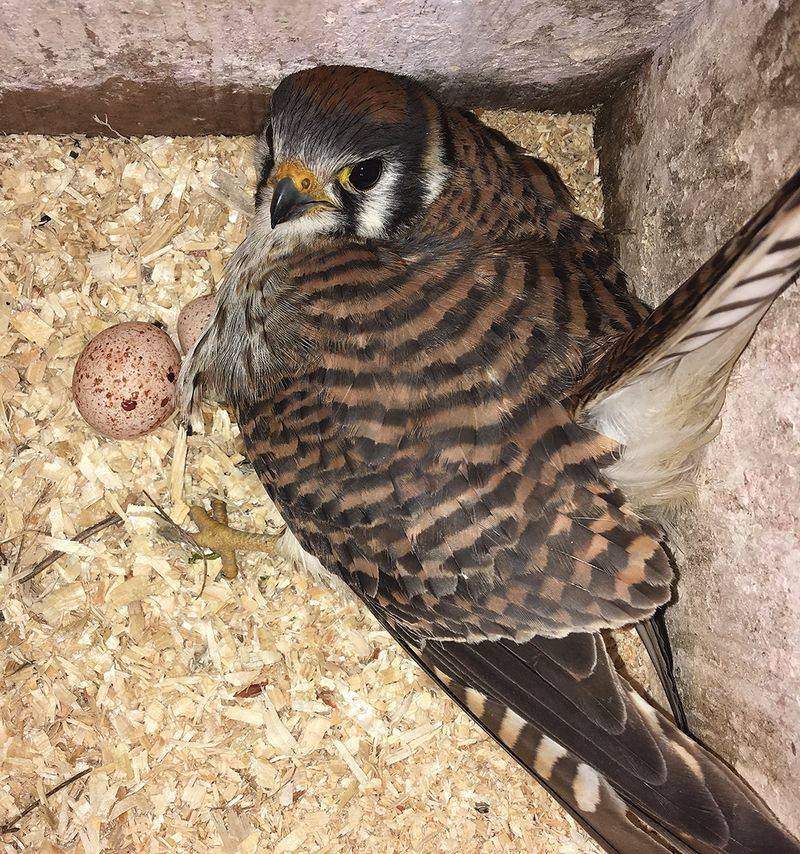
Woodpeckers can carve their own homes, but kestrels cannot. Their beaks are built for tearing food, not chiseling wood.
So they rely on holes that already exist.
Old woodpecker holes are a top choice. Kestrels also use natural tree hollows, cracks in rocks, and nooks in barns or other buildings.
Any snug, sheltered space can work if it sits near open hunting ground.
Here lies the problem. Good nesting holes are hard to come by in many places.
Without a safe spot, a pair of kestrels may skip raising chicks for the year.
Changes in farming add to the trouble. Old trees along fencerows often get cut down to make fields bigger.
Older wooden barns get replaced with metal buildings that have no gaps or ledges.
Meanwhile, some open fields slowly grow into forest or get turned into neighborhoods. That leaves fewer places where open land and nest holes sit side by side.
Kestrels need both close together.
Competition makes things tougher. Starlings and squirrels often grab cavities first.
A kestrel pair may have to search far and wide.
If you have an old hollow tree on your land, think twice before removing it. If it is safe, that tree might be prime real estate for a falcon family.
9. A Nest Box Can Give Them A Place To Raise Young
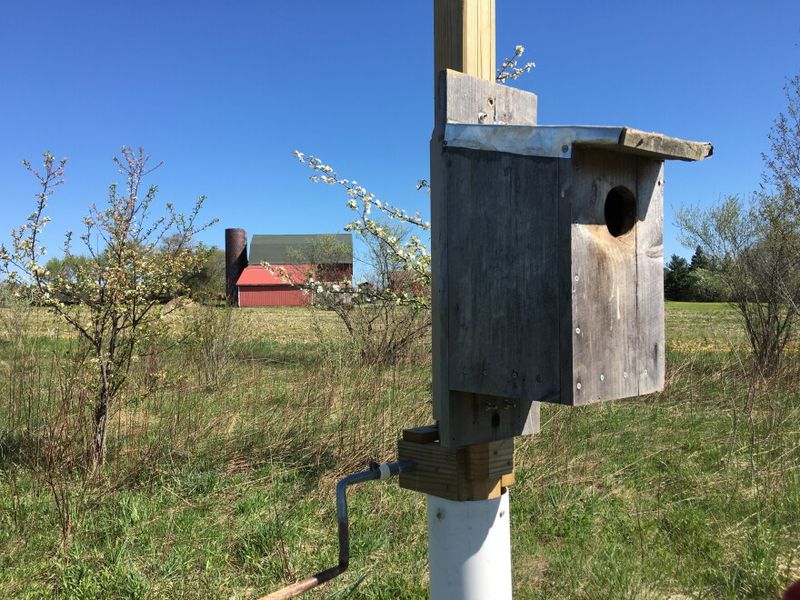
Good news alert! Kestrels happily move into nest boxes built by people.
A simple wooden box can stand in for a missing tree hole.
Programs across the country are putting up boxes to help. In the state, the Ohio Ornithological Society, the Ohio Bird Conservation Initiative, the Ohio Department of Transportation, and the Division of Wildlife teamed up.
Together, they placed boxes along highways where grassy edges make great hunting spots.
Want to put up your own? Pick an open area like a field, pasture, or golf course.
Mount the box 10 to 20 feet high on a sturdy wooden pole or tree trunk.
Add a couple of inches of wood shavings inside. Kestrels do not bring nesting material, so the shavings cushion the eggs.
Skip sawdust, which can get packed down and damp.
Face the entrance away from strong winds if you can. Keep the box away from thick woods, where predators may lurk.
Clean it out each winter so it is fresh for spring.
Patience pays off. It may take a season or two for a pair to find your box.
Once they do, kestrels often return to the same nest year after year.
Picture fuzzy white chicks peeking out by early summer. That is a pretty sweet reward for one afternoon of work.