The Fall Color Texans Are Planting Now For Instant Curb Appeal
Most Texas yards look their best in spring and then spend the rest of the year coasting. By fall, the summer heat has taken its toll, curb appeal has faded, and the front of the house can look like it’s simply waiting for next year.
But fall in Texas is genuinely beautiful weather for outdoor living, and it deserves a yard that reflects that.
The good news is that fall color in Texas is not a waiting game. There is one plant that delivers immediate, vibrant curb appeal when planted right now.
It thrives in Texas fall conditions, asks very little in return, and transforms a tired front yard into something that earns a genuine second look from the street almost overnight.
Plant Pansies Now For Quick Fall Color
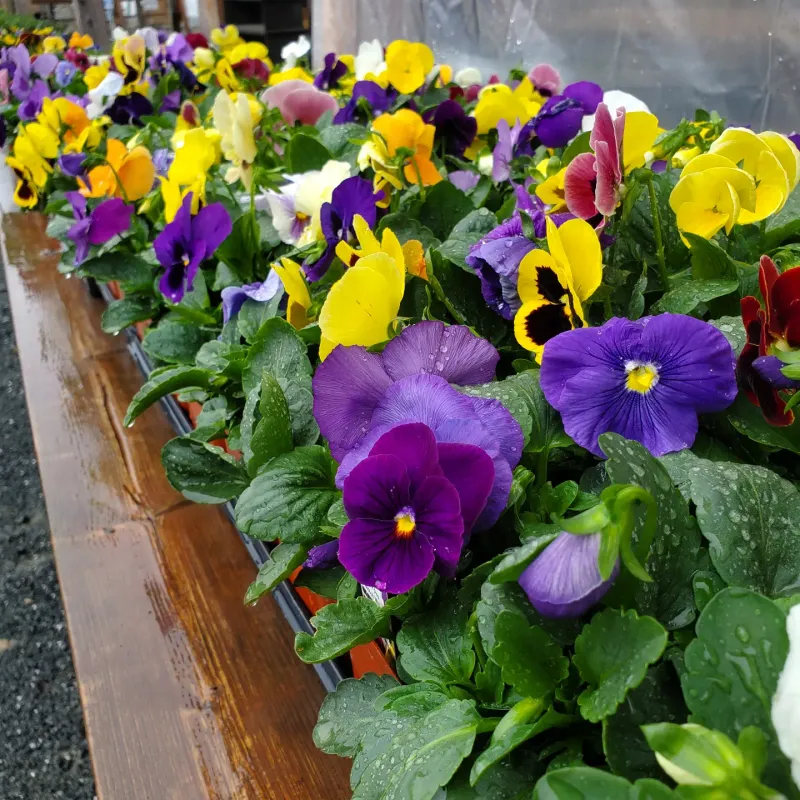
Walk through any Texas garden center in October, and you will spot trays of cheerful little faces smiling back at you.
Those faces belong to pansies. They are one of the most popular cool-season flowers in the Lone Star State, and for good reason.
Pansies give you color fast. You can buy them already blooming, tuck them into the ground, and enjoy a brighter yard the very same afternoon.
No waiting for seeds to sprout. No guessing about what the flowers will look like. What you see at the store is what you get at home.
Homeowners love them for flower beds, window boxes, and pots by the front door. A single flat of pansies can turn a tired, summer-worn bed into something fresh and welcoming. Neighbors notice, and so do guests walking up your driveway.
Did you know? The name pansy comes from the French word pensée, which means thought. People long ago believed the flower looked like a face deep in thought.
In many parts of Texas, pansies can keep blooming from fall all the way into spring. That gives you months of color for a small price. Few other plants offer that much value for your money.
Timing matters, though. Most gardeners plant pansies from October through November, once the worst heat has passed. Planting during this window gives roots time to settle in before winter arrives.
Start small if you are new to gardening. A few pots near your steps are an easy first project. Once you see how quickly they brighten things up, you may find yourself heading back for more.
Why Pansies Handle Texas’s Cooler Season
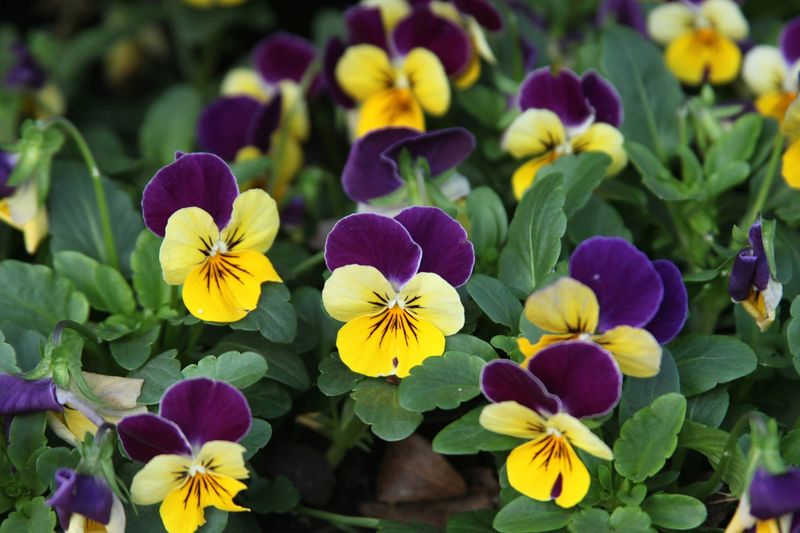
Think of pansies as the sweater-weather friends of the flower world. They are happiest when days are mild and nights are crisp. Blazing summer heat is simply not their style.
Texas summers can push temperatures well past 100 degrees. Pansies planted then would wilt, stretch out, and stop blooming. Fall changes everything.
As temperatures cool into the 40s, 50s, and 60s, pansies wake up and get to work. Their roots grow strong. Their stems stay short and sturdy, and they produce flower after flower.
Soil temperature plays a big role, too. Many experts suggest waiting until the soil cools to around 70 degrees or lower.
Your Texas Garden Changes Every Week. Your Plan Should Too.
Gardening in Texas changes quickly throughout the season. Every Friday you’ll receive a simple weekly plan showing exactly what to plant, prune, fertilize, harvest, and protect so you never miss the right timing.
In North Texas, that often happens in early to mid-October, while South Texas gardeners may wait until November.
Here is another reason fall planting works so well. Plants set in the ground now have weeks to build healthy roots before any cold snaps. Strong roots help them handle chilly nights much better than plants added in the middle of winter.
Pansies are also surprisingly tough. Healthy, established plants can usually handle light frosts and temperatures dipping into the 20s.
The leaves might droop on a frosty morning, but they often perk back up once the sun warms them.
When spring heat returns in April or May, pansies begin to fade. Their stems get long and floppy, and the blooms shrink. That is your signal to swap them out for summer flowers like zinnias or vinca.
So think of pansies as seasonal guests. They arrive when the heat leaves and stay until it comes back. Working with that natural rhythm is the secret to a great display.
Choose Pansy Colors That Stand Out
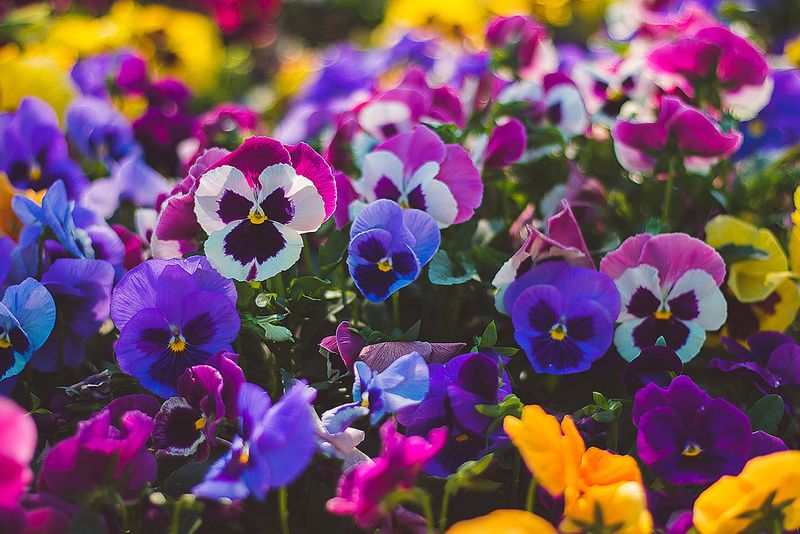
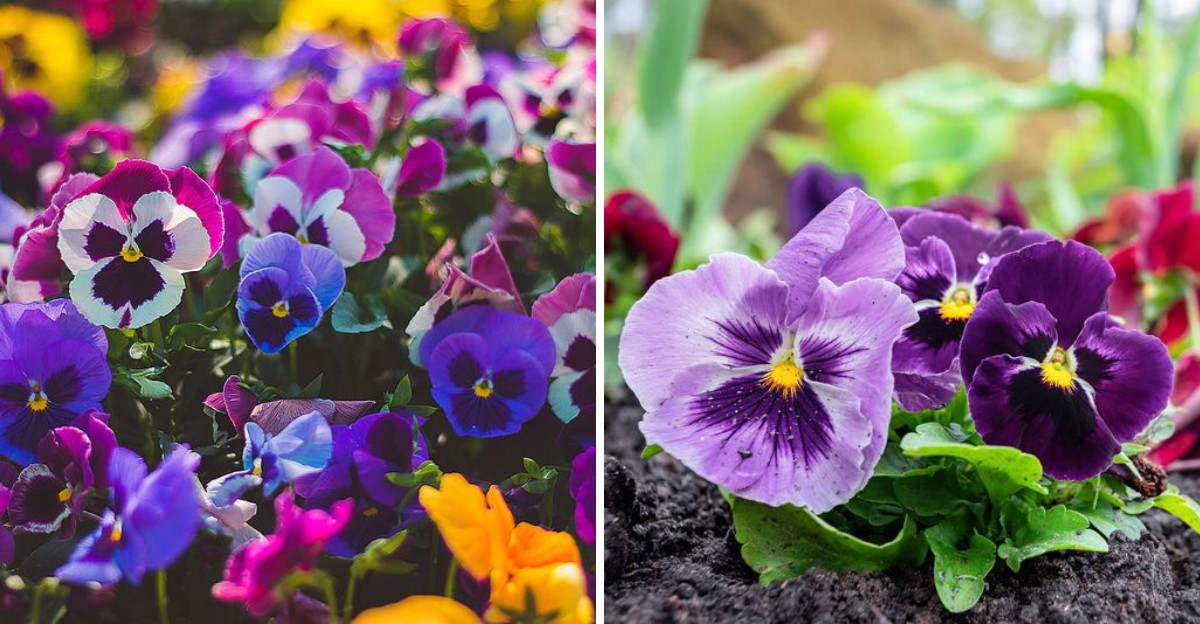
Picking pansy colors can feel like standing in front of a giant box of crayons. There is deep purple, sunny yellow, bright orange, snowy white, soft blue, and even a velvety near-black. Some have bold dark centers called blotches, while others are one clear shade.
So how do you choose? Start by looking at your house. A red brick home pops with yellow or white pansies, while a white or gray house looks stunning with purple and blue.
Next, think about distance. Bright, light colors like yellow, white, and orange are easy to see from the street. Dark purples look rich up close but can fade into the shadows when viewed from far away.
Want a bold look? Try pairing opposite colors, such as purple with yellow or blue with orange. Those combos grab attention and make a flower bed look lively.
Prefer something calm? Stick with shades from the same family. Soft blues, lavenders, and whites create a peaceful, classy feel.
One smart trick is to plant in large groups of one color instead of mixing everything together.
A sweep of twenty yellow pansies makes a bigger impact than twenty different colors scattered around. From the road, big blocks of color read clearly.
Texas pride can play a part, too. Some folks plant maroon and white for their favorite college team, or orange and white for another. It is a fun way to show some spirit while boosting curb appeal.
Before you buy, snap a photo of your front yard. Hold your phone up to the plant trays at the store. That check helps you choose colors you will love all season.
Give Pansies The Right Growing Conditions
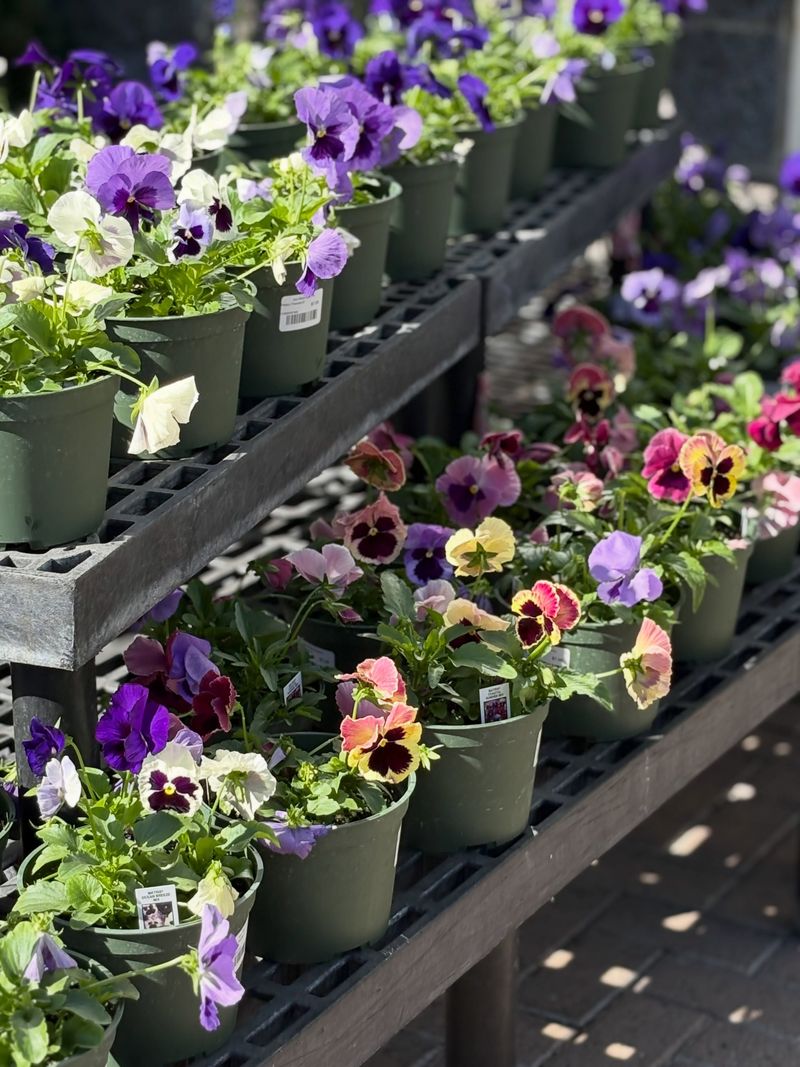
Good news first. Pansies are not fussy, but they do have a few simple needs. Meet those needs, and they will reward you with months of blooms.
Sunlight comes first on the list. Pansies bloom best with at least six hours of sun each day. In Texas, a spot with morning sun and a bit of afternoon shade works nicely, especially during warm spells early in fall.
Soil is next. Pansies hate soggy feet, so pick a spot where water drains well after a rain. Heavy clay is common across much of Texas, so mix in two to three inches of compost before planting.
Raised beds and containers are great options if your soil stays wet. Use a quality potting mix for pots, not plain garden dirt. Potting mix stays light and fluffy, which lets roots breathe.
Watering takes a steady hand. Keep the soil evenly moist but never swampy. Water deeply right after planting, then check the soil every few days by poking a finger an inch down.
If it feels dry, it is time to water. Pots dry out faster than beds, so check them more often. Try to water in the morning so leaves dry before nightfall.
Spacing matters more than people think. Set plants about six to ten inches apart. That gap lets air flow between them, which helps prevent disease and gives each plant room to fill out.
Feeding helps, too. Pansies are hungry bloomers, so mix a slow-release fertilizer into the soil at planting time. A light liquid feeding every few weeks keeps flowers coming strong through the cooler months.
Use Pansies Around Entries And Garden Borders
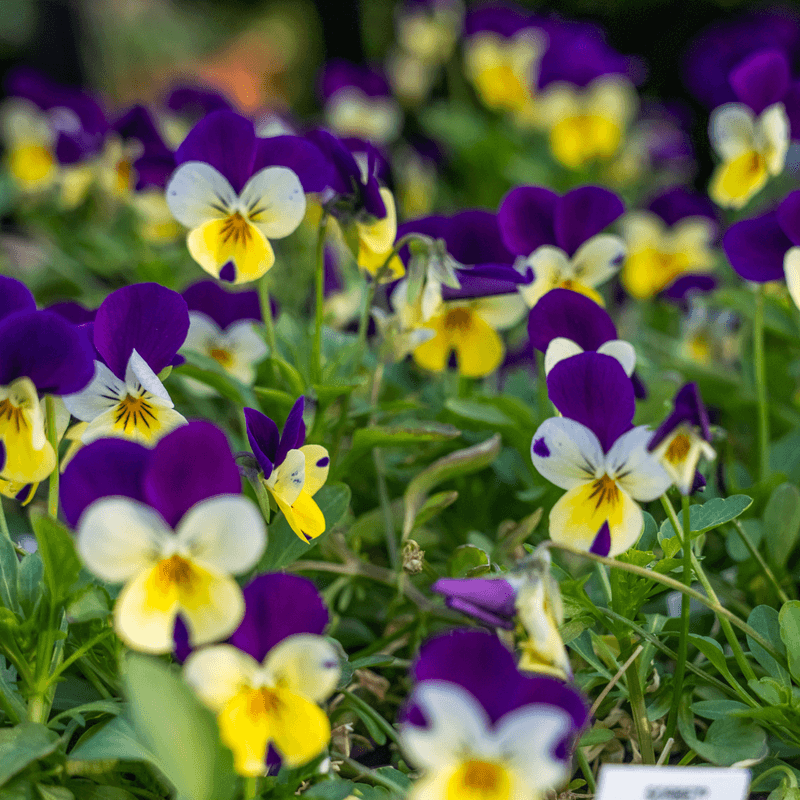
Picture pulling into your driveway after a long day. A row of bright yellow and purple flowers lines the walk to your front door. Suddenly, home feels a little warmer.
That is the power of putting pansies where people look most. The front entry is the heart of curb appeal. Guests see it first, and so do you every single day.
Containers are a quick win. Place a large pot on each side of the door and fill them with pansies. For extra height, add an ornamental cabbage, a small evergreen, or trailing ivy in the center.
Walkways are another great spot. Plant a single line of pansies along both edges of your front path. It guides the eye toward your door and makes the whole yard look neat and cared for.
Flower bed borders work beautifully, too. Tuck pansies along the front edge of beds, in front of taller shrubs. Their low, mounded shape fills gaps and hides bare soil.
Don’t forget the mailbox. A small ring of pansies around the post adds charm right at the street. It is one of the first things drivers and walkers notice.
Window boxes and hanging baskets can also shine with pansies. They bring color up to eye level, which helps a plain wall or porch railing look more inviting.
Choose varieties with a trailing habit, like Cool Wave, for baskets that spill over the edges.
Keep your design simple for the best results. Repeat the same colors in several spots around the yard. That repetition ties everything together and makes your home look polished from the curb.
Keep The Fall Display Looking Fresh
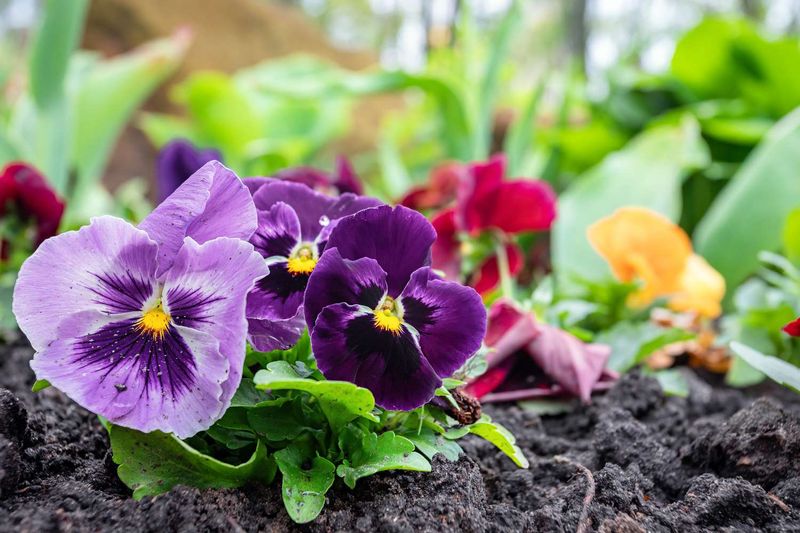
Ever notice how a few brown, wilted blooms can make a whole flower bed look tired? Luckily, keeping pansies fresh takes only a few minutes a week. Think of it as a quick beauty routine for your yard.
Start with deadheading. That just means pinching off faded flowers along with their little stems. Doing so stops the plant from making seeds and pushes it to grow new blooms instead.
Grab a cup of coffee and stroll through your garden every few days. Pinch off anything droopy or brown as you go. It is oddly relaxing, and your pansies will look much better for it.
Moisture is the next key. Fall can bring dry, windy stretches, followed by sudden rain. Check the soil often and water when the top inch feels dry.
A two-inch layer of mulch, such as shredded bark or pine straw, helps a lot. It holds moisture in the soil and keeps roots at a steady temperature. Mulch also keeps weeds from stealing water and food.
Cold snaps are the last thing to watch for. Texas weather can swing wildly, and a hard freeze sometimes rolls in with little warning. Pansies handle light frost, but temperatures in the teens can hurt them.
Before a hard freeze, water your plants well during the day. Moist soil holds heat better than dry soil. Then cover beds with a frost cloth or an old bedsheet in the evening.
Remove the covers the next morning once temperatures climb. Move potted pansies into a garage if needed. With a little attention, your cheerful display can last from fall straight through spring.