Moving A Southern Magnolia In Georgia This Fall Could Be A Costly Mistake
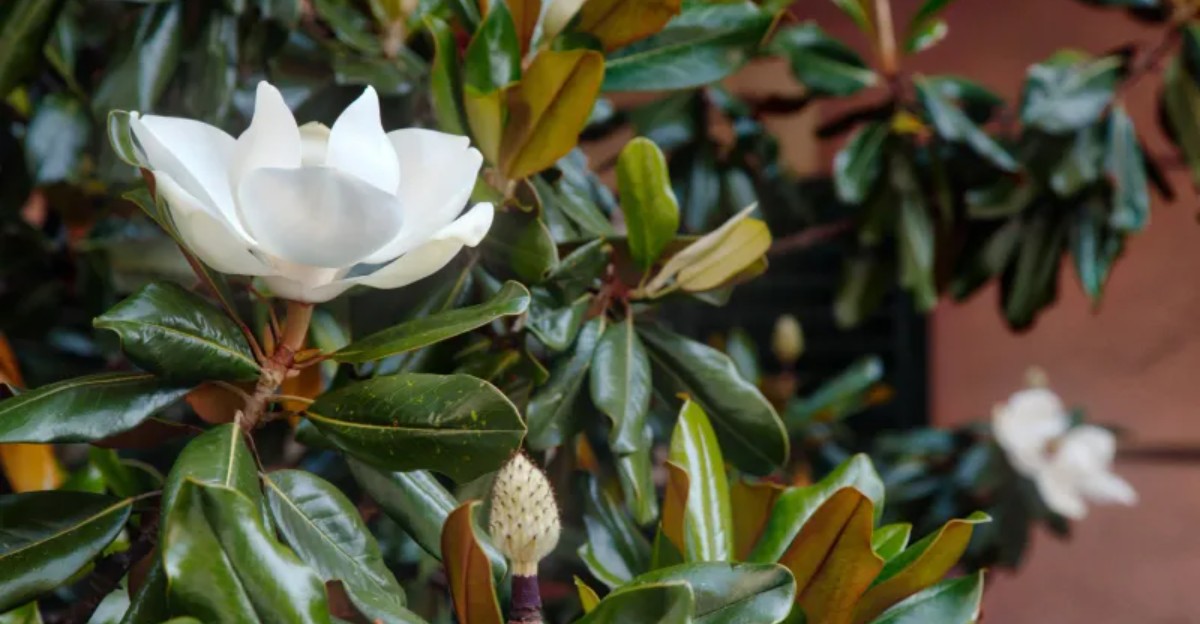
Some of the toughest-looking trees in the South hide roots that are thick, fleshy, and surprisingly easy to bruise. Snap a few of them with a shovel, and the tree may sulk for years.
I find that wild for something so grand.
Fall feels like the perfect moving season here in Georgia. The air cools off, the soil stays warm, and plenty of shrubs settle in happily before winter.
I get the urge too, especially when a big evergreen is crowding the porch.
This particular tree plays by its own rules, though. It keeps its glossy leaves all winter, which means it keeps drinking while its damaged roots struggle to keep up.
The bill can show up in lost blooms, thin branches, or a hefty arborist invoice.
Before you grab that spade, there’s one question worth asking. Does this tree really need a new address?
1. Those Rope-Like Magnolia Roots Hold A Fragile Secret
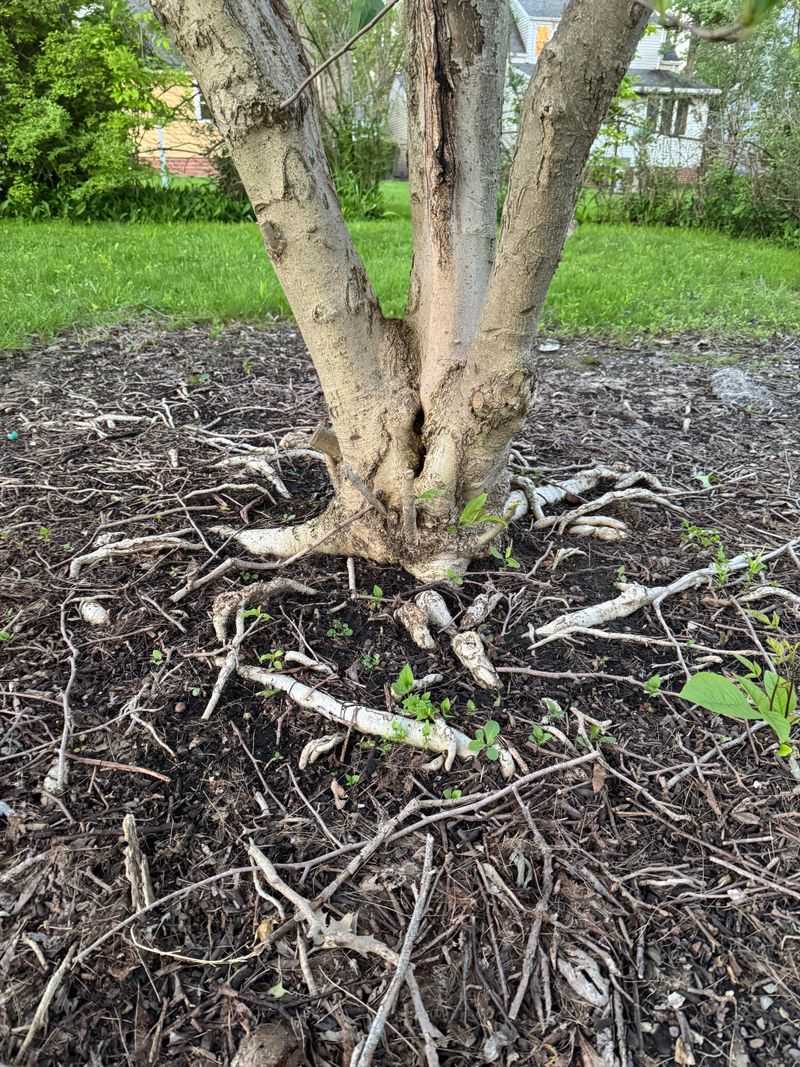
Underneath every glossy Southern Magnolia sits a root system that surprises most gardeners. The roots are thick, fleshy, and a lot like soft rope.
They also have very few fine, branching root hairs compared to many other trees.
That matters a great deal when you start digging. Fleshy roots break and bruise easily, and once they snap, the tree loses much of its ability to pull in water.
The roots also spread wide and stay fairly shallow, so a typical root ball leaves a big share of them behind in the old hole.
Arborists and nursery growers have known this for a long time. Magnolias are often listed among the harder trees to transplant once they are established in the ground.
Nurseries get around the problem by growing them in containers or root-pruning them over time, which builds a tighter, more compact root mass.
Your backyard tree has not had that training. Its roots have spent years wandering freely across your lawn, maybe farther than the branches reach.
I like to tell folks to picture an iceberg, because what you see above ground is only part of the story.
Knowing this one fact changes how you plan everything else.
2. Evergreen Magnolia Leaves Keep Drinking While Fall Roots Struggle
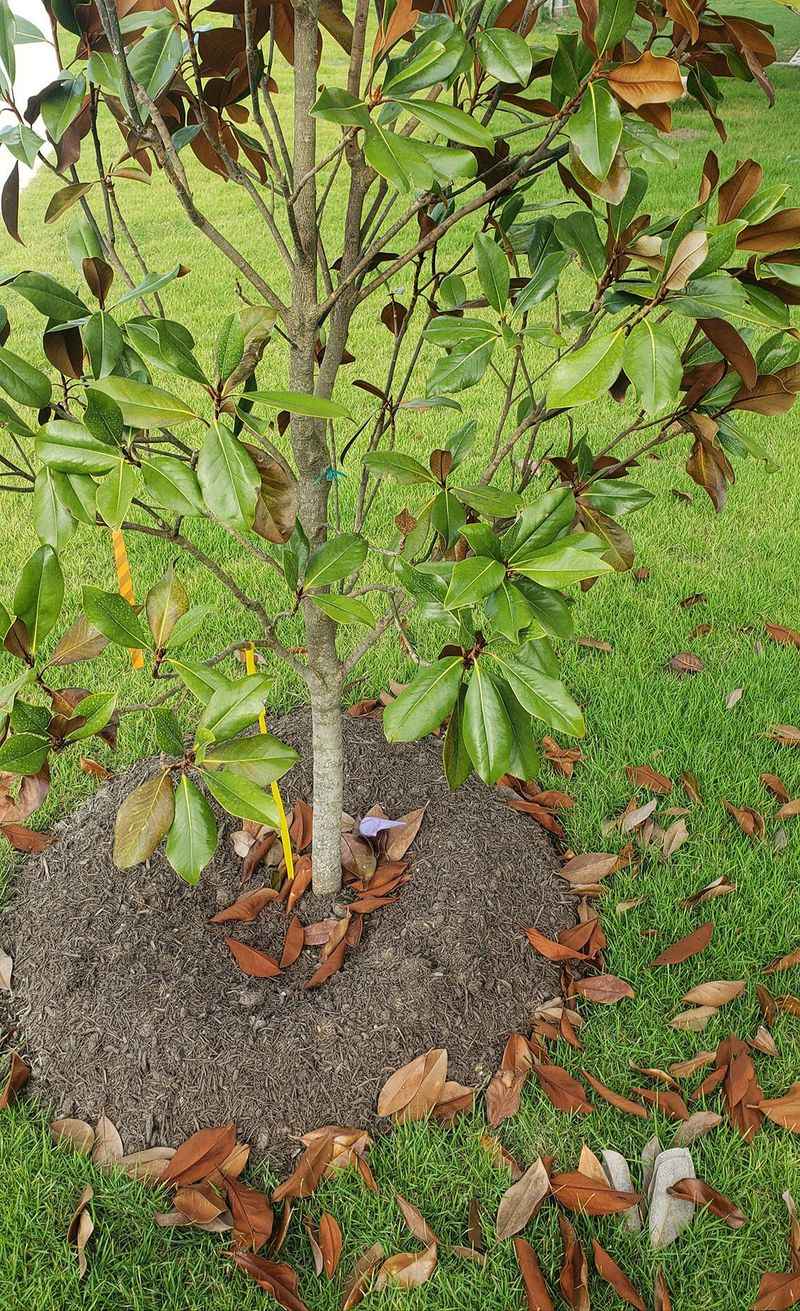
Fall gets plenty of praise as tree planting time across the Southeast, and for many trees it earns it. Warm soil plus cool air helps new roots grow before winter.
Deciduous trees drop their leaves, so they barely need water while they settle in.
A Southern Magnolia retains its evergreen foliage through winter, although older leaves naturally drop throughout the year.
On a sunny, breezy autumn day, its remaining foliage continues losing moisture through transpiration.
Meanwhile, the freshly cut roots can only send up a fraction of the water the canopy wants.
That gap is where trouble starts. Leaves may yellow, brown along the edges, or fall in large numbers.
Then winter brings drying winds and the occasional hard freeze, especially in north Georgia, while the roots are still weak.
University of Georgia Extension notes that balled and burlapped magnolias are commonly planted from late summer into October, yet it also points out that transplant shock is common. Many arborists prefer late winter to early spring for moving an existing magnolia, right before new growth begins.
So the advice that fits your azaleas or oaks does not translate neatly here. Evergreens need a little extra caution.
3. A Freshly Moved Magnolia Tree Often Sulks For Years
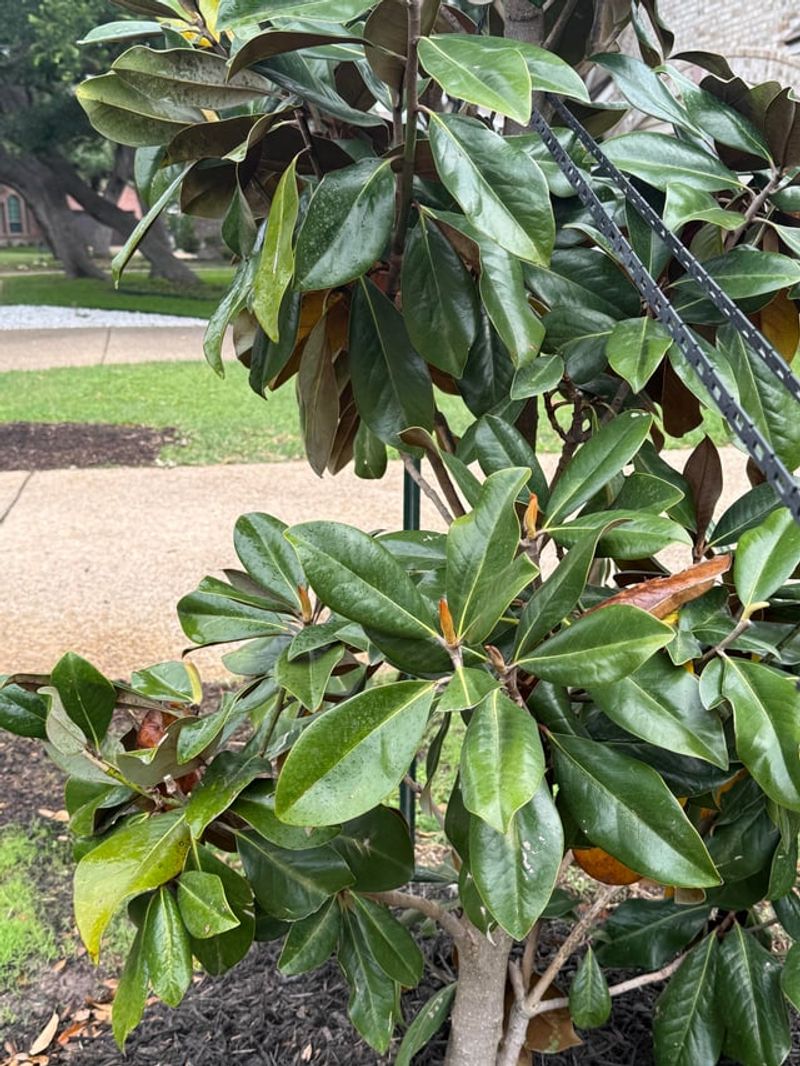
Patience gets tested hard after a magnolia move. Transplant shock happens with nearly any tree, but this species tends to show it in dramatic fashion.
Yellow leaves pile up underneath, and the canopy can look thin and tired.
Many gardeners panic when this happens. Some heavy leaf drop is a normal response, as the tree sheds foliage it cannot support.
The real worry comes when new buds fail to open in spring or branch tips turn brittle.
Recovery is slow. A general guideline among arborists is roughly one year of establishment for every inch of trunk diameter.
A tree with a six-inch trunk might need around six years to fully settle in.
During that stretch, you may see few or no flowers. Those famous creamy blooms take a back seat while the tree puts its energy into rebuilding roots.
Growth on top often stalls too.
I always tell friends to expect a quiet couple of seasons at minimum. Keep notes or photos each spring so you can track progress.
Small signs, like a healthy flush of new leaves, mean the tree is turning the corner, even if the change feels painfully gradual.
4. Smaller Magnolia Trunks And Late Winter Timing Improve Your Odds
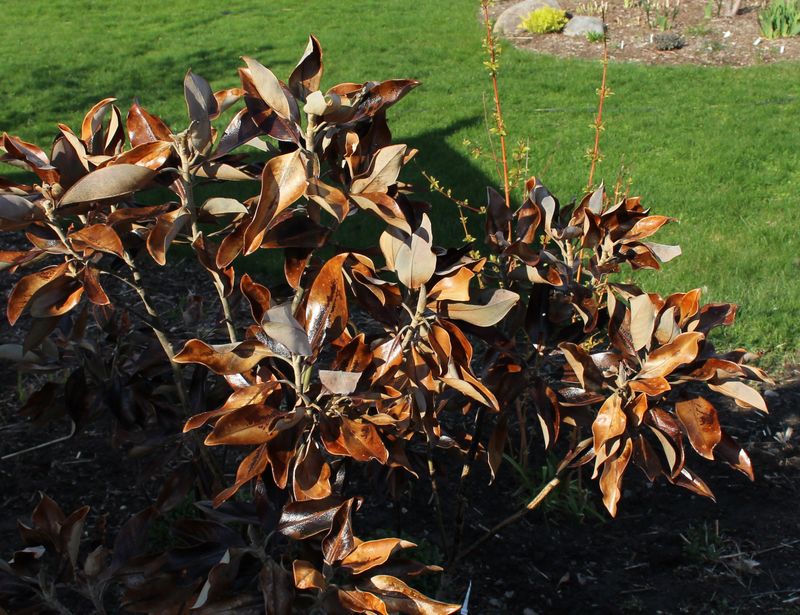
Size changes everything with this tree. A young magnolia with a trunk under about four inches across has a far better shot at bouncing back than a mature giant.
Smaller trees lose less of their root system during a move.
Timing comes next. Late winter into early spring, before new growth pushes out, gives the tree cooler days, steadier moisture, and a full growing season ahead.
In south Georgia, that window opens a bit earlier than in the mountains up north.
Got a little time to plan? Root pruning can help a lot.
Arborists often slice a circle around the tree with a sharp spade several months ahead, which encourages new feeder roots to form inside the future root ball.
Pick the new spot carefully too. Southern Magnolias can reach 60 to 80 feet tall and spread 30 to 40 feet wide.
They want full sun to part shade and moist, well-drained, slightly acidic soil.
Keep them away from foundations, driveways, and patios where those shallow roots and heavy leaf litter could cause headaches. Getting the location right the first time saves you from a second move later.
5. Dig Wide Around The Magnolia Root Ball And Lift With Care
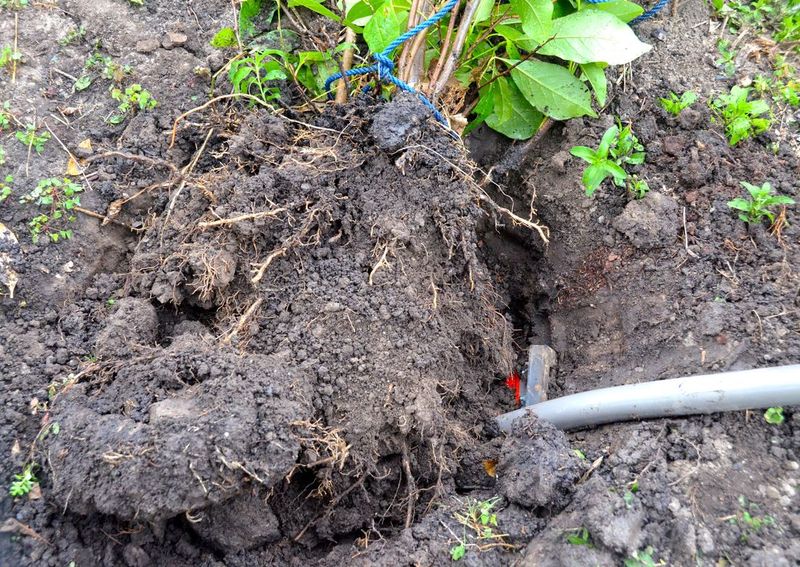
Shovel work makes or breaks a magnolia move. Since the roots run wide and shallow, you want a root ball that is broad rather than deep.
A common nursery rule calls for about 10 to 12 inches of root ball diameter per inch of trunk.
Handle that root ball like a cake fresh from the oven. Lift by the ball itself, never by the trunk, because shifting soil can shear those fleshy roots.
Wrapping it in burlap and twine helps hold everything together.
At the new site, dig the hole two to three times wider than the root ball but no deeper. The root flare, where the trunk widens at the base, should sit at or just above the soil line.
Planting too deep is one of the most common problems arborists see.
Georgia clay holds water, so slightly raising the root ball can help drainage. Backfill with native soil instead of piling in rich amendments.
Water deeply and regularly for the first couple of years, especially through dry spells. Spread two to four inches of pine bark or pine straw mulch, keeping it a few inches back from the trunk.
6. The Price Tag Of A Big Magnolia Move Goes Beyond Dollars
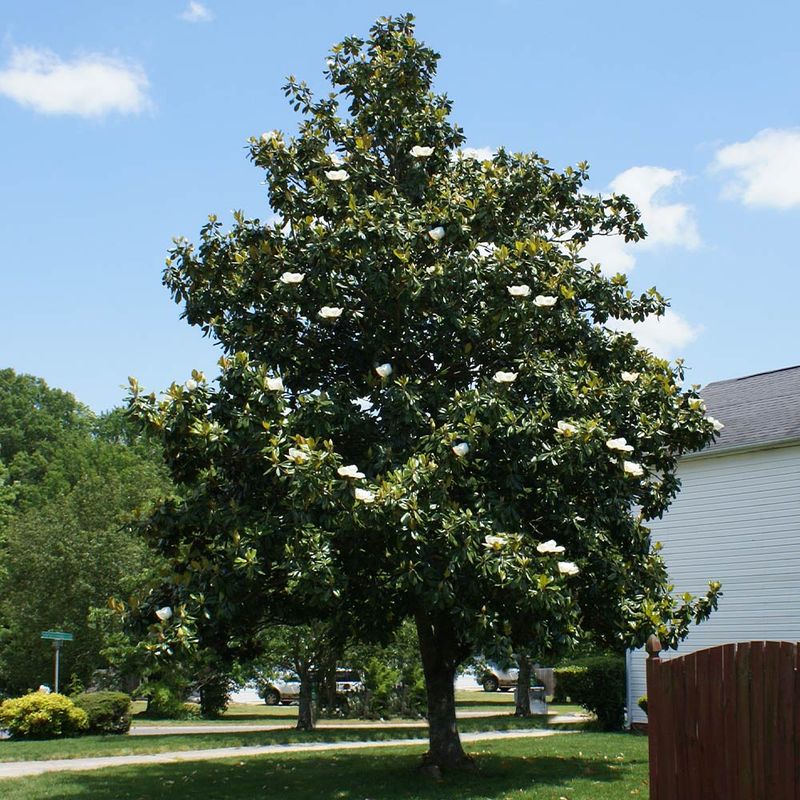
Moving a mature magnolia is no weekend project. Large trees often require a hydraulic tree spade or a crane, plus a trained crew.
Costs for professional relocation can run from several hundred dollars for small trees to many thousands for big specimens.
Prices swing based on trunk size, access to your yard, distance, and how many utility lines sit nearby. Always call 811 before any digging in Georgia, since buried lines can turn a tree job into a dangerous mess.
That free service is required by state law.
Then there are the hidden costs. A struggling tree may need several years of careful watering, mulching, and checkups.
If it fails to recover, you will pay again for removal and replacement.
Think about what you lose in the meantime as well. Shade, privacy, and those lemony flowers in late spring might vanish for a few seasons.
Honestly, that missing beauty stings more than the bill for many of us. A magnolia that took 20 years to grow cannot be rushed back into shape.
Weigh the full picture before signing any contract, and ask for written estimates from more than one company.
7. Sometimes A New Magnolia Sapling Beats Moving The Old Giant
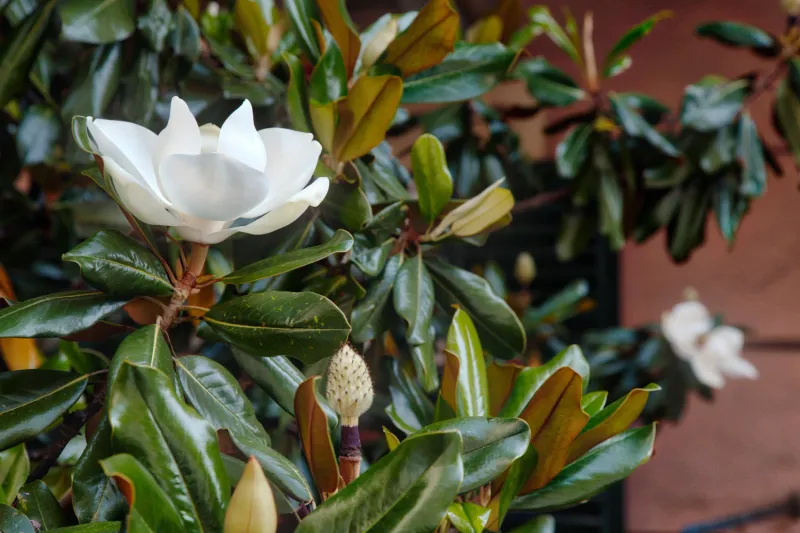
Letting go of a moving plan can feel like giving up, but it is often the smartest call. A large, old magnolia rarely enjoys being uprooted.
Leaving it in place, or working around it, may serve you and the tree far better.
Start with an expert opinion. An ISA certified arborist can check the tree’s health, size, and root spread, then tell you whether a move makes sense.
Many Georgia companies offer on-site assessments for a reasonable fee.
Is the tree simply in the way? Selective pruning of lower limbs can open up space, though magnolias look best with branches sweeping toward the ground.
Shade-tolerant groundcovers or a mulched bed underneath can also solve the bare-lawn problem.
When a move truly must happen, consider buying a fresh container-grown magnolia instead. Young nursery trees establish faster and often catch up surprisingly quickly.
Compact cultivars like Little Gem or Teddy Bear fit smaller yards nicely.
Planting that new tree in late winter gives it the best start. Meanwhile, your old giant might find a happy future right where it already stands.
Sometimes the best gardening move is no move at all.