7 Ways to Keep Arborvitae and Junipers From Splitting Under Ohio Snow
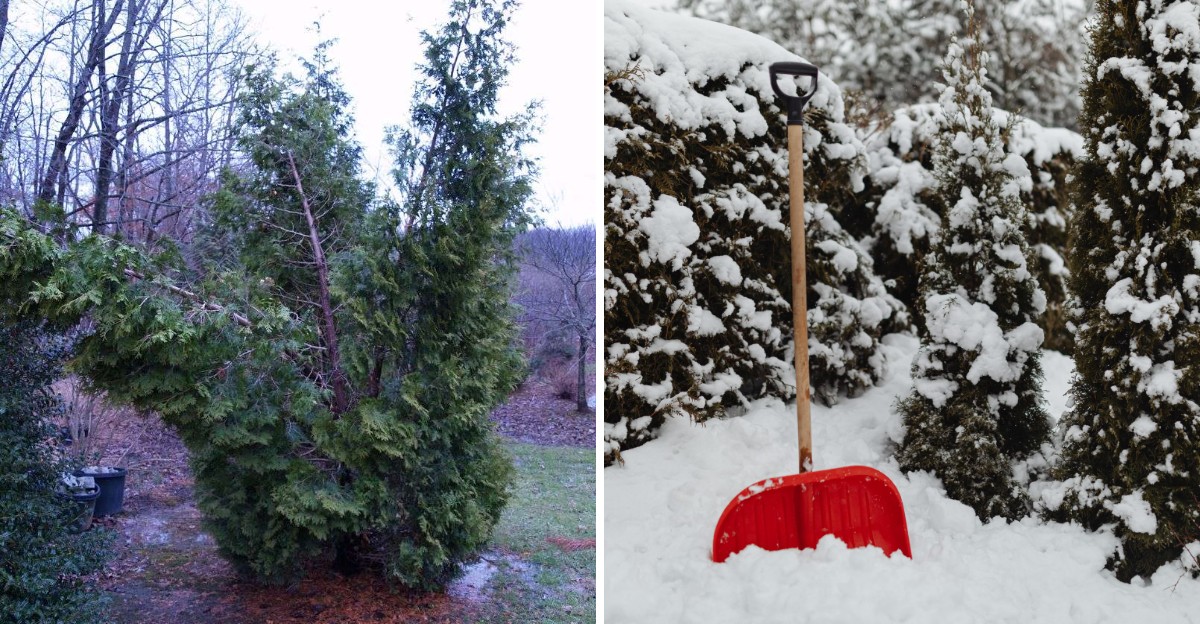
Wet snow clings to flat, scaly evergreen foliage far better than it clings to slick needles or bare twigs. One heavy Ohio storm can leave a tall, upright shrub bent open like a book with a broken spine.
Many upright evergreens grow several stems from one base, and each stem acts like a little snow shelf. Those stems spread apart under the load, and the gap they leave can linger for years afterward.
I have to admit that I once stood at my window and winced as my hedge slowly leaned outward. You might notice the same sad slump in your own yard after a long Ohio winter night.
What surprises me most is how cheap and simple the fixes are once you understand the problem. Want to keep your own hedge from splitting open like that broken book this winter?
1. Wrap Columnar Arborvitae With Soft Twine Before Snow Flies
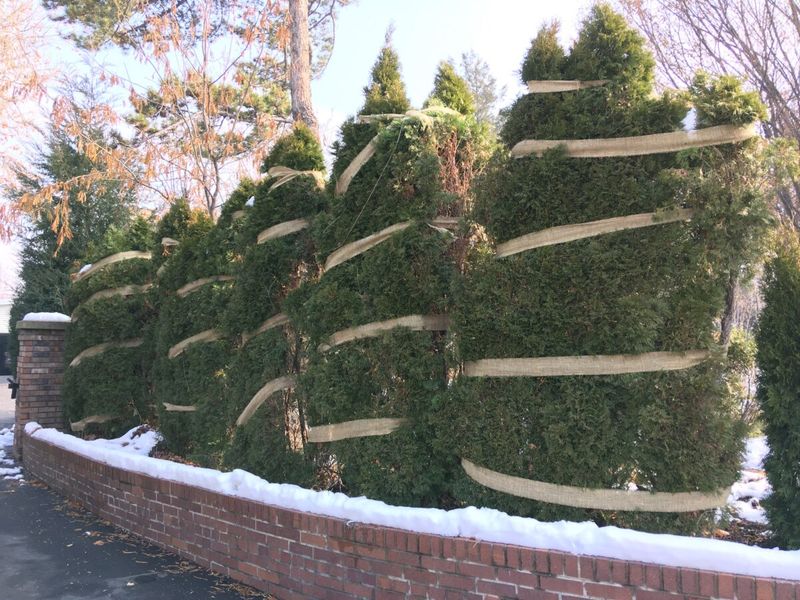
Tall ‘Emerald Green’ arborvitae look like neat green candles until a wet storm pries their stems apart overnight. I love how a few loops of soft twine can stop that mess before it has a chance to start.
Late fall works best, after the shrub has hardened off but before the first heavy snow arrives. Tie a loose knot to the trunk near the bottom, then spiral the twine upward around the outside.
Keep the wraps snug enough to hold stems together but loose enough that the foliage is not crushed. Soft jute twine or strips of old nylon stockings protect the bark much better than thin wire does.
Some gardeners prefer a sleeve of plastic bird netting pulled over the whole plant like a stretchy sock. It holds the shape nicely and still lets light and air reach the scaly leaves all winter.
Upright junipers such as ‘Skyrocket’ benefit from the same treatment, since their many stems splay in similar ways. Spreading junipers rarely need wrapping, so save your twine for the tall, narrow shapes in your yard.
Personally, I set a phone reminder for early spring so the ties come off before new growth starts. Forgotten twine can girdle stems as they thicken, which causes far more harm than any snowstorm would.
A quick wrap takes about ten minutes per shrub, and the payoff lasts through every storm that follows. You will thank yourself in March when your hedge still stands straight and tidy along the driveway.
2. Sweep Snow Off Evergreen Branches With an Upward Broom Motion
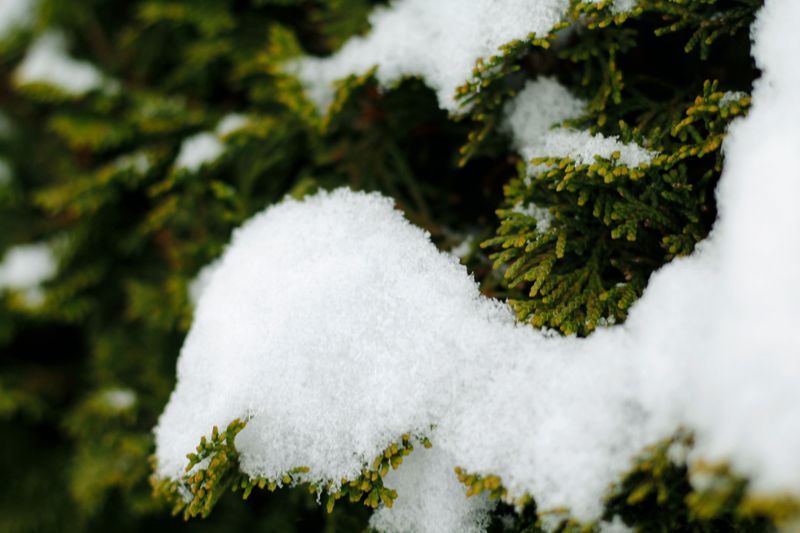
Fluffy snow looks harmless, yet a single foot of wet slush can bend a young arborvitae nearly to the ground. I keep a soft kitchen broom by the back door all winter just for these rescue missions.
Head outside while the snow is still fresh and loose, before it has time to freeze into a crust. Push the broom gently upward from underneath each branch, lifting the load instead of pressing it down.
Avoid shaking the whole plant or whacking branches from above, since cold wood snaps more easily than summer wood. Frozen stems turn surprisingly brittle, so slow and patient strokes work far better than quick jerks.
Ice is a different story, and extension experts suggest leaving glazed branches alone until the ice melts. Trying to chip or knock ice loose often tears off foliage and breaks the very stems you want to save.
Pay special attention to the top center of the shrub, where snow piles deepest and stems pull apart first. A step stool helps with taller plants, but keep your footing steady on slick winter ground.
Junipers with wide, flat tops collect snow like a tabletop, so give them a quick sweep too. Older juniper stems can crack under deep drifts, and a split there rarely heals into a pretty shape again.
Honestly, I enjoy these chilly sweeps, because the yard looks magical and the shrubs seem grateful afterward. Ten minutes with a broom after each storm can save years of waiting for a lopsided shrub to recover.
3. Keep Roof Slides and Shoveled Snow Away From Foundation Shrubs
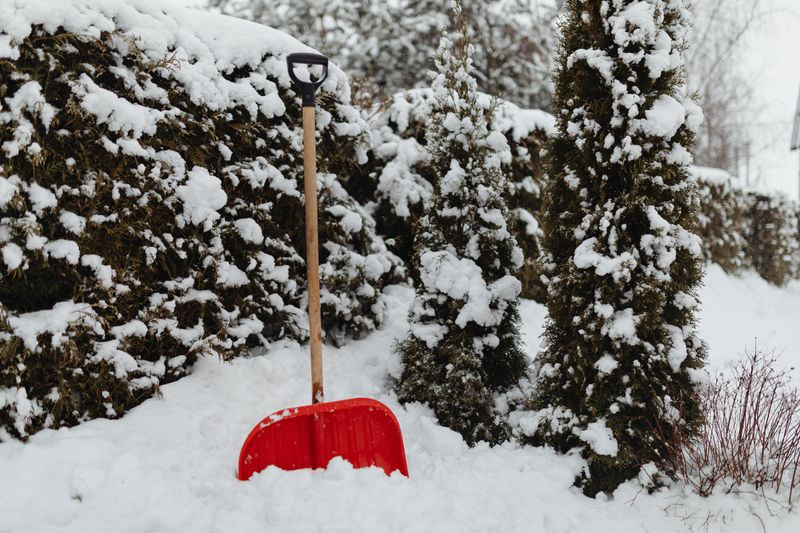
Roof avalanches are the sneaky villains of winter, dumping hundreds of pounds onto shrubs in a single whoosh. I learned this the hard way when sliding snow flattened a juniper beneath my kitchen eaves.
Take a slow walk around your house and look for evergreens planted directly under the drip line. Any shrub sitting below a steep metal roof faces extra risk, since snow slides off those surfaces quickly.
A simple wooden A-frame shelter over the plant can deflect falling snow like a tiny tent. Build it from scrap boards or plywood, and make sure it does not touch the foliage underneath.
Shoveling deserves attention too, because tossing driveway snow onto shrubs adds weight they were not built to carry. Pick a spot on the open lawn for your snow pile, well away from beds and hedges.
Plow piles near the street often carry road salt, which can brown the foliage of many evergreens over time. Arborvitae are fairly sensitive to salt spray, so curbside plantings may struggle even when their stems hold together.
Burlap screens set a foot or so from the plant help block salty spray from passing plows. Drive wooden stakes into the soil in fall and staple the fabric on before the ground freezes hard.
Planning ahead also matters, so give future evergreens a spot at least a few feet beyond the eaves. Your shrubs will grow happier there, and you will spend far less time digging them out each winter.
4. Choose Single Leader Arborvitae Varieties That Shrug Off Snow
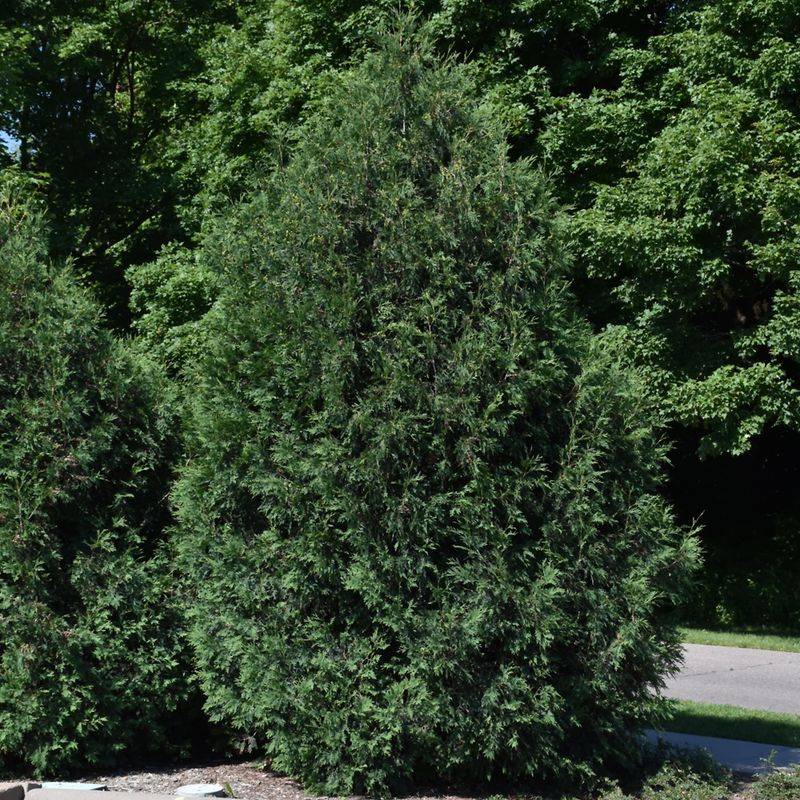
Plant tags rarely mention snow, yet the number of main stems inside an evergreen shapes its whole winter story. Shrubs with one strong central trunk tend to shed snow far better than bushy, multi-stemmed types.
Before buying, gently part the foliage at the nursery and peek inside to count the main stems. One sturdy leader is ideal, while three or four skinny competing tops signal future splitting trouble.
‘Techny’ arborvitae, sometimes sold as ‘Mission’, has a broad pyramid shape and holds up well in cold northern winters. I like how its dense, dark foliage stays green through cold snaps that bronze other types.
‘Green Giant’, a hybrid arborvitae, grows quickly with a strong central leader and suits USDA zones 5 through 7. That range fits most of Ohio, though it needs plenty of room since it can reach fifty feet tall.
Popular ‘Emerald Green’ often develops several leaders, which explains why it splays so commonly after heavy storms. You can still grow it happily, but plan on wrapping it each fall for extra support.
For junipers, native eastern redcedar, Juniperus virginiana, grows wild across Ohio and copes well with winter weather. Narrow cultivars such as ‘Taylor’ offer a slim column shape for gardeners with tight planting spaces.
Choosing wisely at the nursery saves many winter evenings spent worrying at the window with a flashlight. I believe the best snow defense often starts with the plant you bring home in spring.
5. Prune Young Evergreens To One Strong Central Leader
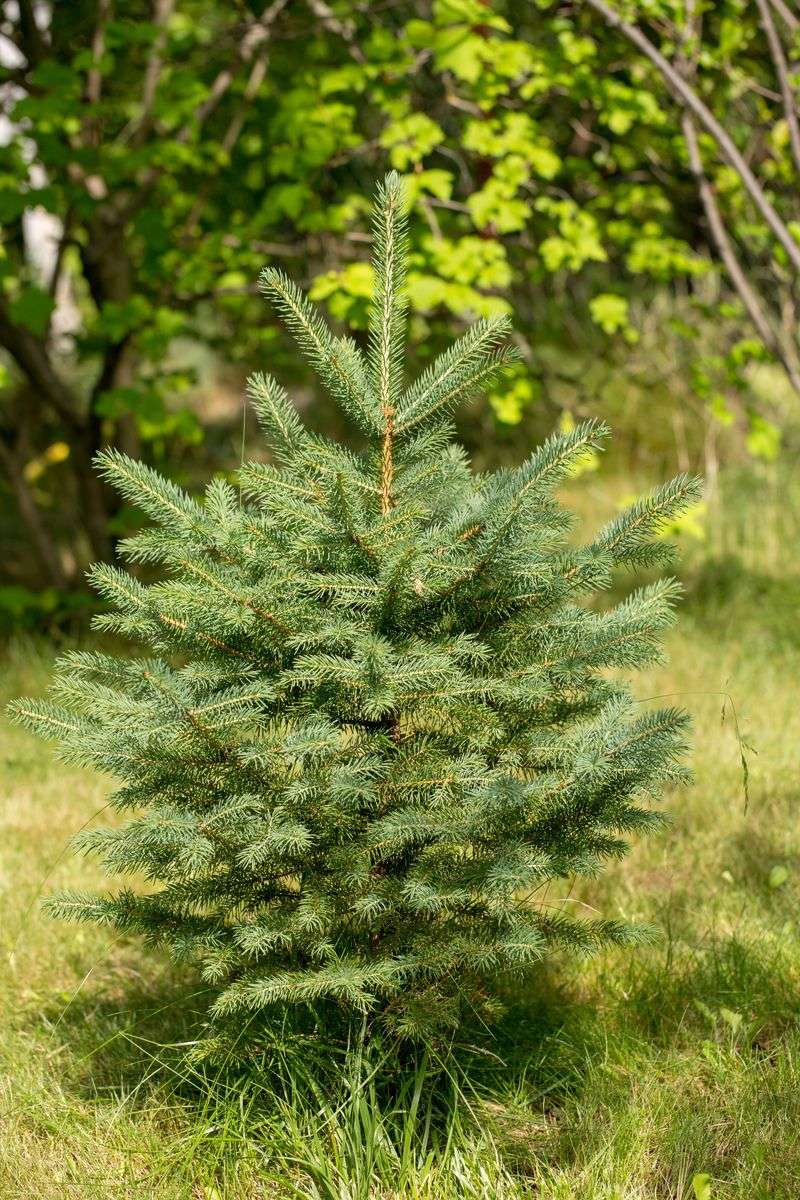
Twin tops look charming on a young arborvitae, but they hide a weak seam right where the stems meet. Arborists call this narrow joint a weak crotch, and snow loves to pry it wide open.
Training a young plant to one main leader early on builds a frame that sheds weight much more easily. Choose the straightest, strongest top and remove the competing one with a clean cut near its base.
Timing matters, and late winter or early spring is the best window for most structural pruning. Skip heavy cuts in late summer or fall, since new growth may not harden before freezing weather arrives.
One golden rule applies here, because arborvitae and junipers rarely sprout new growth from old, bare wood. Cut back into the brown interior zone and that spot will likely stay brown and empty for good.
Light shearing of green tips helps the plant grow denser, so the outer shell holds together nicely. Shape hedges slightly narrower at the top than the bottom, which lets snow slide off more easily.
Flat-topped hedges act like serving trays for snow, and I have seen many sag in the center. A gentle taper costs nothing extra and adds real strength when heavy flakes pile up overnight.
Clean, sharp bypass pruners make tidy cuts that seal faster than ragged tears from dull blades. I wipe my blades clean between plants, a small habit that helps reduce the spread of disease.
6. Water Deeply And Mulch Evergreen Roots Before The Ground Freezes
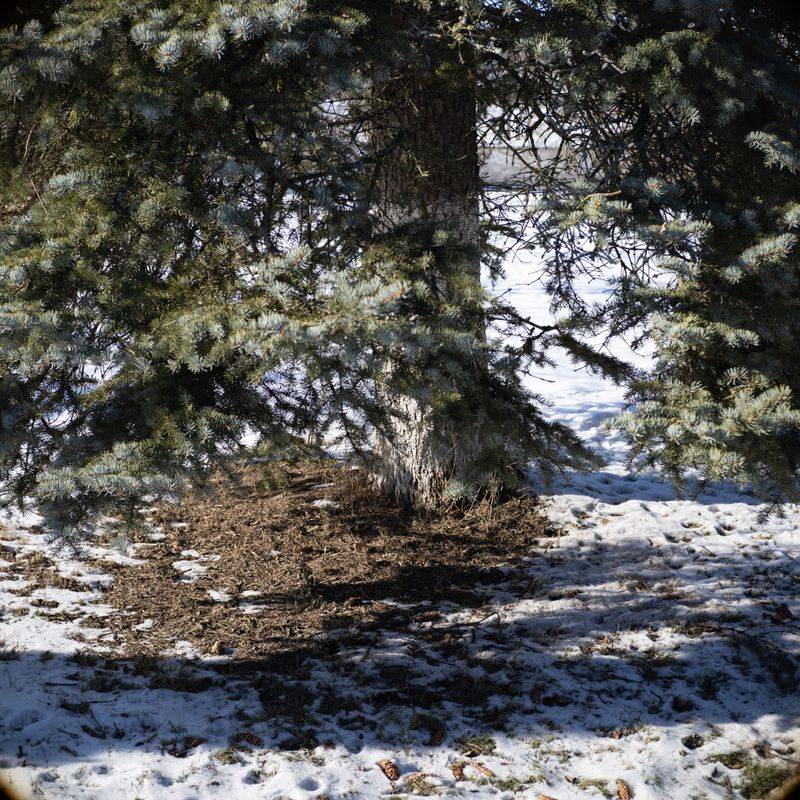
Evergreens keep losing moisture through their leaves all winter, even while frozen soil locks water away from the roots. A thirsty shrub enters the cold season stressed, and winter burn often follows when that stress builds.
Healthy, well-watered plants simply bounce back faster from any winter injury, including bent or cracked stems. I think of fall watering as packing a lunch for my shrubs before their long winter nap.
Keep soaking the root zone during dry autumn spells until the ground freezes, often in late November or December. A slow trickle from a hose for about thirty minutes reaches deeper than a quick sprinkle ever could.
New plantings deserve extra care, since their small root balls dry out much faster than established shrubs. Check the soil with your finger, and water again whenever the top two inches feel dry.
Next comes the mulch, which acts like a cozy blanket that keeps soil temperatures steady through freeze and thaw. Spread two to three inches of shredded bark or wood chips across the root zone in fall.
Pull the mulch back a few inches from the trunk, so moisture does not sit against the bark. Those tall mulch volcanoes you see around town invite rot and give rodents a sheltered place to chew.
Ohio winters swing wildly between thaws and deep freezes, so steady roots give your shrubs a real advantage. Watering and mulching take one afternoon, and your evergreens will carry that care right into spring.
7. Gently Tie Split Arborvitae Back Together After A Storm
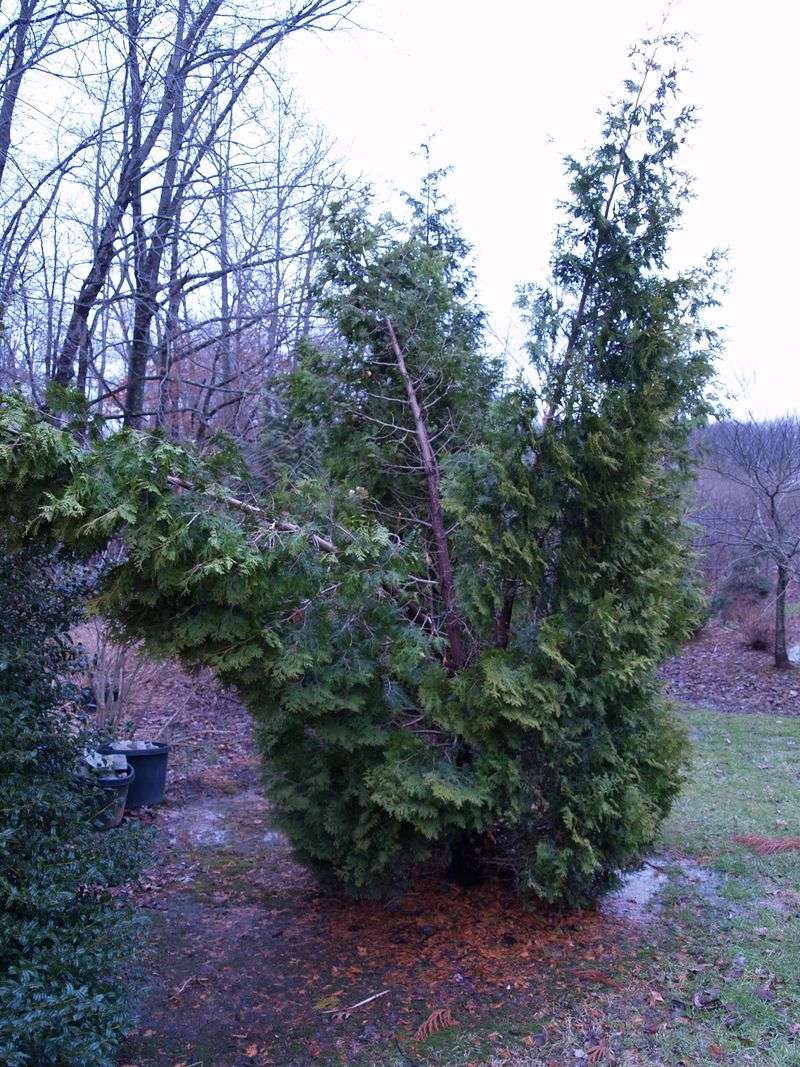
Waking up to a splayed arborvitae feels awful, but many split shrubs recover better than you would expect. Bent stems that are not cracked often spring back on their own once the snow melts away.
Give the plant a few days of milder weather before deciding anything, because frozen wood needs time to relax. Rushing to yank stems upright in subzero cold can turn a simple bend into a real break.
Once stems are flexible again, gather the leaning sections and pull them gently back toward the center. Secure them with soft tree straps or wide fabric strips tied loosely around the outer foliage.
Hidden ties placed inside the canopy, about two thirds of the way up, work nicely on larger plants. The foliage fills in around them, so your repair stays nearly invisible from the sidewalk and street.
Leave these supports in place for about a year, checking them every few months for rubbing or tightness. Stems often stiffen in their new position over one growing season, and then the ties can come off.
Cracked or torn stems are another matter, and a clean pruning cut is usually the kindest choice. Remove the damaged piece back to a healthy branch, and expect the gap to fill slowly over seasons.
Nursing a battered shrub back into shape feels oddly rewarding when the next summer rolls around. Hold off on fertilizer until spring, since a late feeding can push tender growth that cold weather damages.