The September Hydrangea Mistake That Can Leave Virginia Gardens With Fewer Blooms
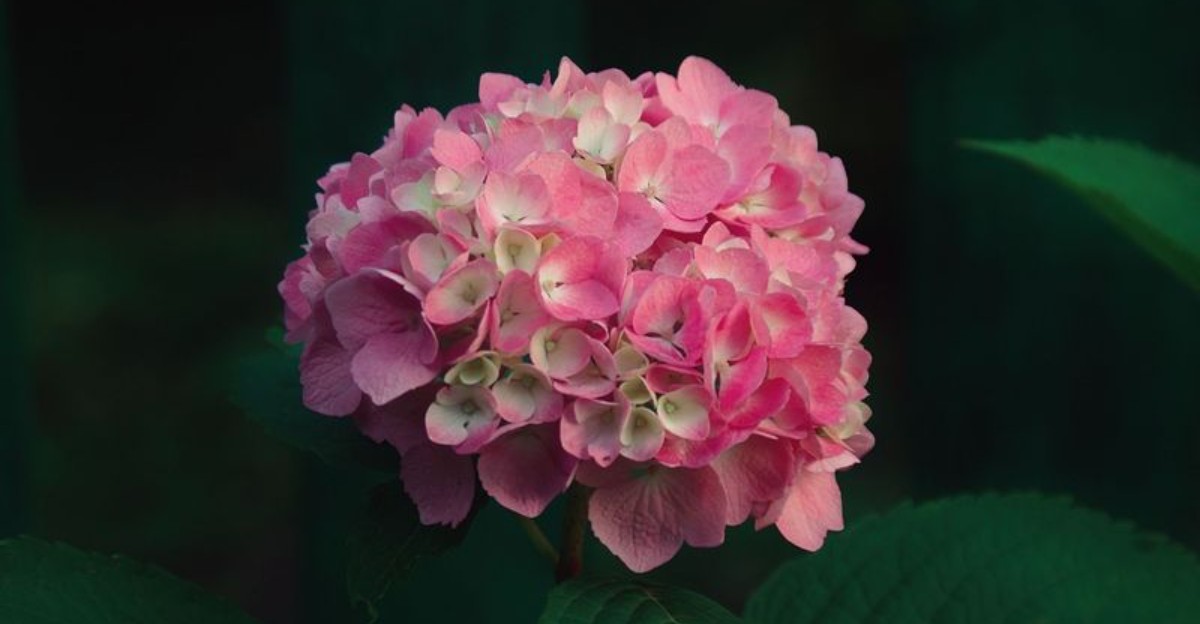
September in Virginia can make the garden feel ready for cleanup. Hydrangea blooms fade, leaves look tired, and the pruners start calling your name.
But cutting everything back now can create a problem later. Some hydrangeas already hold next season’s flower buds on their stems.
A quick fall trim can remove those hidden buds. You may end up with lots of green leaves and very few blooms.
The tricky part is that every hydrangea follows a different schedule. So, the key is knowing what type grows in your yard.
Once you understand when your hydrangea forms flowers, fall care gets much easier. You can protect future blooms and avoid cuts that work against the plant.
Hold Off On Fall Cuts For Bigleaf Hydrangeas
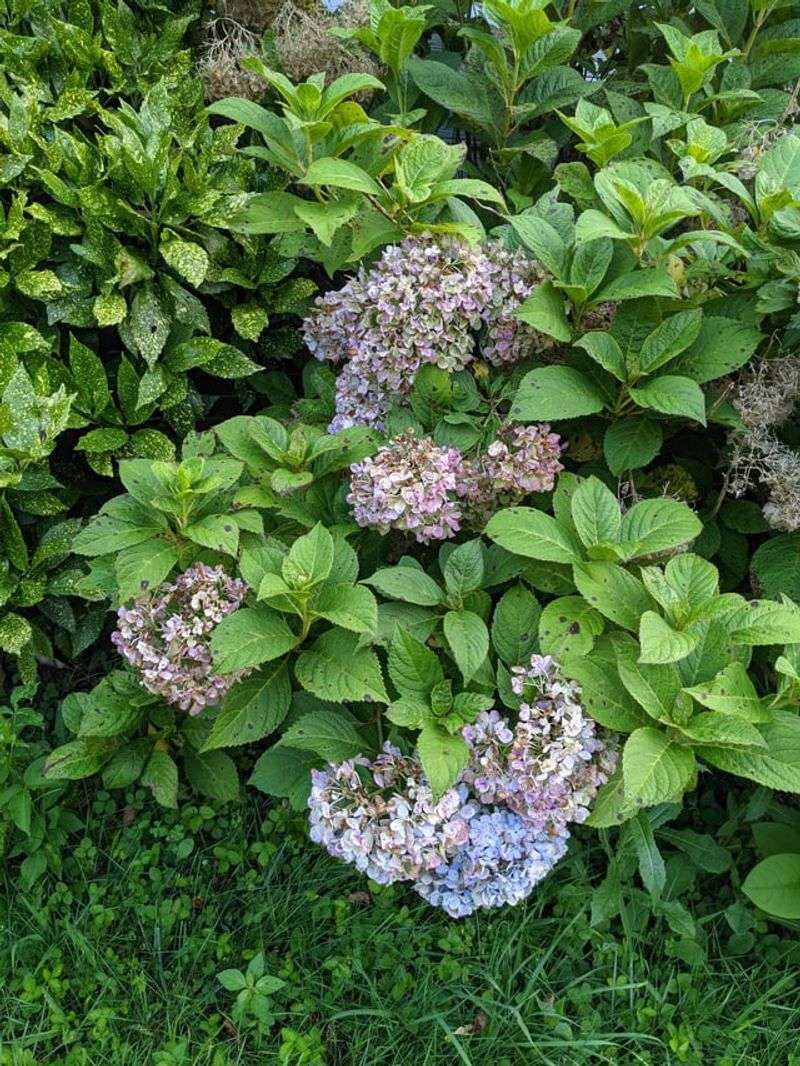
Those big blue mopheads that make front yards look like postcards have a secret schedule. Bigleaf hydrangeas, known botanically as Hydrangea macrophylla, set their flower buds on old wood, with next year’s blooms forming before the following growing season.
What that means in plain terms is simple. By the time September rolls around, next year’s flowers already exist as small, quiet buds tucked along the existing stems.
Reach in with pruners now, and those buds go into the yard waste bag. The shrub will still leaf out beautifully next spring, but you may count very few flowers, which leaves many gardeners puzzled and frustrated.
The better window for major pruning is usually soon after flowering, before new flower buds develop. Trimming then gives the plant plenty of weeks to build fresh buds before cool weather settles in.
If the shrub looks messy in fall, try a different approach. Rake away fallen leaves, add a few inches of mulch around the base, and let the dried flower heads stand through winter.
Frost on old bigleaf blooms is honestly one of the prettier sights in a garden. Some folks cut a handful for indoor arrangements, which is fine since you are only taking the flower head itself.
Patience pays here. Skipping the September haircut is the cheapest way to guarantee a strong show of color next June.
Protect Oakleaf Hydrangea Stems Before Winter Arrives
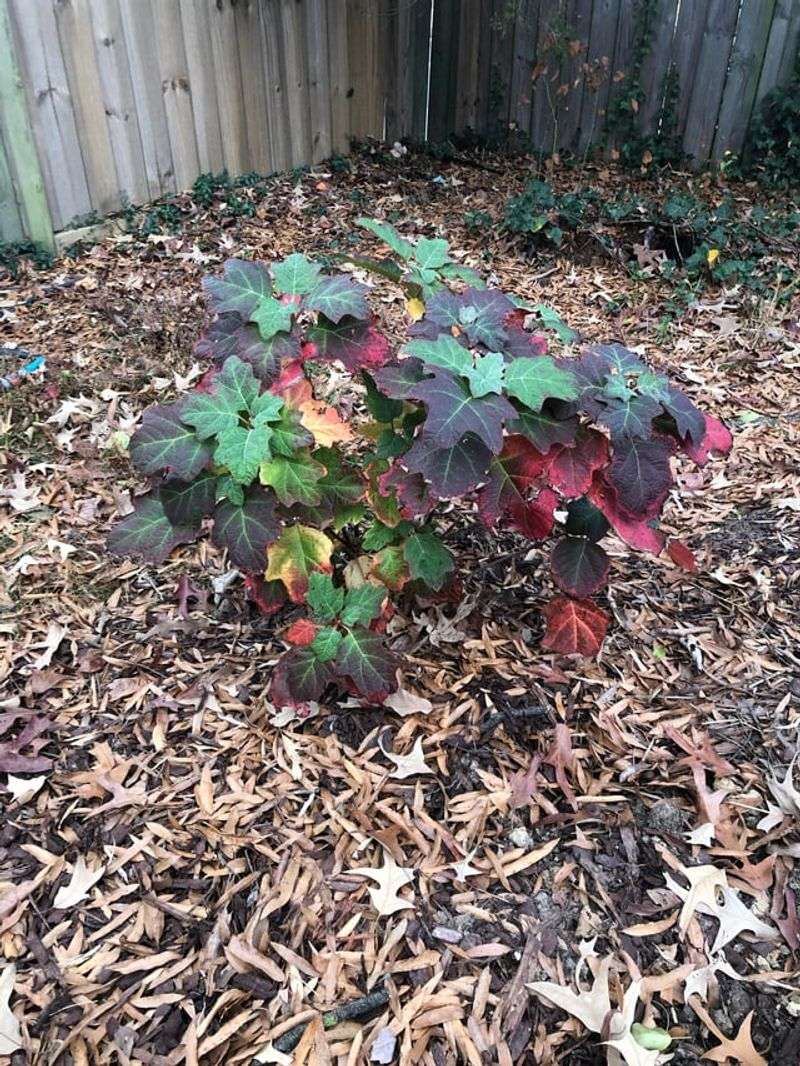
Oakleaf hydrangeas earn their keep twice a year: creamy cone-shaped flowers in summer, then leaves that turn wine red and bronze in fall. Hydrangea quercifolia is a native charmer, and it asks for very little from you.
Like bigleaf types, it blooms on old wood. The older stems standing in your garden now carry the buds that can open next season.
Heavy fall pruning strips those buds away. In Virginia, where autumn color on oakleaf foliage is a real treat, cutting the shrub back also robs you of the show.
Any shaping this plant truly needs should happen soon after flowering finishes, usually around June or July. Even then, go light and follow the shrub’s natural, open branching habit rather than forcing a round shape.
Leaving the dried flower cones on through winter has a practical side too. Those spent heads shield the tender stem tips from harsh wind and sudden temperature swings.
Your Virginia Garden Changes Every Week. Your Plan Should Too.
Gardening in Virginia changes quickly throughout the season. Every Friday you’ll receive a simple weekly plan showing exactly what to plant, prune, fertilize, harvest, and protect so you never miss the right timing.
Here is a fun bit of history: oakleaf hydrangea is native to the southeastern United States, so it feels right at home in a woodland border.
Give it good drainage, some afternoon shade, and a layer of shredded leaf mulch, and it mostly takes care of itself. Fewer cuts, more flowers, and a shrub that looks genuinely wild in the best way possible.
Identify Your Hydrangea Before Making Any Pruning Moves
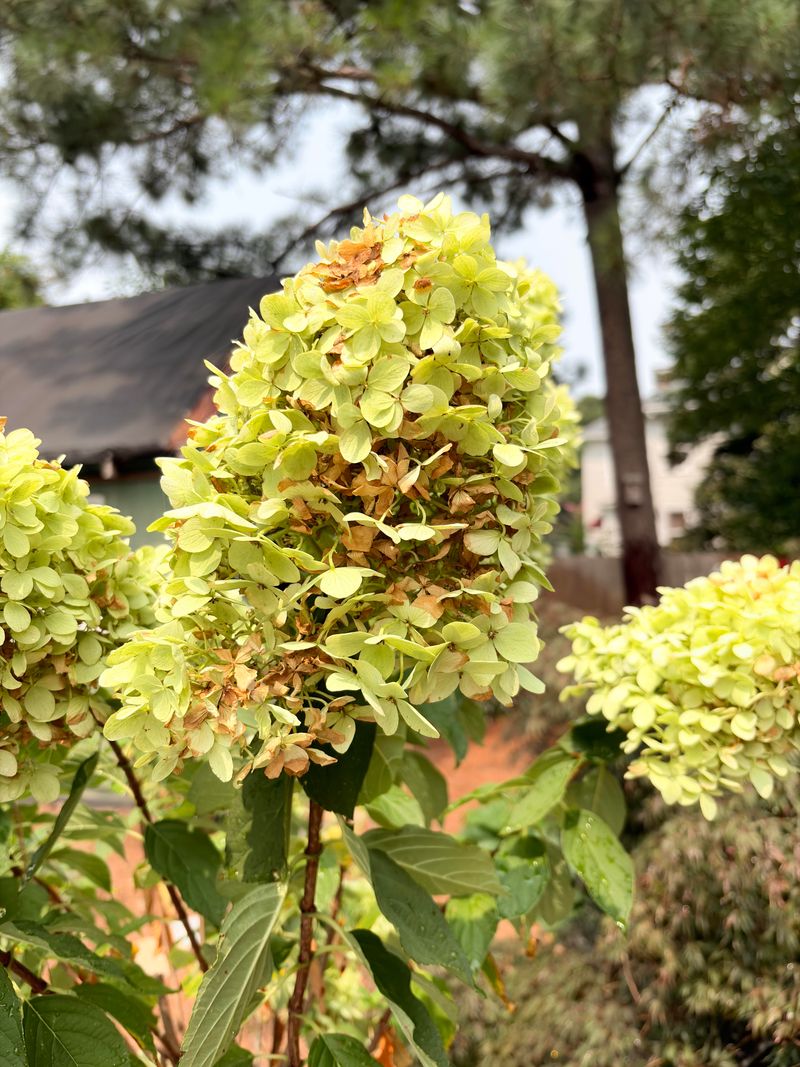
Every good pruning decision starts with one question: what kind of hydrangea is actually growing there? Guessing is how gardens lose a whole season of flowers.
Look first at the bloom shape. Rounded mopheads and flat lacecaps point to bigleaf types, tall cones suggest panicle or oakleaf, and big globe-shaped white clusters usually mean smooth hydrangea.
Leaves give away plenty as well. Oak-like lobed leaves belong to oakleaf hydrangeas, while glossy, thick, coarsely toothed leaves are classic bigleaf.
Color offers another strong clue. If your shrub bloomed blue or pink, you almost certainly have a bigleaf variety, since soil pH shifts those colors and other species stay white or green.
Timing matters too. Shrubs that flower in early summer generally bloom on old wood, and those that wait until mid or late summer usually bloom on new growth.
Snap a few photos during peak bloom and save them in a folder on your phone. Come fall, when everything looks brown and similar, those pictures settle the debate instantly.
Plant tags are worth keeping as well. Tuck them in a jar in the garage or write the name on a wooden stake pushed into the soil beside each shrub.
Five minutes of detective work now protects years of flowers later. Identification really is the whole ballgame.
Save Next Season’s Buds By Timing Cuts Carefully
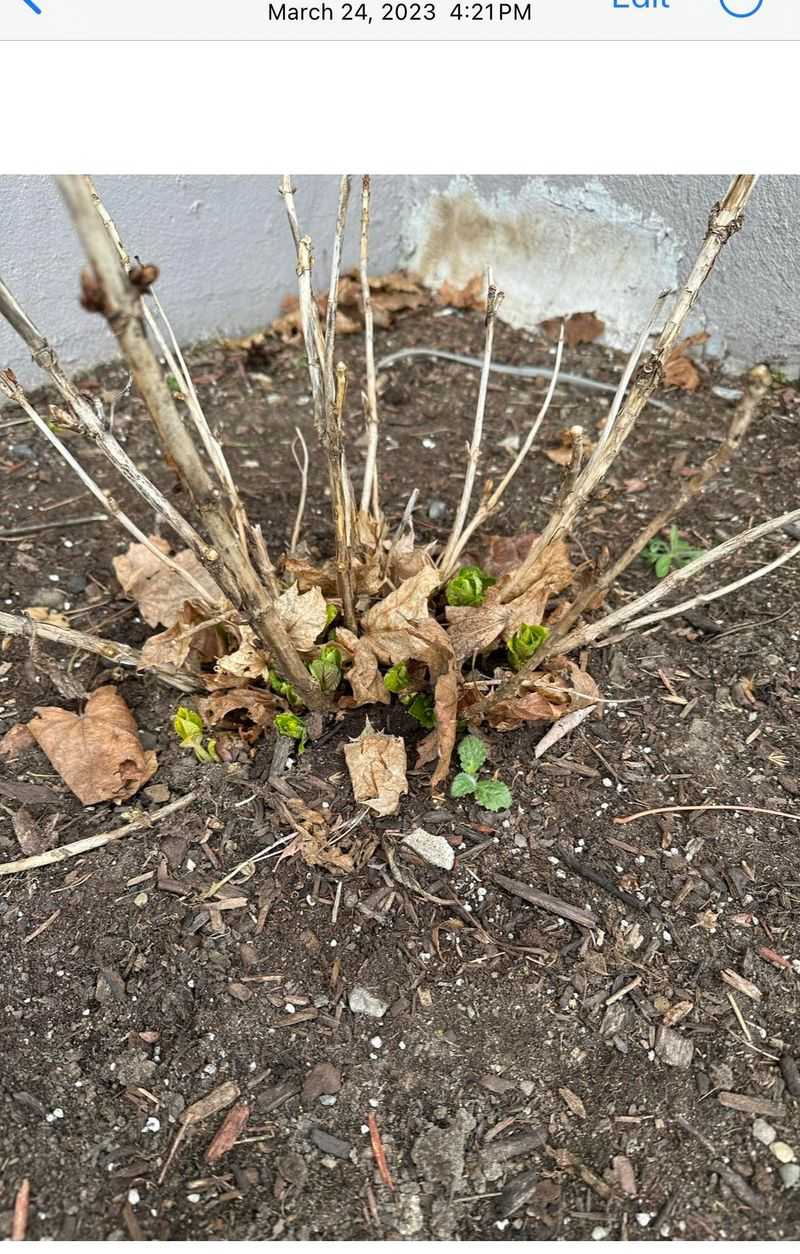
Timing is the quiet hero of hydrangea care. Old-wood bloomers form their buds at the tips of stalks during late summer and early fall, long before you notice anything happening.
Those tip buds are small, pale, and easy to overlook. Cut the stem in late fall, winter, or early spring, and the flower goes with it.
For bigleaf and oakleaf shrubs, the ideal moment to prune comes right after the blooms fade in summer. The plant then has weeks of warm weather to build new buds for the following year.
Rebloomers add a wrinkle worth knowing. Varieties such as Endless Summer flower on both old and new wood, so they are more forgiving of a stray cut.
Even with those, a good rule is to stop heavy pruning after August 1st. Removing spent flowers is fine anytime, since you are only removing the finished bloom above the leaf joint.
A simple trick helps: mark your calendar when a shrub finishes flowering. That date, not the weather or your weekend schedule, is your pruning signal.
Think of it like catching a train. Miss the summer window, and the next safe one does not come around until after the shrub blooms again.
Waiting feels passive, but it is the single most effective thing you can do for bigger bouquets next year.
Avoid Late Trimming That Removes Future Flower Growth
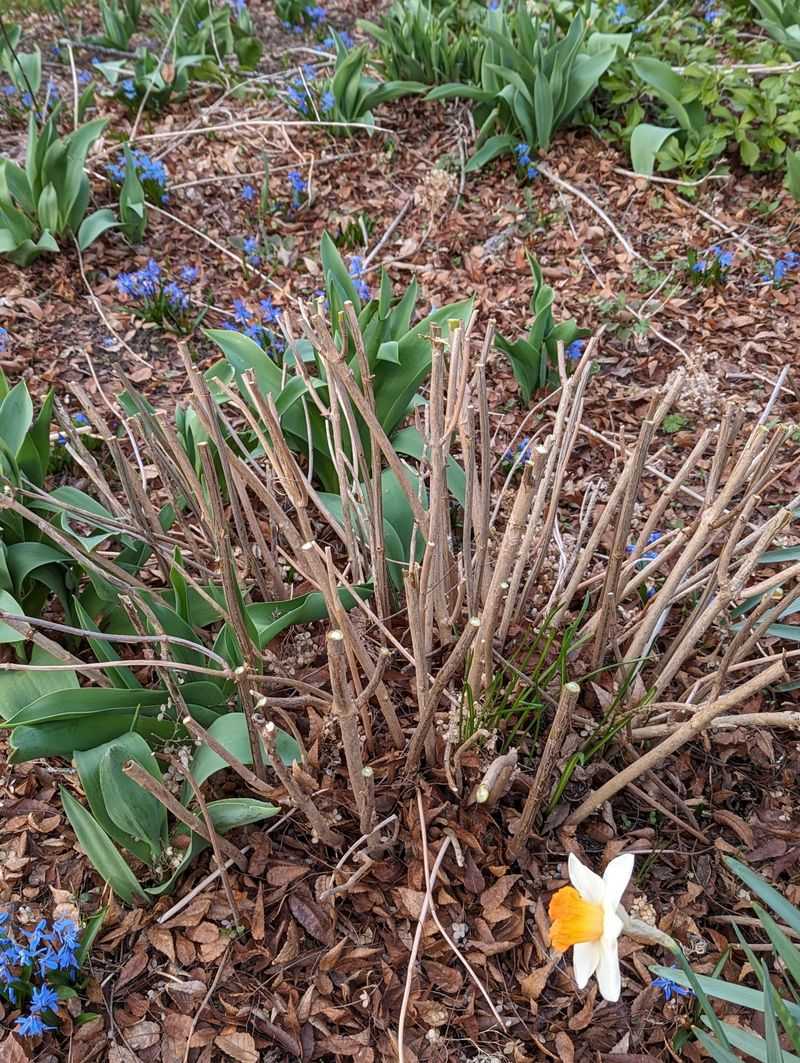
Picture the disappointment: a shrub covered in healthy green leaves next July and almost no flowers anywhere on it. Late trimming is usually the culprit behind that mystery.
September cleanup feels productive because the plant looks scraggly. The buds hiding on those stems are so small that most people have no idea they are cutting anything important.
On old-wood types, every stem you shorten is a potential bloom removed. Do the whole shrub, and you have effectively canceled next summer’s show.
Late cuts carry a second risk as well. Pruning can push out soft new shoots, and in Virginia, those tender tips may not toughen up before the first hard frost arrives.
Damaged shoot tips then turn brown and mushy over winter, which invites problems and leaves the shrub looking rough by spring. Nobody wants extra cleanup in March.
So what should you do with the urge to tidy? Redirect it toward weeding, edging beds, spreading mulch, or cutting back spent perennials that genuinely benefit from a fall trim.
If neatness really bothers you, remove a few of the ugliest dried flower heads by hand and leave the stems alone. That small compromise keeps both you and the shrub happy.
Fall is for feeding the soil and resting the plant. Save the shears for the summer weeks right after flowering.
Give Panicle Hydrangeas The Pruning Schedule They Need
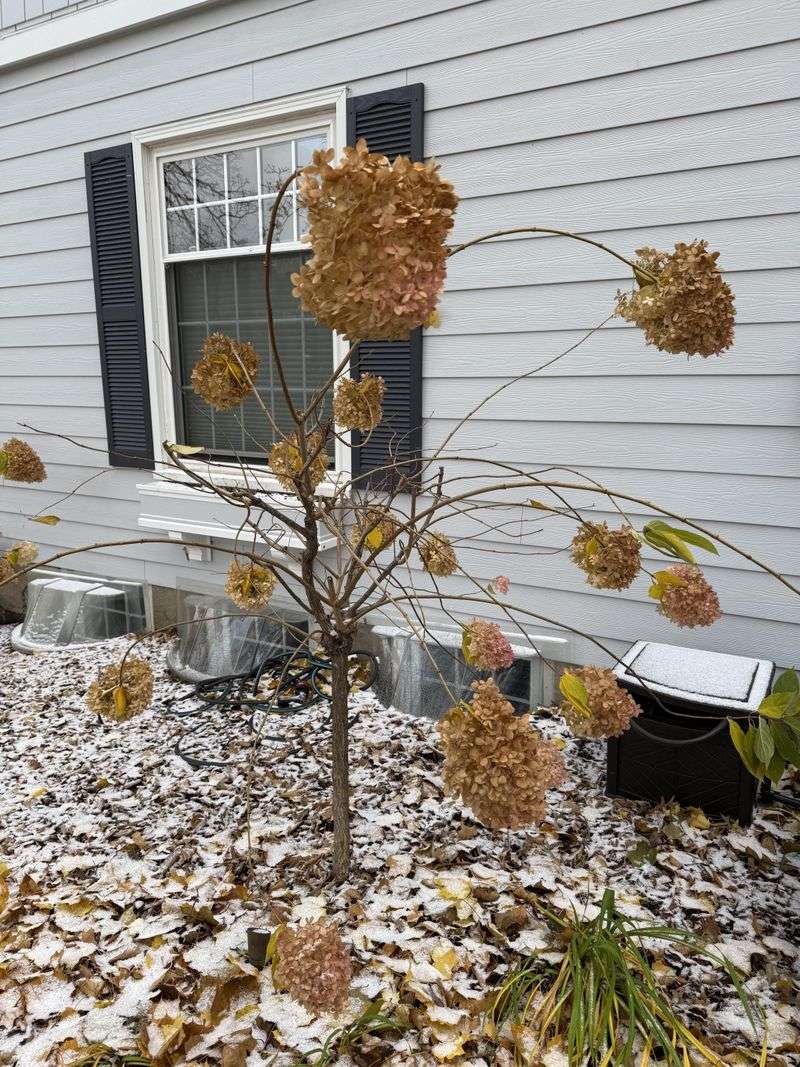
Finally, a hydrangea that lets you be bold with the pruners. Panicle hydrangeas, or Hydrangea paniculata, bloom on new wood grown during the current season.
Cultivars like Limelight and Little Lime have become garden staples, and for good reason. They handle sun, tolerate heat, and produce those tall cones that fade from lime to rose as autumn approaches.
Because their buds form on fresh growth each spring, pruning in late winter or early spring costs you nothing. Cut back a third of the previous year’s growth to keep the shrub tidy and encourage larger flower clusters.
Thinning out crowded, spindly stems helps too. Fewer, stronger stems mean sturdier branches that hold heavy blooms upright instead of flopping after a summer downpour.
Fall is still not the moment for major work, even on these tough plants. Hard cuts before winter can leave open wounds and stimulate growth that struggles in cold snaps.
Removing a few spent flower heads for indoor arrangements is perfectly fine. Dried panicle blooms last for months in a vase with no water at all.
Mark March on your calendar as panicle pruning season and enjoy the wait. Those late winter cuts, made while the shrub is still dormant, reward you with the biggest, showiest cones your garden has produced yet.
Treat Smooth Hydrangeas Differently From Old Wood Types
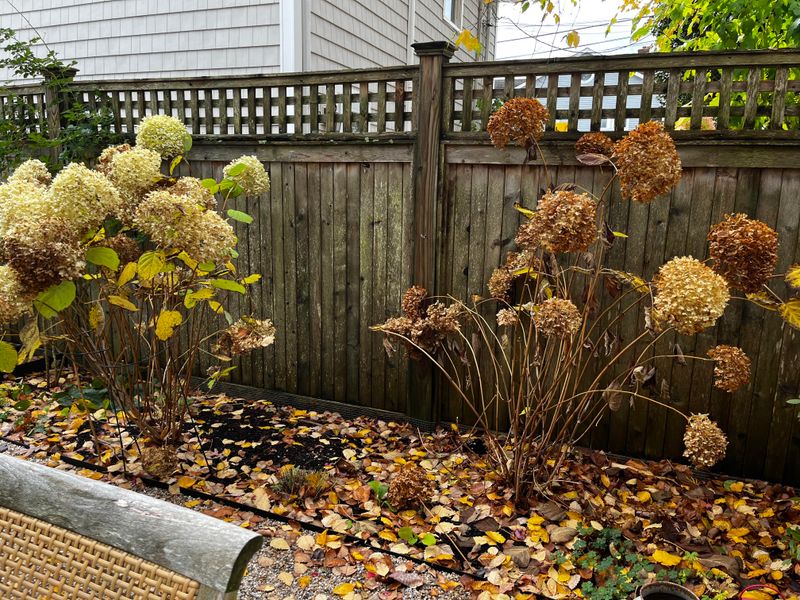
Did you know one of the most popular hydrangeas in American gardens is a native plant? Smooth hydrangea, Hydrangea arborescens, grows wild across the eastern United States, including parts of Virginia.
Cultivars such as Annabelle and Incrediball carry those enormous white snowball blooms that practically glow at dusk. They flower on new wood, which makes them wonderfully easy to manage.
Late winter or early spring is prime pruning time. Cutting stems back significantly in late winter or early spring encourages fresh growth and strong flower heads.
Leaving a bit of height matters more than people expect. Stems that are too short can bend under the weight of wet blooms, so that 18 inch range gives the plant a helpful framework.
Fall is a different story. Those stiff, tan stems standing through winter offer shelter for beneficial insects and add texture to a snowy or frosty garden bed.
Resist the September chop and let them stand until the worst of winter passes. You lose nothing in flowers and gain months of winter interest.
One more tip from experience: smooth hydrangeas appreciate consistent moisture and a little afternoon shade during hottest stretches. Give them that, prune in spring, and they will fill a border with cloud-like blooms year after year with hardly any fuss.
Make Only Necessary Cuts During The Fall Season
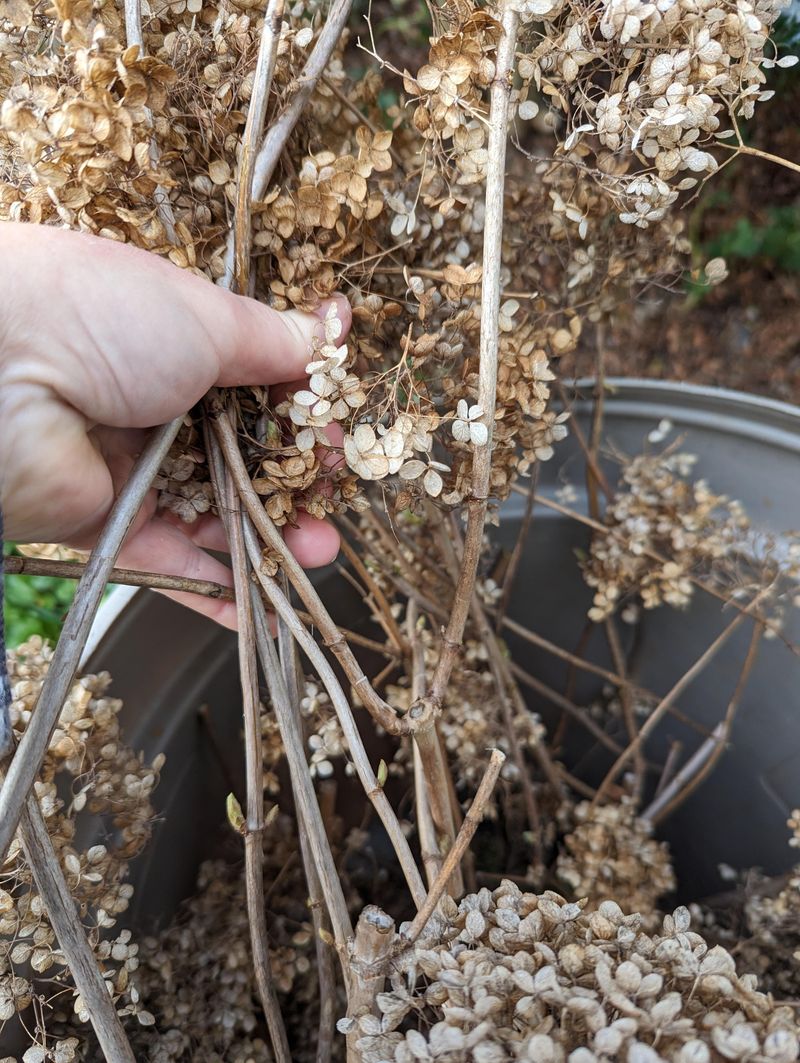
Less really is more once September arrives. For most hydrangea types, especially the old-wood bloomers, skipping heavy fall pruning is the safest bet you can make.
If something must come off, keep it limited to removing spent flowers. Snip off spent flower heads while avoiding unnecessary cuts into healthy stems.
Broken, damaged, or clearly unhealthy branches can usually be removed when needed. Removing those does not affect flowering and actually improves air movement through the shrub.
Everything else earns a pass until the proper season. Bare stems may look untidy after the leaves drop, but they are carrying next year’s flowers through the cold months.
Instead of cutting, put your energy into the ground. A two or three inch layer of shredded bark or leaf mulch protects roots during freeze and thaw cycles.
Watering matters in fall too, especially during dry autumn spells. A deep soak every week or two until the ground chills helps roots settle in comfortably.
Hold off on fertilizer this late in the year, since it pushes soft growth at the wrong moment. Wait until spring, then feed lightly as new leaves emerge.
Come next summer, when neighbors ask how your hydrangeas got so full, the honest answer will be that you left them alone at exactly the right time.