Use These Smells To Keep Your Virginia Home Spider-Free This Fall
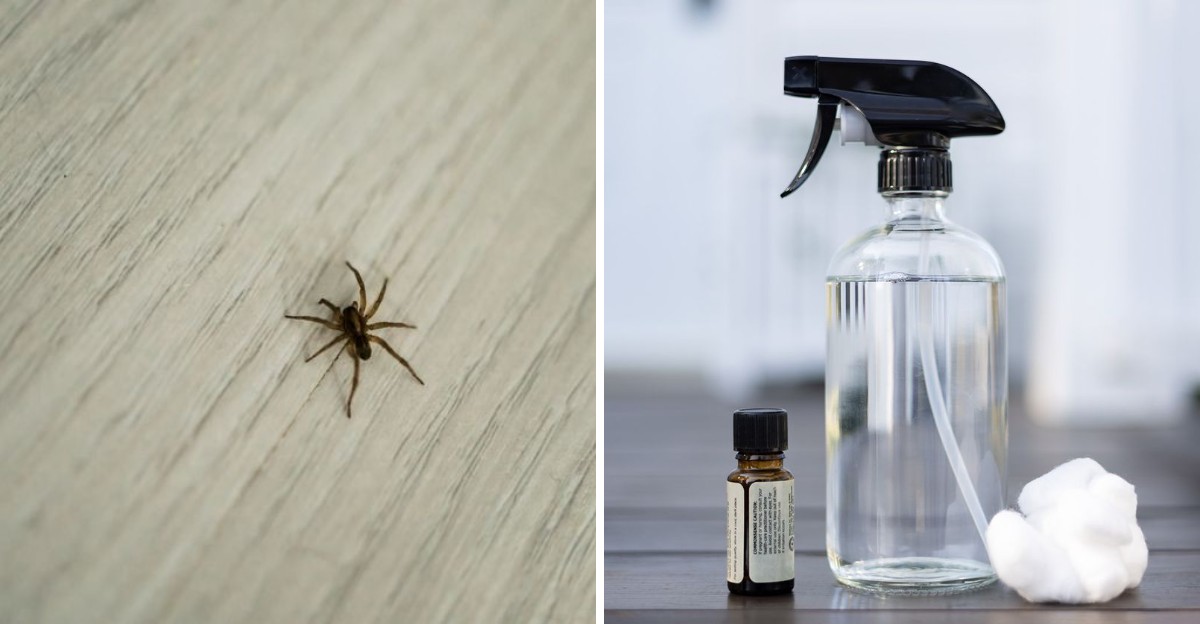
Spiders don’t smell with noses. They pick up scents through tiny hairs on their legs, and a few common household smells seem to really get under their skin.
That matters right now, because cooler nights send plenty of eight-legged guests hunting for warm hideouts indoors. Snug corners and quiet closets look like a five-star hotel to them.
Your kitchen and linen closet may already hold simple tools to make them check out early. Fresh mint, zesty lemon, and woodsy cedar top the list.
These everyday scents are gentle, affordable, and easy to use around a Virginia home. They work best when paired with a few quick fixes that keep spiders from wandering in at all.
1. Peppermint Oil Is The Most Popular Pick
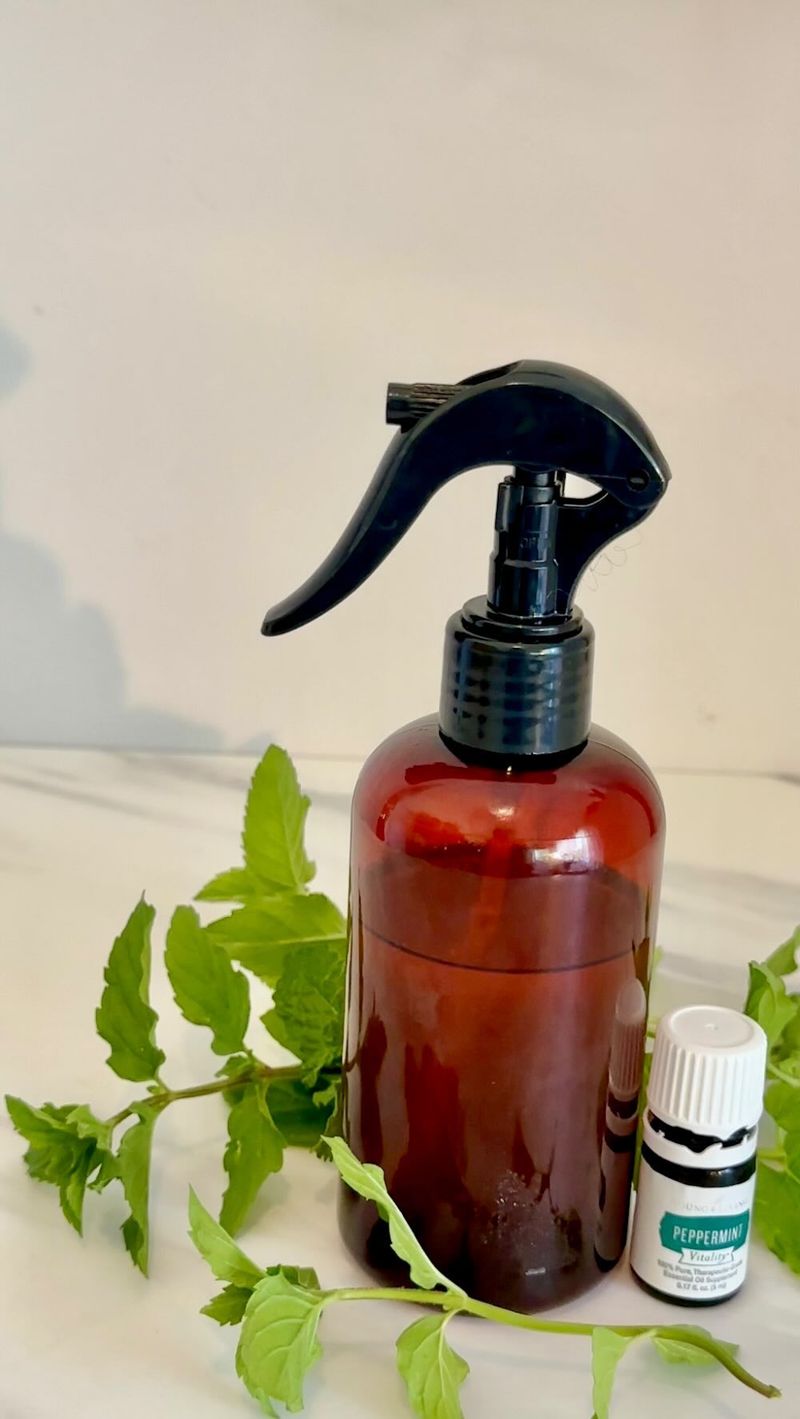
Ask any spider-weary neighbor for advice, and peppermint oil usually comes up first. Its sharp, cool menthol scent feels refreshing to us but overwhelming to spiders.
Spiders do not smell the way people do. Instead, they sense chemicals through tiny hairs on their legs, almost like tasting the floor.
When they walk across a minty surface, the strong scent bothers those sensitive hairs. Many spiders simply turn around and look for a calmer spot.
Making a peppermint spray takes only a few minutes. Mix 10 to 15 drops of peppermint oil into one cup of water.
Add a small squirt of dish soap to help the oil blend better. Shake the bottle well before every use, since oil and water separate.
Spray along baseboards, window frames, and the shadowy corners spiders love. Behind furniture and under sinks are smart targets too.
Plan to reapply about once a week for the best results. The fresh scent fades faster than you might expect, especially in warm rooms.
Research shows peppermint repels some spider species, though not every single one. Think of it as a helpful nudge rather than a magic wall.
Here is a bonus perk for homeowners in fall. Your house will smell like a candy cane shop while spiders keep their distance.
Keep pets in mind before spraying heavily. Cats in particular can be sensitive to essential oils, so use it where they rarely roam.
2. Citrus Peels And Lemon Spray

Got leftover orange peels from breakfast? Before tossing them, consider giving them a second job as spider bouncers.
Lemons, limes, oranges, and grapefruits all contain a compound called limonene. That bright, zesty chemical seems to irritate the sensors spiders rely on.
The simplest method costs nothing at all. Rub fresh citrus peels directly along windowsills, door frames, and shelf edges.
The oils left behind create a scented trail spiders tend to avoid. Swap in fresh peels every few days, since dried ones lose their punch.
Prefer a spray instead? Boil a handful of citrus peels in water for about 15 minutes.
Let the liquid cool completely, then strain it into a spray bottle. You can also mix lemon juice with water for a quicker version.
Mist the spray wherever spiders might sneak inside. Entryways, garage doors, and pantry corners are great places to start.
Your Virginia Garden Changes Every Week. Your Plan Should Too.
Gardening in Virginia changes quickly throughout the season. Every Friday you’ll receive a simple weekly plan showing exactly what to plant, prune, fertilize, harvest, and protect so you never miss the right timing.
One study found lemon oil less effective than peppermint oil. Still, citrus makes a handy partner when you want to switch things up.
Fun fact: limonene is also used in many natural household cleaners. You get a fresher-smelling home while you discourage crawling visitors.
Test a hidden spot first on painted or wooden surfaces. Acidic juice can sometimes dull certain finishes if left sitting too long.
Many families already keep citrus in the fruit bowl. Putting those peels to work feels thrifty, earth-friendly, and surprisingly satisfying.
3. Vinegar Along Windowsills And Doorways
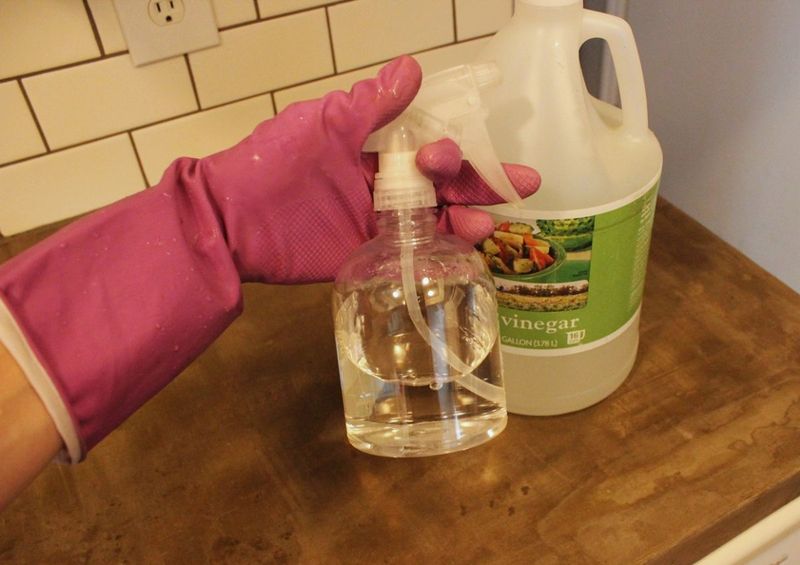
Grandma probably swore by white vinegar for cleaning nearly everything. Turns out, that sour bottle may help with spiders too.
The strong, acidic smell of vinegar is unpleasant to many spiders. Few creatures want to stroll through something that smells like pickle juice.
The recipe could hardly be easier. Mix equal parts white vinegar and water in a clean spray bottle.
Spray generously along windowsills, door frames, and baseboards. Focus on spots where outside air leaks in, since spiders follow those drafts.
Doorways deserve extra attention in the fall. Spiders often slip under doors when temperatures start dipping at night.
Reapply the mixture about once a week. The smell fades as it dries, so regular touch-ups keep it working.
Worried about your house smelling like a salad? The sharp odor usually fades for humans within an hour or so.
Vinegar works as a short-term fix rather than a lasting barrier. It performs even better when combined with a few drops of essential oil.
Try adding peppermint or eucalyptus oil to your vinegar mix. You get a double layer of scents and a more pleasant smell.
Be careful on natural stone like marble or granite. The acid can etch these surfaces, so skip those areas.
A gallon of white vinegar costs just a few dollars. That makes it one of the cheapest spider deterrents you can find.
4. Eucalyptus For A Fresh, Clean Scent
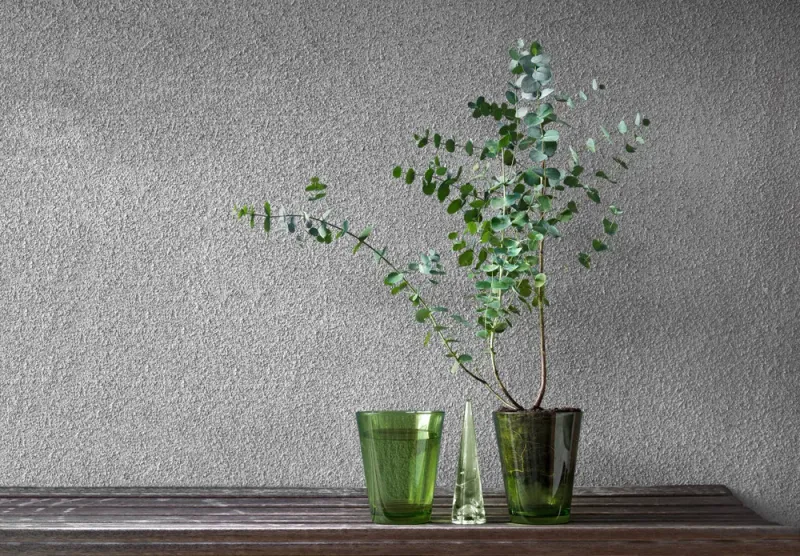
Walking into a room with eucalyptus feels like stepping into a fancy spa. Spiders, however, find that same scent far less relaxing.
Eucalyptus has a strong, medicine-like aroma that many spiders tend to avoid. Natural compounds like eucalyptol and terpenes overwhelm their delicate senses.
To make a spray, add 15 to 20 drops of eucalyptus oil to a cup of water. A dash of dish soap helps the mixture blend smoothly.
Apply it along skirting boards, window frames, and room corners. Closet floors and spaces behind dressers are worth a quick spritz too.
Not a fan of spraying? Fresh eucalyptus branches in a vase add beauty while gently scenting a room.
Many people hang a bundle in the shower, where steam releases the oils. Bathrooms often attract spiders searching for moisture, so the timing works nicely.
An oil diffuser offers another hands-off option. Run it for short periods in rooms where spiders keep showing up.
Did you know eucalyptus trees mostly come from Australia? Koalas munch on the leaves, though most other animals stay away.
Keep eucalyptus oil away from small children and pets. Swallowing it can cause serious problems, so store bottles up high.
Fall brings plenty of sniffles and stuffy noses. A fresh eucalyptus scent might soothe your family while warding off spiders.
5. Tea Tree Oil In A Simple Spray Bottle

Picture a scent that is earthy, sharp, and a little bit like camphor. That is tea tree oil, and spiders seem to dislike it quite a bit.
Its pungent aroma and natural chemical makeup act as a simple repellent. Many people already own a bottle for skin care or cleaning.
Mixing a batch is quick and easy. Combine 10 to 15 drops of tea tree oil with one cup of water in a spray bottle.
Shake well and spray around windowsills, door frames, and room corners. Repeat every week or after heavy cleaning wipes the scent away.
Bathrooms are where tea tree oil really shines. It has antiseptic qualities, so it helps freshen surfaces while discouraging spiders.
Damp bathrooms and laundry rooms often draw spiders hunting for water. A quick spritz around tubs, drains, and vents can make those spots less inviting.
Tea tree oil also blends well with other essential oils. Try pairing it with peppermint or lavender for a more balanced fragrance.
Here is a neat bit of history. Australian Aboriginal peoples used tea tree leaves as a traditional remedy long before it hit store shelves.
Like other strong oils, tea tree can be harmful to cats and dogs. Use it in pet-free zones and let surfaces dry fully.
For homes with older, drafty windows, this spray is a handy fall helper. Keep a bottle under the sink for easy weekly touch-ups.
6. Lavender Sachets In Closets And Corners
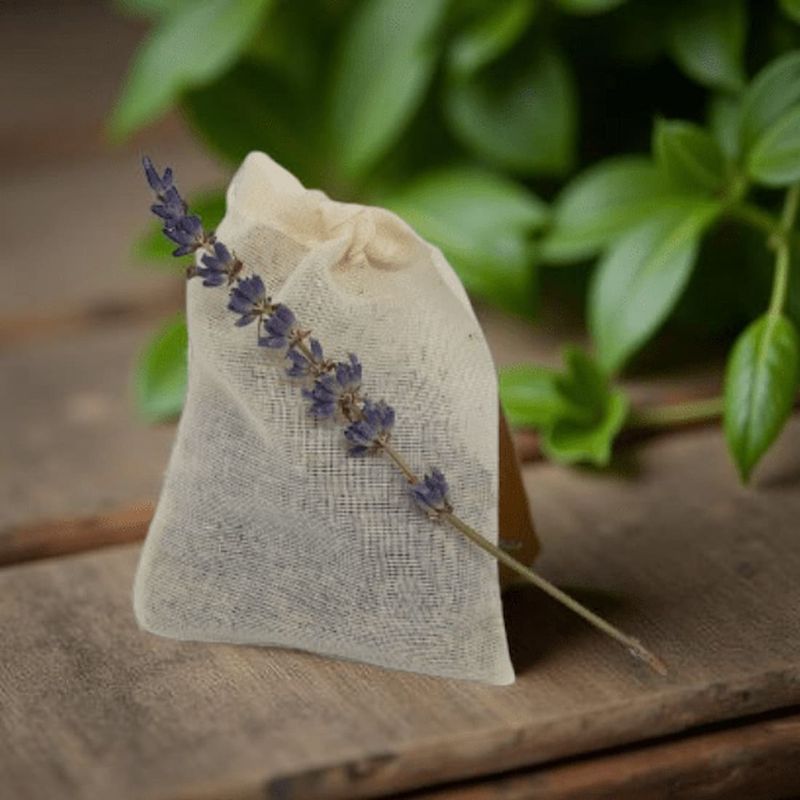
Opening a closet that smells like a summer garden feels like a small treat. Lavender brings that calm vibe while quietly telling spiders to move along.
Many spiders dislike lavender, even though people usually love it. Like peppermint, it disturbs their senses, but with a softer, sweeter fragrance.
Lavender works especially well in small, closed spaces. Closets and drawers trap the scent, keeping it strong for longer.
Fill small cloth bags with dried lavender buds to make simple sachets. Tuck them between sweaters, in shoe racks, or inside storage bins.
Cotton balls work great too. Add a few drops of lavender oil and place them in corners or behind books.
A lavender spray covers larger areas. Mix several drops of oil with a cup of water and mist curtains, corners, and baseboards lightly.
Refresh sachets every few weeks by squeezing them gently. That crushing motion releases fresh oils from the dried buds.
Here is a fun bonus for gardeners in Virginia. Lavender grows well in sunny, well-drained spots, so you can harvest your own.
Fall is a great time to pull out winter clothes from storage. Adding lavender as you unpack helps keep those cozy bins spider-free.
Many people find the smell helps them relax at bedtime too. You get a peaceful room and fewer surprise visitors on the ceiling.
7. Cedar Blocks In Basements And Storage Areas
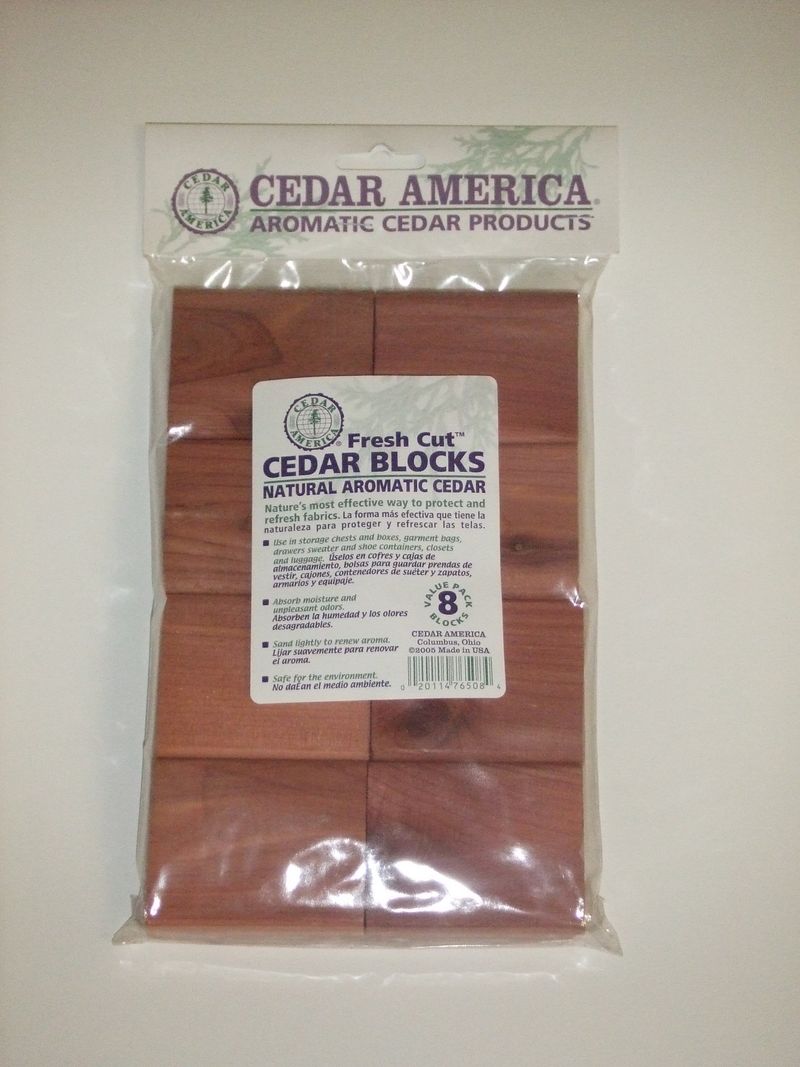
Think of the rich, woodsy smell inside an old hope chest. That cozy cedar aroma is a scent spiders strongly dislike.
Cedar contains natural chemicals like cedrol and thujone. These compounds bother many insects and confuse spider senses.
Basements and storage rooms are prime spider real estate. They are dark, quiet, and often a bit damp, which spiders adore.
Place cedar blocks or chips on shelves, inside boxes, and along walls. Attics and closets benefit from a few pieces as well.
One big perk is how slowly cedar’s scent fades. A single block can work for months before needing attention.
When the smell weakens, lightly sand the surface. Doing so exposes fresh wood and brings the aroma right back.
Outdoor use is an option too. Spreading cedar mulch around your home’s foundation may discourage spiders from crawling closer.
Cedar oil can also go into a water-based spray. Mist it in hard-to-reach areas where blocks will not fit easily.
Fun fact: cedar chests have protected clothing from moths for generations. The same natural oils help keep spiders guessing.
Cedar is affordable and easy to find at most hardware stores. Many come as rings that slip right onto hangers for closets.
For storage areas you rarely visit, cedar is a low-effort hero. Set it up once and let it quietly do its job.
Scents Work Best Alongside Sealed Cracks
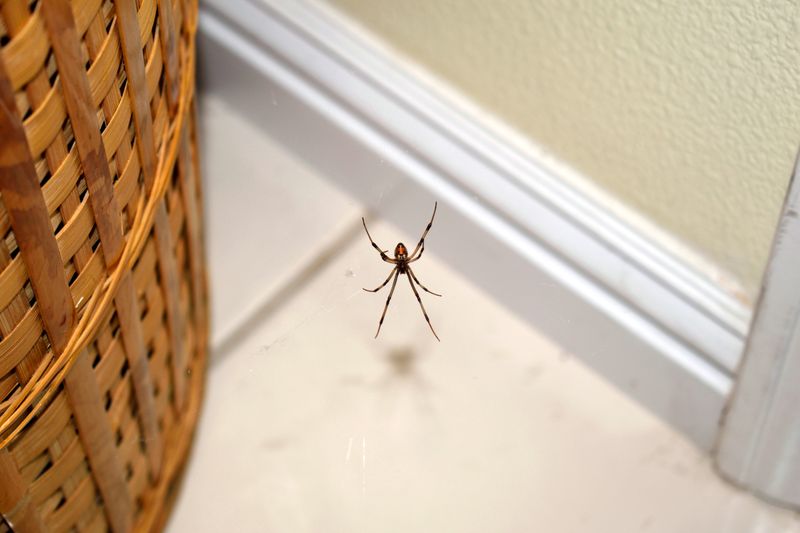
Spraying peppermint everywhere while a big gap sits under your door is like locking only half your house. Smells help, but blocking entry points matters even more.
Scent deterrents are one piece of a bigger plan. Sealing cracks and gaps keeps spiders from strolling inside in the first place.
Spiders commonly sneak in through openings in walls, windows, and foundations. Even a gap as thin as a credit card can let them pass.
Start with a slow walk around your home’s exterior. Look closely at window frames, utility pipes, dryer vents, and foundation cracks.
Use caulk for small gaps and expanding foam for larger ones. Weatherstripping and door sweeps help seal drafty doors.
Inside, clutter gives spiders endless hiding places. Clear stacks of boxes, old newspapers, and piles of laundry from quiet corners.
Moisture matters too, especially in basements during humid months. A dehumidifier makes damp spaces far less appealing to spiders.
Remember that spiders follow their food. Fewer ants, flies, and moths indoors means fewer reasons for spiders to stick around.
Try switching outdoor lights to yellow bulbs. They attract fewer bugs, which means fewer hungry spiders near your doors.
Once your home is sealed, apply scents to any spots still at risk. This combo gives you the strongest defense this fall.
Most Virginia House Spiders Are Harmless Helpers
Here is some comforting news before you grab another spray bottle. Most spiders you spot around Virginia homes are not dangerous at all.
Many common house spiders are actually helpful roommates. They snack on flies, mosquitoes, and other pests you would rather avoid.
Common Virginia species include American house spiders, cellar spiders, wolf spiders, and jumping spiders. Each plays a small role in keeping bug numbers down.
Wolf spiders can look alarming because of their size and speed. Even so, they pose little real threat and prefer to avoid people.
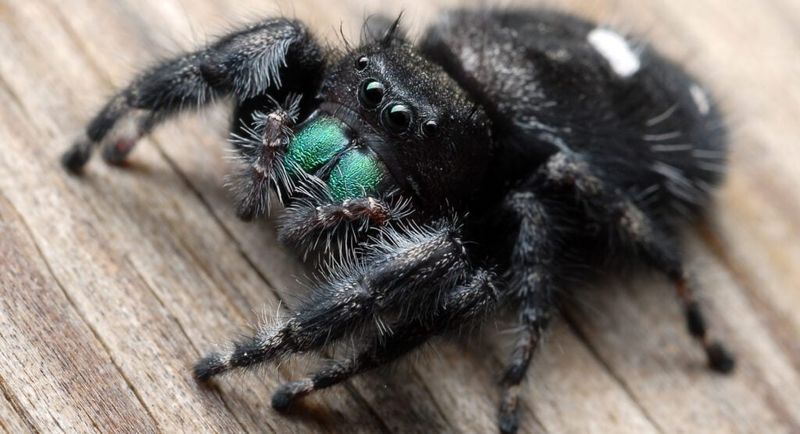
Jumping spiders are often called the puppies of the spider world. Their big front eyes and curious hops make them oddly charming.
The yellow sac spider causes most minor bites in Virginia homes. Bites are usually mild, similar to a bee sting.
Black widows are one of the few medically significant species in the state. Look for the shiny black body and red hourglass marking.
Brown recluse spiders are uncommon across most of the state. Many reported sightings turn out to be other harmless species.
If you find a black widow, contacting a pest professional is wise. They can safely handle it and check for others nearby.
For harmless spiders, try the cup-and-paper trick. Gently scoop them up and release them outside near a bush.
Using scents to guide spiders away is a kind middle ground. Your home stays comfortable while nature keeps its tiny pest controllers.