Simple Habits That Bring Sandhill Cranes To Texas Wetlands Every Fall
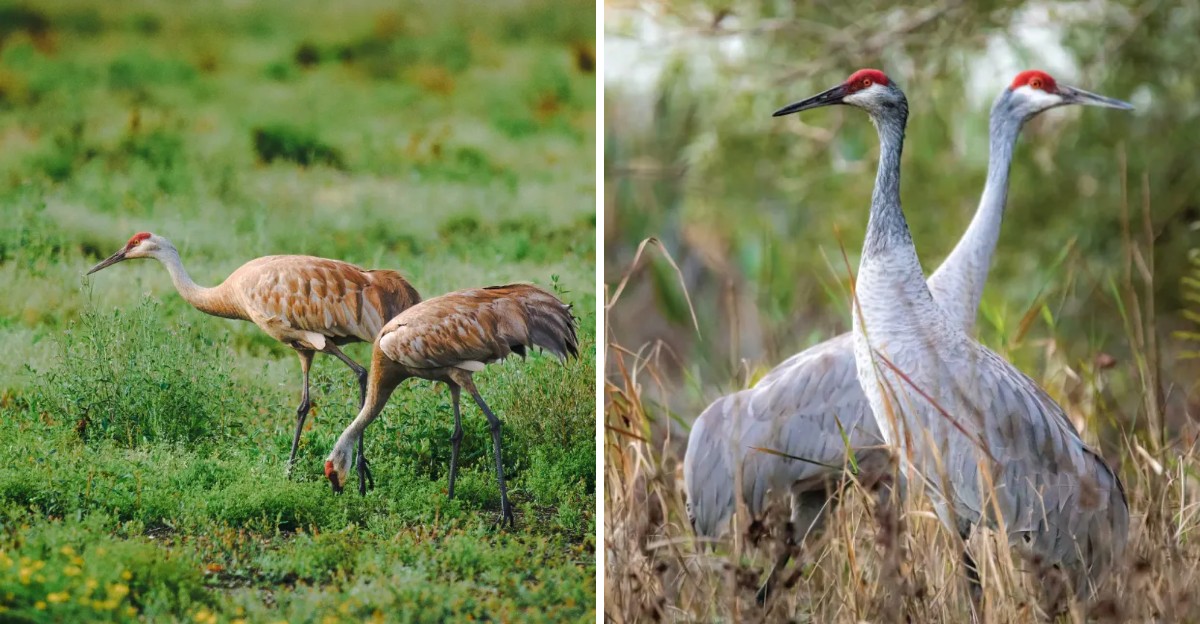
Few wildlife spectacles in Texas compare to sandhill cranes arriving for fall. The sound reaches you before you see them, that prehistoric rolling call carrying across open sky in a way that makes everything stop.
Then the formations appear, thousands of birds dropping toward wetlands and fields in movements that have been happening over this landscape for millions of years. Getting close to that experience doesn’t require traveling to a wildlife refuge.
Certain Texas properties draw sandhill cranes in during fall migration, and the conditions that attract them are more achievable than most homeowners realize.
Simple habits related to water, open ground, and minimal disturbance can make a property genuinely appealing to cranes moving through the region during one of fall’s most extraordinary wildlife windows.
1. Keep Wetland Water Levels Healthy
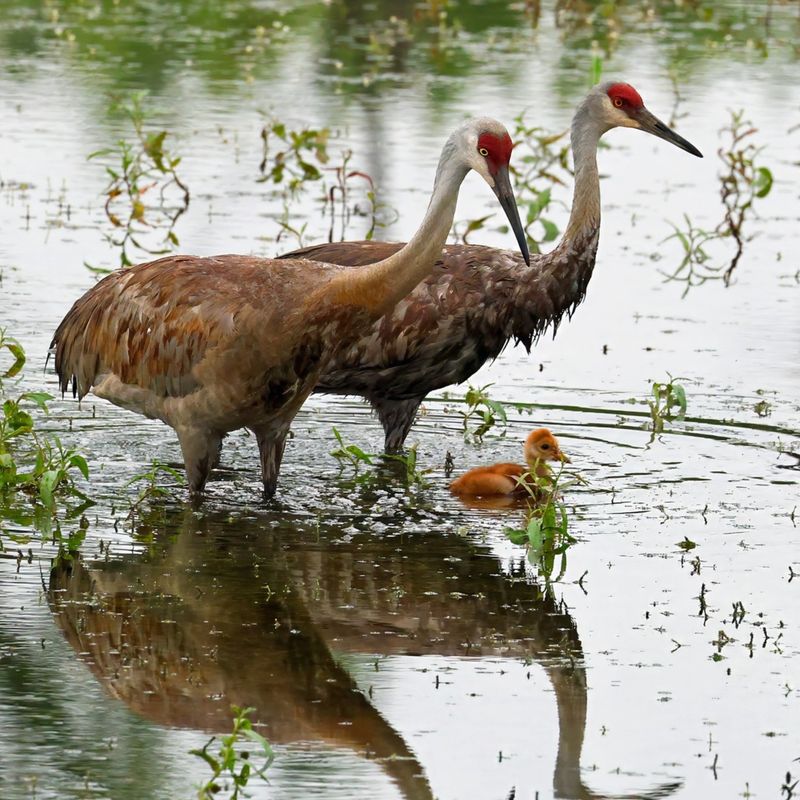
Cranes need shallow water to feel safe while they rest and sleep. Standing in a few inches of water helps them spot predators and stay protected through the night.
Keeping water at the right depth is one of the kindest things you can do. If a marsh dries up too fast, cranes will skip it and look elsewhere.
When you manage a pond or wetland, aim for shallow flooded areas between two and ten inches deep Farmers and landowners can flood empty fields in the fall to copy natural marsh conditions.
Cranes love these roosting spots because they mix safety with easy access to food nearby. Even small flooded patches can pull in a crowd of birds.
Watch the weather and check your water often. Dry spells can shrink a wetland quickly, so adding a little water during droughts keeps cranes coming back.
Try not to let the area flood too deep either, since cranes avoid water that reaches their bellies.
You can also protect natural springs and creeks that feed the wetland. Clean, steady water sources keep the whole ecosystem strong for many kinds of wildlife, not just cranes.
Little steps add up over time. By keeping water levels steady and shallow, you build a reliable home base that cranes trust each year.
They remember good spots and return to them season after season, which means your careful work pays off with unforgettable views of these tall, elegant travelers stopping by your slice of Texas.
2. Plant Native Grasses And Grains
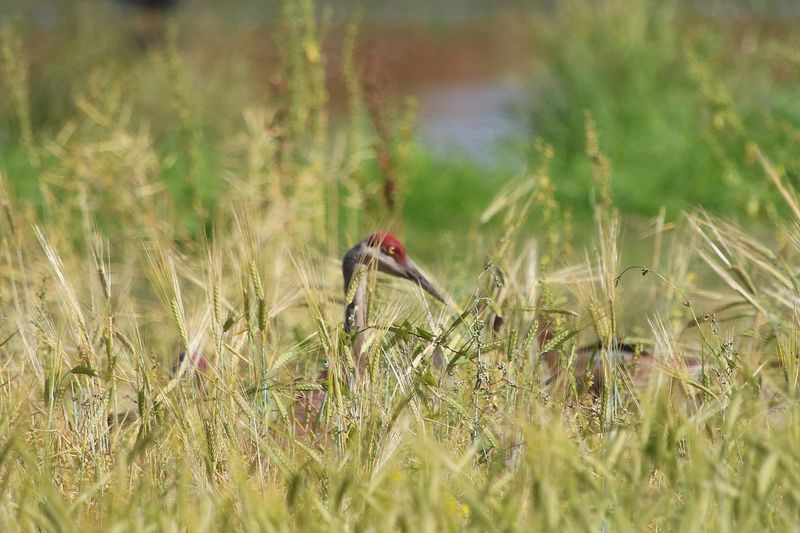
Hungry cranes need plenty of food after their long journey south. Planting native grasses and leaving grain in fields gives them the fuel they need to stay strong all winter.
Sandhill cranes eat all sorts of things, from seeds and grains to insects and small critters. When you plant native prairie grasses, you invite bugs and seeds that cranes gobble up. This natural buffet keeps them happy and healthy.
Corn, wheat, and sorghum are favorites of these birds. After harvest, leaving leftover grain on the ground gives cranes an easy meal. Many landowners in Texas do this on purpose because it draws in big, noisy flocks.
Native plants also help the soil and other animals. They hold water better and need less care than fancy lawn grasses. That means you save time and money while helping cranes at the same time.
Your Texas Garden Changes Every Week. Your Plan Should Too.
Gardening in Texas changes quickly throughout the season. Every Friday you’ll receive a simple weekly plan showing exactly what to plant, prune, fertilize, harvest, and protect so you never miss the right timing.
Try planting a mix of grasses that grow at different heights. Tall grass hides small animals, and short grass makes it easy for cranes to walk and feed. This variety keeps the whole area lively.
Avoid using heavy chemicals on your fields. Sprays can harm the insects and seeds cranes depend on. A more natural field feeds far more wildlife and keeps the food chain balanced.
Over the seasons, your planted fields will become a well-known dining stop. Cranes talk to each other with their loud calls, and word spreads fast among the flock.
Before long, you might look out one crisp morning and see dozens of gray visitors happily munching away in your fields.
3. Give Cranes Quiet Space
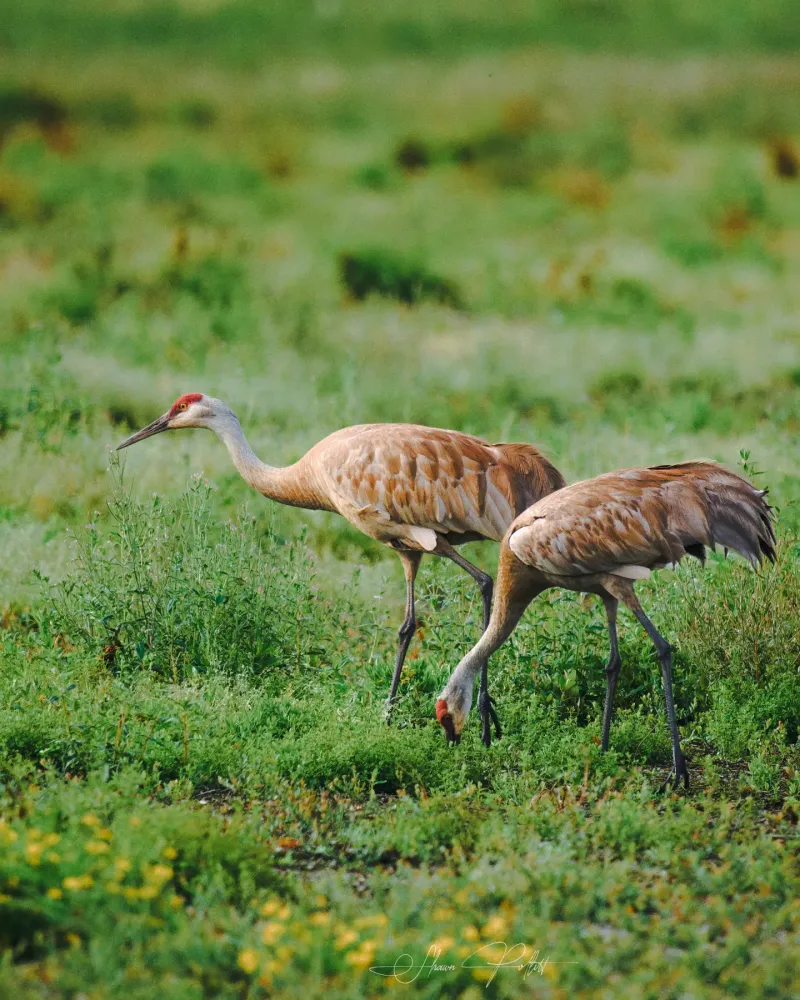
Peace and quiet mean everything to a resting crane. Loud noises and sudden movements can scare a whole flock into the air, wasting the energy they need for winter.
Cranes are careful birds. They stay alert for danger and take off fast when something startles them. If your wetland stays calm, cranes will feel safe enough to settle in and stick around.
Keep a good distance when you watch them. Use binoculars or a spotting scope instead of walking up close. This way you enjoy the birds without pushing them away from their favorite spots.
Try to limit noisy activities near roosting areas, especially at dawn and dusk. Those are the busy times when cranes fly in and out to rest and feed. Cars, dogs, and loud voices can break the peace and send them scattering.
If you have land, set aside a special quiet zone just for wildlife. Fewer visitors and less traffic in that area gives cranes a reliable retreat. They will reward your patience by returning again and again.
Teach friends and family to respect the birds too. When everyone stays calm and quiet, the cranes learn that your wetland is a trustworthy place. That trust builds over many seasons.
Watching from afar is actually more rewarding. You get to see natural behavior like dancing, calling, and preening without disturbing them. Those quiet moments feel magical and make lasting memories.
Respecting a crane’s need for space costs you nothing but a little patience. In return, you get a peaceful wetland full of graceful birds that trust the calm home you helped protect.
4. Protect Wetlands From Pollution
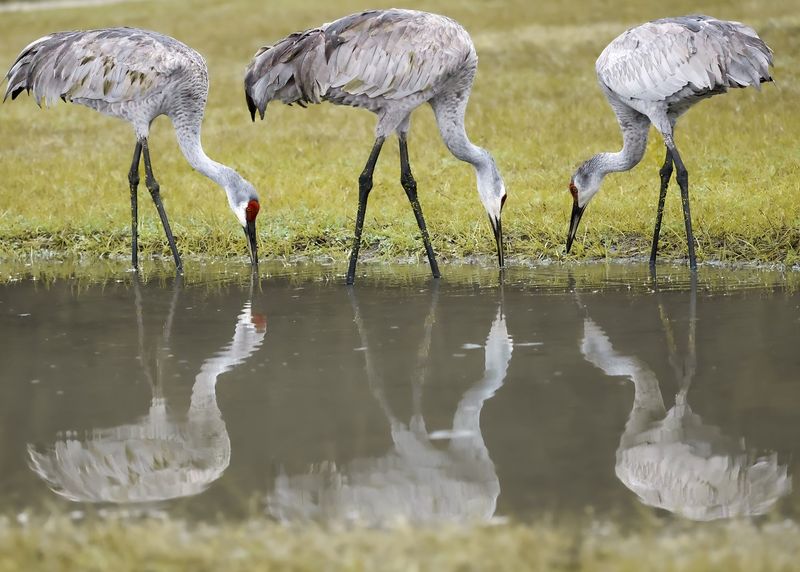
Clean water and clean land keep cranes coming back. Pollution can spoil the food and water that these birds and other wildlife depend on every single day.
Trash, oil, and chemicals wash into wetlands more easily than you might think. Rain carries pollution from roads and yards straight into marshes. Keeping the source clean protects the whole area downstream.
You can help by picking up litter whenever you visit a wetland. Plastic bags and cans can harm birds that mistake them for food. A quick cleanup makes the habitat safer for everyone.
Cut back on lawn chemicals near water. Fertilizers and bug sprays run off and mess up the natural balance. Choosing gentle, natural options keeps the water fresh and the insects plentiful.
Fixing leaky vehicles and storing chemicals safely also helps. Small leaks add up and slowly harm the land. A little care around your home protects wetlands miles away.
Plant a buffer of native plants along the edge of a pond or stream. These plants act like a filter, soaking up pollution before it reaches the water. They also give small animals a place to hide.
Support local groups that clean and restore marshes. Volunteering for a cleanup day is a fun way to make a big impact. Many hands make the work light and quick.
Healthy wetlands support fish, frogs, insects, and plants, which all feed the cranes. When the whole system stays clean, cranes find the rich food supply they need.
Your efforts to fight pollution keep the marsh sparkling and welcoming for these tall gray visitors every autumn.
5. Keep Pets And Predators Away
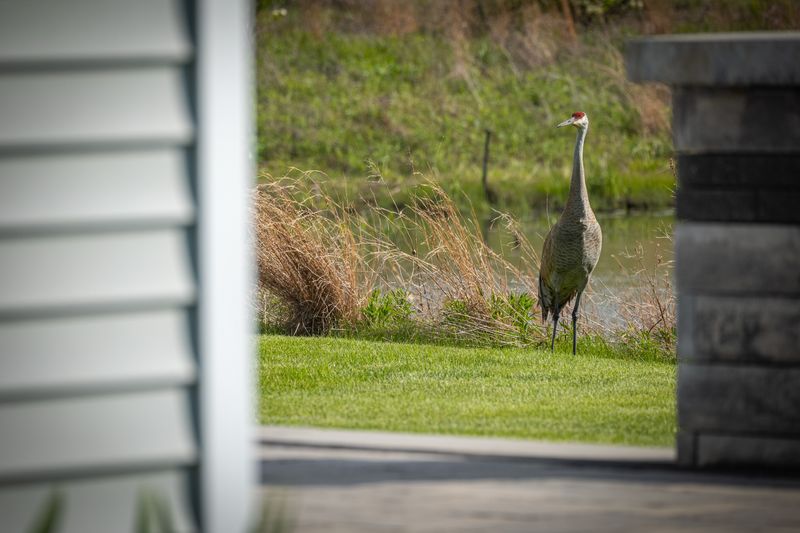
A curious dog can clear a whole flock in seconds. Keeping pets and predators away from roosting areas gives cranes the safety they need to rest and refuel.
Dogs love to chase birds, and cranes take that as a serious threat. Even a friendly pup running through the marsh can scare cranes into flying off. Leashing your dog near wetlands makes a huge difference.
Wild predators like coyotes and foxes also worry cranes. While you cannot remove wild animals, you can avoid feeding them near roosts. Leftover food and open trash draw predators closer to the birds.
If you manage land, think about safe barriers around key roosting spots. A simple fence can keep loose pets out of the most important areas. Cranes will notice the extra safety and settle in more easily.
Cats are hunters too, so keeping them indoors or away from wetlands protects many bird species. Small songbirds and young cranes both benefit when cats stay clear of wild spaces.
Encourage neighbors to watch their pets near marshes. When everyone works together, the whole area becomes a calmer, safer place. Cranes are quick to notice when a spot feels secure.
Timing matters too. Dawn and dusk are peak crane hours, so keep pets away especially during those times. That is when the birds are most active and most easily spooked.
Giving cranes a predator-free zone helps them save energy for the cold months ahead. A safe wetland means more birds stay longer, giving you plenty of chances to enjoy their graceful dances and loud, rattling calls all season.
6. Support Local Conservation Efforts
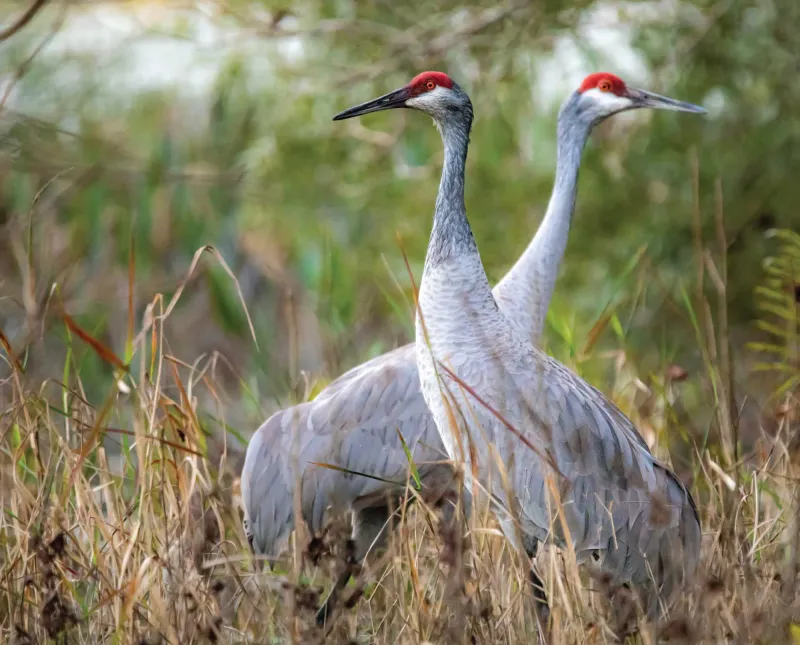
One person can help a little, but a whole community can change everything. Joining local conservation efforts multiplies the good you do for cranes and their wetlands.
Across Texas, groups work hard to protect marshes and the birds that visit them. These teams restore habitats, plant native species, and teach others how to help. Adding your energy makes their work stronger.
Look for volunteer days at nearby refuges and parks. You might plant grasses, clean up trash, or count birds for science. Every task, big or small, helps keep the habitat healthy for cranes.
Donating to wildlife groups also makes a real difference. Money helps buy land, restore wetlands, and run programs that protect migrating birds. Even a small gift adds up when many people pitch in.
Sharing what you learn spreads the impact even further. Tell friends and family about cranes and why wetlands matter. The more people who care, the more support these places get.
Many refuges host festivals and guided tours during crane season. Attending these events supports the local economy and shows officials that people value the birds. Your interest helps keep protection efforts funded.
You can also speak up for wetlands in your community. Support decisions that protect water and open land. Local voices carry weight when leaders plan how to use natural spaces.
Working together builds a network of protected stopping points along the crane migration path. Each safe wetland connects to the next, creating a chain of welcoming homes.
By joining these efforts, you become part of a bigger story that keeps sandhill cranes returning to Texas year after year.
7. Learn Crane Migration Timing
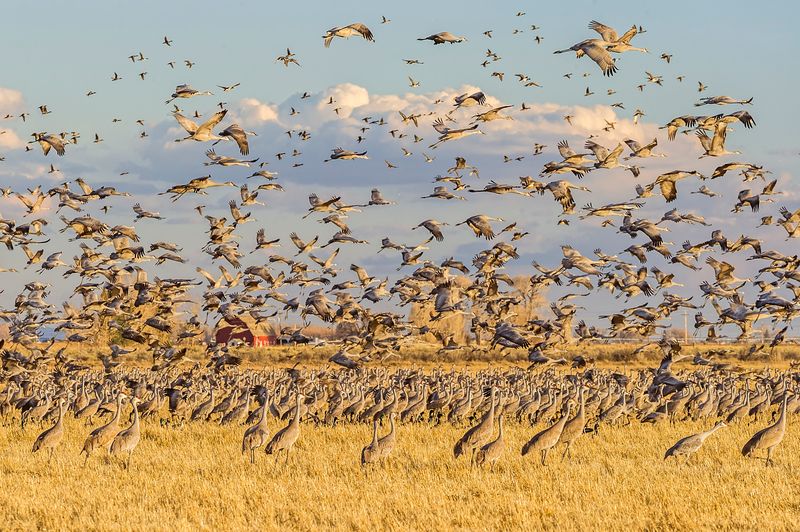
Knowing when cranes arrive helps you prepare the perfect welcome. Cranes follow the seasons closely, and timing your habitat work with their journey makes a big difference.
Sandhill cranes usually reach Texas wetlands in mid to late fall. They travel from far northern breeding grounds, sometimes thousands of miles away. Fall marks their big move south to escape cold weather.
Track their arrival by watching local bird reports and joining crane watchers online. Many groups post sightings so you know when the first birds appear. This gives you time to get your wetland ready.
Flood your fields and check water levels a little before the cranes come. Having food and safe roosts ready means the birds settle in fast. A prepared wetland pulls in early arrivals who tell the rest.
Cranes often stop at the same places year after year. Once you learn their pattern, you can plan around it. Keeping a simple journal of arrival dates helps you spot the rhythm over time.
Weather affects timing too. A sudden cold snap up north can push cranes south sooner than usual. Staying flexible lets you adjust your plans when nature changes the schedule.
Spring brings the return trip north, so cranes pass through again on their way back. Knowing both seasons helps you support them twice a year. Each stopover matters for their long journey.
Understanding migration turns you into a smarter wetland helper. When you match your care to the crane calendar, your habitat becomes a reliable rest stop.
That reliability keeps the flocks coming back and rewards you with the thrilling sight of cranes filling the autumn sky.