Mushrooms Are Appearing Across Washington Lawns After The First Fall Rain
The first serious rain of September rolls across Washington and flips some hidden switch deep in the ground. Overnight the whole neighborhood smells like wet cedar, cold soil, and somebody’s forgotten pile of damp firewood.
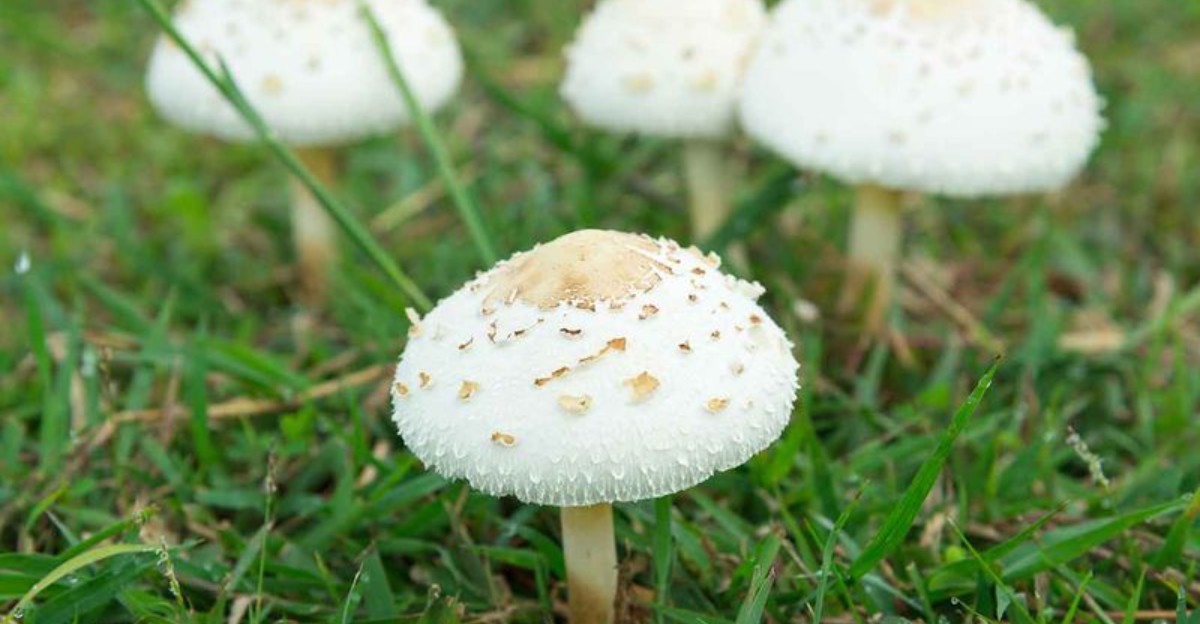
The lawnmower stalls out halfway across the yard, catching on something that wasn’t there last weekend. A loose cluster of pale caps has pushed the blades to a stop, right where the grass used to run clean and flat.
By lunchtime a dozen more have arrived, curved in a lazy arc near the old maple stump. Nobody planted them, nobody watered them, and yesterday that patch of grass looked perfectly ordinary.
Most people grab a rake and start swinging, which feels wonderfully productive for roughly four solid minutes. Your lawn, meanwhile, has been keeping this particular secret underground for decades.
Old Buried Wood Beneath The Lawn
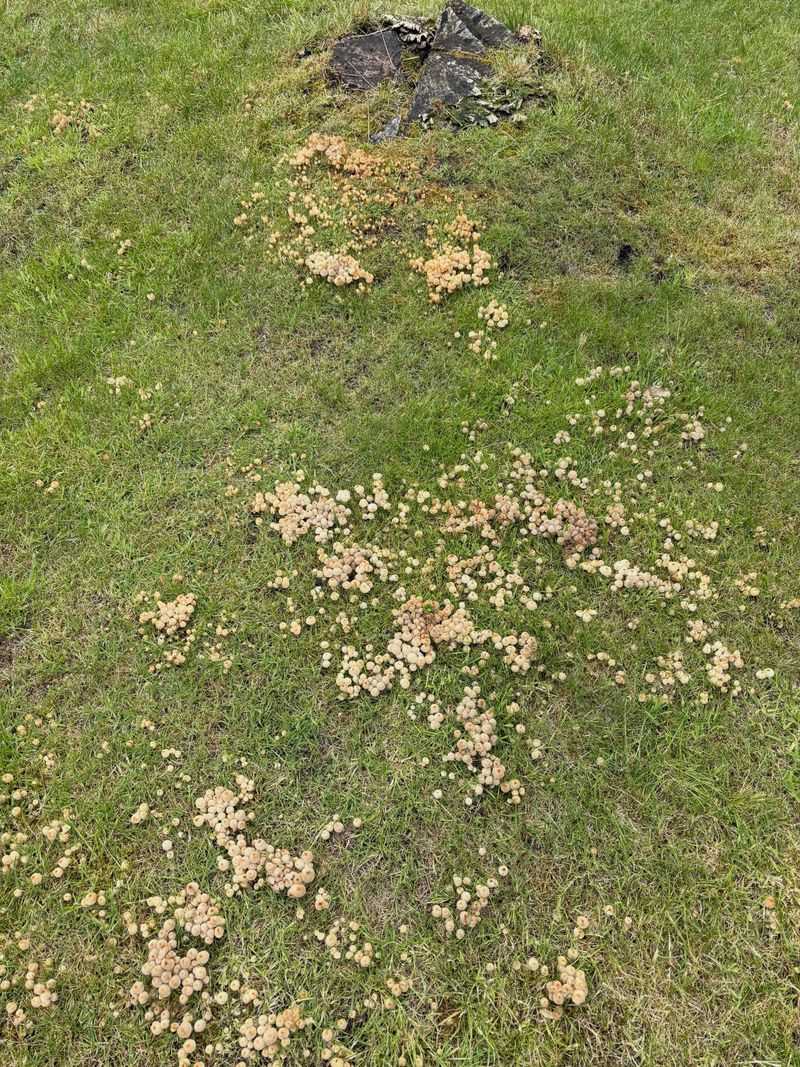
Almost every mushroom popping through Washington turf right now is feeding on wood you cannot see. Buried roots, old stumps, and construction scraps sit quietly under the grass for years.
Builders once buried stumps and lumber scraps on site because hauling them away cost real money. Decades later, that wood is still down there, slowly softening into rich brown crumbs.
Fungi are the recyclers of the forest, and your yard counts as forest to them. Their thread-like bodies, called mycelium, spread through the wood long before anything shows up above ground.
The mushroom itself is only the fruit, like an apple hanging on an invisible tree. The real organism may stretch several feet across, tucked between soil, roots, and rotting timber.
Western Washington makes this easy with mild temperatures, heavy tree cover, and soil that stays damp. Douglas fir roots left from old clearing projects feed fungi for twenty years or longer.
You can often trace a mushroom patch back to something specific in the yard’s history. A removed maple, an old fence line, or a buried deck post usually explains the pattern.
Honey mushrooms and other wood lovers favor stumps, while smaller brown clusters prefer shallow buried roots. Their presence means decay is happening, which is normal rather than a sign of neglect.
Seeing them is a little like reading a receipt for landscaping work done long ago. The grass looks new, but the ground underneath still remembers every tree that stood there.
The First Autumn Soaking And Its Timing
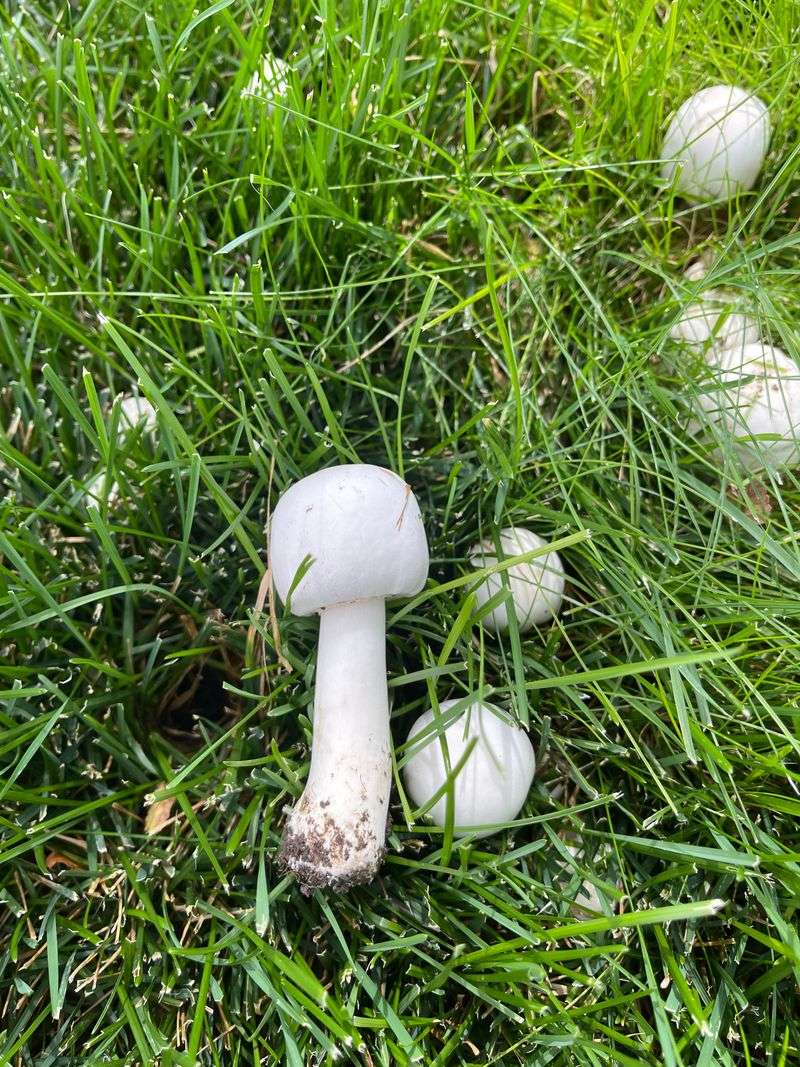
Ask any Washington gardener about mid-September and they will mention the day the drizzle returns. That first soaking rain after a dry summer sets off the biggest mushroom flush of the year.
Fungi spend the dry summer months dormant, waiting underground with their wood supply untouched. Moisture plus cooling night temperatures acts like an alarm clock they have ignored since June.
Most species need steady soil moisture and temperatures between fifty and sixty-five degrees before they fruit. Late September across the Puget Sound region hits that exact combination almost every single year.
A flush usually appears three to seven days after an inch of rain soaks in. Warm afternoons that follow a cool, wet night speed the whole process along nicely.
Your Washington Garden Changes Every Week. Your Plan Should Too.
Gardening in Washington changes quickly throughout the season. Every Friday you’ll receive a simple weekly plan showing exactly what to plant, prune, fertilize, harvest, and protect so you never miss the right timing.
Eastern Washington sees a shorter window because the air dries out again so quickly. West of the Cascades, mushrooms can keep appearing well into November without much of a break.
Shaded lawns stay wet far longer, so the north side of a house often erupts first. South-facing strips that bake in leftover sunshine usually lag behind by four or five days.
Irrigation systems still running in September can trigger the same response without any rain at all. Shutting sprinklers down once the weather turns can noticeably thin out a mushroom crop.
Timing also explains why the show ends abruptly after a hard frost or a dry stretch. The mushrooms collapse, but the network underground simply goes back to its patient waiting.
Rakes, Fungicides, And Other Wasted Effort
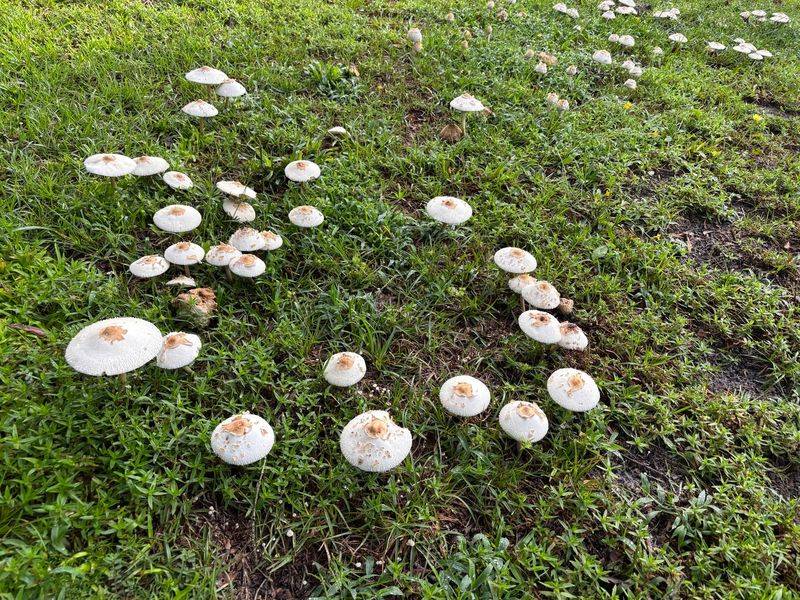
Here is the frustrating part that catches most homeowners off guard every single autumn. Knocking the mushrooms over does almost nothing to the living organism quietly producing them underground.
Store-bought lawn fungicides are built for leaf diseases such as rust, red thread, and snow mold. They barely touch wood-decay fungi living eight inches down inside an old buried root.
Spraying bleach, vinegar, or dish soap across the lawn damages grass roots and helpful soil microbes. The mushrooms usually return within a week, looking utterly unbothered by your chemistry experiment.
Some people try digging the whole patch out, which can actually make the flush worse. Chopped mycelium spreads into fresh soil and finds even more surface area to colonize.
Overwatering is another quiet mistake, especially with sprinkler timers still running on a summer schedule. Soggy turf in October gives fungi everything they want and gives your thinning grass very little.
Thick thatch layers hold moisture like a sponge and feed decay organisms all season long. Skipping fall dethatching leaves that sponge in place exactly when the rain shows up.
Ignoring toxic species in a yard where toddlers or curious dogs play is the riskiest habit. Several common Washington lawn mushrooms are genuinely dangerous if swallowed, so removal matters for safety.
Accepting that these fungi are not harming your grass will save a lot of wasted weekends. The lawn is fine, the buried wood is not, and patience handles most of the rest.
A Safer Cleanup Routine For Yards With Kids And Pets
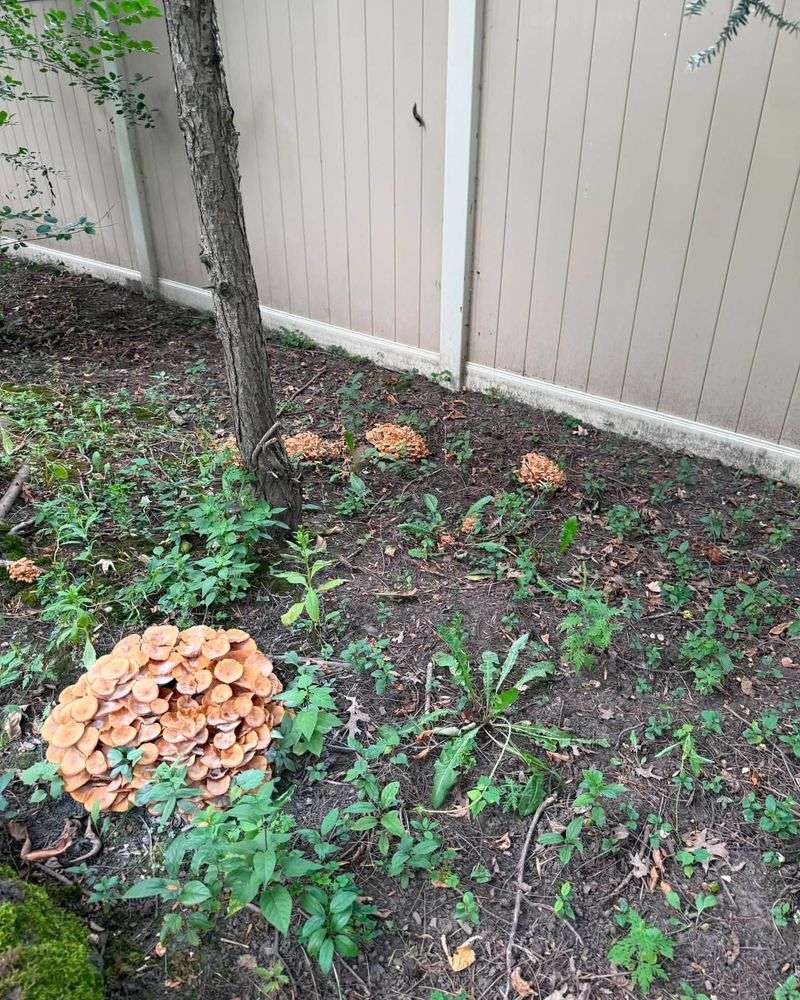
Dogs and toddlers investigate the world with their mouths, which makes damp autumn lawns worth watching. A quick morning walk around the yard takes two minutes and removes the whole problem.
Pick mushrooms with a gloved hand or a small trowel rather than with the mower blade. Mowing scatters spores and leaves shredded pieces that curious pets can still track down later.
Bag whatever you collect and put it in household trash instead of the backyard compost pile. Compost heat rarely reaches every corner, and spores travel easily inside loose yard waste.
Wash your hands afterward, even though simply touching most mushrooms is harmless for nearly everybody. Soil bacteria, not fungi, are the real reason that small habit makes good sense.
Avoid testing identification by taste, and assume any unknown lawn mushroom could be genuinely toxic. Washington hosts several look-alike species that fool even experienced foragers on a distracted day.
If a child or pet swallows one, save a whole sample inside a dry paper bag. Poison control staff and veterinarians work much faster when they can see the actual specimen.
The Washington Poison Center answers calls day and night, and the service costs nothing to use. Having that number saved beats frantic internet searching while the worry quietly sets in.
Check the yard again after every heavy rain through October, since new flushes come quickly. Consistency turns a scary situation into a small, boring chore you barely think about.
Sunken Spots, Green Arcs, And Slow Decay
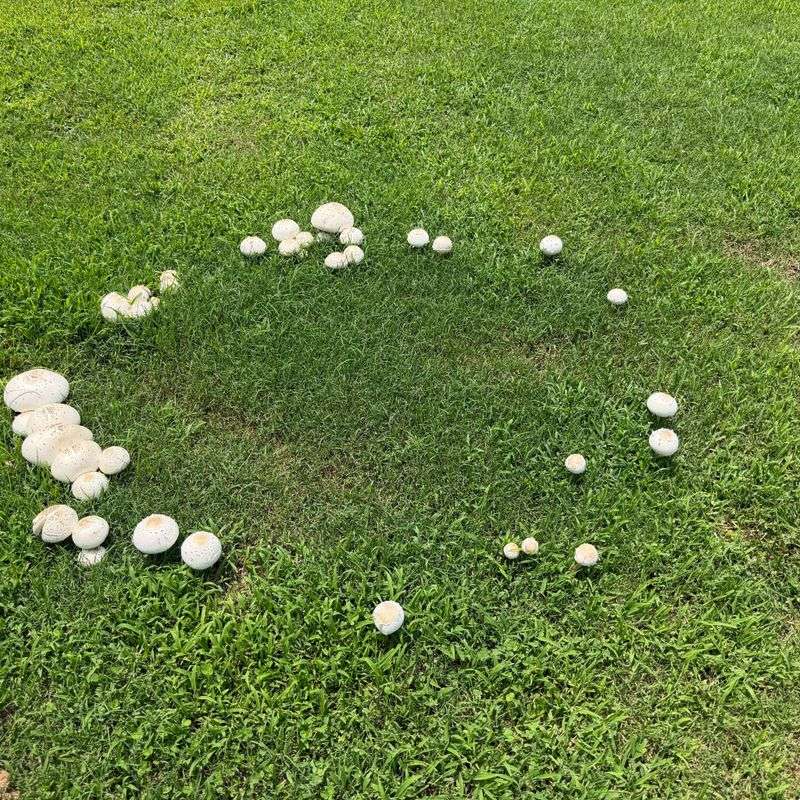
Years after the mushrooms fade, the ground keeps telling the story of that buried wood. Soft dips appear where an old stump finally collapsed into crumbly soil beneath the turf.
Homeowners sometimes call these sinkholes, though they are usually only two or three inches deep. Filling them with screened topsoil and reseeding in early October fixes the appearance within weeks.
Dark green rings, known as fairy rings, appear where fungi release nitrogen while they feed. Grass inside the ring grows faster and greener than the tired turf sitting around it.
Some rings develop a thin brown band because the dense mycelium underneath actually repels water. Aerating that strip and watering deeply helps moisture finally reach the starved grass roots below.
A single fairy ring can expand a few inches every year and last for many decades. One famous European ring is estimated to be several hundred years old and still growing.
None of this harms the lawn permanently, which genuinely surprises people who expected lasting damage. Once the buried wood is fully recycled, the fungi run out of food and fade away.
That process takes anywhere from five to twenty years, depending mostly on the wood size. A fir stump the width of a dinner plate keeps fungi busy for a long stretch.
Looking at it another way, your yard has a free composting service running quietly underground. The only fee is a handful of odd mushrooms arriving every rainy September.
Stump Grinding And Smarter Soil Choices
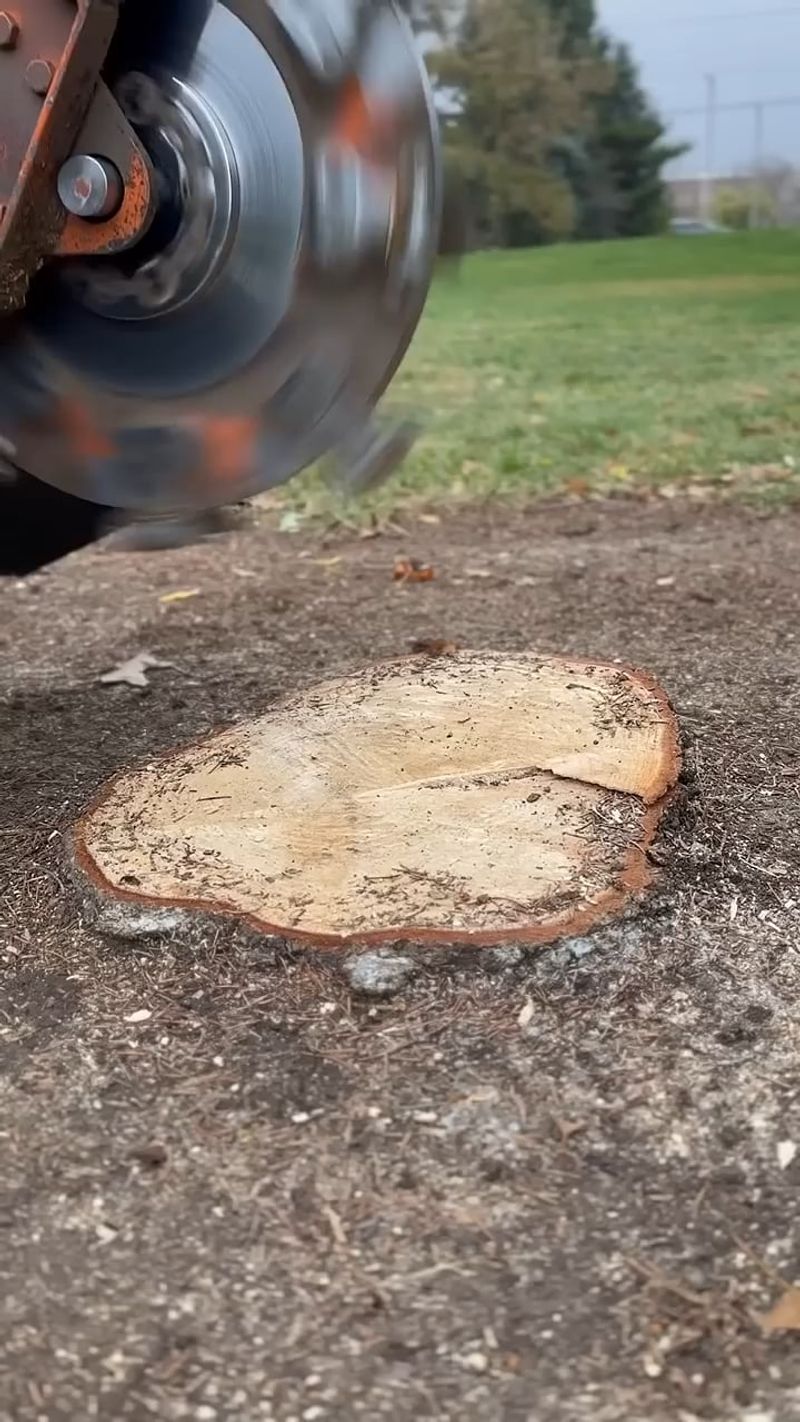
Prevention starts with one simple question asked before any tree work begins in the yard. Ask whether the crew will grind the stump out or leave the roots down there.
Grinding six to twelve inches deep removes most of the food supply that fungi depend on. Ask for the deeper end of that range if a new tree is going in the same spot.
Fresh wood chips spread as mulch can seed a mushroom crop within a single wet season. Coarse bark mulch breaks down slower and feeds fewer of the aggressive wood-decay species.
When building a new lawn, insist that contractors haul off lumber scraps and old form boards. Buried construction debris is a common hidden cause of mushroom patches around Washington.
Improving drainage helps too, since standing water keeps the top few inches damp for weeks. Core aeration each fall moves air through the soggy soil that these fungi prefer.
Feeding the lawn with a light autumn nitrogen application speeds thatch breakdown in a natural way. Thicker grass crowds the surface and makes any mushroom clusters much less noticeable from the sidewalk.
Perfect prevention is not realistic west of the Cascades, and chasing it wastes real money. Reducing buried wood simply shrinks the number of flushes you will see each rainy fall.
Plenty of longtime Washington gardeners have quietly made peace with the whole seasonal routine. They pull the odd cluster, mention the rain, and get on with their morning coffee.