Mushrooms Will Pop Up Everywhere After Virginia’s Drought-Breaking Rain. Keep Your Dog Away From These
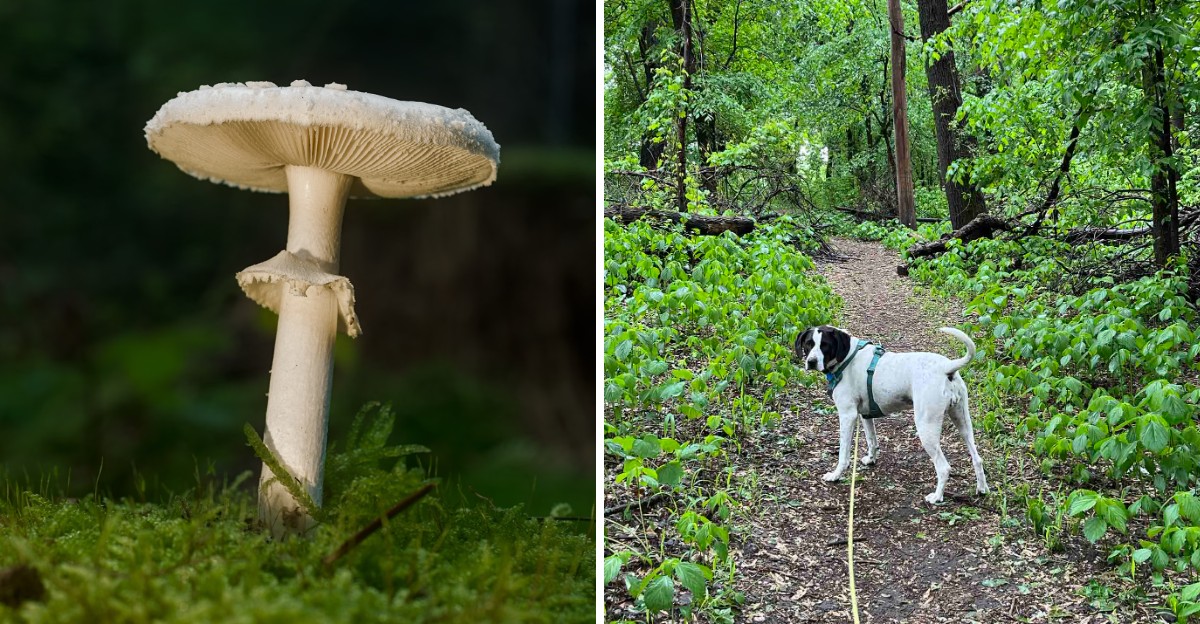
A single mushroom can rise from bare lawn to full cap in one night. I watched it happen after the first soaking storm, and my coffee nearly went cold.
That speed is not a trick of the eye. A hidden web of fungal threads waits underground through dry spells, then pushes up fruit the moment the soil drinks again. Across Virginia, that waiting game just ended for a lot of yards.
My garden taught me to love these odd little visitors. My dog taught me to worry about them. He treats every new lump in the grass like a free snack left out just for him.
Most of what pops up is harmless to look at. A few are far more serious than their plain brown or white caps suggest.
So which ones belong on your watch list, and what should you do if a curious nose finds one first?
That Overnight Mushroom Crop Has Been Waiting Underground All Summer
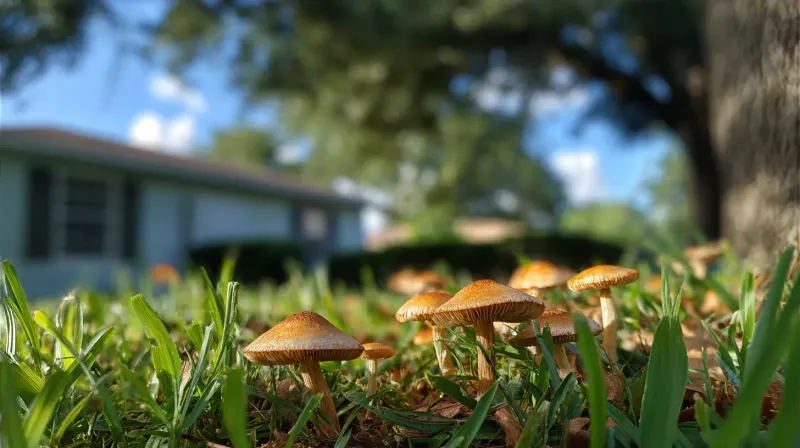
Fungi are patient in a way most garden plants are not. Under your lawn, mulch, and old tree roots sits a network of thin white threads called mycelium.
It spends dry months quietly feeding on buried wood, roots, and leaf litter.
The long drought kept that network in a holding pattern. Soil was too dry for it to spend energy on mushrooms.
Once steady rain soaked the ground, the signal flipped, and the fungus started sending up its fruiting bodies to release spores.
That explains why a yard can look bare on Monday and spotted with caps by Wednesday. Mushrooms are mostly water, so they swell fast once moisture arrives.
Warm days and cool, damp nights speed things along even more.
Did you know a single mushroom can release millions or even billions of tiny spores? That is how fungi spread across a neighborhood without anyone noticing.
For gardeners, this flush is mostly a healthy sign. Fungi break down organic matter and return nutrients to the soil.
The catch is that a dog sees these surprise arrivals very differently than you do.
Expect more flushes after each good rain through the rest of the season. One quick sweep of the yard is helpful, but checking again after every soaking storm makes a real difference for pet owners.
Treat Every Wild Mushroom in the Yard as Off Limits for Your Dog
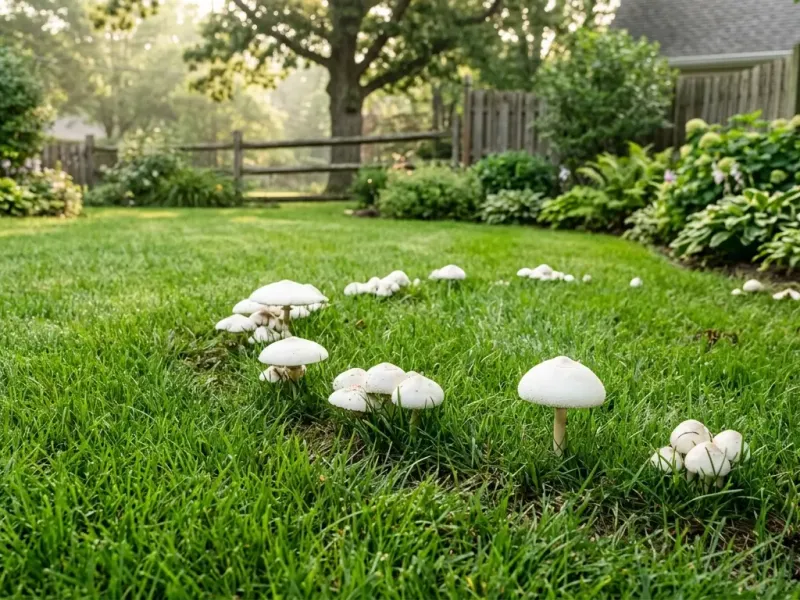
Veterinarians keep one simple rule, and I have adopted it too. If a dog eats any wild mushroom, treat it as a possible poisoning until a professional says otherwise.
That advice sounds strict, but there is good reason behind it. Even skilled mushroom hunters struggle to tell safe species from harmful ones without close study, spore prints, and sometimes a microscope.
A quick glance from the back porch is not enough.
Dogs make this trickier. They explore with their noses and mouths, and puppies grab almost anything new.
Some toxic Amanita mushrooms give off a fishy smell that pet experts believe may attract dogs.
So the practical answer is easy to remember. Keep your dog away from all yard mushrooms, not only the scary-looking ones.
Plain brown and white caps cause plenty of the serious cases.
I used to think I could spot the bad ones. Then I learned that some of the most harmful species look boring, smooth, and completely forgettable in the grass.
That changed my habits fast.
A short daily walk around the yard before letting your dog out helps a lot. Pull anything you find, bag it, and toss it in a lidded trash can.
It takes five minutes and saves a lot of worry.
Pale Amanita Mushrooms Are the Ones That Worry Vets Most
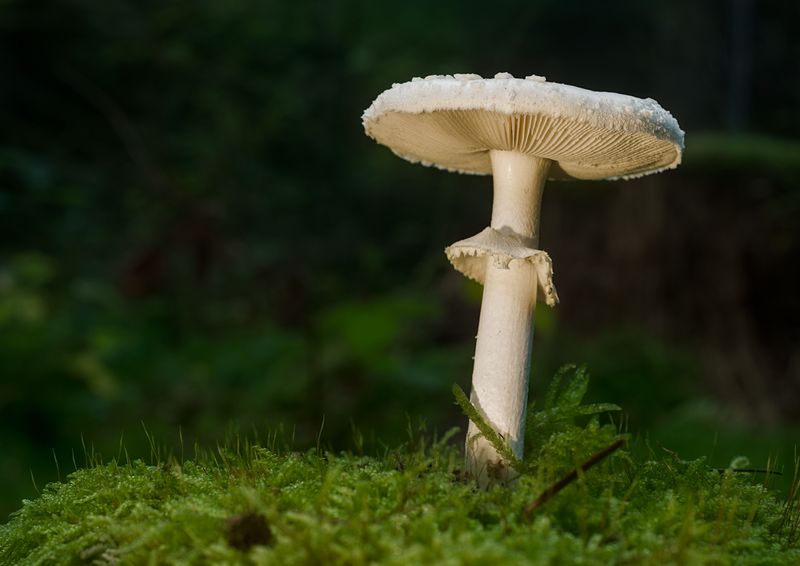
Some of the most dangerous mushrooms in North America grow in Virginia woods and shady yards. The eastern destroying angel, Amanita bisporigera, is pure white, smooth, and almost elegant.
That clean look fools people and pets alike.
Amanitas often show a few clues. Many have a ring or skirt on the stem and a cup-like sac at the base, sometimes hidden under soil.
White gills sit under the cap.
These mushrooms contain amatoxins, which attack the liver and kidneys. Trouble from them is tricky because a dog may vomit, seem to recover, then crash a day or two later when organ damage shows up.
Amanita phalloides has been reported in parts of the eastern U.S., often near planted trees, though it is far less common here than the native white species. Either way, the advice is the same.
Look for them near oaks, beeches, and other hardwoods, since Amanitas partner with tree roots. Lawns that border wooded lots deserve an extra look after rain.
If you even suspect your dog ate a white mushroom with a ring or cup, call a vet right away. Early treatment gives a pet the strongest chance of a good outcome.
Waiting for symptoms is the mistake to avoid.
Big Lawn Parasols and Tiny Brown Galerina Caps Deserve Respect
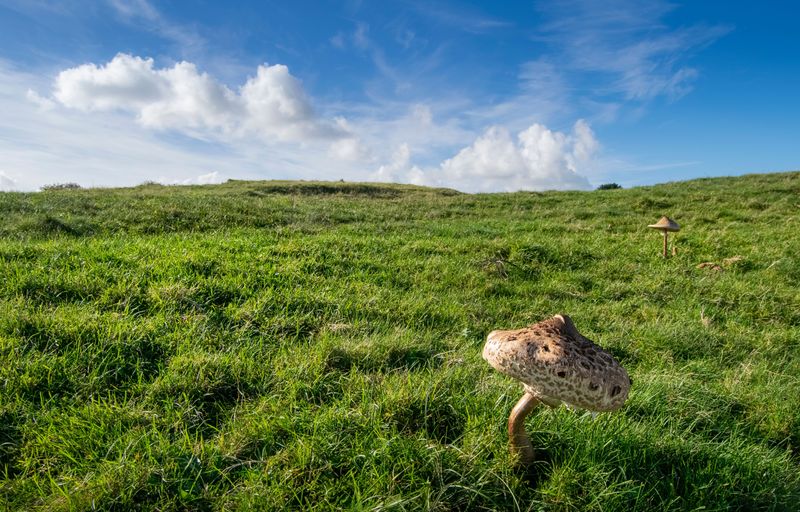
Lawn mushrooms come in all sizes, and two very different ones show up a lot after summer storms. One is huge.
The other is easy to step on without noticing.
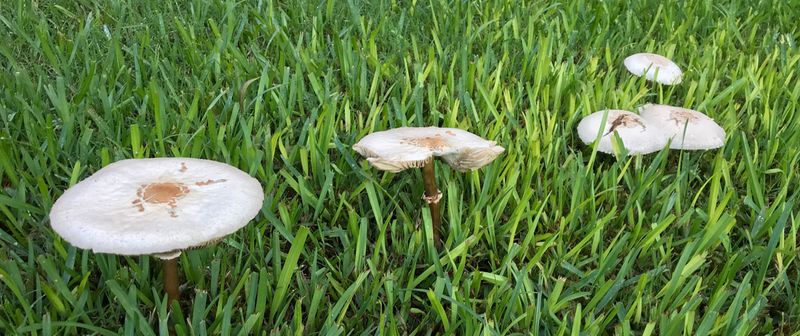
Green-spored parasol, Chlorophyllum molybdites, is the large one. Its caps can reach the size of a dinner plate, often in rings or arcs across sunny grass.
It is one of the most commonly eaten toxic mushrooms in North America, and it causes harsh vomiting and diarrhea.
A helpful clue is the gills. As the mushroom matures, they turn a dull greenish color, which few lookalikes share.
Its spore print is also green.
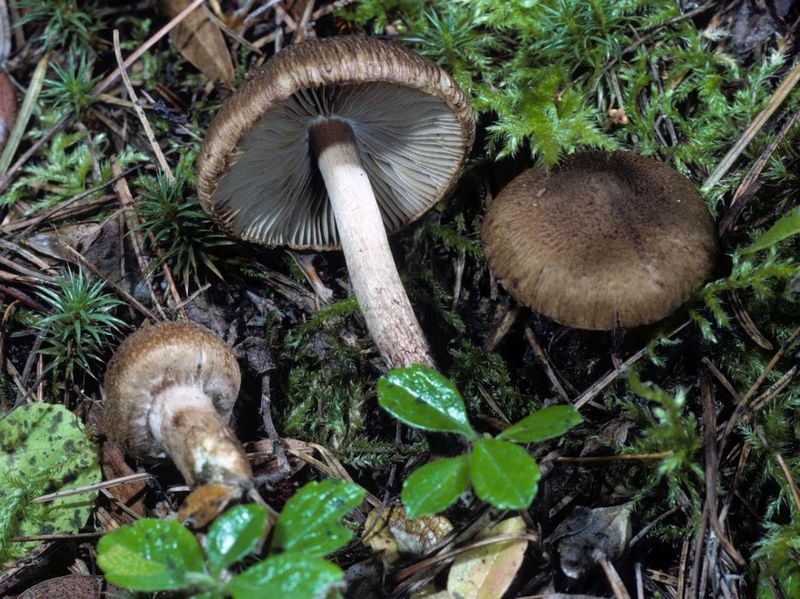
Galerina mushrooms are the small ones. Their caps are honey brown and only an inch or so wide, usually on rotting wood, stumps, or wood chip mulch.
Some species carry the same liver-damaging toxins found in Amanitas.
I find Galerina in my mulched beds more than anywhere else. They look like nothing special, which is exactly why they slip past people.
Fresh wood mulch, old stumps, and buried roots are prime spots for these little brown caps. Rake through mulch beds after heavy rain, and keep your dog out of them while mushrooms are fruiting.
Drooling, Vomiting, or Wobbly Legs Can Point to a Mushroom Snack
My dog once threw up after a yard romp, and my first thought went straight to the mushrooms by the fence. It turned out to be grass that time, but the scare taught me what to watch for.
Signs depend on the species and how much was eaten. Stomach trouble is the most common, including vomiting, diarrhea, drooling, and belly pain.
These often start within a few hours.
Some mushrooms affect the nervous system instead. Watch for stumbling, confusion, tremors, unusual sleepiness, agitation, or seizures.
Certain species can also cause heavy drooling and watery eyes.
Liver-damaging mushrooms are the sneakiest. Early stomach upset may fade, and your dog may seem fine for a day.
Later signs can include yellow gums or eyes, weakness, more thirst, and changes in urination.
That delayed pattern is the reason vets urge quick action. A dog that looks normal after eating a mushroom is not necessarily safe.
Keep notes if anything seems off. Write down when you think your dog ate something, what you saw, and when symptoms began.
Vets use that timeline to decide on treatment, so even rough notes on your phone are useful.
Grab the Phone and a Paper Bag the Moment Your Pup Eats a Mushroom
Speed matters more than certainty here. If you saw or suspect your dog ate a wild mushroom, call your veterinarian or an animal poison hotline right away, before symptoms start.
Two national options are open around the clock. ASPCA Animal Poison Control is 888-426-4435, and Pet Poison Helpline is 855-764-7661.
Both may charge a consultation fee, but they can guide you and your vet.
While you wait, gently clear any leftover pieces from your dog’s mouth if it is safe. Then find the remaining mushrooms in that spot.
Snap clear photos from the top, side, and underside. Dig up a whole sample, including the base, since cups and rings help with identification.
Place it in a paper bag, not plastic, which turns mushrooms mushy fast.
One big caution stands out. Do not make your dog vomit at home unless a vet tells you to.
The wrong method or timing can cause more harm.
Take the bag and photos with you to the clinic. Local mycologists or mushroom clubs sometimes help vets with identification.
Saving your vet even an hour of guesswork can make a real difference.
Pull, Bag, and Toss Those Lawn Mushrooms Before Your Dog Finds Them
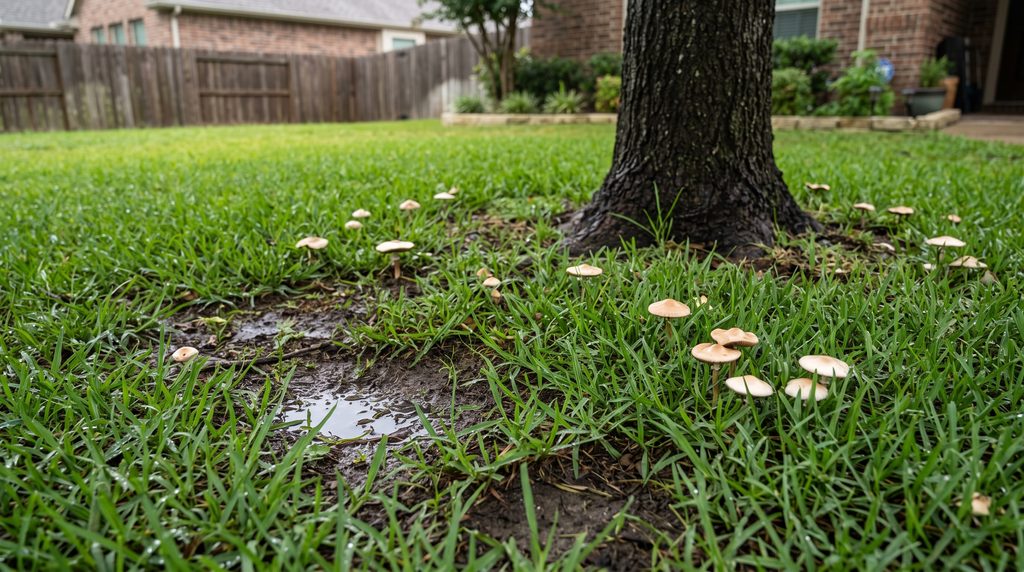
Gloves on, bag in hand, and a slow walk around the yard. That little routine has become my after-rain ritual, right alongside checking the rain gauge.
Focus on shady corners, tree bases, mulch beds, and spots where old stumps or roots sit underground. Those areas often fruit first and longest.
Pull each mushroom out with its base, then seal it in a bag and drop it in a lidded trash can. Skip the compost pile, where your dog might dig it back up.
Learn from my mistake and avoid mowing over them. Mowing chops caps into small pieces that are harder to spot and easier for a dog to gobble.
Removing mushrooms will not stop the fungus underground. New caps can return after the next storm, so plan on repeat checks.
Fungicides are not a reliable fix for lawn mushrooms and are generally not recommended.
You can make your yard less welcoming over time. Improve soggy drainage, rake up thick leaf piles, and remove buried wood or old stumps when practical.
Thinning dense shade so sunlight reaches the grass also helps dry things out between rains.
A Short Leash and a Solid Leave It Command Protect Dogs on Wooded Trails
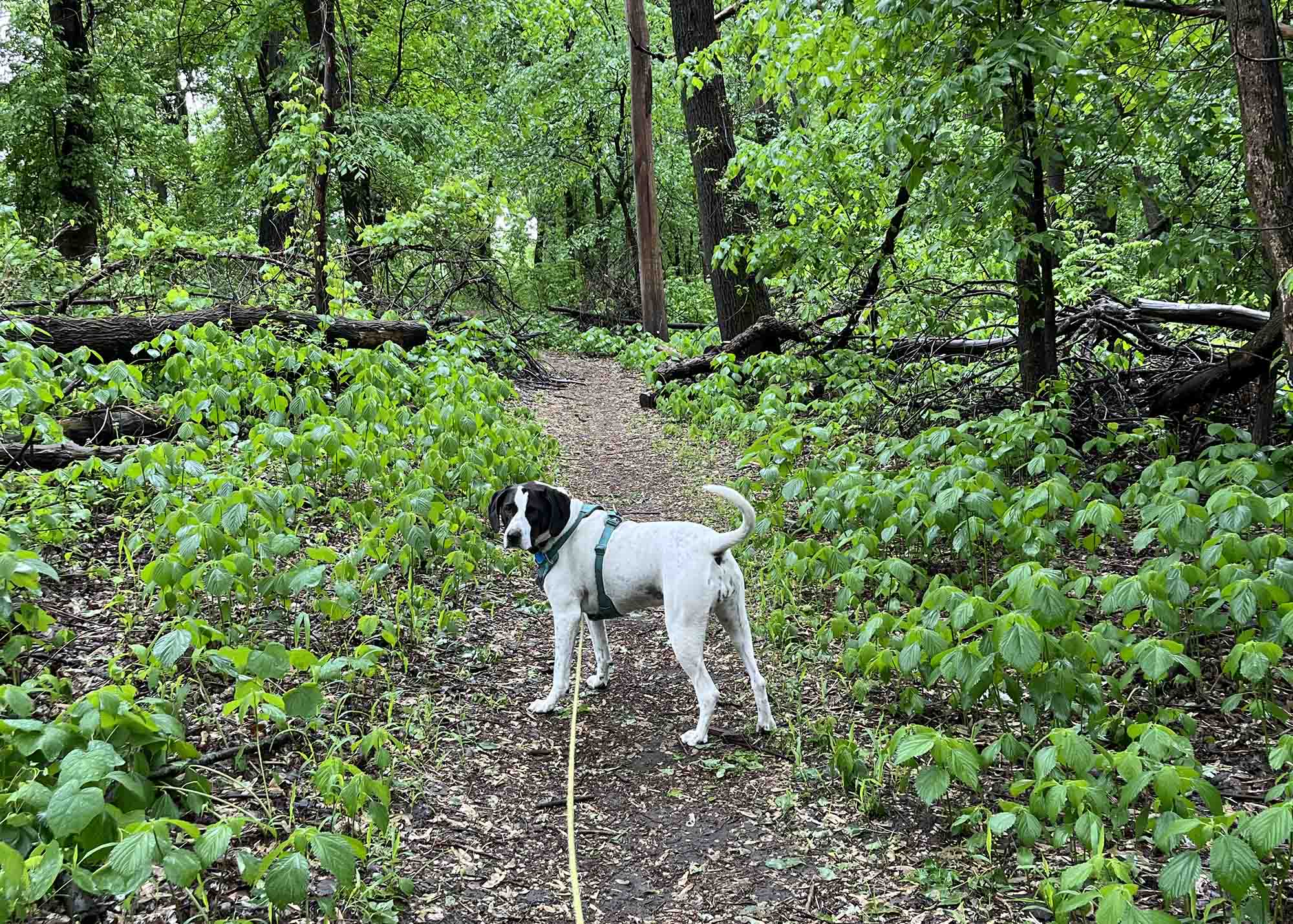
Trails after rain feel like a different world. Moss glows, the air smells earthy, and mushrooms line the path like tiny umbrellas.
Your dog notices all of it too.
Parks and woods across Virginia hold far more fungi than a typical backyard. Hardwood forests, damp creek edges, and leaf-covered slopes are prime spots, especially in late summer and fall.
A shorter leash in those areas gives you time to steer your dog away. Retractable leashes let a curious nose reach a mushroom before you even see it.
Training is your best long-term tool. Practice leave it at home with treats, then on quiet walks, then near real distractions.
Reward heavily with something your dog loves, like small bits of chicken.
My dog now glances at me when he spots something interesting on the ground. That pause took weeks of practice, and it was worth every treat.
Keep your vet’s number and a poison hotline saved in your phone before heading out. A few paper bags in your walking kit help too.
The mushroom season is short and lovely, and a little planning lets you enjoy it without a frightening trip to the emergency clinic.