7 Must-Know Tips For North Carolina Gardeners On How Many Plants To Put In A Container
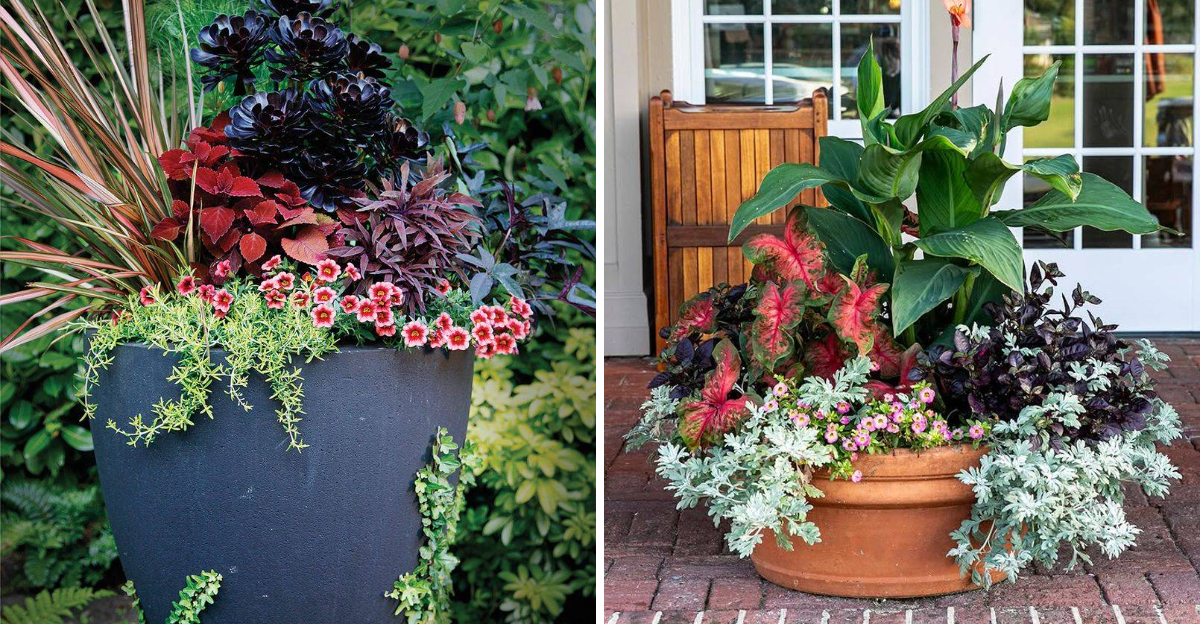
Container gardening is a great way for North Carolina gardeners to add color and life to patios, porches, and small spaces, but knowing how many plants to use can make or break the look.
It is easy to crowd a pot in hopes of getting a fuller display, yet too many plants can lead to poor growth and constant maintenance.
On the other hand, using too few can leave containers looking empty and underwhelming. North Carolina’s warm climate also means plants grow quickly, which makes spacing even more important.
Finding the right balance helps plants stay healthy, allows roots to develop properly, and keeps containers looking full without becoming overcrowded. With a few simple guidelines, you can create arrangements that thrive and look great all season.
Getting the number of plants right is one of the easiest ways to improve your container garden.
1. Match Plant Count To Container Size
Picture a pot so packed with plants that none of them have room to breathe. That is exactly what happens when gardeners skip the step of matching plant count to container size.
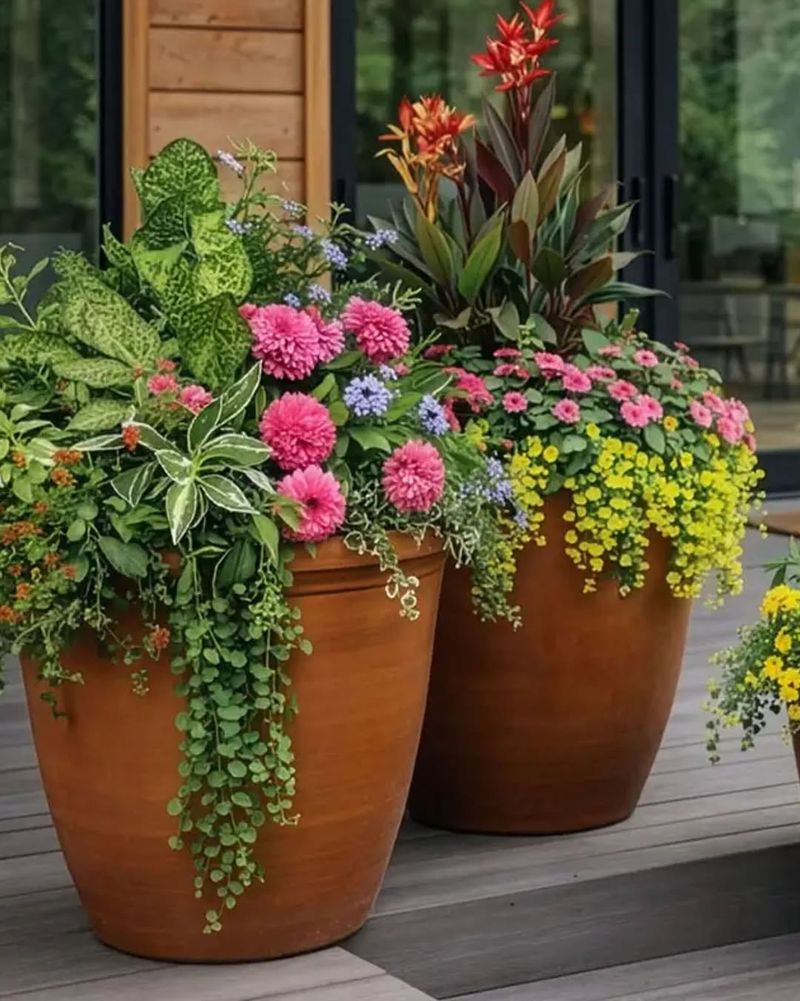
A simple and reliable rule to follow is placing one large plant in a 10 to 12 inch pot. For larger containers between 16 and 20 inches, you can comfortably fit three to five smaller plants without crowding them.
North Carolina’s warm and humid climate makes proper spacing even more important. When plants are too close together, air cannot move freely between them, which creates the perfect setting for fungal problems and weaker stems.
Giving each plant a little breathing room goes a long way toward keeping your container garden healthy all season long.
Bigger containers also hold more soil, which means better moisture retention and more stable temperatures for roots during North Carolina’s hot summers.
If you are working with a decorative pot you love but it runs small, choose a single bold plant that fills it naturally.
Matching your plant count to your container size is not just a gardening rule, it is the foundation of every beautiful and productive container garden you will ever grow. Start with the right fit and everything else becomes easier from there.
2. Follow The Thriller, Filler, Spiller Rule
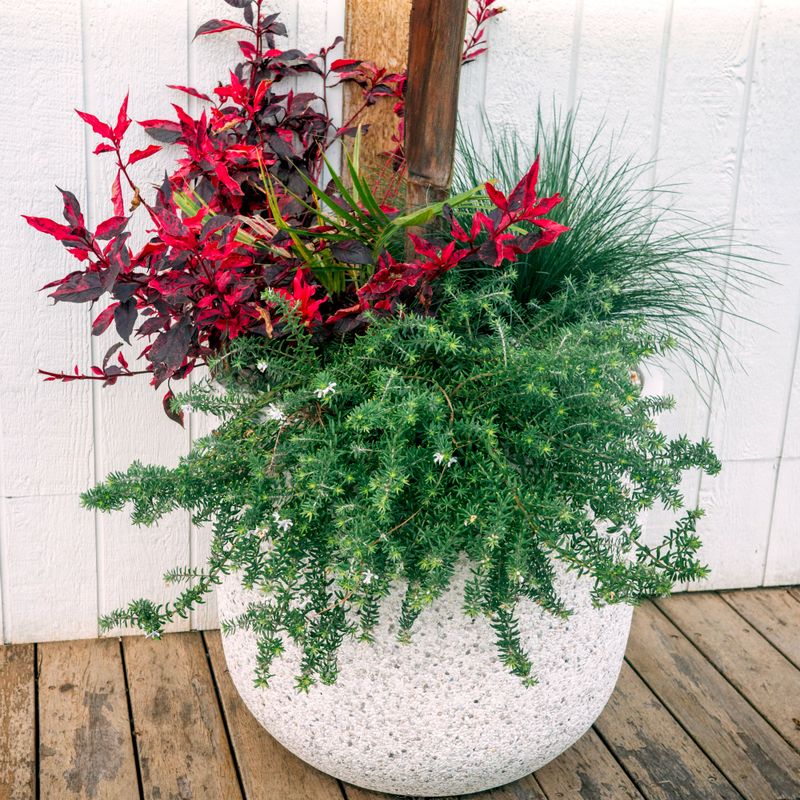
Some of the most eye-catching container gardens in North Carolina follow one simple design formula that professional gardeners have trusted for years. The thriller, filler, spiller rule gives every pot a natural structure that feels balanced, layered, and full of life.
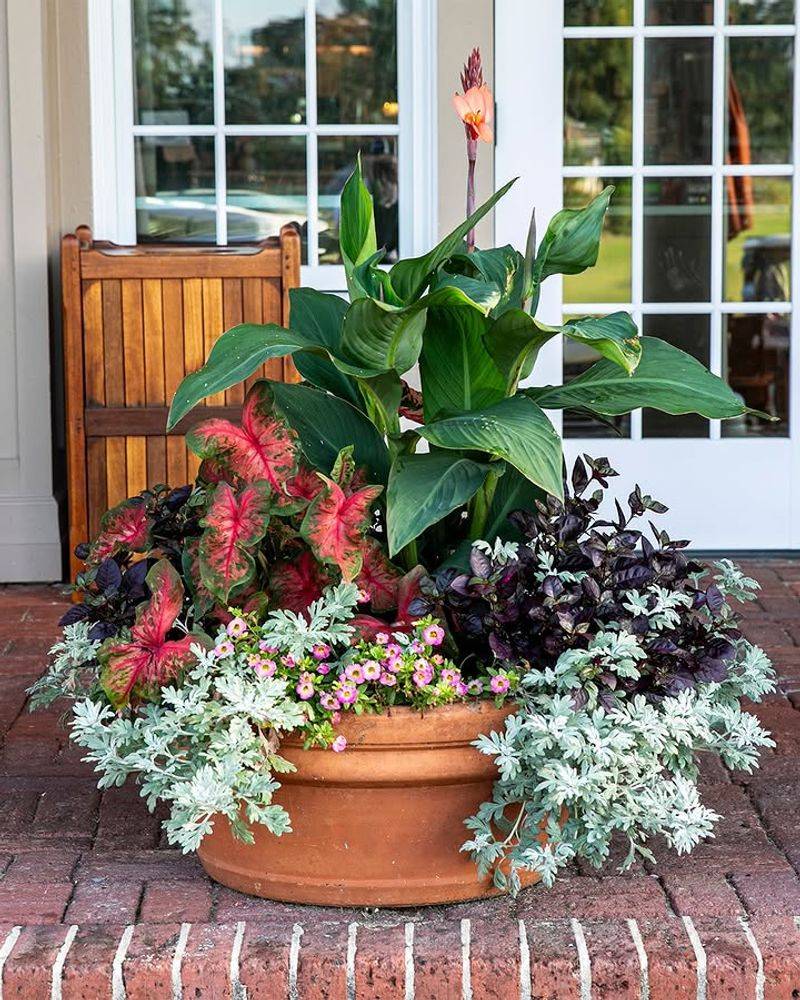
One tall, dramatic thriller plant anchors the center and draws the eye upward. One or two medium filler plants surround it, adding color and volume without competing for attention.
Trailing spiller plants hang over the edges of the container, softening the hard lines of the pot and making the whole arrangement look effortless.
Popular choices for North Carolina containers include elephant ears as thrillers, sweet alyssum as fillers, and creeping Jenny as spillers.
Each plant plays a different role, and together they create something that looks professionally designed without requiring much fuss.
Your North Carolina Garden Changes Every Week. Your Plan Should Too.
Gardening in North Carolina changes quickly throughout the season. Every Friday you’ll receive a simple weekly plan showing exactly what to plant, prune, fertilize, harvest, and protect so you never miss the right timing.
The beauty of this rule is that it also solves the question of how many plants to use. You are working with three to five plants total depending on container size, which naturally prevents overcrowding. Each plant has a specific job and enough space to do it well.
North Carolina’s long growing season means these arrangements can look stunning from early spring well into fall, especially when you choose plants suited to the local climate and light conditions in your yard or on your patio.
3. Adjust For Fast-Growing Summer Plants
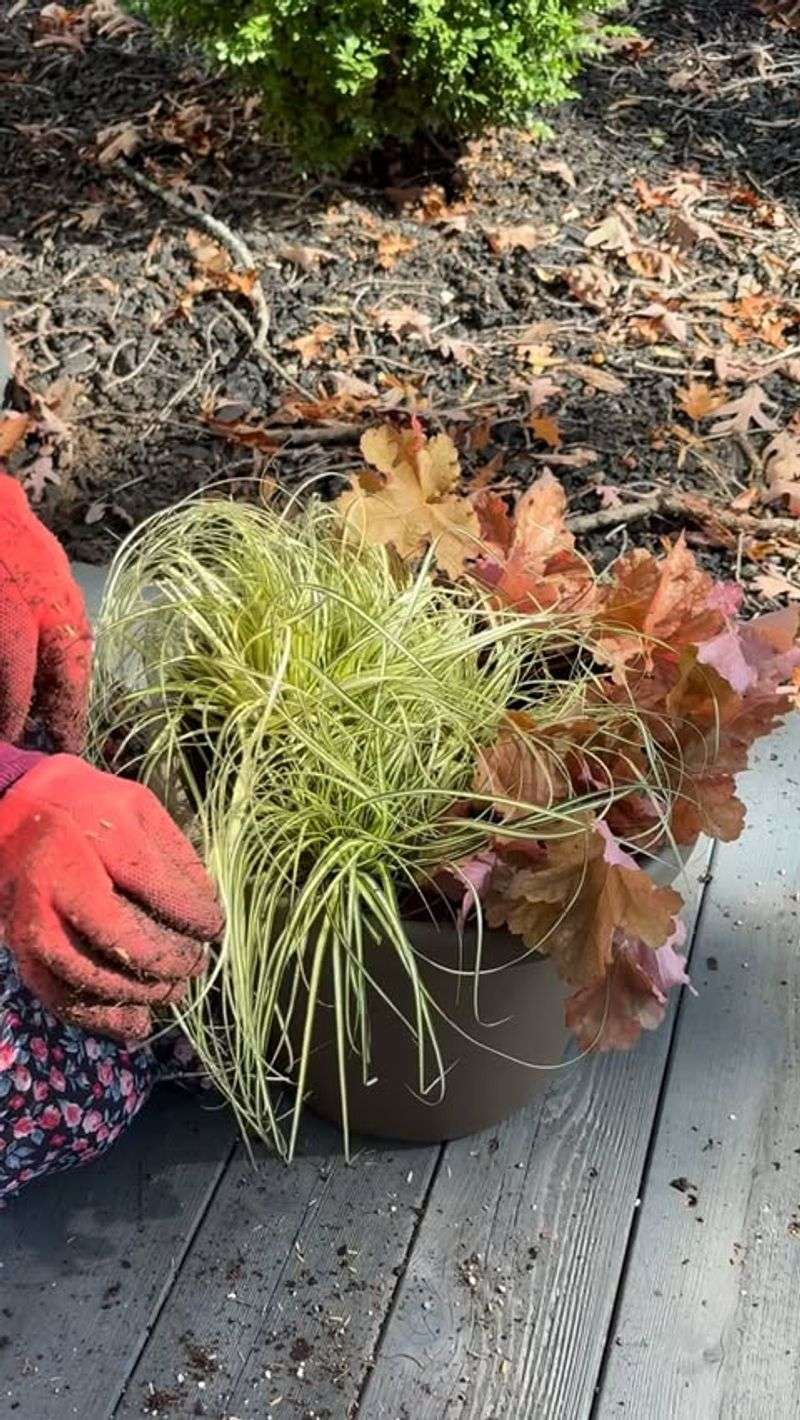
North Carolina summers are long, warm, and full of growing energy, which means some plants will surprise you with how fast they take over a container.
Petunias, sweet potato vine, and lantana are all popular choices for summer pots, but they can double or triple in size between May and August.
Starting with fewer plants in the spring gives each one room to spread out as the season heats up.
A common mistake among new gardeners is filling a container to capacity in early spring when plants are still small and tidy. By midsummer, that same pot becomes an overcrowded tangle where plants compete for water, light, and nutrients.
Planting two petunias instead of four in a 14-inch container might look sparse in March, but by July it will look absolutely full and healthy.
Checking the mature spread listed on plant tags before you buy is a habit worth building. Many fast-growing summer annuals have a spread of 12 to 24 inches, which means they need far more room than their small nursery size suggests.
In North Carolina’s growing climate, these plants reach their full potential faster than in cooler regions.
Planning for that growth from the start means you spend less time pruning, less money replacing stressed plants, and more time enjoying a container garden that keeps performing all summer long.
4. Consider Root Space, Not Just Plant Size
Here is something that surprises a lot of new container gardeners: what you see above the soil is only half the story. Below the surface, roots are spreading out, searching for water and nutrients in every direction.
When too many plants share one container, their root systems compete fiercely, and that underground struggle shows up above ground as yellowing leaves and slow growth.
Even plants that look small and compact on the nursery shelf can develop surprisingly large root systems once they settle in. In North Carolina’s warm climate, roots grow actively for much of the year, which makes underground competition a real and ongoing challenge.
Choosing a container deep enough for root development is just as important as choosing one wide enough for the plants you want to grow.
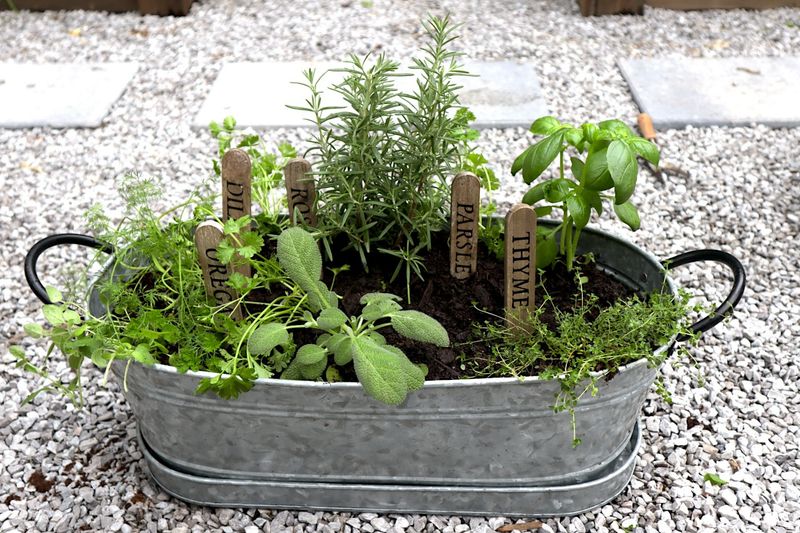
A good habit is to check the root depth requirements for each plant before combining them in one pot. Shallow-rooted herbs like basil and cilantro can share space comfortably, while tomatoes and peppers need deep containers all to themselves.
Mixing plants with very different root depths often means one thrives while the other struggles.
North Carolina gardeners who pay attention to root space end up with stronger, more productive containers that stay healthy through the heat of summer without needing constant extra care or fertilizer to compensate for crowded conditions underground.
5. Use Fewer Plants In Small Pots
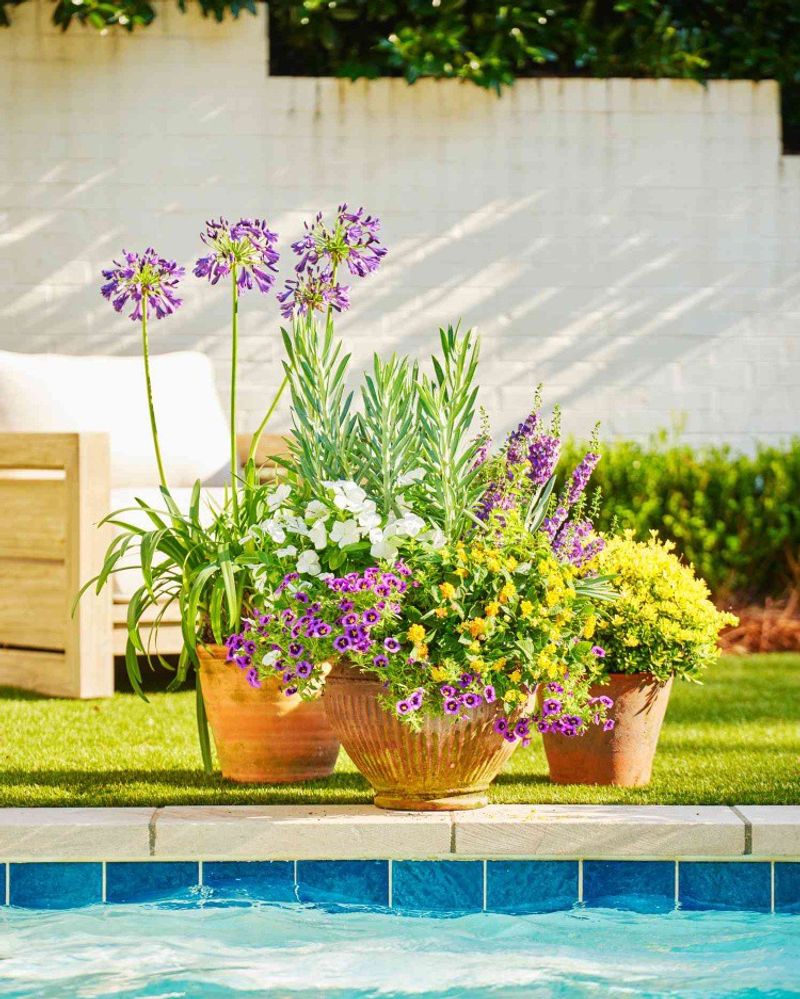
Small pots have a charm all their own, but they come with real limitations that gardeners in North Carolina need to respect. A container under 10 inches wide holds a limited amount of soil, which means it dries out quickly during the state’s hot and sunny summers.
Sticking to one plant, or at most two very compact plants, keeps stress levels low and gives the roots enough room to stay healthy.
Trying to squeeze three or four plants into a tiny pot might look cute for a week or two, but the soil dries out faster, nutrients run out sooner, and plants start to look worn down by midsummer.
Small containers are actually better suited to single specimens that have room to show off their best qualities.
A single trailing petunia, one colorful coleus, or a compact herb like thyme can look stunning on its own in a well-chosen small pot.
Grouping several small pots together on a porch or patio step is a great way to create visual impact without overcrowding individual containers.
This approach is especially popular among North Carolina gardeners who work with limited outdoor space but still want a lush, layered look.
Each pot gets the attention it deserves, watering becomes more precise, and plants stay healthier longer. Small pots done right can be just as impressive as the largest statement containers in your garden.
6. Increase Plant Count In Large Statement Containers
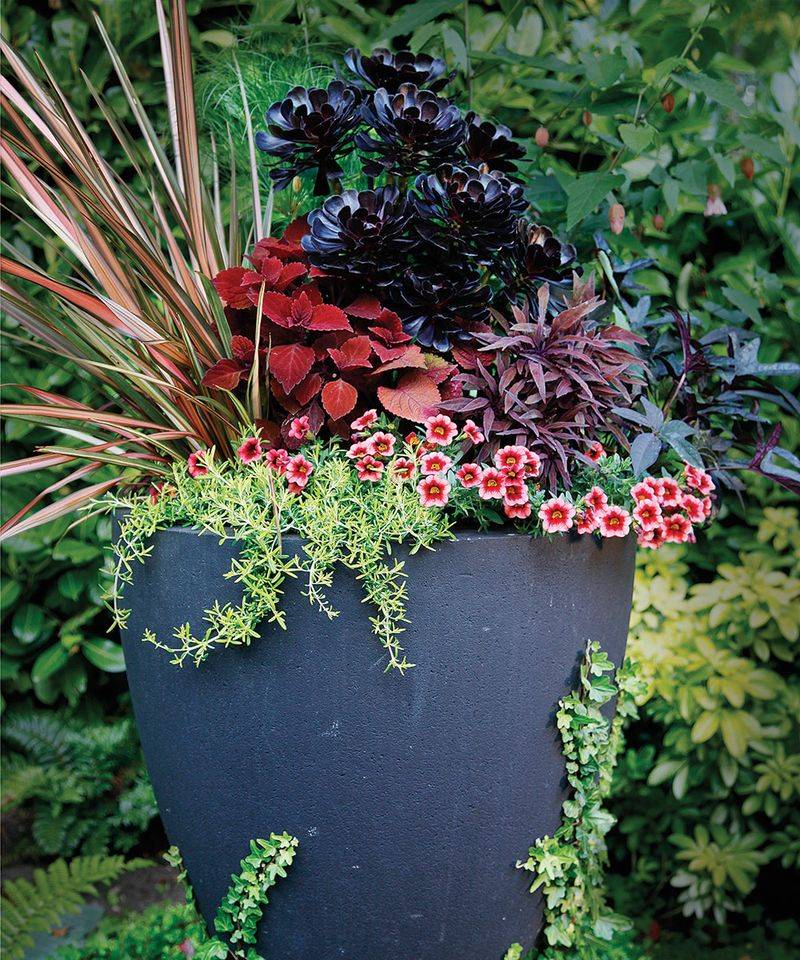
Big containers are one of the most exciting opportunities in any North Carolina garden. A pot that measures 20 inches or wider can comfortably hold five to seven plants, depending on their growth habits and mature sizes.
The key is combining upright growers with spreading and trailing varieties so that every inch of space gets used beautifully without any single plant crowding out the others.
Large containers also hold soil more efficiently, which means roots stay cooler and moisture lasts longer during North Carolina’s intense summer heat.
This makes them more forgiving than smaller pots when it comes to plant count, as long as you choose compatible varieties that share similar water and light needs.
A large pot with the right plant combination can become a true focal point in a garden, on a front porch, or along a driveway.
Planning the arrangement before you plant saves a lot of rearranging later. Sketch out which plants go in the center, which go around the edges, and which ones will trail over the sides.
Tall ornamental grasses or bold cannas work beautifully as centerpiece thrillers in large North Carolina containers. Surround them with colorful pentas or angelonia for filler, then let sweet potato vine or bacopa spill over the edges.
The result is a full, dynamic container that looks professionally designed and keeps drawing compliments all season long.
7. Account For Heat And Water Needs
North Carolina summers bring serious heat, and that heat changes everything about how a container garden behaves.
Crowded containers dry out much faster than those with fewer, well-spaced plants because more roots are drawing moisture from the same limited amount of soil.
During a July heat wave in Raleigh or Charlotte, a packed pot might need watering twice a day just to keep up, which is exhausting and often not enough.
Choosing slightly fewer plants than you think a container can hold is actually a smart strategy in the North Carolina climate. Plants with more room to themselves develop stronger root systems, which makes them more efficient at pulling moisture from the soil.
They also tend to handle heat stress better, bouncing back after a hot afternoon instead of wilting and staying wilted well into the evening.
Pairing your plant count with the right watering routine makes a big difference too. Containers in full sun in North Carolina will always need more frequent watering than those in partial shade.
Adding a layer of mulch on top of the soil helps slow moisture loss and keeps root temperatures more stable on the hottest days.
Gardeners who plan their plant count with heat and water needs in mind spend less time worrying and more time enjoying beautiful, thriving containers from spring all the way through the warm North Carolina fall season.