My garden looks tired and wild right now — and I’ve decided to let nature do her thing
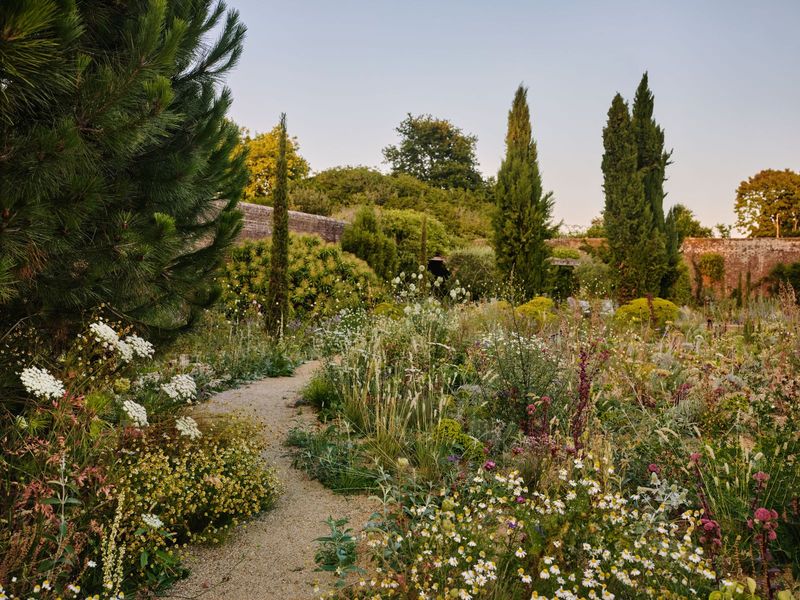
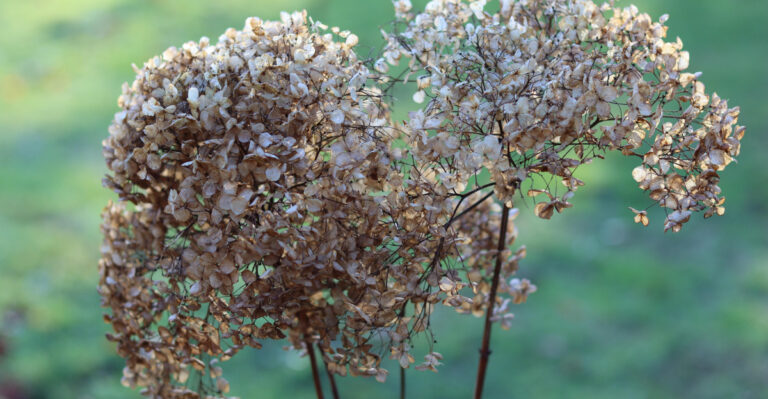
Every October, I walk out to my garden and feel a small pang of guilt. The stems are flopped over, the seed heads are rattling, and the whole thing looks like it gave up sometime in September.
But here in western Oregon, that tired, overgrown look might be doing more good than a tidy autumn cleanup ever could. The trick is knowing what to leave, what to move, and what to pull out before it becomes a real problem.
The garden can look unruly and still be cared for
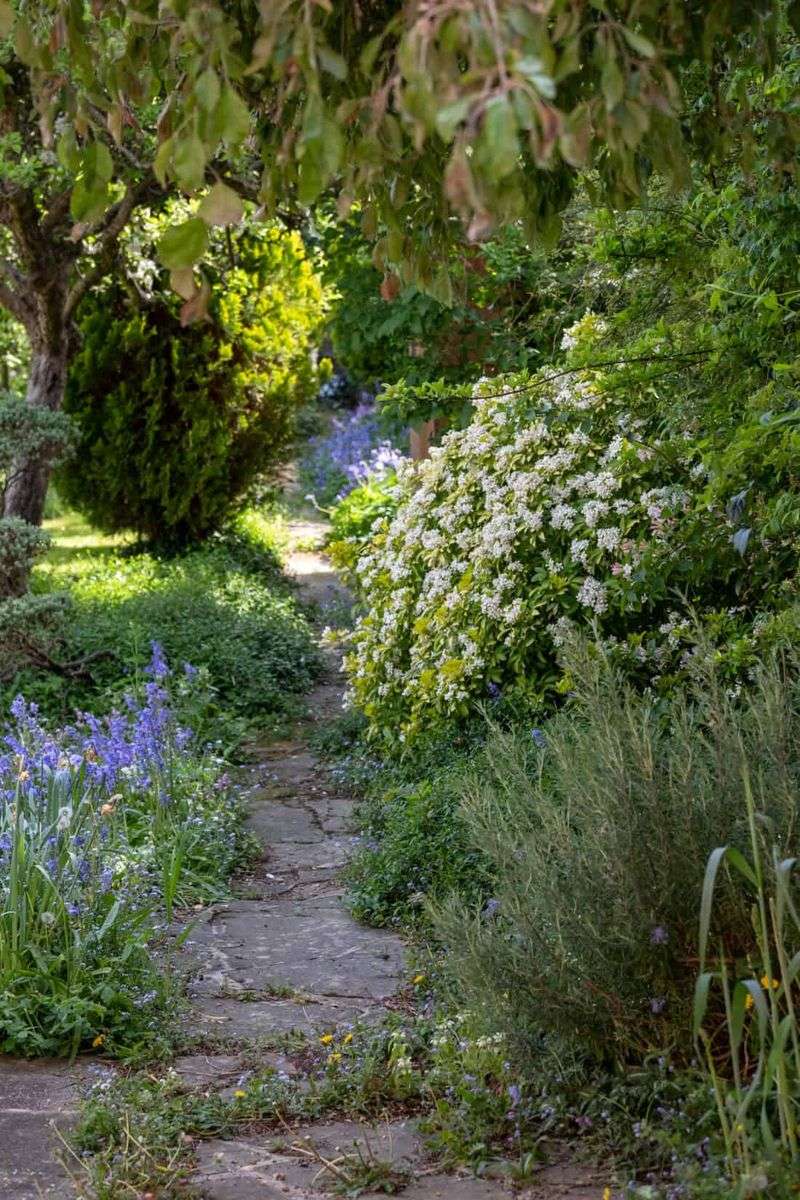
Guilt is a funny thing in the garden. My beds look ragged right now, and some part of my brain keeps whispering that a good gardener would have cleaned all this up by now.
But I’ve been gardening long enough in the Willamette Valley to know that a tired-looking garden and a neglected one are not the same thing, and that distinction matters more than it might seem.
Here in wet, mild western Oregon, the conditions that make us feel behind on cleanup are the same conditions that make our gardens genuinely useful to wildlife over winter. OSU Extension guidance on fall and winter bee-friendly gardens points out that leaving some stems, seed heads, and plant structure standing through the cold months can provide food and shelter when little else is available.
That is not an accident or an excuse. That is a choice.
The framing I keep coming back to is this: selective, intentional messiness. Not abandoning the garden, but deciding deliberately what stays and what goes.
Leaving hollow stems for potential nesting insects, keeping some leaves in the beds for insulation and overwintering cover, and holding off on the aggressive autumn shear are all active decisions, not passive ones.
That said, this approach has real limits, and pretending otherwise would be misleading.
OSU’s wildlife habitat guide makes clear that habitat gardening still requires watching for disease, managing invasive plants firmly, staying aware of slug pressure in our damp climate, keeping drainage clear, and maintaining safe access and defensible space near structures.The sections ahead walk through each of those decisions. For now, the most important thing is permission: a garden that looks a little wild right now can be a garden that is being cared for in a different way.
What stays standing can shelter more than the eye can see
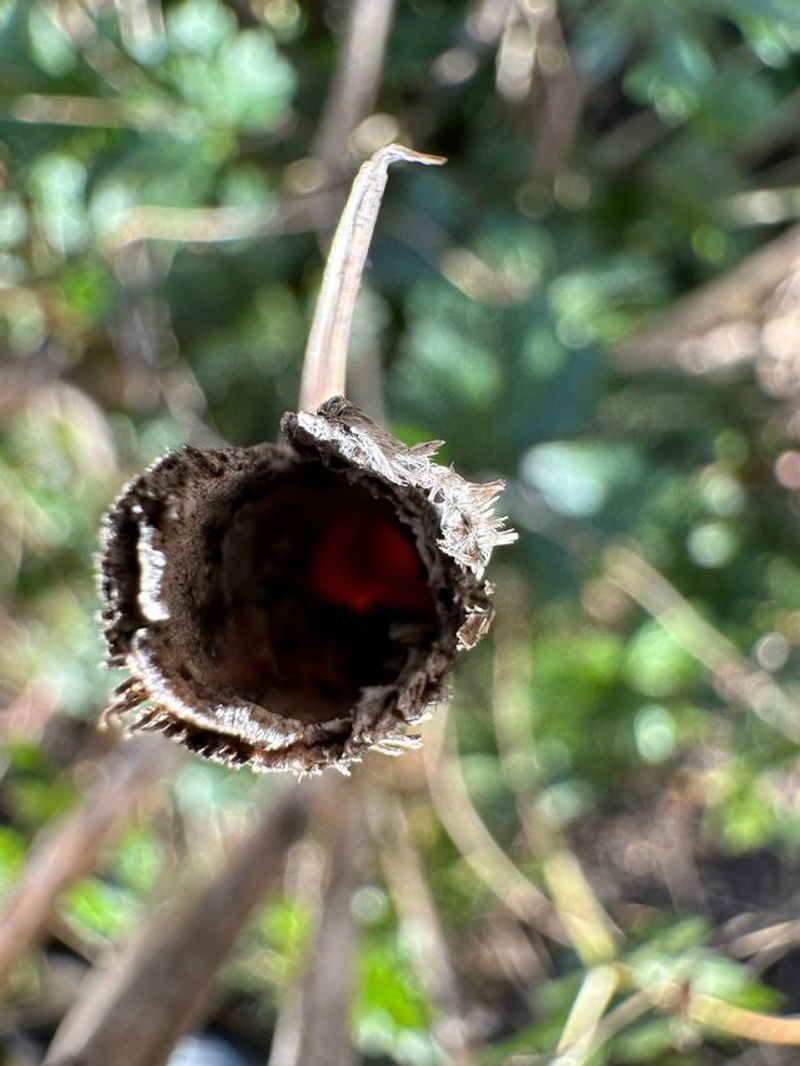
Hollow stems look like yard waste to most passersby. To a small native bee, they can look like a bedroom.
That gap between appearances is exactly why cutting every perennial to the ground in October is worth reconsidering, especially in a maritime garden where winters are wet and mild rather than deeply frozen.
OSU Extension recommends leaving some withering stems at least 12 inches high rather than shearing everything flat. The reasoning is practical: hollow or pithy stems from plants like Joe Pye weed, elderberry, cup plant, and various native perennials can serve as potential overwintering or nesting sites for stem-nesting insects.
Your Oregon Garden Changes Every Week. Your Plan Should Too.
Gardening in Oregon changes quickly throughout the season. Every Friday you’ll receive a simple weekly plan showing exactly what to plant, prune, fertilize, harvest, and protect so you never miss the right timing.
The key word is potential. Not every dead stem contains a nest, and not every plant produces stems that are suitable.
Suitability varies by stem diameter, pith quality, and which insects are present in your particular garden. Leaving stems is an invitation, not a guarantee.
Seed heads are worth keeping for similar reasons, though again with realistic expectations. Some birds do forage on spent seed heads through the winter, and the structure itself can provide shelter.
The Xerces Society notes that stem-nesting bees use a range of hollow and pithy stems and that leaving plant material standing supports overwintering insects more broadly. What the seed heads will not do is single-handedly transform a garden into a wildlife sanctuary.
They are one piece of a larger picture.
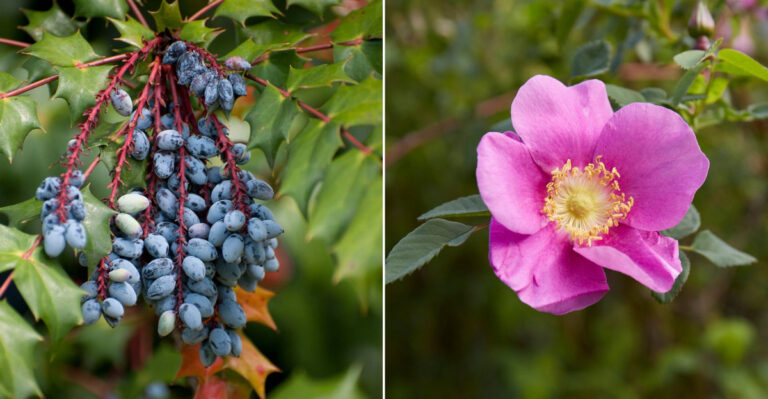
For gardeners who want to add active forage alongside structure, OSU points to fall- and winter-blooming plants as genuinely useful additions in western Oregon. Oregon grape, witch hazel, heaths, and heathers can offer scarce pollen or nectar when almost nothing else is flowering.
A bee foraging in January on a witch hazel bloom is not a common sight, but it is a real one, and having that plant in the garden makes it possible.
The practical takeaway is simple enough: pick the stems that look hollow or pithy, leave them standing at a reasonable height, let the seed heads rattle through winter, and resist the urge to shear the whole bed clean before spring arrives.
Leaves belong somewhere, but not everywhere
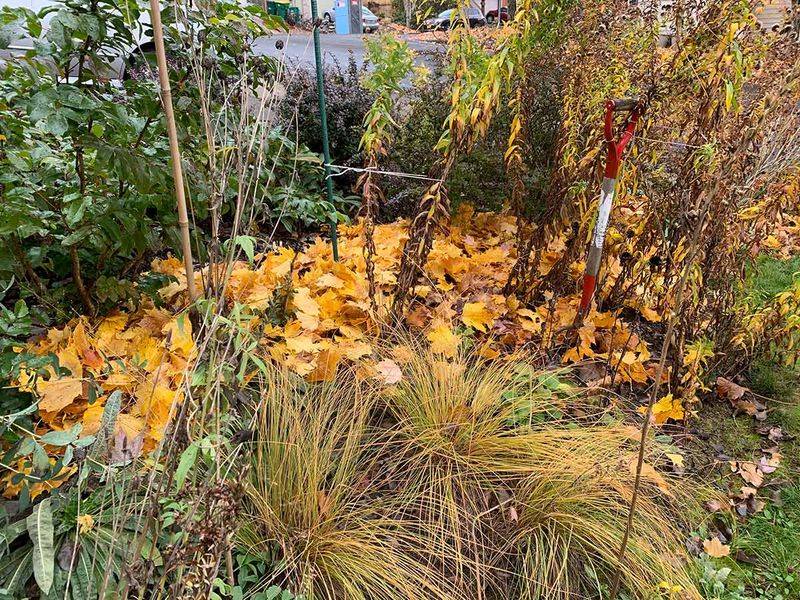
The phrase “leave the leaves” has become something of a rallying cry in habitat gardening circles, and the instinct behind it is sound. Leaf litter can provide overwintering cover for insects, insulation for plant crowns, and slow-release organic matter as it breaks down.
Treating every fallen leaf as something to bag and haul away is genuinely wasteful, and in a maritime Oregon garden it is also unnecessary.
But “leave the leaves everywhere” is a different claim, and one that creates real problems. A residential yard study that tracked autumn leaf removal found that clearing leaves reduced spring-emerging arthropods, moths, butterflies, and spiders in those yards.
That experiment was conducted in Maryland, not Oregon, so the specific numbers should not be lifted and applied directly to Willamette Valley gardens. What it does demonstrate is a plausible mechanism: removing leaf litter removes habitat.
Moving leaves into beds rather than the curb is a reasonable response to that finding.
The practical approach is to make a deliberate decision about where leaves go rather than leaving them wherever they fall. The Xerces Society recommends moving leaves into garden beds, beneath shrubs, or into a contained leaf-mold area where they can do habitat work without causing problems elsewhere.
Lawns, paths, driveways, drains, gutters, and roofs should be kept clear. A thick, wet mat of leaves on turf will smother grass and encourage fungal issues.
Leaves piled against a building foundation create moisture problems and, in drier eastern Oregon conditions, fire risk.
Western Oregon’s damp winters add one more consideration that warmer-climate leaf-litter guidance tends to skip. Slugs are a serious pest in our climate, and a thick leaf layer pressed against vulnerable plants can shelter the very animals eating them.
In beds where slug damage has been a problem, consider a thinner layer or position leaves under established shrubs rather than directly around emerging perennials.
The habitat goal and the safety goal are not in conflict as long as leaves end up in the right places.
The vegetable beds need a different standard

One of the easiest mistakes in habitat-minded gardening is applying the same logic to every part of the garden at once. Leaving ornamental perennial stems standing is a reasonable call.
Leaving spent tomato plants, fallen squash, and diseased pepper foliage in place is a different matter entirely, and conflating the two can cause real problems in the following season.
OSU Extension specifically recommends removing tomatoes, peppers, squash, cucumbers, and other vegetable debris at the end of the season, along with any fallen fruit. The reasoning is straightforward: vegetable residues can harbor disease organisms, pest eggs, and fungal spores that overwinter in plant tissue and soil, then re-infect next year’s crops.
Leaving that material in place is not habitat retention. It is a head start for problems you will spend next summer fighting.
Diseased plant material deserves particular attention. Blight-affected tomato foliage, mildewed squash leaves, and fruit with visible rot should go to the municipal compost or the trash rather than a home pile.
Home compost piles are genuinely useful, but they do not always heat uniformly enough to neutralize every pathogen, pest egg, or weed seed.
A habitat garden still needs watching
Deciding to keep a partly untidy garden is not the same as deciding to stop paying attention. The whole point of intentional messiness is the word intentional, and that requires actually watching what is happening out there, especially in western Oregon where our mild, damp winters create conditions that reward both wildlife and problems.
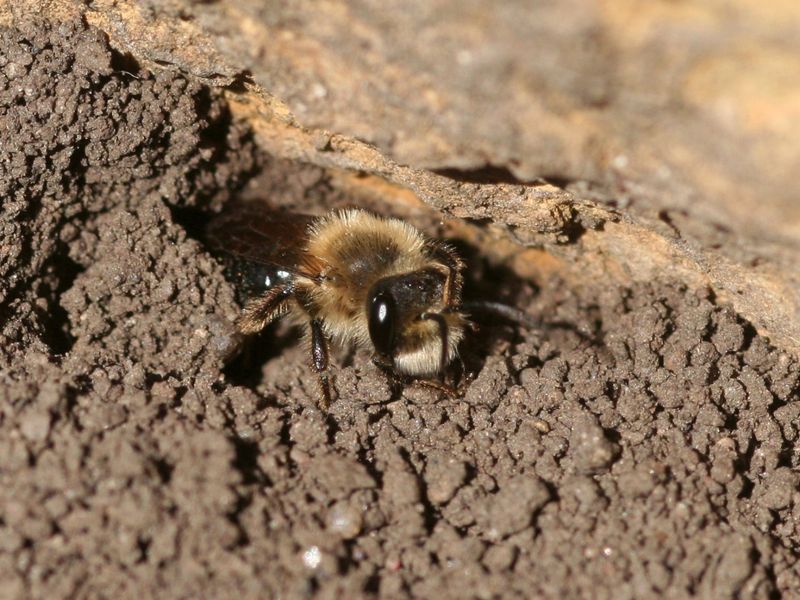
Bare, well-drained soil is one of the most overlooked habitat features in home gardens. Many Oregon native bees nest in the ground rather than in stems or boxes, and they need patches of exposed, firm soil to do it.
OSU Extension’s ground bee identification resource explains that ground-nesting bees are common in Oregon and need suitable soil conditions to establish nests. OSU’s guide to megachilid bees in the Pacific Northwest notes that different bee species have distinct nesting preferences, and that covering every surface with thick wood-chip mulch or landscape fabric removes potential nesting habitat for ground nesters.
Leave some patches of open, well-drained soil in a sunny spot if you can.
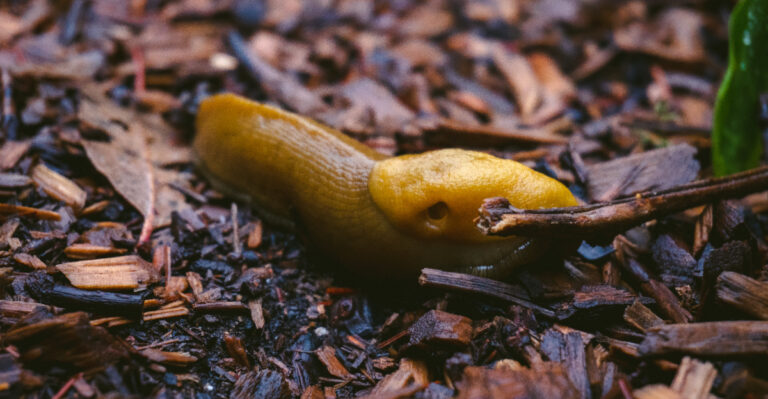
Slugs deserve a separate mention here. OSU Extension’s slug control guidance notes that western Oregon’s climate is ideal for slugs, which are active in cool, wet conditions and lay eggs in autumn.
Dark, moist spots under leaves, mulch, and ground-level debris are exactly where slugs shelter during the day. If you are seeing significant damage to seedlings or emerging perennials, targeted control in September and October, after the rains begin, can reduce egg-laying before the population builds through winter.
If you add a birdbath or other water feature, plan to maintain it. OSU’s wildlife habitat guide recommends keeping water clean and refreshed regularly.
OSU Extension also notes that dirty feeders and water sources can spread disease among birds, so a set-and-forget approach to artificial water is not a good fit for a habitat-minded garden.
Near the house, safety sets the boundary
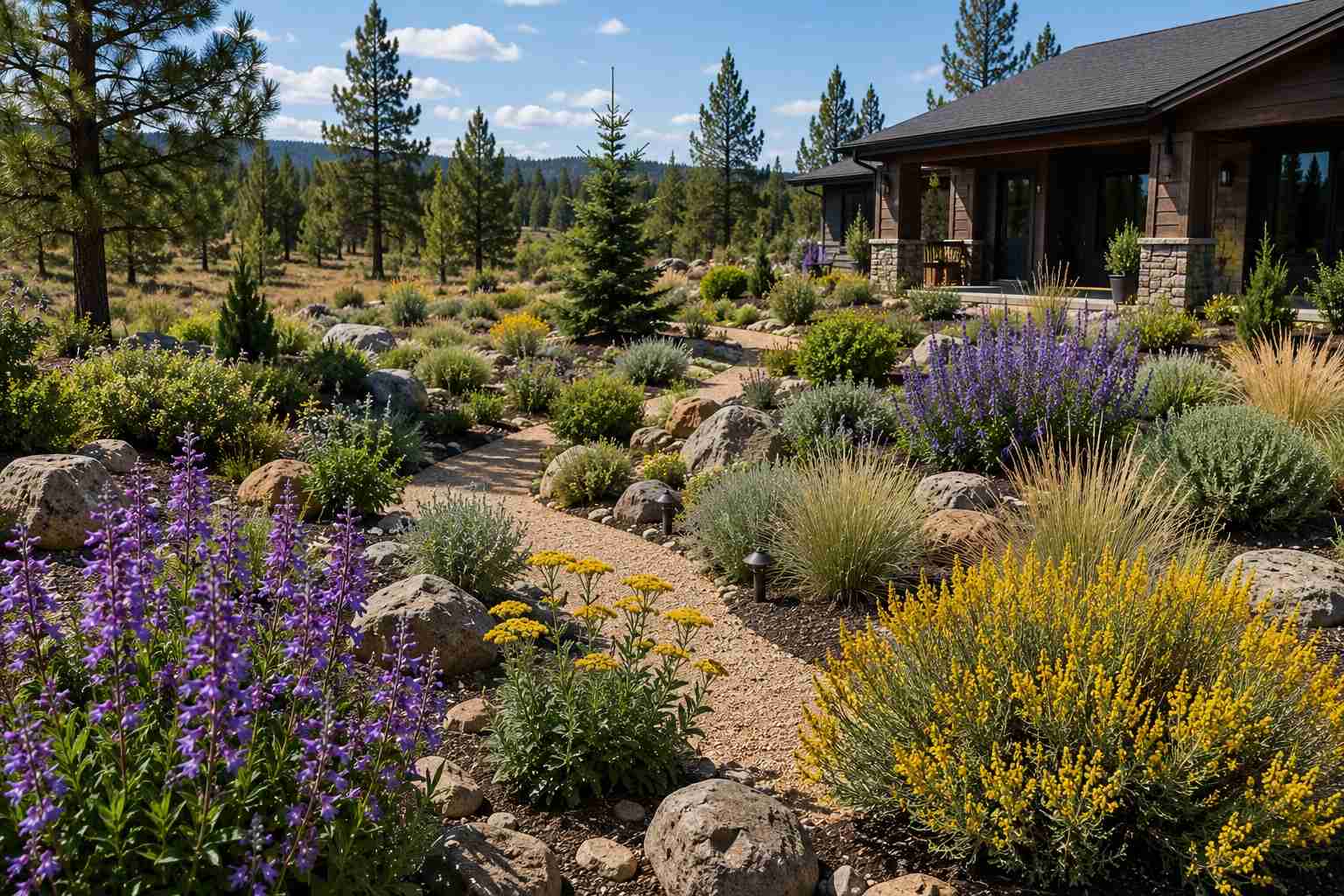
Habitat gardening and fire safety are not opposites, but they do require some honest geography. Where you leave brush, dead stems, leaf litter, and habitat piles matters as much as whether you leave them at all, and the area immediately around your home is where that distinction becomes most important.
Oregon State Fire Marshal guidance on defensible space calls for removing heavy ground litter, deadwood, leaves, needles, and other combustible material near structures, with particular attention to the first five feet around a building. That zone should be kept clear of anything that would carry flame easily.
Gutters, roofs, and decks accumulate leaf and needle debris that can catch embers even when the garden beds farther out look fine.
The good news is that the ornamental beds farther from the house, out in the middle of the yard or along a back fence, are exactly where relaxed cleanup does its best work with the least risk. A tangle of dried stems and seed heads ten or fifteen feet from the foundation is a very different situation from the same material piled against siding.
Placing habitat features deliberately, rather than letting debris accumulate wherever it lands, is the practical way to reconcile these two goals without giving up either one.
For most Willamette Valley gardeners, wildfire risk is lower than it is in eastern Oregon or the foothills, but it is not zero, and the guidance applies broadly. Keeping the area closest to the house tidy and letting the beds farther out do their habitat work is a reasonable, non-alarmist approach that serves both the garden and the home.
The point is not to stop caring
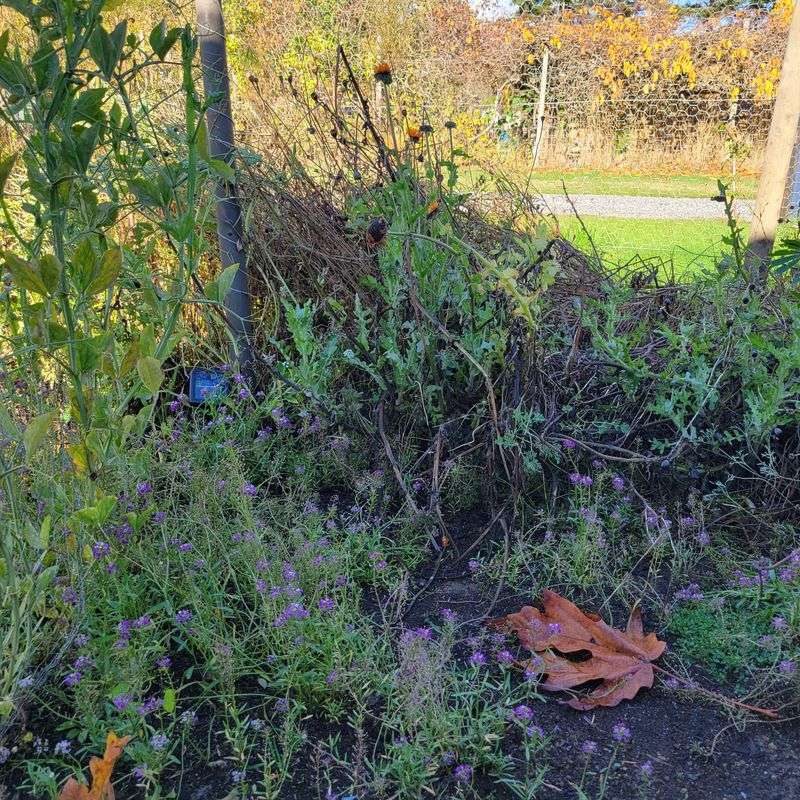
Somewhere along the way, tidy became synonymous with responsible, and that equation has cost a lot of wildlife a lot of good winter cover. My garden looks tired right now, and I have made peace with that, not because I stopped caring but because caring turned out to mean something different than I thought.
The workable rule I have landed on goes something like this: leave some structure, seed heads, leaf litter in suitable spots, and patches of open soil for wildlife. Remove what threatens plant health, carries disease forward into next season, spreads invasive plants, shelters serious pest populations, blocks drainage or emergency access, or puts combustible material where it does not belong.
OSU’s fall and winter garden guidance and OSU’s wildlife habitat guide both support this kind of selective approach rather than an all-or-nothing one.
For west-of-the-Cascades gardeners specifically, the mild, wet conditions that make our winters feel endless are also what make a partly untidy garden genuinely functional as habitat. Hollow stems, scattered leaves in the beds, a patch of bare soil, a seed head or two rattling in the rain: none of these are signs of a gardener who gave up.
They are signs of a gardener who looked more closely at what the garden was already doing and decided to get out of the way of the parts that were working. A garden can look tired and still be doing something.
That is not neglect. That is a different kind of care.