Native Arizona Ground Covers That Replace Gravel And Look Better Through Every Season
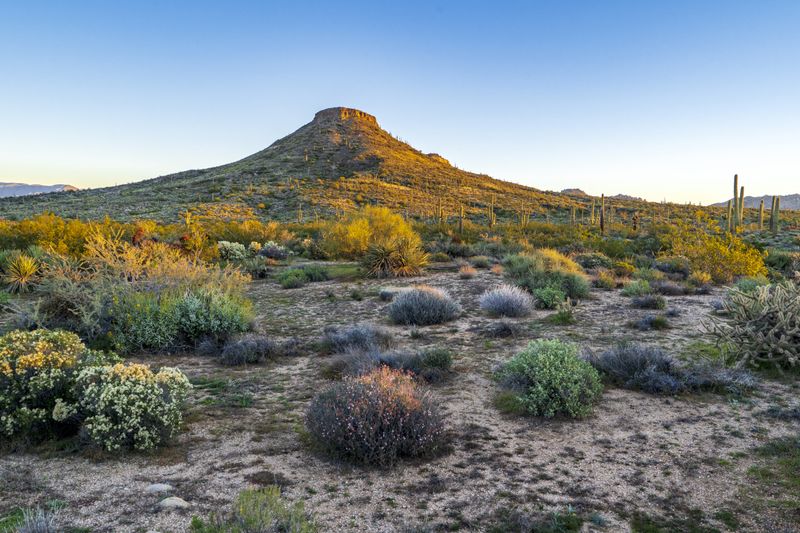
Gravel yards get blazing hot and honestly look pretty boring after a while. The good news is that Arizona has plenty of tough native ground covers that hug the soil, sip very little water, and bring color to your yard all year long.
These low-growing plants can cool the ground, feed pollinators, and even make your yard less inviting to certain pests. Here are nine desert-adapted picks that beat plain rock in almost every way.
1. Trailing Dalea in Arizona Landscapes
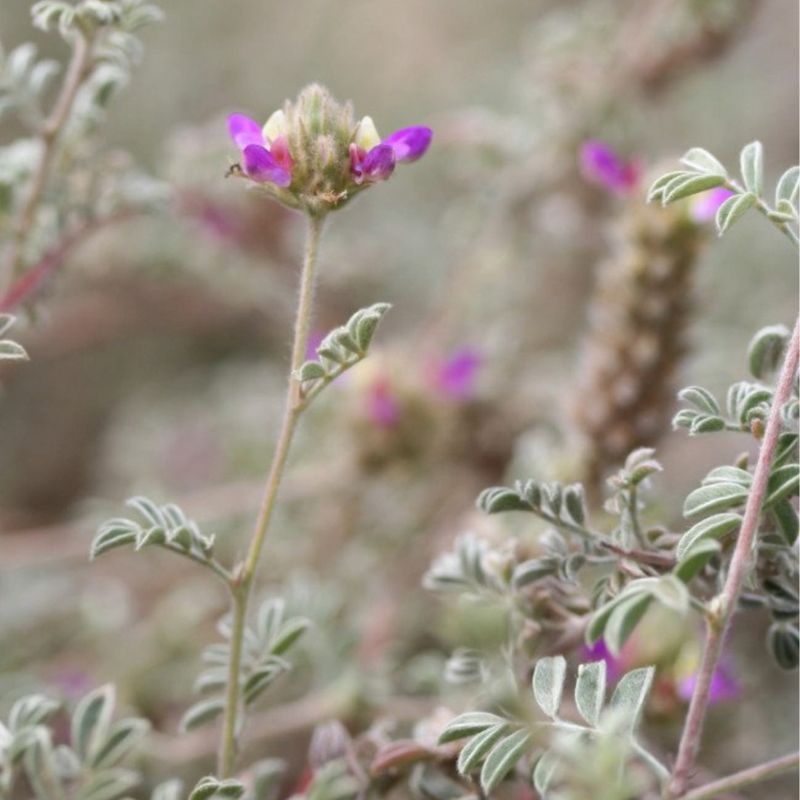
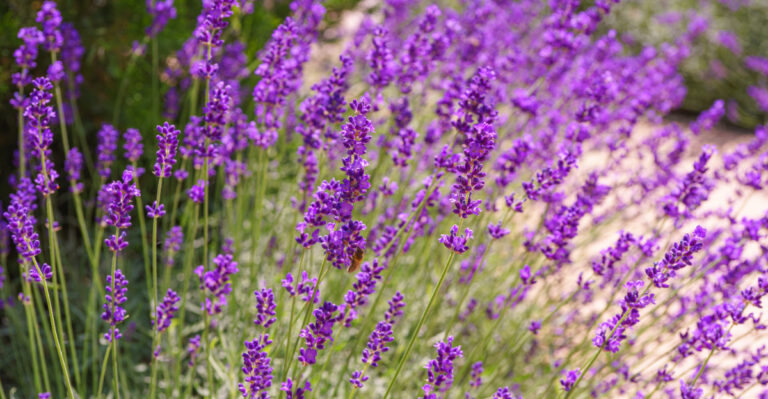
Picture a soft silver carpet spilling across the spot where your gravel used to bake in the sun. Trailing Dalea does exactly that in Arizona, forming dense mats that root as they creep, sometimes stretching up to six feet wide while staying about a foot tall.
A Chihuahuan desert native, it handles part shade, full sun, and even the brutal reflected heat that bounces off Arizona walls and driveways. It is hardy down to about 15 degrees, so a cold Phoenix night rarely fazes it.
Those little purple flowers pull in bees and other pollinators, turning a dead patch of rock into a busy pollinator stop. The silvery foliage keeps its good looks through every Arizona season, giving you texture and color when other plants have called it quits.
2. Small Sages for Arizona Yards
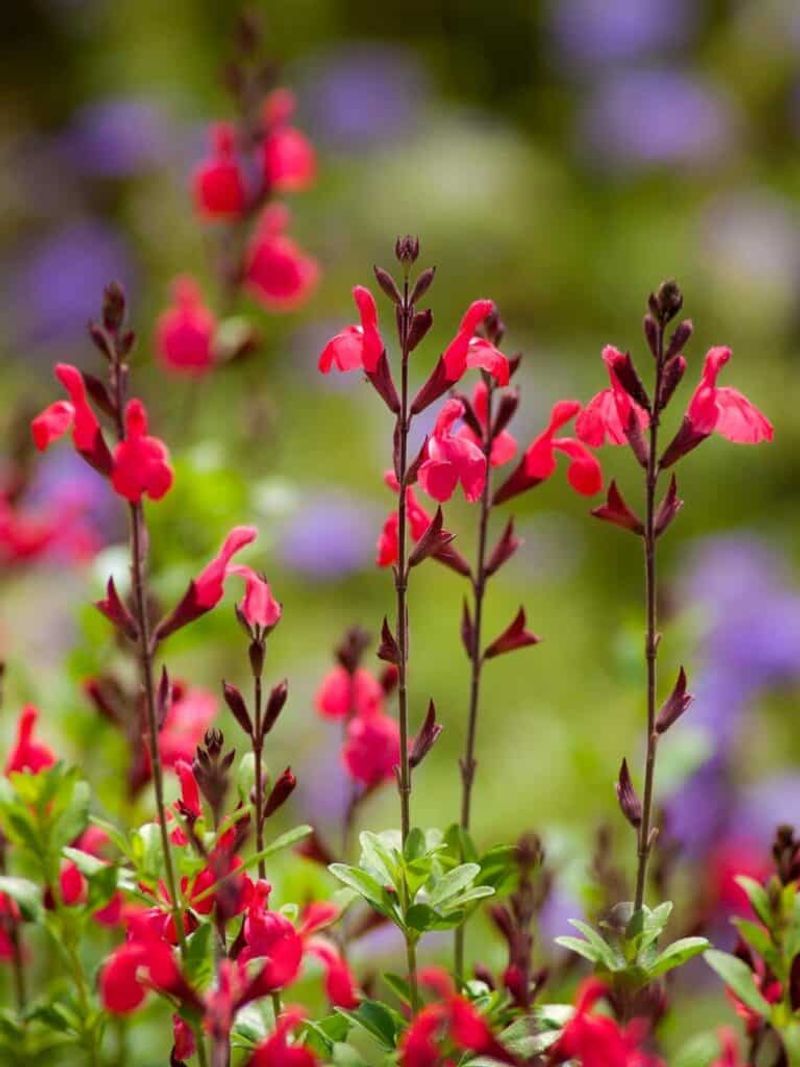
If you want wings in your yard, small sages practically send out invitations. Arizona favorites like Autumn Sage (Salvia greggii) and Germander Sage (Salvia chamaedroides) push out bright red and purple tubular blooms that hummingbirds and butterflies can’t resist.
These low, mounding sages thrive in full to part sun across the low desert and shrug off heat and drought once their roots settle in. Many varieties handle cold down to somewhere between 0 and 10 degrees, so they hold up through Arizona winters just fine.
Pink Autumn Sage gets extra praise for drawing in hummingbirds while resisting deer at the same time. Swap out a stretch of gravel for a few sages and you gain living color plus a front-row seat to backyard wildlife.
3. Goodding’s Verbena in Arizona Gardens
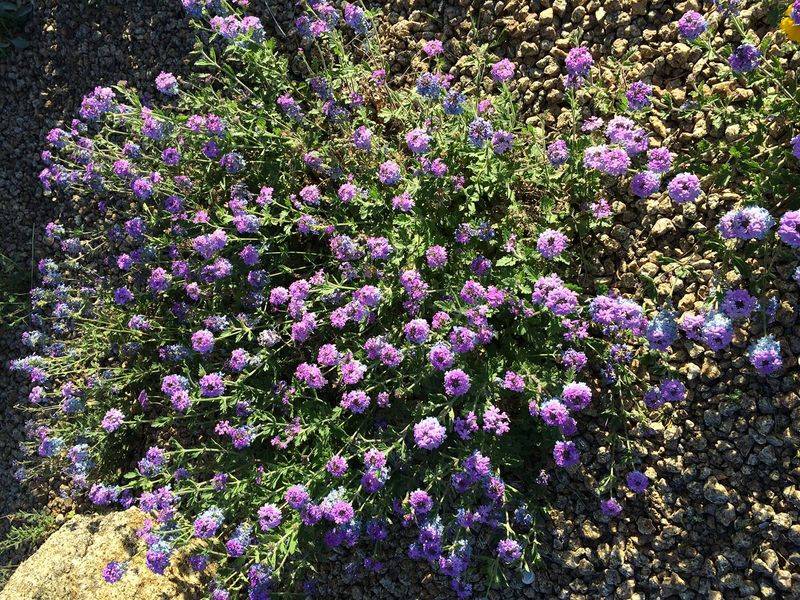
Winter and spring color feels like a small miracle when everything else looks dusty, and Goodding’s Verbena delivers it in the low desert. Also called Southwestern Mock Vervain, this Southwest native blankets the ground with pink to lavender-purple flower clusters that butterflies flock to.
It loves full sun and gets by on low to moderate water, which makes it a smart pick for Arizona homeowners watching the water bill. Its gray-green leaves even reflect some of the harsh desert sunlight back up and away.
Blooming through Arizona’s cooler months, verbena fills the calendar gap when many desert plants sit quietly. As a bonus, verbena has a reputation as a colorful ground cover that may help keep certain pests less interested in your yard.
4. Damianita for Arizona Sun-Baked Spots
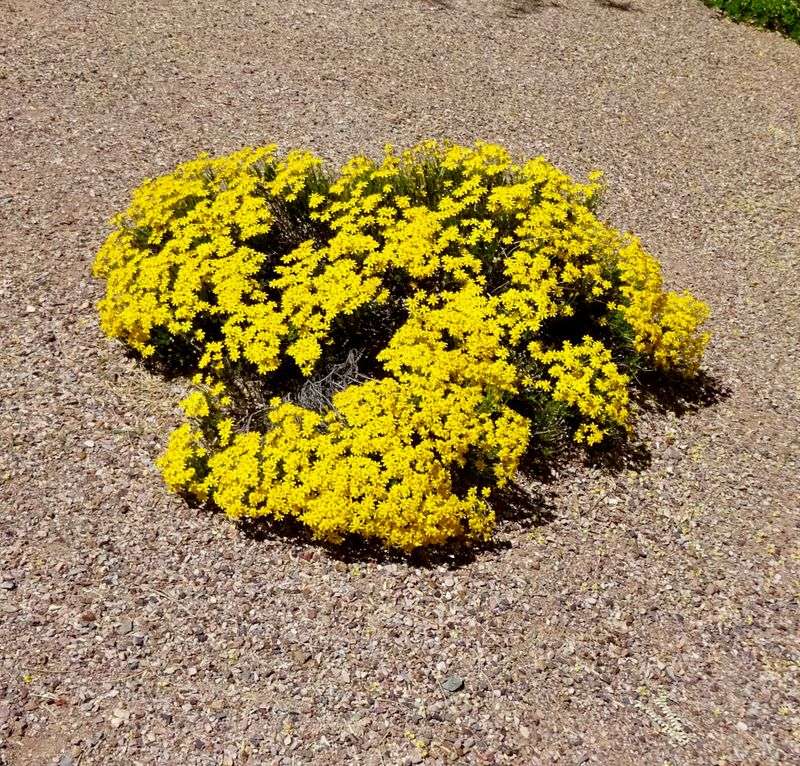
Some corners of an Arizona yard cook so hard that most plants surrender, and that is exactly where Damianita shines. This tough native builds tidy little mounds about a foot across, then covers itself in cheerful yellow flowers that peak in spring and fall.
Your Arizona Garden Changes Every Week. Your Plan Should Too.
Gardening in Arizona changes quickly throughout the season. Every Friday you’ll receive a simple weekly plan showing exactly what to plant, prune, fertilize, harvest, and protect so you never miss the right timing.
Full-blast sun, drought, and cold down to 0 degrees barely register for this plant. It genuinely wants the hottest, brightest patch you can offer.
Run your hand over the fine, needle-like foliage and you get a pleasant resiny fragrance as a reward. Even between bloom cycles, that bright green foliage keeps color going all year, so your former gravel patch never looks bare.
5. Blackfoot Daisy Across Arizona
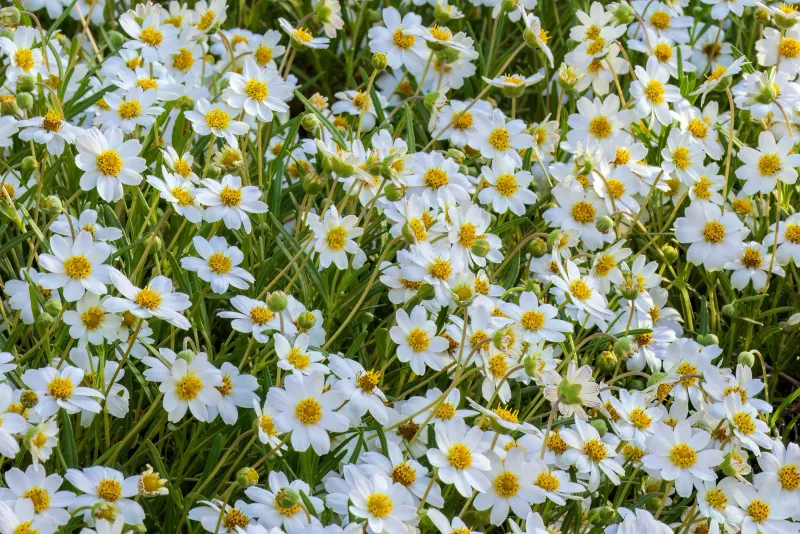
Few plants smile through Arizona’s afternoon furnace quite like Blackfoot Daisy. This popular native soaks up full sun, including that punishing west-facing heat, and answers with a long parade of crisp white, daisy-like blooms.
Drought-tolerant and remarkably cold-hardy down to about minus 25 degrees, it fits almost any low-desert spot. A little supplemental water during Arizona summers keeps it looking its best, but it never demands much.
The clean white petals with sunny yellow centers give a soft, natural look that gravel can never match. Plant a drift of them and you get months of flowers where before you just had hot rock.
6. Evening Primrose in Arizona Beds
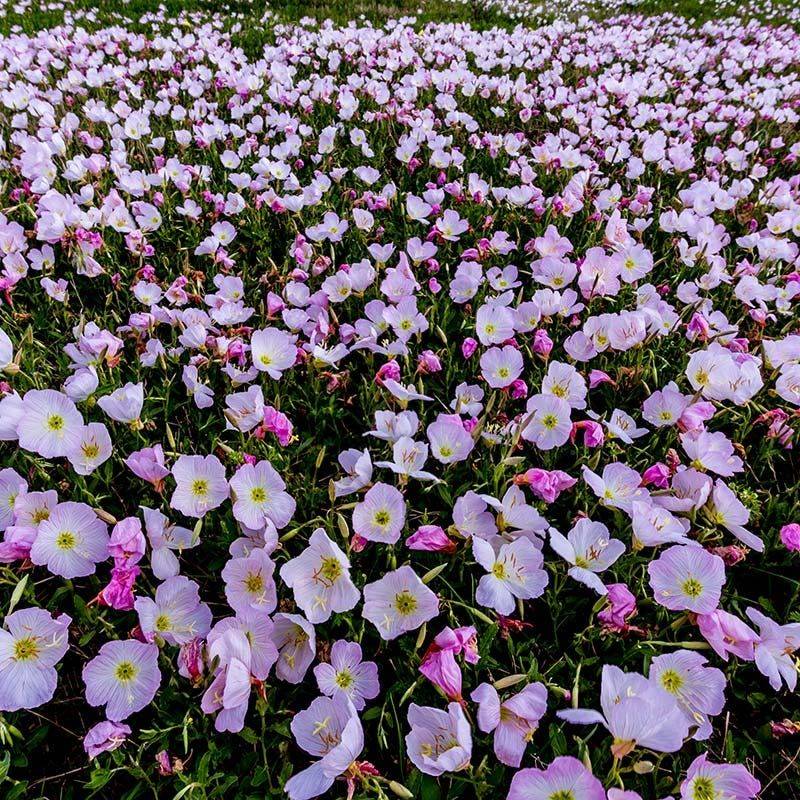
Come spring, evening primrose can turn a plain stretch of dirt into a sweep of pink or white that looks almost too pretty for the desert. Native to North American deserts and grasslands, Arizona-friendly types like Mexican Evening Primrose and Tufted Evening Primrose spread into carpets of showy, fragrant flowers.
They generally do well in part shade but reward full sun with even more blooms, which gives you flexibility in placing them. Bees and other insects drop by often, thanks to that sweet fragrance.
Hartweg Evening Primrose adds a different note with yellow, buttercup-shaped blossoms that die back in winter and pop right back up in early spring. Just give primrose some room, because it likes to roam and fill space fast.
7. Trailing Lantana in Arizona Climates
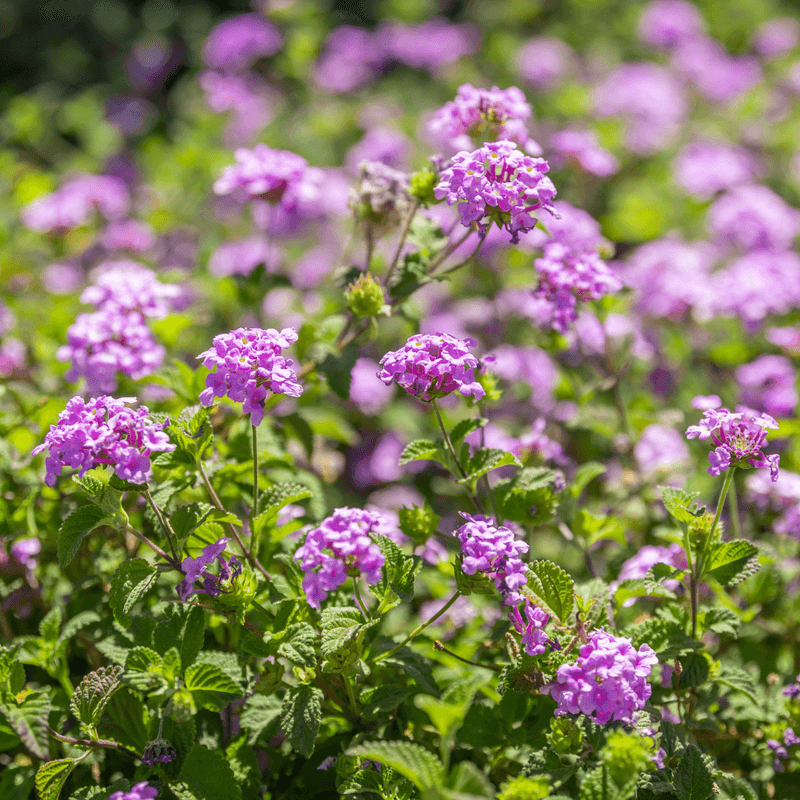
Talk about a plant that laughs at desert heat. While Trailing Lantana hails originally from South America, it has adapted so well to Arizona that it feels right at home, staying green and blooming when temperatures soar.
It handles all sorts of soil, stays impressively drought-tolerant, and reaches about a foot tall while spreading roughly four feet across. That makes it perfect for spilling over walls, edging paths, or covering a wide gravel replacement zone.
Lavender, white, and yellow flower options give you color choices, and every one of them acts like a magnet for butterflies. For a low-fuss carpet that keeps performing through Arizona’s toughest stretches, lantana earns its spot.
8. Creeping Rosemary for Arizona Slopes
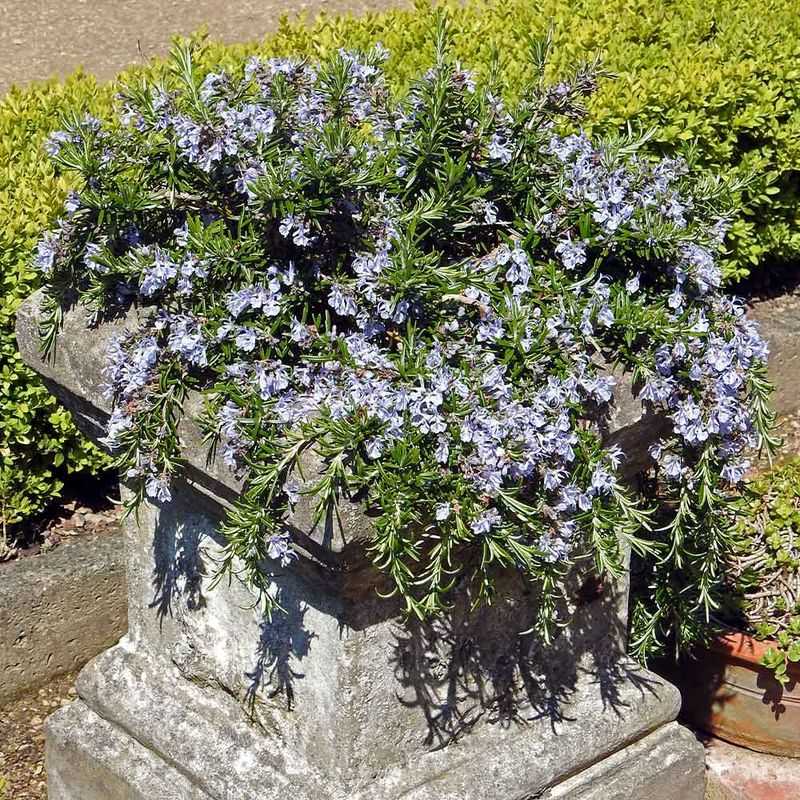
Here is a ground cover you can snip for dinner and enjoy in the yard at the same time. Creeping Rosemary settles into Arizona’s climate beautifully, forming a low, fragrant mound of needle foliage dotted with small bluish-white flowers that pollinators enjoy.
Full sun suits it perfectly, and it holds up to cold around 15 degrees, making it dependable for hot, dry spots that other plants avoid. It cascades nicely over walls and slopes, softening hard edges.
Beyond looks, its essential oils give it a useful reputation, since rosemary can help repel fleas and ticks and tends to be left alone by deer and many pests. A fragrant, edible, pest-shy carpet beats gray gravel any day in an Arizona yard.
9. Peppermint as an Arizona Ground Cover
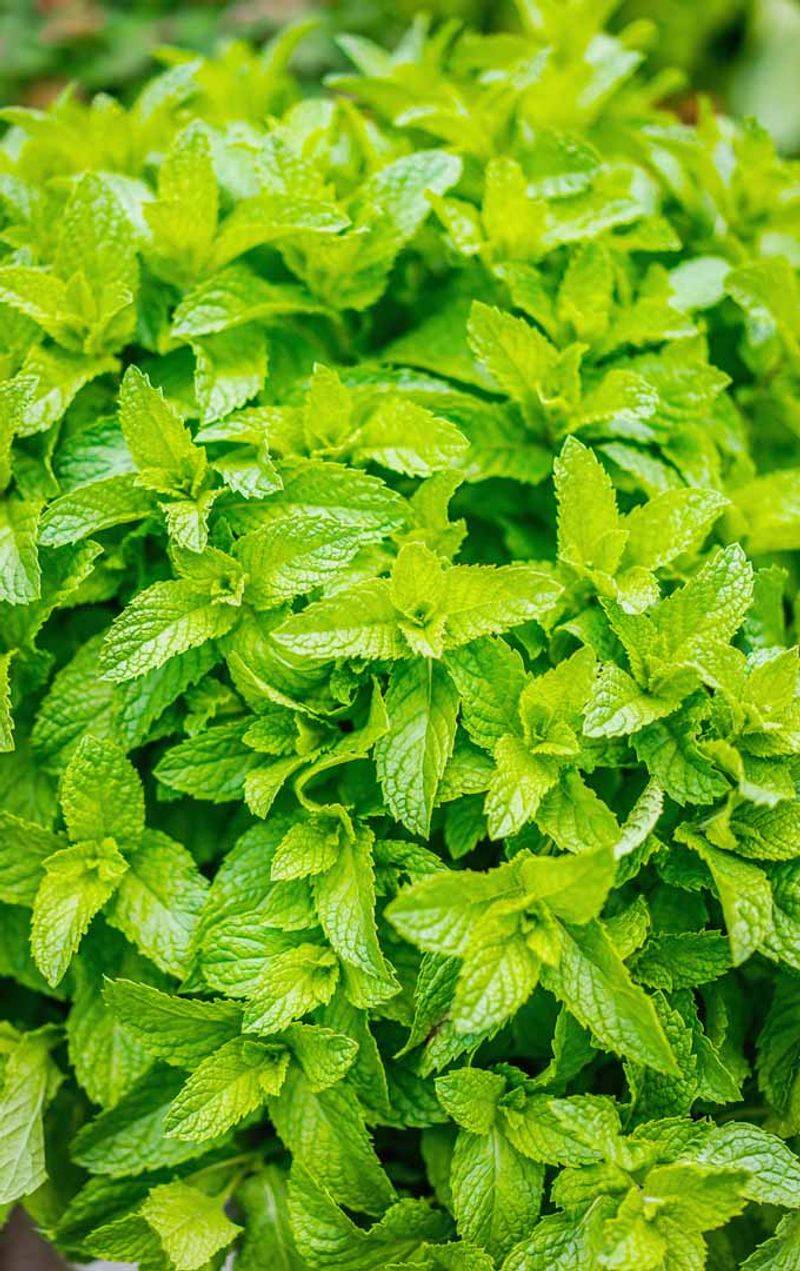
For a shady, watered nook where you want something that works hard, peppermint brings a punch of scent and function. This hardy herb sends out spreading roots that knit together into a green ground cover, and its strong minty aroma does more than smell nice.
That scent is known to help discourage ants, fleas, and spider mites, giving it a genuine pest-control role in the garden. At the same time, it can draw in helpful insects like ladybugs that prey on aphids.
Keep in mind peppermint likes more water and richer conditions than the true desert natives on this list, so tuck it into a cooler, moister corner rather than a blazing open spot. Contain its roots if you don’t want it wandering, and it rewards you with a lush, useful patch of green.