What Georgia Fig Owners Should Do With Late Figs That Stay Green And Firm
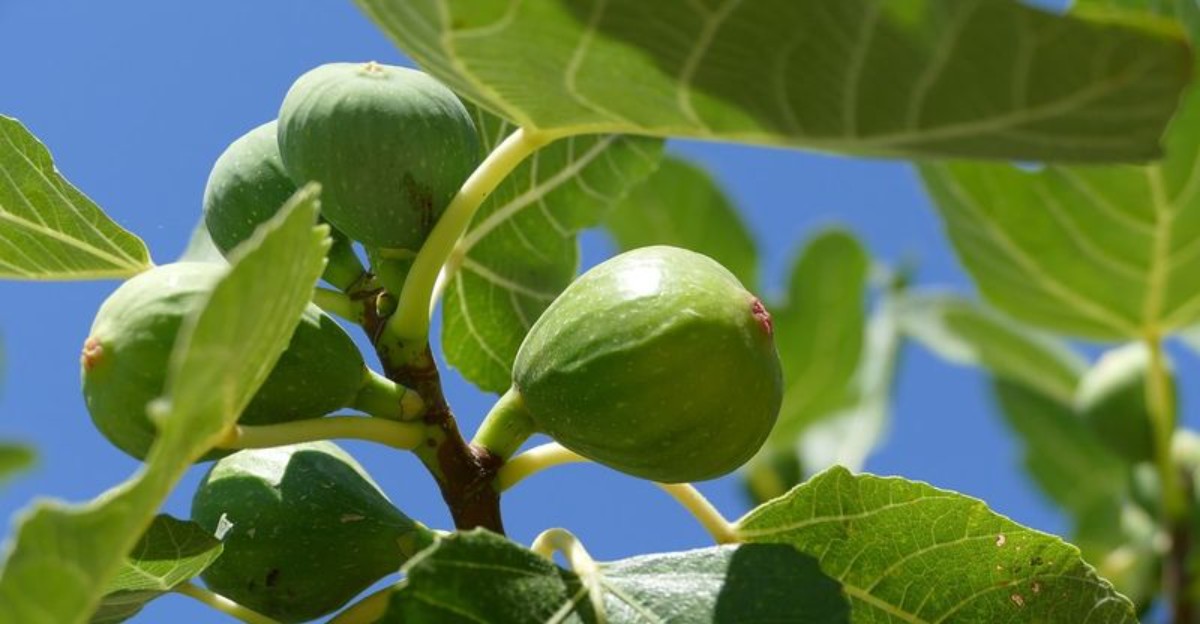
A fig tree still loaded with hard green fruit this late in the season can leave you wondering if they will ever ripen.
Figs depend on steady warmth to finish ripening, and shorter, cooler days slow that process. Fruit that set late in summer may simply run out of time.
Unlike some fruits, figs do not ripen well once they are picked from the tree.
That means bringing them inside to soften on the counter usually will not do much.
How much time those figs have left depends on when the first frost reaches your part of Georgia. A tree in the mountains has less time than one near the coast.
Check the size and color of the fruit still on your tree before deciding what to do next.
1. Firm Green Figs Are Still Telling You To Wait
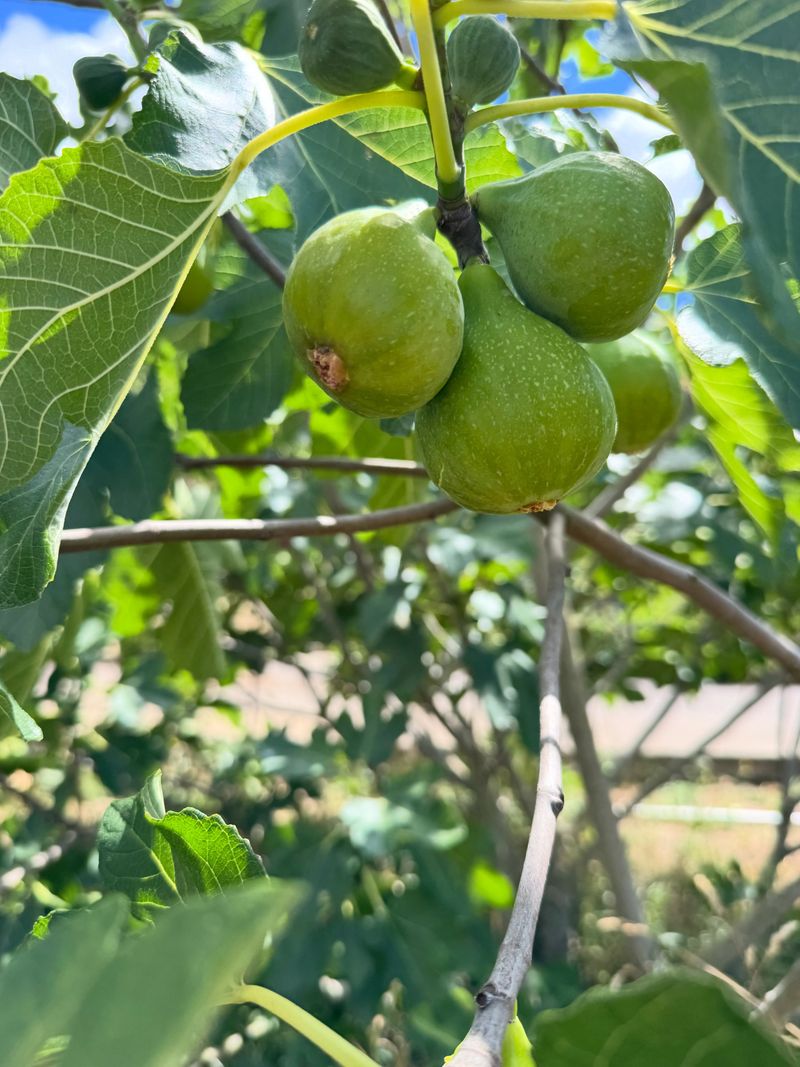
Hard fruit is a message, and it usually says not yet. A fig that feels like a small rock is still growing and building sugar inside.
Ripe figs change in ways you can see and feel, even on green-skinned varieties like Kadota or Green Ischia.
Look for a fig that droops on its stem instead of pointing outward. A ripe one often hangs down like it got heavy and tired.
Give the fruit a gentle squeeze between your fingers.
Softness that gives a little, like a ripe peach, is a good sign. You may also notice small cracks in the skin or a drop of nectar at the eye on the bottom.
Out in Georgia backyards, figs often swell for weeks and then soften fast in just a few days. That last stretch can surprise you if you only check once a week.
Try walking out to the tree every day or two once the fruit reaches full size.
Birds and squirrels watch for the same signs you do, so timing matters. Picking a little too early gives you bland fruit, but waiting too long may mean sharing with wildlife.
Patience is usually the best move while figs stay firm and upright on the branch.
2. Some Varieties Naturally Ripen Later Than Others
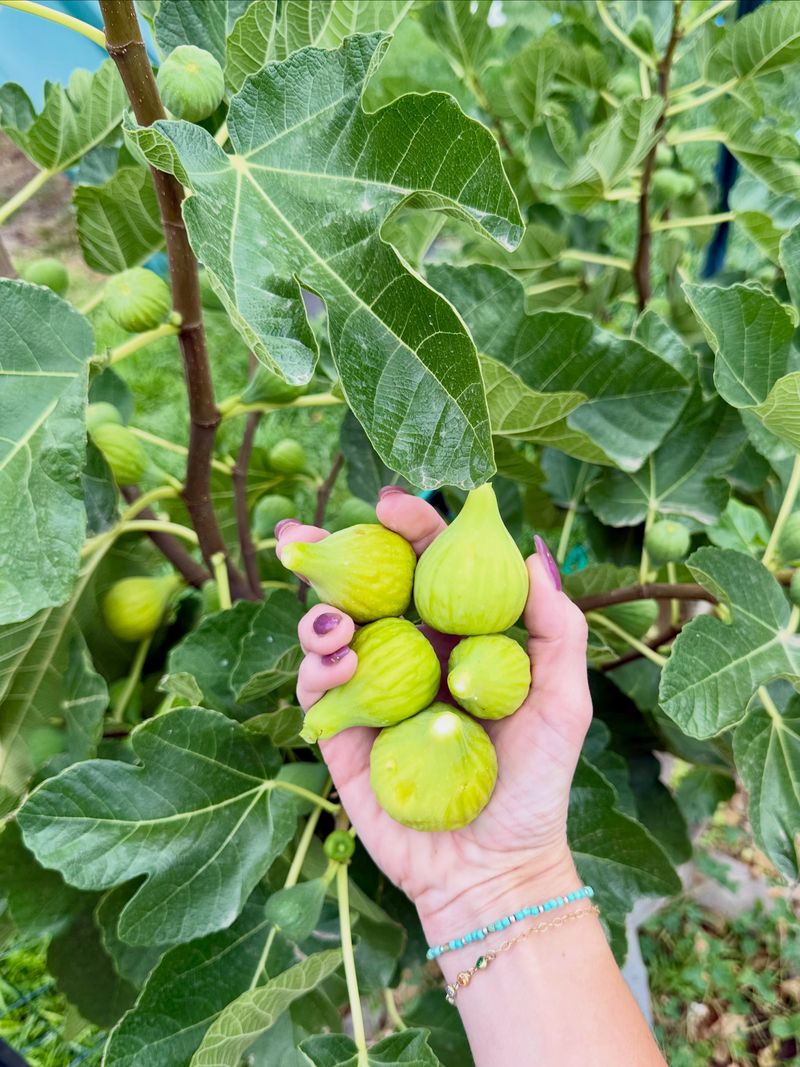
Your neighbor’s tree might be done picking while yours is just getting started. Variety plays a big role in when figs finish.
Celeste, a longtime Southern favorite, tends to ripen its main crop fairly early in summer.
Brown Turkey often follows a bit later and may keep producing over a longer window. Some green-skinned types, including certain Kadota strains, can run later still depending on the season.
Knowing your variety clears up a lot of confusion.
If you bought a tree without a tag, try asking the nursery or checking old receipts. Local extension offices can sometimes help you narrow it down from leaf shape and fruit color.
Some figs also produce two crops, called the breba crop and the main crop. Brebas form on last year’s wood, while the main crop grows on new shoots and ripens later.
Gardeners in north Georgia have a shorter warm season than folks near the coast, so late varieties may struggle more up there.
Your Georgia Garden Changes Every Week. Your Plan Should Too.
Gardening in Georgia changes quickly throughout the season. Every Friday you’ll receive a simple weekly plan showing exactly what to plant, prune, fertilize, harvest, and protect so you never miss the right timing.
Planning ahead helps if you want steady picking.
Planting one early and one later variety can spread your harvest across more weeks. That way, a slow tree feels less frustrating because another one is already feeding you.
3. Hot Dry Weather Can Slow Proper Fruit Development
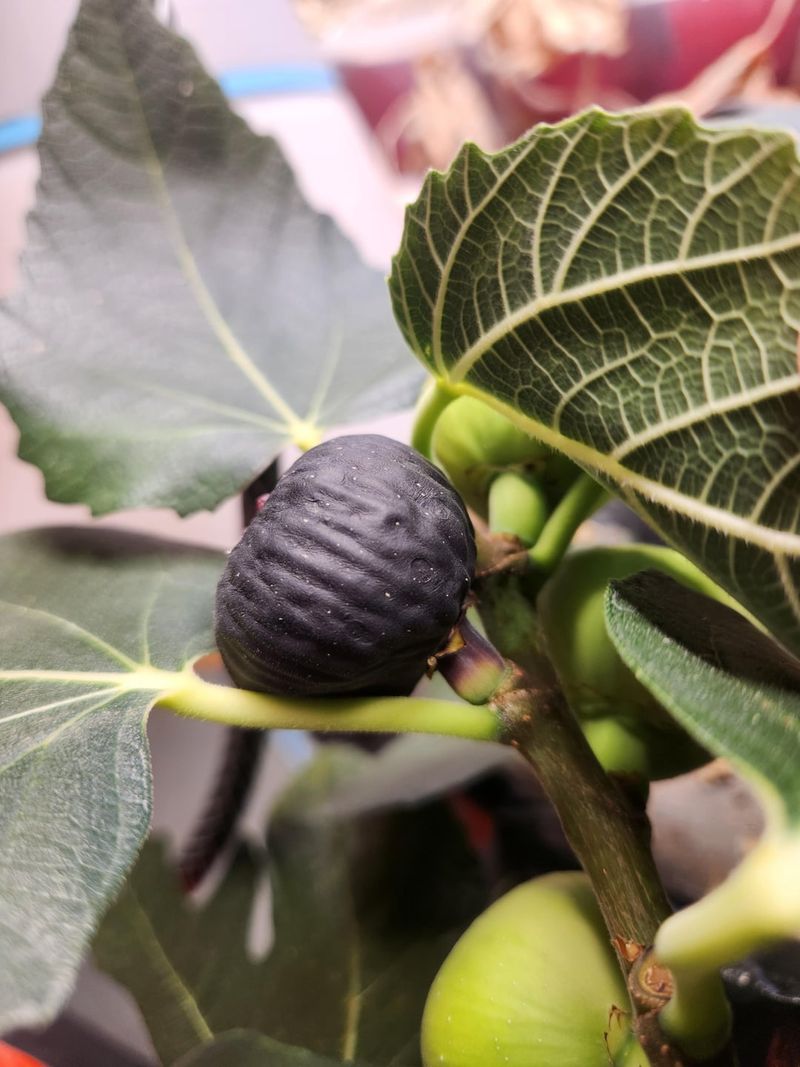
Heat alone rarely stops figs, but heat plus drought is a different story. When a tree runs short on water, it protects itself first and the fruit second.
You might notice figs that stay small, hard, and stubborn during a long dry spell.
Leaves may curl or droop in the afternoon, which tells you the tree is under stress. In some cases, a stressed tree drops unripe fruit to save resources.
Late summer droughts happen often enough in Georgia that fig owners should keep an eye on rainfall.
Fig roots stay fairly shallow, so the top layer of soil matters a lot. Dig a finger a few inches down near the drip line to see if it feels dry.
Deep watering once or twice a week during dry stretches usually helps more than a quick daily sprinkle.
Mulch is a cheap, simple helper here. A few inches of pine straw or shredded bark keeps the soil cooler and slows moisture loss.
Results depend on your soil and how long the dry weather lasts.
Sandy ground drains fast and may need more frequent watering than heavy clay. Watching your own tree is the best guide.
4. Extra Fertilizer Can Work Against A Ripening Crop
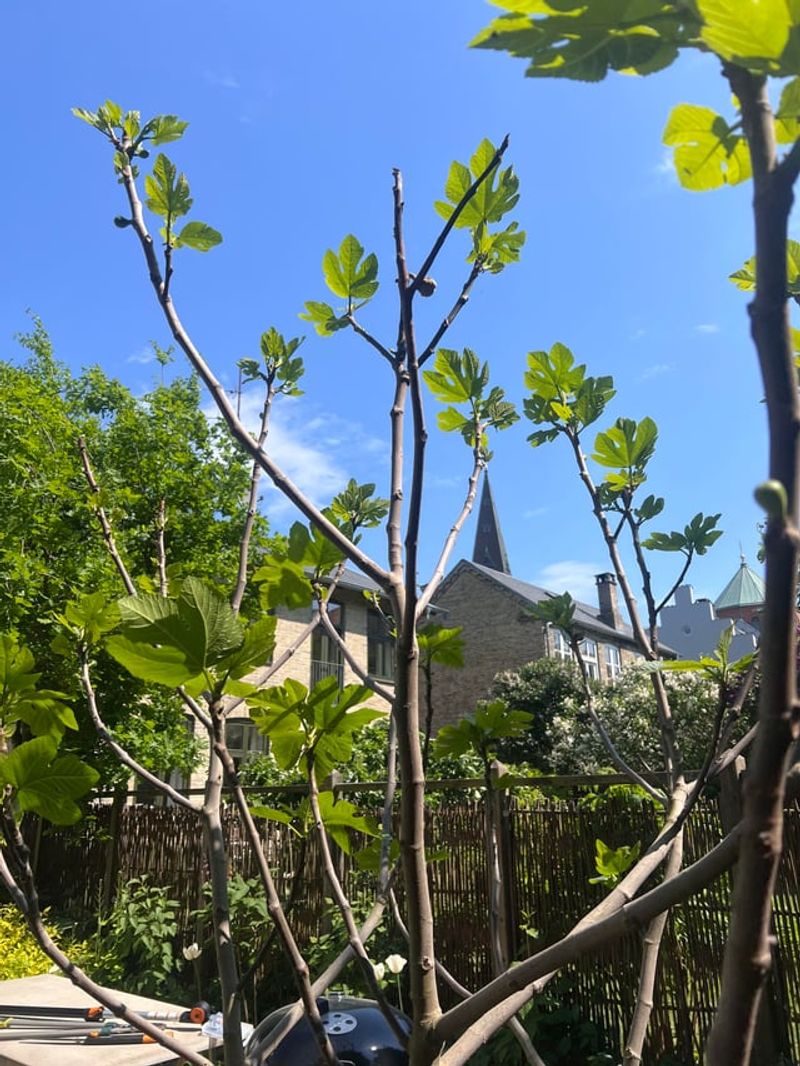
More food sounds helpful, yet figs often do better with less. A heavily fed tree can put its energy into leaves instead of fruit.
Nitrogen is usually the main culprit, since it pushes fast, leafy growth.
When a tree grows lots of new shoots late in summer, figs on those shoots may not have time to mature. You end up with a big green bush and a crop that seems frozen in place.
Lawn fertilizer can sneak into the picture too.
If your fig sits near turf that gets fed often, its roots may be pulling in extra nitrogen. That hidden boost might explain a tree that looks great but ripens slowly.
Plenty of Georgia gardeners find that established fig trees need little feeding, especially in decent soil.
A light application in early spring is a common approach when growth seems weak. Many extension guides suggest stopping fertilizer by midsummer so the tree can focus on finishing fruit.
A soil test gives you real answers instead of guesses.
Your county extension office can run one for a small fee and tell you what your ground actually lacks. Feeding based on those results helps you avoid overdoing it.
5. Even Moisture Supports Figs As They Finish Developing
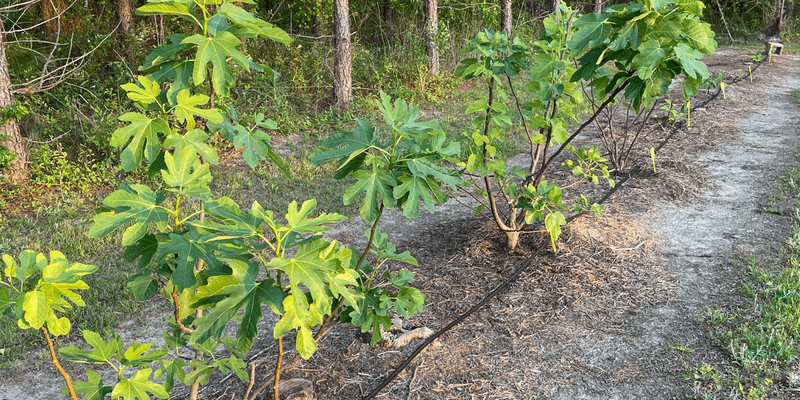
Swings between soaking and bone dry make figs unhappy. A steady supply of water gives fruit the best shot at ripening smoothly.
Picture a summer where it stays dry for two weeks and then a big storm dumps several inches.
Figs that went thirsty can suddenly swell and split once that rain arrives. Cracked fruit invites souring, insects, and rot before it ever gets sweet.
Consistency matters more than volume.
A soaker hose or drip line around the root zone makes regular watering easier. Running it early in the morning keeps leaves drier, which may reduce some disease problems.
Thunderstorms across Georgia can be spotty, so one yard may get rain while the next stays dry. A cheap rain gauge helps you track what your tree really received.
Roughly an inch of water a week is a common target, though needs vary with heat, soil, and tree size.
Container figs dry out much faster than trees in the ground. In hot weather, potted trees may need water daily.
Avoid keeping soil soggy, since standing water can harm roots.
Moist but not muddy is the goal you want to aim for.
6. Green Figs Will Not Finish Ripening After They Are Picked
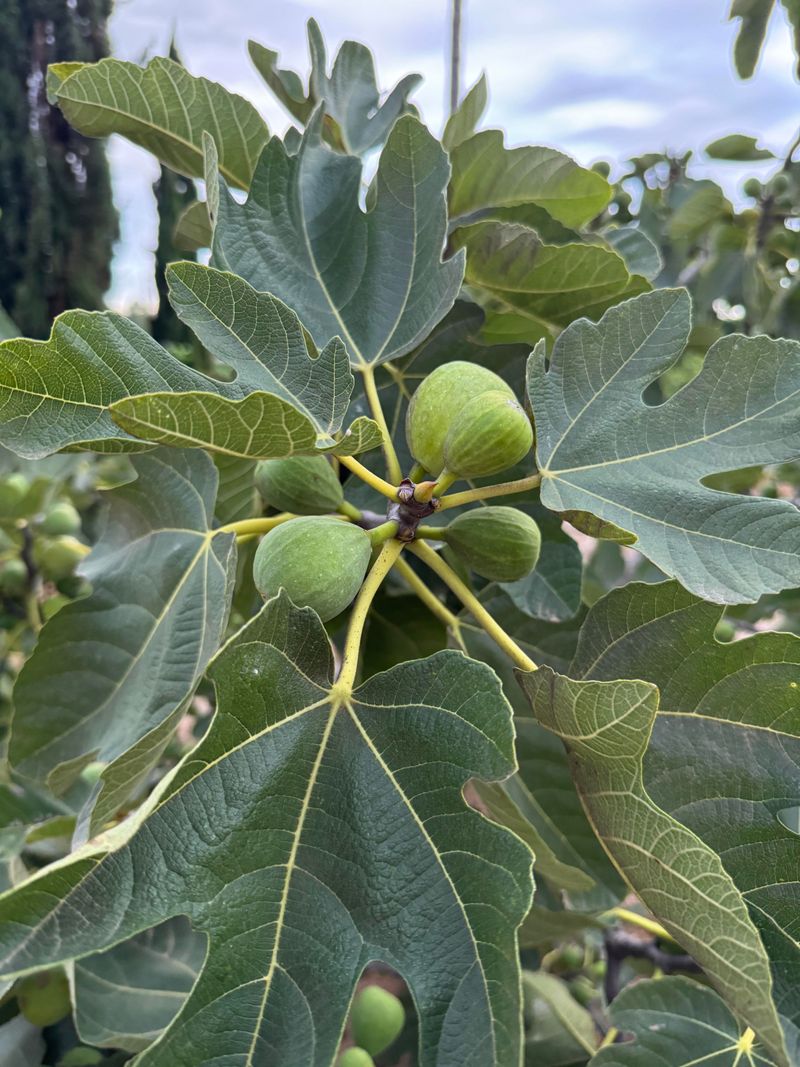
Bananas and tomatoes can sit on the counter and sweeten, but figs play by different rules. Once you pull a hard fig off the branch, its flavor mostly stays where it was.
A firm fig may soften slightly after picking, yet it usually won’t gain the rich sweetness of a tree-ripened one.
That difference is why picking at the right moment matters so much. Unripe figs also contain a milky white sap that can irritate skin and taste unpleasant.
Wearing gloves while harvesting is a smart habit if your skin reacts easily.
So what can you do with a pile of green figs that came off early? Some cooks simmer them into preserves or candied fruit, which uses sugar to make up for the missing sweetness.
Recipes for green fig preserves have been passed around in parts of the South for generations, including kitchens across Georgia.
If you try one, follow a tested recipe for safe canning. Your extension office can point you to reliable instructions.
Wildlife may still enjoy the rejects tossed in a compost pile.
Mostly, though, leaving fruit on the tree until it softens gives you the best eating figs.
7. Fruit Still Hanging Late In The Season May Run Out Of Time
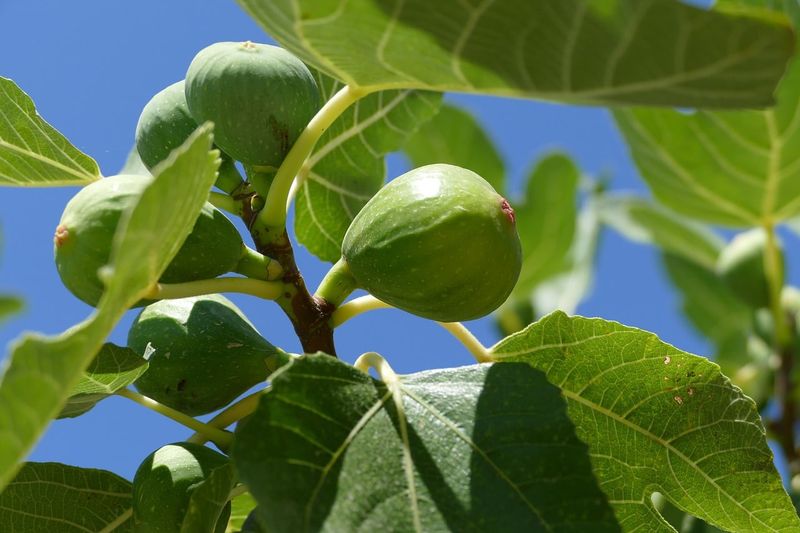
October has a way of ending the fig season quietly. As nights cool and days shorten, small figs that formed late often stall.
Fruit that appeared in late summer may simply not have enough warm days left to mature.
You can usually tell which figs have a chance. Ones close to full size with a hint of color change might still finish, while tiny hard ones probably won’t.
Timing varies a lot from mountain towns to coastal areas.
Frost often arrives earlier in north Georgia, which shortens the window compared to Savannah or the southern counties. Once frost hits, remaining figs and leaves typically turn mushy or fall.
Don’t expect stalled figs to carry over to next year in most cases.
Small fruit left on the tree over winter usually drops off on its own. A few gardeners in mild areas see some overwintered buds turn into a breba crop, but results are mixed.
Instead of stressing, use the end of season as a learning moment.
Jot down when your tree started and stopped ripening, plus notes on rain and feeding. Those notes can help you adjust care next spring and enjoy a fuller harvest.