Florida Perennials That Practically Multiply Themselves When You Divide And Replant
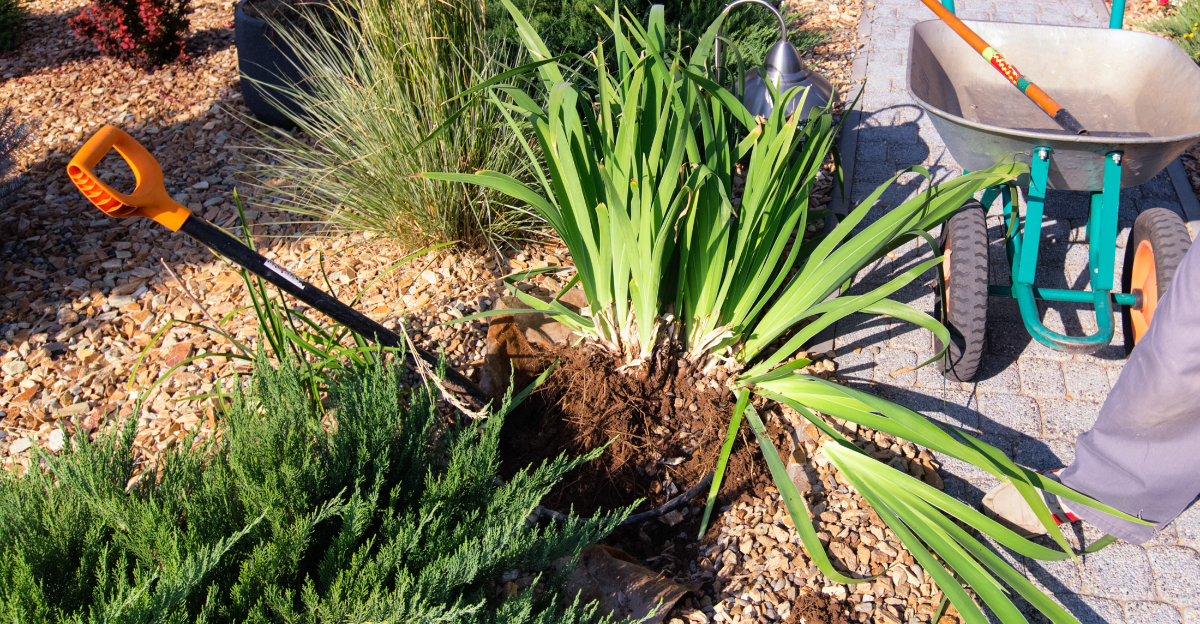
Some Florida perennials have one great quality that rarely gets talked about at the nursery. Divide them, replant the pieces, and within a season you have more plants than you started with doing exactly what the original did.
For gardeners trying to fill beds without spending a fortune every spring, that kind of generosity is hard to beat. No cuttings to fuss over, no seeds to coddle, no waiting to see what takes.
You dig, you split, you replant, and the garden rewards you for it. The plants that do this best in Florida tend to be tough ones already, perennials that handle heat, humidity, and Florida’s erratic rainfall without complaint.
The same resilience that keeps them going through rough seasons is what makes divided sections establish so easily. A single plant bought two or three years ago can fill an entire bed if you know what you are doing.
1. Divide Daylilies To Turn One Clump Into Many
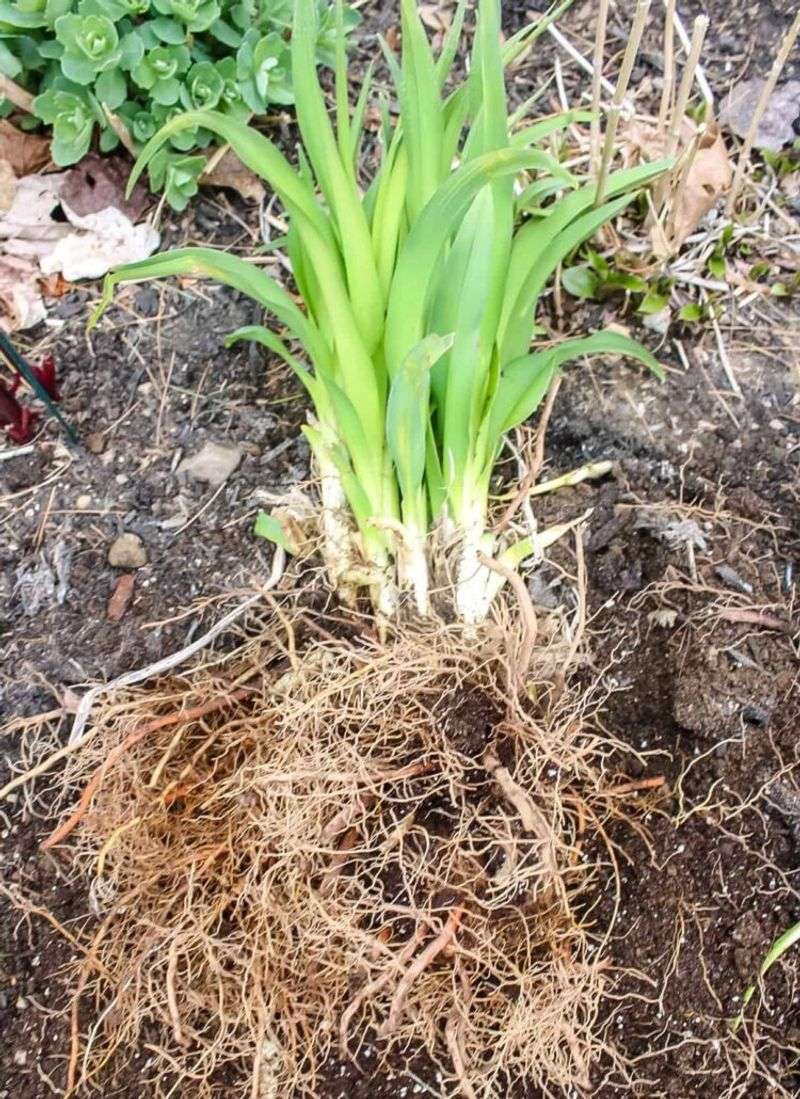
A single daylily clump planted five years ago now sprawls across half the bed, with stems so tightly packed that blooms look smaller each summer. That crowded mass holds enough divisions to line a walkway or fill three new garden spots without spending a dime.
Daylilies rank among the most reliable passalong perennials because established clumps divide easily and settle in quickly. UF/IFAS notes that daylilies perform well across the state and benefit from division every few years when clumps become congested.
Lifting a mature clump reveals dozens of individual fans, each with roots attached and ready to grow on its own.
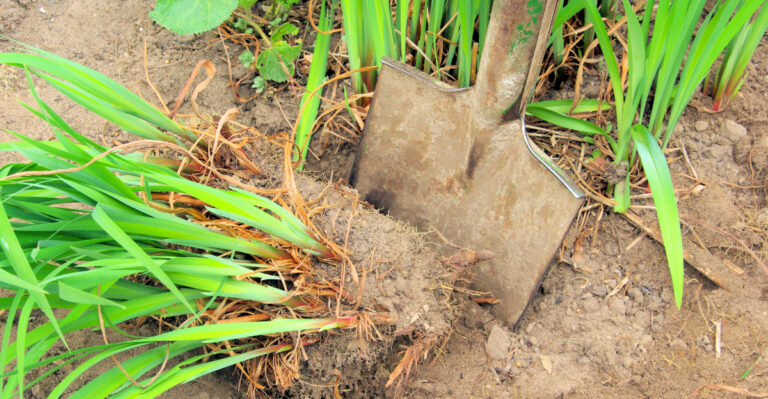
Divide after flowering or during cooler months when plants are not stressed by extreme heat. Dig around the clump and lift it carefully, then use your hands or a sharp spade to separate healthy fans with roots intact.
Replant divisions promptly in sunny or lightly shaded beds with decent drainage, spacing them about a foot apart so they have room to expand.
Newly divided daylilies need consistent water for the first few weeks while roots spread into surrounding soil. Mulch lightly to hold moisture and keep soil temperatures steady.
Most divisions resume blooming within a season or two, turning one tired clump into a full border of fresh plants.
2. Replant Society Garlic From Thickening Clumps
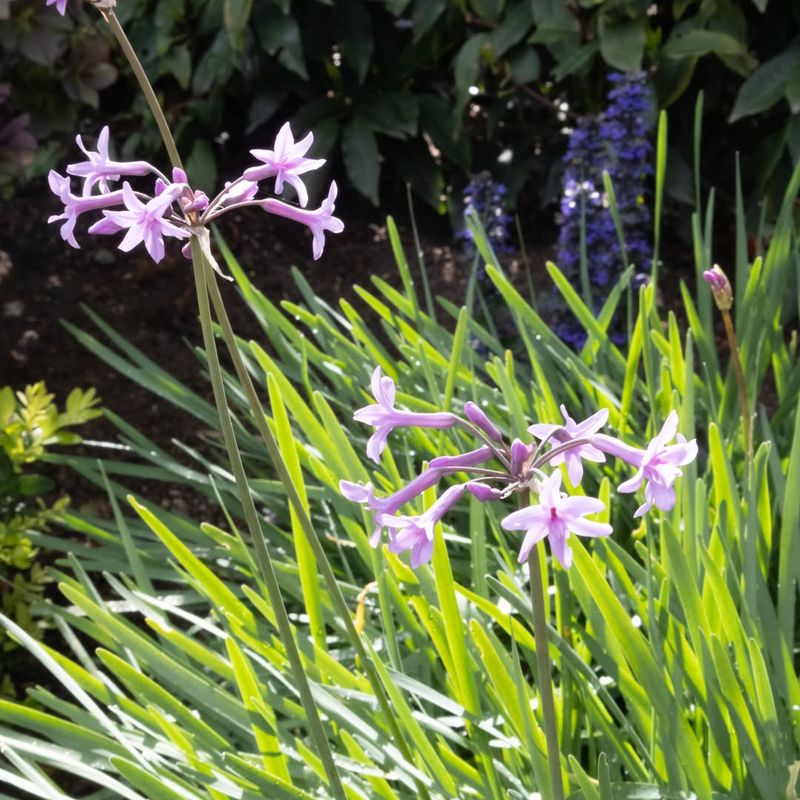
A narrow border planted with society garlic years ago has slowly filled in. The original three plants have become a solid ribbon of green foliage and lavender blooms.
That thickening stand can be separated into dozens of new clumps whenever the bed needs refreshing or another area needs filling.
Society garlic forms dense clumps that divide easily when they become crowded or when you want more plants for other beds.
UF/IFAS describes society garlic as a low-maintenance perennial with grass-like leaves and clusters of small lavender flowers that appear through warm months.
Clumps can be lifted and separated into smaller sections, each with roots attached and ready to replant.
Choose a mild day outside of extreme heat or drought to divide. Dig up the clump and gently pull or cut apart healthy sections, making sure each piece has roots and a few leaf fans.
Your Florida Garden Changes Every Week. Your Plan Should Too.
Gardening in Florida changes quickly throughout the season. Every Friday you’ll receive a simple weekly plan showing exactly what to plant, prune, fertilize, harvest, and protect so you never miss the right timing.
Replant divisions in sunny, well-drained beds where they can spread without crowding other plants.
Water regularly until new sections establish, then back off to occasional irrigation during dry spells. Society garlic tolerates heat and sandy soils well, making it useful in warm, low-maintenance landscapes.
Divided plants usually resume flowering within a few months, filling beds with repeat color and a mild onion-like scent when leaves are brushed.
3. Lift And Divide Cannas When Beds Get Crowded
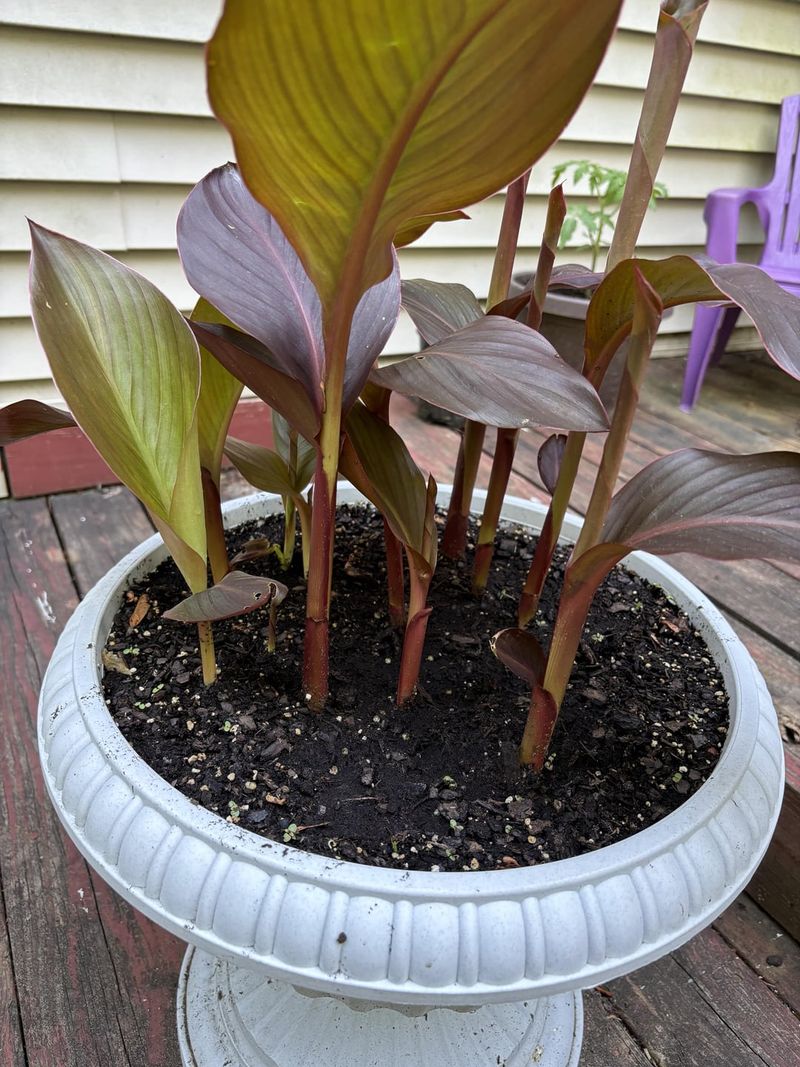
A tropical-looking bed planted with a few canna rhizomes three summers ago now looks like a jungle. Stems jostle for space, and flowering slows down as the clump thickens.
That packed mass of rhizomes can be lifted, divided, and spread across the yard to create bold accents in multiple spots.
Cannas grow from underground rhizomes that multiply quickly in warm, moist conditions. UF/IFAS notes that cannas are vigorous perennials suited to moist garden areas and can become crowded over time.
When clumps fill their space or flowering weakens, lifting and dividing refreshes the planting and gives you extra rhizomes to replant elsewhere.
Divide during cooler months or after flowering when plants are not actively pushing out new growth. Dig up the clump and shake off loose soil so you can see the rhizomes clearly.
Cut or break apart healthy sections, each with at least one growing point (a visible bud or shoot), and discard any soft or damaged pieces.
Replant divisions in beds with rich, consistently moist soil and full sun to light shade, spacing them about two feet apart. Cannas can become vigorous in ideal conditions, so place divisions where their size and spread are welcome.
Water regularly until new shoots appear, then maintain steady moisture through the growing season for best flowering.
4. Separate Crinum Lily Offsets Once They Build Up
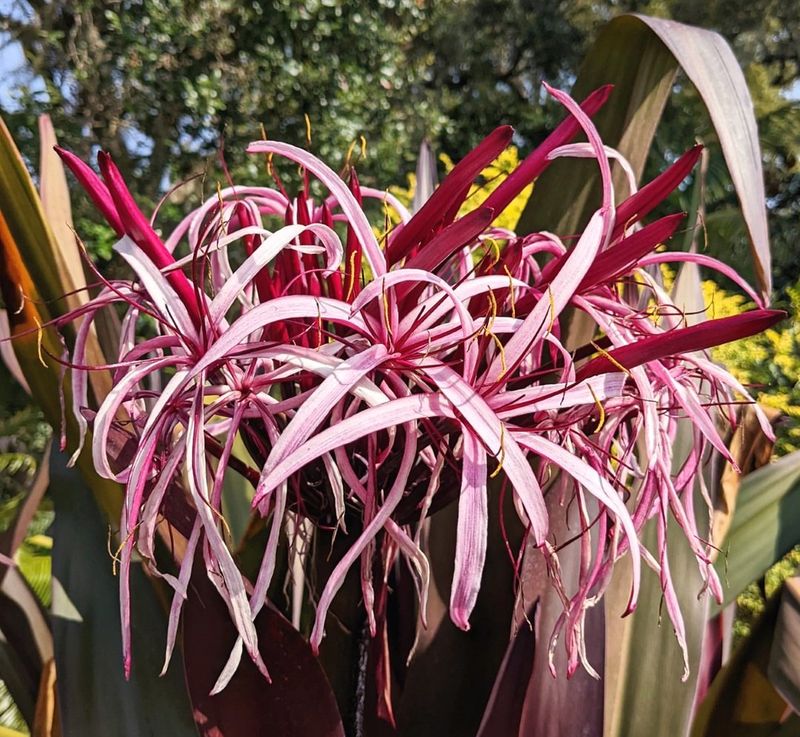
A massive crinum lily planted decades ago finally has a cluster of smaller offsets crowding around its base. Each one is a potential new plant if you have the patience to separate and move it.
That big, permanent-looking clump took years to build up, and offsets grow slowly, so division is more about patience than speed.
Crinum lilies produce daughter bulbs or offsets that can be separated and replanted once a clump is well established. UF/IFAS describes crinums as long-lived, large-bulbed perennials with strap-like leaves and showy lily-like flowers.
These plants can become quite large and do not need frequent division, but offsets can be removed when they crowd the main bulb or when you want to start new plantings.
Divide during cooler months when plants are not flowering or actively growing. Dig carefully around the clump to avoid damaging bulbs, then lift and separate offsets that have formed their own roots.
Replant offsets in deep holes with plenty of room, setting bulb necks at or just above soil level. Crinums need space to grow, so do not crowd them into small beds.
Water regularly until new growth appears, then provide occasional deep watering during dry periods. Newly separated offsets may take a year or more to resume flowering, so expect a slow start.
Established crinums tolerate Florida drought and sandy soils well, making them reliable long-term perennials once settled.
5. Divide Walking Iris Plantlets For Easy Passalong Plants
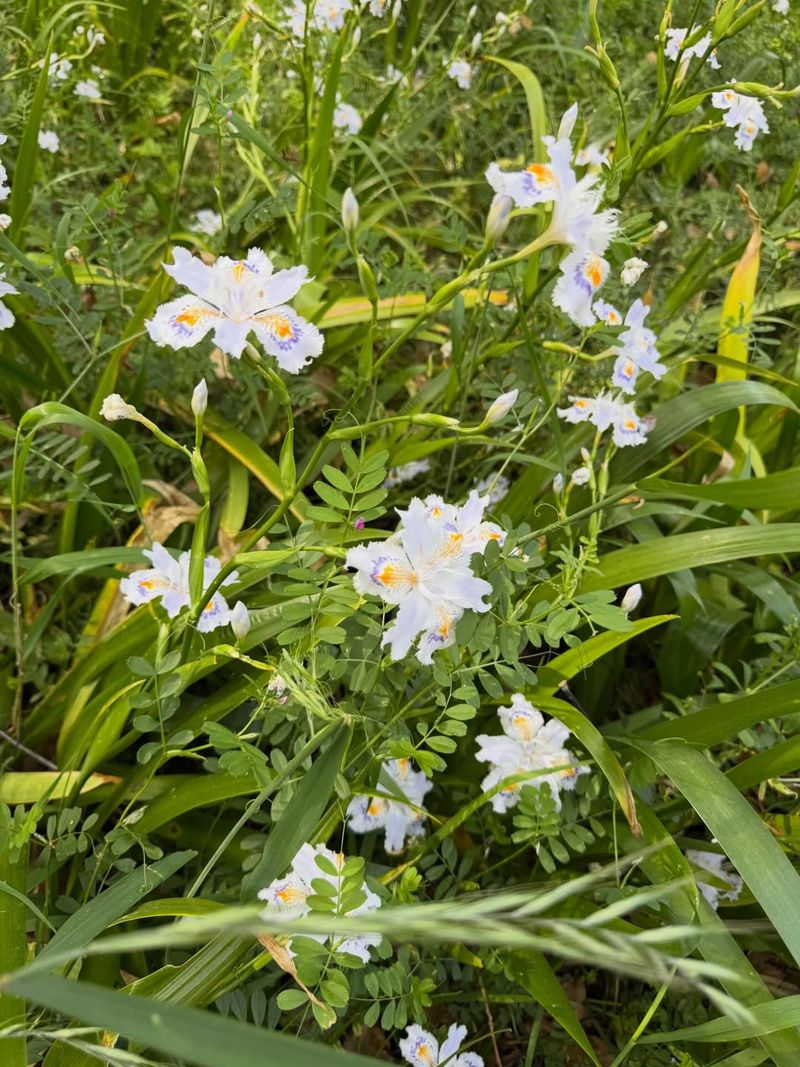
Flower stalks on a walking iris bend toward the ground like they are trying to walk away, each one tipped with a small plantlet already sprouting roots and leaves.
Those plantlets can be snipped off and potted or planted directly in the ground, turning one clump into a whole collection of new plants without digging up the parent.
Walking iris produces plantlets on arching flower stalks after blooming, and those plantlets can be rooted or replanted when they are ready.
This method is different from splitting a root clump, since you are simply detaching and planting the small plants that form naturally.
UF/IFAS describes walking iris as a shade-tolerant perennial with iris-like flowers and sword-shaped leaves, suited to filtered light or part shade in warm regions.
Wait until plantlets have formed a few roots and leaves before detaching them from the flower stalk. Snip or twist them off gently, then pot them in moist potting mix or plant them directly in a shaded or filtered-light bed.
Keep soil consistently moist until new growth appears, then water regularly through dry spells.
Plantlets usually establish quickly and begin forming their own clumps within a season or two. Walking iris tolerates shade and moist soils well, making it useful in areas where sun-loving perennials struggle.
Replanted plantlets continue the cycle, eventually producing their own flower stalks with new plantlets to share or spread around the yard.
6. Replant Agapanthus Clumps After They Fill The Bed
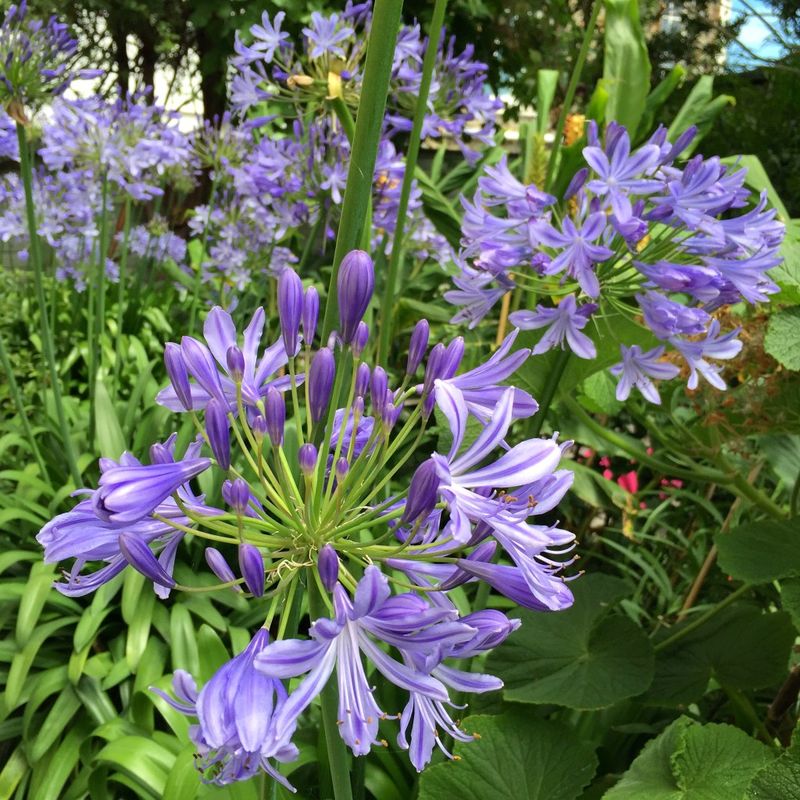
A once-neat agapanthus clump has expanded until it fills its entire bed, with stems so tightly packed that new flower stalks struggle to push through.
That crowded mass can be lifted, divided, and replanted in fresh spots, though plants may take a season or two to resume strong flowering after the move.
Agapanthus forms dense clumps that can be divided when they become crowded or when flowering weakens.
UF/IFAS notes that agapanthus grows well in warm regions and produces rounded clusters of blue or white flowers on tall stalks above strappy foliage.
Established clumps can be lifted and separated into smaller sections, each with roots and leaf fans intact.
Divide during cooler months when plants are not actively flowering or under heat stress. Dig up the clump carefully and pull or cut apart healthy sections, making sure each division has roots attached.
Replant divisions in beds with good drainage and full sun to light shade, spacing them so they have room to expand without crowding neighbors.
Water regularly until new growth appears, then provide steady moisture through the growing season. Newly divided agapanthus may take a year or more to resume strong flowering, so expect a slow start.
Mulch lightly to hold moisture and keep roots cool during hot months. Once reestablished, agapanthus clumps can remain in place for years before needing division again.
7. Split Louisiana Iris Where Moist Beds Need More Color
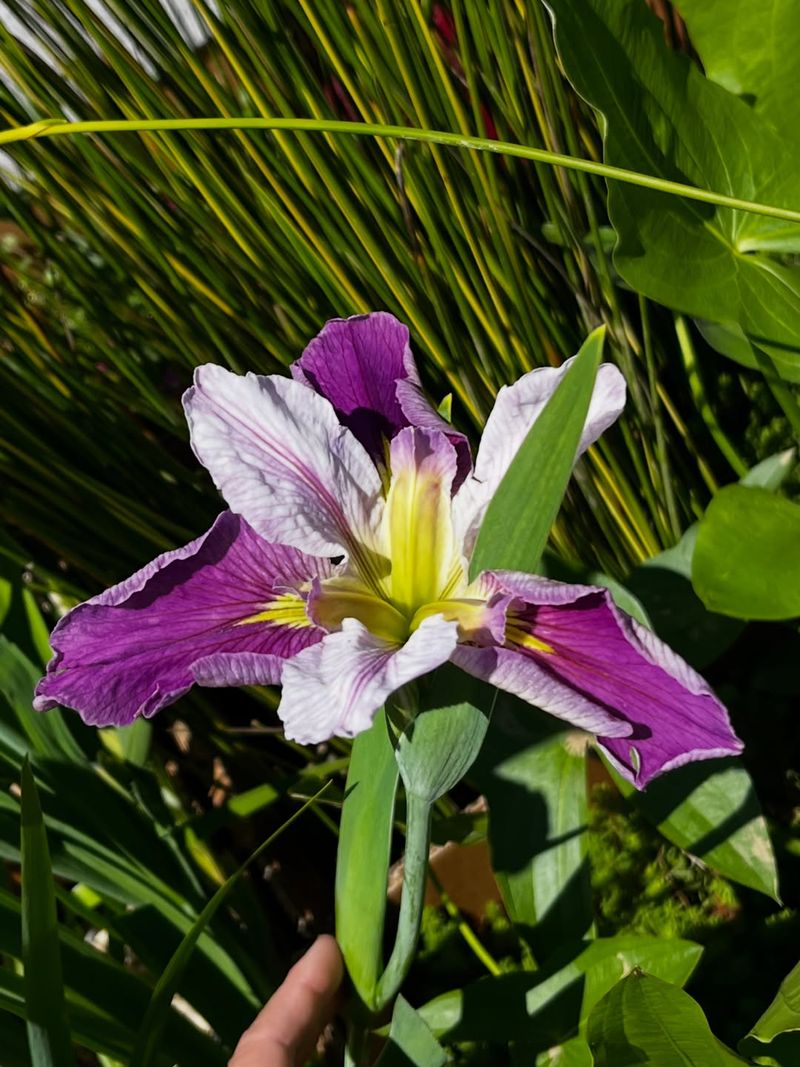
A damp garden bed near a pond or low spot holds a single clump of Louisiana iris that blooms beautifully each spring. That clump can be divided to spread color along the entire wet edge.
These moisture-loving perennials thrive in conditions that would rot many other plants, making them perfect for problem spots that stay consistently damp.
Louisiana iris can be divided and replanted in moist garden areas when clumps need spreading or refreshing.
UF/IFAS describes Louisiana iris as a native perennial suited to wet or consistently moist sites, with showy flowers in shades of blue, purple, yellow, or white.
Clumps can be lifted and separated into smaller sections, each with roots and fans of sword-shaped leaves ready to replant.
Divide after flowering or during cooler months when plants are not stressed by heat. Dig up the clump carefully and pull or cut apart healthy sections, keeping roots moist during the process.
Replant divisions immediately in wet or consistently moist beds, spacing them about a foot apart. Do not place Louisiana iris in dry, sandy beds where it will struggle.
Water divisions regularly until new growth appears, then maintain steady moisture through the growing season. Louisiana iris tolerates standing water and heavy soils well, making it ideal for pond edges, rain gardens, or low spots that stay damp.
Divided clumps usually resume flowering within a season, filling wet areas with bright color each spring.
8. Divide Muhly Grass When Mature Clumps Need Refreshing
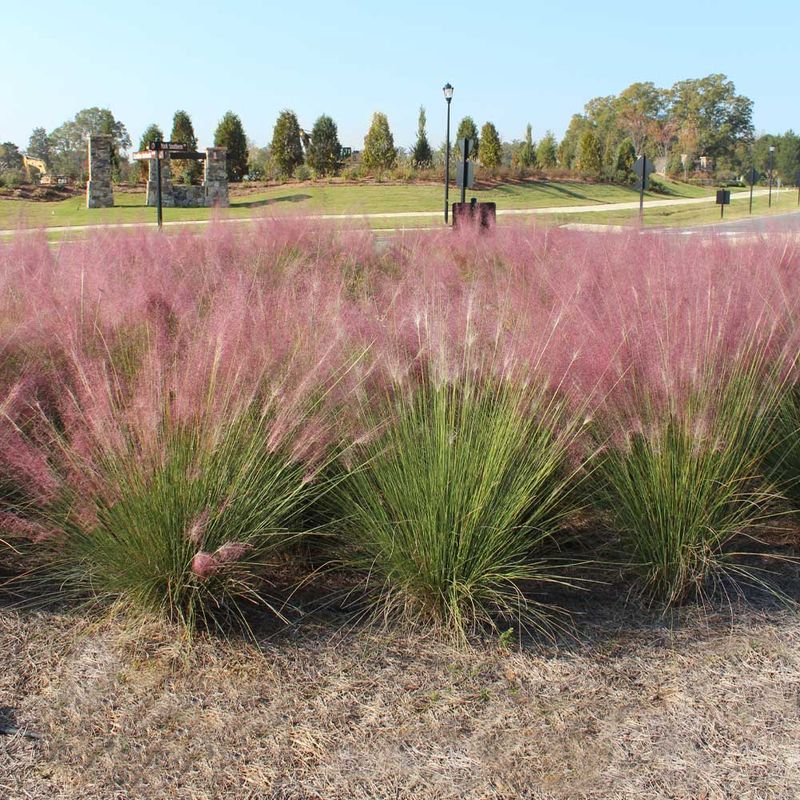
A mature muhly grass clump that once looked neat and tidy has grown into a sprawling mass with a thin, bare center and stems flopping outward.
That overgrown clump can be lifted, divided, and replanted to restore its compact shape and give you extra plants for other sunny beds.
Muhly grass is a clumping ornamental grass that can be divided when mature clumps become too large, thin in the center, or need refreshing.
UF/IFAS notes that muhly grass is a native perennial suited to sunny, well-drained sites and known for its airy pink plumes in fall.
Division is not required every year, but it can rejuvenate tired clumps and provide extra plants when needed.
Divide during cooler months when the grass is not actively growing or flowering. Dig up the clump carefully and use a sharp spade or saw to cut apart healthy sections, each with roots and green foliage intact.
Discard any withered or thinned-out center sections and replant only vigorous outer divisions.
Replant divisions in sunny, well-drained beds where they have room to expand, spacing them about two feet apart. Water regularly until new growth appears, then provide occasional irrigation during dry spells.
Newly divided muhly grass may take a season to resume full size and flowering, but established clumps are tough and drought-tolerant once settled. Avoid dividing stressed or struggling plants until they recover.