Native Florida Shrubs To Plant Instead Of Podocarpus For Privacy This Summer
Podocarpus hedges can look tidy, but they do not always feel like the easy Florida answer people expect.
They need clipping, watering, pest checks, and enough patience to keep that green wall from turning into another weekend chore.
In summer, when heat rises and afternoon storms roll through like clockwork, many homeowners start wondering why the privacy screen has to feel so needy.
Florida native shrubs offer a better match for the place.
Some grow dense and formal. Some loosen into wildlife-friendly layers. Some handle salty wind, sandy soil, shade, wet spells, or dry heat with far less fuss once established.
They also give birds, butterflies, and pollinators something more useful than a plain evergreen backdrop.
The trick is choosing the right shrub for the right part of Florida.
So what should replace podocarpus when privacy matters, but the yard still needs to feel alive?
Start with natives that fit your region, your light, and the amount of pruning you actually want to do.
1. Screen Tight Spaces With Simpson’s Stopper
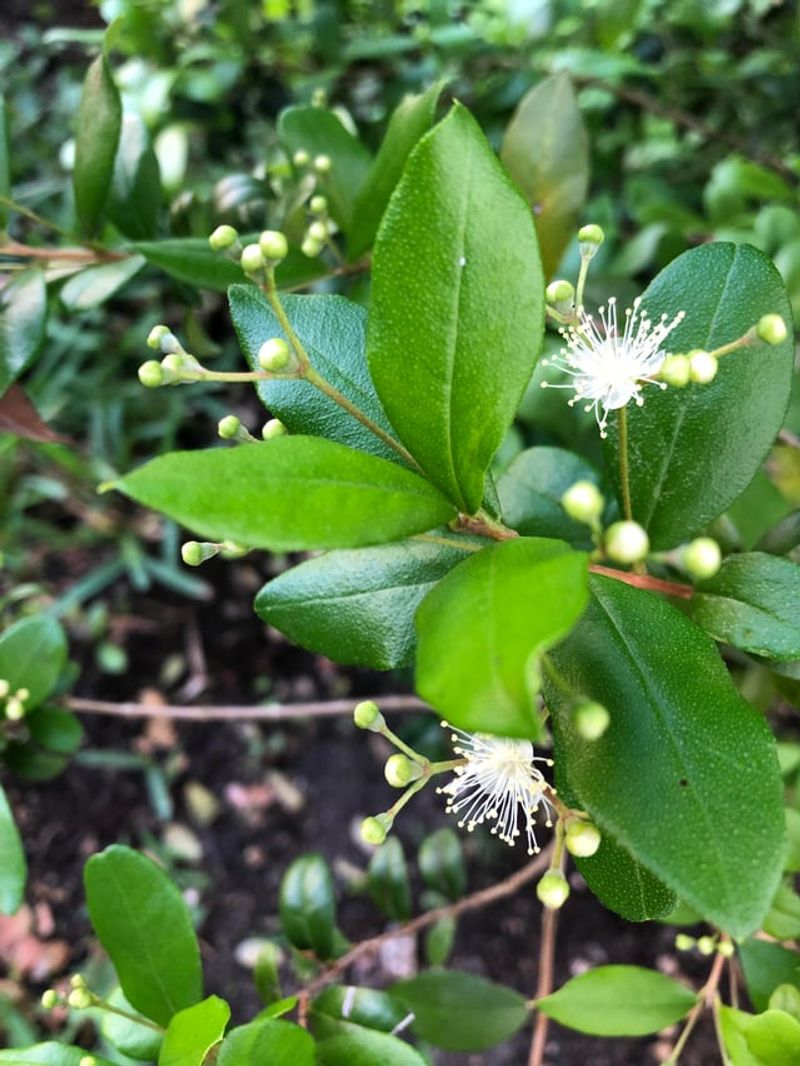
Simpson’s Stopper gives privacy without turning a narrow side yard into a leafy hallway you can barely squeeze through.
That manageable size is its biggest advantage over many bulkier shrubs. Left alone, it can reach around 10 to 15 feet tall, but it usually stays narrow enough to work along fences, walkways, patios, and smaller lots where a wide hedge would cause trouble fast.
The glossy evergreen leaves create a clean screen, while the tiny white flowers add something podocarpus never really gives you: fragrance.
When Simpson’s Stopper blooms, the scent can feel sweet, spicy, and surprisingly noticeable for such small flowers.
Then come the orange-red berries, which birds often find before the gardener gets tired of admiring them.
This shrub does best in Central and South Florida, especially in warmer areas where hard freezes are not a regular threat. North Florida gardeners should be cautious, since cold can damage it.
Plant it in full sun for the densest growth, or use it in part shade where a slightly looser screen still works. Well-drained sandy soil suits it fine once roots establish.
Space plants about 4 to 6 feet apart for privacy. Closer spacing creates a faster wall but also means more pruning later.
Water new plants deeply through the first summer. Afternoon rain helps, but it does not replace hand-watering during dry gaps.
Buy nursery-propagated plants from reputable native nurseries. That protects wild populations and gives your hedge a cleaner, more responsible start.
2. Build Fast Coverage With Wax Myrtle
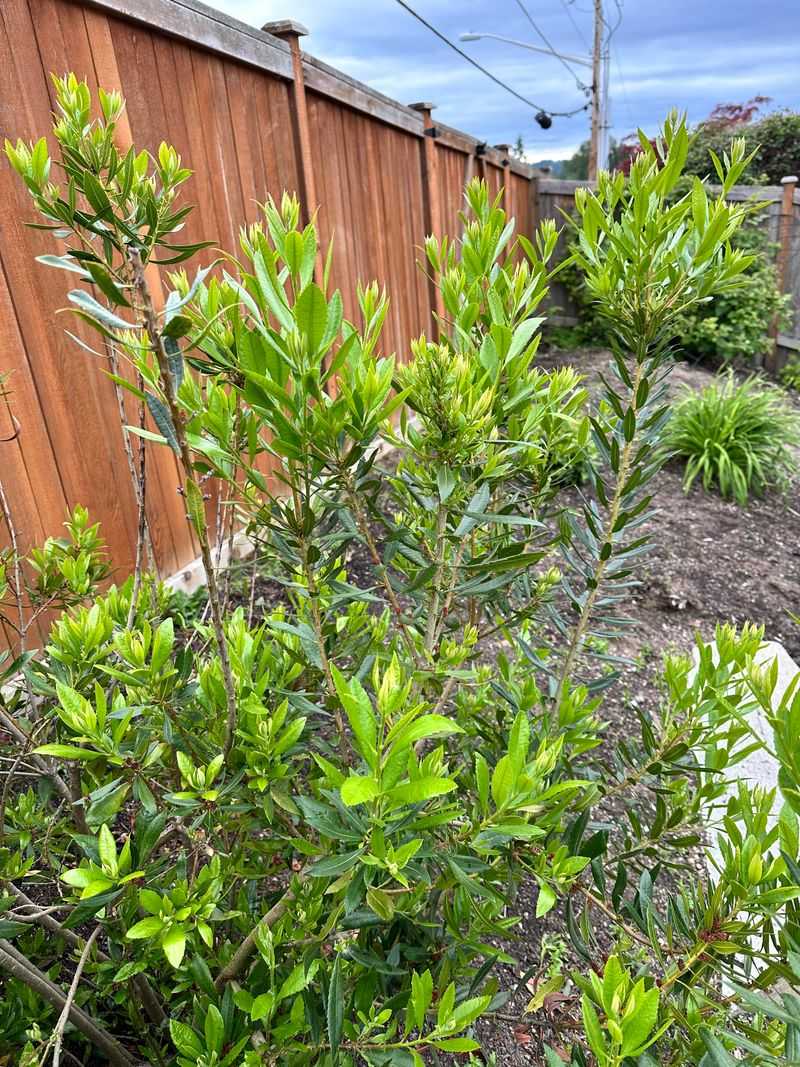
Wax myrtle is the shrub for homeowners who need privacy sooner rather than someday.
It grows quickly, fills vertical space fast, and handles a wild range of Florida conditions. Sandy soil, poor soil, occasional wet feet, salt air, drought after establishment, and summer heat usually do not scare it much.
That toughness makes wax myrtle useful along fence lines, property edges, retention areas, and coastal yards where fussier shrubs complain.
The foliage is aromatic when brushed, and the gray-green leaves give the hedge a softer, more natural look than a rigid podocarpus wall. In winter, waxy berries can feed birds, especially in landscapes where native food sources are limited.
Your Florida Garden Changes Every Week. Your Plan Should Too.
Gardening in Florida changes quickly throughout the season. Every Friday you’ll receive a simple weekly plan showing exactly what to plant, prune, fertilize, harvest, and protect so you never miss the right timing.
Speed comes with a catch. Wax myrtle can reach 10 to 15 feet tall and may spread by suckers around the base. That creates wonderful wildlife cover, but it can feel unruly in a formal suburban bed.
Give it room from the start. Space plants about 6 to 8 feet apart if you want a loose, fast screen. Planting too tightly can turn maintenance into a constant negotiation.
Do not shear it into a hard green box unless you truly enjoy pruning. Wax myrtle looks better with selective thinning that removes older stems and keeps the plant airy but dense.
Full sun gives the strongest growth. Light shade works, though the screen may be more open.
Water every few days during the first stretch after planting in summer, then gradually reduce once roots spread.
Wax myrtle is not the neatest native shrub. It is one of the fastest, toughest, and most useful when privacy cannot wait.
3. Shape Walter’s Viburnum Into A Wall
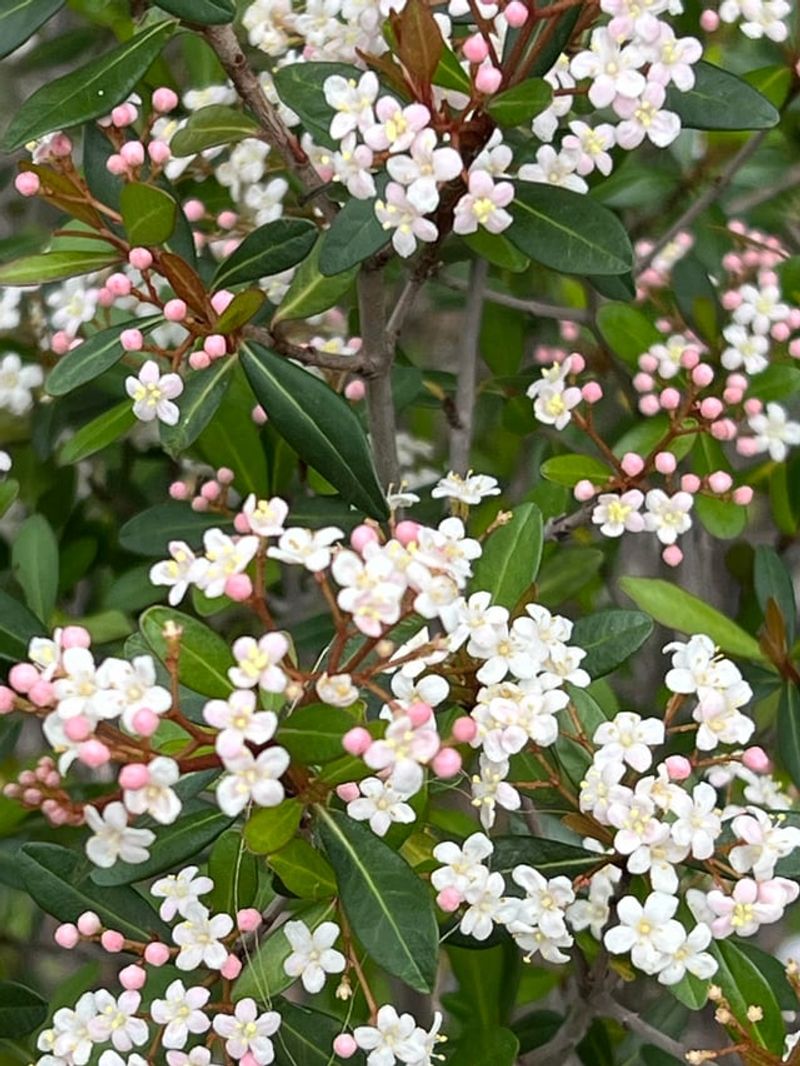
Walter’s Viburnum is the native choice for people who still want a crisp hedge.
It has small evergreen leaves, dense branching, and a willingness to accept pruning without turning awkward.
That makes it one of the strongest podocarpus replacements for homeowners who like clean lines but want a plant with more local value.
Full sun creates the thickest screen. Part shade can work too, especially where the goal is softer privacy rather than a clipped wall.
This shrub is especially useful in North and Central Florida because it tolerates cooler winters better than many tropical natives. It can also fit into South Florida gardens if drainage and site conditions suit it.
The flowers arrive in late winter or early spring, usually in clusters of small white blooms. Birds may visit the fruit later, adding quiet wildlife value to a hedge that still behaves formally.
Pay close attention to the plant tag. The straight species can grow much taller than people expect, sometimes reaching small-tree size if left alone. Compact cultivars stay lower and are better for foundation screens or shorter hedges.
Match the selection to the job. A full-size Walter’s Viburnum belongs where height is welcome. A dwarf selection works where a tidy border or low screen makes more sense.
Drainage matters. This shrub does not want soggy soil sitting around its roots. If your yard holds water after rain, choose a more moisture-tolerant native instead.
Space standard plants about 4 to 6 feet apart for a hedge. Dwarf forms can sit closer.
With steady summer watering during establishment and regular light pruning, Walter’s Viburnum can become a dense native privacy wall without the podocarpus routine.
4. Seal Narrow Gaps With Yaupon Holly
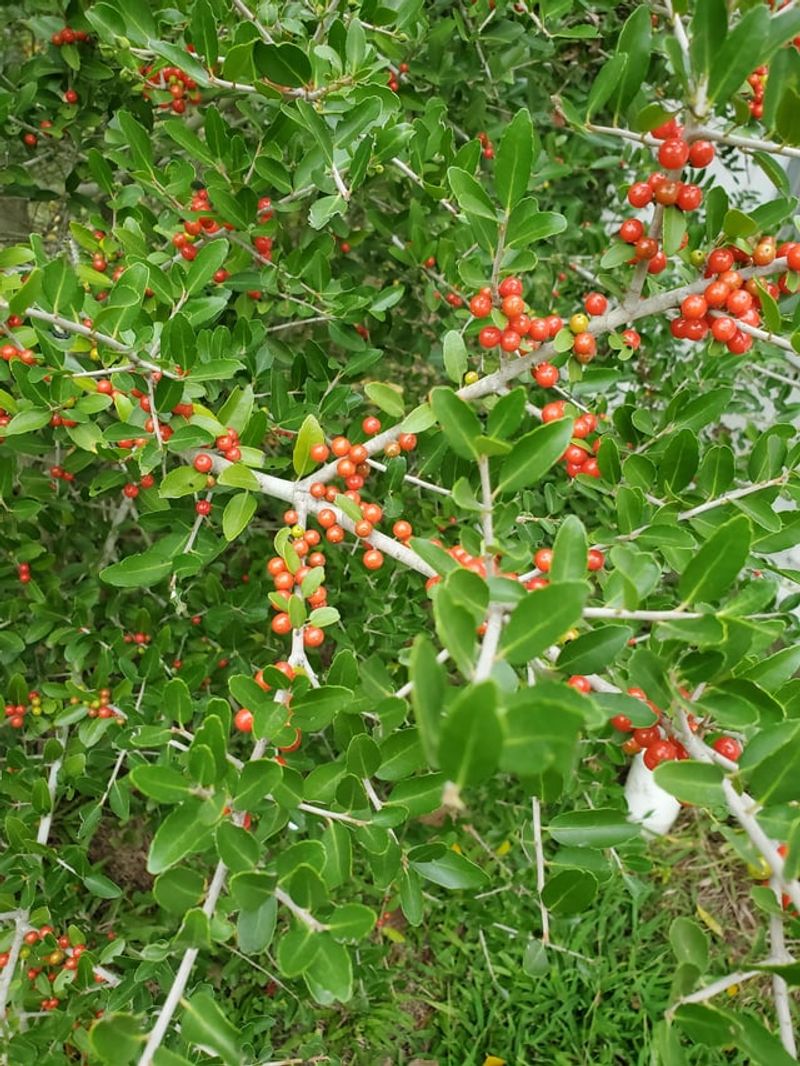
Yaupon holly is one of Florida’s most dependable native screen plants. It handles heat, drought after establishment, poor soil, salt air, and pruning with impressive calm.
That makes it especially useful for hard spots along fences, driveways, side yards, and property lines where a weaker shrub would start looking tired by midsummer.
The small glossy leaves stay evergreen, giving the plant year-round privacy value. Branching can be dense, especially in full sun, and the shrub responds well to shearing if a formal look is the goal.
For a narrow privacy screen, upright forms are usually the best choice. They can be spaced about 3 to 4 feet apart and trimmed to keep the wall tight.
Full-size yaupon can eventually reach 15 feet or more, so do not plant it right against the house, under low windows, or beside utility boxes unless you plan to manage it regularly.
Dwarf cultivars are useful, but they are not tall privacy plants. They fit low hedges, borders, and foundation areas better than backyard screening.
Female yaupon hollies produce red berries if a male plant is nearby for pollination. Those berries bring winter color and feed birds, turning a privacy hedge into a food source.
The plant also tolerates shaping into small trees or loose multi-stem shrubs, which gives homeowners more design flexibility than podocarpus.
Water deeply during the first summer, especially through dry periods between storms. Once established, yaupon becomes far more forgiving.
It is not flashy every month of the year, but it is steady. For Florida privacy, steady is often the trait that wins.
5. Bring Summer Color With Firebush
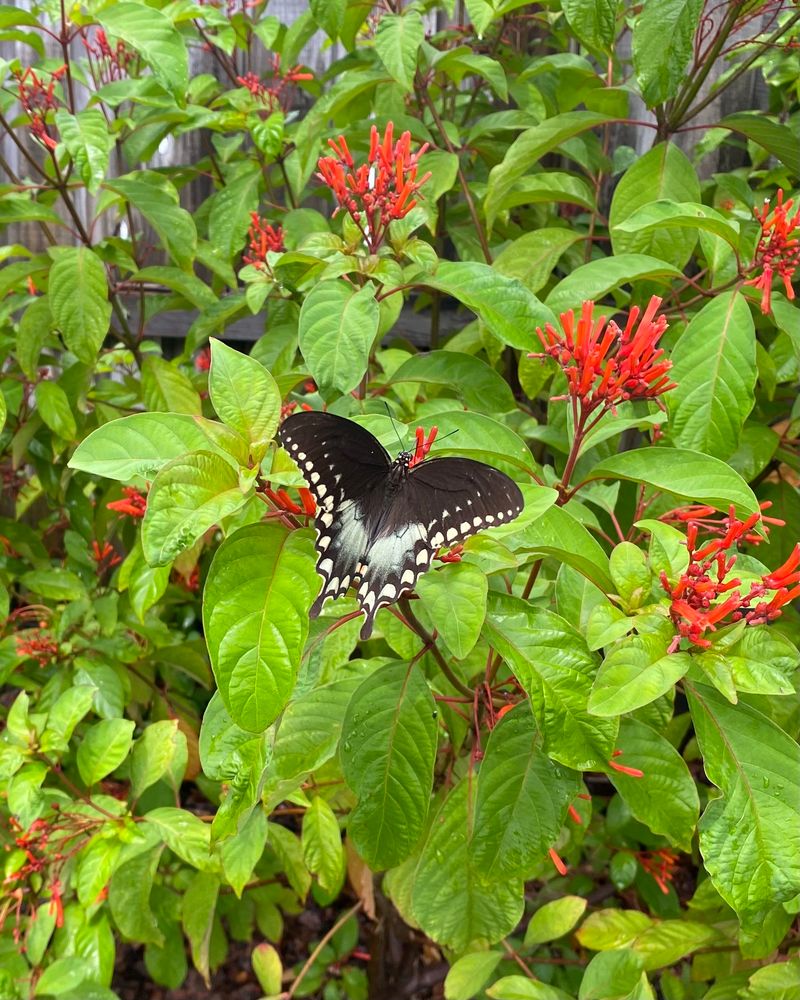
Firebush makes privacy feel less like a wall and more like a show.
The orange-red tubular flowers glow through the warm months, bringing hummingbirds, butterflies, and constant movement.
If a plain hedge feels too stiff, firebush can soften the whole privacy plan while adding color exactly when Florida yards can look overheated and flat.
This shrub performs best in Central and South Florida, where warmth lets it grow fast and bloom heavily. In South Florida, it can stay evergreen and build size over time.
In Central Florida, frost may cut it back, but it often returns from the roots in spring. In the Panhandle, it may behave more like a tender perennial and may not provide reliable year-round screening.
That regional difference matters. Firebush is not the right single-plant privacy hedge for every Florida yard.
Use it where summer color and wildlife value matter as much as screening. It can reach 5 to 8 feet in a good season, sometimes more in warm southern locations.
The growth is open and arching, not tight and formal. For real privacy, place firebush in front of denser evergreens such as Simpson’s Stopper, yaupon holly, or Walter’s Viburnum.
Full sun gives the heaviest bloom, though part shade can work with fewer flowers. Well-drained soil is best.
Water new plants regularly through their first summer so roots can build before dry spells test them.
Prune lightly to shape after bloom flushes, but avoid shearing it into a box. That ruins the relaxed form and reduces flower power.
Firebush replaces podocarpus best when privacy does not have to be boring.
6. Fill Shady Screens With Wild Coffee
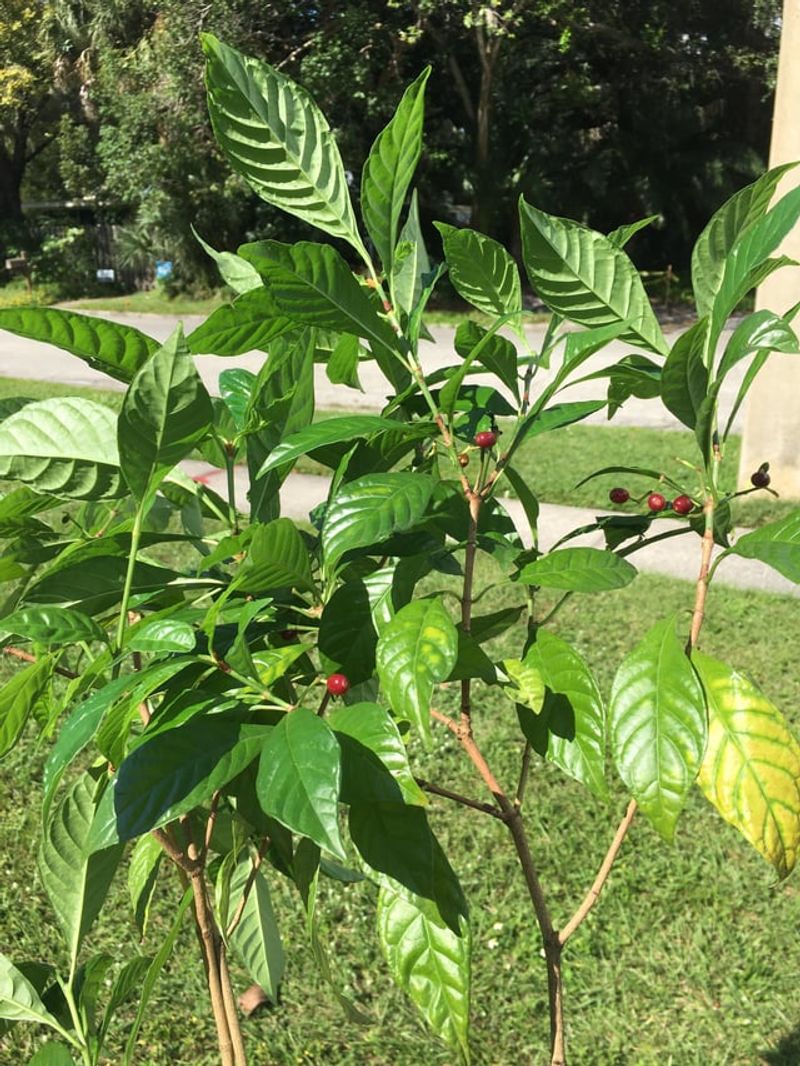
Wild coffee is the answer for shady Florida privacy spots that make sun-loving shrubs sulk.
Under oaks, near palms, beside shaded patios, and along filtered-light fences, this native shrub brings glossy tropical foliage without demanding full sun.
The leaves are large, deep green, and textured enough to create a lush screen even when flowers are not the main event.
Wild coffee suits Central and South Florida best, especially warmer areas where freezes are uncommon or brief. North Florida gardeners may struggle with cold damage, so this is not the safest Panhandle privacy choice.
In the right region, though, it can become a beautiful evergreen understory shrub.
Mature plants often reach 4 to 8 feet tall and wide, making them useful beneath taller trees or behind lower shade plantings. They do not usually need the constant shaping that podocarpus demands.
Small white flowers appear, followed by bright red berries that birds may visit. The fruit adds wildlife value and a nice color surprise in shady corners.
Avoid harsh afternoon sun. Wild coffee can scorch or stall when planted where western exposure beats down on the leaves.
Give it moist, well-drained soil with plenty of mulch. It likes the more organic conditions found under tree canopies, but it should not sit in soggy ground.
Space plants about 3 to 4 feet apart for a fuller screen. Water often during the first summer, especially under large trees where roots compete for moisture.
Wild coffee is not a formal hedge plant. It is a lush native layer for shade, and that is exactly what many Florida yards are missing.
7. Choose Silver Buttonwood Near The Coast
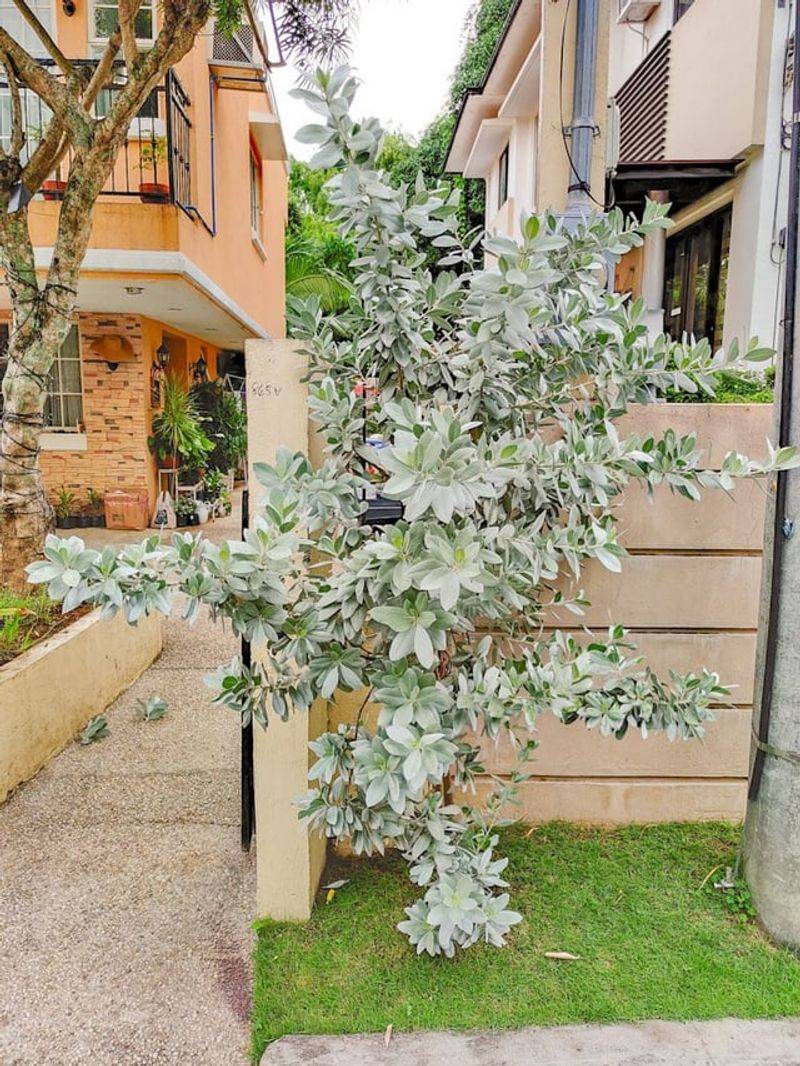
Silver buttonwood is built for the salty edge.
Coastal yards deal with wind, reflected heat, sandy soil, and salt spray that can make inland shrubs look miserable.
Silver buttonwood handles those conditions with style, bringing shimmering gray-silver foliage that looks sharp against stucco, gravel, palms, and blue water.
This is a South Florida and Keys plant first. It thrives in warm coastal zones and does not tolerate hard freezes well. Central and North Florida gardeners should choose a colder-hardy native instead.
In the right place, silver buttonwood can become a striking privacy screen.
Left alone, it may grow into a small tree with a windswept form. Clipped regularly, it can hold a dense hedge shape. That flexibility makes it useful for coastal property lines, pool screens, driveway edges, and modern landscapes that need a cleaner look.
Full sun is important. Shade reduces density and weakens the silver effect.
Drainage is just as important. This plant handles coastal stress, but soggy soil can shorten its life. Use it where water drains quickly after rain or irrigation.
Space plants about 4 to 5 feet apart for a clipped screen. Give them more room if you want a natural, tree-like form.
Prune two or three times a year for a formal hedge, or thin selectively for a softer coastal screen.
New plants still need regular water for the first several months. Salt tolerance does not mean instant drought tolerance.
Silver buttonwood is one of the best podocarpus alternatives where the coast sets the rules.
8. Add Beautyberry For Looser Privacy
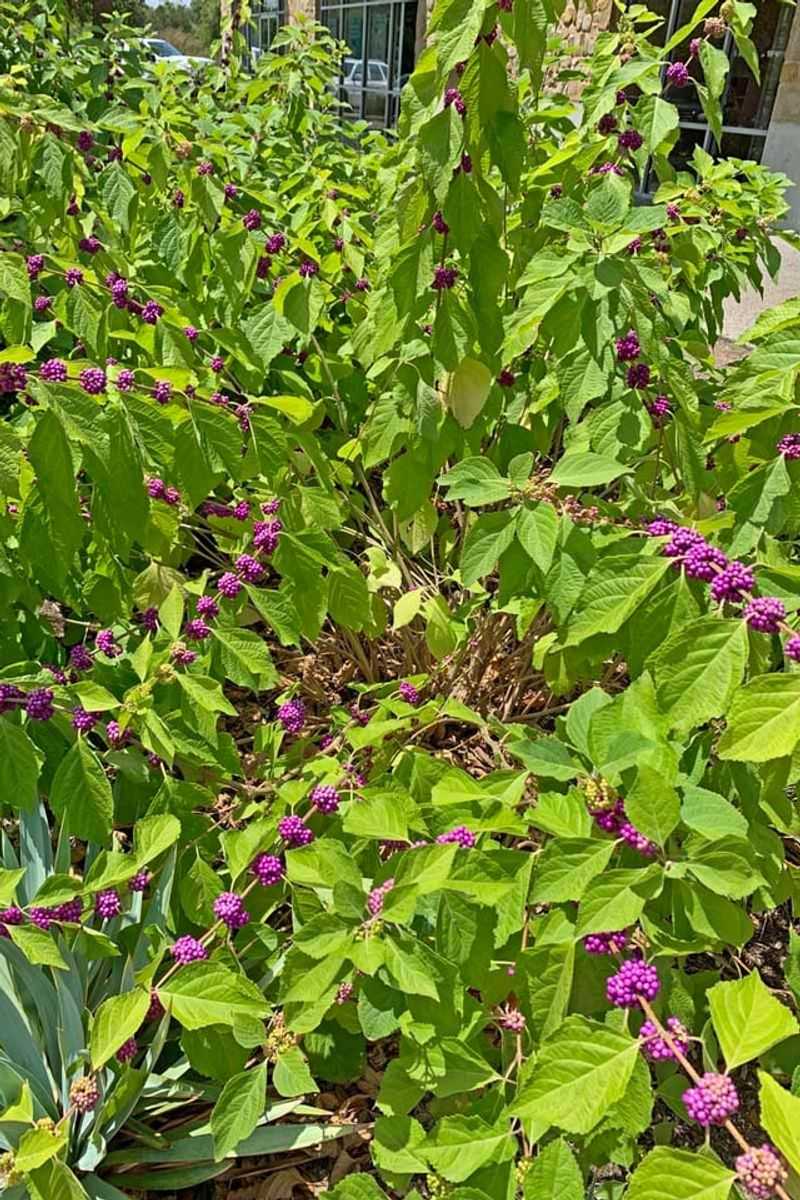
Beautyberry is not the shrub for a perfectly solid green wall.
It is the shrub for homeowners who want privacy with movement, seasonal color, and wildlife value. The arching branches create a loose screen, and the bright purple berries in fall look almost too bold to be real.
This native grows across Florida, which makes it one of the most broadly useful shrubs on the list. It can handle part shade, open woodland edges, sunny borders, and average well-drained soil.
The privacy it provides is informal. Mature plants often reach 4 to 8 feet tall and spread wide, so give them room to arch naturally.
Because beautyberry drops leaves in winter, it should not carry the whole screening job by itself. Use it as part of a layered privacy planting, with evergreen shrubs behind it and beautyberry in front for seasonal interest.
That layered approach gives you year-round coverage plus fall berries that birds love.
Plant beautyberry 5 to 6 feet apart if you want the branches to meet without crowding too badly. In tighter spaces, it may need more pruning than expected.
Late winter rejuvenation pruning can keep plants vigorous. Cutting older stems back hard before spring growth encourages fresh arching canes and better berry display later.
Do not prune heavily after flower buds form, since berries follow the flowers.
Water well during the first summer, then reduce once roots establish. Beautyberry can handle occasional drought after that.
It brings less formality than podocarpus, but much more personality.
For a relaxed Florida privacy edge, that tradeoff can be exactly right.