What Florida Gardeners Should Do With Pentas In May To Keep Butterflies Coming All Summer
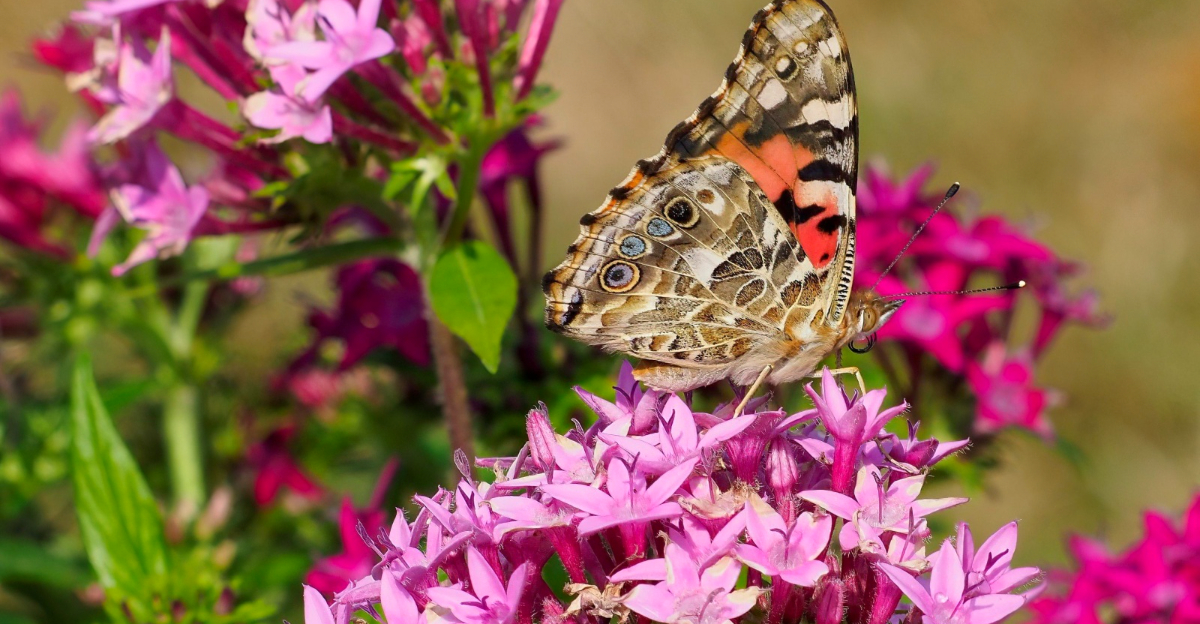
May is when pentas start looking like they got a personal invitation to Florida’s butterfly party.
The weather warms fast, humidity creeps in, and summer rain waits just around the corner with its usual dramatic entrance.
Those bright clusters of star-shaped blooms can turn a sunny bed or patio pot into a colorful little nectar stop, and butterflies tend to appreciate the effort. A quick May checkup can make a big difference.
Look at the sunlight, test the drainage, water new plants with care, give each plant enough elbow room, and pinch early growth if you want a fuller shape. Pentas are cheerful, hard-working, and not nearly as fussy as they look.
Give them the right start now, and your Florida garden can feel a lot more alive all summer.
1. Plant Pentas Where They Get Plenty Of Sun
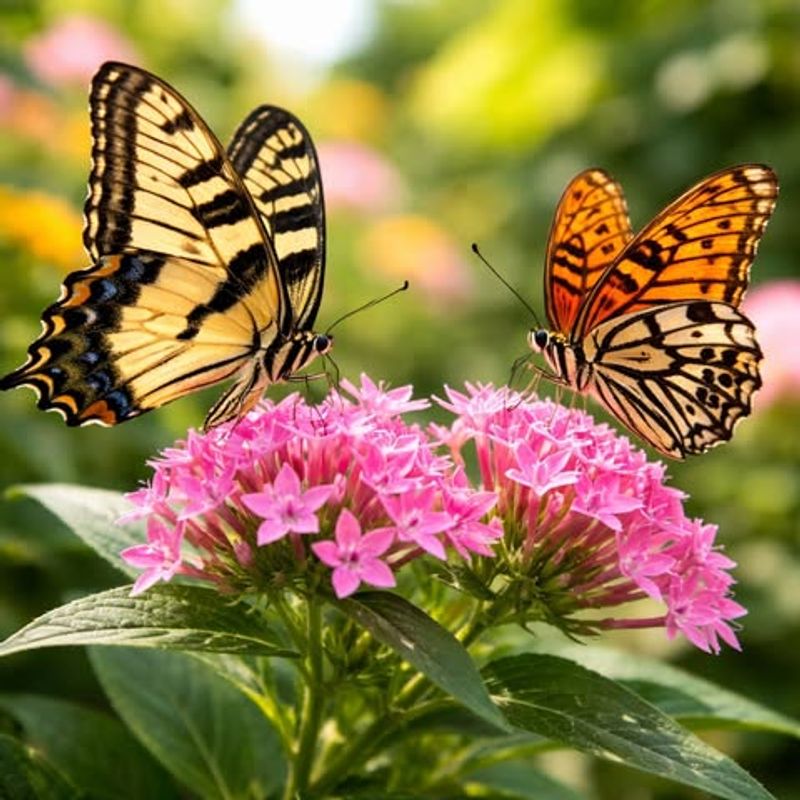
May sun in Florida is no joke, and pentas absolutely thrive in it.
These plants are built for warm, sunny conditions, and placing them where they receive at least six hours of direct sunlight each day gives them the energy they need to push out those signature star-shaped flower clusters.
Without enough sun, pentas tend to stretch, produce fewer blooms, and become less attractive to passing butterflies.
South-facing beds, open borders, and sunny patios are solid choices for planting or relocating pentas before summer sets in. If you have spots that get a little afternoon shade during the hottest part of the day, pentas can usually handle that too.
However, deep or consistent shade tends to reduce flowering noticeably.
When scouting locations in your Florida yard, watch how sunlight moves across your beds throughout the morning and afternoon. Spots that seemed shady in winter may actually get much stronger sun now that the angle has shifted.
Getting the light right in May means your pentas will have the foundation they need to bloom consistently and keep nectar available for butterflies through the long Florida summer.
2. Give Them Well-Drained Soil Before Summer Rains
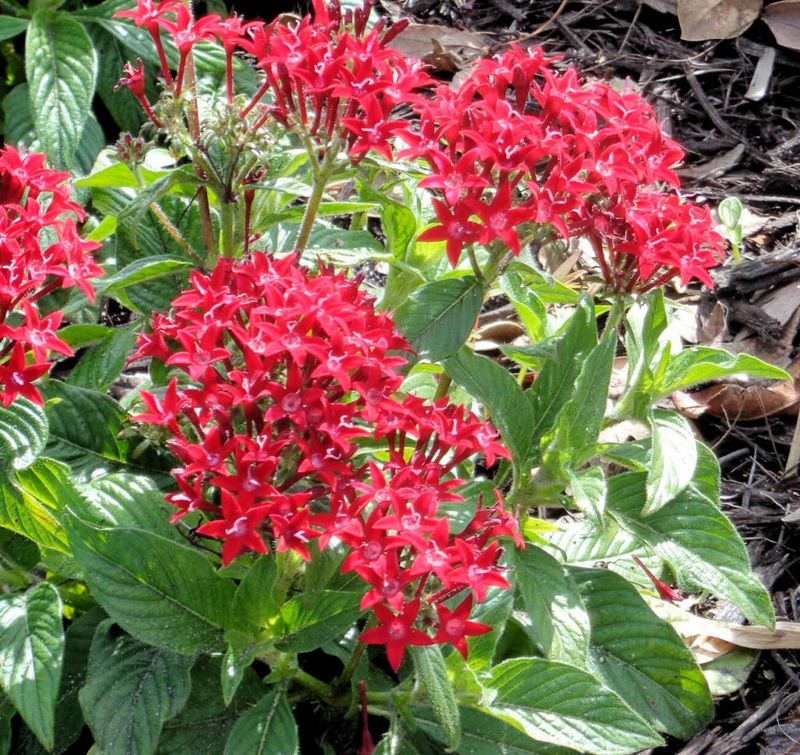
Summer rain in Florida can arrive quickly and heavily, and pentas roots do not appreciate sitting in soggy ground for long. Before the rainy season really kicks in, May is a smart time to evaluate your soil and make adjustments if needed.
Pentas tend to perform best in loose, well-drained soil that allows excess moisture to move through without pooling around the roots.
Sandy Florida soils often drain well naturally, but they can also dry out fast between rains. Adding a layer of organic material like compost can help sandy soil hold a bit more moisture and nutrients without becoming waterlogged.
In heavier clay-like soils or low-lying areas of your yard, raised beds or containers may work better for keeping pentas roots in good shape.
Checking drainage is straightforward. After a regular watering, see how quickly water moves through your planting area.
If puddles linger for more than an hour or two, that spot may need some amendment or regrading before summer downpours arrive.
Your Florida Garden Changes Every Week. Your Plan Should Too.
Gardening in Florida changes quickly throughout the season. Every Friday you’ll receive a simple weekly plan showing exactly what to plant, prune, fertilize, harvest, and protect so you never miss the right timing.
Good drainage supports healthier roots, stronger growth, and more consistent flowering, all of which contribute to a yard that can attract and support butterflies over the warmer months ahead.
3. Water New Plants Until They Settle In
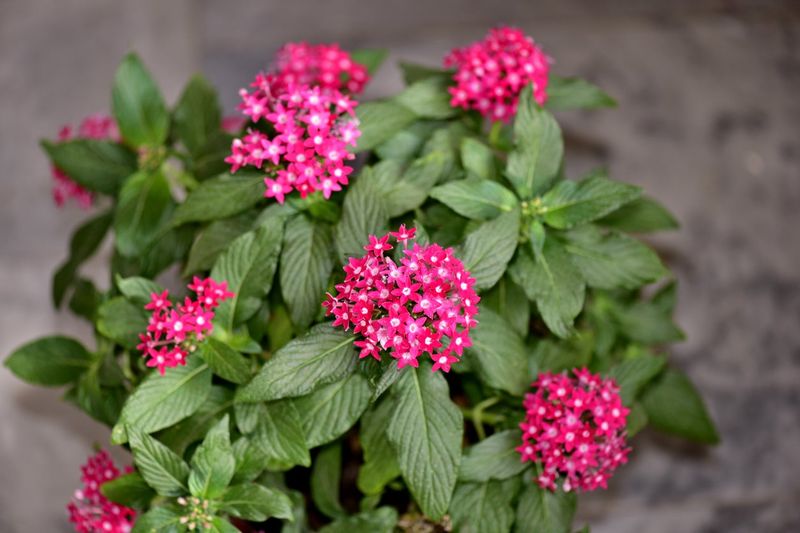
Freshly planted pentas need a little extra attention when it comes to watering, especially during May when Florida temperatures are already climbing.
New plants have not yet developed the deeper root systems that allow them to pull moisture from a wider area of soil, so regular watering in the first few weeks after planting helps them settle in without too much stress.
A good approach is to water deeply a few times per week rather than giving plants a light sprinkle every day. Deep watering encourages roots to grow downward into the soil, which makes plants more resilient once the heat of June and July arrives.
Shallow watering can keep roots near the surface, where they are more vulnerable to drying out quickly between rains.
Once pentas are established, which generally takes a few weeks to a couple of months depending on conditions, they become more tolerant of Florida’s natural wet and dry cycles.
At that point, supplemental watering between rains is usually enough to keep them going.
Checking the soil an inch or two below the surface before watering can help you avoid overdoing it, since pentas prefer soil that dries out a bit between waterings rather than staying constantly wet.
4. Feed Lightly To Support Steady Blooms
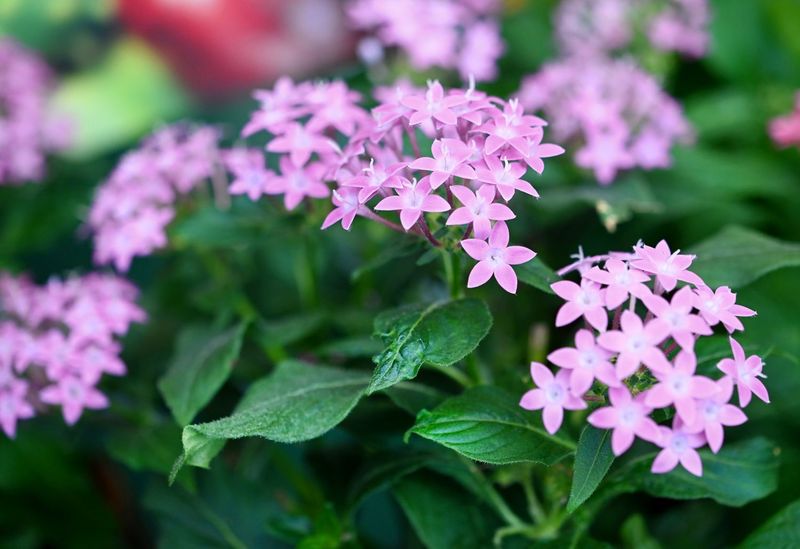
Pentas are not heavy feeders, but a modest boost of nutrients in May can help support the steady blooming that makes them so appealing to butterflies.
A light application of a balanced, slow-release granular fertilizer at the start of the warm season gives plants a gradual supply of nutrients without pushing excessive leafy growth at the expense of flowers.
Over-fertilizing pentas, particularly with high-nitrogen products, can result in lush green foliage but noticeably fewer blooms. Since the flowers are what bring butterflies in, keeping fertilizer applications moderate tends to work better than going heavy.
Following label directions carefully and applying less than the maximum suggested rate is a reasonable approach for flowering plants like pentas.
In Florida, where rainfall can wash nutrients through sandy soils relatively quickly, a light follow-up feeding mid-summer may be worth considering if plants start to look pale or slow down on blooming.
Liquid fertilizers are an option too, though they need to be reapplied more frequently than granular slow-release products.
The goal is steady, consistent flowering throughout the season, not a single dramatic burst of blooms that fades before summer is over.
5. Leave Room For Fuller Growth
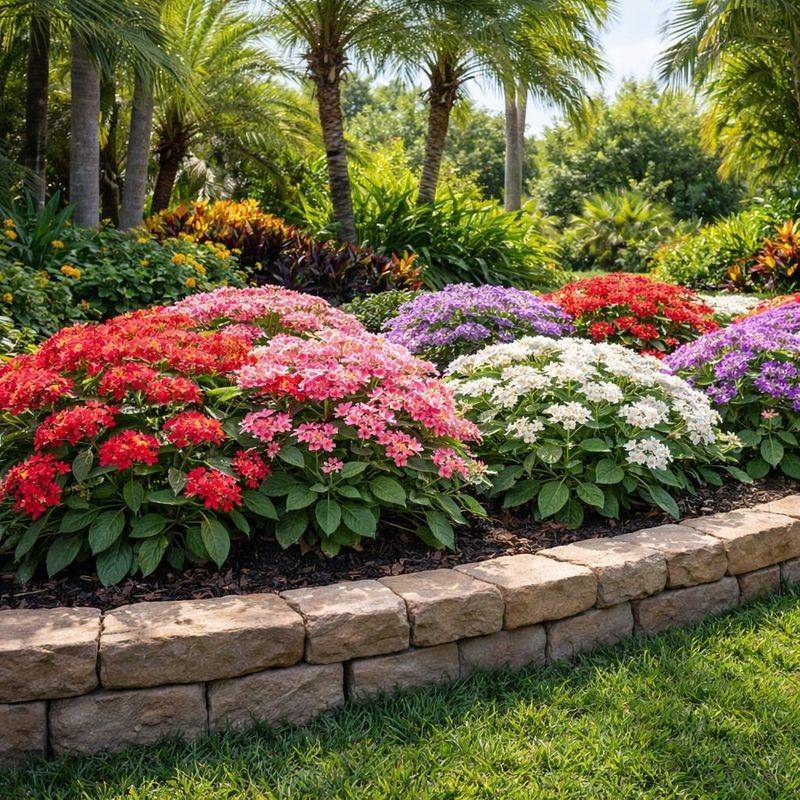
Crowding is one of the most common issues in Florida flower beds, and pentas are no exception to the problems it can cause.
When plants are placed too close together, air circulation drops, moisture stays trapped around stems and leaves, and competition for nutrients increases.
All of these conditions can slow growth and reduce the number of blooms each plant produces.
Most pentas varieties benefit from being spaced roughly 18 to 24 inches apart, though this can vary depending on the specific variety you are growing. Dwarf types may need a little less room, while larger varieties may appreciate a bit more.
Checking the tag or variety information when purchasing plants gives you a useful starting point for spacing decisions.
Giving pentas adequate room also allows each plant to develop its natural, rounded, bushy shape.
Fuller plants with more branching tend to produce more flower clusters, which means more nectar available for butterflies, bees, and other pollinators visiting your Florida yard.
If you are working with an existing bed where plants are already crowded, May is a reasonable time to thin or transplant some of them before summer growth really takes off and makes moving plants more stressful.
6. Pinch Early Growth For Bushier Plants
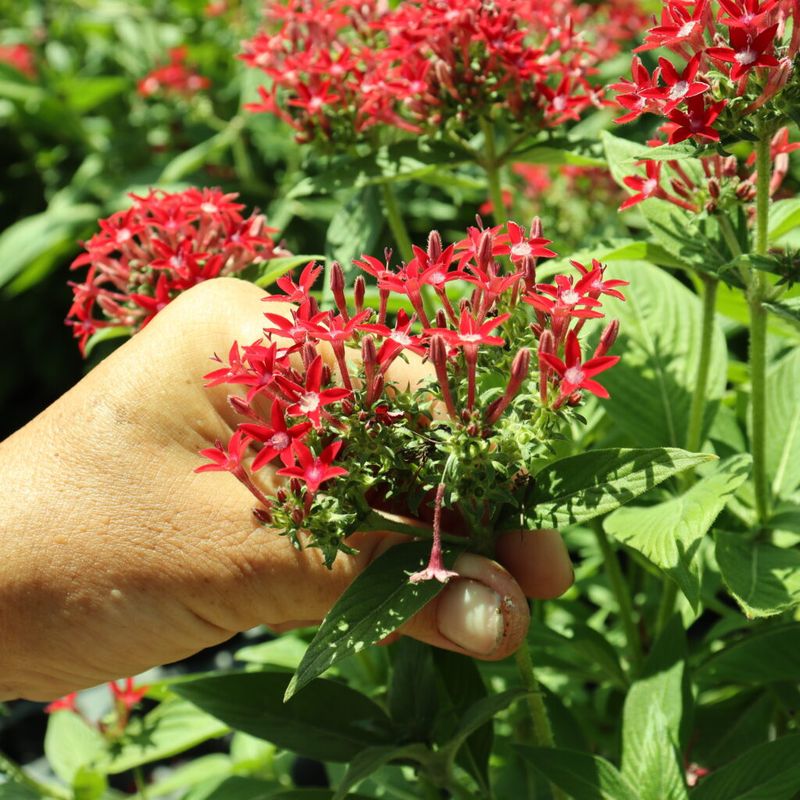
Pinching back the tips of young pentas plants in May is a simple technique that can make a noticeable difference in how full and productive your plants become over the summer.
When you remove the growing tip of a stem, the plant responds by pushing out two or more new shoots from just below the pinch point.
More shoots mean more branching, and more branching generally means more flower clusters later on.
You do not need any special tools for this. Simply use your fingers or a clean pair of small scissors to nip off the top inch or two of each stem.
Doing this a few weeks after planting, or early in the season before plants get too tall, tends to produce the best results.
If your pentas already have blooms forming, you can still pinch some stems while leaving others to flower, which gives you a mix of current blooms and future branching.
Some gardeners hesitate to pinch because it feels counterproductive to remove growth from a plant they want to see thrive.
In practice, though, a brief pause in blooming is usually followed by a fuller, more vigorous plant that flowers more heavily through the rest of the Florida warm season.
The short-term trade-off tends to be worth it.
7. Skip Constant Deadheading
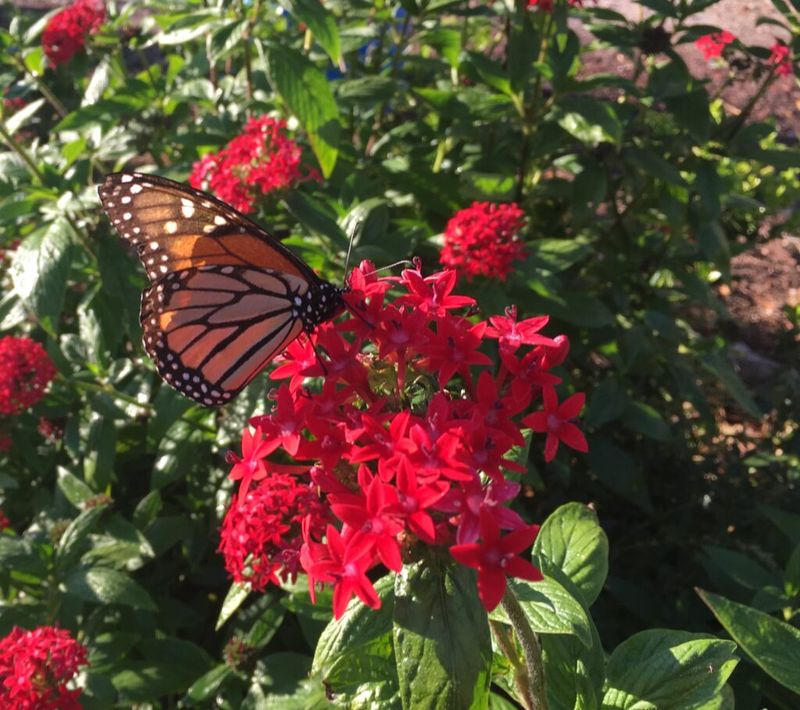
Unlike some flowering plants that stop producing blooms unless spent flowers are regularly removed, pentas tend to keep flowering without constant deadheading.
This makes them especially practical for Florida gardeners who want a low-maintenance plant that still supports butterfly activity through the summer without requiring daily attention.
Pentas flower clusters develop at the tips of stems, and once one cluster finishes, new stems with fresh buds typically emerge from the same area. The plant manages this process fairly well on its own.
Occasionally removing old flower heads that look particularly ragged or brown can keep beds looking tidy, but this is more about appearance than plant performance.
Skipping aggressive deadheading also means you are not constantly removing plant material that could support other wildlife.
Some birds and small insects interact with spent flower heads, and leaving plants in a more natural state supports a broader range of yard visitors beyond just butterflies.
If your goal is a butterfly-friendly Florida garden that feels relaxed and full of life, pentas fit that vision well.
Spending less time deadheading also frees you up to focus on other May tasks like watering, checking for pests, or adding companion plants to your pollinator space.
8. Group Pentas For A Bigger Butterfly Signal
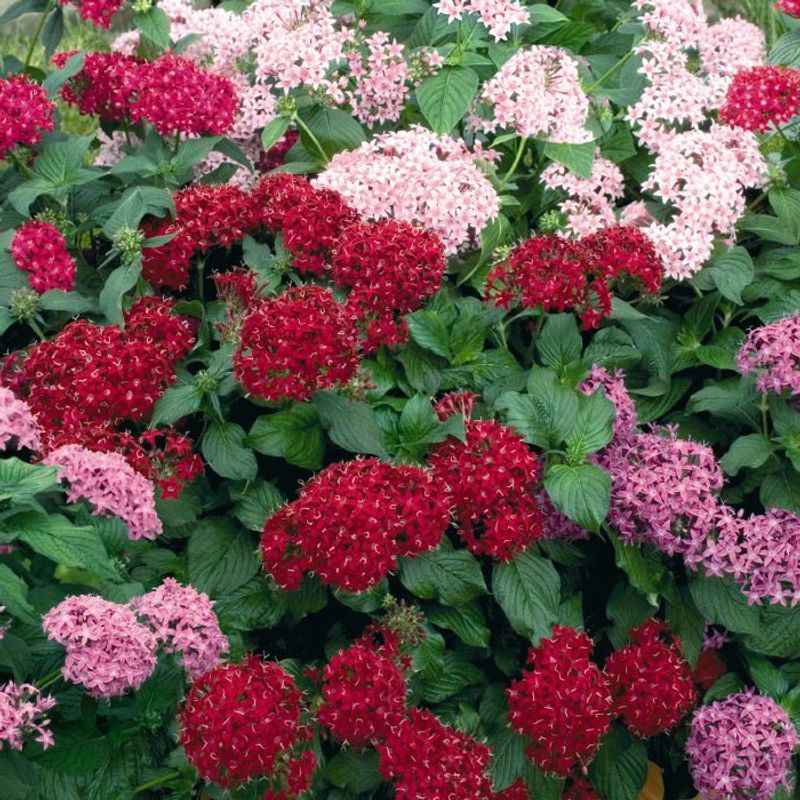
Butterflies tend to notice larger patches of color more readily than single plants scattered across a yard.
Grouping pentas together in clusters of three, five, or more plants creates a more visible and appealing landing zone for passing butterflies, which may be scanning your yard from above or from a distance before deciding where to stop and feed.
Mass plantings of pentas also produce more nectar overall, which can support more butterfly visits and longer feeding sessions.
A single pentas plant offers something to any butterfly that happens to pass by, but a full bed of them creates the kind of reliable nectar source that can become a regular stop for local butterfly populations throughout the Florida warm season.
When grouping pentas, mixing colors like red, pink, lavender, and white can add visual interest for the gardener while still providing the dense flower coverage that butterflies respond to.
Keeping groups in sunny, open areas of your yard where butterflies can approach without navigating through dense shrubs or shaded spots tends to work well.
Container clusters on a sunny patio or porch can also work if you do not have large open bed space available in your Florida landscape.
9. Pair Them With Other Nectar Plants
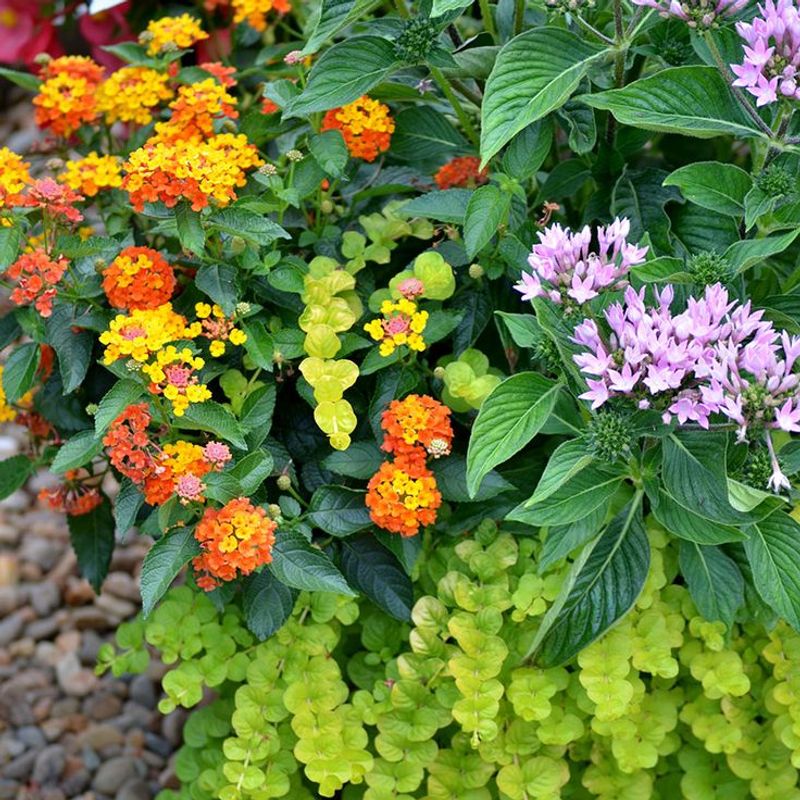
Pairing pentas with other nectar-rich plants creates a more diverse and inviting butterfly garden that can support a wider variety of species throughout the Florida summer.
Different butterfly species have preferences for different flower shapes, colors, and nectar types, so offering a mix of plants increases the chances of attracting a broader range of visitors to your yard.
Plants like lantana, firebush, porterweed, and milkweed are commonly recommended alongside pentas in Florida pollinator gardens.
Milkweed in particular serves as a host plant for monarch butterflies, meaning females lay eggs on it and caterpillars feed on its leaves.
While pentas provide nectar for adult butterflies, host plants support the full butterfly life cycle, making your yard more valuable as habitat overall.
When planning combinations, consider bloom timing, height, and sun requirements so that plants work well together without one overshadowing another. Pentas pair naturally with low to mid-height flowering plants in sunny spots.
Keeping a variety of bloom types and heights in your Florida butterfly garden also extends the season of interest, since different plants peak at different times and together can keep color and nectar available from spring well into fall.
10. Plan For Freeze Protection Later In The Year
May feels far removed from cold weather, but thinking ahead about freeze protection while you are planning your pentas beds now can save you some scrambling later. Pentas are warm-season plants that do not handle frost well.
In most parts of Florida, the risk of freezing temperatures is low through the summer and fall, but northern Florida gardeners may see cooler nights by late November or December.
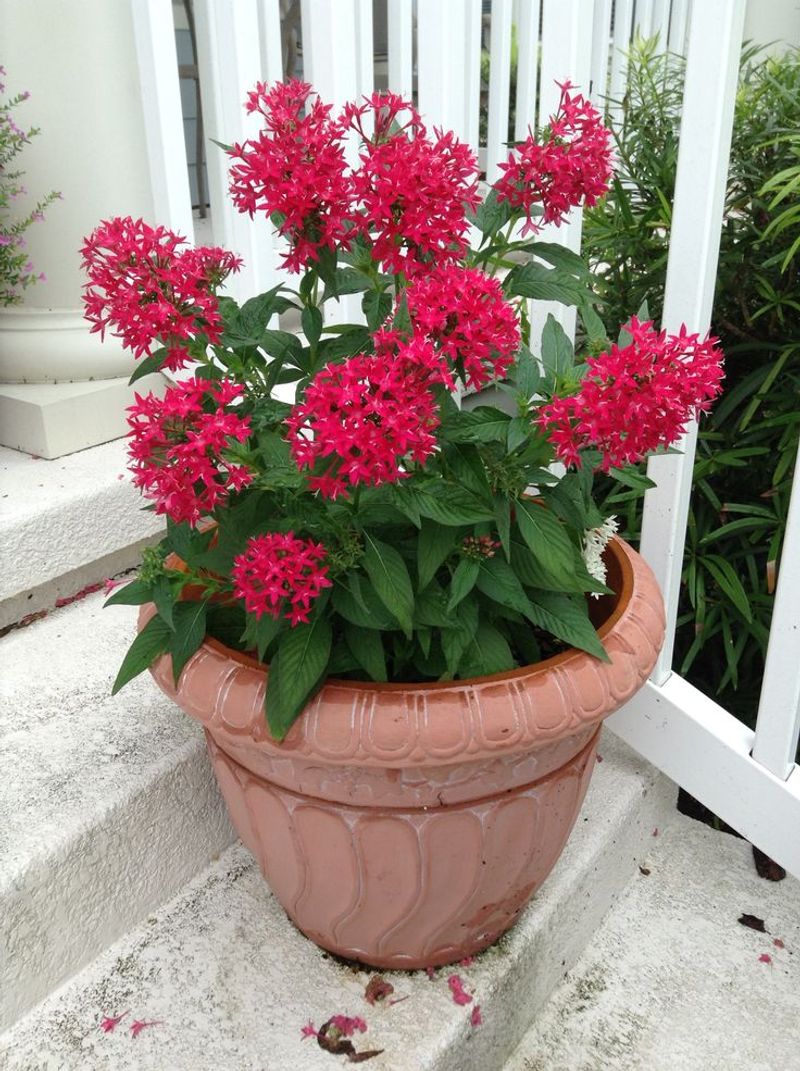
One practical approach is to plant pentas in containers that can be moved indoors or under cover if a cold snap is forecast.
This flexibility is especially useful in central and northern Florida, where occasional freezes are more likely than in the southern part of the state.
In-ground plantings in frost-prone areas may need to be covered with frost cloth on nights when temperatures are expected to drop near or below freezing.
Keeping a few extra pentas cuttings rooted in small pots through the fall gives you replacement plants ready to go if cold weather damages your main planting.
Pentas can also be cut back after a light frost and may regrow from the base if roots are protected.
Thinking about these scenarios in May, while the season is just getting started, helps you enjoy your butterfly garden without being caught off guard when Florida weather eventually shifts.