Native Georgia Ground Covers That Stay On Woodland Slopes When Pine Straw Washes Away
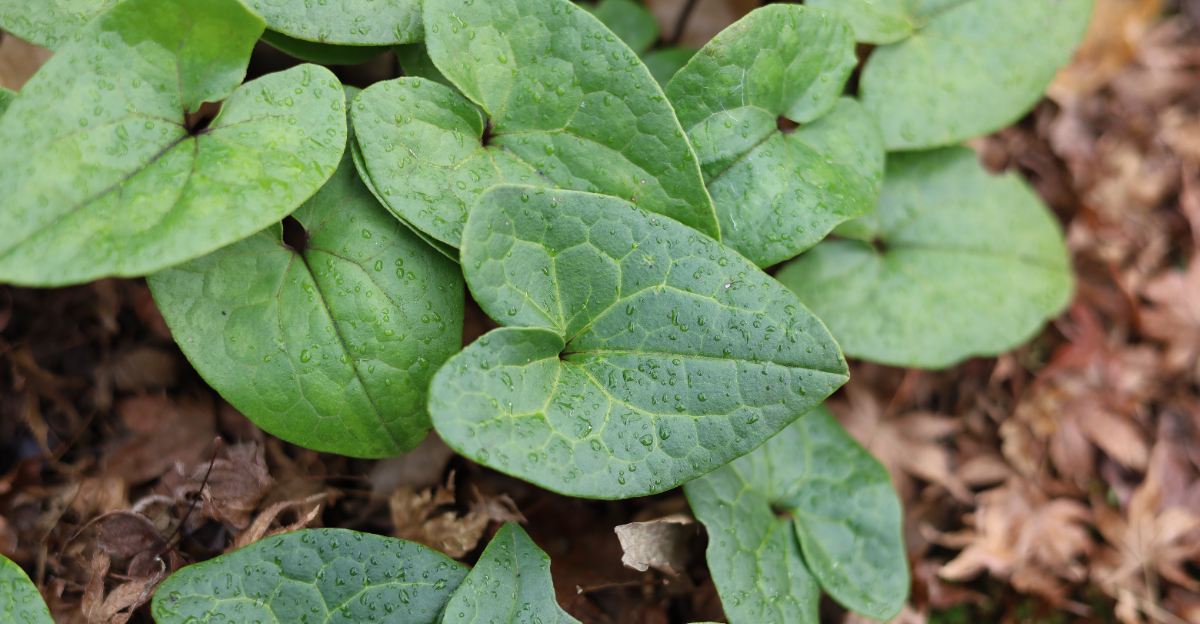
Some landscapes seem to get better with age. A few years pass, plants fill in, and the whole yard starts looking more natural and established.
Other areas never quite reach that point. No matter how much effort goes into them, they always seem to look unfinished.
Woodland slopes are often like that. They sit somewhere between garden space and natural area, which makes them surprisingly difficult to manage.
What works in a flower bed may not work there. What looks good for a few months may disappear after a season of rain and weather.
That is one reason these spaces have become so interesting to gardeners lately.
Instead of constantly replacing materials or starting over, more attention is shifting toward plants that last longer and become part of the landscape.
Georgia has several native ground covers that do exactly that. Once established, they can create the kind of stable, natural-looking coverage that many woodland slopes have been missing.
1. Allegheny Spurge Covers Shaded Slopes
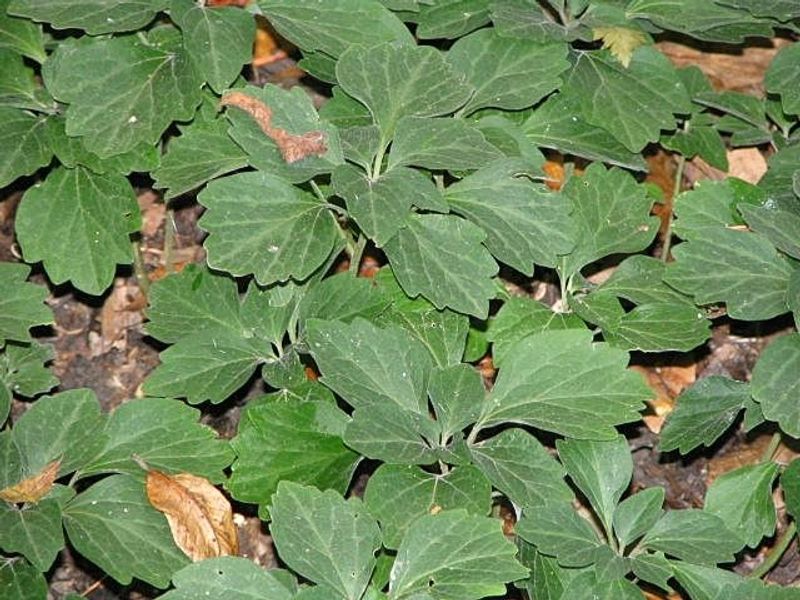
Allegheny spurge does something pine straw never does: it grips the ground and stays put. Pachysandra procumbens is a true native, unlike its Asian cousin that shows up in most nurseries.
Slopes with dense shade are where it actually performs best.
Leaves are broad, softly mottled, and semi-evergreen. They lay flat and overlap, which slows water runoff before it can carve channels into bare soil.
Planting in drifts of at least a dozen starts gives you visible coverage within two growing seasons.
Spring brings short, fragrant flower spikes right at ground level. Pollinators notice them even if you almost miss them yourself.
After blooming, the plant quietly spreads by underground stolons without becoming aggressive.
Soil prep matters here. Allegheny spurge prefers loose, humus-rich, well-drained soil with consistent moisture.
Heavy clay slopes need amendment before planting, or drainage problems will limit its spread. A layer of leaf mulch around new plugs helps retain moisture while roots establish.
Deer pressure is real in wooded neighborhoods across the region. Luckily, this plant shows strong deer resistance in most documented observations.
It pairs well with Christmas fern and wild ginger on north-facing slopes where little else fills in reliably.
2. Appalachian Sedge Adapts To Hillsides
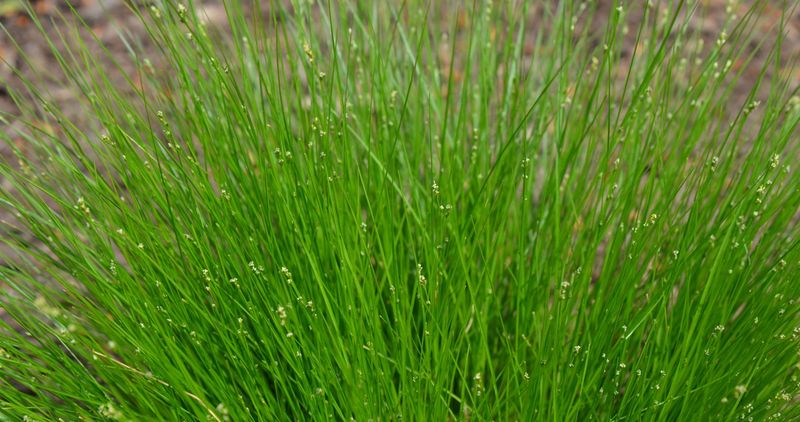
Forget every ornamental grass that has ever washed off your slope. Carex appalachica is built for exactly the conditions that defeat those flashier plants.
It roots aggressively, tolerates dry shade, and spreads steadily without irrigation.
Appalachian sedge grows in tight clumps with thin, arching blades that rarely exceed ten inches. Those clumps knit together over time, forming a soft, meadow-like texture across uneven terrain.
On slopes, that interlocking root system is what actually holds soil between rainfall events.
Dry shade under mature oaks and pines is its natural home. Other ground covers struggle in those conditions, but this sedge barely notices.
Once established, it requires almost no supplemental water during normal rainfall years.
Spacing plants about twelve inches apart accelerates coverage on steep areas. Closer spacing costs more upfront but reduces erosion risk during the first year before spreading fills gaps.
Your Georgia Garden Changes Every Week. Your Plan Should Too.
Gardening in Georgia changes quickly throughout the season. Every Friday you’ll receive a simple weekly plan showing exactly what to plant, prune, fertilize, harvest, and protect so you never miss the right timing.
Leaf litter from surrounding trees acts as natural mulch and breaks down into the soil amendments this plant appreciates.
Mowing once in late winter cuts back old foliage and encourages fresh spring growth. Avoid mowing in summer or fall.
The plant looks tidiest when left alone through the growing season and cleaned up just before new growth emerges in early spring. Reliable performance on hillsides makes it a practical first choice for low-maintenance woodland landscapes across the Southeast.
3. Partridgeberry Creates A Low Woodland Carpet
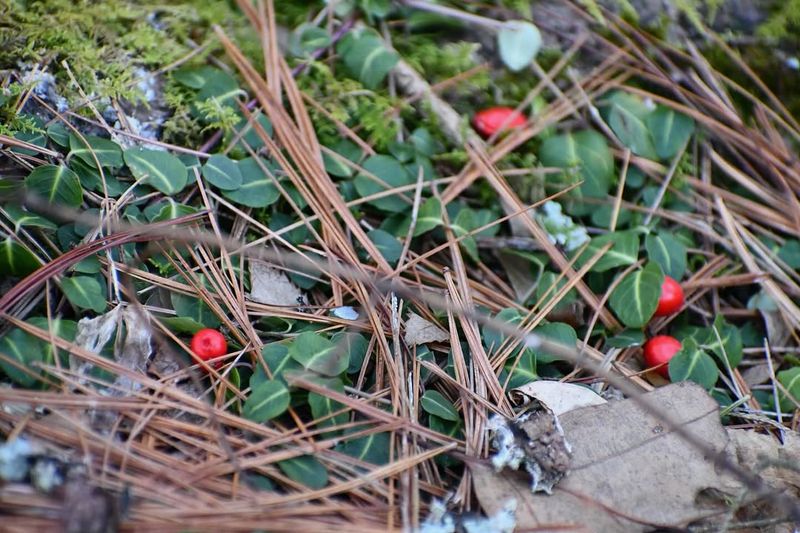
Bright red berries on a plant that barely reaches two inches tall sounds almost too good to be true. Mitchella repens delivers exactly that, spreading quietly across the forest floor while providing year-round color.
Slopes with moist, acidic soil and heavy shade are where it thrives without any fuss.
Stems creep along the ground and root at nodes, stitching themselves into the soil as they go. That creeping habit is what makes partridgeberry so effective on sloped terrain.
Rainfall runs over it rather than under it, and the rooted stems hold the surface layer of soil firmly in place.
Paired white flowers appear in late spring. Each pair fuses together to produce a single berry, which is a botanical quirk that surprises most gardeners the first time they notice it.
Berries persist through winter, providing food for ground-feeding birds during lean months.
Planting in groups of plugs rather than single specimens speeds establishment significantly. Partridgeberry prefers undisturbed woodland soil with good organic content.
Avoid compacting the soil around new plantings, as root disturbance slows spreading noticeably.
Heavy foot traffic is its main weakness. On slopes that see regular use, position it away from natural pathways.
Combined with Christmas fern or wild ginger, it forms a layered woodland floor that looks intentional and requires minimal maintenance once established across Georgia hillsides.
4. Christmas Fern Helps Hold Soil In Place
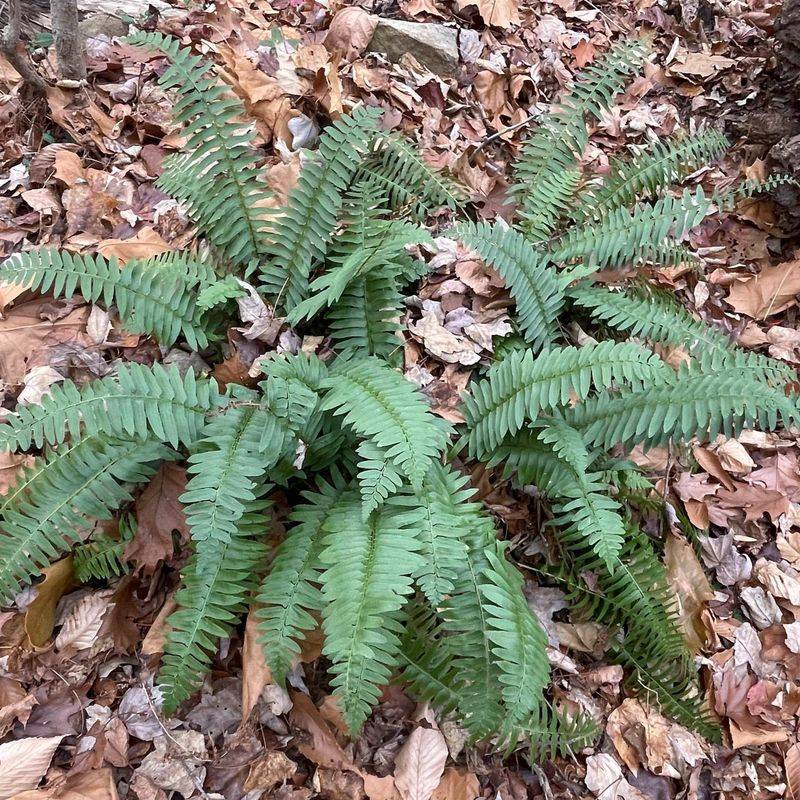
Erosion on a steep slope can strip topsoil faster than most gardeners expect. Christmas fern stops that process cold.
Polystichum acrostichoides sends roots deep and wide, anchoring into the hillside in a way that shallow-rooted plants simply cannot match.
Fronds stay green through winter, which is where the name comes from. Early settlers reportedly used the evergreen fronds for holiday decorations.
That persistent foliage means the slope stays covered and protected even during the months when other plants go dormant.
Each plant produces a graceful rosette of dark, leathery fronds. Mature clumps spread slowly outward, and old fronds flatten in late winter to form a natural mulch layer around the crown.
That flattened layer further slows water movement down the slope surface.
Christmas fern tolerates a surprisingly wide range of conditions. Deep shade, part shade, dry rocky banks, and moist creek-side slopes all support healthy growth.
Soil pH flexibility makes it easier to establish than many native alternatives that demand more specific conditions.
Planting on contour lines across a slope rather than in random clusters maximizes erosion control. Space plants roughly eighteen inches apart in staggered rows.
New fronds emerge in spring with a distinctive silvery fiddlehead before unfurling into full green. Pairing with Allegheny spurge or wild ginger fills in the lower canopy gaps that ferns leave between clumps on shaded hillsides.
5. Pennsylvania Sedge Spreads Through Woodlands
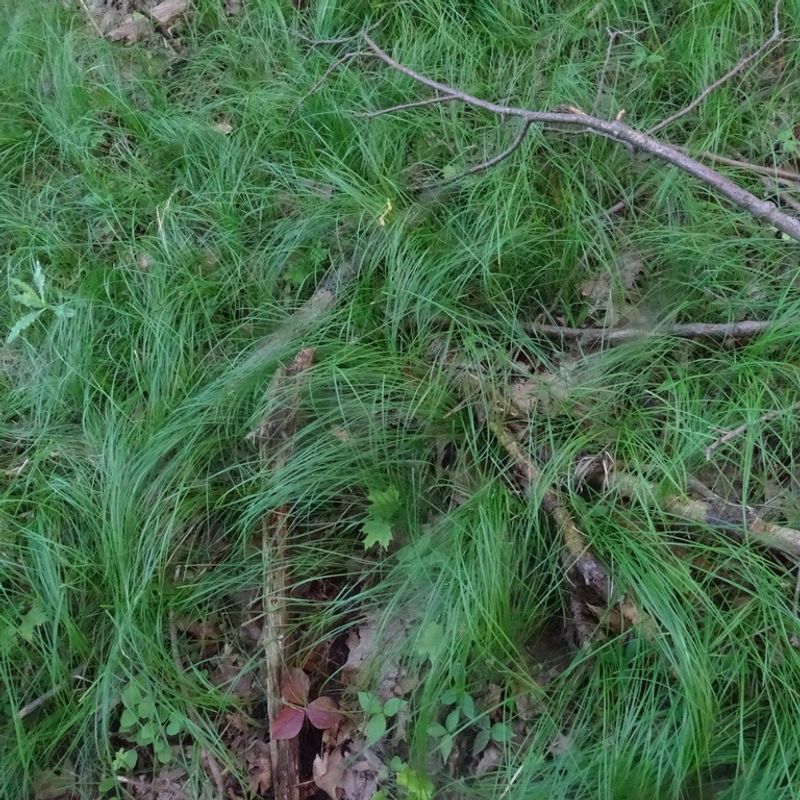
One of the most underused ground covers for dry, shaded slopes is growing wild in woodlands across the region right now. Carex pensylvanica forms a flowing, grass-like carpet that looks almost like a lawn under trees.
Most lawn grasses fail completely in those dry, rooty conditions where this sedge quietly thrives.
Fine-textured blades arch gracefully and reach about six to eight inches. On a slope, that arching habit softens the visual line of the hillside while the dense root mat below holds soil between rain events.
Established colonies resist washout far better than any loose mulch product.
Dry shade under oaks is its preferred habitat. Root competition from large trees does not deter it the way it stops most flowering ground covers.
It has adapted over thousands of years to compete in exactly those challenging conditions.
Plugs planted twelve to eighteen inches apart will fill in within two to three seasons under reasonable conditions. Faster coverage comes from closer spacing, but either approach works well with consistent moisture during the first summer.
After the first full growing season, supplemental watering becomes largely unnecessary in most years.
Light foot traffic is tolerable, which makes Pennsylvania sedge a practical choice for slopes that double as informal paths between garden areas. A single late-winter mow keeps it tidy and encourages dense spring regrowth.
It combines beautifully with green and gold or wild ginger in layered woodland plantings across sloped terrain.
6. Green And Gold Fills Bare Ground
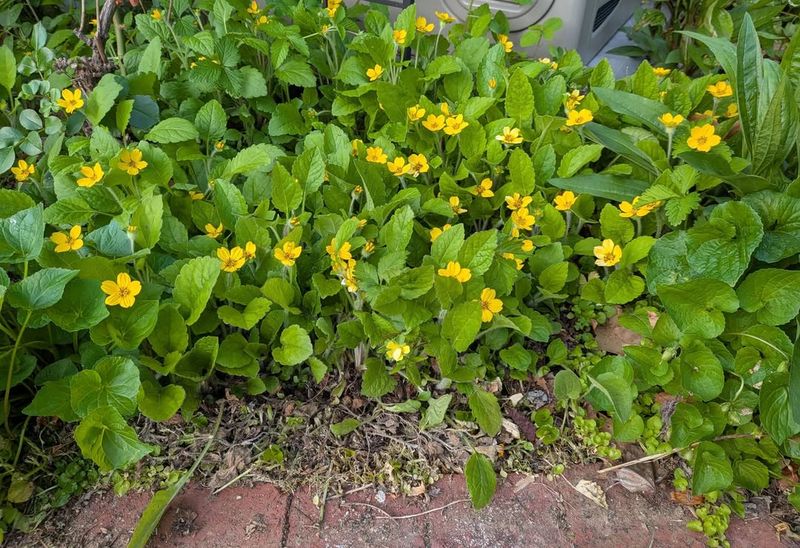
Yellow flowers on a ground cover that spreads through shade sounds like a fantasy plant catalog description. Chrysogonum virginianum actually delivers it, blooming from early spring through late fall with minimal care.
Bare spots on woodland slopes look completely different within one growing season after planting it.
Low mats of dark green foliage reach about four to six inches in height. Bright yellow, five-petaled flowers pop above the leaves almost continuously during the cool seasons.
That extended bloom period makes it one of the most visually rewarding native ground covers available for shaded hillsides.
Spreading happens through stolons and seeds, which means it fills gaps actively without gardener intervention. On slopes, that self-spreading habit is genuinely useful.
Coverage increases year over year, and bare soil between plants shrinks steadily as the colony matures.
Moist, well-drained soil produces the strongest growth, but green and gold tolerates drier conditions once established. Part shade is ideal, though it handles deeper shade with reduced flowering.
Heavy clay soils benefit from amendment before planting to improve drainage and prevent root saturation during wet periods.
Slugs occasionally browse new foliage in very wet springs, but damage is usually minor. Dividing established clumps every few years refreshes the planting and provides free starts for expanding coverage upslope.
Few native ground covers combine reliable erosion control with this level of season-long visual interest across shaded Southeast hillsides.
7. Wild Ginger Thrives Beneath Trees
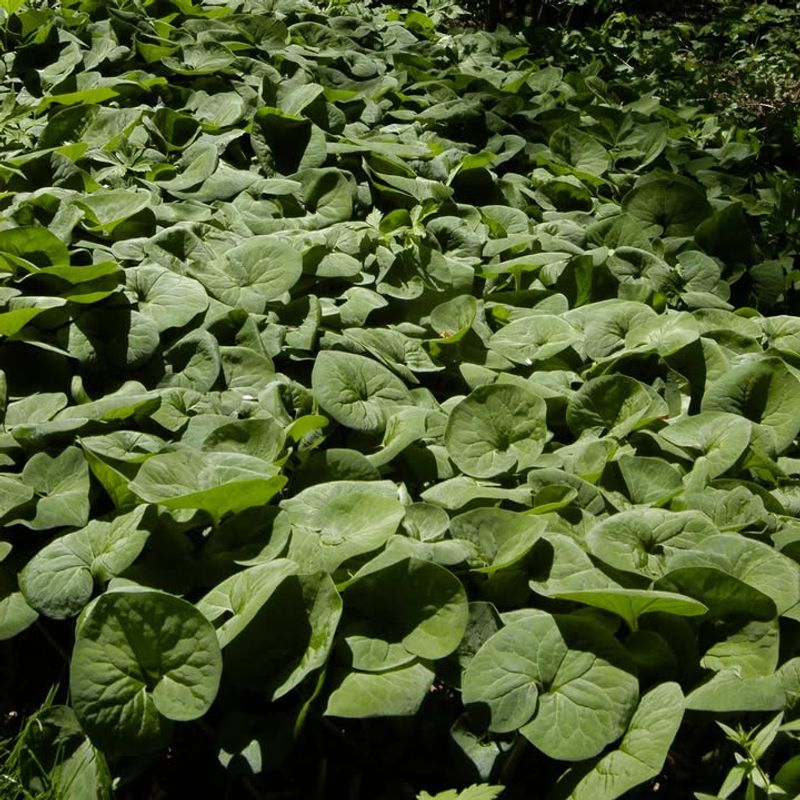
Big, bold leaves that block light from reaching bare soil are exactly what an erosion-prone slope needs. Wild ginger brings that canopy-like coverage right at ground level.
Asarum canadense spreads by rhizomes into a dense, weed-suppressing mat that few other low plants can match for sheer coverage.
Heart-shaped leaves reach three to six inches across, and colonies can spread several feet wide over time. That leaf coverage shades the soil surface, reducing the impact of heavy rain hitting bare ground directly.
Less direct impact means less soil displacement during intense summer storms.
Strange, jug-shaped flowers hide under the foliage in early spring. Most gardeners never notice them because they bloom at ground level.
Ants are the primary pollinators and seed dispersers, which is part of why wild ginger spreads so steadily through undisturbed woodland areas.
Consistent moisture and rich, humus-heavy soil produce the fastest spreading. Sandy or excessively dry slopes slow establishment considerably.
Adding compost to planting holes and mulching around new starts with leaf litter gives rhizomes the best chance to run in the first season.
Deer resistance is generally strong, which matters significantly in suburban woodland gardens. Wild ginger pairs naturally with Christmas fern, partridgeberry, and Allegheny spurge in layered plantings.
Combined, those plants cover every height zone from the soil surface up, creating a woodland floor that holds together reliably on slopes through even heavy Georgia rainfall events.
8. Ebony Sedge Stabilizes Sloped Areas
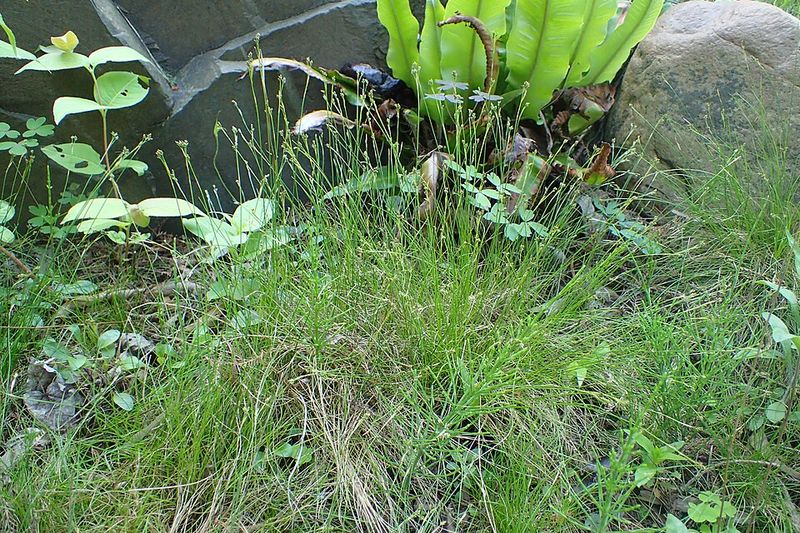
Rocky, steep slopes with deep shade are where most ground covers give up entirely. Ebony sedge, Carex eburnea, is genuinely comfortable in those extreme conditions.
Delicate-looking blades belie a surprisingly tough plant with strong slope-stabilizing roots.
Foliage is remarkably fine-textured, almost hair-like, and bright green year-round. Clumps reach about twelve inches tall and arch gracefully outward.
On a slope, that arching form softens hard angles while the fibrous root system below works steadily to hold soil in place between rain events.
Rocky outcrops and shallow soils that drain quickly suit it particularly well. Where other sedges struggle with poor soil, ebony sedge adapts and continues spreading.
Limestone-influenced soils are actually preferred, making it useful on slopes where soil pH runs slightly higher than typical woodland conditions.
Spacing clumps about twelve inches apart gives reasonable first-year coverage. Closer spacing at eight inches fills in faster on steep sections that need immediate erosion protection.
Mulching between new plugs with shredded leaves holds moisture and reduces competition from weeds while roots establish.
Minimal maintenance is needed once plants root in. Avoid cutting it back aggressively, as it does not respond as well as Pennsylvania sedge to hard mowing.
Removing old, tatty foliage by hand in early spring keeps clumps looking fresh. Combined with Christmas fern and wild ginger, ebony sedge rounds out a complete, low-care native planting for challenging shaded hillsides throughout the region.